
Country profile · Caribbean
 Jamaica
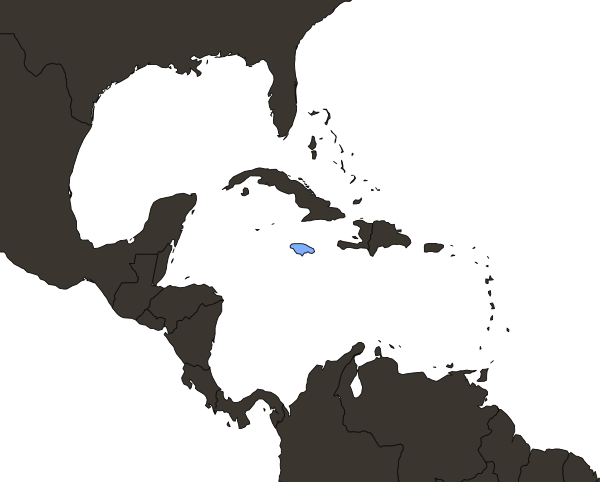
 is a Caribbean island of about 2.8 million people. It has been independent from Britain since 1962, but King Charles III is still its head of state. Prime Minister Andrew Holness won a third term in September 2025. Weeks later Hurricane Melissa, a Category 5 storm, caused damage and losses worth about 57% of a year's GDP.
Where Jamaica ranks
All rankings →Who runs Jamaica?
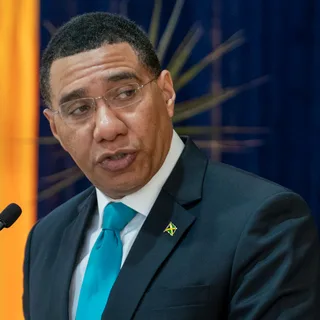
King Charles III is the head of state, represented by Governor-General Sir Patrick Allen. Prime Minister Andrew Holness was born in Spanish Town on July 22, 1972. He was first elected to parliament in 1997, at 25, for the seat of St Andrew West Central. He first became prime minister in October 2011, at 39 the youngest in Jamaica's history, but lost the election weeks later. He returned to power in March 2016. On September 3, 2025 his Jamaica Labour Party won a third straight term for the first time in the party's history, taking 35 of 63 seats (chart). The People's National Party, led by Mark Golding, won 28. Holness's wife, Juliet Holness, is Speaker of the House. The government tabled a bill in December 2024 to replace the King with a Jamaican president, but it lapsed at the 2025 election and has not been brought back. Any such change also needs a referendum.
- JLP (Holness) 35
- PNP 28
Photo (January 2020): Ron Przysucha, US Department of State, Wikimedia Commons, public domain (cropped)
Who are Jamaica's allies and rivals?
The United States is Jamaica's largest trading partner. About two thirds of its tourists and remittances come from there. On August 20, 2026 the two countries signed an agreement that lets US troops come to Jamaica for training, joint operations and disaster relief. In June 2026 Jamaica agreed to take in up to 25 deportees from other countries every two weeks, and the first 22 arrived on October 13. Jamaica ended its program of Cuban doctors in March 2026. The United States had put visa bans on officials who run such programs. About 26 Jamaican soldiers and police serve with the international force against gangs in Haiti. In September 2026 Jamaica asked King Charles to refer questions about slavery to the Privy Council, which could lead to a claim for reparations. The British government says it will not pay. Venezuela still disputes Jamaica's 2019 takeover of its 49% stake in the Petrojam refinery.
Allies and partners
 United StatesLargest partner; troop agreement since August 2026
 CanadaFarm worker program running for 60 years
- CARICOMFounding member of the Caribbean community, 1973
 HaitiJamaican troops serve in the anti-gang force
Tensions
 United KingdomFormer ruler; rejects slavery reparations
 VenezuelaDispute over the Petrojam refinery stake
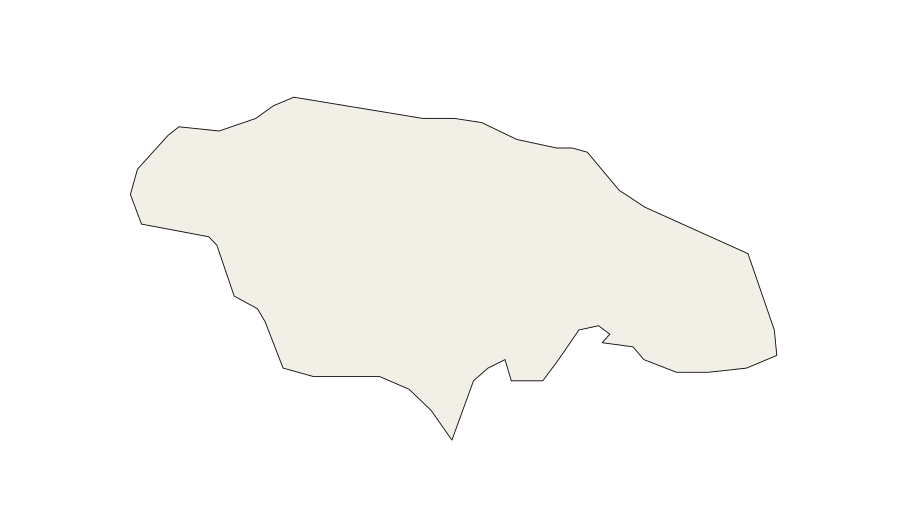
- Kingston Capital and main port. The first deportees from other countries under the US deal arrived here on October 13, 2026.
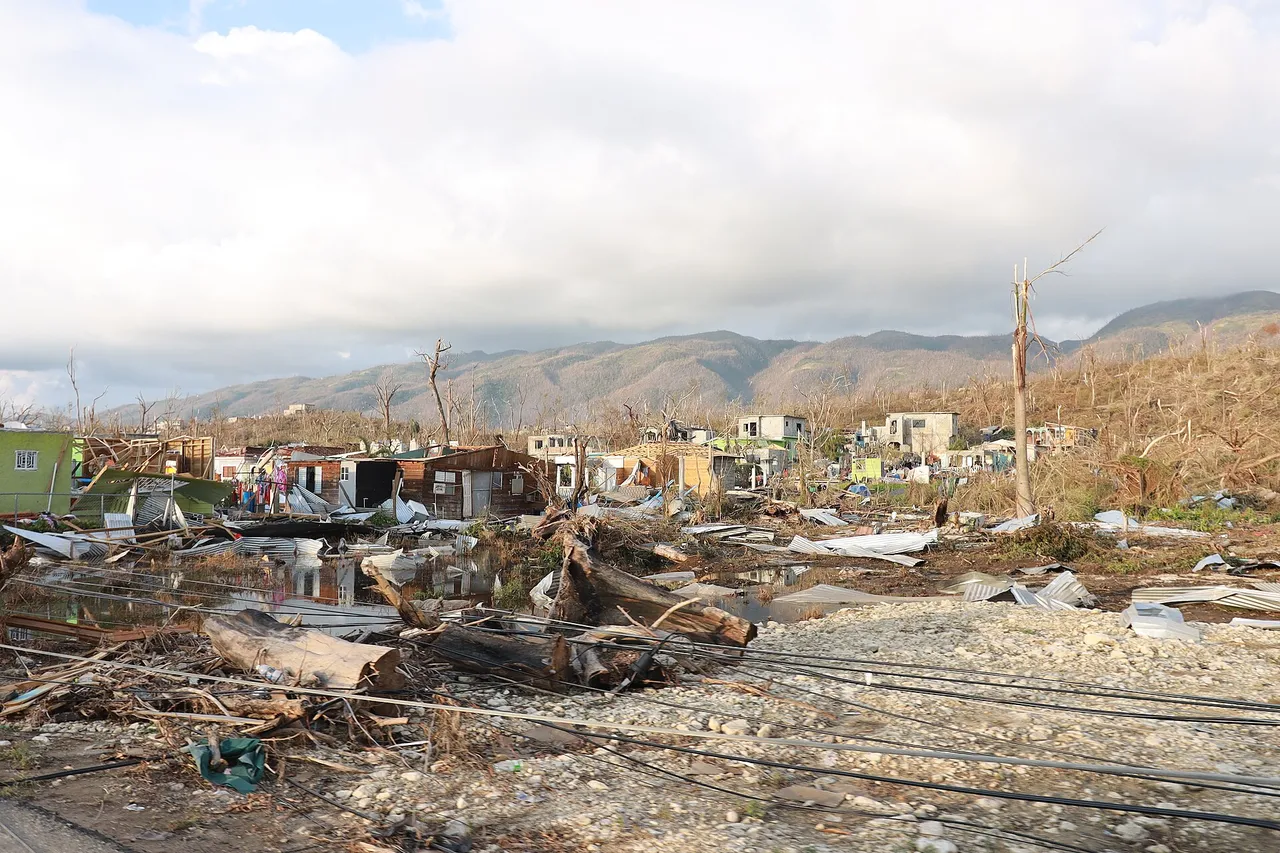
- Westmoreland Hurricane Melissa came ashore near New Hope, in this parish, on October 28, 2025, as a Category 5 storm.
- Ewarton Alumina plant owned by Russia's Rusal. Russia is Jamaica's second-largest export market.
- Montego Bay Center of the tourist industry on the north coast, with the island's busiest airport.
- Jamaica
Who does Jamaica trade with?
Jamaica exported $1.65 billion of goods in 2025 and imported $7.52 billion (UN Comtrade). The United States bought 40.8% of exports and Russia 11.3% (chart). Russia buys alumina from the Ewarton plant, which Russia's Rusal owns. The United States supplied 37.9% of imports and China 11.7%. Jamaica earns far more from tourism and from money sent home than from goods. Jamaicans abroad sent home $3.49 billion in 2025, about two thirds of it from the United States (Bank of Jamaica). Tourism earned about $4 billion from 3.7 million visitors in 2025. Jamaica was the world's largest bauxite miner from 1957 until Australia overtook it in 1971. Alumina, made from bauxite, earned $546 million in 2025. Three refineries remain: Jamalco, owned by the US firm Century Aluminum and the government; Windalco, owned by Rusal, which is looking for a buyer; and Alpart, owned by China's JISCO, which has been shut since 2019 and is due to restart around 2027.
Sells to
Share of Jamaica's exports
- United States40.8%
 Russia11.3%
 Iceland6.8%
- Canada6.1%
 Netherlands5.0%
Buys from
Share of Jamaica's imports
- United States37.9%
 China11.7%
 Brazil5.3%
 Japan4.0%
 Trinidad and Tobago3.7%
Goods, 2025. UN Comtrade (Jamaica's own figures).
How badly did Hurricane Melissa hit Jamaica?
Hurricane Melissa came ashore near New Hope, in Westmoreland, on October 28, 2025, as a Category 5 storm with winds of about 185 miles (295 km) an hour. Its landfall winds tied the record for the Atlantic. It was the strongest storm ever to hit Jamaica. The government counted 45 deaths. More than 90,000 homes were damaged. A first estimate by the World Bank and the Inter-American Development Bank put physical damage at $8.8 billion, about 41% of GDP. A fuller official count in March 2026 put damage and losses at about $12.2 billion, or 56.7% of GDP. Jamaica had bought insurance: a $150 million catastrophe bond paid out in full, and in May 2026 it bought a new one for $200 million. The economy shrank for three quarters in a row. About 30% of hotel rooms were still closed in September 2026, and visitor numbers were 17% lower than a year earlier.
Why have murders fallen in Jamaica?
Police counted 1,141 murders in Jamaica in 2024, about 40 for every 100,000 people. The Caribbean average is about 15. In 2025 the number fell to 673, a drop of 41% and the lowest since 1994. The fall continued in 2026: 407 murders by October 6, 24% fewer than a year earlier. September 2026 had 36 murders, the lowest monthly total in more than 30 years. The police target for 2026 is fewer than 500. The government uses states of emergency and zones of special operations in violent areas. Police also kill many people: 228 by October 6, 2026, and human rights groups criticize this. Much of the violence comes from gangs tied to politics since the 1970s. About 800 people were killed around the 1980 election. In May 2010 security forces stormed Tivoli Gardens in Kingston to arrest the gang leader Christopher "Dudus" Coke for the United States, and at least 69 civilians were killed.