
Operation Ajax: the 1953 coup that created modern Iran
How the CIA and MI6 overthrew Iran's elected prime minister in 1953, and why the coup still drives Iran's distrust of America in 2026.
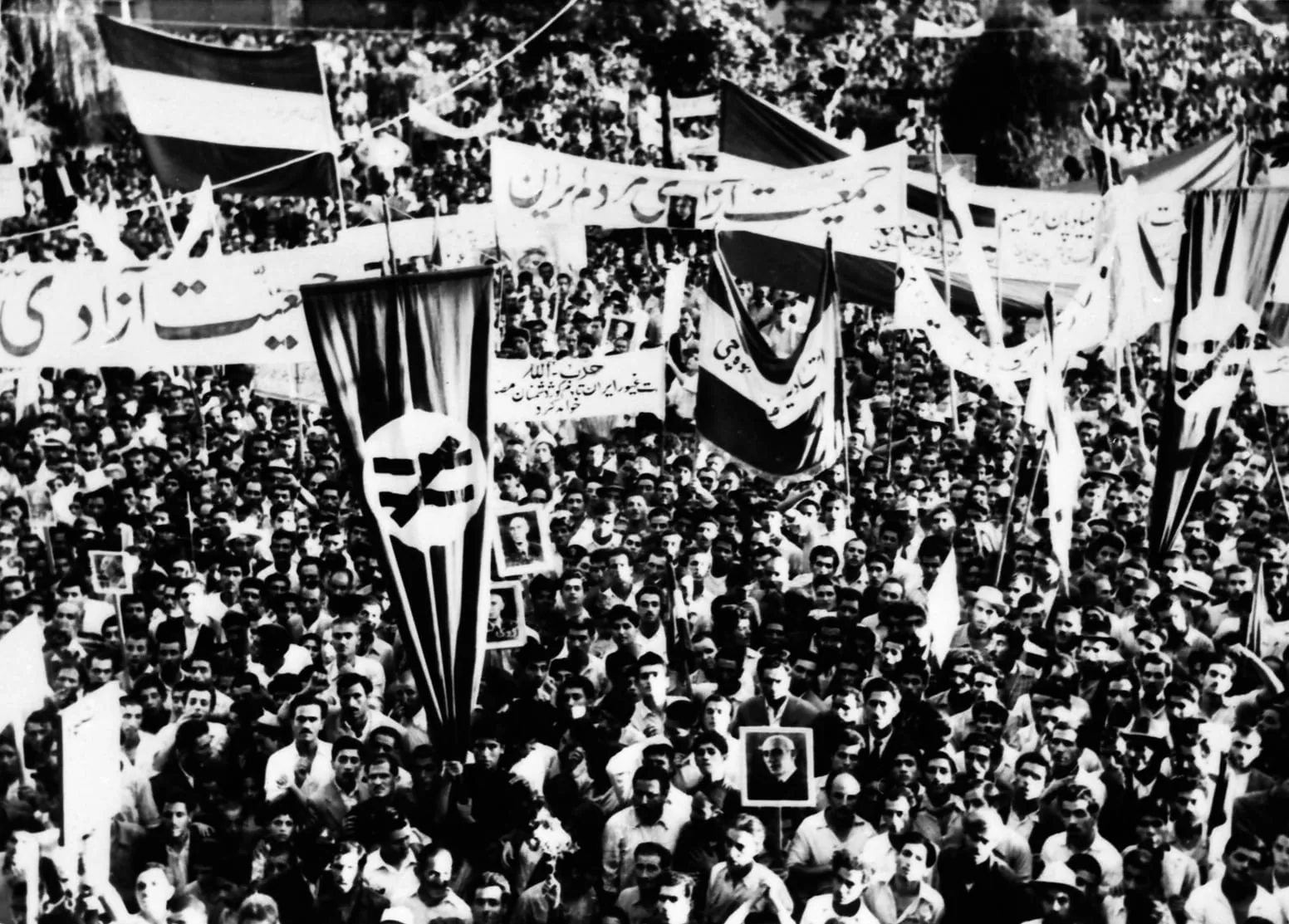
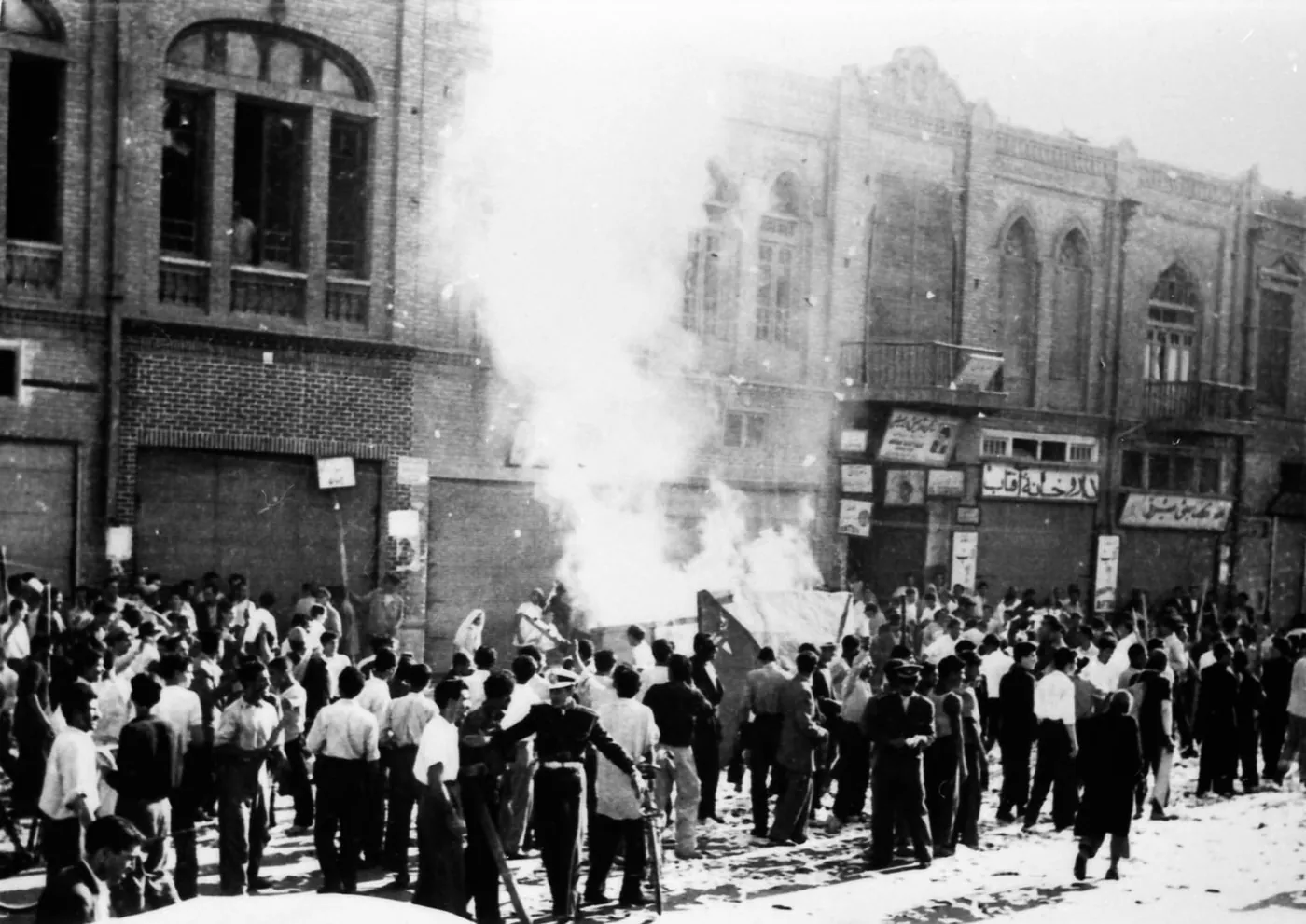
On the morning of August 19, 1953, a crowd came up out of the bazaar district in south Tehran: traders, laborers, and the strongmen who ran the city's wrestling gyms. It marched north, chanting for the Shah, Iran's monarch, and against Mohammad Mosaddegh, Iran's elected prime minister. Army units joined it along the way. By early afternoon tanks were shelling Mosaddegh's house, and by the next morning he had surrendered. It looked like a popular uprising, and that was the design: the CIA and Britain's MI6 had spent months, and about a million dollars, arranging it.
The operation was code-named Ajax, and it was the first time the CIA overthrew a foreign government. It handed the Shah absolute power for twenty-six years, helped cause the revolution that ended him in 1979, and built the distrust that still stands between Washington and Tehran in 2026, a year in which the two countries went to war. To understand modern Iran, you start here.
Why Britain wanted Mosaddegh gone
The story begins with oil. In 1908, a British company struck it in southwest Iran, the first major find in the Middle East. In 1914 the British government bought a controlling share of the company, at Winston Churchill's urging, to fuel the Royal Navy. By 1950 the Anglo-Iranian Oil Company ran the world's largest refinery at Abadan and was one of Britain's most valuable overseas assets.
The problem was the split. In 1950 the company paid Iran 16 million pounds in royalties for its oil. That same year it paid the British treasury 50 million pounds in taxes, and still had 33 million left over as profit. The British government was earning three times more from Iranian oil than Iran was.
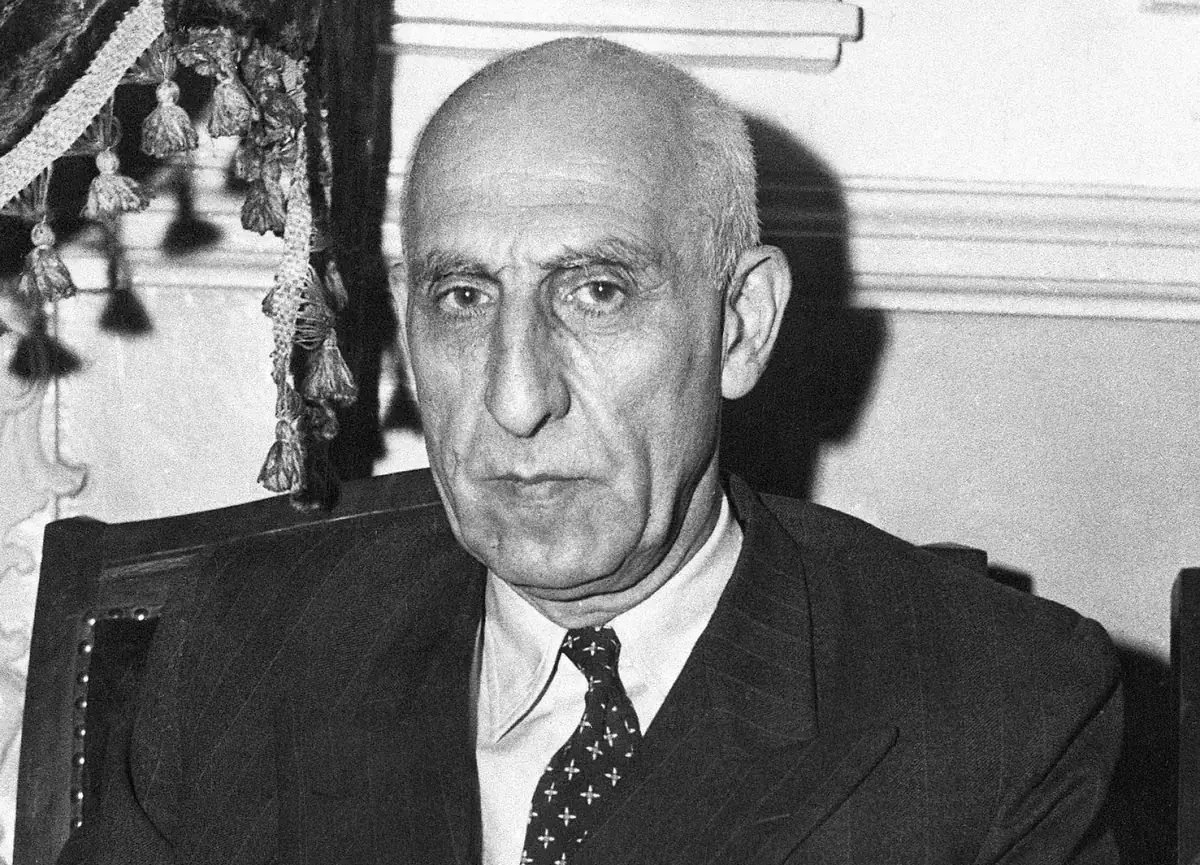
Mohammad Mosaddegh turned those numbers into a national cause. He was 68 when he took office, an aristocrat who had studied law in Paris and Switzerland and was the first Iranian to earn a doctorate in law from a European university. He had spent a lifetime in Iranian politics, including a stretch in prison under the current Shah's father, and had a reputation for being impossible to bribe. He was also famously theatrical: he wept openly in parliament, and often received foreign diplomats propped up in bed in his pajamas, a habit Western newspapers loved to mock. Before taking power, he had spent months in parliament documenting exactly what the company earned and what Iran got. In March 1951 Iran's parliament voted unanimously to nationalize the company, and in April Mosaddegh became prime minister to carry the vote out. Time magazine named him its Man of the Year.
Britain's answer was to choke Iran's economy. The Royal Navy moved warships into the Persian Gulf, and company lawyers threatened to impound any tanker that loaded Iranian crude, calling it stolen property. Iranian oil exports collapsed from about 600,000 barrels a day to almost nothing. The economy sank, but Mosaddegh did not fall, and in October 1952 he broke off relations with Britain and expelled every British diplomat in the country.
How a British problem became a CIA operation
The expulsion solved London's problem in the worst possible way. MI6 still had paid Iranian agents in Tehran, but no officers left in the country to run them. So Britain took its coup plan, code-named Boot, to Washington, and changed the sales pitch. Oil was never going to move an American president; communism might. The new argument was that the crisis was destabilizing Iran, and that Iran's communist party, the Tudeh, would pick up the pieces for the Soviet Union.
President Truman refused. His own advisers had concluded the opposite of what London claimed: Mosaddegh was the most popular politician in Iran, and removing him was more likely to open the way for the Tudeh than to block it. When Dwight Eisenhower took office in January 1953, John Foster Dulles at the State Department and his brother Allen Dulles at the CIA accepted, and a British operation became an American one.
The weak point of the argument was Mosaddegh himself. He was a constitutionalist and a landowner, and the Tudeh spent much of his term attacking him as a bourgeois nationalist. The CIA solved that problem by faking the threat. Iranians on its payroll telephoned senior clergy, threatened them, and claimed to be calling on behalf of the communists. Others bombed the house of a prominent cleric and left a trail pointing at the Tudeh. The goal was to convince Iran's religious establishment that a communist takeover was coming, when none was. In April 1953 the CIA sent a million dollars to its Tehran station, and its own internal history records what the money was for: to be used "in any way that would bring about the fall of Mosaddegh."
The coup machine was already built
The reason Ajax could work quickly and cheaply is the part most retellings skip: the CIA did not arrive in Iran in 1953. Since 1951 it had been running a program called BEDAMN on about a million dollars a year, and the program had spent that money on newspapers, printing presses, planted stories, paid demonstrations, and relationships with members of parliament and senior clergy. Two Iranians, Ali Jalali and Farouq Kayvani, ran the network day to day. Britain contributed its own long-standing agents, the Rashidian brothers, wealthy Tehran businessmen whose reach ran from the bazaar traders to the clergy to serving army officers. At least sixty thousand dollars, the equivalent of well over half a million today, went to General Fazlollah Zahedi, the man picked to replace Mosaddegh, months before anything happened in the street.
Ajax did not build a machine to overthrow a government from the ground up. It rented one that had been running for two years, and nearly every hand on it was Iranian.
Four days in August 1953
The field commander was Kermit Roosevelt Jr., a CIA officer and a grandson of President Theodore Roosevelt, who crossed the border by car in July under a false name. His plan needed the Shah to sign two decrees, one dismissing Mosaddegh and one appointing Zahedi, so that the coup would look on paper like a lawful act of the Iranian crown. The Shah, 33 years old and cautious after twelve years on a shaky throne, refused for weeks. The CIA flew in his twin sister Ashraf to persuade him, then sent Norman Schwarzkopf, an American general he trusted. The Shah finally signed on August 13, at his palace on the Caspian coast, 300 kilometers from Tehran, and stayed there.
On the night of August 15, Colonel Nematollah Nassiri of the Imperial Guard drove to Mosaddegh's house to deliver the dismissal decree. Mosaddegh's people had been tipped off, and Nassiri was arrested at the door. By morning the government had announced a failed coup, Zahedi was hiding in a CIA safe house, and the Shah had flown to Baghdad, then Rome, without waiting to see how it ended. On August 18, Washington cabled its Tehran station that the operation had failed and should be abandoned. Roosevelt stayed.
That same evening, Mosaddegh made the decision that cost him the country. Tudeh crowds had spent three days pulling down statues of the Shah, and Mosaddegh, determined not to look like the communist he was accused of being, ordered his police to clear the streets, his own supporters included. By nightfall Tehran was empty. The next morning, the only crowd in the city was the one Jalali and Kayvani had been handed fifty thousand dollars to put there. It seized the radio station, army units came over to its side, and tanks shelled Mosaddegh's house for hours. Around 300 people were killed that day, all of them Iranian. Mosaddegh escaped over his garden wall and surrendered the next morning. On August 22 the Shah flew home from Rome and took back his throne.
Who actually won Iran's oil
The oil settlement came a year later, and it rewarded almost everyone except the country that started the coup. A consortium took over the industry: British Petroleum, as Anglo-Iranian renamed itself, kept 40 percent; five American companies took 40 percent between them; Royal Dutch Shell took 14 and a French company the remaining 6. Iran was recognized as the legal owner of its oil, but for the next 25 years the consortium decided how much came out of the ground and what it sold for. No Iranian sat on the board, and no Iranian saw the books.
Britain had gone into the crisis owning Iran's oil outright and came out a minority partner in an industry it no longer controlled. The United States, which had never pumped a barrel of Iranian crude, now held two-fifths of it.
Mosaddegh was tried by a military court, served three years in prison, and then lived under guard on his estate until he died in 1967. His foreign minister, Hossein Fatemi, was executed by firing squad in 1954. The Shah, restored, founded the SAVAK secret police in 1957 with American and Israeli help and ruled without serious opposition for another 22 years.
Why 1953 still shapes Iran today
For most Americans, the coup is a footnote of the early Cold War. For Iranians, it is the central fact of the relationship with the United States. When the deposed and dying Shah was admitted to the United States in October 1979, months after the revolution that overthrew him, Iranians remembered that the last time the Shah fled the country, in August 1953, the CIA put him back on the throne. Two weeks later, students seized the US embassy in Tehran, the same embassy that had housed the coup's planners, and held 52 Americans hostage for 444 days to make sure history did not repeat.
Washington denied its role for decades. In 2000, Secretary of State Madeleine Albright finally acknowledged that "the United States played a significant role in orchestrating the overthrow" and called the coup "a setback for Iran's political development." In 2013 the CIA released its own internal history, which states that the coup "was carried out under CIA direction as an act of U.S. foreign policy."
The admissions changed little in Tehran. Iranian negotiators on the nuclear program have invoked the coup for twenty years as proof that American promises do not bind. This year the argument stopped being historical: American and Israeli strikes escalated into open war with Iran, the supreme leader Ali Khamenei was killed, and Iran closed the Strait of Hormuz to the world's oil. Whatever government emerges in Tehran will negotiate with Washington across the same memory Iranians have carried since 1953: the last time they freely chose a government, the United States removed it. The coup gave America twenty-six years of a friendly Iran. So far it has cost nearly fifty years of a hostile one.
Test what you learned
6 questions on this article. About two minutes, no signup.