Street gang · El Salvador and the US
MS-13 (Mara Salvatrucha)
Dismantled in El Salvador, active elsewhereUpdated November 13, 2026
MS-13, or Mara Salvatrucha, is a street gang founded in Los Angeles in the 1980s by young Salvadorans who fled their country's civil war. US deportations spread it to El Salvador, Honduras and Guatemala. It lives mainly on extortion. Since March 2022 El Salvador has arrested more than 93,000 people. Rights groups say many had no gang ties and hundreds died in custody. The gang is largely dismantled there but active in Honduras, Guatemala and at least 40 US states. Its weapons are mostly pistols, machetes and some rifles.
- Founded
- 1980s
- in Los Angeles, by Salvadoran refugees
- Members
- 50,000 to 70,000
- worldwide (2018 estimate)
- Arrested
- 93,334
- in El Salvador since March 2022
- US designation
- Terrorist group
- FTO since February 2025
- Homicide rate
- 103 to 1.3
- per 100,000 in El Salvador, 2015 to 2025 (2025 figure from the government)
Who funds MS-13?
No government is known to fund MS-13. The money comes from extortion, drugs and other crime.
- Crime
- ExtortionExtortion is the main income source. In El Salvador, gangs collected an estimated $756 million in 2016, about 3% of GDP, according to the central bank. Bus companies paid $12 million in 2021, a transport federation reported.
- Drug salesMS-13 runs local retail drug markets in Central America and the United States. The US Treasury says a Honduran leader moved multi-ton cocaine loads through Honduras.
- Human smugglingThe US Treasury named human smuggling as an MS-13 revenue source in 2023. InSight Crime says the gang's Mexico Program is involved in smuggling migrants.
- Murders for hireThe US Treasury said in 2023 that MS-13 members sold their services as assassins to drug-trafficking groups.
- Money launderingInSight Crime says MS-13 has laundered money through businesses such as bus lines and car dealerships. The US Treasury says one associate set up businesses to launder drug proceeds through US banks.
- Alleged
- Bukele government benefitsThe US Treasury sanctioned two Salvadoran officials in December 2021, saying the government gave gangs financial incentives in 2020 as part of secret talks. Bukele denies any pact.
MS-13
Mara Salvatrucha
InSight Crime reported that MS-13 used extortion money to buy rifles. US cliques pool money and send it to the leadership in El Salvador, according to the US Treasury.
El Faro estimated MS-13's income in El Salvador at about $31.2 million a year, based on a 2016 case file. El Salvador's crackdown has cut street collections there, but extortion persists in Honduras.
ConfirmedReported, denied
Where does MS-13 operate?
MS-13 is largely dismantled in El Salvador after mass arrests. It is still active in Honduran and Guatemalan cities and in at least 40 US states.
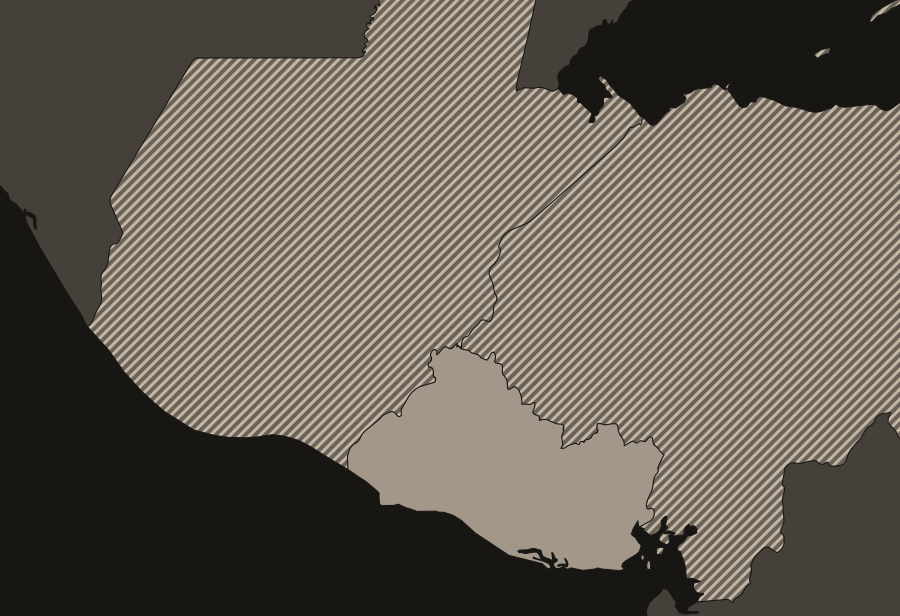
El Salvador: largely dismantled since 2022Honduras and Guatemala: gangs active in citiesMS-13 holds no land in a military sense. Its territory means neighborhoods where its cliques extort and sell drugs. It is also present in at least 40 US states and in Mexico, and has a small presence in Spain and Italy.
- Guatemala CityGuatemalaGuatemala passed Decree 11-2025 in October 2025, declaring gangs terrorist groups. In January 2026 President Arévalo declared a state of siege after Barrio 18 attacks killed police officers. The siege ended in February 2026.
- San SalvadorMass trialEl Salvador’s capital. Before 2022, MS-13 and Barrio 18 controlled much of its suburbs, such as Soyapango, which 10,000 soldiers surrounded on December 3, 2022. A mass trial of 485 accused MS-13 leaders opened here on April 20, 2026. Prosecutors charge them with about 47,000 crimes from 2012 to 2022, including 29,000 homicides.
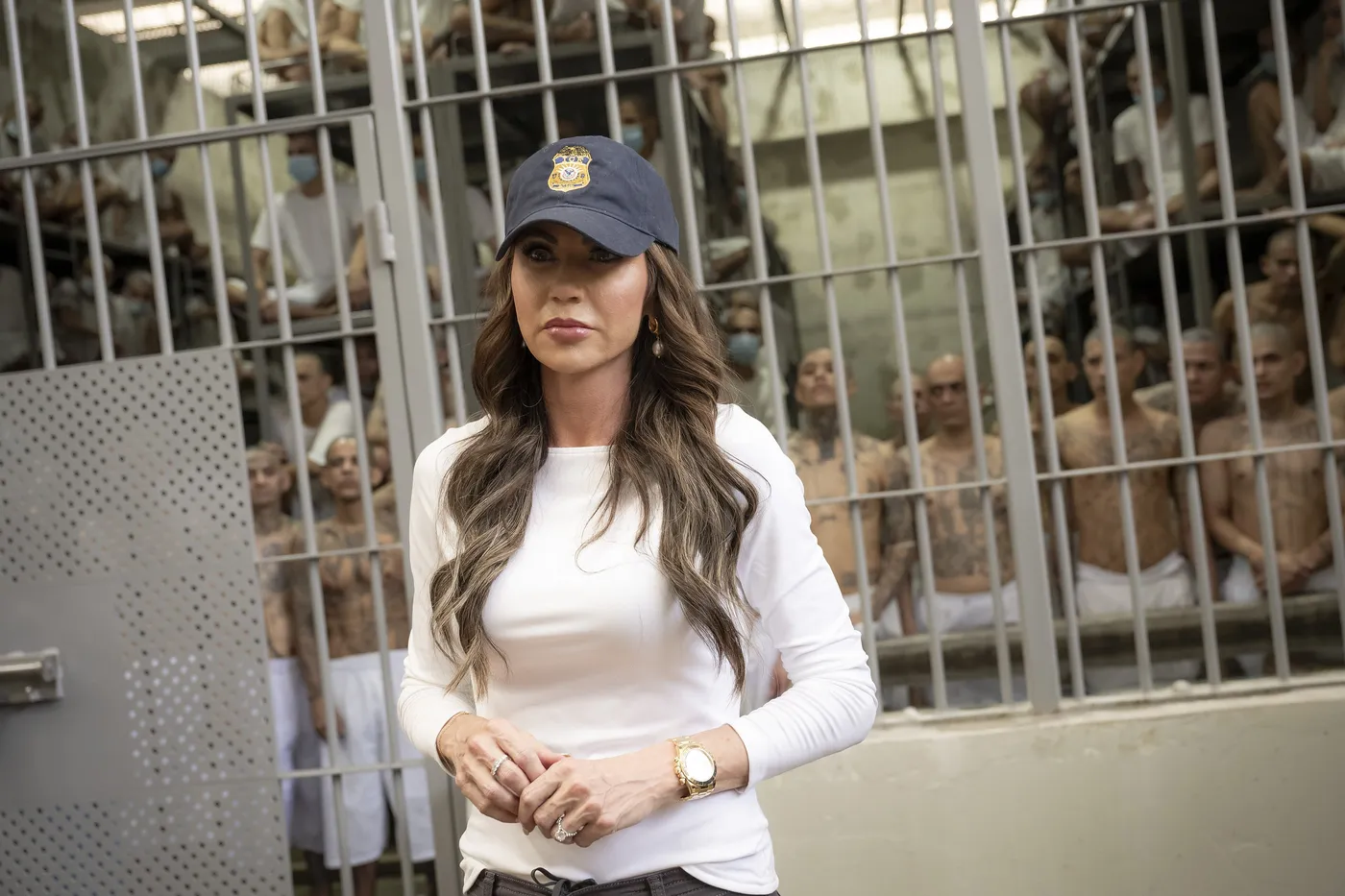
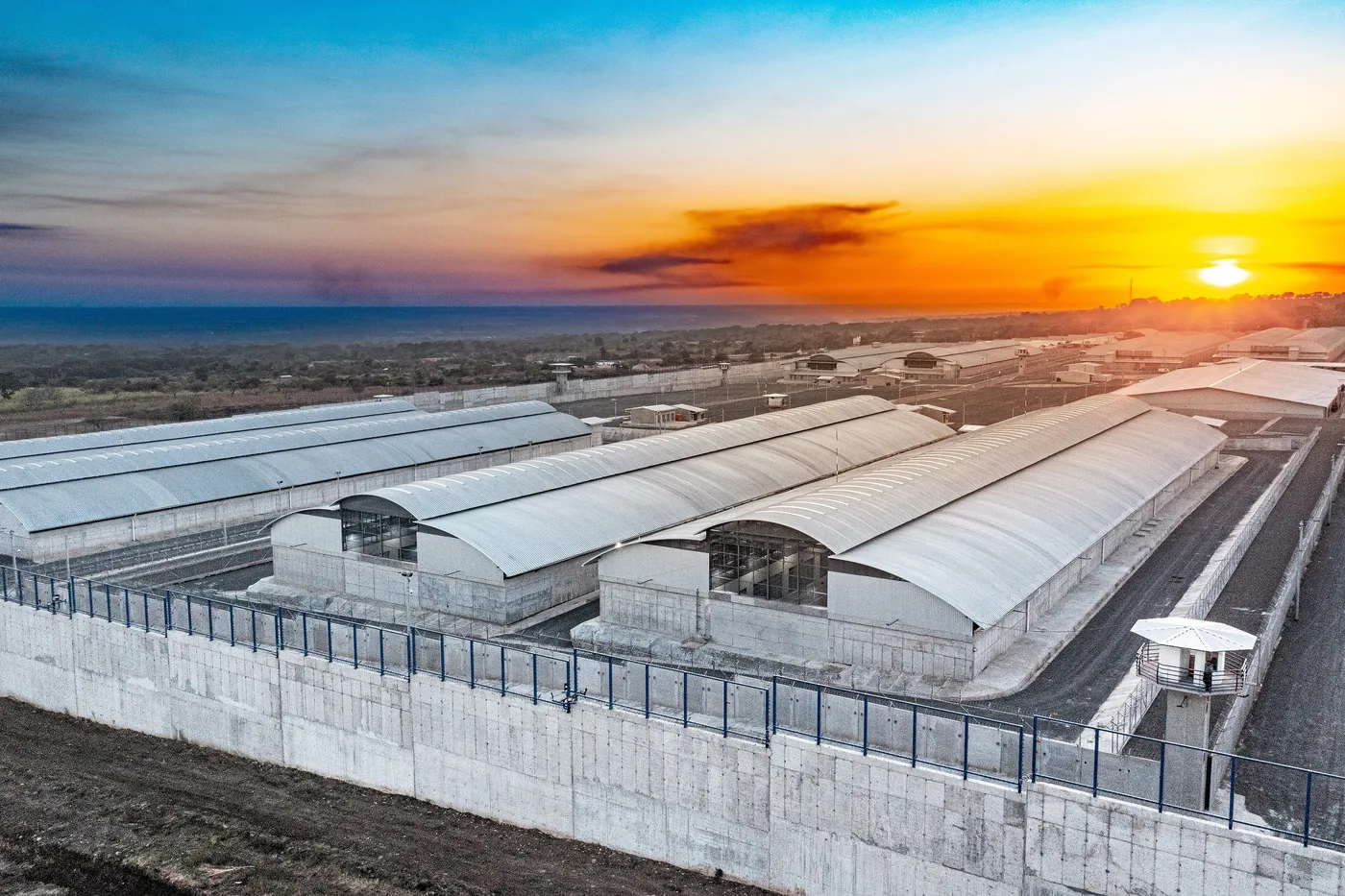
- CECOTMega-prisonThe mega-prison opened on January 31, 2023, with a capacity of 40,000. It holds MS-13 leaders. In March 2025 the US sent 238 Venezuelans and 23 alleged MS-13 members there. El Salvador sent 252 Venezuelans home in July 2025.
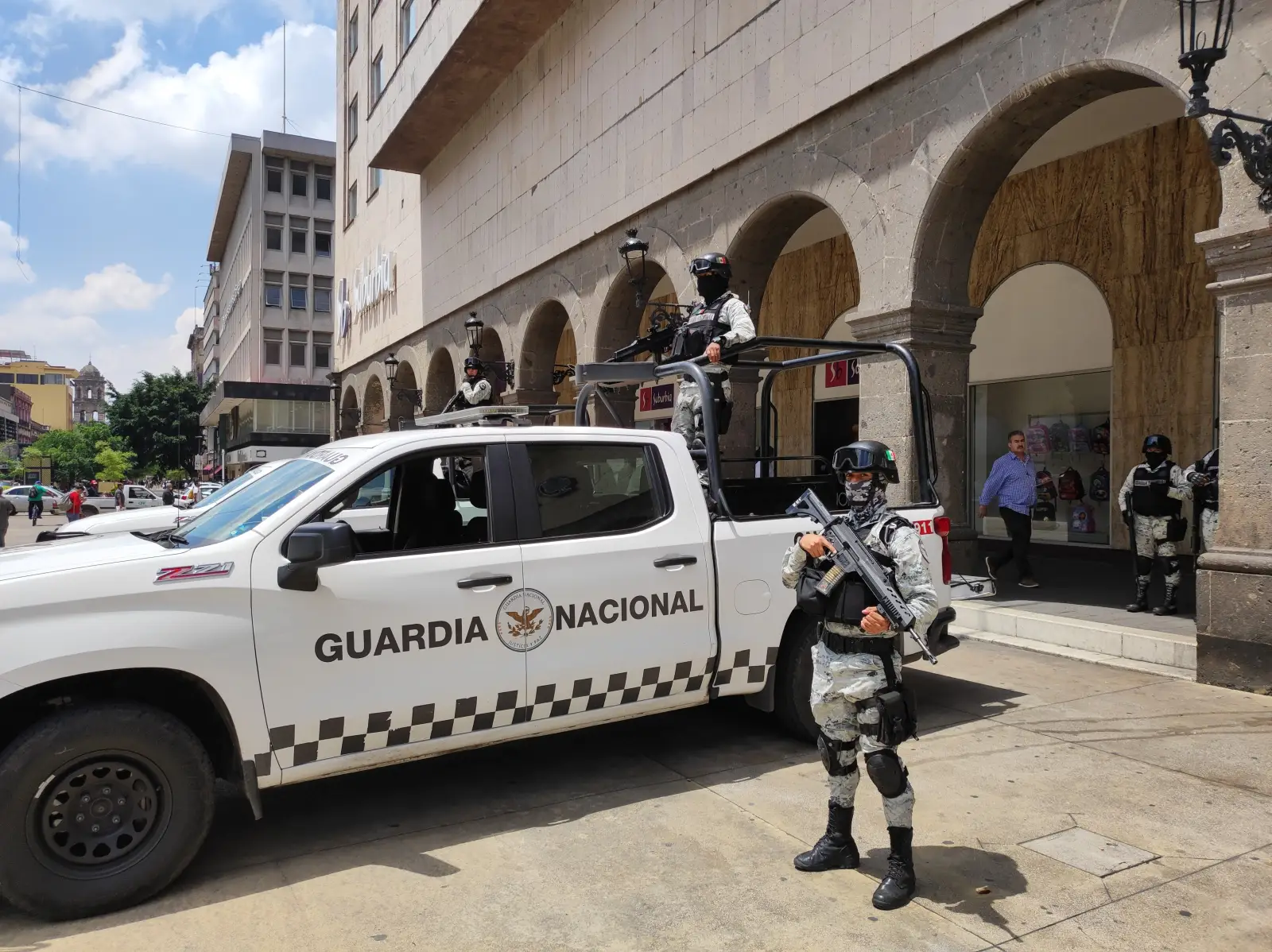
- San Pedro SulaHondurasSan Pedro Sula is Honduras's main MS-13 battleground. The Chamelecón and Rivera Hernández neighborhoods are gang strongholds. InSight Crime says MS-13 is still a significant threat in Honduras's urban hubs.
- TegucigalpaHondurasTegucigalpa is Honduras's capital. Gangs extort transport companies here. The country's state of exception ended on January 26, 2026. A national police operation that began in September 2026 arrested 251 people, including 68 MS-13 members, according to Honduras's National Police.
What weapons does MS-13 have?
Pistols, machetes and some rifles. MS-13 has no military arsenal.
Pistols
Various handguns · Bought or stolen
A GAO report says pistols are the weapon of choice of street gangs such as MS-13 and Barrio 18.
Machetes
Locally bought
A signature weapon in US killings, according to a former Nassau County district attorney. The two teenage girls killed in Brentwood in 2016 were attacked with bats and a machete.
Rifles and grenades
M-16s, AK-47s · Bought with extortion money
InSight Crime reported that AK-47s cost $2,000 to $3,000 each. MS-13 has also bought grenades and bulletproof vests.
Guns from the United States
Various · Trafficked from the United States
48% of traced crime guns in El Salvador in 2015 came from the United States, according to ATF data. About 40% of guns traced in Central American crimes came from the US. Guns leaked from Salvadoran police and army stocks are another source.
- Killed in one weekend
- 87
- March 25-27, 2022, the trigger for El Salvador's crackdown
- Homicide rate, 2015
- 103
- per 100,000 in El Salvador, the world's highest
- Homicide rate, 2025
- 1.3
- per 100,000, officially reported by El Salvador's government
Is MS-13 a terrorist group?
The United States, El Salvador, Canada, Guatemala, Honduras and Paraguay have designated MS-13 a terrorist group. The EU, the UK and the UN have not.
 United StatesForeign Terrorist Organization since February 2025
 El SalvadorSupreme Court declared gangs terrorist groups on August 24, 2015
 CanadaListed terrorist entity since February 20, 2025
 GuatemalaDecree 11-2025, passed October 21, 2025
 HondurasDeclared a terrorist association on September 18, 2026
 European UnionNot listed
 United KingdomNot listed
- UN Security CouncilNot listed
 RussiaNot listed
 ChinaNot listed
How did MS-13 start?
MS-13 formed in the 1980s in the Pico-Union neighborhood of Los Angeles. Young Salvadorans who had fled El Salvador's 1980-1992 civil war started it to protect themselves from other gangs. The name combines mara (slang for gang, from marabunta, a type of army ant), salvatrucha (roughly "street-smart Salvadoran") and 13, the number MS-13 took when it became subordinate to the Mexican Mafia in California prisons. M is the 13th letter of the alphabet.
A 1996 US immigration law sped up deportations of non-citizens with criminal records. About 20,000 people with criminal histories were returned to Central America between 2000 and 2004. They brought Los Angeles gang culture to countries with weak institutions and overcrowded prisons. MS-13 grew fast in El Salvador, Honduras and Guatemala.
In March 2012, El Salvador's government helped broker a truce between MS-13 and its rival, Barrio 18. Killings dropped, but the truce collapsed in 2013-2014. In 2015, El Salvador recorded about 103 homicides per 100,000 people, the world's highest national rate. On March 25-27, 2022, 87 people were killed in a wave of gang violence. On March 27, the Legislative Assembly approved a state of exception at President Bukele's request. Mass arrests followed. By October 2026, the government had arrested 93,334 people.
How MS-13 rose and fell in El Salvador
- 1980sMS-13 forms in Los Angeles among Salvadoran refugees.
- 1996A new US law speeds up deportations, spreading the gang to Central America.
- Mar 2012A truce between MS-13 and Barrio 18 in El Salvador. It collapses by 2014.
- Oct 2012The US Treasury names MS-13 a Transnational Criminal Organization, the first street gang so designated.
- 2015El Salvador records about 103 homicides per 100,000. Its Supreme Court declares gangs terrorist groups.
- Sep 2016Two teenage girls are killed in Brentwood, New York. MS-13 enters US political debate.
- Mar 202287 people are killed in one weekend. El Salvador's assembly approves a state of exception. Mass arrests begin.
- Jan 2023The CECOT mega-prison opens, with a capacity of 40,000.
- Feb 2025The US designates MS-13 a Foreign Terrorist Organization. Canada lists it the same day.
- Mar 2025The US sends 23 alleged MS-13 members to CECOT.
- Apr 2026A mass trial of 485 accused MS-13 leaders opens in San Salvador.
- Sep 2026Honduras declares MS-13 a terrorist association.
- Nov 2026Paraguay designates MS-13 a terrorist group.
What did El Salvador's crackdown do to MS-13?
The crackdown dismantled much of MS-13's structure in El Salvador and forced members into hiding or exile, according to InSight Crime. The state of exception, which began on March 27, 2022, suspended the rights to assembly, to a legal defense within a set time, and to private communications. The Legislative Assembly has extended it every 30 days. The 56th extension runs from October 28 to November 27, 2026. By October 21, 2026, the government had arrested 93,334 people.
The homicide rate fell from about 103 per 100,000 in 2015 to 1.3 in 2025, according to the government. InSight Crime says these figures leave out bodies found in hidden graves, people killed in clashes with security forces and deaths in prisons. El Salvador does not follow the Bogota Protocol, the regional standard for counting homicides. In 2026, the government recorded 51 killings through October 31.
More than 33,000 of those detained had no gang record in police files, according to an El País analysis of leaked police reports. Socorro Juridico Humanitario, a Salvadoran rights group, counted 554 deaths in custody by August 2026. Amnesty International counted at least 470 by July 2026. The government has not published a count. Prisons chief Osiris Luna said in 2022 that some detainees who died had as many as four illnesses. Security Minister Gustavo Villatoro said MS-13's "criminal government" is "destroyed." InSight Crime said in 2026 that the gang is "neutralized in El Salvador, at least for now," but its structure is intact abroad. In a May 2026 poll by the IUDOP institute of the UCA university, 68.9% of Salvadorans said the state of exception should be extended.
93,334
People arrested under the state of exception
By October 21, 2026, El Salvador's government had arrested 93,334 people under the state of exception. More than 33,000 of them had no gang record in police files, according to an El País analysis.
Why did the US send deportees to El Salvador's CECOT?
The Trump administration said the men were members of the Tren de Aragua and MS-13 gangs, and it agreed to pay El Salvador to hold them. On March 15, 2025, the United States flew 238 Venezuelans and 23 alleged MS-13 members to CECOT, El Salvador's mega-prison. The flights were announced by President Bukele. The US agreed to pay $6 million for one year, renewable, to hold about 300 detainees there.
One of those sent was Kilmar Abrego Garcia, a Salvadoran man who had been granted protection from deportation to El Salvador by an immigration judge in 2019. The Trump administration says he is an MS-13 member. He denies it and was never charged with membership. The allegation came from a 2019 police interview and an unnamed informant. An immigration judge relied on it in 2019 when denying him bond. Federal Judge Paula Xinis later called it a "singular unsubstantiated allegation." The government called his deportation an "administrative error." The Supreme Court ordered the government to "facilitate" his return on April 10, 2025. He was returned to the United States on June 6, 2025, and indicted for smuggling. A federal judge dismissed the case as vindictive on May 22, 2026. The Justice Department is appealing.
On July 18, 2025, El Salvador sent 252 Venezuelans home in a swap in which Venezuela freed 10 Americans and a number of Venezuelan political prisoners. On August 13, 2026, the full Fifth Circuit dismissed a challenge to the Alien Enemies Act deportations as moot because the named plaintiffs had already been deported. It did not rule on the merits.
$6 million
The one-year US payment for about 300 detainees at CECOT
The United States agreed to pay El Salvador $6 million for one year, renewable, to hold alleged gang members at CECOT. The first flights arrived on March 15, 2025.
Did Bukele make a deal with MS-13?
US officials say Bukele's government made a secret deal with MS-13 and Barrio 18. Bukele denies it. The US Treasury said on December 8, 2021, that El Salvador's government had negotiated a secret truce with jailed MS-13 and Barrio 18 leaders. It sanctioned two officials: prisons chief Osiris Luna and Carlos Marroquin, who ran a government social program. The Treasury said the government gave gangs financial incentives in 2020 and that the officials offered gang leaders privileges such as mobile phones.
A February 2023 US indictment of 13 MS-13 leaders alleged that the gang's leadership council, the Ranfla Nacional, demanded that the government refuse to extradite its members to the United States. In return, the indictment says, the gang agreed to cut public murders and deliver votes. ProPublica reported in June 2025 that informants and intercepts suggested some gang money came from US-funded programs.
Bukele has repeatedly denied any pact. The US government's own approach shifted in 2025. Prosecutor John Durham moved to drop charges against two MS-13 leaders, "Greñas" and "Vampiro," citing "geopolitical and national security concerns." "Greñas" was sent to El Salvador on the March 2025 CECOT flights. According to ProPublica, El Salvador had sought these leaders back from US custody. Judge Joan Azrack of the Eastern District of New York refused to keep one of those motions sealed, saying the defendant appeared to be someone El Salvador had specifically requested.
Who leads MS-13?
MS-13 is run by the Ranfla Nacional, which US prosecutors call the gang's "board of directors." Below it sit the prison leadership and the street leadership. The gang has no single recognized leader. Most of its senior figures are now in prison, either in El Salvador or the United States.
The Ranfla's reach once extended from Salvadoran prisons to cliques across the Americas. US prosecutors say it ordered killings in the United States from prison cells in El Salvador. The gang's structure below the Ranfla runs through regional "programs" down to local cliques, each led by a "primera palabra" and a "segunda palabra." MS-13 has no political wing, no seats in any legislature and no social-services arm.
The leadership
- Ranfla member, awaiting verdictBorromeo Henriquez Solorzano. Known as "Diablito de Hollywood." The US Treasury calls him MS-13's Central American leader and spokesman. Jailed in El Salvador. He is a defendant in the 2026 mass trial, where prosecutors seek sentences of 15,000 to 25,000 years.
- Ranfla member, in US custodyElmer Canales Rivera. Known as "Crook." The US Justice Department says Salvadoran authorities released him from prison in November 2021. El Salvador's government has not acknowledged it. Arrested in Mexico in November 2023 and handed to the United States. He pleaded not guilty in New York.
- Ranfla member, sent to CECOTCesar Humberto Lopez Larios. Known as "Greñas." Arrested in 2024. US prosecutors dropped his charges, citing geopolitical concerns, and he was sent to El Salvador on the March 2025 CECOT flights.
- Honduras leader, at largeYulan Adonay Archaga Carias. Known as "Porky." On the FBI's Ten Most Wanted list. The US offers a $5 million reward for his capture. The US Treasury says he moved multi-ton cocaine loads through Honduras.
- Convicted in the USMoises Humberto Rivera Luna. Known as "Viejo Santos." Leader of the Normandies clique. Extradited from Guatemala in March 2025. Convicted of racketeering conspiracy, including murder, in Washington, D.C., in October 2026. Sentencing is set for January 7, 2027.
Where is MS-13 active in the United States?
MS-13 has cliques in at least 40 states and Washington, D.C. The FBI has not published a membership estimate since 2009. In 2017, the attorney general said there were more than 10,000 members in the United States. DHS says ICE made 1,965 administrative arrests of people linked to MS-13 from January 2025 to October 2026.
The gang is most active in Los Angeles, where it was founded, on Long Island in New York, in the Washington, D.C. area, in Houston and in Las Vegas. In 2026, 8 members were sentenced in Houston for murders ordered by gang leaders in El Salvador. In Las Vegas, 3 members were convicted of 9 murders. In Washington, D.C., Rivera Luna was convicted of ordering killings from an El Salvador prison.
MS-13's main rival is Barrio 18, also known as the 18th Street Gang. The United States designated Barrio 18 a Foreign Terrorist Organization in September 2025.
MS-13 hot spots in the United States
- Los AngelesBirthplace of MS-13 in the 1980s. Pico-Union and Rampart neighborhoods.
- Long Island, New YorkBrentwood and Central Islip. The 2016 killings of two teenage girls made it a national symbol.
- Washington, D.C. areaFairfax County, Virginia, and Prince George's County, Maryland. An alleged East Coast leader arrested in 2025.
- Houston8 members sentenced in 2026 for murders ordered from El Salvador.
- Las Vegas3 members convicted of 9 murders in 2026.
Questions about MS-13
Is MS-13 part of the drug cartels?
No. MS-13 is a street gang. InSight Crime says its drug proceeds are small compared to those of major cartels. In most tracked cases, MS-13 played a support role and dealt in small quantities. The US Treasury says one Honduran MS-13 leader moved multi-ton cocaine loads through Honduras. Extortion is the gang's main income.
How many members does MS-13 have?
The most recent worldwide estimate is 50,000 to 70,000, from InSight Crime in 2018. In the United States, the attorney general said in 2017 there were more than 10,000 in at least 40 states. The FBI has not published a new estimate since 2009. Salvadoran police intelligence estimates that El Salvador had more than 30,000 full members, most of them now in prison.
What happened to MS-13 in El Salvador?
El Salvador's government has arrested 93,334 people under a state of exception that began in March 2022. The homicide rate fell from about 103 per 100,000 in 2015 to 1.3 in 2025, according to the government. InSight Crime says these figures leave out some deaths. More than 33,000 detainees had no gang record in police files, according to an El País analysis. Rights groups have counted hundreds of deaths in custody. Security Minister Gustavo Villatoro says MS-13's "criminal government" is "destroyed." InSight Crime says the gang is "neutralized in El Salvador, at least for now."
Did the US deport people to CECOT?
Yes. On March 15, 2025, the US sent 238 Venezuelans and 23 alleged MS-13 members to CECOT, El Salvador's mega-prison. The US agreed to pay $6 million for one year to hold about 300 detainees. One of those sent was Kilmar Abrego Garcia. The Trump administration says he is an MS-13 member. He denies it and was never charged with membership. The Supreme Court ordered the government to facilitate his return, and he was brought back on June 6, 2025.
When was MS-13 designated a terrorist group?
The United States designated MS-13 a Foreign Terrorist Organization on February 20, 2025, under the Immigration and Nationality Act. The Trump administration started the process with an executive order on January 20, 2025. Before that, the US had listed MS-13 as a Transnational Criminal Organization since 2012. El Salvador's Supreme Court declared it a terrorist group in 2015. Canada, Guatemala, Honduras and Paraguay followed between 2025 and 2026.
Where was MS-13 founded?
MS-13 was founded in Los Angeles in the 1980s. Young Salvadorans who fled their country's civil war started it in the Pico-Union neighborhood. US deportations in the late 1990s and 2000s spread the gang to Central America. About 20,000 people with criminal records were returned to the region between 2000 and 2004.