
Chokepoint · East Asia
Taiwan Strait
OpenUpdated October 1, 2026
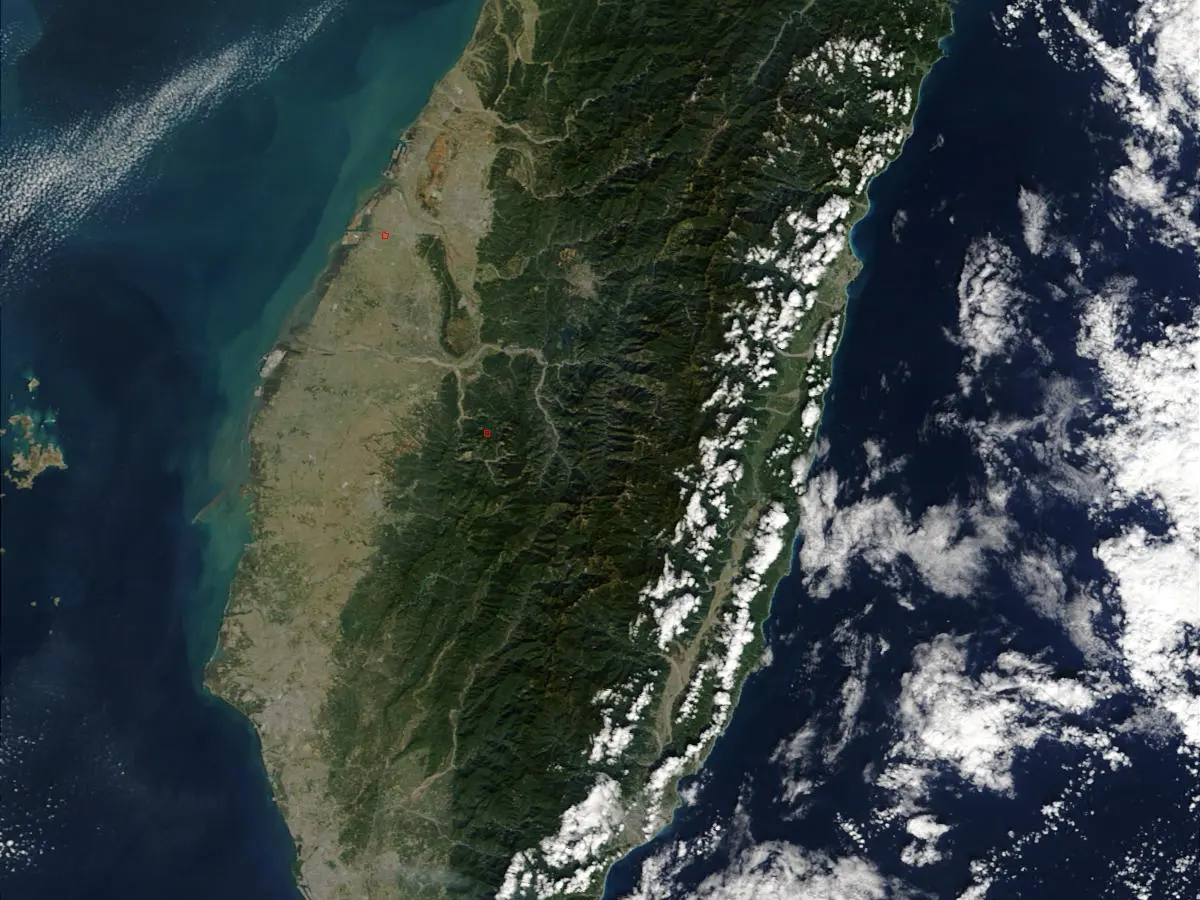
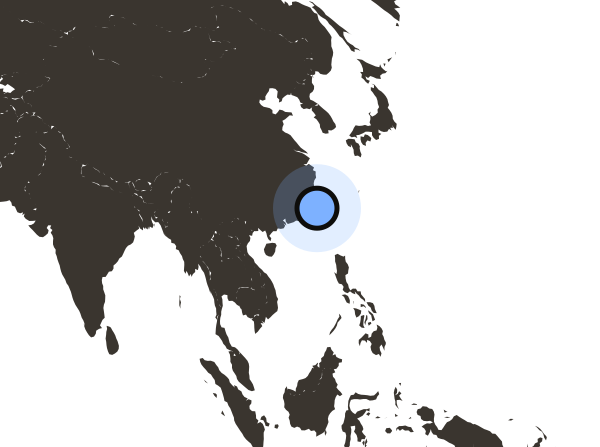
The Taiwan Strait is the sea passage between mainland China and Taiwan that joins the East China Sea to the South China Sea. It is about 126 km wide at its narrowest and 180 km wide on average. Ships from China, Japan and South Korea sail through it on their way to Southeast Asia and Europe.
- Width at the narrowest
- About 126 km
- 68 nautical miles
- Average width
- 180 km
- about 60 m deep on average
- Goods in 2022
- $2.45 trillion
- over a fifth of maritime trade
- Cargo ships a day
- 232
- Last four weeks; 240 a day in 2023
 China
 Taiwan
Where is the Taiwan Strait?
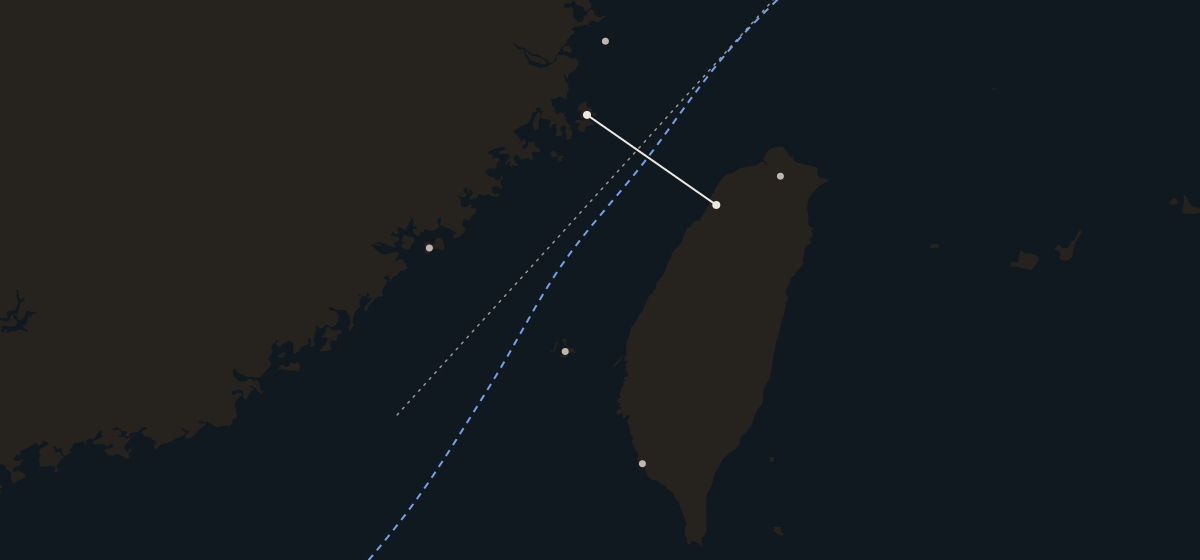
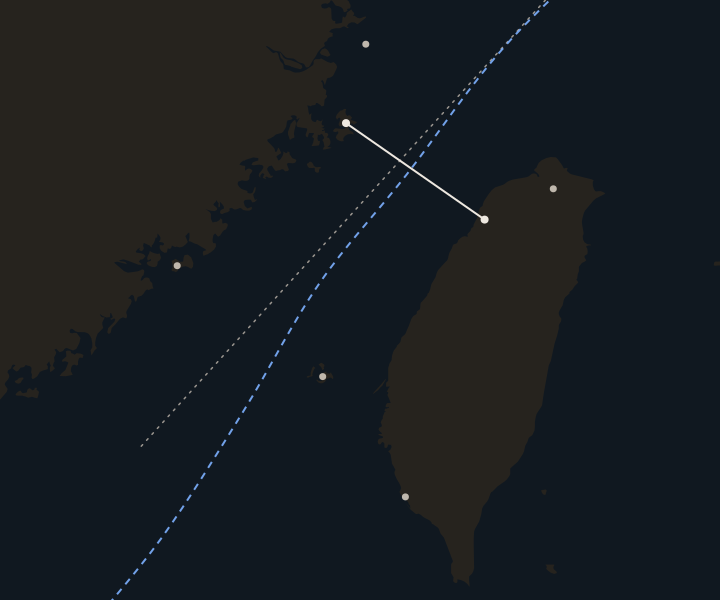
The Taiwan Strait lies between China's Fujian province and the island of Taiwan. It joins the East China Sea in the north to the South China Sea in the south. At its narrowest, between China's Pingtan island and Hsinchu in Taiwan, it is about 126 km wide. The strait is shallow, about 60 meters deep on average. Taiwan holds the Penghu islands in the strait and the Kinmen and Matsu islands just off China's coast.
 CHINA
TAIWAN
Kinmen
Matsu
Penghu
Pingtan
Taipei
Kaohsiung
East China Sea
South China Sea
126 km
 CHINA
TAIWAN
Kinmen
Matsu
Penghu
Pingtan
Taipei
Kaohsiung
South China Sea
126 km
How busy is the Taiwan Strait?
The Taiwan Strait is one of the world's busiest shipping lanes. In the four weeks to September 27, IMF PortWatch counted about 232 cargo ships and tankers a day, against 240 in 2023. About $2.45 trillion worth of goods passed through the strait in 2022, more than a fifth of the world's maritime trade. Nearly half of the cargo ships and tankers that pass each year fly China's flag.
Ships through the strait each day
Weekly average, January 2023 to September 2026
Who controls the Taiwan Strait?
No one fully. China holds the western coast and Taiwan holds the eastern coast and the islands in the strait. The strait is much wider than two 12-nautical-mile territorial seas. Its middle is outside any country's territorial sea. Under the UN Convention on the Law of the Sea, ships and aircraft of every country may pass freely.
In June 2022 China's foreign ministry said China has "sovereignty, sovereign rights and jurisdiction" over the strait and denied that it is international waters. Taiwan's foreign ministry says the strait is international waters. The United States says the freedoms of the high seas apply there. Foreign navies still sail through to make that point. On September 18, 2026, New Zealand's frigate Te Mana and supply ship Aotearoa sailed through the strait.
Across the strait at its narrowest
About 126 km, 68 nautical miles
What is the Taiwan Strait median line?
The median line is an unofficial line down the middle of the strait. US Air Force general Benjamin O. Davis Jr. drew it in 1955 to keep Chinese and Taiwanese forces apart, so no accident would start a war. The line has no legal status, and China never recognized it.
For decades both sides stayed on their own side. No Chinese military aircraft crossed the line from 1955 until 1999. Crossings grew after 2019. In September 2020 China's foreign ministry said there is "no so-called median line." After US House Speaker Nancy Pelosi visited Taiwan in August 2022, Chinese aircraft crossed it almost every day. China's vice foreign minister said there is "no such thing as a median line."
Crossings are now routine. On September 5, 2026, Taiwan's defense ministry tracked 20 Chinese military aircraft on a patrol. Twelve of them crossed the line.
When Chinese aircraft crossed the line
- 1999The first crossings, after Taiwan's president called ties with China "special state-to-state" relations
- March 2019Two Chinese fighters cross on purpose
- September 2020Almost 40 warplanes cross over two days
- August 2022After Nancy Pelosi's visit, crossings become almost daily
- September 202612 of 20 aircraft on one patrol cross the line
How do China's military drills affect the strait?
The drills close zones of sea and air around Taiwan for hours at a time, and ships and planes go around them. They have not closed the strait. China has held six large military exercises around Taiwan since August 2022. In the first, after US House Speaker Nancy Pelosi visited Taiwan, China fired missiles over Taiwan. During the August 2022 drills, more than 200 merchant ships changed course to avoid the drill zones. Taiwan's ports kept working. The Justice Mission exercise on December 29 and 30, 2025 rehearsed a blockade of Taiwan's main ports. China declared eight closed zones around Taiwan for about 10 hours. Ten of the 27 rockets China fired landed in Taiwan's contiguous zone, the closest ever. The drill affected 857 international flights, and 79 domestic flights to Kinmen and Matsu were cancelled. Taiwan's port authority said shipping was not affected.
In 2026 China has used more pressure short of drills. From June 6 to 10, ships of China's Maritime Safety Administration patrolled east of Taiwan. China's Ministry of Transport said the patrol made 198 checks of passing ships, mostly by radio. China's coast guard announced patrols east of Taiwan on September 3 and September 29, and has patrolled near Kinmen since early September.
China's largest drills around Taiwan
- August 2022After Nancy Pelosi's visit. Missiles fly over Taiwan.
- April 2023Joint Sword
- May 2024Joint Sword-2024A
- October 2024Joint Sword-2024B, a record 153 aircraft in one day
- April 2025Strait Thunder-2025A
- December 2025Justice Mission-2025, a rehearsal of a blockade of Taiwan's ports
The strait over the years
- 1662Koxinga, a Ming loyalist who sails from Kinmen, forces the Dutch to surrender their fort on Taiwan.
- 1949Chiang Kai-shek's government retreats to Taiwan after losing China's civil war.
- 1955US Air Force general Benjamin O. Davis Jr. draws the median line to keep the two sides apart.
- 1958China fires about 475,000 shells at Kinmen over 44 days, then shells Kinmen on alternate days until 1979.
- 1996China fires missiles into the sea near Taiwan before Taiwan's first direct presidential election, and the US sends two carrier groups.
- Dec 2025China's Justice Mission exercise rehearses a blockade of Taiwan's main ports.
Other chokepoints
All 10 chokepoints →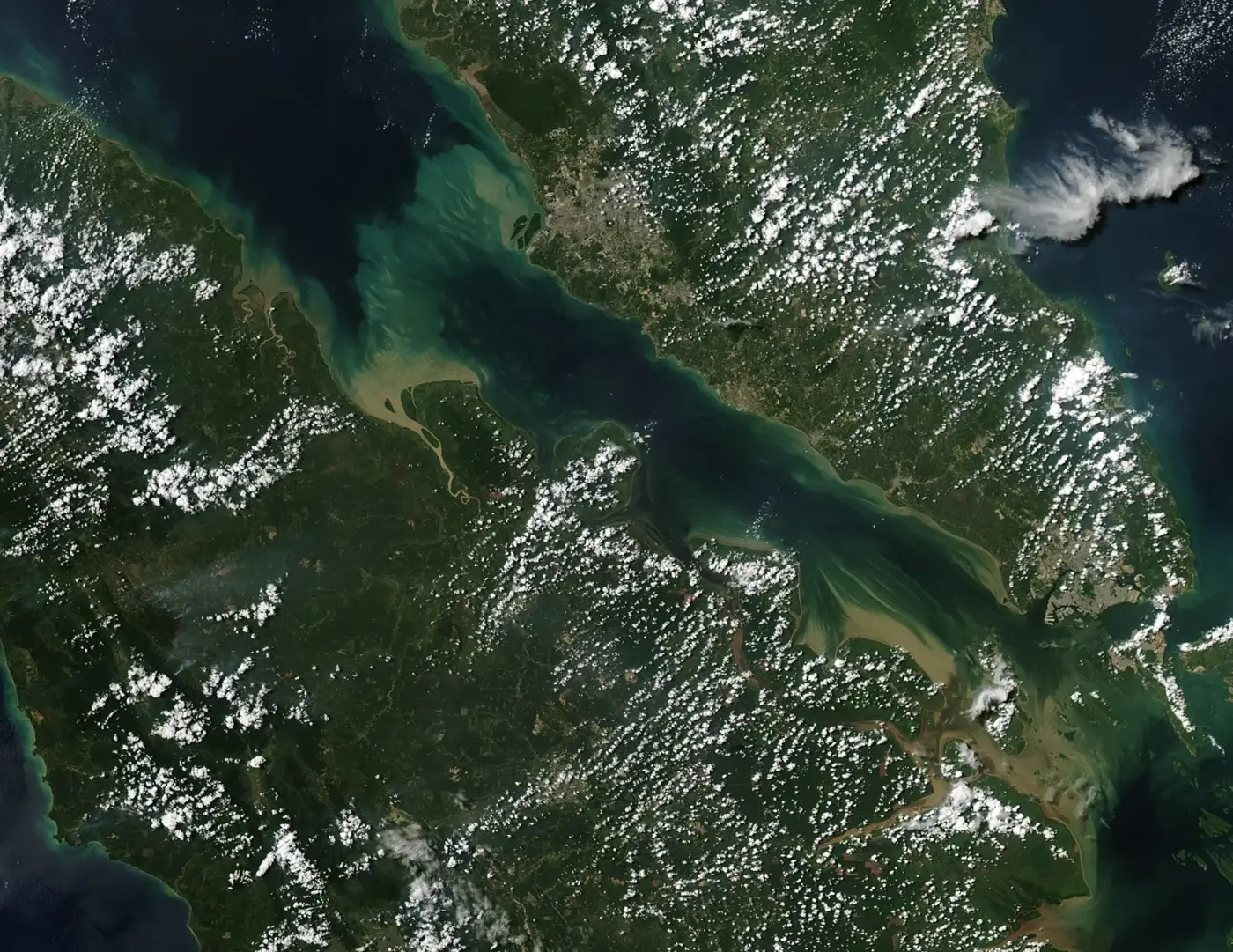 Open
Strait of Malacca
Fewer tankers since Hormuz closed. 220 ships a day, against 220 in 2023.
 Disrupted
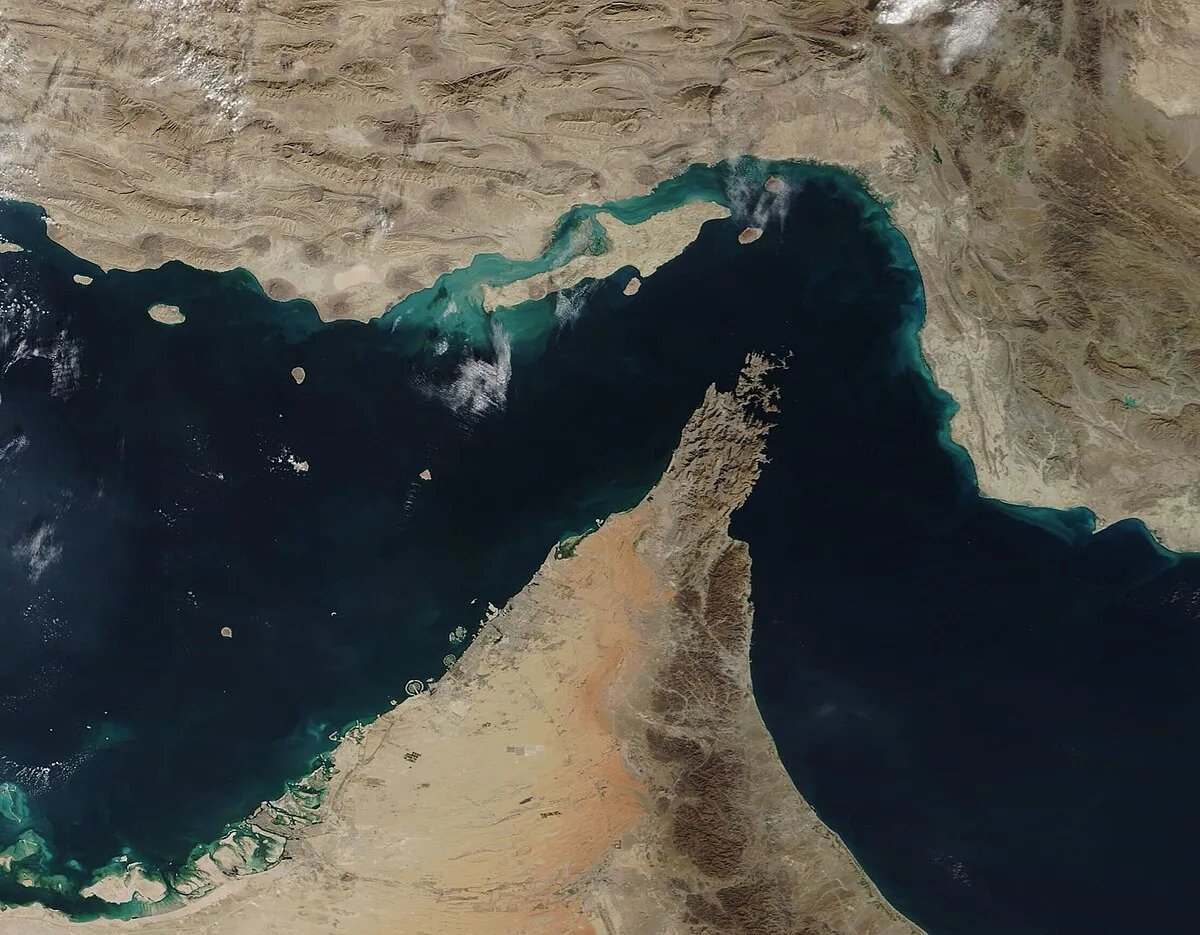
Strait of Hormuz
Tankers cross under US protection; Iran still attacks ships. 4 ships a day, against 92 in 2023.
 Disrupted
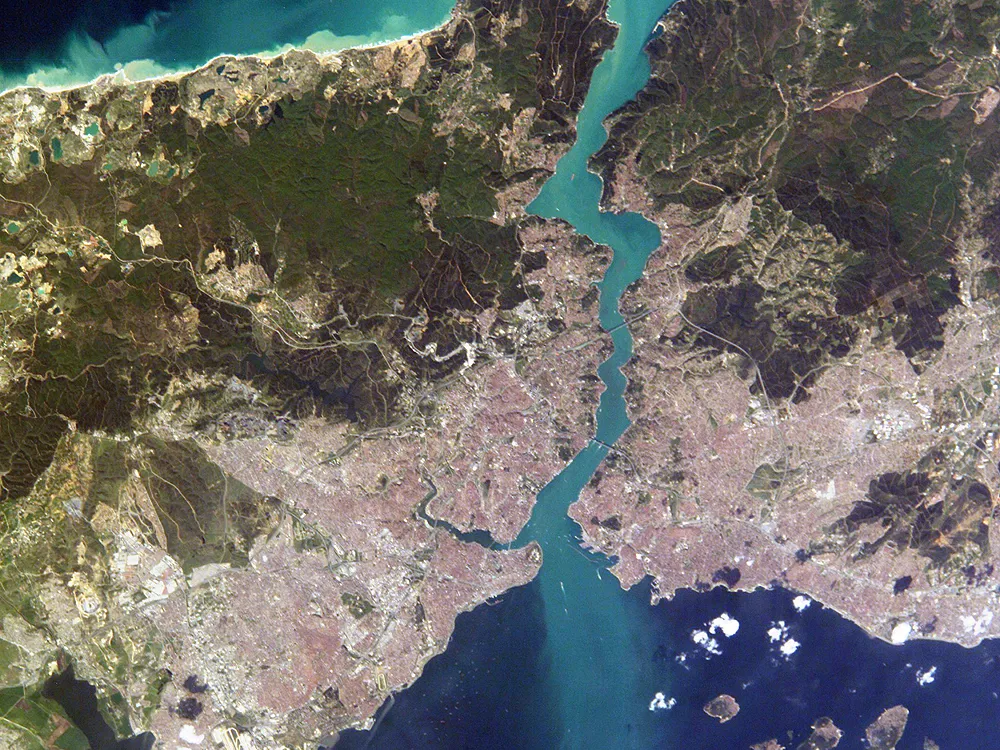
Bosphorus
Russian and Ukrainian strikes on Black Sea shipping. 52 ships a day, against 97 in 2023.