Country profile · East Asia
 Taiwan
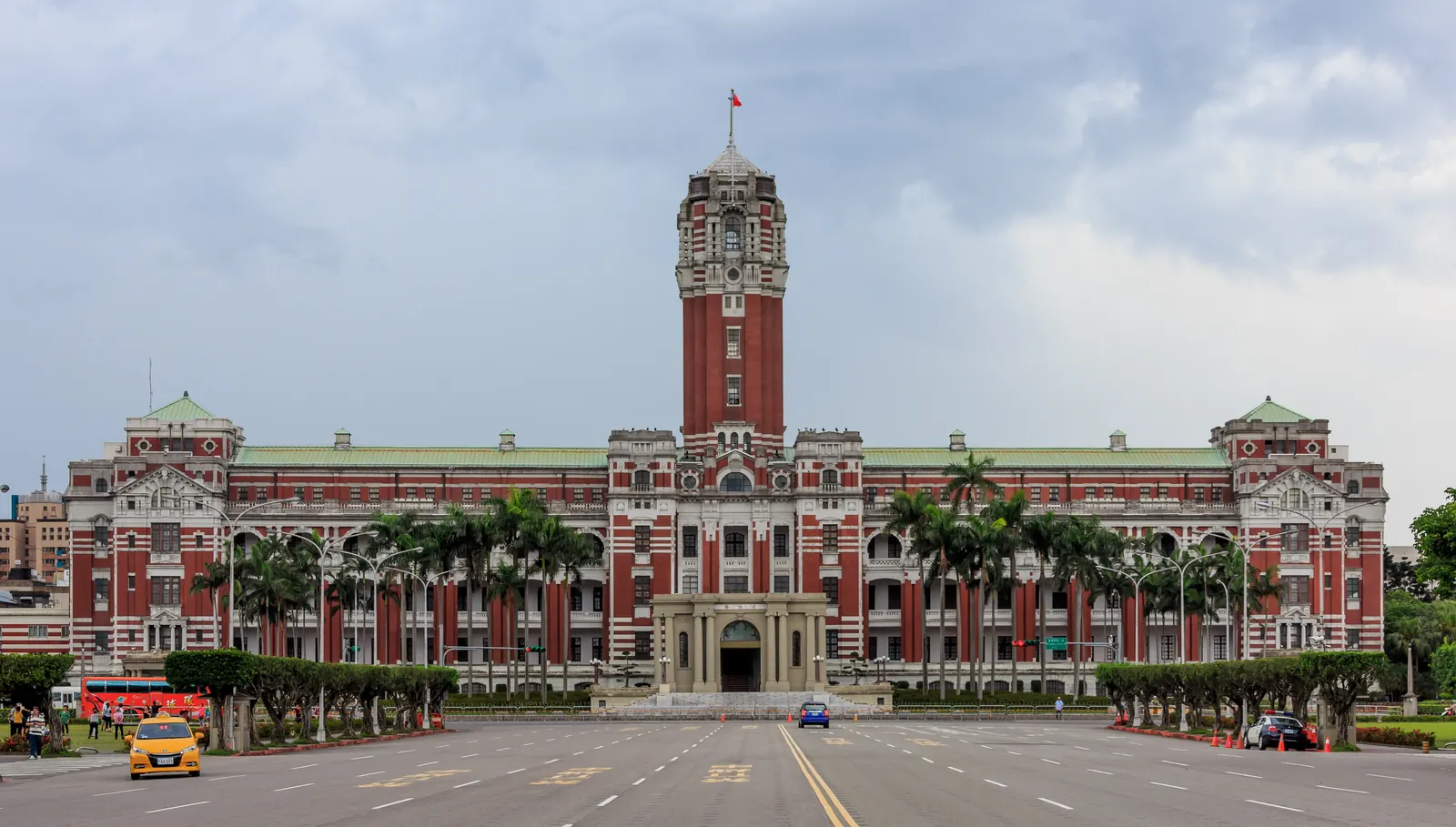
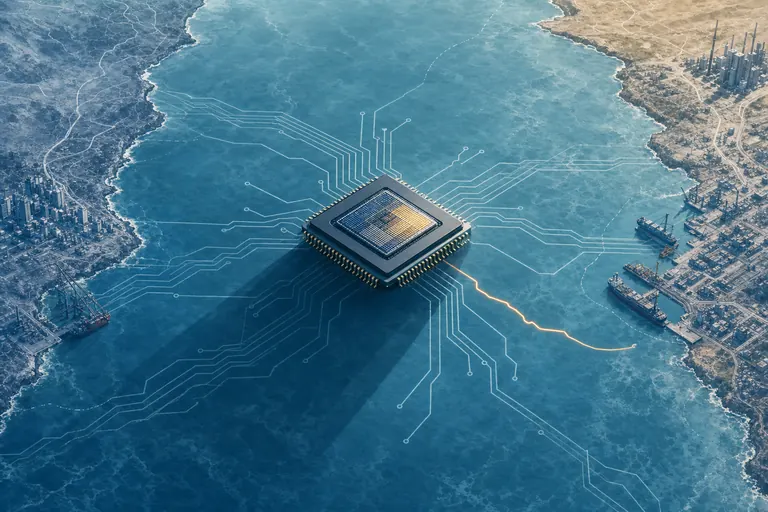
 governs itself as the Republic of China, but the People's Republic of China claims it and has never ruled it. It has 23.1 million people and the world's 22nd-largest economy. TSMC, a Taiwanese company, had 69.9% of the world's contract chipmaking revenue in 2025. Lai Ching-te has been president since May 2024.
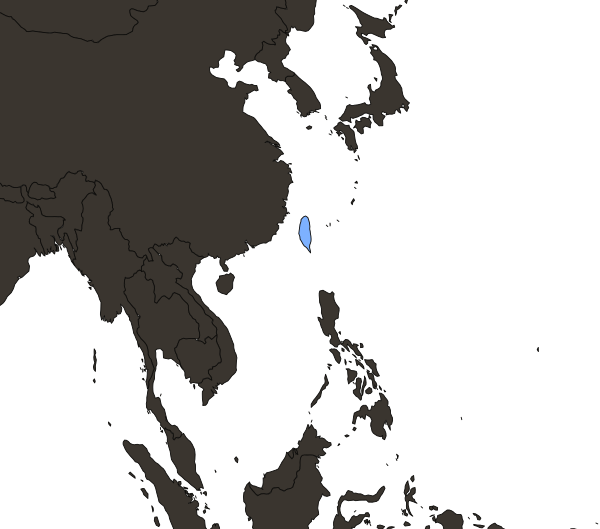
Where Taiwan ranks
All rankings →Taiwan's region
All regions →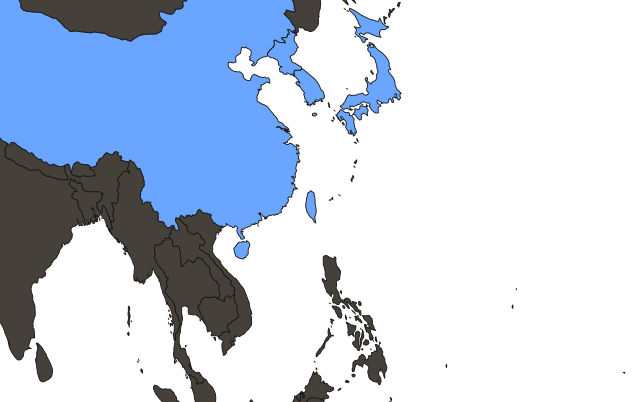
Taiwan's relations with other countries
All relations →Disputed territories involving Taiwan
All disputed territories →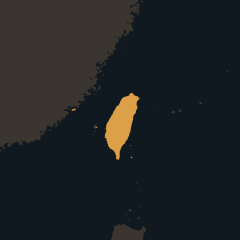 TaiwanHeld by Taiwan · claimed by ChinaTense
 South China SeaSplit five waysTense
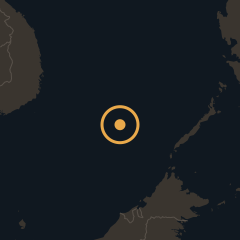 Spratly IslandsSplit five waysTense
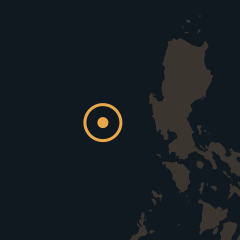 Scarborough ShoalHeld by China · claimed by Philippines and TaiwanTense
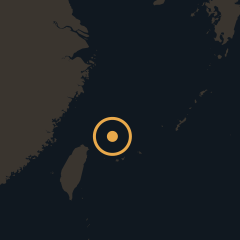 Senkaku IslandsHeld by Japan · claimed by China and TaiwanTense
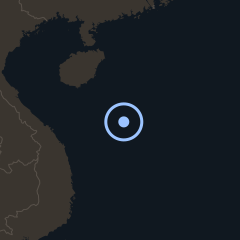 Paracel IslandsHeld by China · claimed by Vietnam and TaiwanFrozen
Wars and rivalries involving Taiwan
All conflicts →
How does Taiwan vote at the UN?
The 1971 vote →Taiwan has no UN seat and no voting record. The Republic of China, the government based in Taipei since 1949, held China's seat until 1971. On October 25, 1971, Resolution 2758 gave the seat to the People's Republic of China, by 76 votes to 35 with 17 abstentions. The text does not mention Taiwan, and China and Taiwan's government disagree over what it settled.
Who runs Taiwan?
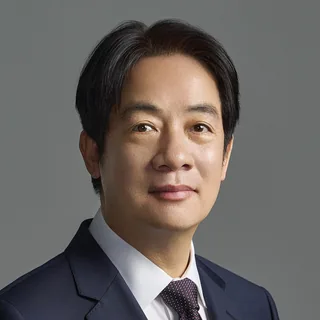
Lai Ching-te of the Democratic Progressive Party (DPP) has been president since May 20, 2024. He won the January 13, 2024 election with 40.05% in a three-way race. Lai was born in 1959 in Wanli, a coal-mining town. His father, a miner, died in a mine accident when Lai was 95 days old, and his mother raised him. Lai trained as a doctor and left medicine in 1996, during the Taiwan Strait missile crisis, to run for office. The opposition controls the 113-seat legislature: the Kuomintang (KMT) and its allies hold 62 seats, the DPP 51. On September 29, 2026 the legislature rejected all 27 of Lai's nominees for the Control Yuan, the government watchdog.
- Democratic Progressive Party 51
- Opposition (KMT, TPP and independents) 62
Official portrait (2022): Office of the President of Taiwan, Wikimedia Commons, open government license
Who are Taiwan's allies and enemies?
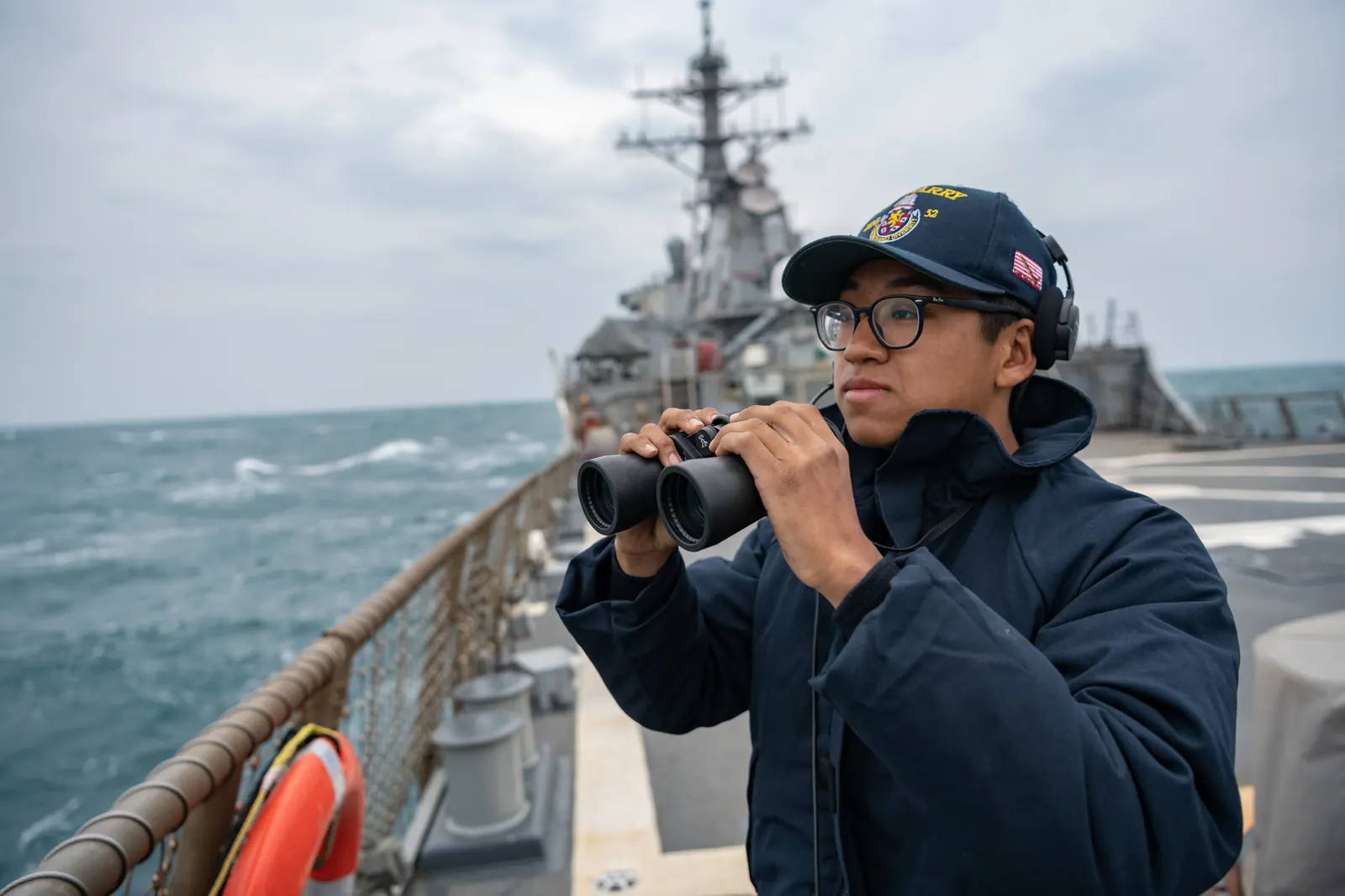
Taiwan has had no defense treaty with any country since 1980. The Taiwan Relations Act of 1979 commits the United States, its most important partner, to sell Taiwan defensive arms, but not to fight for it. In December 2025 the US notified Congress of $11.1 billion in arms sales, the largest package ever. A second package of about $14 billion has been on hold since May 2026. President Trump called it "a very good negotiating chip." Japan's Prime Minister Sanae Takaichi said in November 2025 that a Chinese attack on Taiwan could threaten Japan's survival. China's warplanes came less often in 2026, but Taiwan's coast guard counted a record 244 sightings of Chinese government ships around the island in July.
Allies and partners
 United StatesArms sales under 1979 Taiwan Relations Act
 JapanIts 2025 Taiwan remarks angered Beijing
 PhilippinesAbout 200,000 Filipinos in Taiwan
 AustraliaWarship sailed Taiwan Strait, February 2026
 ParaguayOne of 12 states that recognize Taiwan
 EswatiniOnly African ally; Lai visited in May 2026
Rivals
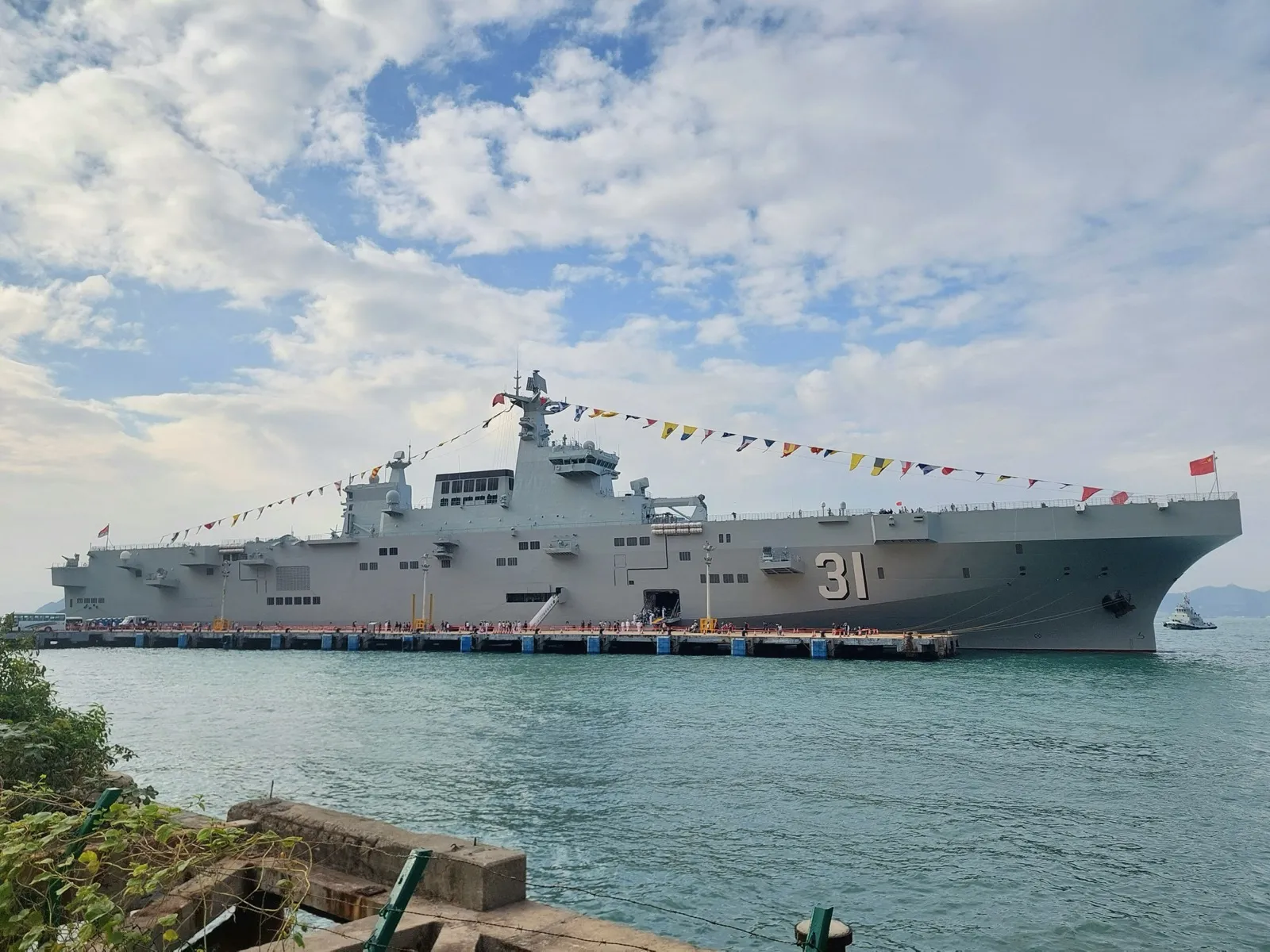
 ChinaClaims Taiwan; large drills since 2024
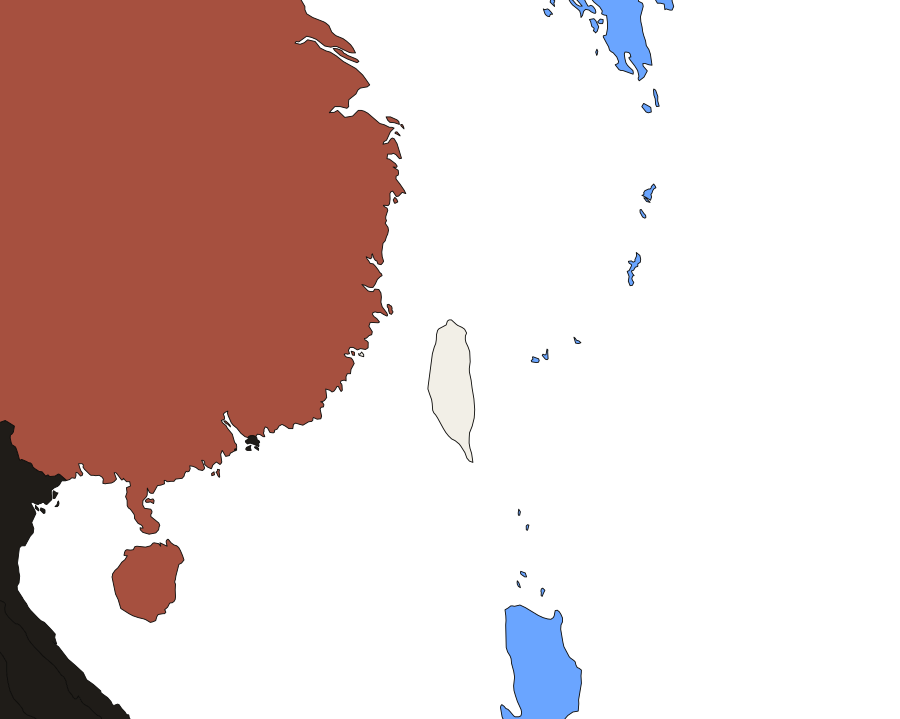
- Kinmen Held by Taiwan, 10 km from Xiamen. Chinese coast guard enters its waters.
- Matsu Held by Taiwan, about 9 km from China's coast at its closest.
- Pratas Island Held by Taiwan. A Chinese coast guard ship entered its waters on June 27, 2026.
- Senkaku Islands Held by Japan, claimed by Taiwan and China.
- Taiwan
- Partner
- Rival
Who does Taiwan trade with?
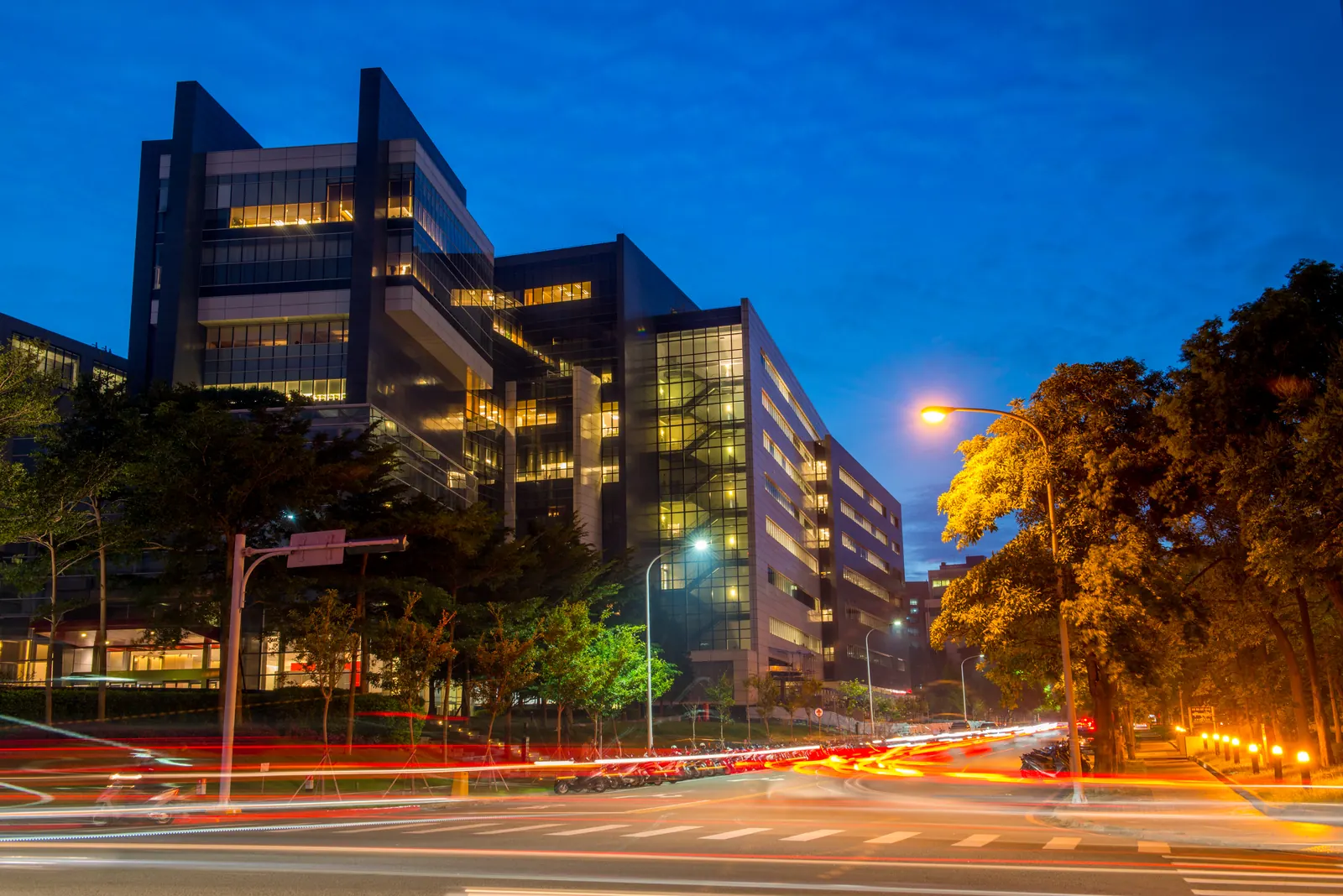
Taiwan exported $640.0 billion of goods in 2025, up 34.8%, and imported $483.5 billion, a record surplus of $156.4 billion. Chips were 32.8% of exports. Computers, mostly AI servers, were 28.6%. The United States took 31.0% and passed mainland China and Hong Kong (26.6%) as the largest market for the first time since 2000. In January to September 2026, exports rose 46.2% to $661.6 billion. TSMC began making 2nm chips in Taiwan at the end of 2025 and has pledged $265 billion for fabs in Arizona. A January 2026 deal set a 15% US tariff, but the US Supreme Court struck down the law behind it in February. Since July 24, 2026, Taiwanese goods have paid a combined 10%.
Sells to
Share of Taiwan's exports
- United States31.0%
- China15.6%
- Hong Kong11.0%
 Singapore6.3%
 Malaysia5.8%
Goods trade, 2025. Shares of Taiwan's exports and imports from the Ministry of Finance's revised data (September 2026); mainland China and Hong Kong separated with the International Trade Administration's figures.
How strong is Taiwan's military?
SIPRI estimates Taiwan spent $18.2 billion on its military in 2025, 2.1% of GDP. The Pentagon estimates about 170,000 active-duty personnel. Compulsory service rose from four months to one year in 2024. Counting special budgets, pensions and the coast guard, the Cabinet proposes $35.3 billion for 2027, 3.01% of GDP. President Lai has pledged 5% by 2030. In May 2026 the opposition-run legislature cut his special defense budget from NT$1.25 trillion to a ceiling of NT$780 billion, for US weapons only. As of October 2026, Taiwan was still waiting for $30.16 billion of ordered US weapons, according to the Taiwan Security Monitor. The first two of 66 new F-16s reached Taiwan on October 2, 2026, about three years late. US pressure ended Taiwan's secret nuclear weapons program in 1988.
Which country has the biggest army? Largest armies in the world →
Military spending in East Asia and the Pacific, 2025
Full ranking →- China est.$336bn
- Japan$62.2bn
 South Korea$47.8bn
- Australia$35.3bn
- Taiwan$18.2bn
- Philippines$6.4bn
SIPRI Military Expenditure Database, 2026 edition
Which countries recognize Taiwan?
Twelve states recognize Taiwan: the Holy See, Eswatini, Paraguay, Guatemala, Belize, Haiti, Saint Kitts and Nevis, Saint Lucia, Saint Vincent and the Grenadines, the Marshall Islands, Palau and Tuvalu. There were 22 when Tsai Ing-wen became president in May 2016. Ten have switched to Beijing since, the last being Nauru on January 15, 2024. In 1971 UN General Assembly Resolution 2758 gave China's UN seat to the People's Republic of China. It does not mention Taiwan. The World Health Assembly refused to invite Taiwan on May 18, 2026, for the 10th year in a row. Taiwan belongs to the World Trade Organization and APEC under the name "Chinese Taipei."