
Civil war · Middle East
Syria's civil war
Low-level fighting since Assad fell in 2024Updated November 1, 2026
Syria's civil war began in 2011, when President Bashar al-Assad's government met protests with force. Russia, Iran, Turkey, the United States and the Islamic State were drawn in. The Syrian Observatory for Human Rights counts more than 528,500 people killed. Rebels led by Ahmed al-Sharaa overthrew Assad on December 8, 2024, and al-Sharaa is now president. His government took over the Kurdish-led SDF's areas in 2026. Druze forces still hold Sweida city in the south, and ISIS cells carry out attacks.
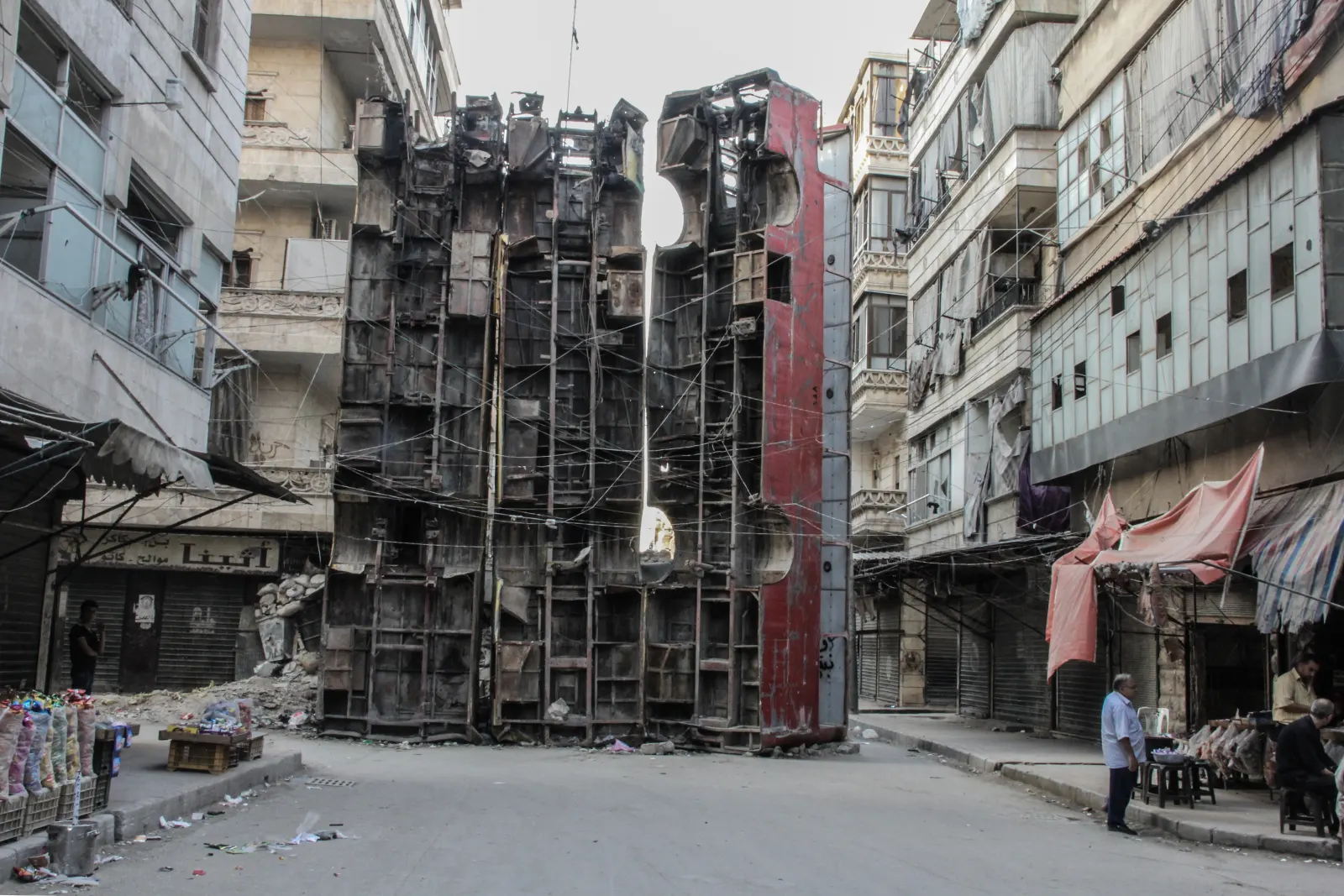
- Started
- March 2011
- protests turned into a civil war
- Assad fell
- Dec 8, 2024
- after an 11-day rebel offensive
- Killed
- Over 528,500
- SOHR, 2011 to the end of 2024
- Still refugees
- 4.9 million
- end of 2025 (UNHCR)
- Returned
- 1.8 million
- refugees, Dec 2024 to Oct 2026 (UNHCR)
Who is fighting in Syria now?
The government in Damascus and the Druze forces that hold Sweida. ISIS cells and Assad loyalists also carry out attacks.
 TurkeyMilitary training agreement signed August 2025; troops in northern Syria with the government's permission
 Saudi ArabiaAbout $6.4 billion in investment deals signed July 2025
 QatarHelps pay for gas and public salaries
 United StatesRepealed the Caesar Act sanctions in December 2025; took Syria off the state sponsors of terrorism list on August 24, 2026
Government
 Syrian government under Ahmed al-Sharaa
Led by President Ahmed al-Sharaa, formerly known as Abu Mohammad al-Jolani. Holds Damascus, Aleppo, the coast and, since 2026, the northeast. Its army was built from the rebel factions that toppled Assad and, since August 2026, the former SDF. It says Syria must be united under one army.
Druze forces
Sweida National Guard
A coalition of about 40 Druze factions loyal to Sheikh Hikmat al-Hijri, a Druze spiritual leader. It has held Sweida city since the July 2025 fighting and says it protects the Druze from further killings. Al-Hijri calls for a separate Druze region. The government does not recognize his administration.
 IsraelSays it protects Syria's Druze. Struck government forces in Sweida and Damascus in July 2025. Reported to supply equipment and weapons to the National Guard
United States · Envoy Tom Barrack brokered the January 2026 deals between the government and the SDF and an Israel-Syria communication cell. No Israel-Syria security deal is signed.
Confirmed
Where is the fighting in Syria?
The places that shaped the war and the areas where clashes continue.
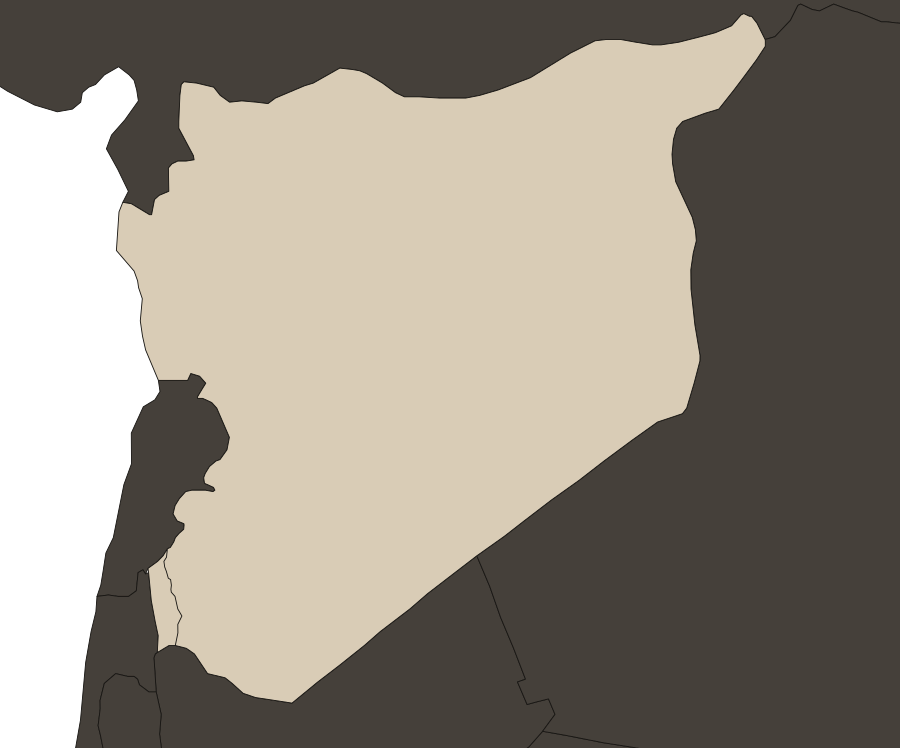
- DamascusGovernmentThe capital. Rebels took it on December 8, 2024, ending 54 years of Assad family rule.
- AleppoGovernmentSyria's largest city before the war. Rebels took it by November 30, 2024, three days into the offensive that toppled Assad.
- IdlibGovernmentAl-Sharaa's group, Hayat Tahrir al-Sham, ran Idlib province from 2017. The November 2024 offensive started here.
- Latakia coastIn March 2025, Assad loyalists attacked security forces here. Government forces and allied fighters then killed about 1,400 people, mostly Alawite civilians (UN commission).
- Hmeimim air baseRussian air base. Under an August 2026 deal, it and the Tartus naval base are to become joint Russian-Syrian training centers.
- SweidaDruze forcesDruze-majority province. In July 2025, Druze-Bedouin clashes drew in government forces. At least 1,707 people were killed, mostly Druze civilians (UN commission). The National Guard, a Druze force, holds Sweida city; government troops hold lines around it.
- QuneitraIn the 1974 UN buffer zone next to the Israeli-held Golan Heights. Israeli troops have held posts in the zone and beyond it since December 2024.
- RaqqaGovernmentThe former ISIS capital, taken by the SDF in 2017. Government forces entered it in January 2026 after a short offensive.
- HasakahGovernmentThe main city of the Kurdish-run northeast. Government security forces entered it in early 2026 under a deal with the SDF.
- al-Hol campGovernmentAt its 2019 peak it held about 73,000 people from ISIS-held areas, mostly women and children (UN). Government forces took it over on January 20, 2026.
Why did Syria's civil war start?
In March 2011, teenagers in the southern city of Deraa sprayed anti-government graffiti on a wall. Security forces arrested and tortured them. Protests spread across the country. President Bashar al-Assad's government responded with gunfire, mass arrests and sieges. It said it was fighting foreign-backed terrorists. By 2012 the protests had become a civil war.
Assad's father, Hafez al-Assad, had taken power in a coup in 1970 and ruled until his death in 2000. Both Assads came from the Alawite minority, about 10% of Syria's population. The family ran the country through the army and the intelligence services. Bashar al-Assad inherited the presidency at age 34.
The war drew in foreign powers. Iran sent military advisers and allied militias, including Lebanon's Hezbollah, to keep Assad in power. Russia began airstrikes in September 2015 and turned the war in Assad's favor. Turkey backed rebel groups in the north. Saudi Arabia and Qatar funded and armed rebel groups. The United States, with allies including France and the United Kingdom, backed some rebel factions and the Kurdish-led SDF against the Islamic State.
How the war unfolded
- Mar 2011Protests erupt in Deraa after teenagers are arrested and tortured.
- 2012The uprising becomes a civil war. Rebel groups take parts of Aleppo.
- Aug 2013A sarin gas attack near Damascus kills more than 1,400 people (US estimate).
- Jun 2014The Islamic State declares a "caliphate" across Syria and Iraq.
- Sep 2015Russia begins airstrikes in support of Assad.
- Dec 2016Government forces retake eastern Aleppo.
- Oct 2017The Kurdish-led SDF takes Raqqa from the Islamic State.
- Mar 2019The SDF, backed by the US-led coalition, takes Baghuz, the last village held by ISIS.
- Oct 2019Turkey and allied Syrian rebels launch an offensive against the SDF in the northeast.
- Nov 2024Rebels launch a surprise offensive from Idlib and take Aleppo in three days.
- Dec 8, 2024Rebels enter Damascus. Assad flees to Russia. Israeli troops move into the buffer zone beyond the Golan.
- Jan 2025A conference of armed groups names al-Sharaa president.
- Mar 2025Assad loyalists attack security forces on the coast. About 1,400 people, mostly Alawite civilians, are then killed (UN commission).
- Jul 2025Druze-Bedouin clashes in Sweida draw in government forces and Israeli strikes. At least 1,707 people are killed, mostly Druze civilians (UN commission).
- Jan 2026The army takes most SDF areas after a short offensive. A decree recognizes Kurdish as a national language.
- Aug 2026The SDF dissolves into the army. A Damascus court sentences Assad to death in absentia.
Who controls Syria now?
President Ahmed al-Sharaa controls most of the country. He was born in 1982 in Riyadh, where his father worked as an oil economist. He joined al-Qaeda in Iraq in 2003, was held in US prisons there, and founded al-Qaeda's Syrian branch, the Nusra Front, in 2012. He broke with al-Qaeda in 2016. In 2017 his group merged with other factions into Hayat Tahrir al-Sham (HTS), which ran Idlib province. There, HTS fought ISIS cells and al-Qaeda loyalists. UN investigators also documented torture and executions of detainees in its prisons. On November 27, 2024, HTS and allied rebel groups launched a surprise offensive from Idlib. They took Aleppo in three days and Damascus in eleven. Assad fled to Russia.
A conference of armed groups named al-Sharaa president on January 29, 2025. Under a temporary constitution, the transition lasts five years. The United States revoked HTS's terrorist designation in July 2025. The UN Security Council removed him from its al-Qaeda and ISIS sanctions list on November 6, 2025. He became the first Syrian head of state to visit the White House on November 10, 2025.
The Kurdish-led SDF had run much of northeast Syria since the war against ISIS. Turkey says the SDF's core, the YPG, is a branch of the PKK, which Turkey, the United States and the EU list as a terrorist group. The SDF says it is a separate Syrian force. It led the ground war against ISIS and says it lost about 11,000 fighters doing so. It lost most of its territory to a government offensive in January 2026. Fighting in the Kurdish-run districts of Aleppo that month forced more than 150,000 people to flee. On January 16, 2026, al-Sharaa issued a decree that made Kurdish a national language and gave citizenship to Kurds left stateless by a 1962 census. Under a deal brokered by the United States, it dissolved into the army on August 25, 2026, and about 10,000 of its fighters joined army brigades. Mazloum Abdi, the SDF's former commander, became an adviser to al-Sharaa. Turkey has troops in the north with the government's permission.
In the south, Druze forces loyal to Sheikh Hikmat al-Hijri hold Sweida city. Israel holds posts in the 1974 buffer zone beyond the Golan Heights, which Israel captured from Syria in 1967, and further inside southern Syria. Syria said on August 9, 2026 that it had agreed with Russia to turn the Hmeimim air base and the Tartus naval base into joint training centers. US forces handed their last major bases to the government in April 2026.
How many people did Syria's civil war kill?
The Syrian Observatory for Human Rights (SOHR), a UK-based monitor, counted more than 528,500 people killed from March 2011 to the end of 2024. That includes more than 181,900 civilians. The UN human rights office estimated in 2022 that at least 306,887 civilians had been killed from March 2011 to March 2021. The Syrian Network for Human Rights counts at least 177,021 people who were forcibly disappeared, most of them by the Assad government.
The Assad government used chemical weapons. A sarin attack near Damascus on August 21, 2013 killed more than 1,400 people, by the US estimate. The Assad government denied it. Under a US-Russian deal, Syria's declared chemical weapons were removed in 2014. The Organisation for the Prohibition of Chemical Weapons (OPCW) later attributed further chlorine and sarin attacks to the Assad government.
After Assad fell, violence continued. SOHR counted nearly 10,000 people killed in the eight months to August 2025. In March 2025, Assad loyalists attacked security forces on the coast. Government forces and allied fighters then killed about 1,400 people, mostly Alawite civilians, the UN Commission of Inquiry on Syria found. Syria's own fact-finding committee counted 1,426 dead, mostly civilians, and 238 members of the security forces killed by the loyalists. It found no evidence that military commanders ordered attacks on Alawites.
In July 2025, kidnappings set off clashes between Druze fighters and Bedouin tribes in Sweida. The government sent troops and said they would restore order. Druze factions and witnesses accused the troops of siding with the Bedouin and executing civilians. The UN commission counted at least 1,707 dead, mostly Druze civilians. It said all the main parties committed violations, including revenge attacks on Bedouin civilians. It found that tribal fighters from across Syria joined the government forces, and it urged Syria to investigate its security commanders. A government inquiry counted 1,760 dead on all sides.
Deaths
Over 500,000
People killed, 2011 to 2024
The Syrian Observatory for Human Rights counted more than 528,500 killed, including more than 181,900 civilians. The real toll is likely higher.
How many Syrians are refugees?
At their peak, more than 6.8 million Syrians were refugees abroad, the most from any country. At the end of 2025, UNHCR counted 4.9 million, the third most after Venezuela and Ukraine.
After Assad fell, many began to return. UNHCR counted about 1.8 million refugees who returned between December 8, 2024 and October 1, 2026. Most came from Lebanon, Turkey and Jordan. Another 2 million people displaced inside Syria went home by mid-2026. Turkey, which hosted 2.9 million Syrians at the end of 2024, had about 2.25 million in June 2026. Germany had about 912,000 Syrian residents in July 2026.
In a survey published by the International Rescue Committee in July 2026, 91% of returnees said basic services were missing, and 71% lived in damaged housing. The World Bank estimates that rebuilding Syria will cost about $216 billion, roughly 10 times the size of its economy in 2024.
Refugees who returned to Syria, by country they came from
 Lebanon718,611
- Turkey704,378
 Jordan296,156
What challenges does Syria face now?
The government faces armed Druze forces in Sweida, sectarian tension on the coast, ISIS cells and foreign troops on its soil.
After the March 2025 coastal killings, President al-Sharaa named a national fact-finding committee. In July 2025 it reported 1,426 dead and named 298 suspects. The Supreme Alawite Islamic Council rejected the committee and its findings. A military court in Aleppo began trying 14 men in November 2025: seven Assad loyalists and seven members of the government's forces. On October 15, 2026 it sentenced two loyalists to death and a soldier of the Defense Ministry's 82nd Division to 20 years in prison. Trials over the Sweida violence opened in Damascus in July 2026.
In Sweida, Druze forces loyal to Sheikh Hikmat al-Hijri hold the city, and about 3,000 government troops held the western front line in October 2026. Al-Hijri calls for a separate Druze region. The government says Syria must stay united.
ISIS lost its last territory in Syria in 2019 but keeps cells in the desert. Government forces took over al-Hol camp, which held families of ISIS fighters, on January 20, 2026, after the SDF withdrew. Most foreign families have since left. By mid-February 2026, the US military had moved more than 5,700 ISIS suspects from prisons in the northeast to Iraq. On October 23, 2026, gunmen killed nine people at a church funeral in Jordan's Karak province. Jordan linked the attackers to ISIS. On October 26, Jordan struck what it called militant hideouts in Daraa and Sweida provinces and said it killed more than 20 ISIS fighters. Syria's health ministry said the strikes killed seven civilians, including three children. Syria said Jordan had not coordinated with it.
Israel holds posts in the buffer zone and beyond it in southern Syria. The UN human rights office counted about 280 armed Israeli incursions into Syria in September 2026, the most in any month that year. Israel says the positions protect its northern communities and Syria's Druze. Syria calls them a violation of the 1974 disengagement agreement and wants Israeli forces to withdraw. US-brokered talks set up an Israel-Syria communication cell in January 2026, but no security agreement is signed.
Questions about Syria's war
Is the Syrian civil war over?
The war against Assad ended on December 8, 2024, when rebels took Damascus and he fled to Russia. Syria's new government now controls most of the country. Fighting continues at a low level. Druze forces hold Sweida city, ISIS cells carry out attacks, and Israeli troops carry out incursions in the south.
Who controls Syria now?
President Ahmed al-Sharaa, formerly known as Abu Mohammad al-Jolani, leads Syria. His government controls Damascus, Aleppo, the coast, the northeast and most other areas. Druze forces loyal to Sheikh Hikmat al-Hijri hold Sweida city, and Israel holds posts in the south beyond the Golan Heights.
What happened to Bashar al-Assad?
Assad fled Syria on December 8, 2024, as rebels entered Damascus. Russia gave him asylum. On August 11, 2026, a Damascus court sentenced him to death in absentia. Syria has asked Russia to hand him over, and Russia has not agreed.
How many people died in Syria's civil war?
The Syrian Observatory for Human Rights counted more than 528,500 people killed from 2011 to the end of 2024, including more than 181,900 civilians. The UN human rights office estimated in 2022 that at least 306,887 civilians were killed from 2011 to 2021.
Who is Ahmed al-Sharaa?
Syria's president since January 2025. He was born in 1982 and was formerly known as Abu Mohammad al-Jolani. He led al-Qaeda's Syrian branch, the Nusra Front, from 2012, broke with al-Qaeda in 2016 and led Hayat Tahrir al-Sham (HTS) from 2017. His forces overthrew Assad in December 2024. The US revoked HTS's terrorist designation in July 2025, and the UN Security Council lifted its sanctions on him in November 2025.
Does ISIS still exist in Syria?
ISIS lost its last territory in Syria in 2019, but it keeps cells in the Syrian desert that carry out bombings and ambushes. Government forces took over al-Hol camp, which held families of ISIS fighters, in January 2026, and the US moved more than 5,700 ISIS suspects from Syrian prisons to Iraq.
More on Syria's war
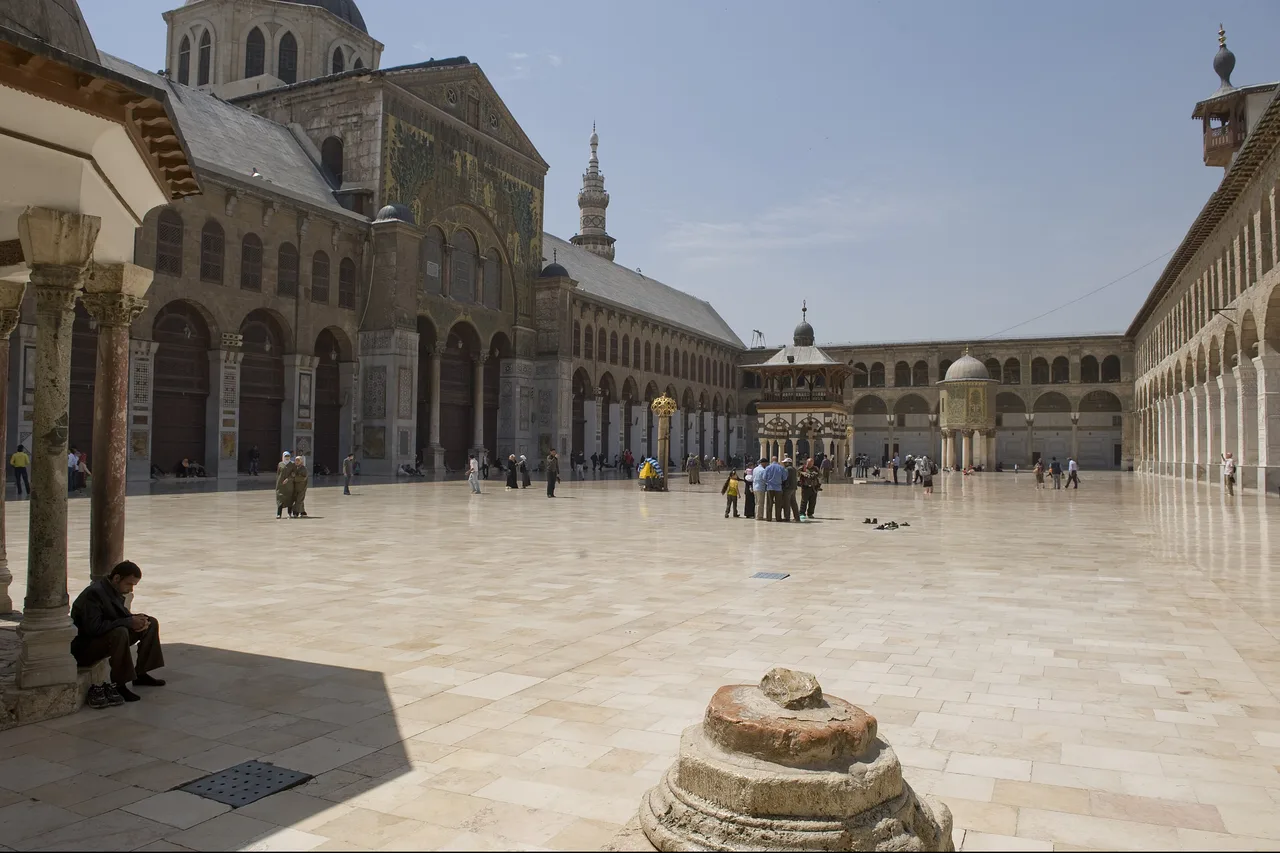 Country profileSyria: allies, enemies and economy
 Country profileTurkey: allies, enemies and economy
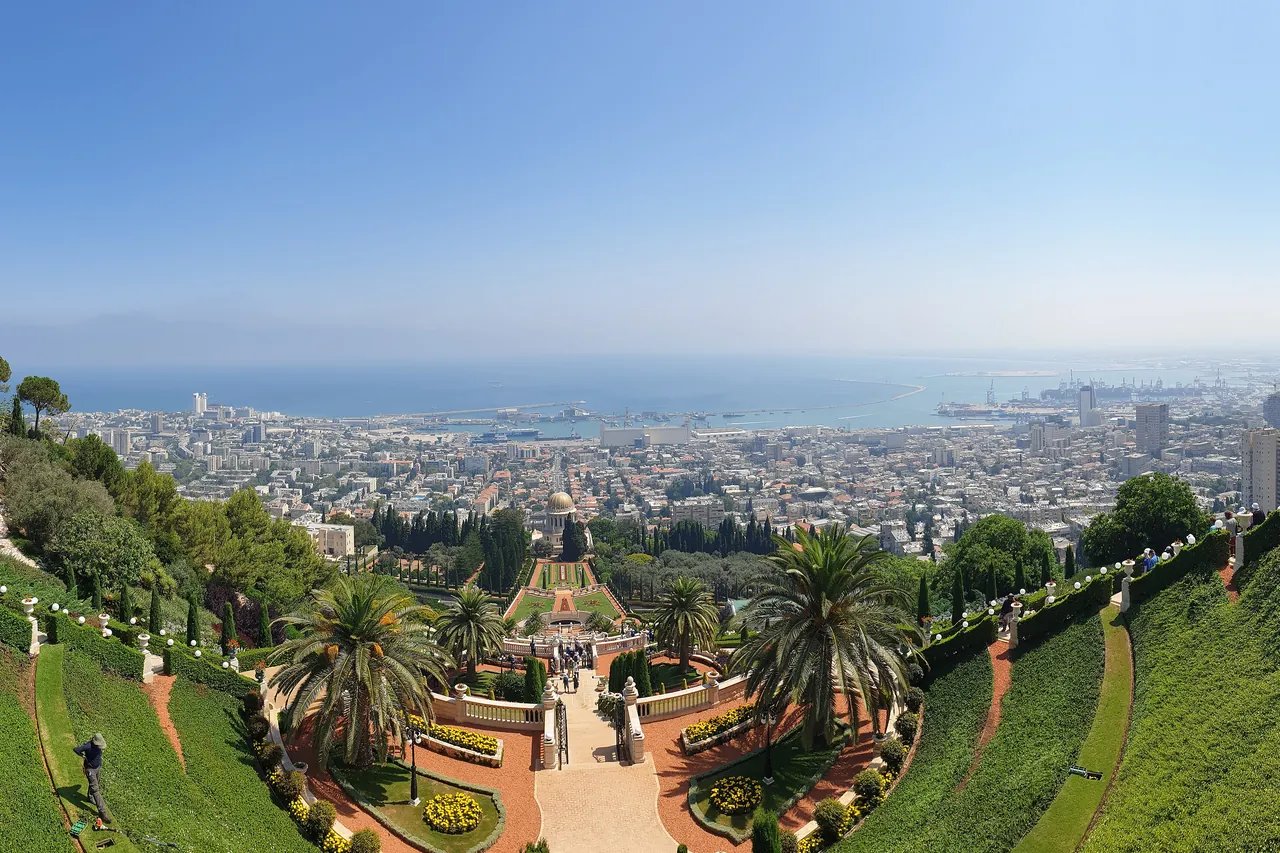 Country profileIsrael: allies, enemies and economy
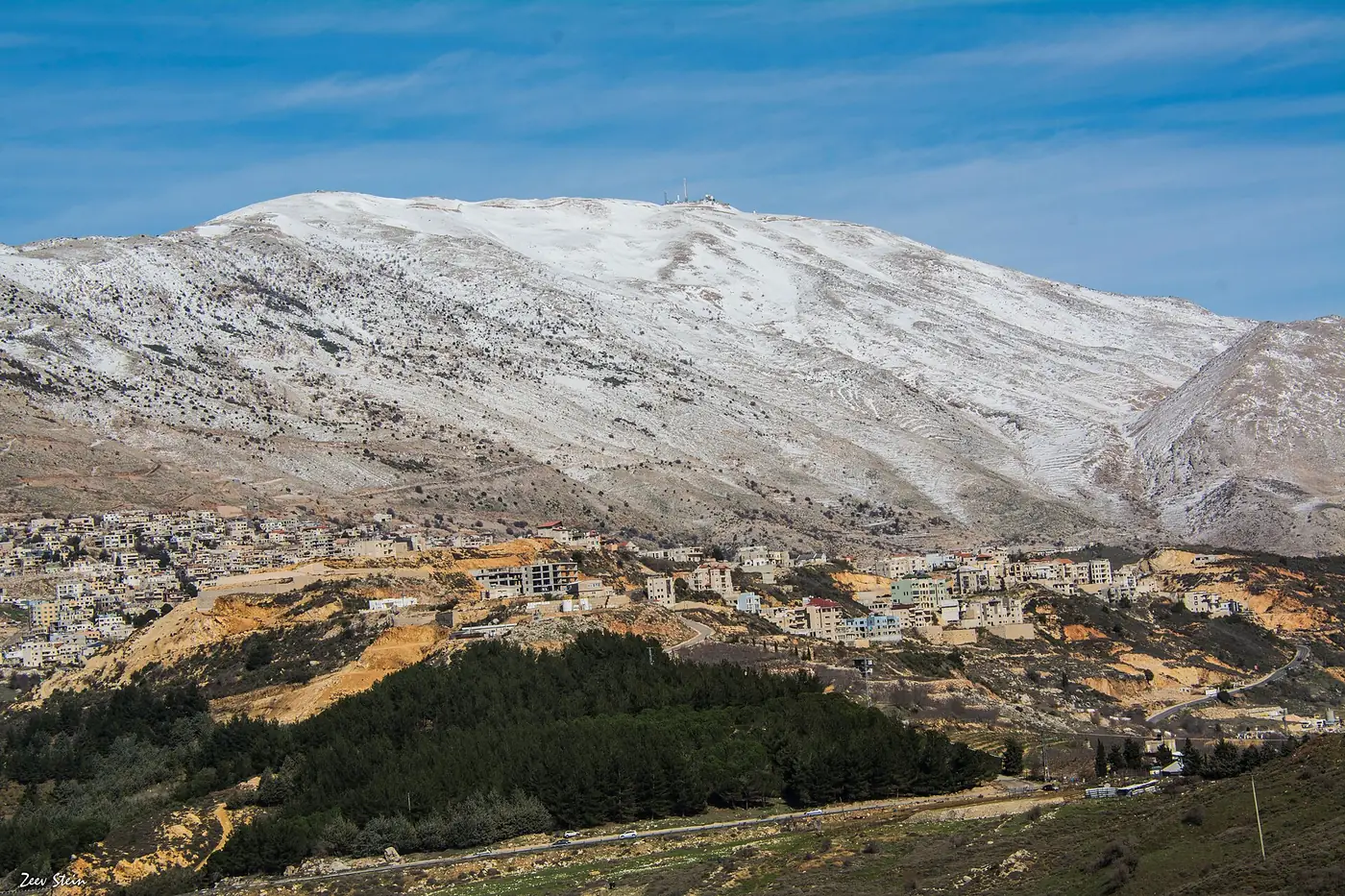 Disputed territoryGolan Heights
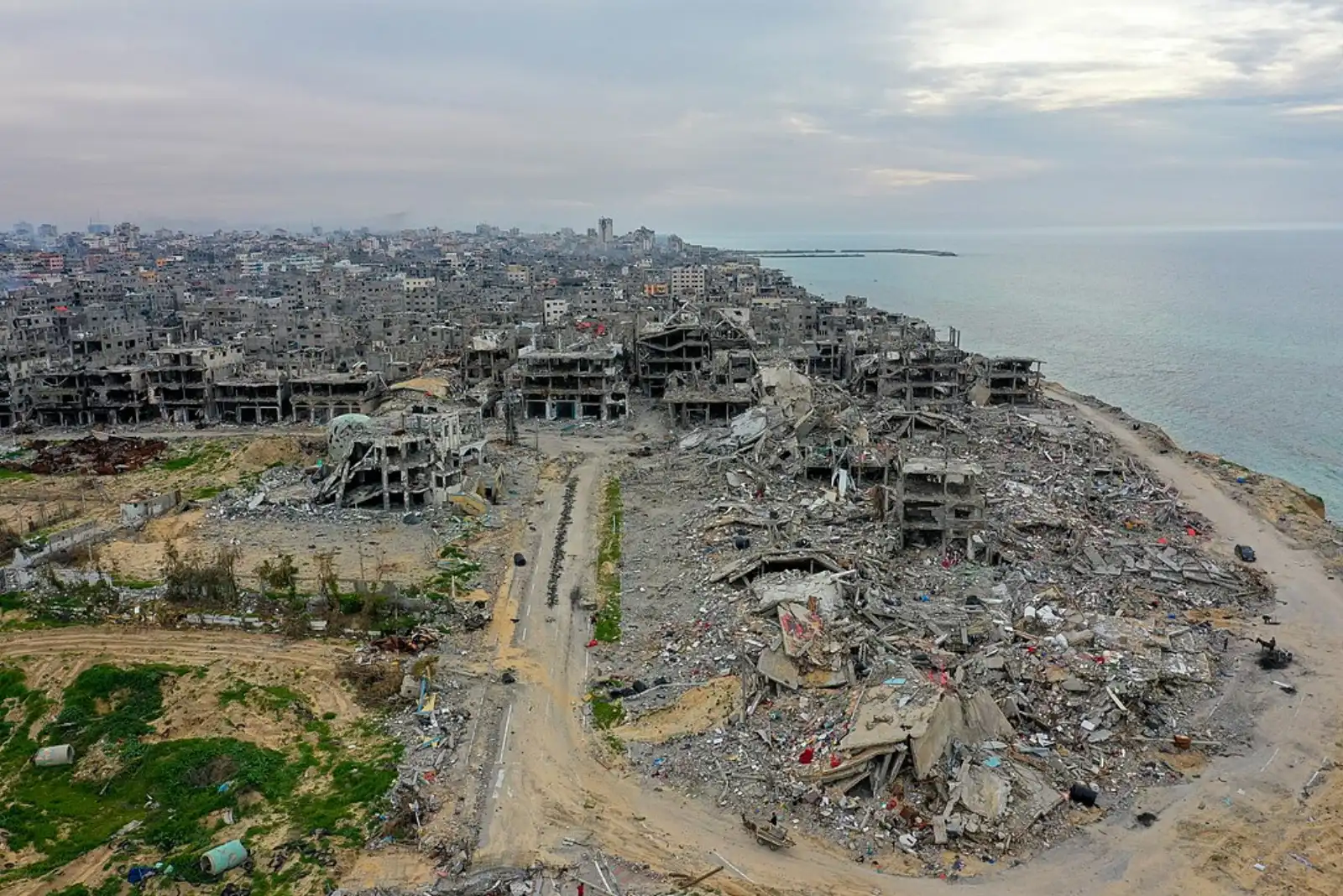 WarThe Gaza war
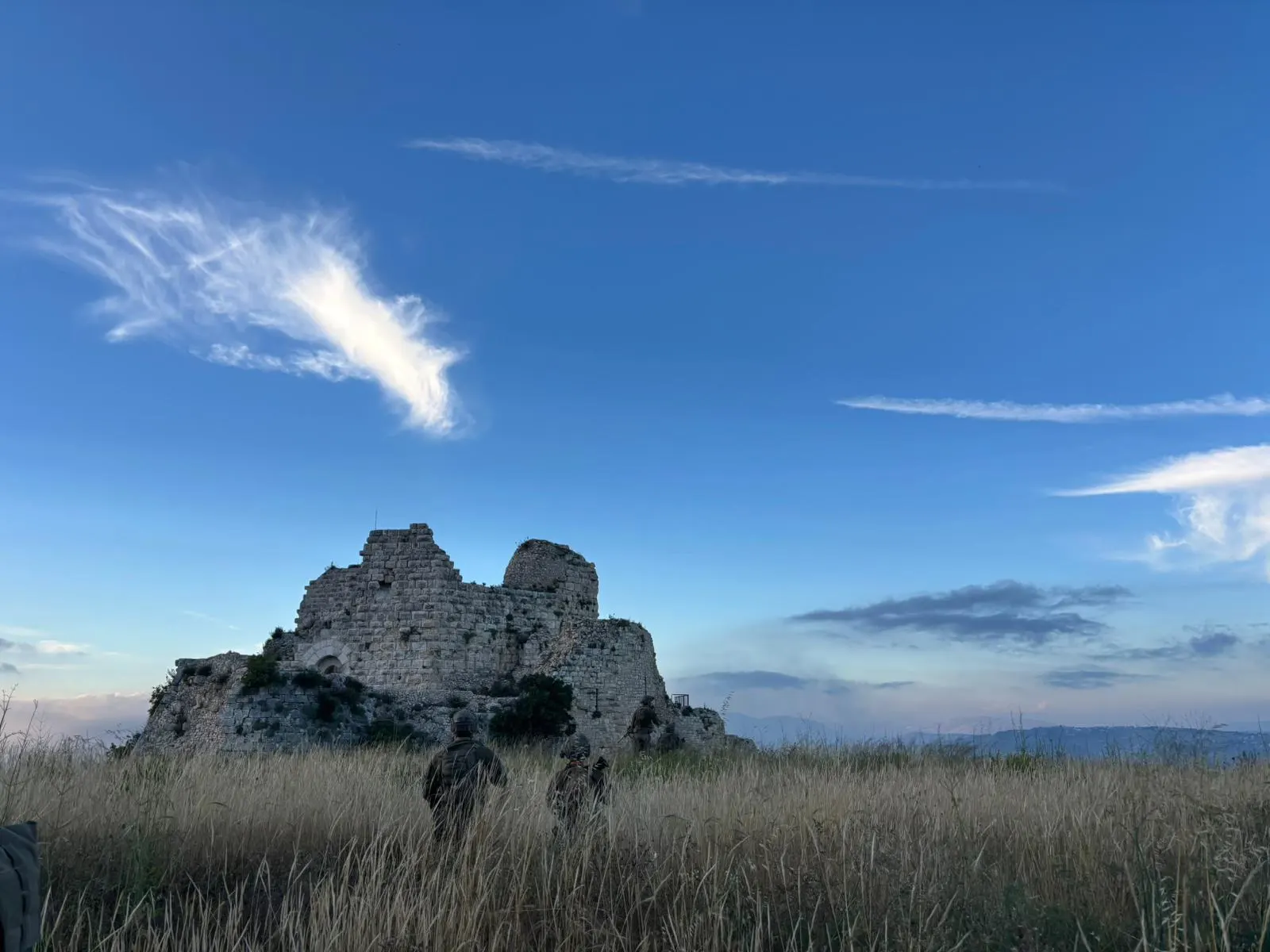 WarThe Israel-Lebanon war
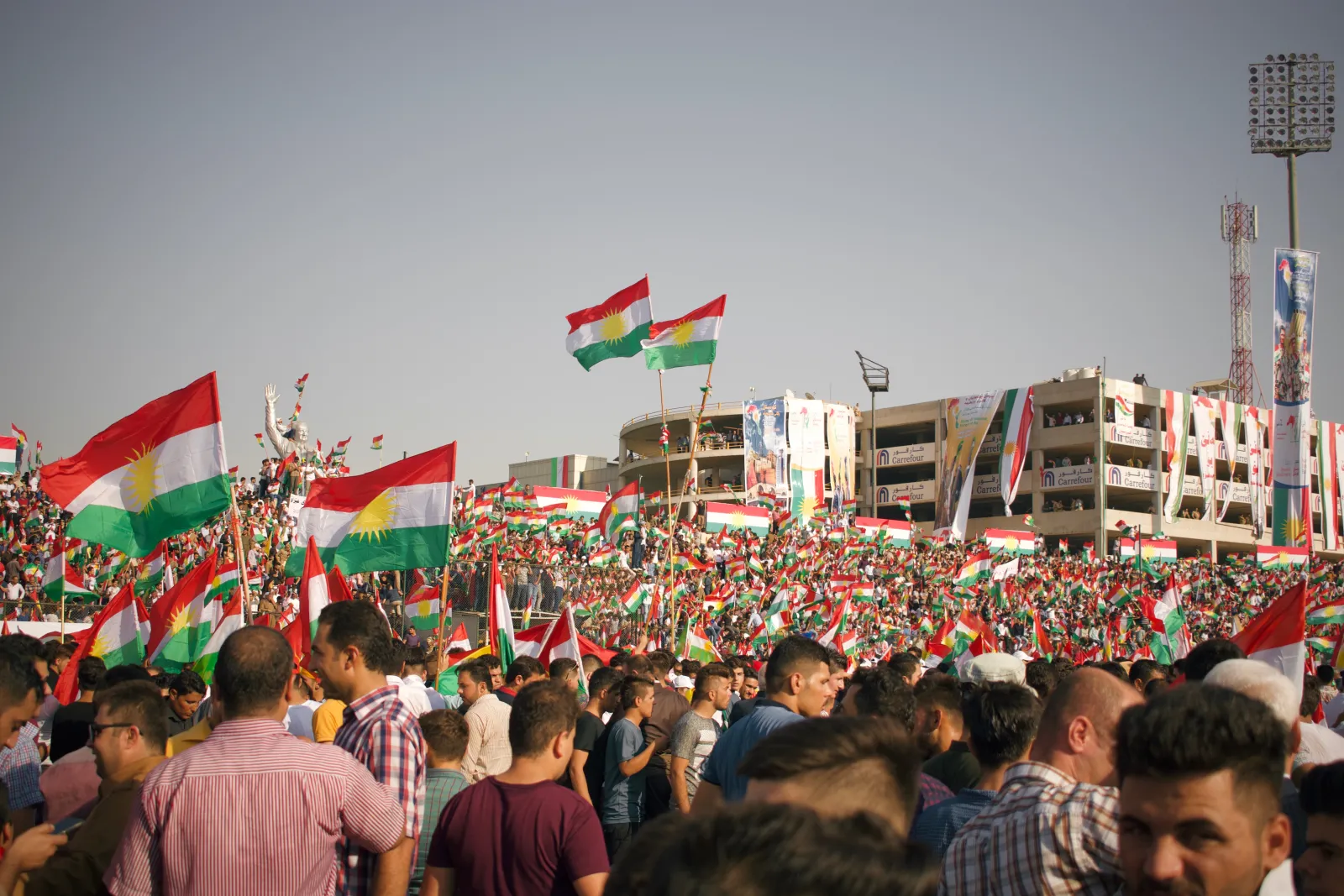 ArticleWhy don't the Kurds have a country?
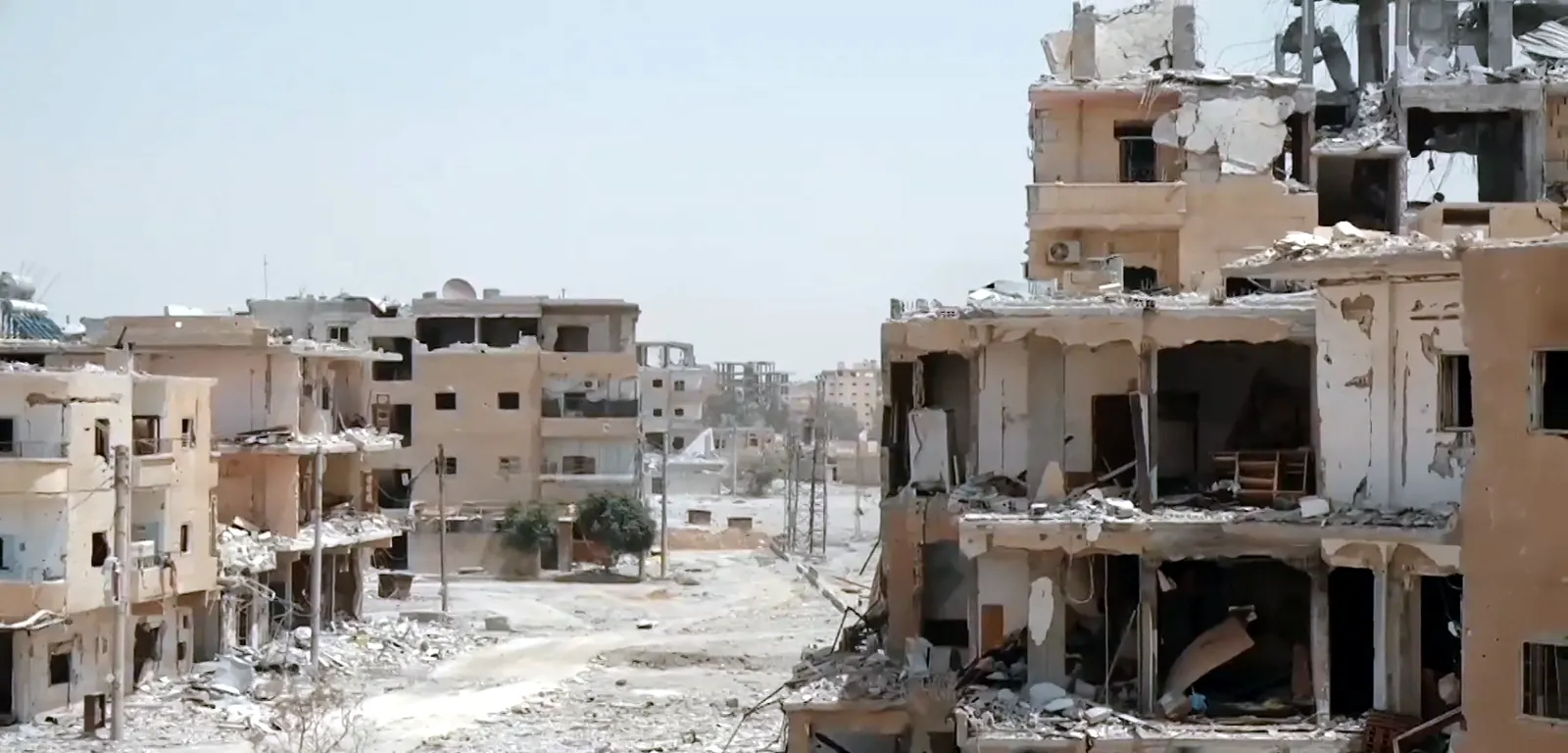 ArticleWhat happened to ISIS after the caliphate fell?