
Why 40 million Kurds still don't have a country
The Kurds are the largest ethnic group on Earth without a state. A broken treaty, four hostile governments, and a century of being useful to great powers explain why.
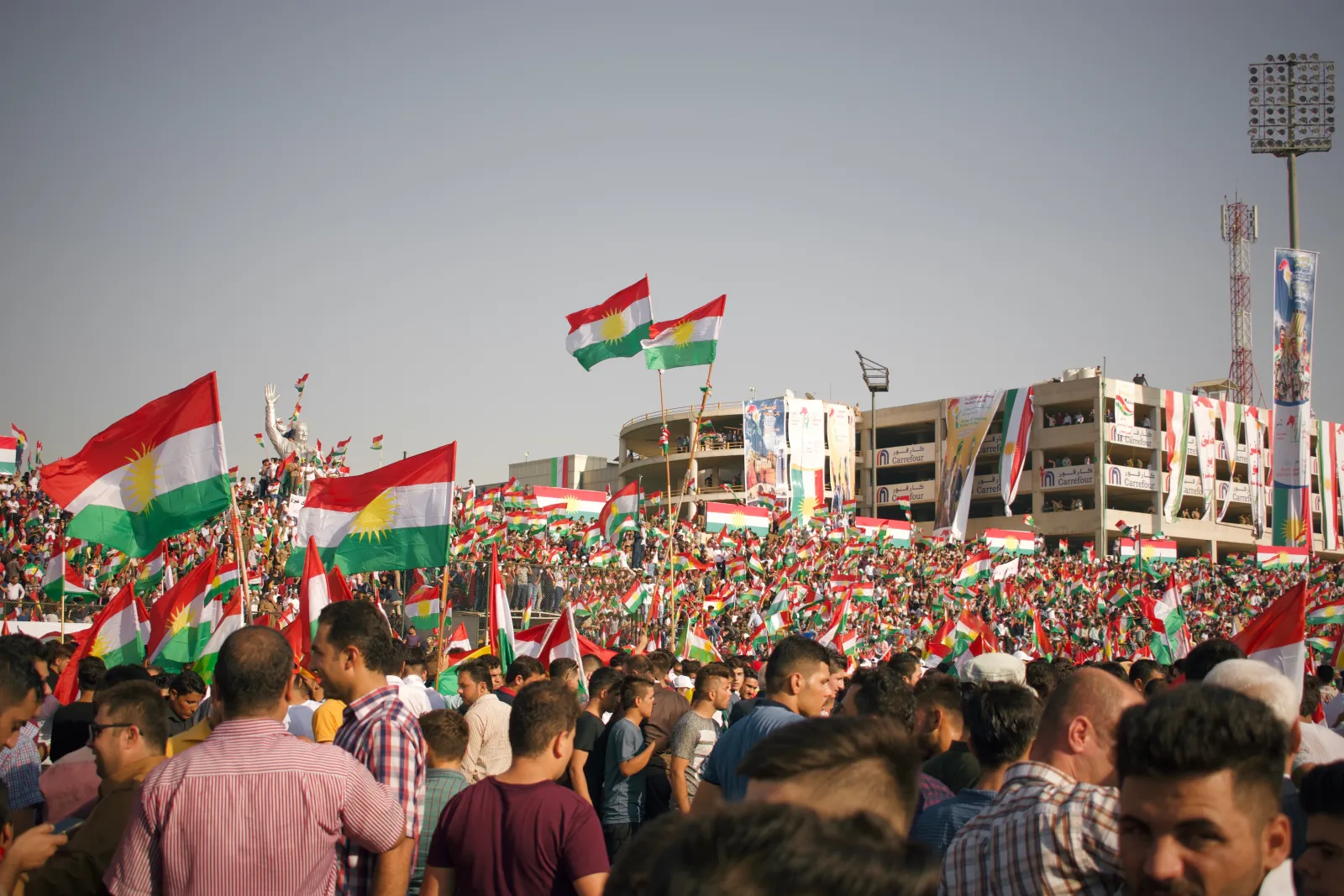
On September 25, 2017, the Kurds of northern Iraq voted on independence. Turnout was 72 percent. Ninety-three percent said yes. The region already had its own parliament, its own army, its own flag, and its own airports. Its president, Masoud Barzani, expected that the world would accept the result and negotiate.
Instead, within two weeks, Iraqi troops moved north and seized the oil city of Kirkuk. Turkey and Iran closed their borders. The United States, whose soldiers had fought alongside Kurdish forces for fourteen years, called the vote illegitimate. The airports shut. Barzani resigned. And the largest ethnic group on Earth without its own country went back to not having one.
There are roughly 30 to 40 million Kurds. They speak their own language, related to Persian but not mutually intelligible with it. Most are Sunni Muslim. They live in a mountainous arc across four countries: about 15 to 20 million in southeastern Turkey, 8 to 10 million in western Iran, 6 to 8 million in northern Iraq, and 2 to 3 million in northeastern Syria. The territory they have historically claimed, loosely called Kurdistan, sits on major oil fields around Kirkuk and the headwaters of the Tigris and Euphrates.
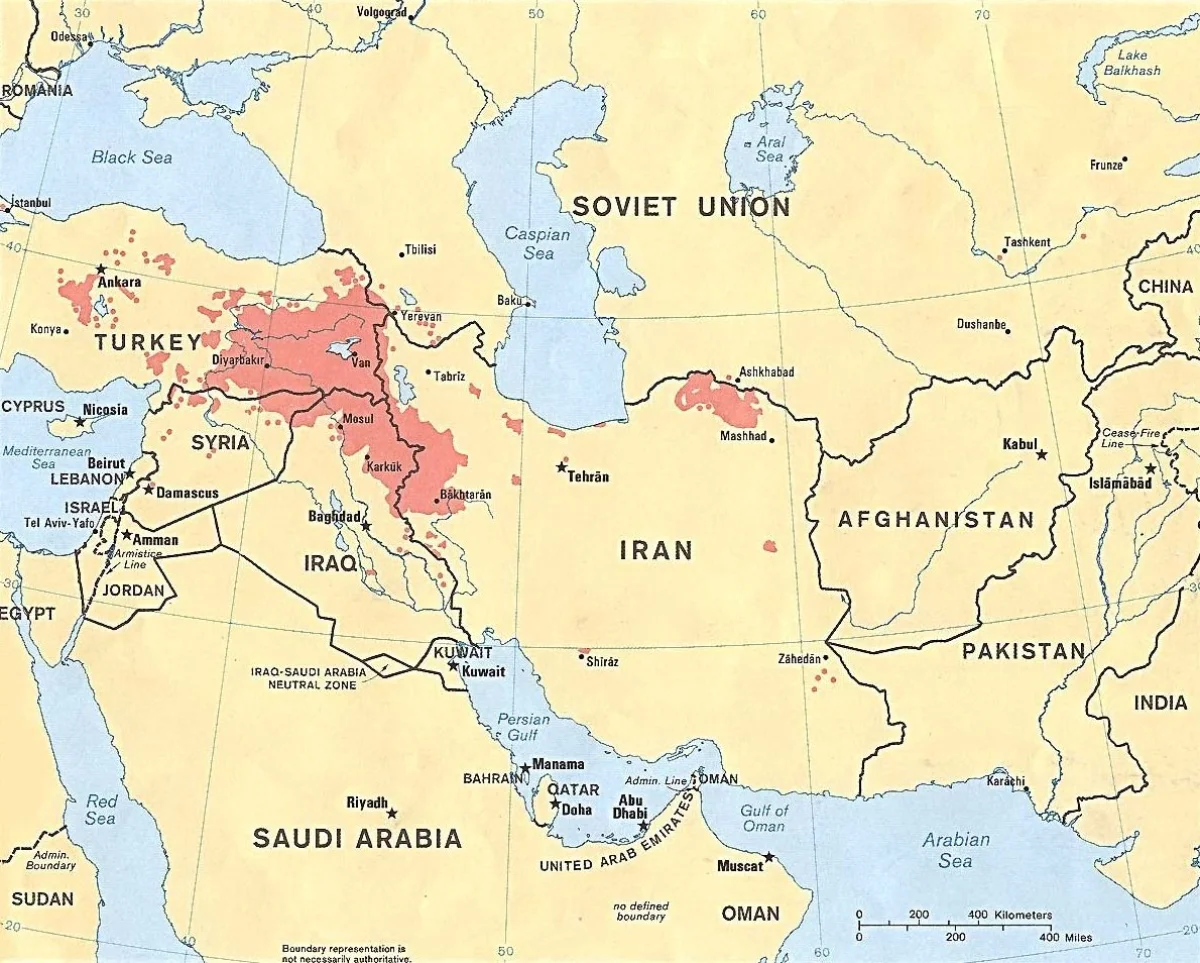
A century ago, one treaty almost gave them a state. Here is why it fell apart and why every attempt since has failed.
The treaty that promised a Kurdish state
When the Ottoman Empire lost the First World War, the Allies sat down to carve up its territory. The Treaty of Sevres, signed in August 1920, included an autonomous Kurdish region in southeastern Anatolia with a clause allowing it to petition for full independence within a year. For one moment on paper, Kurdistan existed.
The treaty never took effect. A Turkish general named Mustafa Kemal, later known as Ataturk, launched a war of independence from the interior, rallied what was left of the Ottoman army, and drove out the foreign forces occupying Anatolia. By 1923 the Allies gave up on Sevres and signed a new treaty at Lausanne, which recognized the borders of the new Turkish republic. The word "Kurd" did not appear in it. Kurdish lands were divided among Turkey, British-mandate Iraq, French-mandate Syria, and Iran. No one at the table in Lausanne represented the Kurds.
That was the moment that decided everything. After 1923, any Kurdish state would mean tearing land from countries that already existed. Every attempt since has hit that wall.
What each country did to its Kurds
Each of the four countries handled its Kurdish population differently. All four handled it badly.
Turkey had the most Kurds and the most to lose. Ataturk built the republic on the idea that everyone inside its borders was a Turk. The Kurdish language was banned from schools, courts, and public life. Kurdish villages were renamed in Turkish. Revolts broke out in 1925, 1930, and 1937, and the Turkish army crushed each one. In 1984 the Kurdistan Workers' Party, known by its Kurdish initials PKK, launched a guerrilla war that has killed more than 40,000 people. Turkey, the European Union, and the United States all classify the PKK as a terrorist organization.
The PKK's founder, Abdullah Ocalan, was captured in 1999 in Nairobi, Kenya, in an operation run by Turkish intelligence with American help. He has been held on a prison island in the Sea of Marmara ever since, and his face is on posters in Kurdish communities from Diyarbakir to the camps of northeastern Syria. In late 2024 Ocalan called from prison for the PKK to lay down its arms. As of mid-2026, the guns are mostly quiet but no formal deal has been signed.
Iraq gave the Kurds the worst violence. In the late 1980s, Saddam Hussein's government launched the Anfal campaign against Kurdish villages in the north. The Iraqi army used poison gas on the town of Halabja in March 1988, killing about 5,000 people in a single day. The broader campaign destroyed about 4,500 villages and killed an estimated 50,000 to 100,000 Kurds.
Iran has the oldest Kurdish population and the quietest conflict. Kurdish parties have been banned since the early years of the Islamic Republic, and armed groups occasionally clash with the Revolutionary Guards along the border. Iran has avoided Iraq-scale atrocities, but it has also funded Kurdish groups in Iraq and Syria when doing so hurt its rivals.
Syria's Kurds were the most invisible. In 1962 the Syrian government stripped roughly 120,000 Kurds of their citizenship in a single census, calling them illegal immigrants from Turkey. Their descendants, some 300,000 people by 2011, could not own property, attend university, or hold government jobs. They were stateless people inside a state.
Why the American alliance never paid off
The Kurds have been the most reliable American partner in the Middle East that the United States has never fully backed. The pattern repeats across decades.
After the 1991 Gulf War, the United States imposed a no-fly zone over northern Iraq that kept Saddam Hussein's army out. The Kurds used the breathing room to build a self-governing region with its own parliament, its own budget, and eventually its own oil exports.
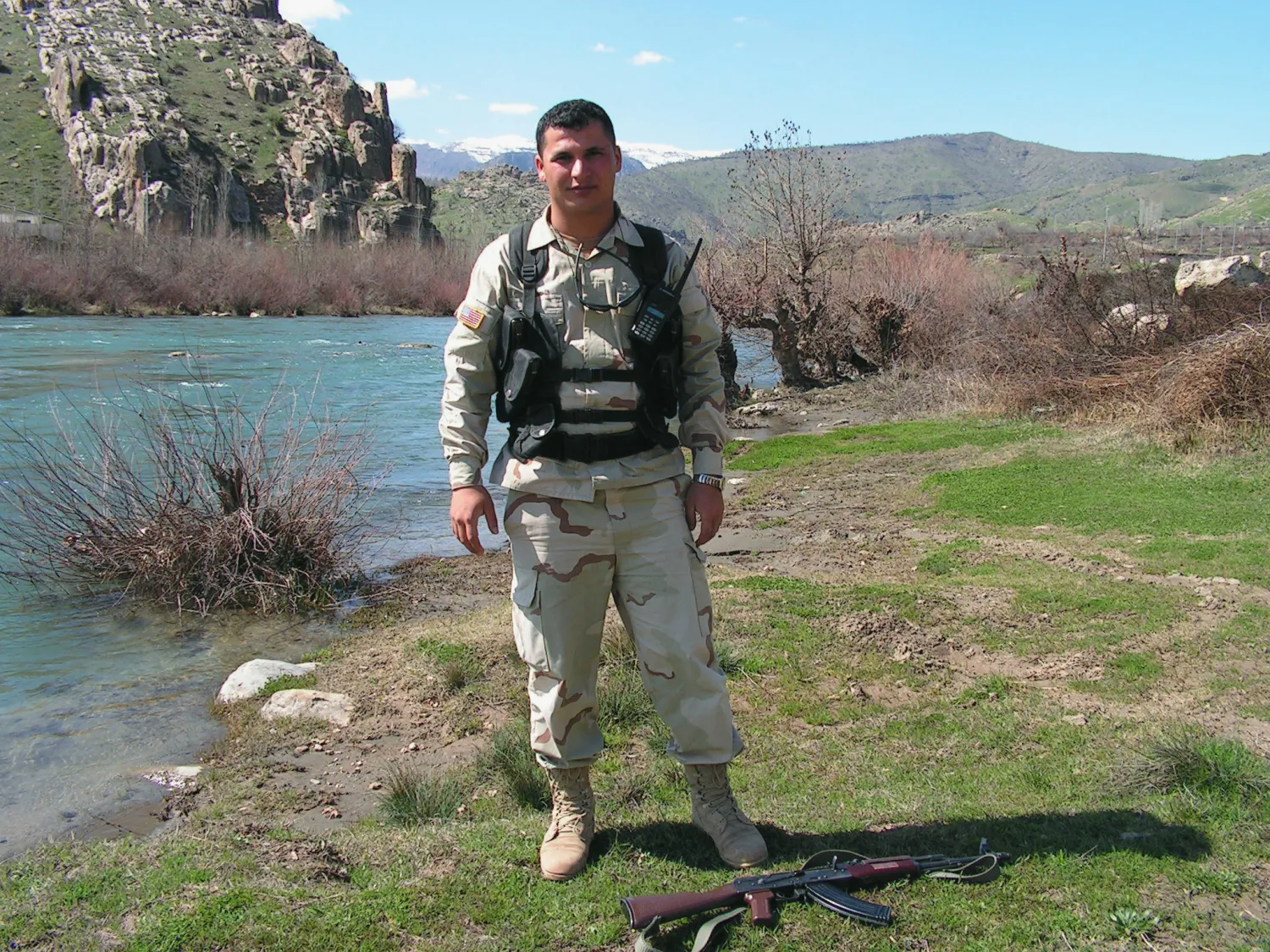
After the 2003 invasion of Iraq, Kurdish peshmerga fought alongside American troops, and the new Iraqi constitution gave them a federal region with broad autonomy. Erbil, the Kurdish capital, boomed with oil money and foreign investment.
Then came ISIS. When the militants overran the Iraqi army in 2014 and seized Mosul, Kurdish fighters in both Iraq and Syria became the ground force that the United States depended on. In Syria, a Kurdish-led force called the YPG did most of the fighting and dying in the four-year campaign to destroy the caliphate. Roughly 11,000 of its fighters were killed.
In October 2019, President Donald Trump pulled American troops from the Turkish border in northeastern Syria. Turkey invaded within days, and Kurdish forces lost territory they had held for five years.
The losses kept coming. In December 2024, Syrian rebels overthrew Bashar al-Assad in eleven days. The Kurds had spent a decade building their own administration in the northeast, but the new government in Damascus demanded they give it up. By August 2026 the Kurdish-led forces had formally disbanded, their fighters were absorbed into the Syrian national army, and a decade of self-rule was over.
Why a Kurdish state still cannot happen
Four countries would have to give up territory to create a Kurdistan, and none of them will. Turkey has 15 to 20 million Kurds and a 40-year insurgency behind it. Iran has restive minorities of its own and will not tolerate a Kurdish state next door that might encourage the Baloch, the Azeris, or the Arabs of Khuzestan to demand the same. Iraq's constitution allows Kurdish autonomy but forbids secession, and Kirkuk's oil is too valuable for Baghdad to surrender. Syria's new government needs to hold the country together, not lose a quarter of its territory in its first years.
The Kurds themselves are divided. Iraqi Kurdistan has been split between two rival families for decades, each running its own intelligence service and its own military units. The Kurdish guerrillas in Turkey and the Kurdish parties in Iraq have fought each other. Turkey calls the Kurdish fighters in Syria a branch of the PKK, and the Iraqi Kurdish leadership sometimes agrees. There is no single Kurdish government, no unified army, and no shared program beyond the principle that the Kurds deserve a state.
The outside powers that could sponsor independence never do. The United States needs Turkey in NATO. Russia backed Assad for years and now supports the territorial integrity of Syria. Iran and Turkey agree on almost nothing except that Kurdish statehood is unacceptable. Every time the Kurds have tried to force the question, in 1920, in 1991, in 2017, the countries that would lose territory have closed ranks, the great powers have stepped back, and the Kurds have been told to wait.
A century of fighting, 40 million people, and a cause that wins every sympathy vote in every Western capital have not been enough. The Kurds are still the largest nation on Earth without a country, and every border that keeps them that way belongs to a state that will not move.
Test what you learned
5 questions on this article. About two minutes, no signup.