War · Middle East
The Israel-Lebanon war
Ceasefire since April 16, 2026, strikes go onUpdated November 1, 2026
Israel and Hezbollah have fought in Lebanon since March 2, 2026, when Hezbollah fired rockets at Israel after the United States and Israel attacked Iran. Israel struck across Lebanon and sent troops into the south. A ceasefire began on April 16, and Israel and Lebanon signed a US-brokered framework on June 26. Israeli troops still hold a strip of southern Lebanon 5 to 10 km deep, and Israeli strikes continue. Lebanon's Health Ministry counts 4,387 people killed by October 11, 2026.
- Started
- March 2, 2026
- Hezbollah fired on Israel
- Killed in Lebanon
- 4,387
- Lebanese Health Ministry, to Oct 11
- Israeli soldiers killed
- 41
- and a contractor, by Oct 8 (Israeli military)
- Israel holds
- 5 to 10 km
- deep strip of southern Lebanon
- UNIFIL ends
- Dec 31, 2026
- mandate expires for the last time
Who backs whom in the Israel-Lebanon war?
Israel and Hezbollah, the countries and groups that support them, and the mediators trying to end the fighting.
 United StatesIsrael's main arms supplier. Gives $3.8 billion in military aid a year under a 2016 agreement, and backs Israel's demand that Hezbollah disarm.
State
 Israel
Led by Prime Minister Benjamin Netanyahu, who stays in office until a new government is sworn in after the October 27, 2026 election. Israel says Hezbollah's rocket fire forced more than 60,000 people from their homes in the north in 2023 and 2024, and that Hezbollah rearmed after the 2024 ceasefire. It says it is enforcing UN Security Council resolution 1701 of 2006, which called for the disarmament of all armed groups in Lebanon.
Party and militia
Hezbollah
A Shia party and militia in Lebanon, set up in 1982 with help from Iran's Revolutionary Guards. Led by Naim Qassem, who replaced Hassan Nasrallah after Israel killed Nasrallah on September 27, 2024. Hezbollah calls itself a resistance movement defending Lebanon. It says Israel occupies Lebanese land and kept striking Lebanon during the 2024 ceasefire. The United States, the United Kingdom, Canada, Australia, Argentina and the Gulf states are among the governments that designate Hezbollah a terrorist organization. The European Union lists only its military wing.
 IranHezbollah's patron since 1982. Provides money, weapons and training through the Revolutionary Guards. Lebanese security sources told Reuters in October 2026 that Iranian money helped Hezbollah rearm.
United States · Brokered the April 16 ceasefire and the June 26 framework, and hosted the October military talks in Tampa. Pledged $100 million in humanitarian aid.
 Qatar · Helped the United States broker the June 19 truce between Israel and Hezbollah, with help from Iran (Reuters, AP). Pays for fuel for the Lebanese army.
 France · Ruled Lebanon under a League of Nations mandate until 1943. Leads European aid to the Lebanese army. Plans with Italy a force to back the army after UNIFIL leaves.
Confirmed
Where is the fighting in Lebanon?
Israeli forces hold a strip of southern Lebanon 5 to 10 km deep. The pins mark places in the news.
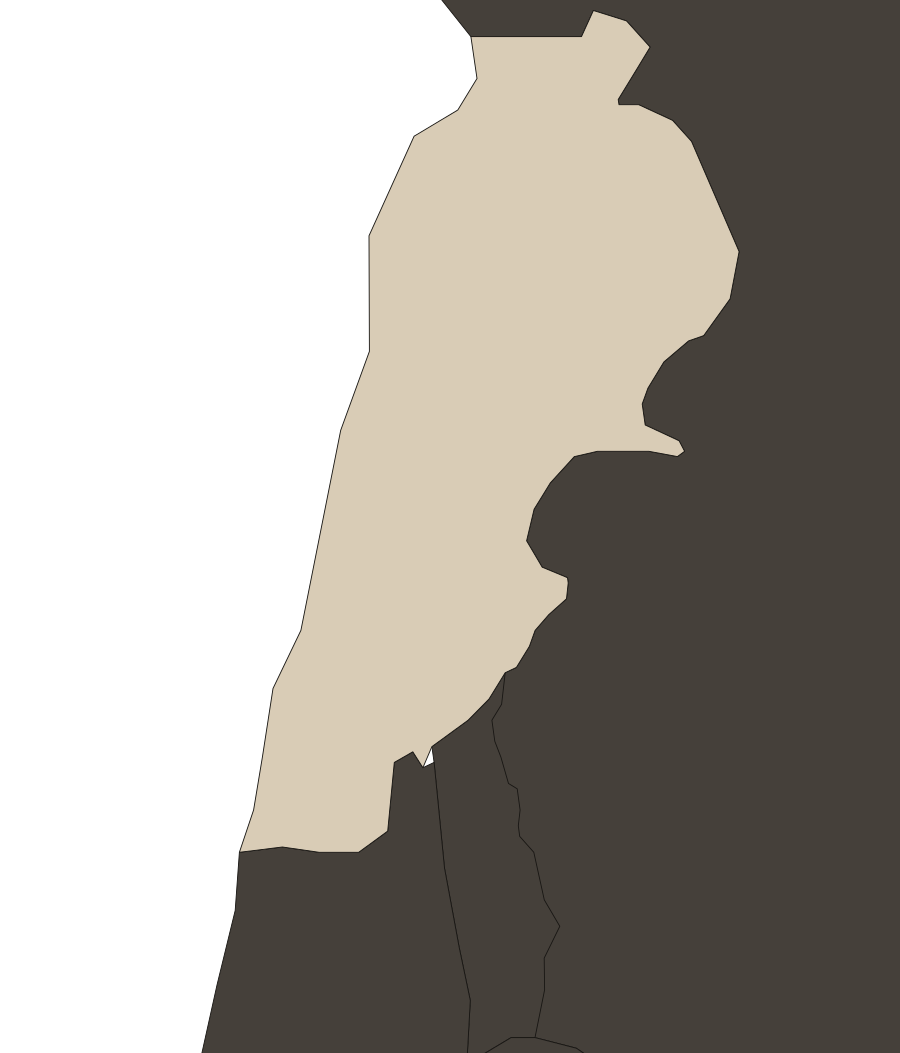
- BeirutnoneLebanon's capital. Israeli strikes hit Dahiyeh, the southern suburbs where Hezbollah has its headquarters, in the first weeks of the war. Israel killed Nasrallah in Dahiyeh in September 2024.
- NabatiehnoneThe main city of the Nabatieh Governorate, about 7 km north of Beaufort Castle. Israeli strikes have hit the Nabatieh district through the ceasefire.
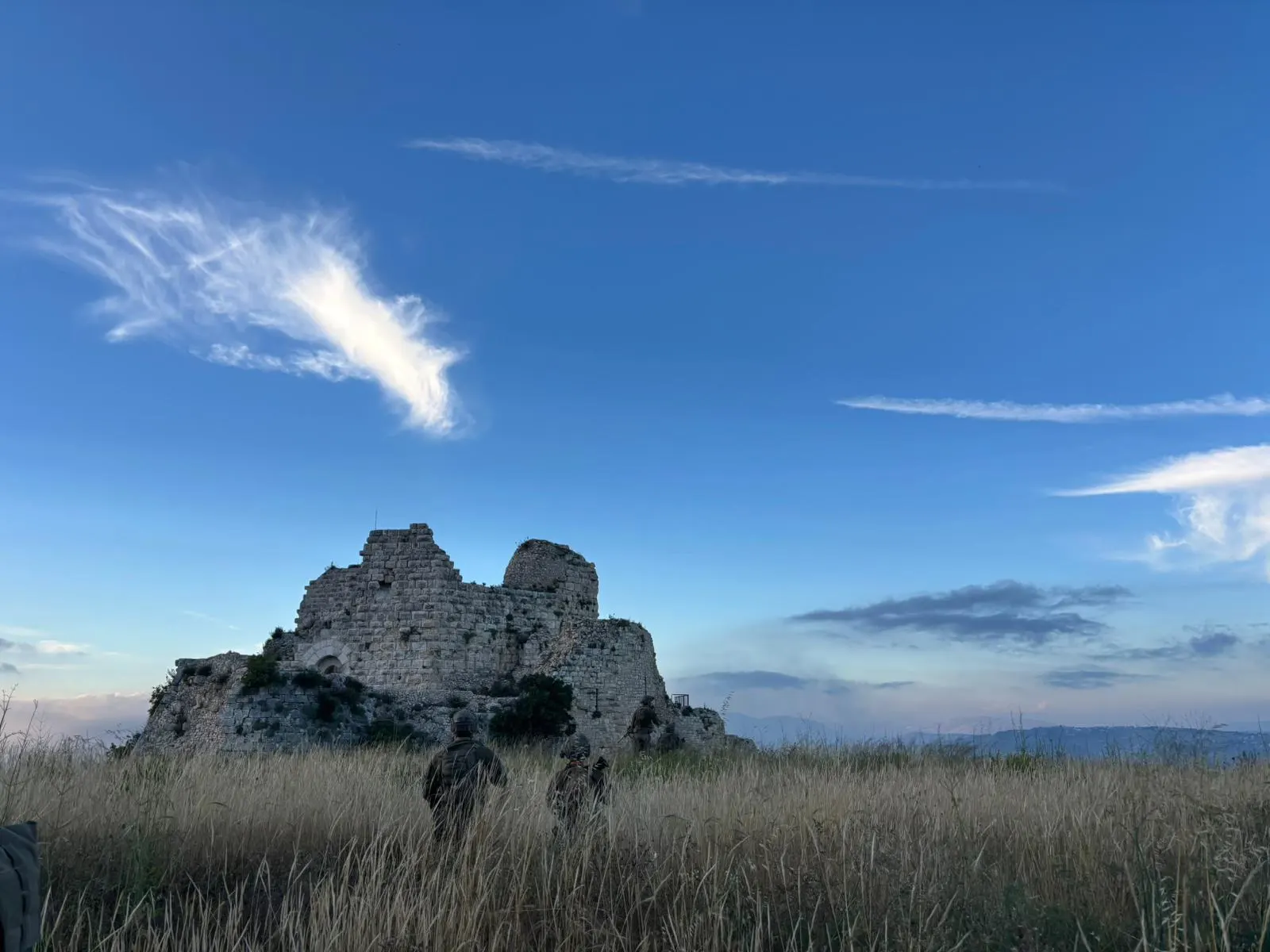
- Beaufort CastleIsraelA crusader castle on a ridge above the Litani River. Israeli troops took it on May 31, 2026. Israel also held it from 1982 to 2000.
- TyrenoneA coastal city in the south. Israel ordered parts of Tyre evacuated and struck the city during the war.
- NaqouranoneHeadquarters of UNIFIL, the UN peacekeeping force in southern Lebanon since 1978. About 7,500 troops in early 2026. Its mandate expires on December 31, 2026.
- BaalbeknoneA city in the Bekaa Valley. Israeli strikes targeted Hezbollah positions and weapons stores in the valley.
- Kiryat ShmonaIsraelAn Israeli border town of about 22,000 people. Israel evacuated it in October 2023 because of Hezbollah rocket fire. Hezbollah rockets hit it again from March 2026.
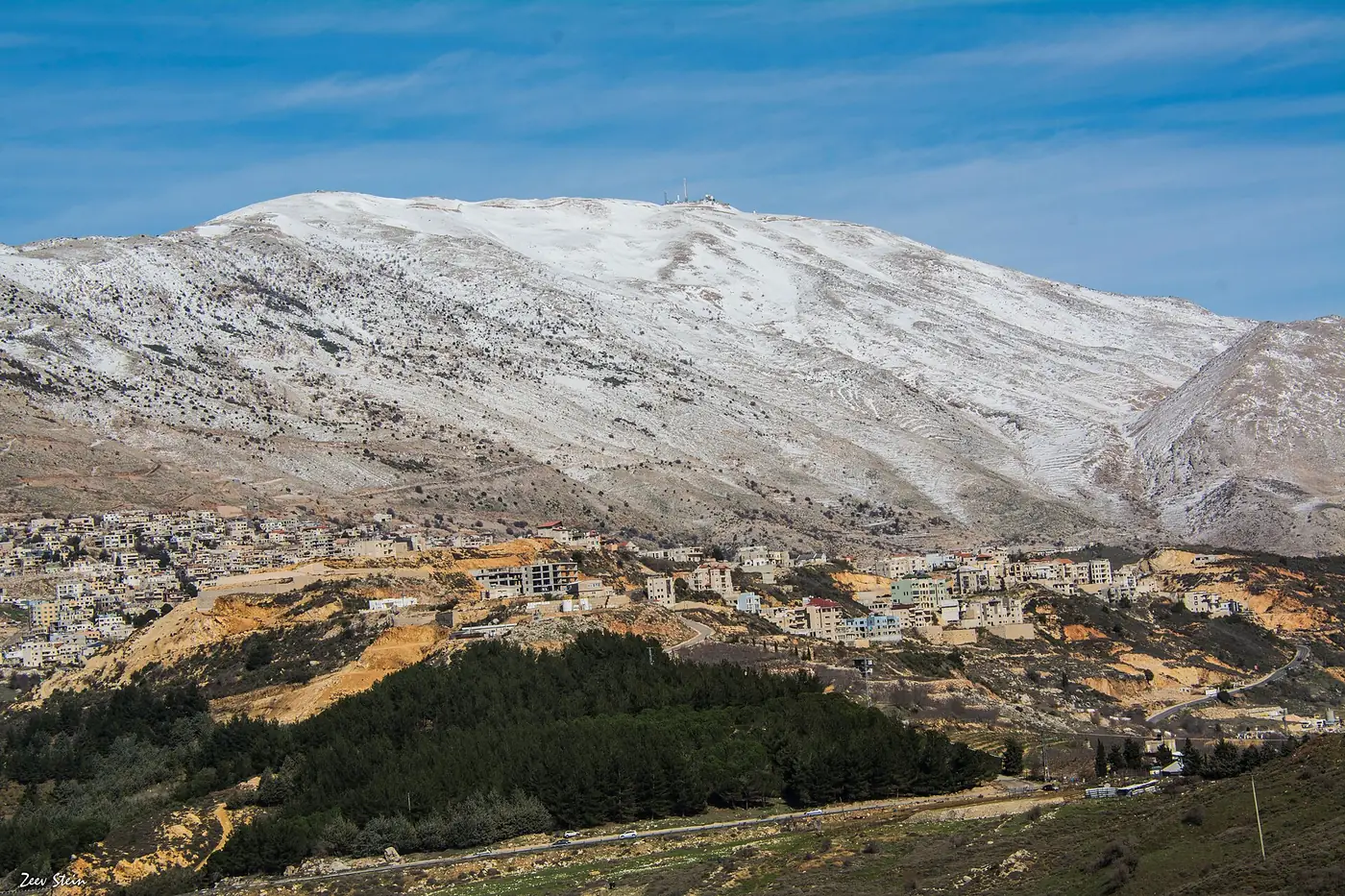
- Shebaa FarmsContestedHeld by Israel since 1967. Lebanon claims the area. The UN treats it as Syrian. Hezbollah cites it as one reason for its weapons.
Why is Israel at war in Lebanon?
Israel and Hezbollah have fought each other since 1982, when Israel invaded Lebanon to drive out the Palestine Liberation Organization. Hezbollah formed that year as a Shia militia backed by Iran's Revolutionary Guards. Israel withdrew from southern Lebanon in May 2000, ending an 18-year occupation. The UN confirmed that Israel had pulled back to the line the UN drew, called the Blue Line. Lebanon and Hezbollah said Israel still held Lebanese land at the Shebaa Farms. The two sides fought a 34-day war in July and August 2006. It began after Hezbollah fighters crossed the border, killed three Israeli soldiers and captured two. UN Security Council resolution 1701 ended that war. It called for the disarmament of all armed groups in Lebanon and for Israeli forces to withdraw. Hezbollah did not disarm.
On October 8, 2023, one day after Hamas attacked Israel, Hezbollah began firing rockets across the border. Israel fired back, and the fighting drove more than 60,000 Israelis from their homes in the north. On November 27, 2024, Israel and Lebanon agreed to a US-brokered ceasefire. Hezbollah was to have no armed presence south of the Litani River, and the Lebanese army was to deploy there as Israel withdrew. By February 18, 2025, Israel had pulled out of most of the south but kept five hilltop positions inside Lebanon. Israel kept striking what it said were Hezbollah targets. Lebanon and Hezbollah called the strikes and the five positions a breach of the ceasefire. In November 2025 UNIFIL said it had recorded more than 10,000 Israeli air and ground violations north of the Blue Line since the ceasefire. On December 2, 2024, Hezbollah fired at an Israeli position in the Shebaa Farms, which Israel calls Mount Dov. It called the fire a warning over Israeli violations. Israel said Hezbollah was rebuilding its forces.
On January 8, 2026, the Lebanese army said phase one of its disarmament plan, covering the area south of the Litani, was complete. On February 28, 2026, Israel and the United States went to war with Iran. On March 2, Hezbollah fired rockets at Israel. Hezbollah said it was avenging Iran's Supreme Leader, Ali Khamenei, and answering Israel's attacks on Lebanon. Israel struck targets across Lebanon and sent troops back into the south. The Lebanese cabinet banned all of Hezbollah's military activity the same day. On March 5 it banned Iran's Revolutionary Guards from operating in Lebanon.
Israel and Lebanon at war
- 1982Israel invades Lebanon. Hezbollah is founded with Iranian support.
- 2000Israel withdraws from southern Lebanon after 18 years.
- 2006A 34-day war. Resolution 1701 calls for all armed groups to disarm.
- Oct 2023Hezbollah opens fire on Israel a day after the Hamas attack. Tens of thousands flee on both sides of the border.
- Sep 2024Israel kills Hezbollah leader Hassan Nasrallah in Beirut. Israeli troops enter southern Lebanon on October 1.
- Nov 2024A US-brokered ceasefire. Israel later keeps five hilltop positions and keeps striking.
- Feb 2026The US and Israel go to war with Iran.
- Mar 2, 2026Hezbollah fires rockets at Israel, citing Khamenei's killing and Israeli strikes. Israel strikes Lebanon and sends troops back.
- Apr 16, 2026An Israel-Lebanon ceasefire takes effect. It is later extended.
- Jun 19, 2026Israel and Hezbollah agree to a truce brokered by the US and Qatar.
- Jun 26, 2026Israel and Lebanon sign a US-brokered framework for peace.
- Oct 20, 2026Military talks in Tampa, Florida, end without a deal.
How many people have been killed?
Lebanon's Ministry of Public Health counted 4,387 people killed and 12,424 wounded by Israeli attacks between March 2 and October 11, 2026. The ministry does not separate civilians from fighters. By mid-September it said the dead included more than 250 children, nearly 400 women and more than 130 medics, Reuters reported. The Israeli military says it has killed more than 2,500 Hezbollah fighters since early March. Hezbollah does not publish its losses. Counting the 2023-24 fighting and the months between the two wars, the ministry's total since October 8, 2023 is 8,954 killed.
The Israeli military says 41 soldiers and a civilian contractor working for the Defense Ministry had been killed in Lebanon by October 8, 2026, including deaths in accidents. Hezbollah rockets killed two civilians in northern Israel between March and June 2026, the Times of Israel reported. The first died on March 24. In the 2023-24 fighting, AP counted more than 80 Israeli soldiers and 47 civilians killed on the Israeli side.
More than one million people were displaced inside Lebanon in March 2026, according to the International Organization for Migration (IOM). About 130,000 crossed into Syria. On September 29, 2026, IOM counted about 330,000 people still displaced. In Israel, more than 60,000 people were displaced from the north in 2023 and 2024.
Killed in Lebanon
4,387
People killed by Israeli attacks, March 2 to October 11
Lebanon's Health Ministry count. It does not separate civilians from fighters. Israel says it is striking Hezbollah.
Is Hezbollah being disarmed?
Only partly. In August 2025 the Lebanese cabinet decided that only the state should hold weapons. On January 8, 2026, the army said phase one, south of the Litani River, was complete. Phase two, north of the river, had not started when Hezbollah fired on Israel on March 2. That day the cabinet banned all of Hezbollah's military activity and told the army to start disarming the group north of the Litani.
Hezbollah rejects the June 26 framework with Israel. Its leaders say they will discuss their weapons only after Israel leaves. On October 28, 2026, Naim Qassem, Hezbollah's leader, called the framework illegitimate and said there was no room to discuss giving up the group's weapons. On October 26, Reuters reported that Hezbollah had rearmed since June with Iranian money, citing Lebanese security sources. Hezbollah said Israel's occupation makes resistance a legitimate right.
On October 5, 2026, security forces stopped a vehicle at a checkpoint between the Bekaa Valley and Beirut carrying about 780 kg of explosives. Hassan Fadlallah, a Hezbollah member of parliament, said the explosives belonged to the group and were meant for use against Israel. He demanded they be returned. Prime Minister Nawaf Salam ordered an investigation. US Secretary of State Marco Rubio pressed Lebanon to keep confiscating Hezbollah's weapons. On October 30, a military prosecutor charged 13 people, including Hezbollah members, over the shipment.
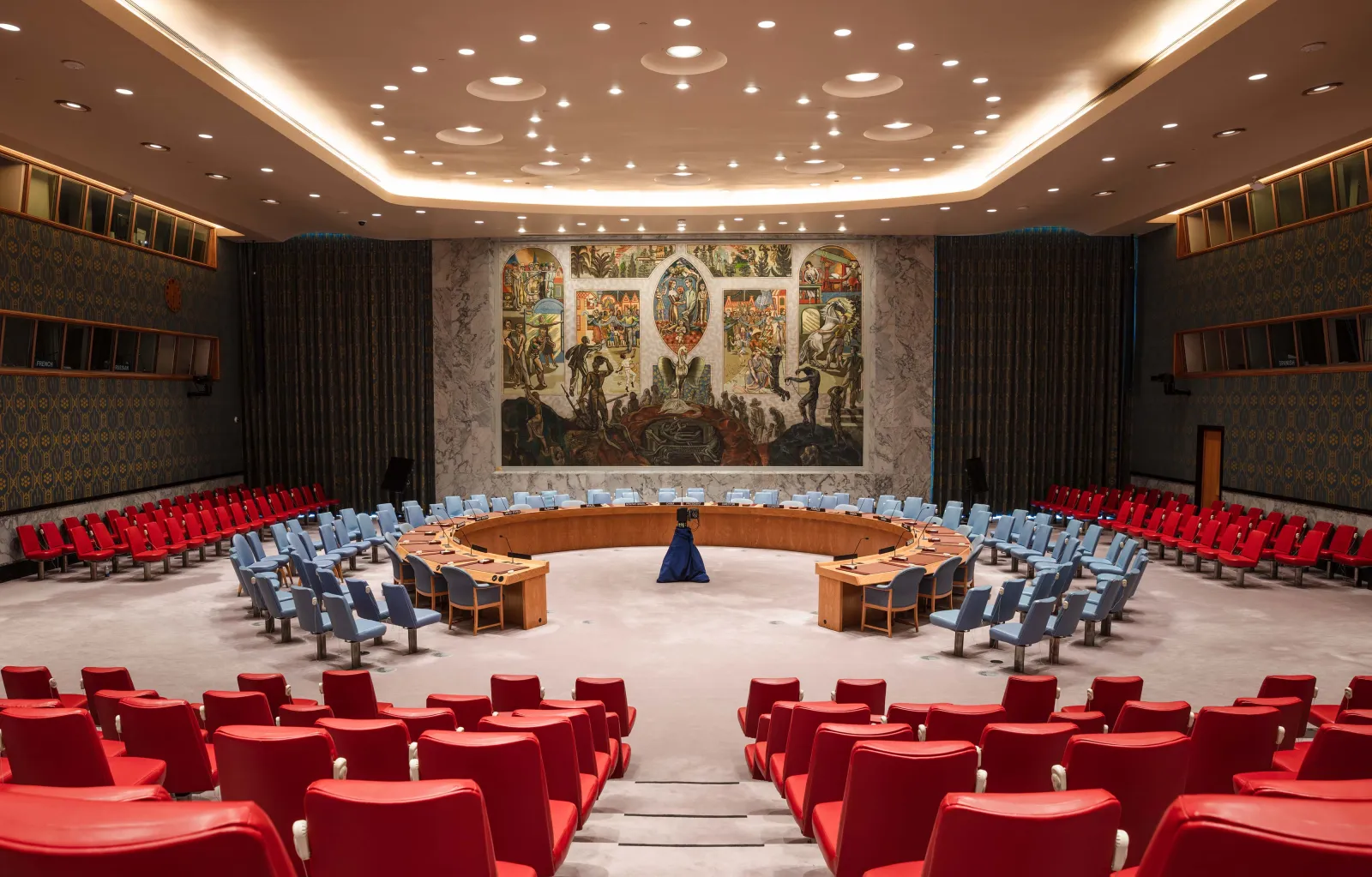
UNIFIL
Dec 31, 2026
When the UN peacekeeping mission ends
The Security Council renewed UNIFIL for a final time in August 2025 (resolution 2790). The drawdown may take up to a year after that.
What is in the ceasefire and the framework?
The April 16, 2026 ceasefire between Israel and Lebanon was announced by President Trump. It was set for 10 days and extended on April 23 and May 15. The US State Department released a six-point statement. Israel agreed to stop offensive operations but kept the right to defend itself. Lebanon pledged to stop Hezbollah and other armed groups from attacking Israel. Hezbollah was not a party to it. On June 19, after a clash that killed four Israeli soldiers and dozens of people in Lebanon, Israel and Hezbollah agreed to a truce brokered by the United States and Qatar, with help from Iran.
On June 26, 2026, the Israeli and Lebanese ambassadors signed a framework agreement in Washington, with Secretary of State Marco Rubio. It links a phased Israeli withdrawal to the disarmament of Hezbollah. The Lebanese army is to take over southern Lebanon in stages. The United States set up a Military Coordination Group for Lebanon, pledged $100 million in humanitarian aid and offered the Lebanese army about $30 million. Netanyahu said Israel would stay in a security zone in southern Lebanon. Hezbollah rejected the deal. In July Israel handed the first pilot zones to the Lebanese army, which deployed in Zawtar al-Gharbiyeh on July 21. The zones have not grown since.
On October 20 and 21, military delegations from Israel and Lebanon met at US Central Command headquarters in Tampa, Florida. Lebanon asked for an end to Israeli strikes, a timetable for withdrawal and checks by the UN or France. Israel said the Lebanese army cannot disarm Hezbollah. The talks ended without agreement on how to verify the army's work or on new pilot zones.
Framework
June 26, 2026
Israel-Lebanon framework for peace
Signed in Washington. Links a phased Israeli withdrawal to the disarmament of Hezbollah. Hezbollah rejected it.
How could the Israel-Lebanon war end?
Talks have stalled. Israel says it will not leave until Hezbollah is disarmed. Hezbollah says it will not discuss its weapons until Israel leaves. On October 29, President Joseph Aoun said Lebanon's main demands were still unmet. Lebanon wants a ceasefire agreement, Israeli withdrawal, an agreed border and the release of Lebanese prisoners. The Lebanese government supports the June framework, but it has not forced Hezbollah to give up its weapons.
Israel held an election on October 27, 2026. In the final count, neither Netanyahu's bloc nor the opposition won a majority. President Isaac Herzog receives the results on November 4 and then has seven days to choose who will try to form a government. The next government's stance on Lebanon will shape the pace of any withdrawal.
UNIFIL's mandate expires on December 31, 2026. The Security Council voted in August 2025 that this would be the last renewal. UNIFIL plans to withdraw most of its troops by mid-2027. President Aoun has asked for an international force to stay in the south. France and Italy have said they plan a force to support the Lebanese army.
The wider Iran war also matters. Pakistan said its April 8 ceasefire between the United States and Iran covered Lebanon. Israel and the United States said it did not. Trump has said the United States will not strike Iran before the November 3 midterm elections. Hezbollah entered this war because of the Iran war, so new strikes on Iran could draw it in again.
Questions about the Israel-Lebanon war
Is Hezbollah a terrorist organization?
The United States, the United Kingdom, Canada, Australia, Argentina and the six Gulf Cooperation Council states are among the governments that designate Hezbollah as a whole a terrorist organization. The European Union lists only its military wing, though Germany bans all Hezbollah activity. Russia and China do not designate it. Hezbollah calls itself a national resistance movement defending Lebanon against Israel.
How many people have died in the Israel-Lebanon war?
Lebanon's Health Ministry counted 4,387 people killed and 12,424 wounded from March 2 to October 11, 2026. The count does not separate civilians from fighters. The Israeli military says 41 soldiers and a civilian contractor had been killed in Lebanon by October 8, 2026. Hezbollah rockets killed two civilians in northern Israel between March and June, the Times of Israel reported.
Does Israel occupy southern Lebanon?
Israeli troops hold a strip of southern Lebanon 5 to 10 km deep. Israel calls it a security zone. Lebanon and Hezbollah call it an occupation. The June 26, 2026 framework links Israel's withdrawal to the disarmament of Hezbollah and the deployment of the Lebanese army.
What are the Shebaa Farms?
A small area at the junction of Lebanon, Syria and Israel. Israel has held it since the 1967 war. Lebanon claims it. The UN treats it as Syrian territory occupied by Israel. Hezbollah has cited the dispute as one reason for keeping its weapons.
Who leads Hezbollah?
Naim Qassem, who replaced Hassan Nasrallah after Israel killed Nasrallah in a strike on Beirut's Dahiyeh suburbs on September 27, 2024. Qassem was one of Hezbollah's founders in 1982 and had been its deputy leader since 1991.
What is UNIFIL?
The United Nations Interim Force in Lebanon, stationed in the south since 1978. It had about 7,500 troops in early 2026. The Security Council renewed its mandate for the last time in August 2025, and it expires on December 31, 2026.