War · Middle East
The Yemen war
Fighting again since July 2026Updated October 31, 2026
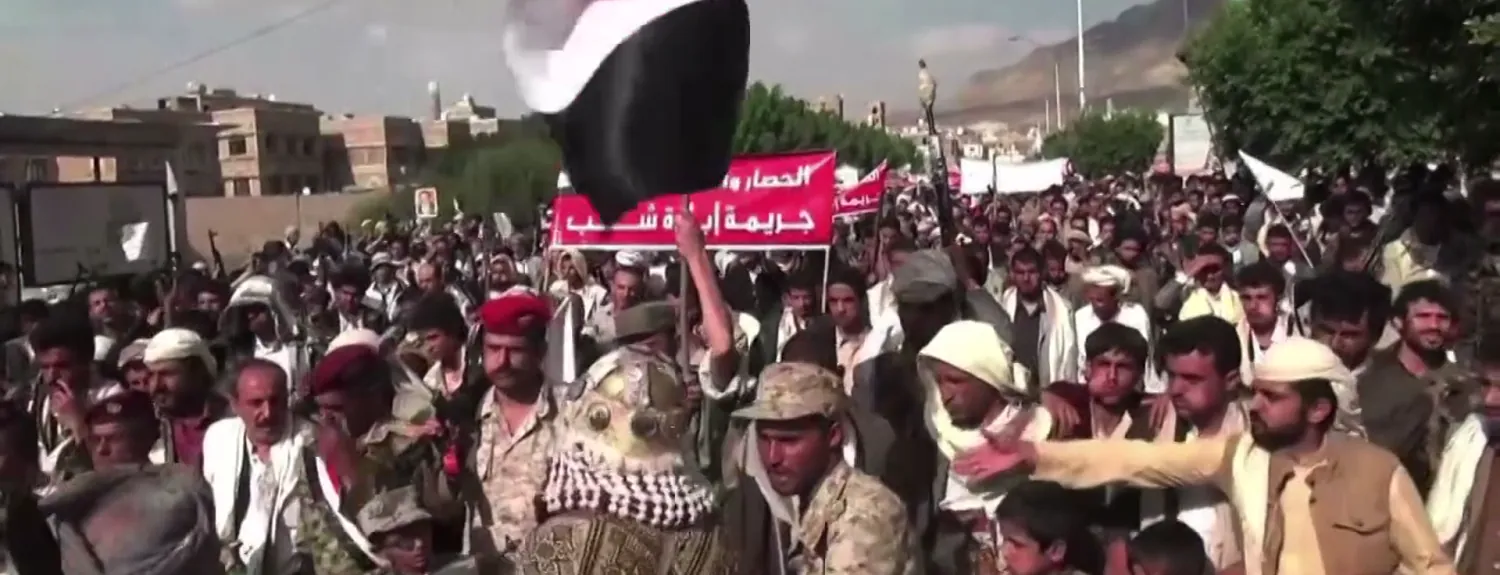
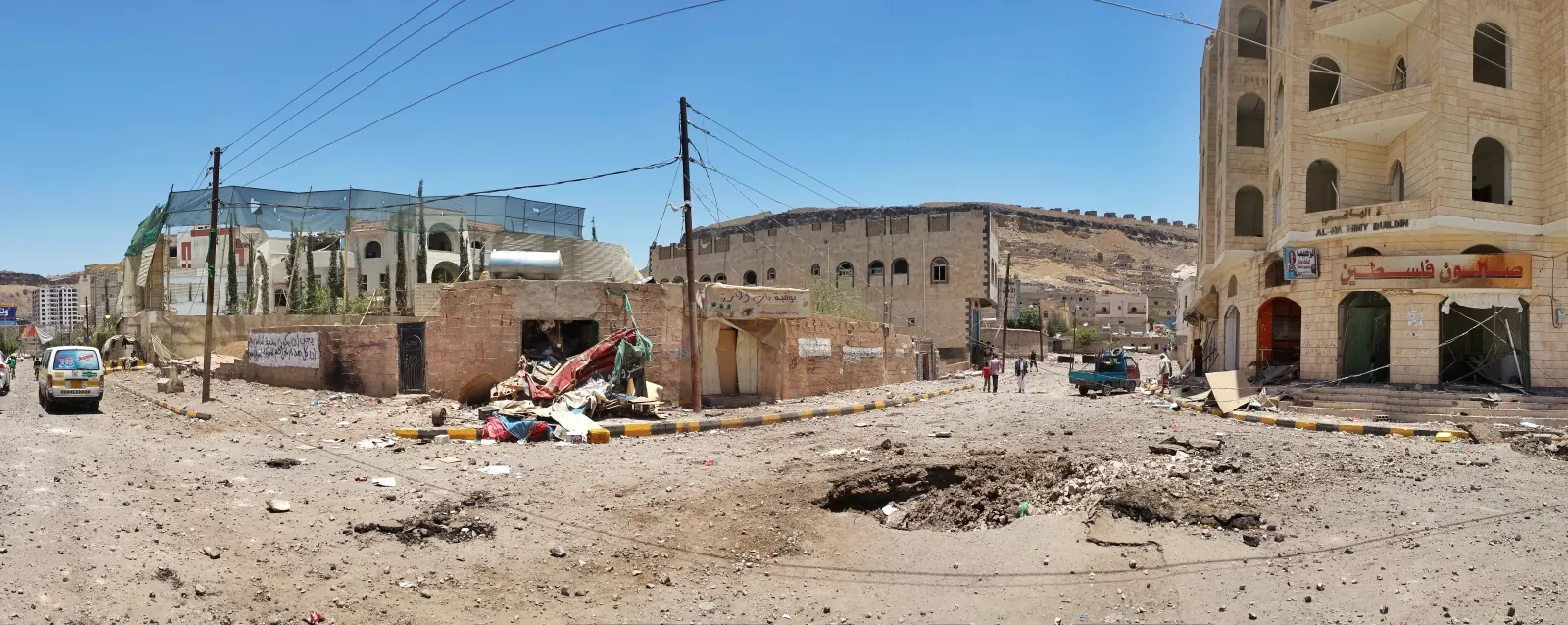
The Houthis, an Iran-backed movement also called Ansar Allah, have held Yemen's capital, Sanaa, since September 2014. The internationally recognized government, led by Rashad al-Alimi and backed by Saudi Arabia, holds Aden and the east. A 2022 truce collapsed in July 2026. In September the Houthis took Mokha and Perim island, near the Bab el-Mandeb strait. In October their strikes on Saudi airports killed at least 22 people. On October 4 the government launched an offensive to retake Sanaa, backed by Saudi air power.
- Started
- 2014
- Houthis took Sanaa in September
- Killed since August
- 1,677
- in Yemen, to October 25 (WHO)
- Displaced
- 275,000
- since August 1 (IOM, Oct 24)
- Killed at Saudi airports
- 22
- in Houthi strikes in October
- Need aid
- 22.3 million
- more than half of all Yemenis
Who backs whom in Yemen?
The two sides, and the countries that arm, fund or fight alongside them.
 Saudi ArabiaMain backer; leads the air war, which resumed in 2026, and pays much of the government's budget
 United StatesMore than 100 military advisers help Saudi targeting, CNN reported. The US has not joined the strikes.
 PakistanAgreed on October 5, 2026 to send forces to defend Saudi Arabia under the Mecca pact
 EgyptParliament authorized military support to defend Saudi Arabia on October 26, 2026, if Riyadh asks
Government
 Presidential Leadership Council
Led by Rashad al-Alimi since April 2022 and backed by Saudi Arabia. Holds Aden, Marib and the east. It launched an offensive to retake Sanaa on October 4, 2026.
Houthis
Ansar Allah (the Houthis)
Led by Abdul-Malik al-Houthi. Holds Sanaa and the northwest, where most Yemenis live, and most of the Red Sea coast since September 2026.
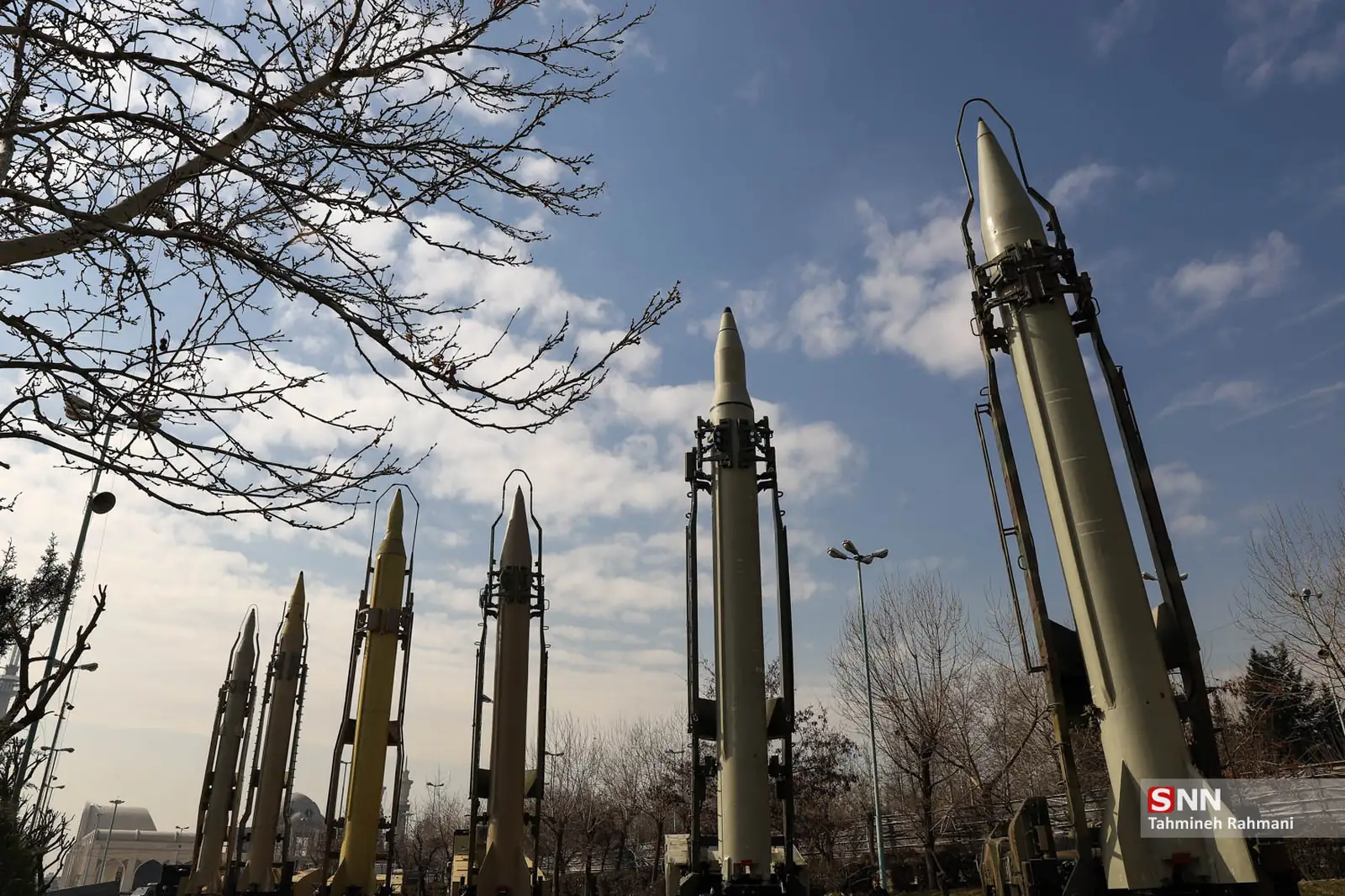
 IranArms, drones and missiles. Pro-government forces seized 750 tons of Iranian weapons in July 2025. Iran denies arming the Houthis.
 Oman · Hosts Houthi negotiators in Muscat. Helped broker the 2022 truce and hosted US-Houthi talks in September 2026.
United Nations · Envoy Hans Grundberg called it "full-scale war" on October 9, 2026, and urged talks.
ConfirmedReported, denied
Where is the fighting in Yemen?
The cities and fronts in the news. The Houthis hold the northwest. The government holds Aden and the east.
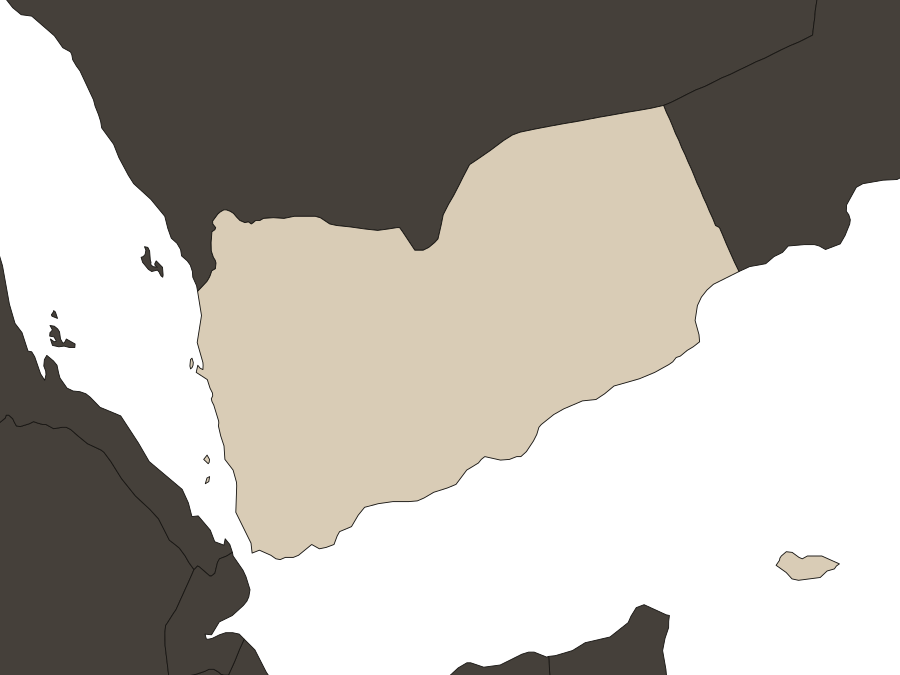
- SanaaHouthisThe capital, held by the Houthis since September 2014. The government's offensive aims to retake it.
- AdenGovernmentThe government's main base, taken from the Southern Transitional Council in January 2026. Missiles hit its airport on October 28 and the presidential palace on October 30. The government blames the Houthis.
- HodeidahHouthisHouthi-held Red Sea port, Yemen's main entry point for food and aid.
- TaizGovernmentGovernment-held city, besieged by the Houthis since early October 2026. The WHO called it "functionally isolated" in mid-October.
- MokhaHouthisRed Sea port near Bab el-Mandeb, taken by the Houthis on September 10, 2026. The government said on October 5 that it had retaken Mokha. The Houthis denied it, and Al Jazeera reported on October 17 that the city remained in Houthi hands.
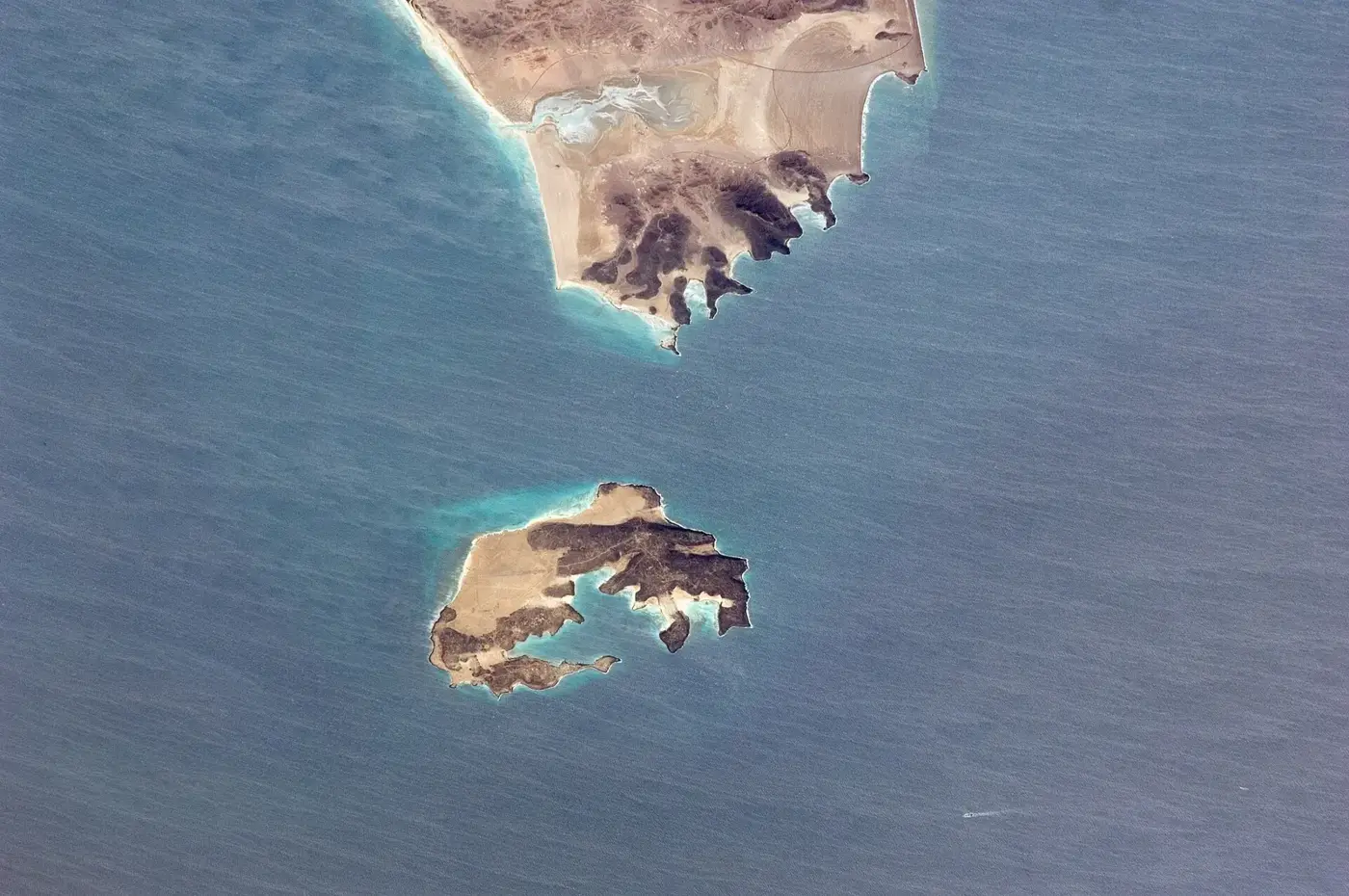
- Perim islandHouthisIsland in the Bab el-Mandeb strait, called Mayun in Arabic. The Houthis took it on September 11, 2026.
- MaribGovernmentGovernment-held city east of Sanaa. Government military sources said on October 13 that their forces had taken high ground around the Maas camp, northwest of the city.
- AbhaSaudi city near the Yemeni border. A Houthi strike on its airport killed two women, from Morocco and Algeria, on October 6, 2026.
Why is there a war in Yemen?
The Houthis are a Zaydi Shia movement from northern Yemen. Their leader, Abdul-Malik al-Houthi, took over after government forces killed his brother Hussein in 2004. The Houthis fought six wars with President Ali Abdullah Saleh's government between 2004 and 2010. After mass protests in 2011, Saleh handed power to his vice president, Abdrabbuh Mansour Hadi, in 2012. In September 2014 the Houthis, by then allied with Saleh, took Sanaa. In January 2015 they put Hadi under house arrest. He escaped to Aden and then to Saudi Arabia. The Houthis call their takeover a revolution against a corrupt government. Saudi Arabia and Yemen's government call it a coup backed by Iran.
In March 2015 a Saudi-led coalition began bombing the Houthis. Its stated goal was to restore Hadi's government. The coalition also blockaded Houthi-held ports, and the Houthis fired missiles into Saudi Arabia. A UN-brokered truce began in April 2022. It formally expired that October, but large-scale fighting mostly stopped for four years.
On July 13, 2026, an airstrike hit the runway of Sanaa airport. Yemen's government said it carried out the strike to stop an Iranian airliner from landing. The Houthis blamed Saudi Arabia and declared the truce over. On July 20 they declared a blockade of Saudi shipping. In September they took Mokha and Perim island. On October 4 the government launched Operation Dawn of Yemen to retake Sanaa, backed by Saudi air power. UN envoy Hans Grundberg said on October 9 that Yemen had returned to "full-scale war."
How the war unfolded
- Sep 2014The Houthis take Sanaa.
- Mar 2015A Saudi-led coalition begins bombing the Houthis.
- Dec 2017The Houthis kill their former ally, ex-President Saleh.
- Aug 2018A coalition airstrike on a school bus in Saada kills dozens of children.
- Apr 2022A UN-brokered truce largely halts the fighting.
- Nov 2023The Houthis begin attacking ships in the Red Sea.
- Jul 2026An airstrike hits Sanaa airport. The Houthis blame Saudi Arabia and declare a blockade of Saudi shipping.
- Sep 2026The Houthis take Mokha and Perim island.
- Oct 4, 2026The government launches Operation Dawn of Yemen.
- Oct 10, 2026A Houthi strike on Riyadh's airport kills 13 people.
Who controls what in Yemen?
The Houthis hold Sanaa and the northwest, where most Yemenis live. Since September 2026 they have also held most of Yemen's Red Sea coast, from Hodeidah south to Mokha, and Perim island in the Bab el-Mandeb strait. Yemen's government said on October 5 that it had retaken Mokha and the coast around Dhubab, on the strait. The Houthis denied it. Al Jazeera reported on October 17 that Mokha remained in Houthi hands, and fighting around Dhubab went on.
The government holds Aden, Marib and the east, including Hadramout. In January 2026 government forces took Aden from the Southern Transitional Council (STC), a separatist group backed by the United Arab Emirates. The STC wants an independent south. Its leader, Aidarous al-Zubaidi, fled to the UAE, and the group announced its dissolution, though some members rejected it. The UAE withdrew its forces from Yemen after Chairman al-Alimi canceled Yemen's defense pact with it on December 30, 2025.
The October offensive opened several fronts at once. The Saudi-led coalition said it had destroyed 324 targets by October 5. Fighting is heaviest in Taiz province, where the Houthis have besieged Taiz city since early October, and in Marib and al-Jawf, east of Sanaa. Government forces say they have killed more than 1,000 Houthi fighters. The Houthis called the government's claims of gains baseless. Neither side's claims can be independently verified.
Population
41.8 million
Yemenis, most of them under Houthi rule
The Houthis hold the crowded northwestern highlands and the Red Sea coast, including Sanaa and Hodeidah. The government holds more land, but much of the east is desert.
How many people have died in the Yemen war?
No one has a full count. A UN Development Programme study estimated that the war would cause 377,000 deaths by the end of 2021. About 60% of them would come from hunger, disease and the lack of health care. No agreed total exists for the years since.
The WHO counted 1,677 people killed and 7,395 wounded in Yemen in the fighting from August to October 25, 2026. Marib, Taiz and Lahj recorded the most deaths in the last week of that count. By October 22 the UN human rights office had verified 251 civilian casualties, including 57 killed. Half of the civilians killed were children.
Each side blames the other for civilian deaths. On October 28 the Houthi-run health ministry said a Saudi-led airstrike on a market in al-Hazm, in al-Jawf province, killed 14 people, including three children. Yemen's government says Houthi shelling in Taiz province has killed civilians, including a five-year-old girl in October. In Saudi Arabia, Houthi strikes on airports killed at least 22 people in October.
Killed in Yemen
1,677
People killed from August to October 25, 2026
The WHO also counted 7,395 wounded. In the six days to October 25 it recorded 559 people killed or wounded.
Why are the Houthis attacking Saudi Arabia?
The Houthis say they are retaliating for Saudi airstrikes, including strikes on the airports of Sanaa and Hodeidah. They declared a blockade of Saudi shipping on July 20, 2026, a week after the strike on Sanaa airport. They then attacked Saudi tankers in the Red Sea, hit Aramco facilities and, in October, struck Saudi airports.
Houthi strikes on Saudi airports killed at least 22 people in October, by the counts of Saudi Arabia's civil aviation authority. On October 6 strikes on the airports of Abha and Riyadh killed three people. On October 8 a strike on Riyadh's King Khalid International Airport killed three Saudis, including a Saudia pilot. On October 10 a strike on the same airport killed 12 people and wounded 309. An Indian man died of his wounds the next day. The dead came from nine countries, including Saudi Arabia, Bangladesh and the United States. The Saudi-led coalition called the attack "a full-fledged war crime." Strikes on Riyadh on October 11 and on Dammam's King Fahd International Airport on October 21 killed three more people.
Saudi Arabia's allies have offered help. On October 5 Turkey and Pakistan agreed to send forces to defend Saudi Arabia under the Mecca pact, a mutual defense agreement the three countries signed on August 7, 2026. On October 26 Egypt's parliament authorized President Abdel Fattah el-Sisi to send military support if Saudi Arabia asks. Sisi said Egyptian forces would only defend Saudi territory and borders.
People killed in Houthi strikes on Saudi airports, October 2026
Why do the Houthis attack ships in the Red Sea?
The Houthis began attacking ships in November 2023. They said they were targeting ships linked to Israel to support Gaza. After US and British airstrikes began in January 2024, they also targeted US and British ships. By July 2025 they had attacked more than 100 merchant ships and sunk four. The attacks cut daily ship crossings at Bab el-Mandeb from about 75 in 2023 to about 26 by September 2026. Egypt's Suez Canal revenue fell 61%, from $10.25 billion in 2023 to $3.99 billion in 2024.
In May 2025 the Houthis and the United States agreed, through Oman, to stop attacking each other. The Houthis paused their attacks on shipping after the Gaza ceasefire of October 2025. When the US and Israel attacked Iran in February 2026, the Houthis said they would resume attacks on US and Israeli ships. In July 2026 they turned on Saudi shipping. On July 30 Saudi Arabia announced a 14-country maritime coalition to protect the Red Sea. On August 11 a Houthi attack on the Tihamah, a cargo ship near Bab el-Mandeb, killed four crew and two rescuers, Yemen's government said. Houthi media said the group had hit a Saudi ship carrying military equipment. On August 24 a Houthi missile set fire to the Saudi supertanker Amzan west of Yanbu.
Whose ships the Houthis have targeted
- November 2023Ships linked to Israel
- January 2024Also US and British ships, after US and British airstrikes
- May to October 2025A truce with the US, then a pause after the Gaza ceasefire
- February 2026Threatened US and Israeli ships again, during the war on Iran
- July 2026Saudi ships and any ship calling at a Saudi port
How could the Yemen war end?
Neither side has defeated the other in 12 years of war. The government's offensive aims to retake Sanaa. The Houthis have held Sanaa since 2014, and they have shown they can strike deep into Saudi Arabia.
Each side sets its own terms. The government wants the Houthis to give up Sanaa and the weapons they seized from the state, as Security Council Resolution 2216 of 2015 demands. The Houthis demand an end to what they call Saudi "aggression and siege," the payment of public salaries and the departure of foreign forces. In December 2023 the UN said the Houthis and the government had committed to a roadmap: a nationwide ceasefire, salary payments and the restart of oil exports. The Red Sea crisis froze it.
Oman hosted talks between the Houthis and US officials in Muscat on September 12 and 13, 2026. The Houthis said they would not attack US ships. No broader ceasefire was agreed. UN envoy Grundberg told the Security Council on October 9 that "gains on the battlefield cannot substitute for the negotiations that will be required to settle the conflict." Pakistan, Turkey and Egypt have offered to defend Saudi territory, but none has said it will fight in Yemen.
Questions about the Yemen war
Who are the Houthis?
The Houthis, formally called Ansar Allah, are a Zaydi Shia movement from northern Yemen. Their leader is Abdul-Malik al-Houthi. They took Sanaa in September 2014. UN experts have found Iranian-made weapons in their hands, and Iran denies arming them. The United States designated them a Foreign Terrorist Organization in March 2025.
Who is winning the Yemen war?
No side has a decisive advantage. The Houthis hold Sanaa, most of the population and most of the Red Sea coast. The government holds Aden and the east. Its Saudi-backed offensive, launched on October 4, 2026, claims gains near Bab el-Mandeb and around Marib. The Houthis call those claims baseless, and they have besieged the government-held city of Taiz.
Does Iran arm the Houthis?
UN panels of experts have repeatedly found Iranian-origin weapons with the Houthis. In July 2025 pro-government forces seized 750 tons of Iranian weapons bound for them. Iran denies arming the Houthis.
Is the US at war with the Houthis?
The US is not fighting the Houthis directly in 2026. It struck the Houthis in 2024 and 2025, and agreed to a truce with them in May 2025. Since September 2026 more than 100 US military advisers have helped Saudi Arabia choose targets, CNN reported, but the US has not joined the strikes. After the Riyadh airport attack, President Trump said the US "may" join them.
Why did the Houthis attack Riyadh's airport?
The Houthis struck Riyadh's King Khalid International Airport on October 10, 2026, killing 13 people. They claimed the strike the next day and said Saudi Arabia "bears responsibility for any failed interceptions." The Houthis say their airport strikes answer Saudi airstrikes on the airports of Sanaa and Hodeidah.
Is Yemen safe to visit?
No. The United States, the United Kingdom and most other Western governments advise against all travel to Yemen. Fighting is active on several fronts, and missiles hit the airport in Aden in October 2026. The Houthis hold 72 UN staff members, all of them Yemeni, according to Human Rights Watch.