
Rivalry · Middle East
Saudi Arabia vs Iran
Iran struck Saudi Arabia in 2026Updated October 31, 2026
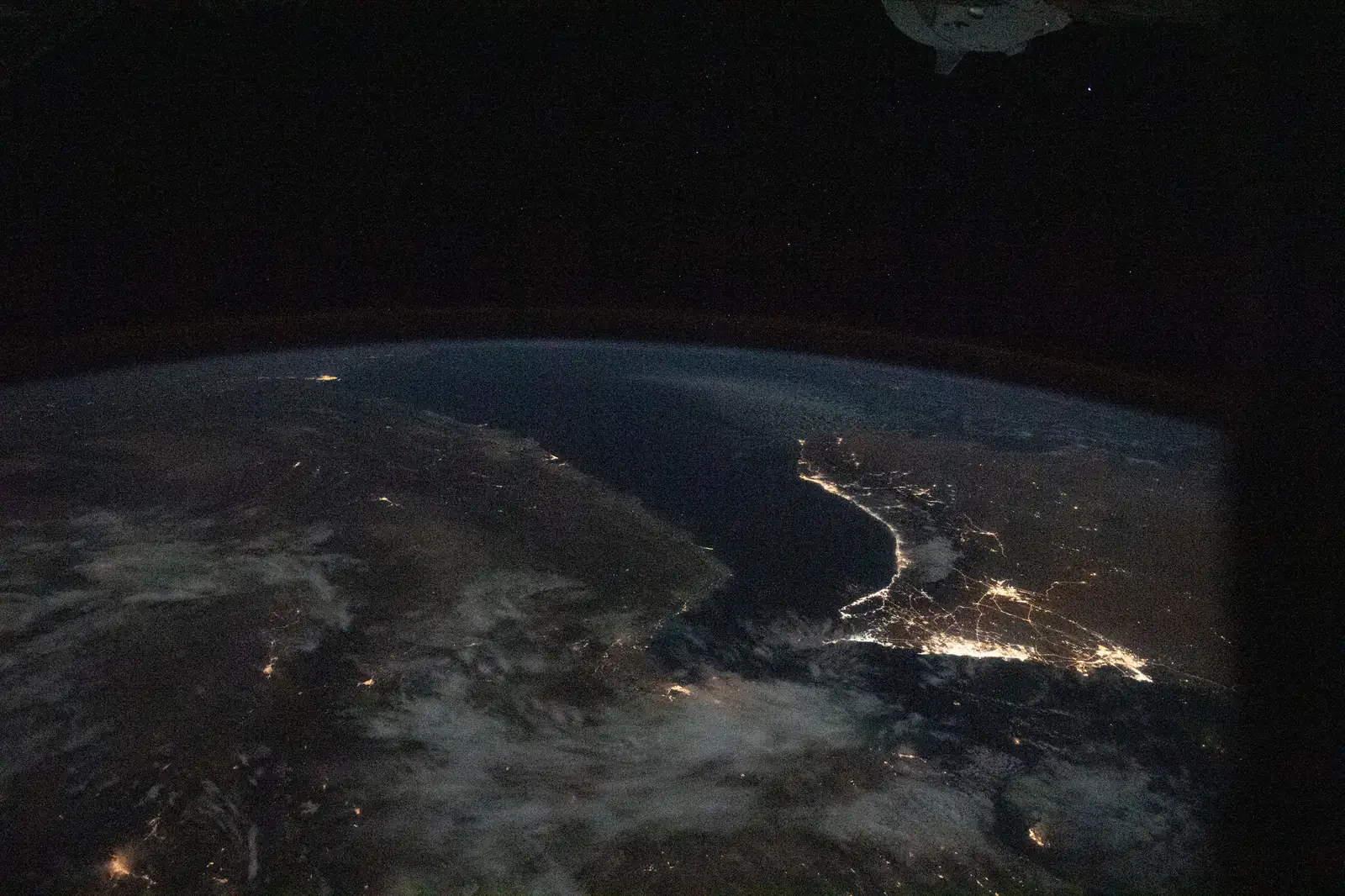
Saudi Arabia and Iran are the two largest countries on the Persian Gulf. Since Iran's 1979 revolution they have backed opposite sides in Yemen, Syria, Iraq, Lebanon and Bahrain. China brokered a restoration of their diplomatic ties in March 2023. After the United States and Israel attacked Iran on February 28, 2026, Iranian missiles and drones hit Saudi Arabia. In October 2026 the Houthis in Yemen, Iran's allies, struck Saudi airports. On October 26 Saudi envoys held talks in Tehran.
- Rivalry since
- 1979
- Iran's revolution
- Ties restored
- March 2023
- in a deal brokered by China
- Iran's first strikes
- Feb 28, 2026
- the day the US and Israel attacked Iran
- Saudi oil output
- 8.37M bbl/day
- September 2026, reported to OPEC; 6.24M in August
- Talks in Tehran
- Oct 26, 2026
- Saudi, Pakistani and Turkish envoys
How do Saudi Arabia and Iran compare?
Each bar is scaled to the larger of the two. Every row links to its full ranking.

 Iran
Where is the rivalry fought?
The war in Yemen, the strait that carries their oil, the islands Iran holds near it, and the religious divide between the two countries.
 War
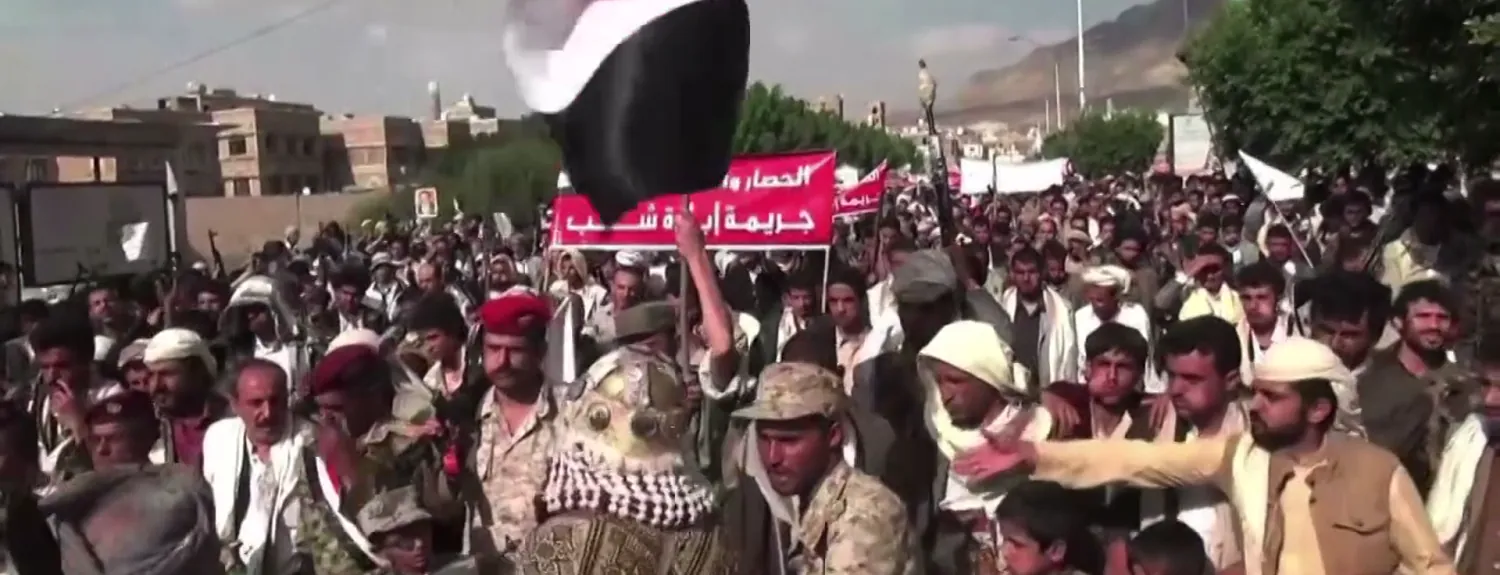
Yemen
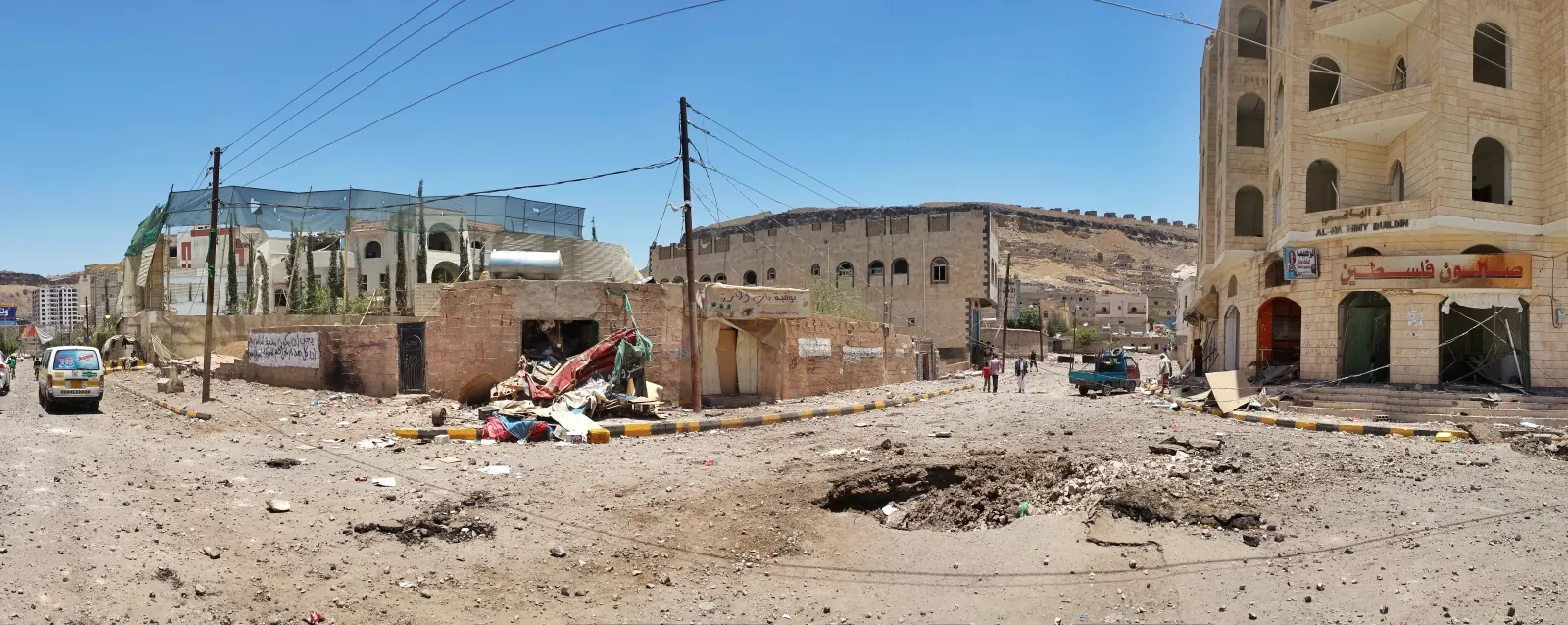
A Saudi-led coalition went to war with the Houthis in 2015. Iran backs the Houthis, who struck Saudi airports in October 2026.
 Chokepoint
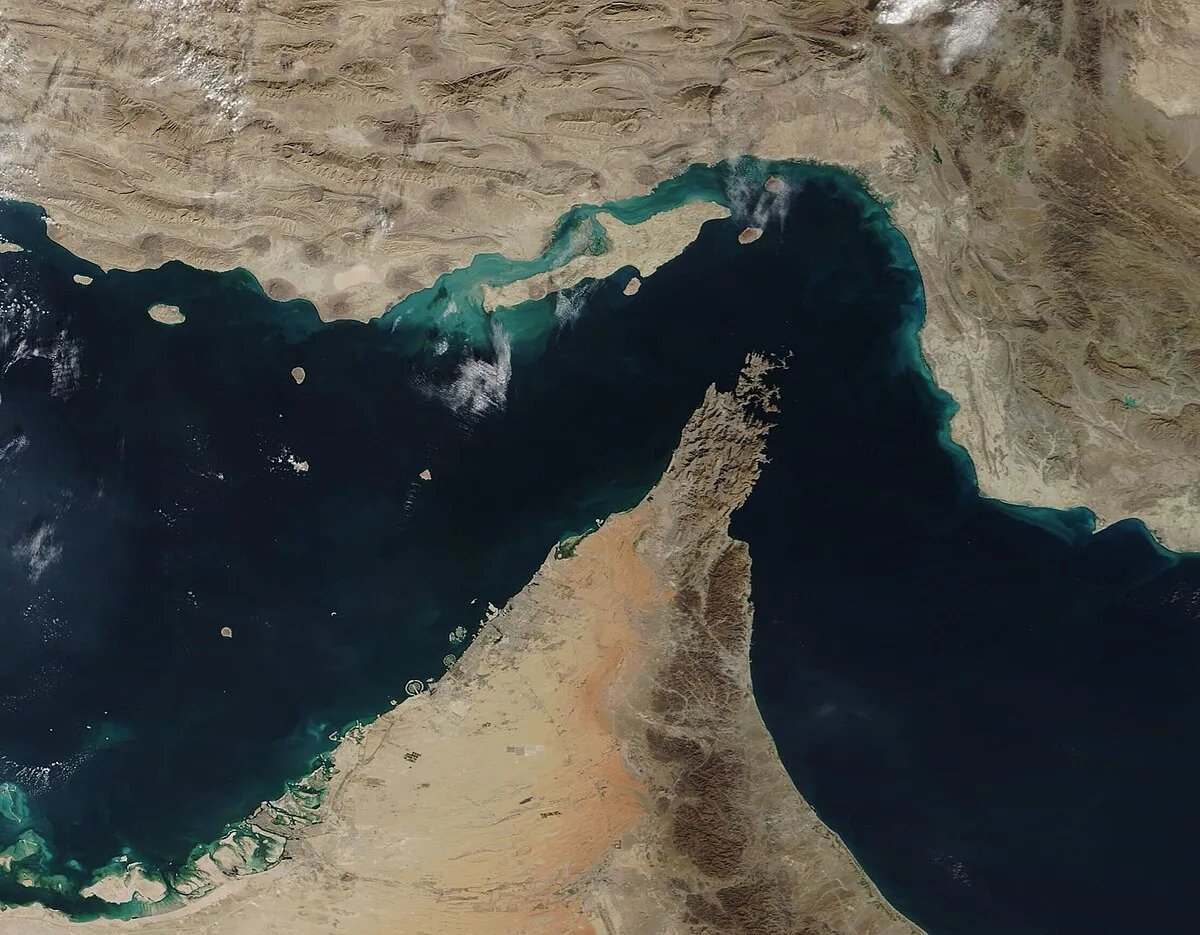
Strait of Hormuz
Iran closed the strait in February 2026. Tankers now cross under US Navy protection.
 Disputed territory
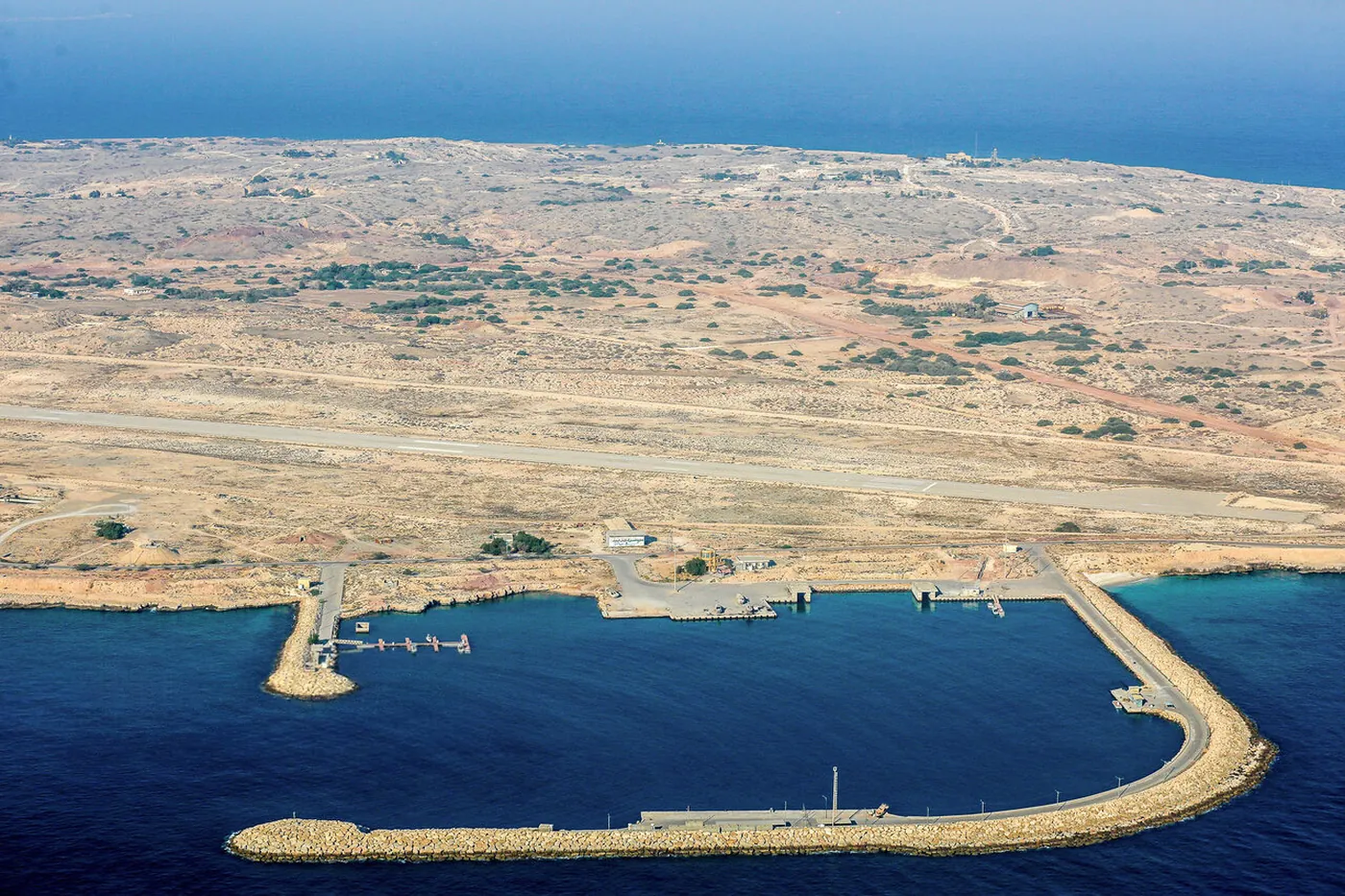
Abu Musa
Iran has held Abu Musa and the Tunbs since 1971. The UAE claims them, and Saudi Arabia and the other Gulf states back its claim.
 Quiz
Sunni and Shia
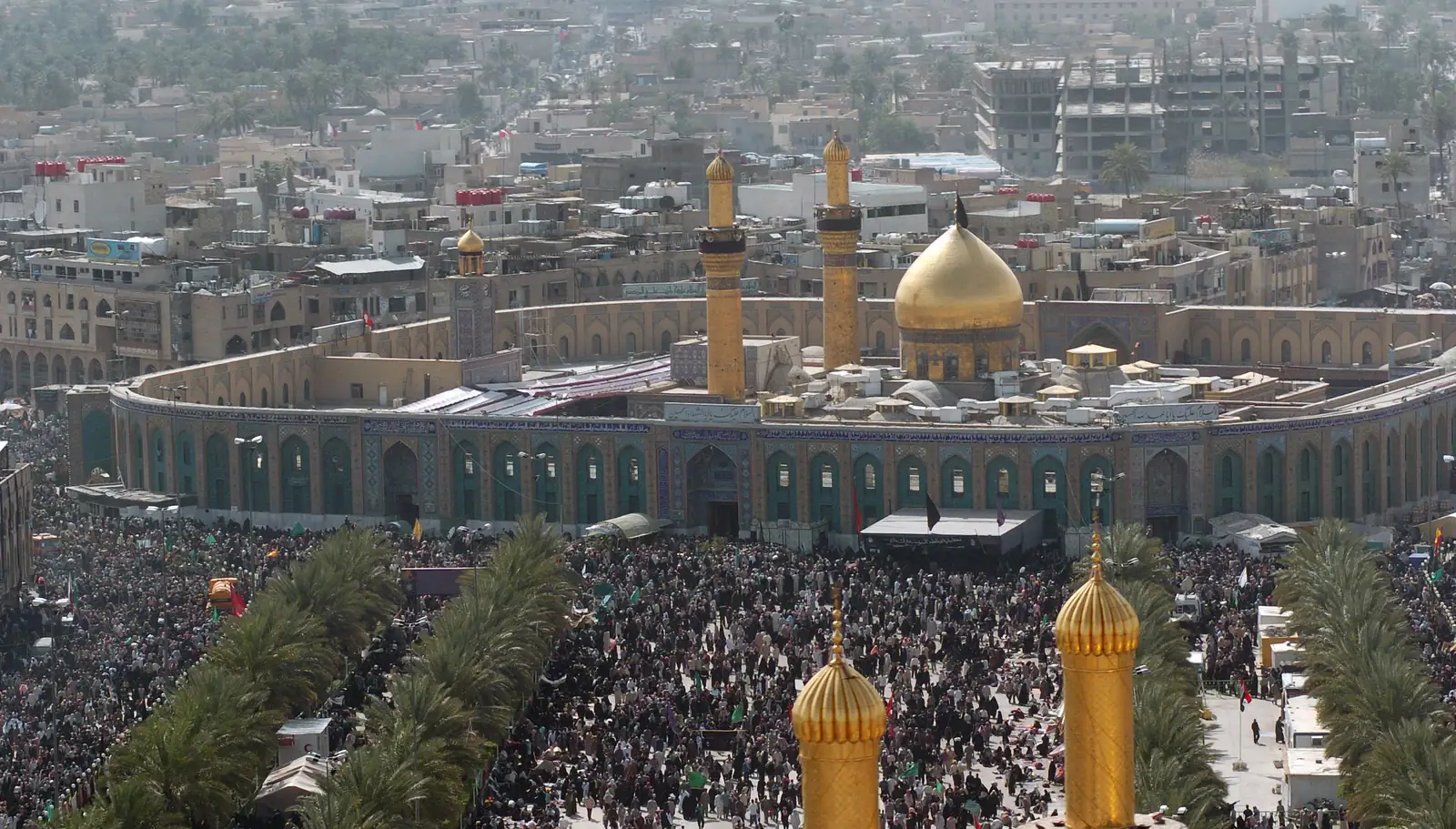
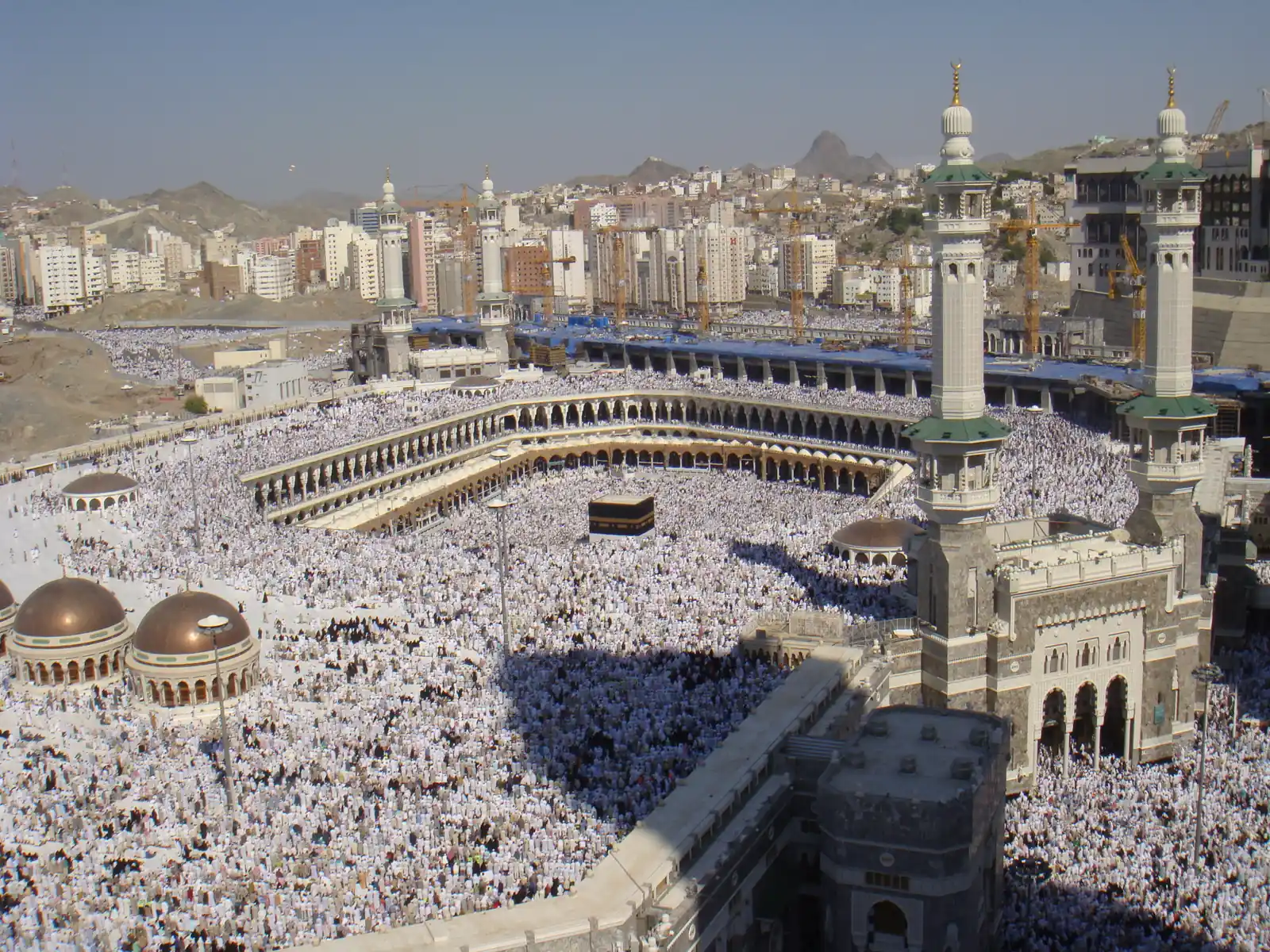
Iran is the largest Shia-majority country. Saudi Arabia, mostly Sunni, holds Mecca and Medina.
Who sides with Saudi Arabia, and who with Iran?
Saudi Arabia's defense partners, Iran's few state partners, and countries that deal with both. Iran's main allies are armed groups: Hezbollah, the Houthis and militias in Iraq.
With Saudi Arabia
 United StatesMajor non-NATO ally since January 2026; US forces use Prince Sultan Air Base
 PakistanDefense pacts in 2025 and 2026; thousands of its troops are in Saudi Arabia
 TurkeyMecca defense pact, August 2026; its parliament has not yet ratified it
 EgyptIn the Saudi-led Red Sea maritime alliance since July 2026
 United Arab EmiratesAlso struck by Iran in 2026; a rift with Riyadh over Yemen opened in December 2025
With Iran
 Russia20-year partnership treaty, January 2025; no mutual defense clause
 IraqIran-aligned militias sit in its state-funded Popular Mobilization Forces; Saudi and US jets struck them in July 2026
Dealing with both
 ChinaBrokered the 2023 deal; Saudi Arabia's largest trading partner and Iran's main oil buyer before the war
 QatarCarries messages between Washington and Tehran; hosts the largest US base in the region
 OmanMediated US-Iran nuclear talks in 2025; the US-guarded shipping lane runs along its coast
Why are Saudi Arabia and Iran rivals?
Before 1979, the two were partners. Both were monarchies, both were American allies, and both feared the Soviet Union. The Nixon administration called them its "twin pillars" of Gulf stability.
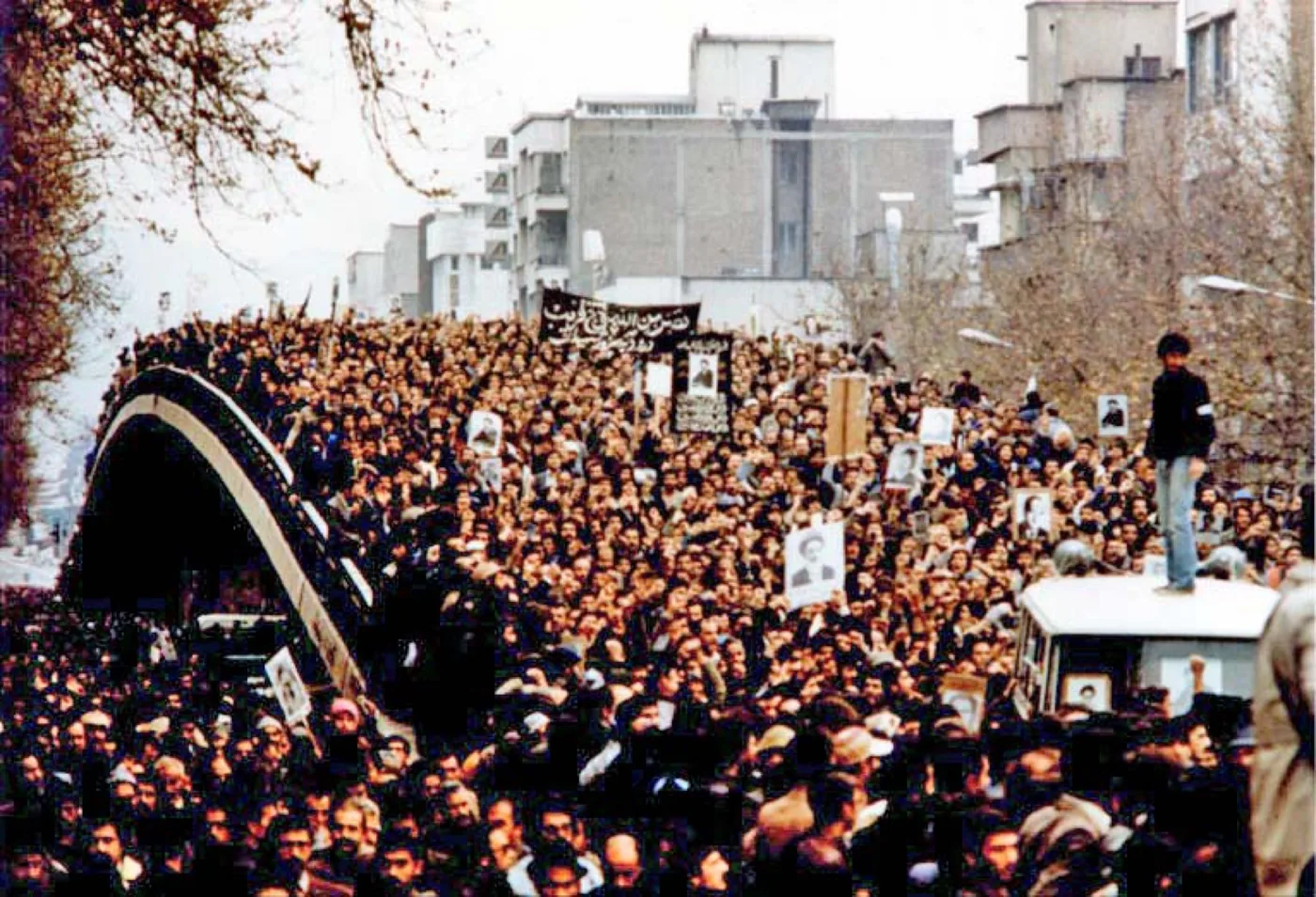
Iran's 1979 revolution ended that partnership. Ayatollah Ruhollah Khomeini replaced the Shah's monarchy with an Islamic republic led by Shia clerics. Khomeini called the Saudi monarchy illegitimate and said kings had no place in Islam. Iranian pilgrims chanted revolutionary slogans at the Hajj in Mecca. In 1987 Saudi security forces clashed with Iranian demonstrators there, and 402 people were killed, 275 of them Iranian. Saudi Arabia said the Iranian pilgrims had rioted. Iran said Saudi police had massacred them.
Saudi Arabia spent tens of billions of dollars on Sunni mosques, schools and preachers around the world. Iran funded Shia movements and armed groups. Both governments competed for influence across the Muslim world, above all in countries with mixed Sunni and Shia populations.
How the rivalry grew
- 1979Iran's revolution replaces the Shah with Ayatollah Khomeini.
- 1980Iraq invades Iran. Saudi Arabia lends Iraq billions of dollars for the war.
- 1984Saudi F-15 jets shoot down at least one Iranian F-4 over the Gulf.
- 1987Saudi police and Iranian pilgrims clash in Mecca. 402 people are killed.
- 2003The US invasion of Iraq brings a Shia-majority government. Iran's influence grows.
- 2011Saudi troops enter Bahrain during mainly Shia protests.
- 2015A Saudi-led coalition begins bombing Yemen's Houthis, who had taken Sanaa.
- 2016Saudi Arabia executes the Shia cleric Nimr al-Nimr. Protesters storm its embassy in Tehran, and Saudi Arabia cuts ties.
- 2019Drones and missiles hit Saudi oil plants at Abqaiq. The Houthis claim it. The US and Saudi Arabia blame Iran, which denies it.
- Mar 2023China brokers a deal. Saudi Arabia and Iran restore ties.
- Feb 2026After US-Israeli strikes on Iran, Iranian missiles and drones hit Saudi Arabia.
Where have Saudi Arabia and Iran fought through proxies?
The Iran-Iraq War set the pattern. When Saddam Hussein invaded Iran in 1980, Saudi Arabia and Kuwait lent Iraq tens of billions of dollars. The war lasted eight years and killed hundreds of thousands of people. In June 1984 Saudi F-15 jets shot down at least one Iranian F-4 over the Gulf.
In Lebanon, Iran's Revolutionary Guards helped found Hezbollah in 1982. Saudi Arabia backed Lebanon's Sunni political leaders. In Iraq, the 2003 American invasion replaced a Sunni-led government with a Shia-majority parliament. Iran backed Shia militias there. Saudi Arabia saw the new order as an extension of Iranian power.
In Syria's civil war, Iran sent fighters to keep Bashar al-Assad in power. Saudi Arabia funded rebel groups. Assad fell in December 2024, which cut Iran's land route to Hezbollah. In Yemen, the Houthis took the capital, Sanaa, in 2014, and a Saudi-led coalition began bombing them in 2015. UN experts and Western governments say Iran supplied the Houthis' missiles and drones. Iran denies arming them.
In Bahrain, Saudi troops crossed the causeway in 2011 at the request of Bahrain's Sunni monarchy, which faced mainly Shia protests. Bahrain's government blamed Iran for the unrest. Iran denied it. Iran also backed Hamas, a Sunni group, for decades. The rivalry is a contest for regional power as well as a sectarian one.
Proxy conflicts
- IraqSaudi Arabia funded Iraq against Iran (1980-88); Iran backed Shia militias after 2003
 LebanonIran helped found Hezbollah in 1982; Saudi Arabia backed Sunni parties
 SyriaIran fought for Assad; Saudi Arabia funded rebels (2011-24)
 YemenA Saudi-led coalition fights the Houthis; Iran backs them (2015-present)
 BahrainSaudi troops entered in 2011 during mainly Shia protests
What happened to the Saudi-Iran deal brokered by China?
On March 10, 2023, Saudi Arabia and Iran announced in Beijing that they would restore the diplomatic relations cut in 2016. China brokered the deal. Iran reopened its embassy in Riyadh in June 2023, and Saudi Arabia reopened its embassy in Tehran in August. Saudi Arabia's foreign minister, Prince Faisal bin Farhan, visited Tehran in June 2023.
The deal did not settle the conflicts in Yemen, Lebanon or Iraq. Iran kept its ties to Hezbollah and the Houthis. Saudi Arabia kept leading the coalition against the Houthis, although a truce in Yemen had largely held since April 2022.
The 2026 war tested the deal. From February 28, Iranian missiles and drones struck Riyadh, the Ras Tanura refinery, Prince Sultan Air Base, where US forces are based, and Yanbu on the Red Sea. On March 21 Saudi Arabia expelled Iran's military attache and four other staff and gave them 24 hours to leave. It said Iran had violated the Beijing agreement.
In May, Reuters reported that Saudi warplanes had secretly struck targets in Iran in late March. Two Iranian officials confirmed the strikes to Reuters. A Saudi official did not address them. According to Reuters, the two governments then agreed informally to de-escalate in early April. Neither government cut diplomatic relations.
Beijing deal
35 months
From the Beijing deal to Iran's first strikes on Saudi Arabia
Saudi Arabia and Iran restored ties on March 10, 2023. Iranian missiles and drones hit Saudi Arabia from February 28, 2026.
How has the 2026 Iran war changed the rivalry?
On February 28, 2026, American and Israeli strikes killed Iran's Supreme Leader, Ali Khamenei. His son Mojtaba Khamenei replaced him on March 8. Iran fired missiles and drones at Israel and at the Gulf states that host US forces, Saudi Arabia among them. Iran also closed the Strait of Hormuz. Most Saudi crude exports normally leave through the strait.
Saudi Arabia told OPEC that its oil output fell to 6.24 million barrels a day in August 2026, the lowest since 1990. It reported 8.37 million in September. Part of its oil now goes around the strait, through the East-West pipeline to Yanbu on the Red Sea. Iran-aligned militias in Iraq also fired drones at Saudi Arabia. In late July Saudi and US jets struck militia bases in Iraq. Saudi Arabia's defense ministry said the kingdom "does not seek escalation but will respond to any aggression against it."
The Houthis in Yemen declared a naval blockade of Saudi Arabia on July 20. In October they fired missiles and drones at Saudi airports. Saudi authorities said a strike on Riyadh's airport on October 10 killed 12 people, and a 13th victim died the next day. A strike on Dammam's airport on October 21 killed two people. Saudi jets are backing a Yemeni government offensive, launched on October 4, to retake Sanaa.
Saudi Arabia signed the Mecca defense pact with Turkey and Pakistan on August 7 and invoked it against the Houthis on October 5. On October 26 Saudi Arabia's defense minister, Prince Khalid bin Salman, went to Tehran with Pakistan's army chief and Turkey's intelligence chief. They met Iran's president, Masoud Pezeshkian. The four countries agreed to keep talking.
The rivalry in 2026
- Feb 28US-Israeli strikes kill Iran's Supreme Leader. Iran fires missiles and drones at Saudi Arabia.
- Mar 21Saudi Arabia expels Iran's military attache.
- Late MarSaudi jets secretly strike Iran, Reuters later reports.
- Early AprSaudi Arabia and Iran agree informally to de-escalate, Reuters reports.
- Jul 20The Houthis declare a naval blockade of Saudi Arabia.
- Late JulSaudi and US jets strike Iran-aligned militias in Iraq.
- Aug 7Saudi Arabia, Turkey and Pakistan sign the Mecca defense pact.
- Oct 10A Houthi strike on Riyadh's airport kills 13 people.
- Oct 26Saudi, Pakistani and Turkish envoys hold talks with Iran in Tehran.
Will Saudi Arabia and Iran go to war?
Both governments say they want to reduce tensions. Neither cut diplomatic relations in 2026, even while Iranian missiles hit Saudi territory. On August 2 Saudi Arabia's foreign minister, Prince Faisal bin Farhan, and Iran's foreign minister, Abbas Araghchi, discussed efforts to reduce escalation by phone. After the October 26 talks in Tehran, Iran's security chief called them "very good."
Three things could pull the two into a wider fight. The Houthis are still firing at Saudi cities, and Saudi Arabia has invoked its defense pact against them. The Wall Street Journal reported in late October that US officials told Gulf governments to prepare for a short, intense campaign against Iran after the US midterm elections on November 3. US forces use Prince Sultan Air Base in Saudi Arabia, which Iran struck in March. The 2023 deal also left the older disputes in place: Iran's ties to armed groups across the region, and the Saudi-led war against the Houthis.
Questions about the Saudi-Iran rivalry
Are Saudi Arabia and Iran enemies?
They are rivals. They are not formally at war and have kept diplomatic relations since China brokered their restoration in 2023. In 2026 Iran fired missiles and drones at Saudi Arabia, and Reuters reported that Saudi jets struck Iran in return. In October 2026 Saudi envoys held talks in Tehran.
Why do Saudi Arabia and Iran hate each other?
The rivalry began with Iran's 1979 revolution. Ayatollah Khomeini called the Saudi monarchy illegitimate, and Saudi Arabia funded Iraq in its 1980-88 war with Iran. Since then the two have backed opposite sides in Yemen, Syria, Iraq, Lebanon and Bahrain. The contest mixes a struggle for regional power with the divide between Sunni and Shia Islam.
Is Saudi Arabia Sunni or Shia?
Saudi Arabia is mostly Sunni. The Saudi state was founded in alliance with the Wahhabi movement of Sunni Islam. A Shia minority of roughly 10 to 15% lives mainly in the Eastern Province. Iran is the world's largest Shia-majority country.
Did Iran attack Saudi Arabia?
Yes. From February 28, 2026, after American and Israeli strikes on Iran, Iranian missiles and drones hit Riyadh, the Ras Tanura refinery, Prince Sultan Air Base and Yanbu. Reuters reported that Iran's attacks fell after an informal Saudi-Iranian understanding in early April. The Houthis, Iran's allies in Yemen, struck Saudi airports in October 2026.
Who is stronger, Saudi Arabia or Iran?
Saudi Arabia has the larger economy, $1.27 trillion against Iran's $371 billion in 2025, and spends about 11 times as much on its military, by SIPRI's count. Iran has nearly three times as many people and more than twice as many active troops. Iran also has armed allies across the region, such as Hezbollah and the Houthis.
What is the Mecca pact?
A mutual defense pact that Saudi Arabia, Turkey and Pakistan signed in Mecca on August 7, 2026. Their joint statement says an attack on one counts as an attack on all. The three invoked it on October 5 against Houthi attacks on Saudi Arabia and agreed to send forces. Turkey's parliament has not yet ratified it.
More on the Saudi-Iran rivalry
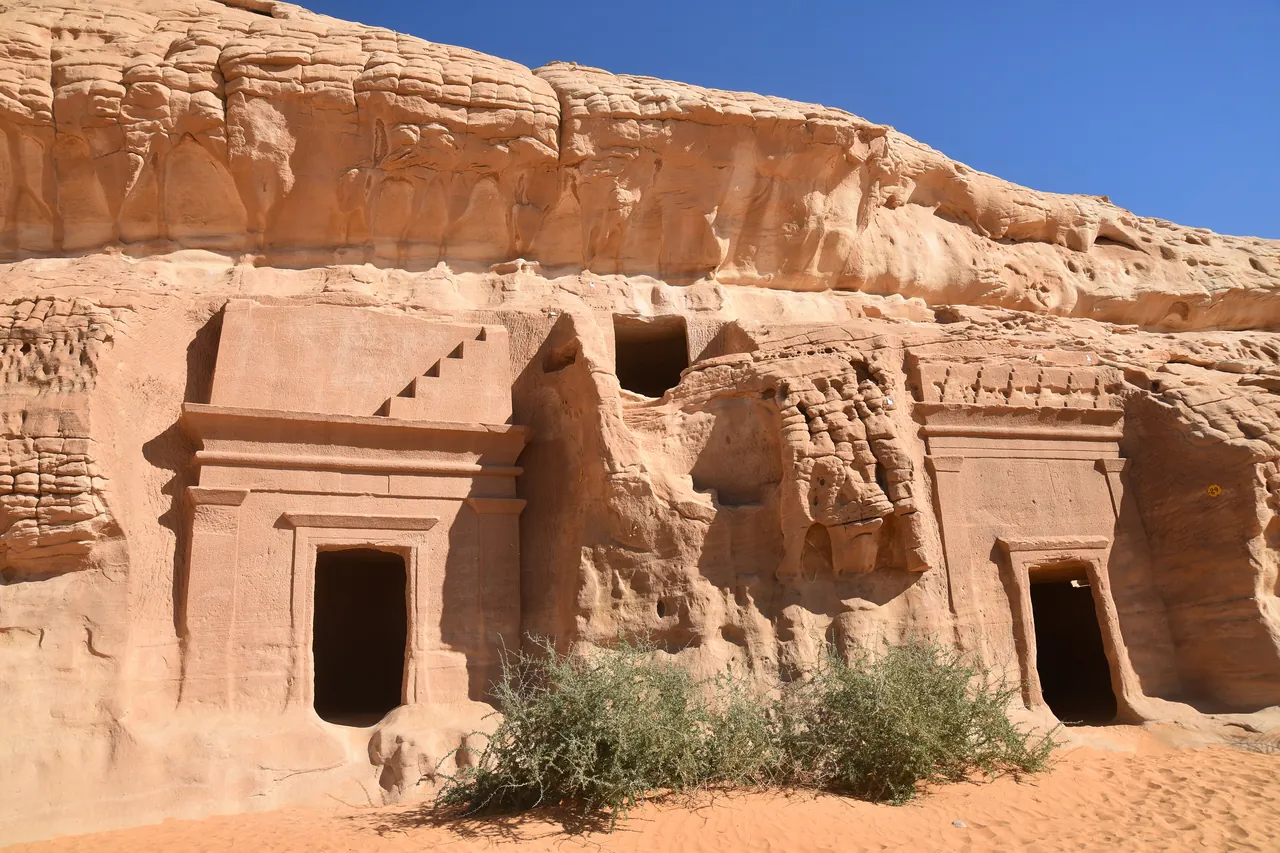 Country profileSaudi Arabia: allies, enemies and economy
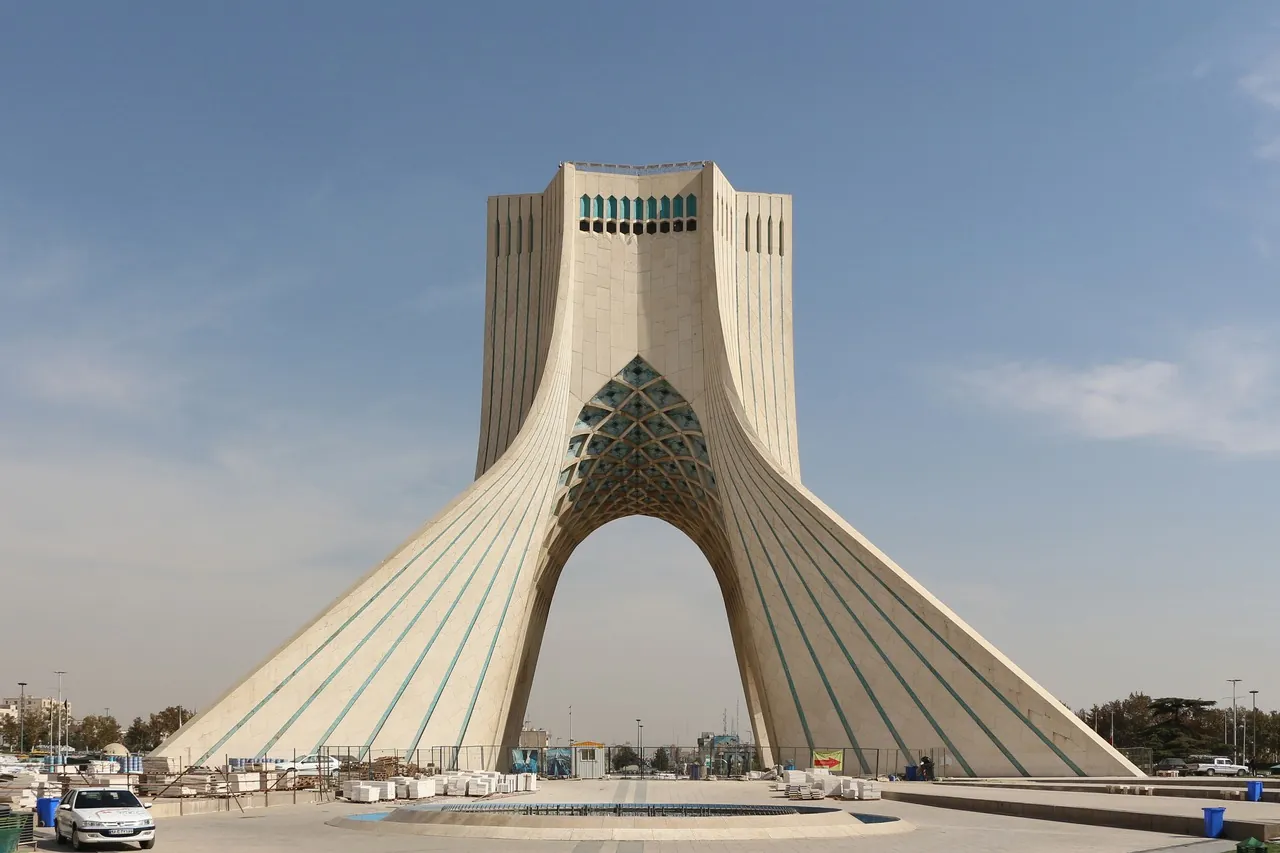 Country profileIran: allies, enemies and economy
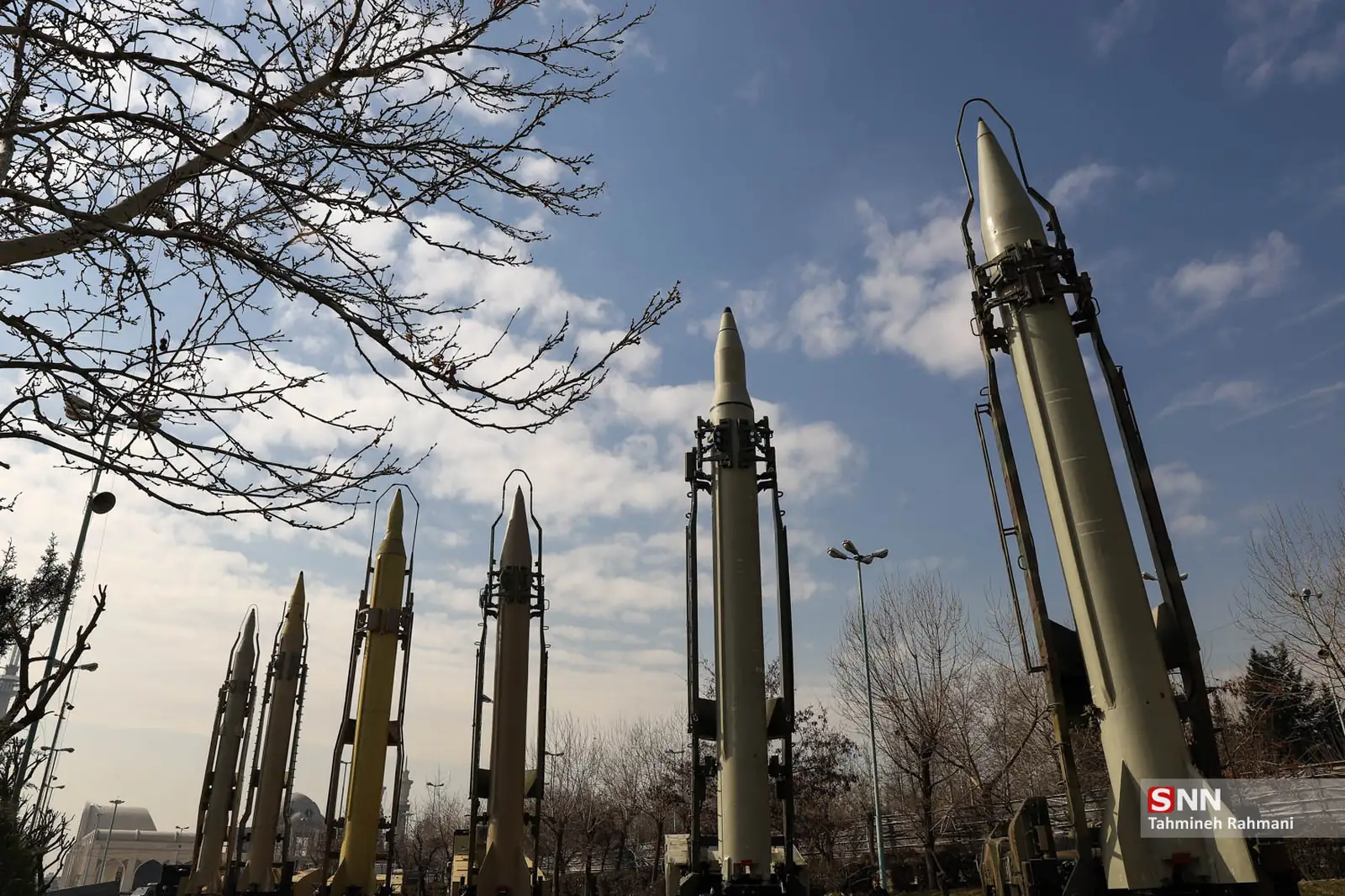 WarThe Iran war
 WarThe Yemen war
- ArticleWhy are Iran and Saudi Arabia enemies?
 ArticleThe Mecca Agreement: why Saudi Arabia, Turkey, and Pakistan signed a defense pact
 QuizThe Iranian Revolution
- QuizSunni and Shia Islam