
War · Middle East
The Iran war
At war since February 28, 2026Updated October 31, 2026
Israel and the United States went to war with Iran on February 28, 2026, saying they had to stop it from building a nuclear weapon. Iran, which says its program is peaceful, called it aggression. The first strike killed Supreme Leader Ali Khamenei, and his son Mojtaba replaced him. Iran fired missiles at Israel and Gulf states hosting US forces, and closed the Strait of Hormuz. An April ceasefire led to a June deal, which collapsed on July 8. Trump has pledged no US strikes before the November 3 midterms.
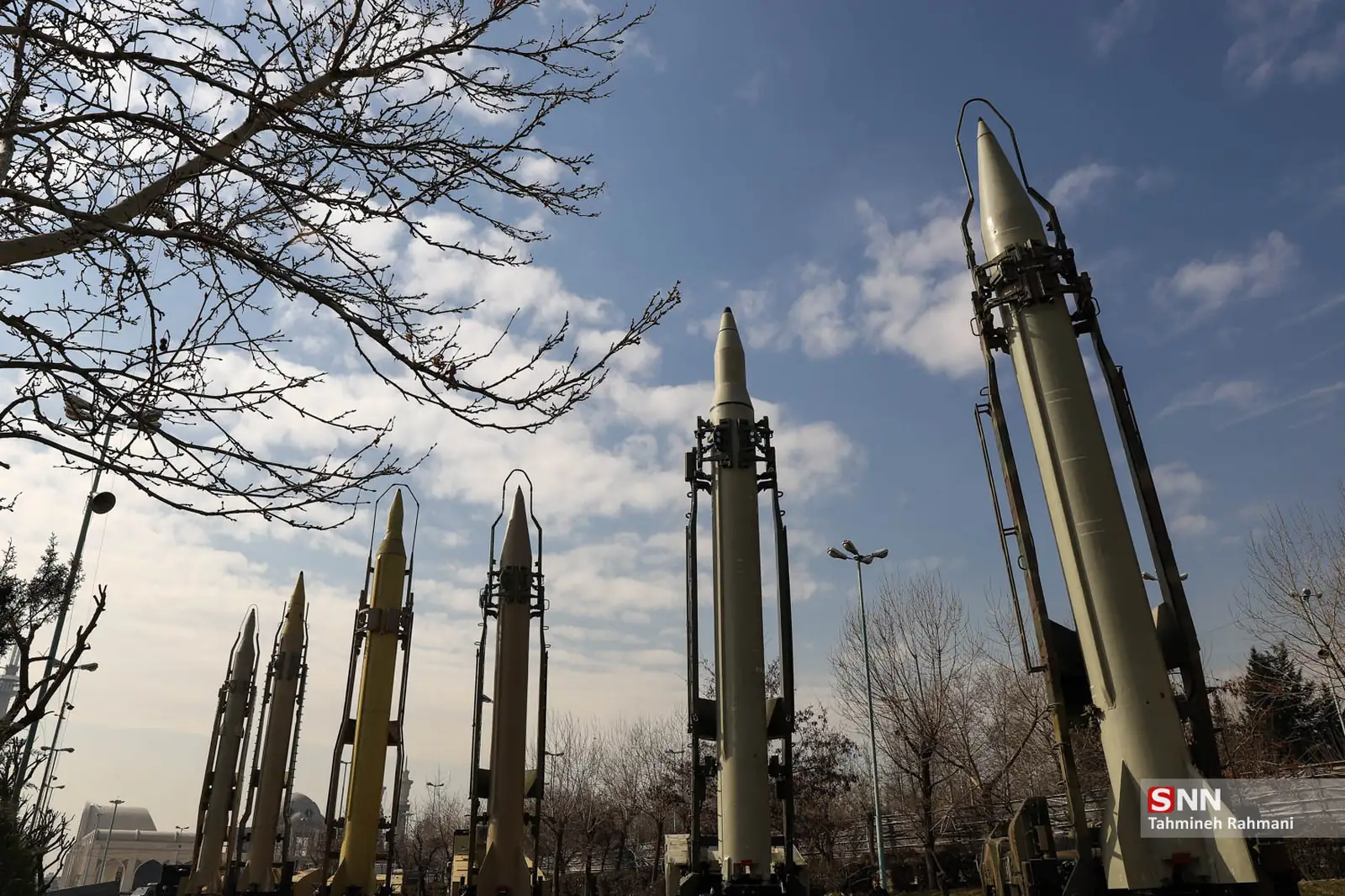
- Started
- Feb 28, 2026
- first strike killed Ali Khamenei
- Killed in Iran
- 3,468+
- Iran Health Ministry, Feb 28 to Apr 8
- US troops killed
- 23
- Pentagon, October 29, 2026
- Oil price peak
- $126 a barrel
- Brent crude, April 30 intraday
- Attacks on ships
- 113
- attacks or attempts by Oct 15 (IMO)
Who backs whom in the Iran war?
The two sides, and the countries and groups that fight with them or support them.
 United KingdomLet US bombers use RAF Fairford and Diego Garcia against Iranian missile sites. RAF jets shoot down Iranian drones.
 BahrainHosts the US Fifth Fleet. Struck by Iranian missiles from the first day.
 United Arab EmiratesHosts US forces at Al Dhafra. The Wall Street Journal reported Emirati strikes on Iran, which the UAE has not confirmed.
 Saudi ArabiaHosts US forces at Prince Sultan Air Base. Reuters reported Saudi strikes on Iran in March. Its defense minister held talks in Tehran in October.
Coalition
United States and Israel
The US and Israel struck Iran together on February 28, 2026. The US called its part Operation Epic Fury, and Israel called its part Operation Roaring Lion. They say they are stopping Iran from building a nuclear weapon. The US Navy blockades Iran's ports.
Iran
 Islamic Republic of Iran
Led by Supreme Leader Mojtaba Khamenei, who replaced his father after the opening strike. Iran says it is defending itself against aggression. It closed the Strait of Hormuz and fired missiles at Israel and at Gulf states that host US forces. Iran calls this campaign Operation True Promise 4.
- HezbollahArmed ally in Lebanon. Joined the war on March 2.
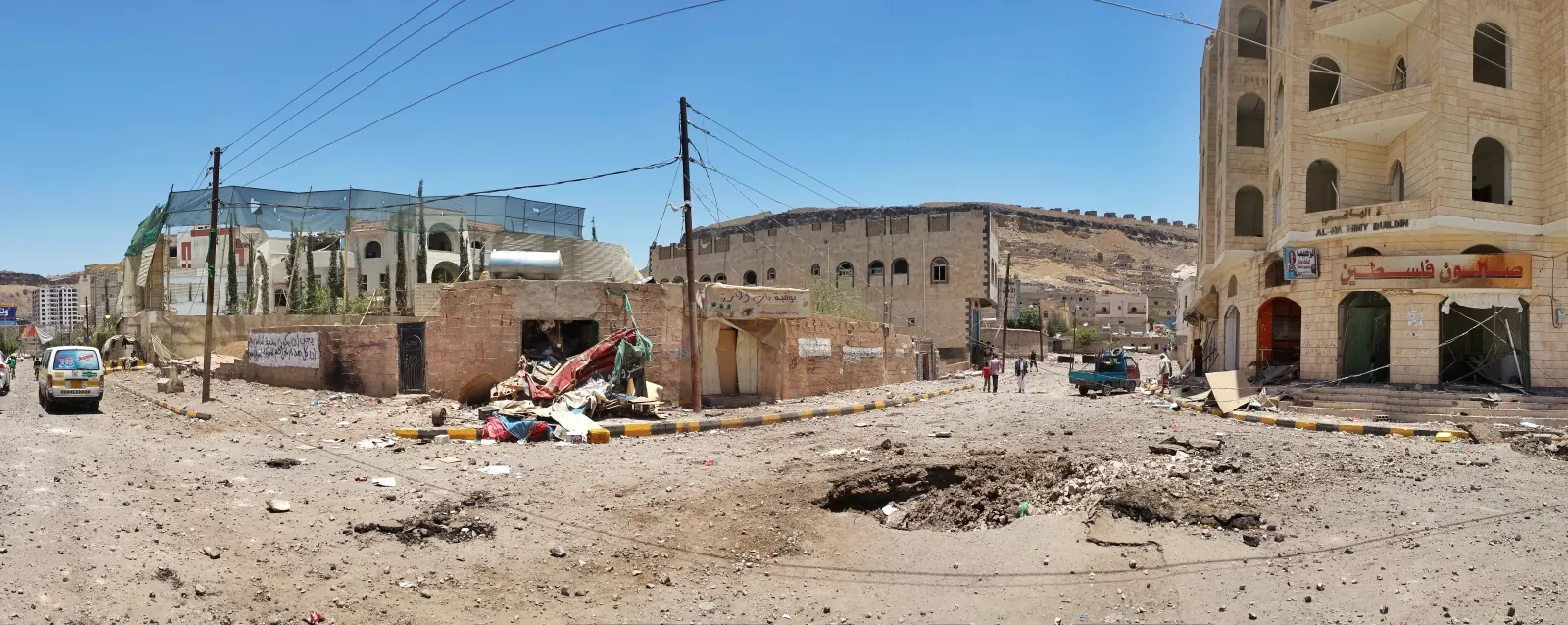
- HouthisArmed ally in Yemen. Declared a blockade of Saudi shipping in July and struck Saudi airports.
- Iraqi Shia militiasClaimed drone attacks on US bases in Iraq and the Gulf from the first day.
 RussiaUS intelligence says Russia gave Iran satellite imagery for targeting. Russia calls such reports fake.
 ChinaUS intelligence says China gave Iran satellite imagery and weapons parts. China says it has armed no side.
 Pakistan · Brokered the April ceasefire and the June memorandum. Hosted the April talks in Islamabad.
 Qatar · Carries messages between Washington and Tehran. Gave Iran a draft deal on October 25.
ConfirmedReported, denied
Where is the Iran war being fought?
The strikes on Iran, the blockade of its ports and the fight over the Strait of Hormuz. Iran calls the sea the Persian Gulf, and Arab states call it the Arabian Gulf.
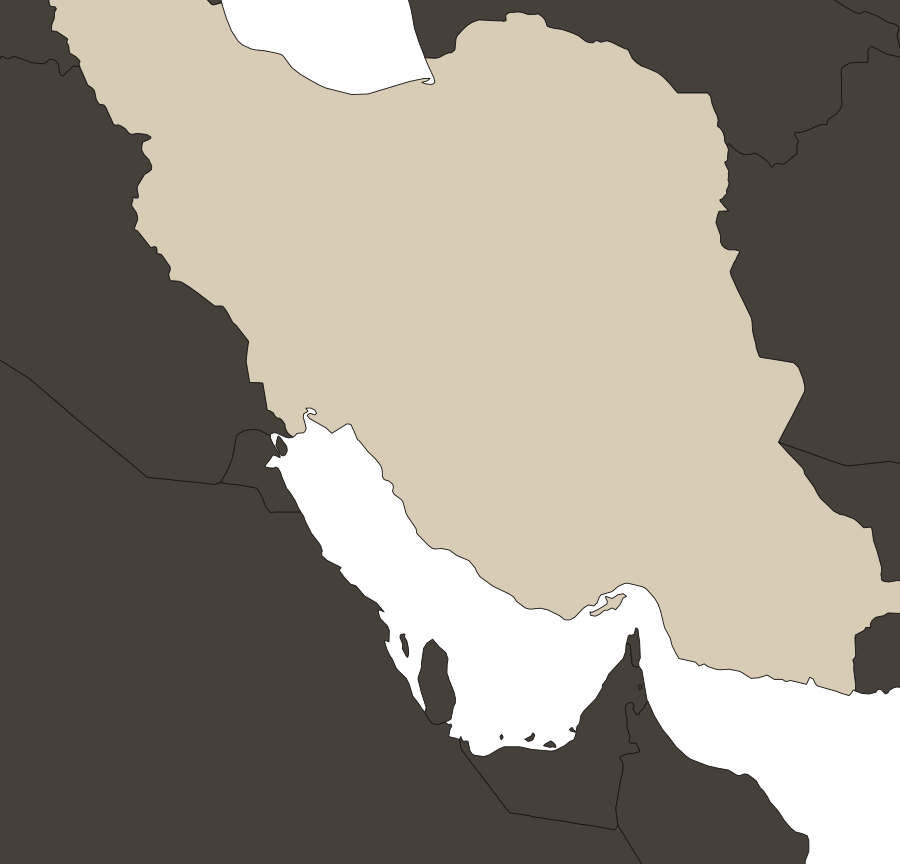
- TehranIranThe opening strike killed Supreme Leader Ali Khamenei at his compound on February 28, 2026.
- NatanzIranIran's main enrichment site. US bombs hit it in June 2025, and it was struck again on March 2 and March 21, 2026.
- IsfahanIranNuclear technology center, hit by airstrikes. The IAEA chief says much of Iran's near-bomb-grade uranium is likely in tunnels here.
- Bandar AbbasIranIran's main port near the strait. The US Navy has blockaded Iran's ports since July 14, 2026.
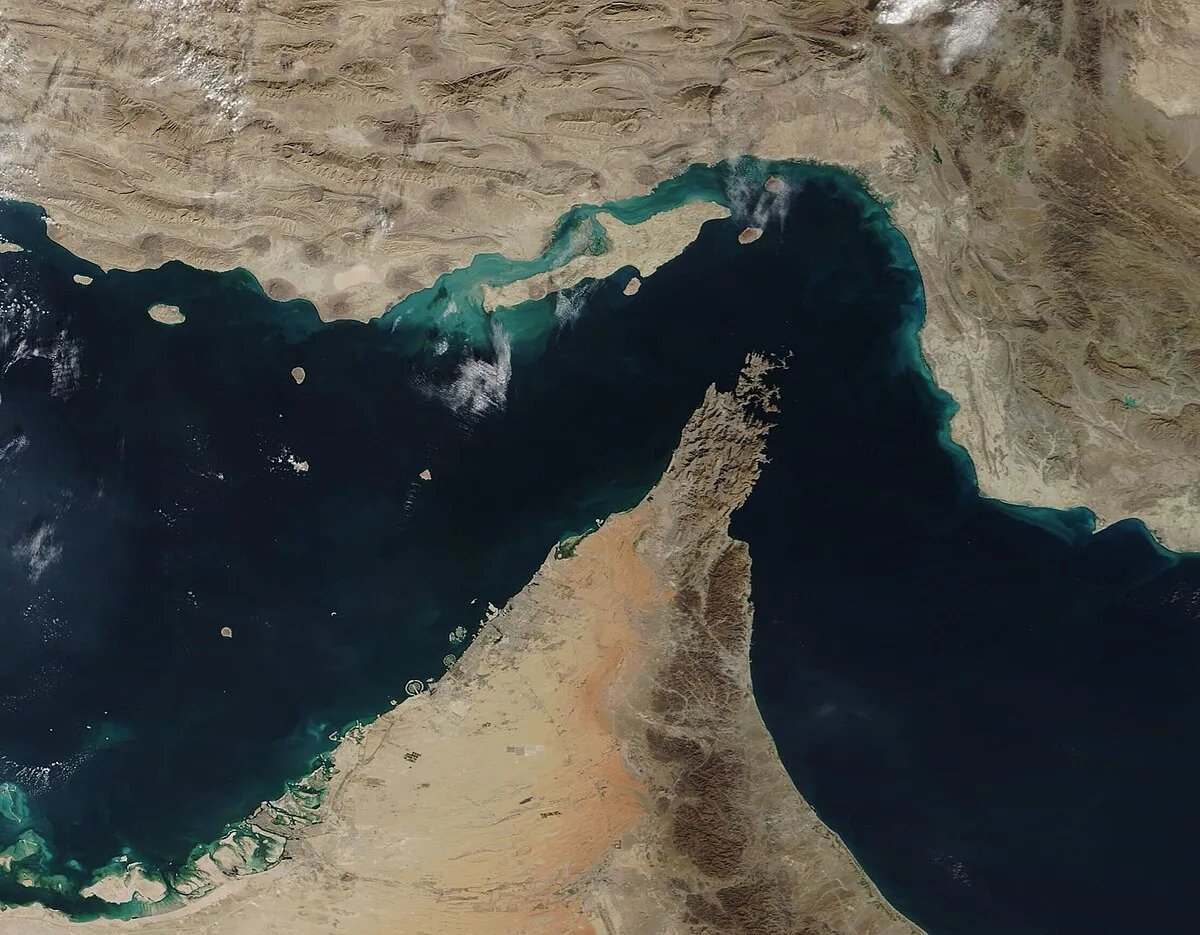
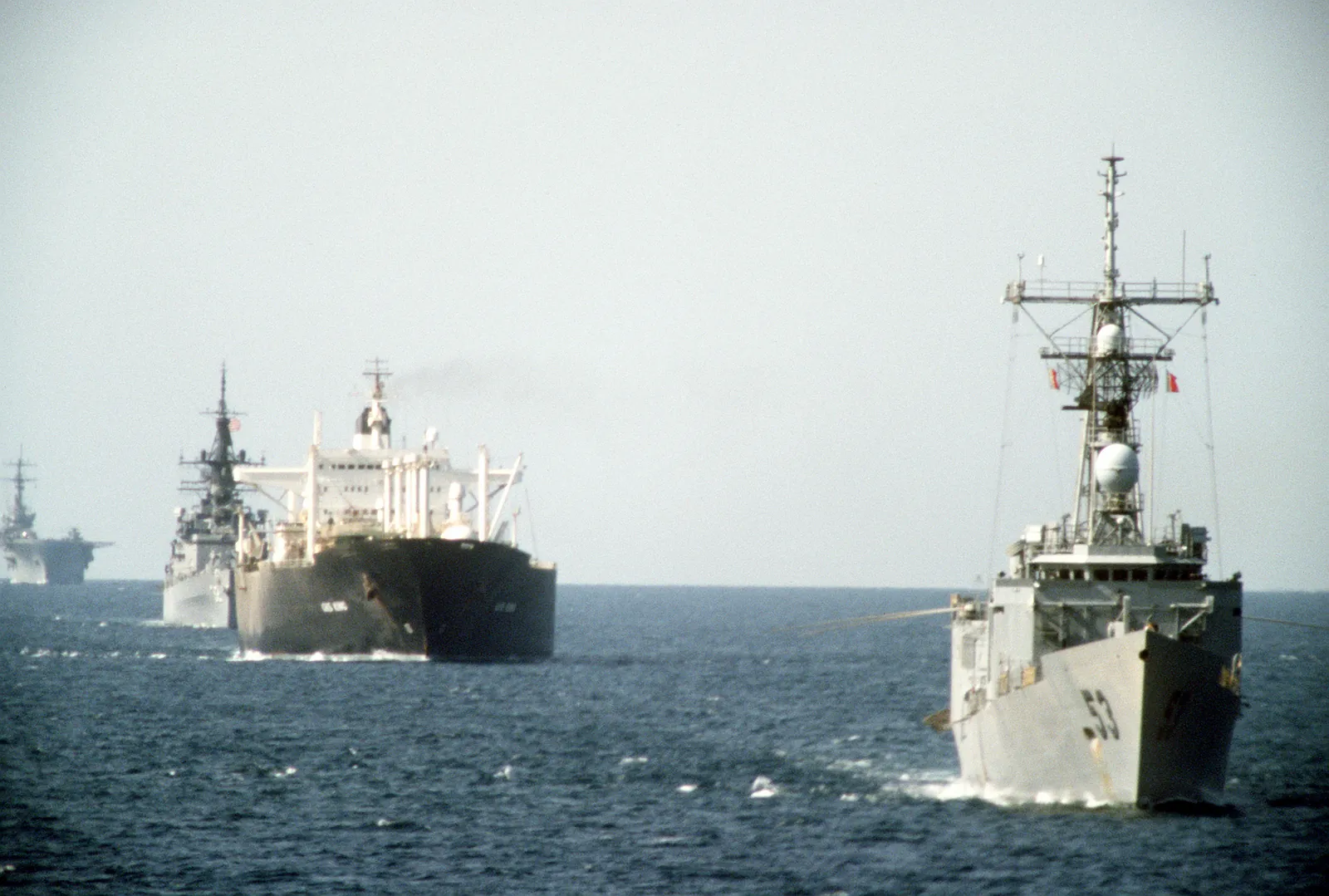
- Strait of HormuzContestedIran closed it on February 28, 2026. Tankers have crossed under US protection since May. Attacks on ships peaked in October.
- BahrainUS and IsraelHosts the US Navy's Fifth Fleet. An Iranian missile hit the fleet's base on the first day of the war.
Why did Israel and the US attack Iran?
Iran's nuclear program has divided Iran and the West for decades. In 2015 Iran and six world powers signed the JCPOA, a deal that limited enrichment in exchange for sanctions relief. In 2018 Trump withdrew the United States and reimposed sanctions. Iran then enriched uranium closer to bomb grade. By June 2025 the IAEA estimated Iran had 440.9 kg enriched to 60%, enough for about 10 weapons if enriched further. Iran says its program is peaceful. On June 12, 2025, the IAEA's board found Iran in breach of its non-proliferation obligations, the first such finding in almost 20 years. Iran called the vote political.
The next day Israel struck Iran, and the two countries fought a 12-day war. US bombers struck Fordow, Natanz and Isfahan. The 2026 strikes came two days after a round of US-Iran nuclear talks in Geneva. Trump listed four aims: to stop Iran from getting a nuclear weapon, to destroy its missiles and its navy, and to weaken its network of armed allies. In a televised address on February 28, he also told Iranians to take over their government when the strikes were over. Israel's Prime Minister Benjamin Netanyahu said the aim was to remove the threat that Iran's government poses to Israel's existence. Iran called the strikes an act of aggression and said it had the right to defend itself.
UN Secretary-General António Guterres said the US and Israeli strikes broke international law, including the UN Charter. He also condemned Iran's retaliation. The US ambassador to the UN, Mike Waltz, said the United States was acting lawfully. In March 2026 the US Director of National Intelligence, Tulsi Gabbard, told the Senate in written testimony that the June 2025 strikes had obliterated Iran's enrichment program. She wrote that Iran had made no effort since then to rebuild it. Pressed by senators, she said US intelligence assessed that Iran still intended to rebuild it.
On February 28, 2026, Israeli jets struck Supreme Leader Ali Khamenei's compound in central Tehran. The 86-year-old leader was killed along with commanders and members of his family. On March 8 the Assembly of Experts chose his son Mojtaba as the new Supreme Leader. It was the first time the office passed from father to son. Iranian state television said Mojtaba Khamenei was wounded in the war, and he has not appeared in public since. In August, Iranian news agencies released short, undated videos of him.
How the war unfolded
- 1953A coup organized by the CIA and Britain overthrows Prime Minister Mohammad Mosaddegh.
- 1979Iranian revolution and the US embassy hostage crisis.
- 2015Iran nuclear deal (JCPOA) signed.
- 2018Trump withdraws the US from the deal.
- Oct 2023Hamas attacks Israel, and Iran's allies join the fighting.
- Jun 2025The IAEA board finds Iran in breach of its obligations. Israel strikes the next day, and a 12-day war follows. The US bombs three nuclear sites.
- Jan 2026Trump warns Iran against killing protesters. Security forces crush nationwide protests. The government says 3,117 people died, and HRANA counts more than 7,000.
- Feb 28, 2026Two days after nuclear talks in Geneva, US and Israeli strikes kill Supreme Leader Khamenei.
- Mar 8, 2026Mojtaba Khamenei chosen as Supreme Leader.
- Apr 8, 2026A ceasefire brokered by Pakistan begins.
- Jun 17, 2026Islamabad Memorandum signed. The US lifts its blockade a day later.
- Jul 8, 2026Trump declares the deal over.
- Oct 8, 2026Trump pledges no US strikes before the November 3 midterms.
How did Iran fight back?
Iran answered the opening strikes with missiles, drones and the closing of the Strait of Hormuz. The Israeli military says Iran fired about 650 ballistic missiles at Israel between February 28 and April 8, about half of them with cluster warheads. In March the military said it was intercepting about 92% of them.
Iran fired far more at the Gulf states that host US forces. Foreign Minister Abbas Araghchi said Iran was hitting American bases and assets, not its neighbors. He denied attacking civilian sites and offered a joint inquiry. On the first day an Iranian missile hit the US Fifth Fleet's base in Bahrain. Iranian missiles and drones also hit refineries, airports and gas plants in the Gulf states. By March 17 the UAE's defense ministry had counted about 2,000 Iranian missiles and drones fired at the country. Iran also struck Saudi Arabia, Kuwait and Qatar.
Iran's allies joined in. Hezbollah fired rockets at Israel from Lebanon from March 2. Israel answered with strikes across Lebanon and sent troops into the south. Iraqi Shia militias claimed drone attacks on US bases from the first day. The Houthis in Yemen declared a blockade of Saudi shipping in July and later struck Saudi airports.
Before the war, about a fifth of the world's oil passed through the Strait of Hormuz. Brent crude rose from $72 a barrel before the war to a closing high of $118 on April 29, and briefly touched $126 the next day. It closed at $113.88 on October 27.
Missiles at Israel
about 650
Ballistic missiles fired at Israel, February 28 to April 8
About half carried cluster warheads. In March the military said it was intercepting about 92%. Iran fired far more at the Gulf states.
What happened to the ceasefires?
On April 7 Trump announced a two-week ceasefire brokered by Pakistan, and it took effect on April 8. Pakistan said it covered Lebanon. Israel and the United States said it did not. Pakistan's army chief, Field Marshal Asim Munir, had carried proposals between Tehran and Washington. On April 11 and 12, Vice President JD Vance met Iran's parliament speaker, Mohammad Bagher Ghalibaf, and Foreign Minister Abbas Araghchi in Islamabad. It was the highest-level face-to-face meeting of the two countries since 1979. The talks ended without a deal, and on April 13 the US Navy began a blockade of Iran's ports.
On April 21 Trump extended the ceasefire with no end date, and the blockade stayed. In May US forces struck Iranian missile sites and boats near the strait, saying they acted in self-defense. On June 7 Iran fired missiles at Israel for the first time since April. On June 11 Trump announced a new 60-day ceasefire. On June 17 Trump and Iran's President Masoud Pezeshkian signed the Islamabad Memorandum, a 14-point deal to reopen the strait, lift the blockade and negotiate a final agreement. The US lifted the blockade the next day, and ships began passing through the strait.
On July 7 three tankers were hit near the coast of Oman, which had proposed a shipping corridor that Iran opposed. The United States and Qatar blamed Iran. US forces struck more than 80 targets in Iran, and Iran's Revolutionary Guards fired at US bases in Bahrain and Kuwait. Ghalibaf, Iran's chief negotiator, accused the United States of major breaches of the memorandum. On July 8 Trump said the deal was over. The blockade returned on July 14, and on July 18 Iran suspended its commitments under the memorandum. There has been no ceasefire since. Fighting slowed in August and picked up again in September, when Iran stepped up its attacks on ships. On October 8 Trump said the United States would not strike Iran before the November 3 midterm elections, and that the blockade would stay.
How many people have been killed?
Iran's Ministry of Health says at least 3,468 people were killed in US and Israeli strikes on Iran between February 28 and April 8. HRANA, an Iranian human rights group based in the United States, counted 3,636 deaths by April 7, including 1,701 civilians and 1,221 military personnel. Strikes since July have killed more people, and no full count has been published. On February 28 a missile hit a girls' elementary school in Minab, in southern Iran. Airwars, a group that monitors civilian deaths, counted 157 to 168 dead, most of them children. The New York Times reported that a preliminary Pentagon inquiry found a US Tomahawk had hit the school. Outdated intelligence had linked it to a Revolutionary Guards naval base next door. The Pentagon has not published its final findings.
In Lebanon, the health ministry counted 4,387 people killed by Israeli attacks from March 2, when Hezbollah joined the war, to October 11. The ministry does not separate fighters from civilians. Israel says it is striking Hezbollah. By June 21 the Israeli army had reported 36 soldiers and a civilian contractor killed in the fighting with Hezbollah. Iranian missiles killed 24 civilians in Israel and the West Bank in the first 40 days, four of them Palestinians in the West Bank, according to the Times of Israel. In the Gulf states, Iranian missiles and drones killed civilians and soldiers. The UAE, the hardest hit, counted 11 dead by March 26.
The Pentagon says 23 US service members have died and 865 have been wounded as of October 29, 2026. The count includes deaths outside combat. Fifteen died in the spring campaign, and eight have died since fighting resumed on July 7.
At sea, the International Maritime Organization counted 113 attacks or attempted attacks on ships by October 15, and 24 seafarers killed. Two ships sank near the strait in mid-October. The Washington Institute, a US think tank, counted 28 attacks in and around the strait from October 1 to 23, the most in any month of the war.
Reported deaths in the Iran war
 Lebanon4,387
- Iran (to April 8)3,468+
- Israel, West Bank (to April 8)24
 US troops23
How could the Iran war end?
Each side has set conditions. Iran's parliament speaker, Mohammad Bagher Ghalibaf, says progress depends on an end to the US blockade of Iran's ports and on sanctions relief. Iran also wants a ceasefire across the Middle East. A senior Iranian official said on October 28 that Iran would not make concessions on its nuclear program. The United States wants any talks to cover Iran's nuclear program, and Trump said on October 8 that the blockade would stay.
Qatar carries messages between the two sides. Qatari mediators gave Iran a draft deal on October 25, according to an official briefed on the talks. On October 28 a senior Iranian official called Qatar's ideas unacceptable. Vice President Vance sent a letter to Mohsen Rezaee, the secretary of Iran's Supreme National Security Council, seeking to restart talks. Axios reported that the letter said talks must cover Iran's nuclear program. Qatari mediators returned to Tehran on October 30. Separately, on October 26, Saudi Arabia's defense minister, Pakistan's army chief and Turkey's intelligence chief held talks in Tehran.
The nuclear dispute has also moved to the UN. On September 9 the IAEA's board referred Iran to the UN Security Council, the first referral in 20 years. Russia and China voted against it. A bill to leave the Non-Proliferation Treaty has been submitted to Iran's parliament.
Trump's pledge not to strike runs until the November 3 midterms. On October 28 the Wall Street Journal reported that US officials had told Gulf states to prepare for a short, intense campaign after the vote. AP reported the same the next day. On October 30 Trump said the war would end very soon.
Questions about the Iran war
Is there a ceasefire with Iran?
No. A ceasefire that began on April 8 and a deal signed on June 17 collapsed on July 8. Trump has said the United States will not strike Iran before the November 3 midterms. The US blockade of Iran's ports and Iran's attacks on ships continue.
Did the US and Israel destroy Iran's nuclear program?
No, according to the IAEA. Its chief, Rafael Grossi, said in March 2026 that the program had suffered enormous damage but was not destroyed. The IAEA cannot verify what happened to Iran's 440.9 kg of uranium enriched to 60%, which could fuel about 10 weapons if enriched further. Grossi said much of it is likely in tunnels at Isfahan.
Is the Strait of Hormuz open?
Partly. Iran still says it is closed. Since May, tankers have crossed under US Navy protection. By late September crude oil was flowing at about 13.5 million barrels a day, close to its prewar level, according to Kpler. But attacks on ships rose in October, and two ships sank near the strait.
Who started the Iran war?
The United States and Israel struck first on February 28, 2026. They said the strikes were needed to stop Iran from building a nuclear weapon and to destroy its missiles. Iran called them an act of aggression and said it had the right to defend itself.
How many US troops have been killed in the Iran war?
The Pentagon counted 23 deaths and 865 wounded as of October 29, 2026. The count includes deaths outside combat. Fifteen died in the spring campaign, and eight have died since fighting resumed on July 7.
Does Russia support Iran in the war?
Russia signed a 20-year partnership treaty with Iran in January 2025, but the treaty has no mutual defense clause. Russia has sent Iran no troops. US intelligence assessments, reported by Reuters in October 2026, say Russia and China give Iran satellite imagery for targeting and weapons parts. Russia has called such reports fake, and Trump has said he does not believe them. Russia has earned billions from higher oil prices.
More on the Iran war
 Country profileIran: allies, enemies and economy
 Country profileIsrael: allies, enemies and economy
 Country profileUnited States: allies, enemies and economy
 Country profileLebanon: allies, enemies and economy
 ChokepointStrait of Hormuz
 RivalrySaudi Arabia vs Iran
 WarThe Yemen war
 Disputed territoryAbu Musa and the Tunbs
 ResourceCrude oil
 ArticleWhy is the Strait of Hormuz so hard to reopen?
 ArticleWhy does Iran hate America?
 QuizThe 2026 Iran war