
Jihadist group · Sahel · Al-Qaeda branch
JNIM (al-Qaeda in the Sahel)
Blockading Mali’s capitalUpdated November 13, 2026
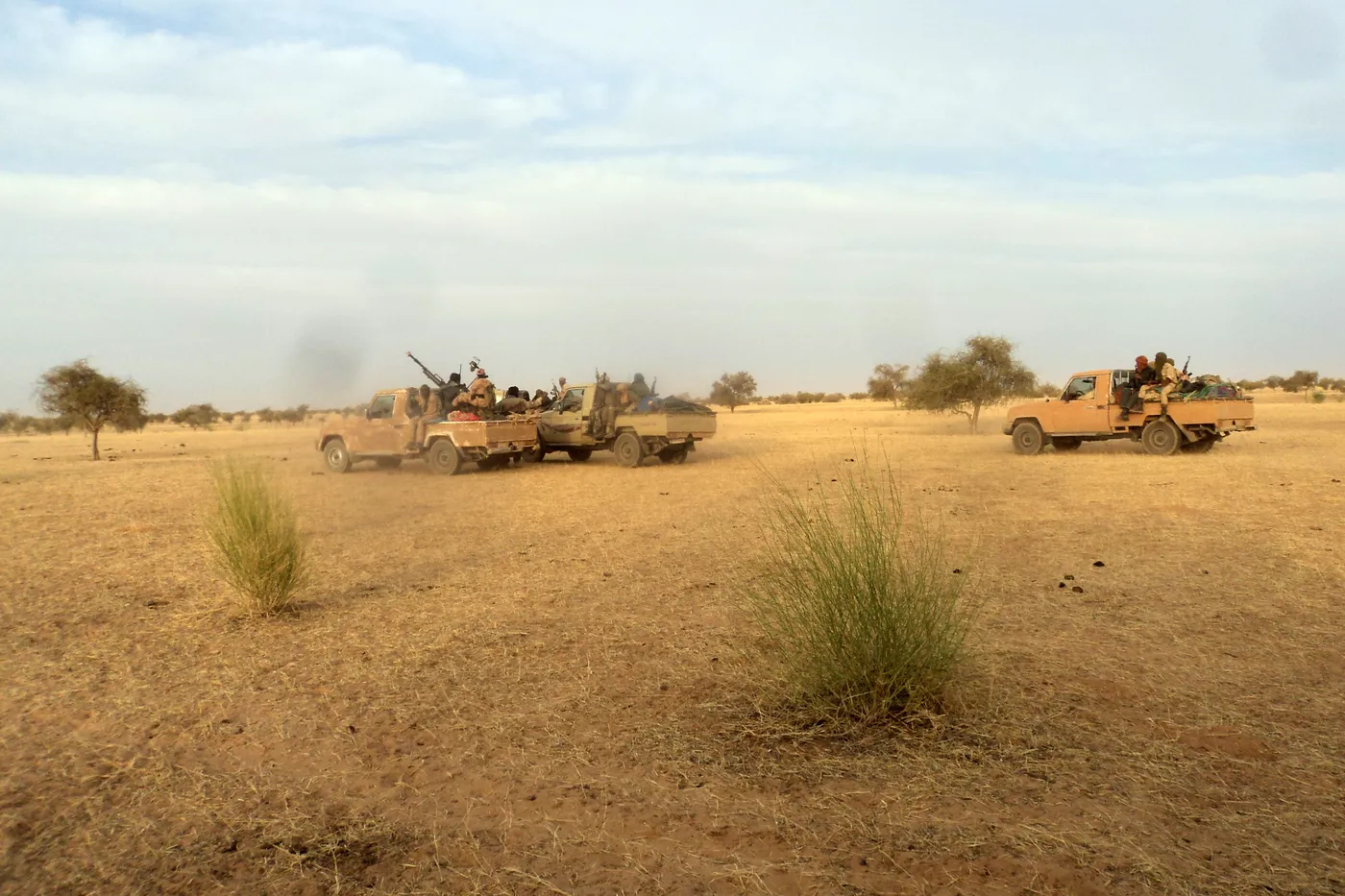
JNIM is al-Qaeda's branch in the Sahel, formed in March 2017 by merging four jihadist groups in Mali. It is led by Iyad Ag Ghaly, a Tuareg former rebel. The group funds itself through taxes, gold, kidnapping and captured weapons. JNIM operates across rural Mali, Burkina Faso, Niger, Benin, Togo and Nigeria but holds no major city. It began a fuel blockade aimed at Mali's capital, Bamako, in September 2025 and declared a full blockade of the city in April 2026. Its fighters use drones, car bombs, captured army vehicles and weapons seized from overrun military bases.
- Leader
- Iyad Ag Ghaly
- since March 2017
- Fighters
- 7,000-8,000
- UN estimate, August 2026
- Operates in
- 6 countries
- Mali, Burkina Faso, Niger, Benin, Togo, Nigeria
- Founded
- March 2017
- merger of four jihadist groups
- Linked to
- Al-Qaeda
- pledged allegiance at founding
Who funds JNIM?
No state funder is confirmed. The money comes from taxes, gold, kidnapping and captured weapons.
- Windfalls
- Hostage ransomThe UN reported in August 2026 that a ransom of about $50 million, paid in late 2025 to free a hostage in Mali, played a key role in financing the group's offensive. Three regional sources named the UAE as the payer. The UAE has not commented.
- At home
- Zakat and road taxesJNIM collects zakat from herders and farmers in exchange for protection and runs checkpoints that tax traders on roads through central and western Mali.
- Artisanal goldThe Global Initiative estimated in 2019 that artisanal mines in JNIM-controlled areas could produce about 725 kg of gold a year, worth about $34 million at the time. The gold price and JNIM's reach have both grown since then.
- KidnappingJNIM kidnaps foreign nationals for ransom. ACLED counted 22 foreigners kidnapped in Mali and 8 in Niger from January to November 2025, by JNIM and its rival combined.
- Captured weapons and equipmentThe UN says weapons seized during attacks are a core source. JNIM has overrun army bases at Boulkessi, Djibo, Diapaga and other sites since 2024.
JNIM
Jamāʿat Nuṣrat al-Islām wa-l-Muslimīn
Ransom money is split among JNIM's semi-autonomous battalions. The UN says some of the $50 million ransom also passed through al-Qaeda in the Islamic Maghreb to al-Qaeda's core leadership and to al-Qaeda in the Arabian Peninsula.
One analyst estimates JNIM's total income at about $100 million a year. This is not an official figure, and no government or international body has published a budget estimate.
ConfirmedReported, denied
Where does JNIM operate?
JNIM operates across rural Mali, Burkina Faso, Niger, Benin, Togo and Nigeria. It holds much of the countryside in central Mali and Burkina Faso but no major city.
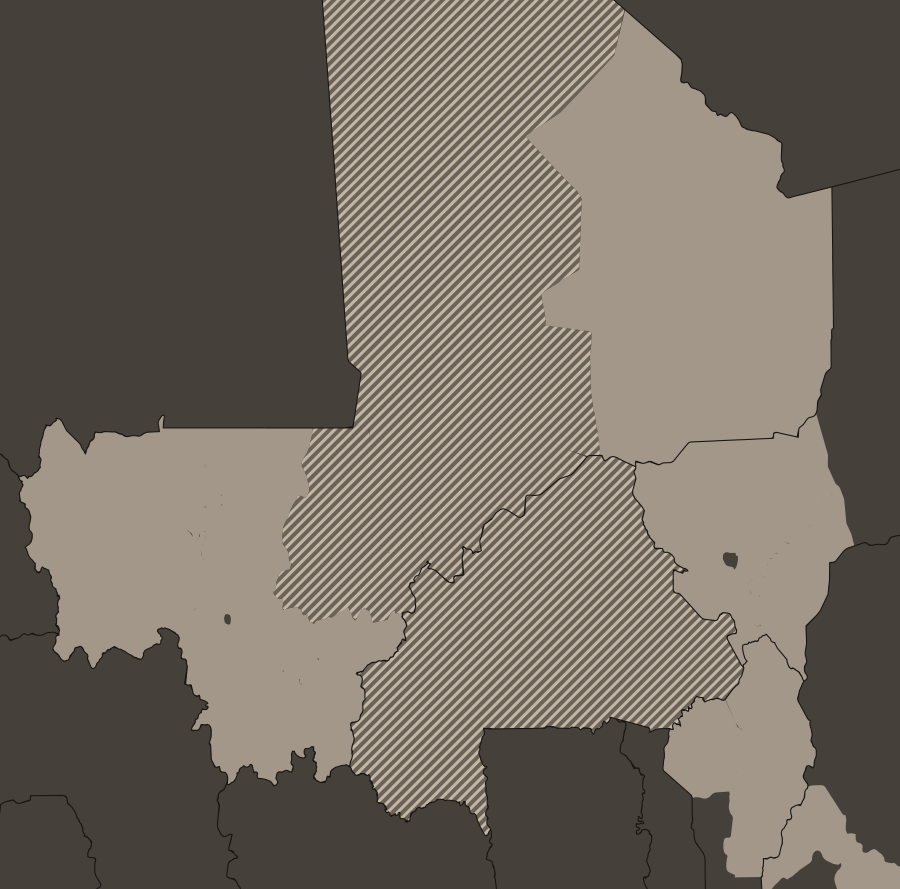
Controls much of the countrysideAttacks and cellsOther landWhole regions are shaded. The armies of Mali, Burkina Faso and Niger hold the cities; JNIM holds no major town.
- BamakoBlockadedMali's capital. JNIM attacked the gendarmerie school and airport on September 17, 2024, killing at least 77 people, according to a security source cited by AFP. The group declared a full blockade of the city on April 28, 2026, setting up roadblocks on the main roads west, southwest and south.
- KatiArmy baseMali's main military base, about 15 km from Bamako. A JNIM car bomb hit the compound of Defense Minister Sadio Camara on April 25, 2026, killing him.
- KayesBlockadeA western hub on the main road from Senegal, one of Mali's fuel import routes. On September 3, 2025, JNIM announced a blockade of the Kayes and Nioro du Sahel regions. It set up checkpoints to tax traders and attacked fuel convoys.
- KidalRetakenA Tuareg stronghold in northern Mali. JNIM's ally, the Azawad Liberation Front, took it on April 25, 2026. The Malian army retook it on October 6, 2026, after the FLA withdrew, citing Russian air power.
- TimbuktuBesiegedThe army holds the city, but JNIM has blockaded it since August 2023. JNIM attacked it again in June 2025.
- DjiboBesiegedA besieged town in northern Burkina Faso. JNIM overran it on May 11, 2025. AFP sources said more than 100 people were killed. JNIM claimed it killed 200.
- NiameyAttackedNiger's capital. JNIM attacked the airport on June 18, 2026. In January 2026 a JNIM roadside bomb exploded at Bartchawal, about 20 km from the city.
- Kainji parkNigeriaKainji Lake National Park, which spans Niger and Kwara states in Nigeria. JNIM fighters operate from the park. JNIM claimed its first attack in Nigeria in nearby Baruten, Kwara State, in October 2025, after announcing a Nigeria brigade in June 2025.
What weapons does JNIM have?
JNIM arms itself mainly by overrunning military bases and seizing their weapons and vehicles.
Drones
Modified commercial quadcopters, FPV kamikaze drones · Commercial, modified by JNIM
The UN says JNIM has shown "proficiency in drone warfare." It uses drop-drones that release mortar shells or grenades, kamikaze drones and spotter drones that guide mortar fire.
Car bombs and IEDs
Vehicle-borne explosives, roadside mines · Built by JNIM
A car bomb killed Defense Minister Sadio Camara in Kati on April 25, 2026. A mine on the Bamako-Kayes road killed 8 people on June 1, 2026.
Captured heavy weapons
Vehicles, arms from overrun bases · Malian, Burkinabe and Nigerien armies
JNIM looted bases at Boulkessi, Djibo, Diapaga and others in 2024 and 2025. It also captured Africa Corps motorcycles near Hadj Wéré in 2026.
Small arms
Rifles, machine guns · Captured and purchased
Small arms are the main weapon of JNIM's fighters across the Sahel. No public inventory exists.
Satellite communications
Starlink terminals · Commercial
Le Monde reported in July 2025 that JNIM uses Starlink terminals for communications.
- Tankers destroyed
- 300+
- in the fuel blockade since September 2025
- Ransom received
- About $50m
- in late 2025, per the UN
- Battles with IS Sahel
- 320+
- from 2019 to September 2026, per ACLED
Which governments list JNIM as terrorist?
The United States, the United Nations, the European Union, the United Kingdom, Canada and Australia all list JNIM as a terrorist organization.
 United StatesForeign Terrorist Organization since September 2018
 European UnionUnder the EU’s ISIL and al-Qaeda sanctions
 United KingdomProscribed since March 2019
- UN Security CouncilOn the ISIL and al-Qaeda sanctions list since 2018
 RussiaEnforces the UN terrorist listing
 ChinaEnforces the UN terrorist listing
 CanadaListed terrorist entity since February 3, 2021
 AustraliaListed under the Criminal Code since October 30, 2020, and re-listed in November 2023. A renewal was due in November 2026
What is the fuel blockade of Bamako?
JNIM announced a blockade of western Mali on September 3, 2025, targeting the Kayes and Nioro du Sahel regions on the main fuel route from Senegal. About 95% of Mali's fuel arrives by road through Senegal and Côte d'Ivoire. Fighters set up checkpoints, taxed traders and burned fuel tankers. At least 300 tankers were destroyed. The government shut schools and universities nationwide from October 27 to November 9, 2025, citing fuel shortages. Mali began nationwide fuel rationing on January 22, 2026.
The blockade eased in early 2026. Africanews reported in March 2026 that a deal to release jihadist prisoners had secured a truce for fuel convoys. The Malian army denied releasing prisoners.
On April 28, 2026, JNIM's spokesman Bina Diarra declared a full blockade of Bamako, with roadblocks at Soribougou, Naréna and Ouélessébougou. Military-escorted convoys restored some fuel to Bamako by early September 2026. The status of the blockade in November 2026 is unclear.
The blockade of Bamako
- Sep 3, 2025JNIM announces a blockade of western Mali, targeting fuel routes through Kayes and Nioro du Sahel.
- Sep-Oct 2025Fighters burn fuel tankers on the roads from Senegal.
- Oct 27, 2025Schools and universities shut nationwide. They reopen on November 9.
- Jan 22, 2026Mali begins nationwide fuel rationing.
- Mar 2026A reported prisoner release secures a truce for fuel convoys. The army denies it.
- Apr 25, 2026JNIM and the FLA launch a nationwide offensive. Defense Minister Camara is killed.
- Apr 28, 2026JNIM declares a full blockade of Bamako with roadblocks on three main roads.
- Sep 2026Military-escorted convoys restore some fuel to Bamako.
Who leads JNIM?
Iyad Ag Ghaly has led JNIM since he founded it in March 2017. He is a Tuareg born in 1954 in Abeïbara, in the Kidal region of northern Mali. He led the 1990 Tuareg rebellion, later worked as a hostage negotiator and served as a Malian consular official in Jeddah, Saudi Arabia, around 2007 to 2008. He was reportedly sent home around 2010 over al-Qaeda contacts. He founded Ansar Dine in late 2011. The International Criminal Court unsealed an arrest warrant for him on June 21, 2024, for war crimes and crimes against humanity in Timbuktu in 2012 and 2013. Mali offered a bounty of about $3.5 million for him in June 2026.
His deputy is Amadou Koufa, a Fulani preacher from central Mali who leads Katiba Macina. France said it killed him in November 2018, but he reappeared on video in early 2019. Sedane Ag Hita is a senior northern commander described as second-in-command. Bina Diarra serves as spokesman. He announced the Bamako blockade in April 2026 and offered a bounty of 2 million euros for Mali's President Assimi Goïta.
The leadership
- EmirIyad Ag Ghaly. Since March 2017. A Tuareg former rebel who once served as a Malian diplomat in Saudi Arabia. The ICC has a warrant for his arrest.
- Deputy emirAmadou Koufa. Leads Katiba Macina in central Mali. France declared him dead in 2018. He resurfaced on video in 2019.
- Senior commanderSedane Ag Hita. Northern commander, described as second-in-command. Designated by the United States in 2021.
- SpokesmanBina Diarra. Announced the Bamako blockade in April 2026. Offered a bounty on Mali's president in June 2026.
What happened on April 25, 2026?
JNIM and its ally, the Tuareg-led Azawad Liberation Front, launched a coordinated offensive across Mali on April 25, 2026. A car bomb hit the compound of Defense Minister Sadio Camara in Kati, about 15 km from Bamako, killing him. A hospital source said 23 people died in Kati. The army said it killed more than 200 militants.
On the same day, the FLA took the northern city of Kidal, a Tuareg stronghold. The army and Russia's Africa Corps abandoned the bases at Aguelhok and Tessalit around April 27. JNIM and the FLA also attacked the airport and camp at Sévaré. Three days later, JNIM declared a full blockade of Bamako.
The army retook Kidal on October 6, 2026, after the FLA carried out what it called a "strategic and controlled withdrawal." The FLA blamed Russian air power for its decision to leave. After the offensive, Mali's president Assimi Goïta named himself defense minister on May 4.
April 25, 2026
Defense minister killed
JNIM and the FLA launch a nationwide offensive
A JNIM car bomb killed Defense Minister Sadio Camara in Kati. The same day, JNIM's ally took Kidal, and fighters attacked targets across the country.
Why does JNIM fight the Islamic State?
JNIM and the Islamic State Sahel Province are rivals for territory and recruits across the Sahel. Both are jihadist groups, but JNIM is loyal to al-Qaeda and the Islamic State Sahel Province answers to the Islamic State. The UN calls their conflict "the most intense direct confrontation globally" between al-Qaeda and Islamic State branches.
ACLED, a conflict-data organization, counted more than 320 battles between the two groups from 2019 to September 2026. Those clashes killed about 2,200 people. The fighting is concentrated in the Liptako-Gourma tri-border area where Mali, Burkina Faso and Niger meet.
In October 2026 the two groups fought in Oudalan province in northern Burkina Faso. The Islamic State Sahel Province claimed it killed more than 400 JNIM fighters. That figure has not been verified.
JNIM vs. Islamic State Sahel Province
320+
Battles between the two groups since 2019
ACLED counted more than 320 clashes from 2019 to September 2026, killing about 2,200 people. The UN calls it the most intense al-Qaeda vs. Islamic State fight in the world.
Is JNIM spreading to coastal West Africa?
JNIM has expanded south and west from its base in central Mali and Burkina Faso. The UN reported in August 2026 that its fighters operate in Mali, Burkina Faso, Niger, Benin and Togo. It has also claimed attacks in Nigeria. Crisis Group calls Benin and Togo the "most threatened" coastal states.
The expansion has been gradual. JNIM announced a Nigeria brigade in June 2025 and claimed its first attack there in October 2025, in Kwara State. In Benin, fighters operate in the northern departments of Alibori and Atacora and have pushed south into Borgou. In March 2026, 15 Beninese soldiers were killed in an attack at Kofouno.
Crisis Group reported in February 2026 that JNIM's leaders fear expanding too fast could split the movement. The group is a coalition of semi-autonomous battalions.
JNIM's reach beyond the Sahel
 BeninAlibori, Atacora and Borgou departments. 54 soldiers killed in April 2025. 15 killed in March 2026.
 TogoSavanes region. Crisis Group calls it one of the "most threatened" coastal states.
 NigeriaKwara State. JNIM announced a Nigeria brigade in June 2025 and claimed its first attack in October 2025.
 Côte d'IvoireNorthern border areas. A 2020 attack on an army post at Kafolo was blamed on JNIM's Katiba Macina. No group claimed it.
 GhanaNorthern Ghana's gold sector faces threats from violent extremism, according to the Global Initiative.
How did JNIM start?
JNIM grew out of the conflict that followed a Tuareg rebellion and an Islamist takeover in northern Mali in 2012. Ansar Dine, led by Iyad Ag Ghaly, al-Qaeda in the Islamic Maghreb and the Movement for Oneness and Jihad in West Africa occupied Timbuktu, Gao and Kidal. France intervened in January 2013 and drove the groups out of the cities.
The jihadist groups regrouped in the countryside. On March 2, 2017, four of them merged into JNIM: Ansar Dine, Katiba Macina, al-Mourabitoun and AQIM's Sahara branch. The group pledged allegiance to al-Qaeda, the Taliban and AQIM's leader.
JNIM expanded as international forces left. France withdrew its last troops in 2022. The UN peacekeeping mission MINUSMA left in 2023. Mali's junta, which took power in coups in 2020 and 2021, turned to Russia. Wagner mercenaries arrived, replaced in June 2025 by Russia's Africa Corps. JNIM and the Islamic State Sahel Province both grew in the security vacuum. From 2024 JNIM began attacking cities and using economic warfare. In September 2025 it launched a fuel blockade that later targeted Bamako.
How JNIM rose
- 2012Tuareg rebels and Islamist groups take northern Mali. Ansar Dine occupies Timbuktu.
- Jan 2013France intervenes and drives the groups out of the northern cities.
- Mar 2017Four jihadist groups merge into JNIM, pledging allegiance to al-Qaeda.
- 2020-2021Military coups in Mali. The junta turns to Russia for security support.
- 2022France withdraws its last troops from Mali. A military coup also takes place in Burkina Faso.
- 2023The UN mission MINUSMA leaves Mali. JNIM expands. A coup takes place in Niger.
- Sep 2024JNIM attacks Bamako's gendarmerie school and airport, killing at least 77 people.
- Sep 2025JNIM announces the fuel blockade of western Mali.
- Apr 2026JNIM and the FLA launch a nationwide offensive. The defense minister is killed.
Questions about JNIM
Is JNIM part of al-Qaeda?
Yes. JNIM calls itself the "official branch of al-Qaida in Mali." At its founding in March 2017 it pledged allegiance to al-Qaeda's then-leader Ayman al-Zawahiri. The UN says al-Qaeda in the Islamic Maghreb continues to influence JNIM ideologically and through its leadership.
How many fighters does JNIM have?
The UN Monitoring Team estimated 7,000 to 8,000 fighters across the Sahel in August 2026, with about half in Mali. A 2024 UN report gave 5,000 to 6,000. An Al Jazeera report in April 2026 gave about 10,000, but that figure is less well sourced.
Does JNIM hold any cities?
No. JNIM controls much of the countryside in central Mali and Burkina Faso, but the armies hold the major cities. JNIM besieges some cities, including Timbuktu since 2023, and blockades others, including Bamako, where it declared a full blockade in April 2026.
Has JNIM attacked Bamako?
Yes. On September 17, 2024, JNIM attacked the gendarmerie school and the airport in Bamako, killing at least 77 people and wounding 255, according to a security source cited by AFP. On April 25, 2026, it struck the nearby military base at Kati, killing the defense minister. It declared a full blockade of Bamako on April 28, 2026.
What is the difference between JNIM and Islamic State in the Sahel?
JNIM is loyal to al-Qaeda. The Islamic State Sahel Province answers to the Islamic State. The two groups are rivals and have fought more than 320 battles since 2019, killing about 2,200 people according to ACLED. The UN calls it the most intense al-Qaeda vs. Islamic State confrontation in the world.
What does JNIM stand for?
JNIM stands for Jamāʿat Nuṣrat al-Islām wa-l-Muslimīn, which means "Group for the Support of Islam and Muslims" in Arabic. In French it is called Groupe de soutien à l'islam et aux musulmans, or GSIM.
More on JNIM
 Civil warThe war in the Sahel
 Armed groupAl-Qaeda
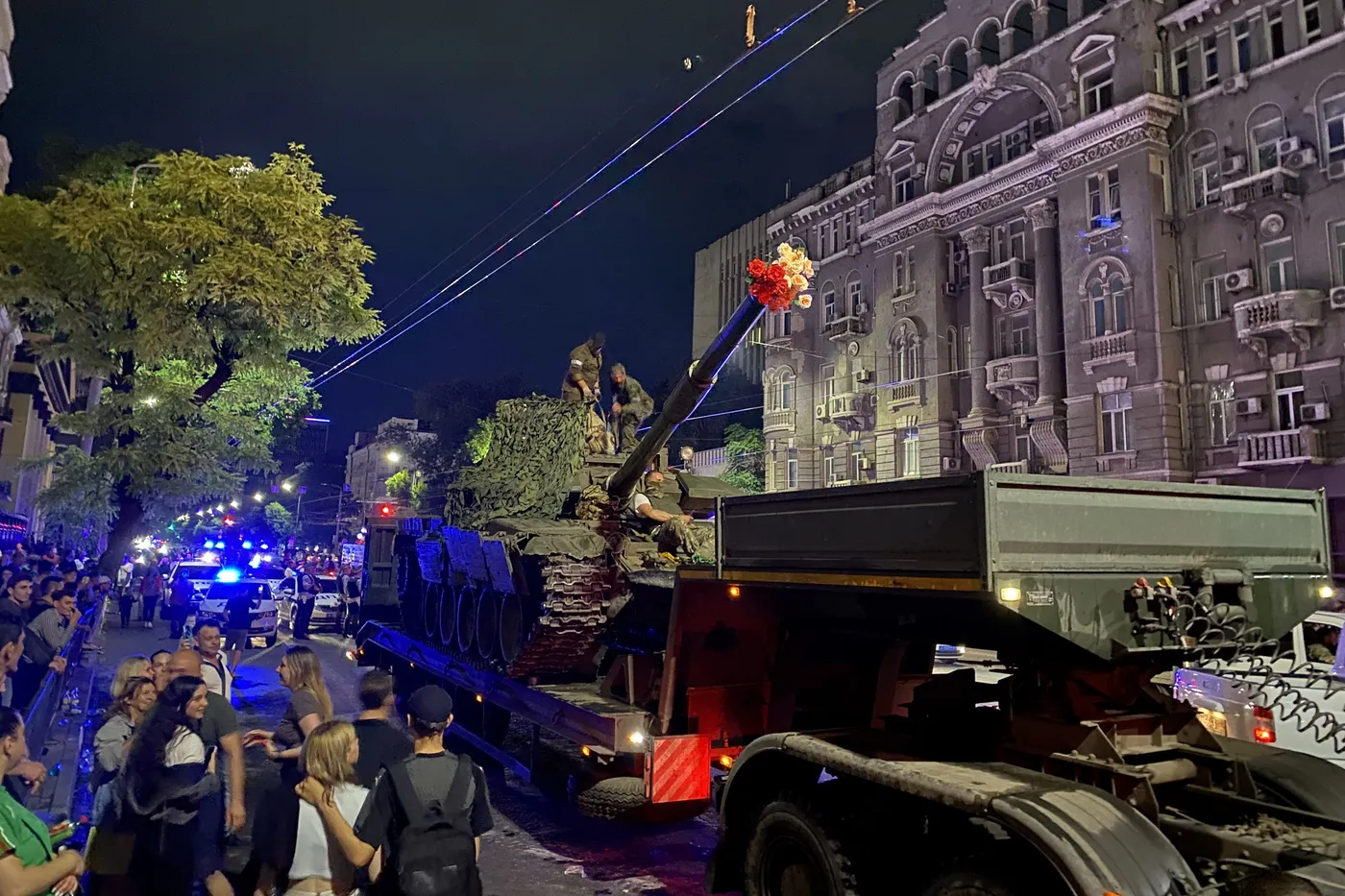 Armed groupWagner and Africa Corps
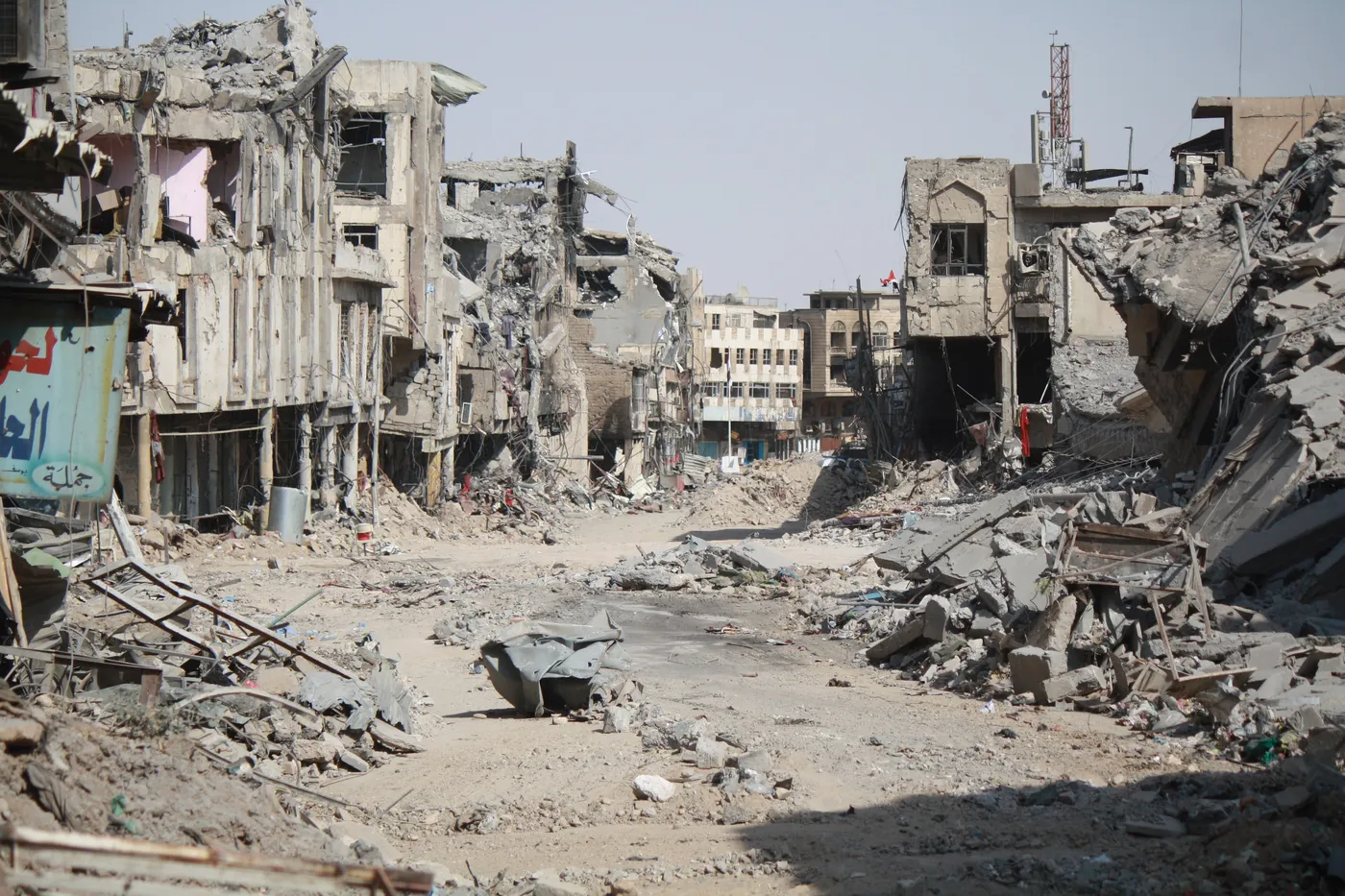 Armed groupThe Islamic State (ISIS)
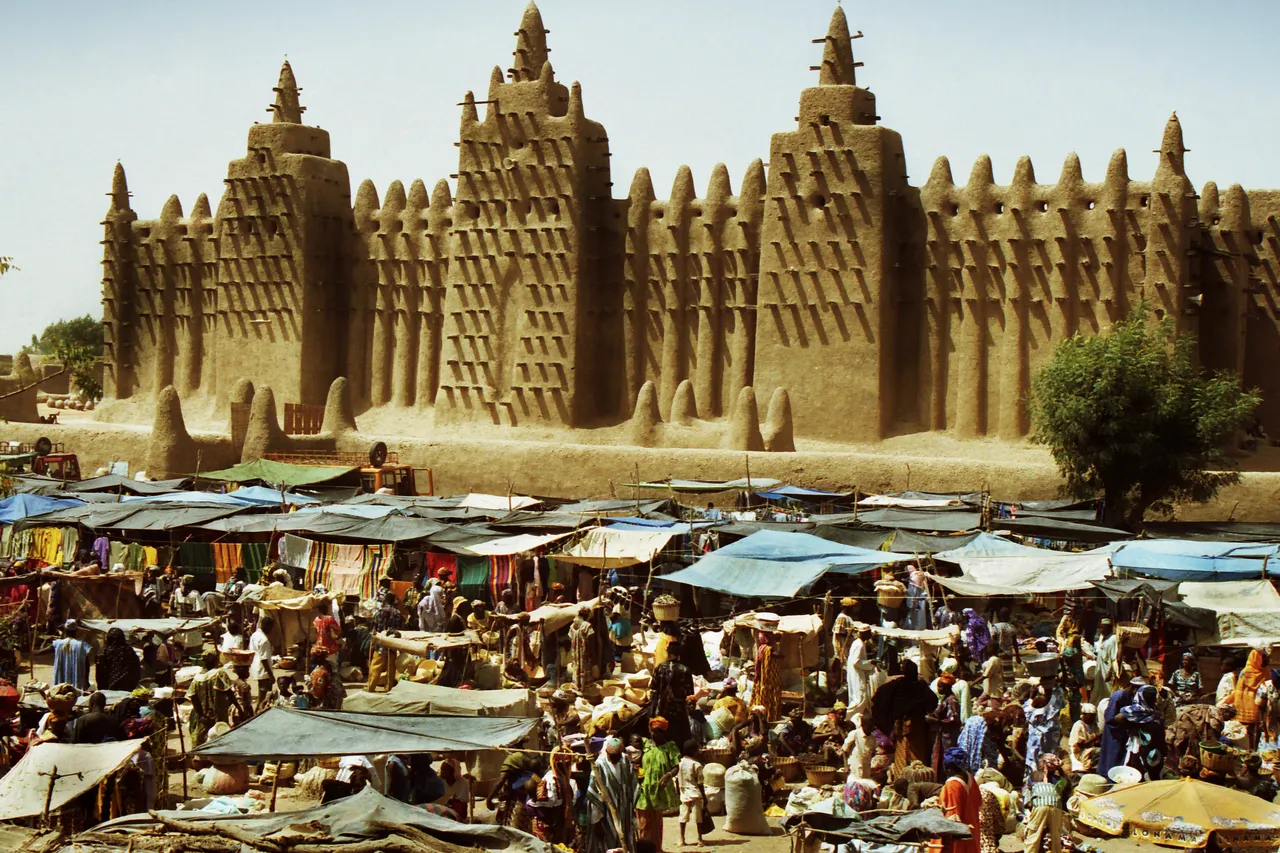 Country profileMali: allies, enemies and economy
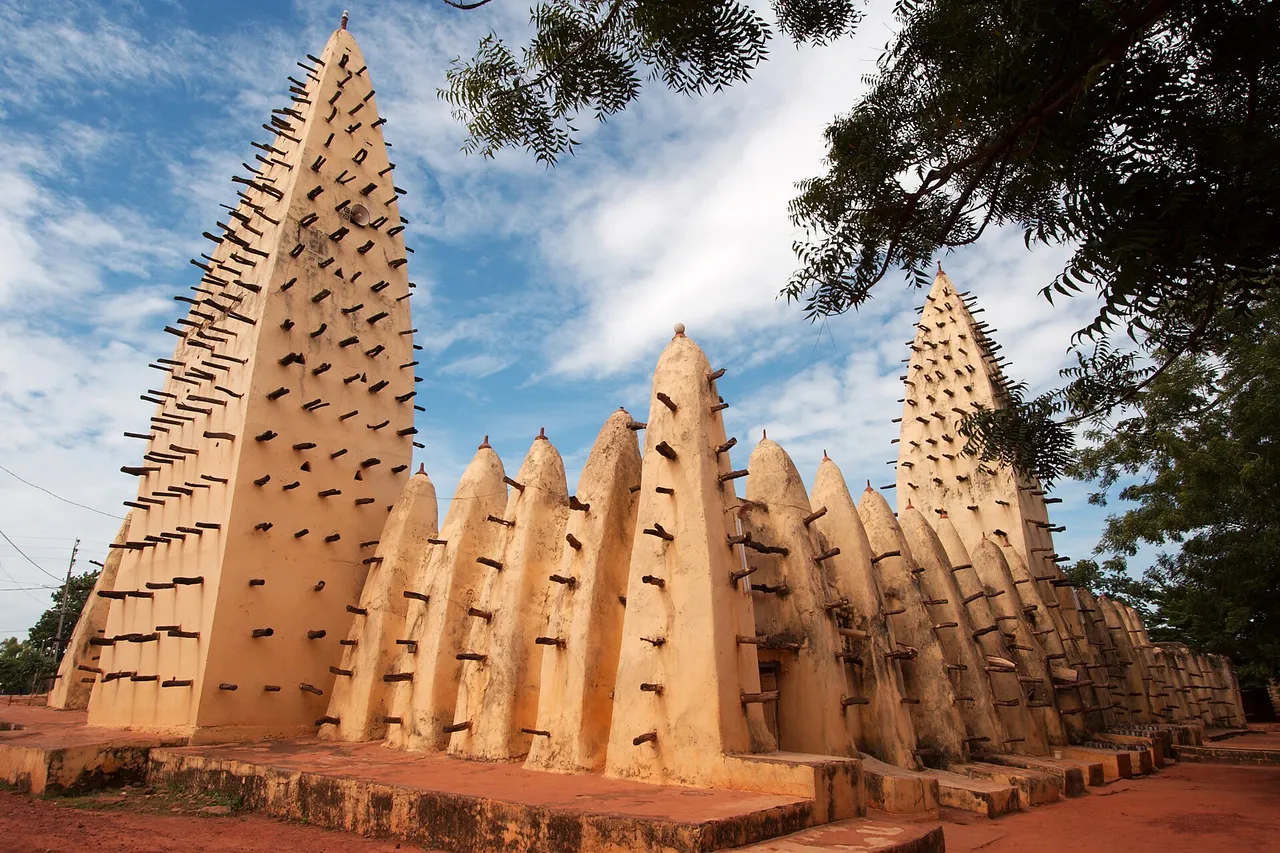 Country profileBurkina Faso: allies, enemies and economy
 Country profileNiger: allies, enemies and economy
 ArticleWhy is the Sahel full of military coups?