
Jihadist group · Syria, Iraq and Africa
The Islamic State (ISIS)
Insurgency, strongest in AfricaUpdated November 13, 2026
The Islamic State is a Sunni jihadist group that declared a caliphate across Iraq and Syria in 2014. It lost its last territory in March 2019 but still has up to 3,000 fighters in Syria and Iraq and active branches in West Africa, the Sahel, eastern Congo, Mozambique, Somalia and Afghanistan. No state funds it. At its peak it earned about $1 billion in 2015, roughly half of it from oil. Today the United States Treasury estimates it holds $10 to $20 million in reserves. Its African branches are now its most active. It fights with small arms, improvised bombs and commercial drones.
- Leader
- Abu Hafs al-Hashimi al-Qurashi
- identity unknown
- Core fighters
- Up to 3,000
- in Syria and Iraq (UN, 2026)
- Territory held
- None
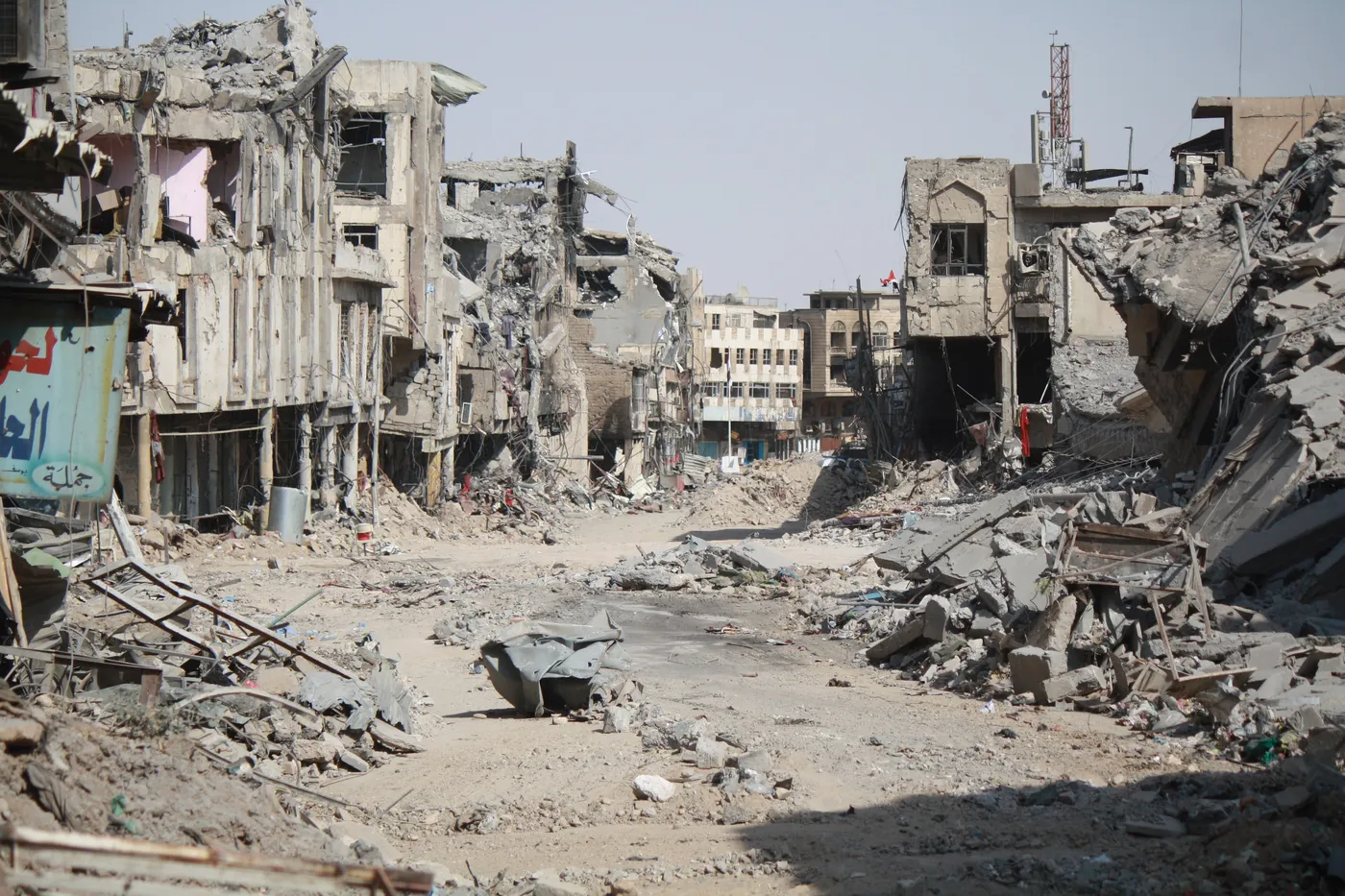
- lost its last town in March 2019
- Revenue at peak
- About $1 billion
- in 2015 (US Treasury)
- Founded
- 1999
- caliphate declared 2014
Who funds the Islamic State?
No state backs it. It funds itself through extortion, kidnapping and what is left of its war chest.
- At peak
- Oil salesThe United States Treasury said the group earned about $1 billion in 2015. About $500 million came from selling oil from fields it held in Iraq and Syria.
- Bank lootingAccording to press estimates, Iraq's Mosul central-bank branch lost about $450 million in cash and gold when the group seized the city in June 2014.
- Taxes and extortionThe Center for the Analysis of Terrorism estimated the group collected $360 million in taxes and fees in 2014, possibly up to $800 million in 2015.
- Today
- Extortion and kidnappingThe group earned about $8 million in 2024 from extortion, kidnapping for ransom and donations, according to the United States Treasury. In Iraq it extorts about $500,000 a year from farmers and shepherds, according to the United Nations.
- CryptocurrencyThe United States Treasury sanctioned 134 ISIS-K crypto wallets in early July 2026. The wallets had received over $1.4 million since 2023.
- Gold mining (ADF)The group's Central Africa branch taxes illegal gold mines in eastern Congo, according to the United States Treasury.
ISIS
Islamic State
At its peak the group ran a proto-state with oil fields, tax collection and looted banks. Today it is far poorer. Its wealthier branches send money to weaker ones through a central structure the United States Treasury calls the General Directorate of Provinces.
The United States Treasury's FinCEN estimated in April 2025 that the group holds $10 to $20 million in reserves, mostly cash and liquid assets. Its income in 2024 was about $8 million.
Confirmed
Where does the Islamic State operate?
It holds no town in Iraq or Syria. Its cells carry out attacks in the Syrian desert and northern Iraq. Its strongest branches fight for rural land in West Africa, the Sahel, eastern Congo and northern Mozambique.
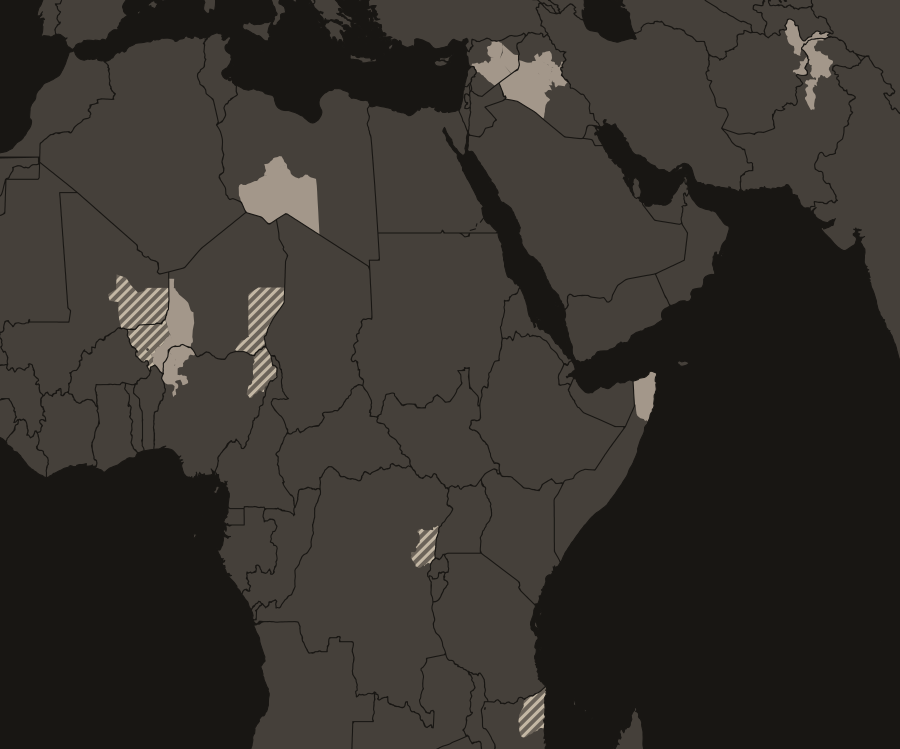
Branches fight for rural landCells, no territory heldWhole provinces are shaded. The Islamic State holds no town in Syria or Iraq; in Africa it controls parts of the countryside.
- Mosul2014 caliphateAbu Bakr al-Baghdadi made his first public appearance as caliph at Mosul's al-Nuri mosque on July 4, 2014. Iraqi forces retook the city in July 2017.
- RaqqaFormer capitalThe group's de facto capital from 2014 to 2017. US-backed Syrian Democratic Forces retook it in October 2017.
- BaghuzLast standThe group's last pocket of territory. It fell on March 23, 2019, ending the physical caliphate.
- KabulISIS-KISIS-K attacked Kabul's airport on August 26, 2021, killing 13 US service members and Afghan civilians. On January 19, 2026, it claimed a suicide bombing at a Chinese restaurant that killed 12 people, according to the United Nations.
- MeteleISWAPA village in ISWAP's area of operations near Lake Chad in Borno State, Nigeria. The Islamic State's deputy leader, al-Minuki, was killed here on May 16, 2026, in a Nigerian-US operation.
- NiameyAttackedAbout 40 fighters from the Islamic State Sahel Province attacked Niamey's international airport on January 29, 2026. They destroyed two light aircraft, a fighter jet and a helicopter, according to the United Nations.
- MambasaADFIn the heartland of the group's Central Africa branch in Ituri province, eastern Congo. On November 10 and 11, 2026, fighters killed at least 22 civilians in Mambasa territory, according to local civil society groups.
- Mocímboa da PraiaMozambiquePart of the core area of the group's Mozambique branch in Cabo Delgado province. The branch has 400 to 500 fighters and is expanding south.
- BosasoSomaliaThe al-Karrar office operates here, extorting businesses. The group's fighters are based in the Cal Miskaat mountains nearby. Their leader is Abdul Qadir Mumin.
What weapons does the Islamic State have?
It once captured thousands of US-made Humvees from Iraqi forces. Today it relies on small arms, improvised bombs and commercial drones.
Captured military vehicles
US-made Humvees, artillery · Seized from Iraqi forces in 2014
Iraq's prime minister said in 2015 that Iraq lost 2,300 Humvees in Mosul alone. The group turned some into suicide car bombs.
Suicide car bombs (VBIEDs)
Modified civilian and military vehicles · Built in factories in Iraq and Syria
In October 2016, during the battle of Mosul, the US-led coalition destroyed or damaged 47 car bombs and 11 car-bomb factories.
Chemical weapons
Mustard agent, chlorine · Produced in Iraq and Syria
IHS counted 52 chemical attacks in Iraq and Syria by late 2016. The group's magazine published instructions for botulinum toxin and cyanide in February 2026.
Commercial drones
Off-the-shelf models · Purchased commercially
ISWAP acquired about 35 commercial drones by February 2026. ISSP used reconnaissance drones in its January 2026 attack on Niamey airport.
Looted Syrian weapons
Anti-tank missiles, artillery, mortars · Seized after the Assad government fell
The group seized anti-tank missiles, artillery and mortars from former government stockpiles. The United Nations said in August 2026 that coalition strikes in December 2025 and January 2026 had likely degraded much of this equipment.
Small arms and IEDs
AK-pattern rifles, improvised explosive devices · Various, including Sudanese-made rifles
Today the group's fighters in Syria and Iraq mainly use small arms and improvised bombs. Sudanese-made assault rifles have appeared in ISWAP propaganda.
- Humvees captured
- 2,300
- in Mosul alone (Iraq's PM, 2015)
- Chemical attacks
- 52
- in Iraq and Syria (IHS, late 2016)
- Revenue at peak
- About $1 billion
- in 2015, vs about $8 million in 2024
Which governments list the Islamic State as terrorist?
Almost every government in the world. The United Nations lists the Islamic State under entry QDe.115, and that listing binds all UN member states.
 United StatesForeign Terrorist Organization since 2004
 European UnionUnder the EU’s ISIL and al-Qaeda sanctions
 United KingdomProscribed since June 2014
- UN Security CouncilOn the ISIL and al-Qaeda sanctions list
 RussiaBanned by Russia’s Supreme Court in 2014
 ChinaEnforces the UN terrorist listing
 CanadaListed since August 20, 2012, with branches added in 2021 and 2025
 AustraliaListed since 2005 as AQI, with the current name from 2013
 Saudi ArabiaListed since March 2014
 UAEListed since November 15, 2014
What are the Islamic State's branches?
The Islamic State runs a network of branches, which it calls provinces. A central body called the General Directorate of Provinces sends them orders and money. The United Nations said in August 2026 that Africa is now the focus of both the Islamic State and al-Qaeda.
The most active branch is the Islamic State West Africa Province (ISWAP), based around Lake Chad in Nigeria. It carried out more than 174 attacks in the first five months of 2026. The Islamic State Sahel Province (ISSP) operates in Niger, Mali and Burkina Faso with about 2,000 fighters. The Central Africa branch, built on the Allied Democratic Forces (ADF), fights in eastern Congo. The Mozambique branch has grown from 250-350 fighters in late 2025 to 400-500.
ISIS-Khorasan (ISIS-K) has about 2,000 fighters in Afghanistan and Pakistan. The Somalia branch has shrunk to 150-250 fighters after a Puntland military offensive. The core in Syria and Iraq has up to 3,000 fighters but holds no territory.
The branches
 Core (Syria and Iraq)Up to 3,000 fighters, mostly in Syria
 ISIS-Khorasan (Afghanistan, Pakistan)About 2,000 fighters
 ISWAP (Lake Chad basin)Most active branch, 174+ attacks Jan-May 2026
 Sahel Province (Niger, Mali, Burkina Faso)About 2,000 fighters
 Central Africa / ADF (eastern Congo)About 600 fighters, 1,500-2,000 members
 Mozambique (Cabo Delgado)400-500 fighters, growing
 Somalia (Puntland)150-250 fighters, shrinking
Who leads the Islamic State?
The group's leader calls himself Abu Hafs al-Hashimi al-Qurashi. His real identity is unknown. Some United Nations member states believe Abdul Qadir Mumin, the head of the group's East Africa operations, is the overall leader, but this is not confirmed. Analysts have called Abu Hafs a "faceless caliph."
Four previous leaders have been killed since 2019. Abu Bakr al-Baghdadi, who led the group when it declared the caliphate in 2014, died in a US raid in Syria on October 27, 2019. Three successors were killed in 2022 and 2023.
The group lost two senior figures in 2026. Its deputy leader, Abu Bilal al-Minuki, who ran the General Directorate of Provinces, was killed on May 16, 2026, in a Nigerian-US operation at Metele, Nigeria. Its spokesman, Abu Hudhayfah al-Ansari, a Yemeni, was killed on September 1, 2026, in a raid by Yemeni and Saudi forces in Seiyun, Yemen, according to Yemen's government. The Islamic State had not confirmed his death when it was reported. The United Nations said in August 2026 that al-Minuki's successor had not been identified.
The leadership
- Leader (caliph)Abu Hafs al-Hashimi al-Qurashi. Since August 3, 2023; real identity unknown
- East Africa chiefAbdul Qadir Mumin. Heads the al-Karrar office from Puntland; a former preacher who lived in the United Kingdom
- ISIS-K leaderSanaullah Ghafari. The United States offered $10 million for him in 2022, linking him to the Kabul airport attack
- Deputy leaderAbu Bilal al-Minuki. Killed May 16, 2026, at Metele, Nigeria; ran the General Directorate of Provinces
- SpokesmanAbu Hudhayfah al-Ansari. Killed September 1, 2026, in Seiyun, Yemen; had admitted the past two years were "drenched in blood"
How big was the caliphate?
At its peak in 2014 the Islamic State held more than 106,000 square kilometers across Iraq and Syria, according to the US-led Coalition. The US-led Coalition said it liberated nearly 110,000 square kilometers and 7.7 million people.
The group took Mosul, Iraq's second-largest city, on June 10, 2014. On June 29 it declared a caliphate. At its height in 2015 it earned about $1 billion in revenue, roughly half from oil. The CIA estimated in September 2014 that it had 20,000 to 31,500 fighters. More than 42,000 foreign fighters from 120 countries traveled to join it.
The caliphate's collapse took years. A US-led coalition formed in September 2014 and carried out thousands of airstrikes. Iraqi forces retook Mosul in July 2017. The Syrian Democratic Forces retook Raqqa in October 2017. The last pocket, at Baghuz in eastern Syria, fell on March 23, 2019.
110,000 km²
retaken from the Islamic State
The US-led Coalition said it freed nearly 110,000 square kilometers and 7.7 million people from the group's rule between 2014 and 2019.
What did the Islamic State do to the Yazidis?
In August 2014 the Islamic State attacked the Yazidis, a religious minority in northern Iraq, in the Sinjar region. The United Nations investigative team UNITAD found on May 10, 2021, "clear and convincing evidence that genocide was committed by ISIL against the Yazidi as a religious group."
The group abducted about 6,417 Yazidis, of whom 3,548 were women and girls. About 3,590 have been rescued. As of August 2025, 2,554 Yazidis were still missing, according to the Kurdistan Region's rescue office.
The United States government describes the group's actions as "genocide, crimes against humanity, and ethnic cleansing against Yezidis, Christians, Shi'a Muslims" and others.
2,554
Yazidis still missing
About 6,417 Yazidis were abducted in and after August 2014. About 3,590 have been rescued. 2,554 are still missing.
Which attacks has the Islamic State carried out abroad?
The Islamic State and people it inspired have carried out attacks across the world. Among the deadliest were the November 2015 Paris attacks, which killed 130 people, and the March 2024 attack on Crocus City Hall in Moscow, which killed 149.
Some attacks were directed by the group's leadership. Others were carried out by people it inspired who had no direct contact with it. The New Orleans attack on January 1, 2025, and the Bondi Beach attack in Sydney on December 14, 2025, were both carried out by people inspired by the group, according to the United States Treasury and the United Nations.
In 2026 attacks linked to the group hit a Chinese restaurant in Kabul on January 19, a Shia mosque in Islamabad on February 6 and a church in Jordan's Karak governorate on October 23. ISIS-K claimed the Kabul bombing. The United Nations said the Islamabad attack was likely carried out by ISIS-K. Jordan's government said the Karak gunmen belonged to an Islamic State network.
Major attacks abroad
- Nov 2015Paris, France: gunmen and bombers kill 130 people. Directed by the group.
- Mar 2016Brussels, Belgium: bombings kill 32 people. Directed by the group.
- Aug 2021Kabul airport, Afghanistan: ISIS-K suicide bombing kills 13 US service members and Afghan civilians.
- Jan 2024Kerman, Iran: twin bombings kill about 91 to 94 people. Claimed by the group; US intelligence reportedly assessed ISIS-K was responsible.
- Mar 2024Crocus City Hall, Moscow: gunmen kill 149 people. Claimed by the group; assessed as ISIS-K by US officials.
- Jan 2025New Orleans, United States: a man inspired by the group drives into a crowd, killing 14 people.
- Dec 2025Bondi Beach, Sydney: a shooting by attackers inspired by the group leaves 16 people dead, including one attacker.
- Feb 2026Islamabad, Pakistan: suicide attack on a Shia mosque kills 32 people. The UN says it was likely ISIS-K.
- Oct 2026Karak, Jordan: gunmen attack a church, killing 9 people, according to the Soufan Center. Jordan's government says they belonged to an Islamic State network.
What happened to Islamic State prisoners in Syria?
When the Assad government fell in late 2024, the Syrian Democratic Forces (SDF) had been guarding tens of thousands of Islamic State detainees and their families in northeastern Syria. The SDF lost its territory to the new Syrian government in January and February 2026. It announced its dissolution in late August 2026.
The Syrian government entered the al-Hol camp on January 21, 2026. The camp held about 24,000 to 25,000 people, mostly women and children linked to the group. The government closed it on February 22, 2026. The United Nations said that 15,000 to 20,000 people from al-Hol remain unaccounted for. Most are assessed to be in Idlib. More than 150 fighters escaped Shaddadi prison, including about 20 senior members.
The United States flew 5,704 detainees of 62 nationalities to Iraq by February 12, 2026. The Roj camp held about 2,500 people in mid-2026, according to the United Nations. The fate of about 3,000 remaining prisoners is unclear. US forces left Syria on April 16, 2026, and the US-led Coalition ended its Iraq mission on September 30, 2026.
5,704
detainees flown from Syria to Iraq
The United States transferred detainees of 62 nationalities before its forces left Syria in April 2026. About 15,000 to 20,000 people from al-Hol camp remain unaccounted for.
Questions about the Islamic State
Is the Islamic State still active?
Yes. It holds no territory in Iraq or Syria, but its cells carry out 20 to 40 attacks a month in the Syrian desert. Its branches in West Africa, the Sahel, eastern Congo, Mozambique and Afghanistan are active. The United Nations said in August 2026 that Africa is now its main focus.
How many fighters does the Islamic State have?
The United Nations estimated in 2026 that the core in Syria and Iraq has up to 3,000 fighters. ISIS-K and the Sahel Province each have about 2,000. ISWAP had 3,000 to 5,000 around Lake Chad in the UN's last published count, in 2021. The Central Africa branch has about 600 fighters, Mozambique has 400 to 500 and Somalia has 150 to 250.
How much money does the Islamic State have?
The United States Treasury estimated in April 2025 that it holds $10 to $20 million in reserves, mostly cash. Its income in 2024 was about $8 million. At its peak in 2015 it earned about $1 billion, roughly half from oil sales.
What happened to the leader of the Islamic State?
Four leaders have been killed since 2019. Abu Bakr al-Baghdadi died in a US raid in October 2019. Three successors were killed in 2022 and 2023. The current leader calls himself Abu Hafs al-Hashimi al-Qurashi. His real identity is unknown.
Is the Islamic State the same as al-Qaeda?
No. The Islamic State grew out of al-Qaeda in Iraq, but al-Qaeda expelled it in February 2014. The two groups are rivals. In the Sahel, the Islamic State's branch fights openly against al-Qaeda's affiliate, JNIM.
Did the Islamic State commit genocide?
A United Nations investigative team says it did. The team, UNITAD, found in May 2021 that the Islamic State committed genocide against the Yazidis. About 6,417 Yazidis were abducted starting in August 2014. As of August 2025, 2,554 were still missing.
More on the Islamic State
 Armed groupAl-Qaeda
 Civil warSyria's civil war
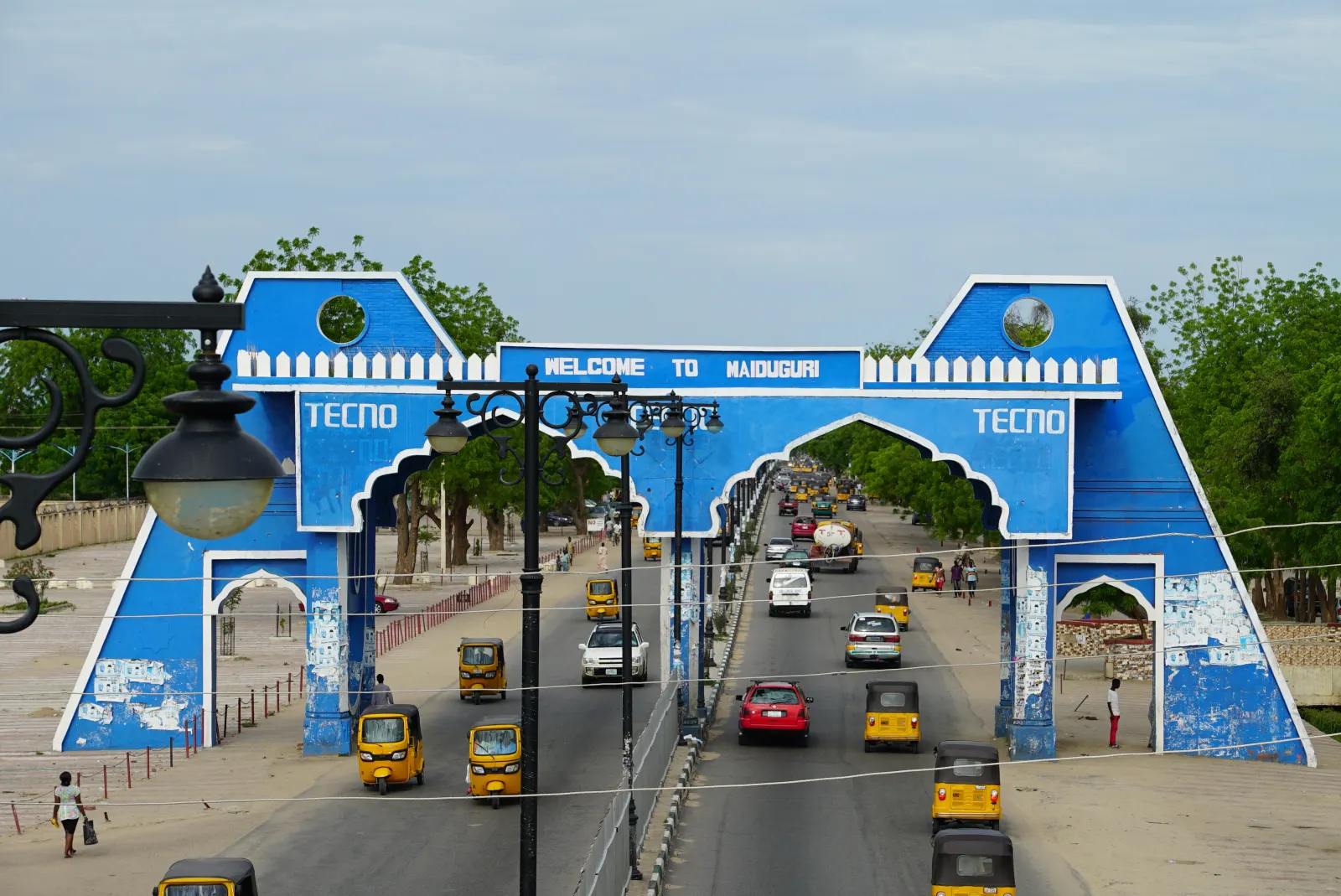 Civil warNigeria's conflicts
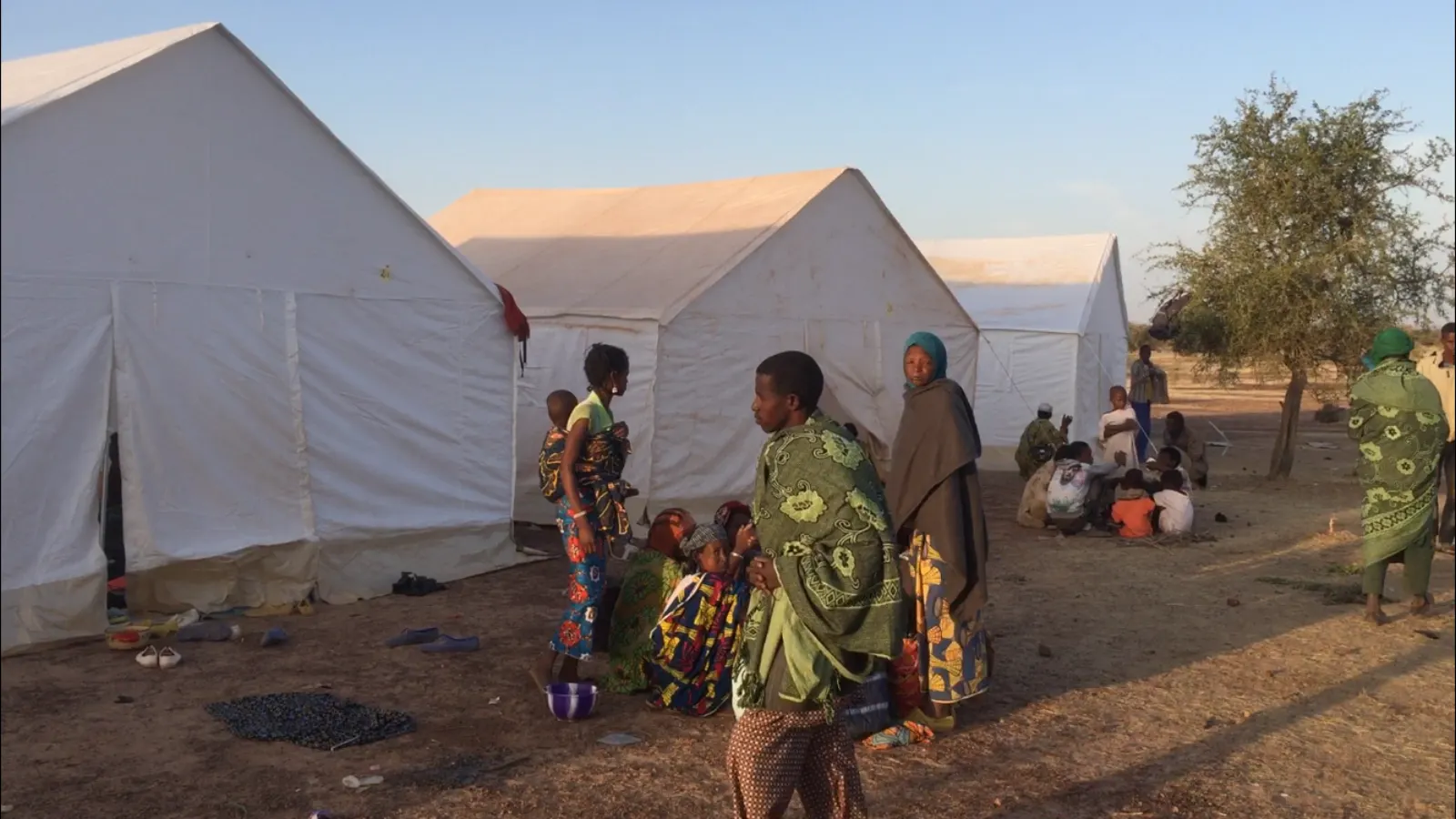 Civil warThe war in the Sahel
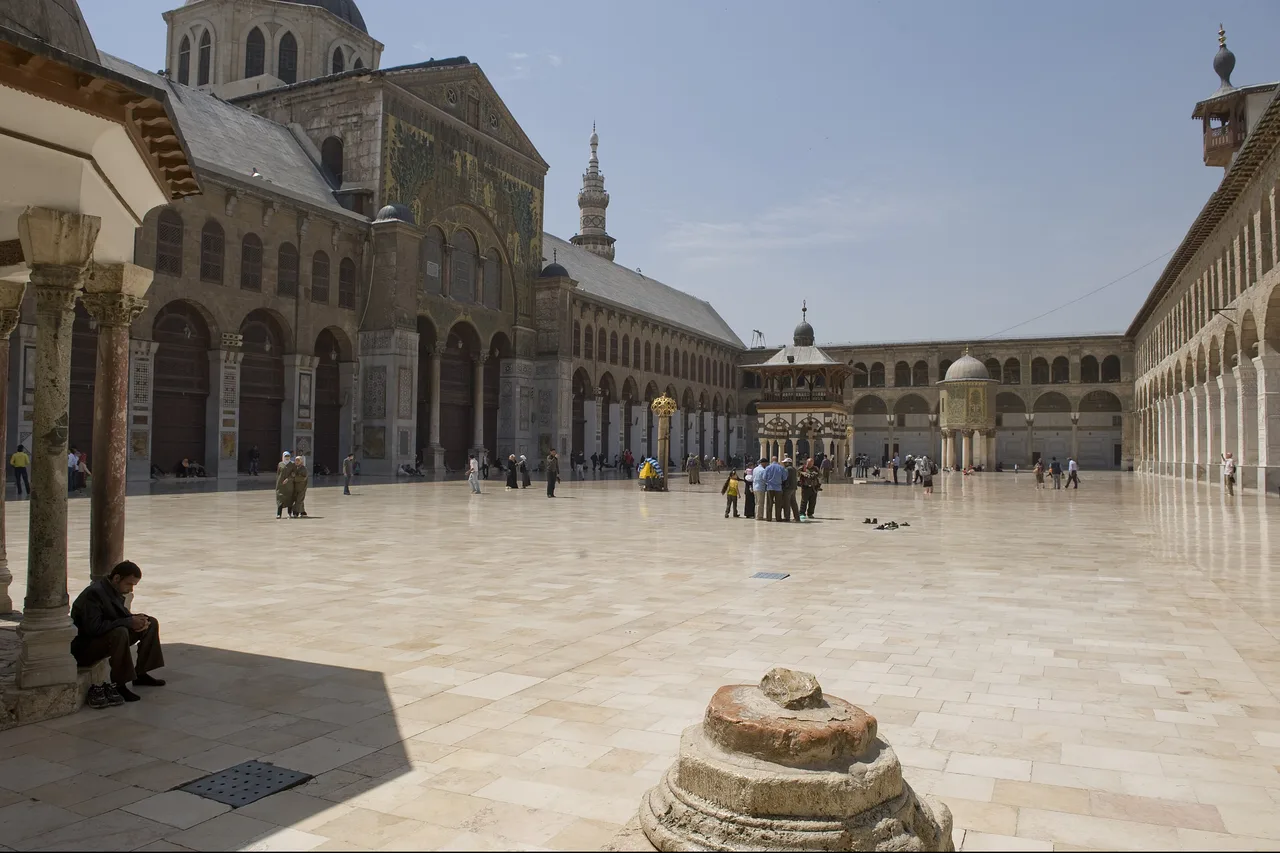 Country profileSyria: allies, enemies and economy
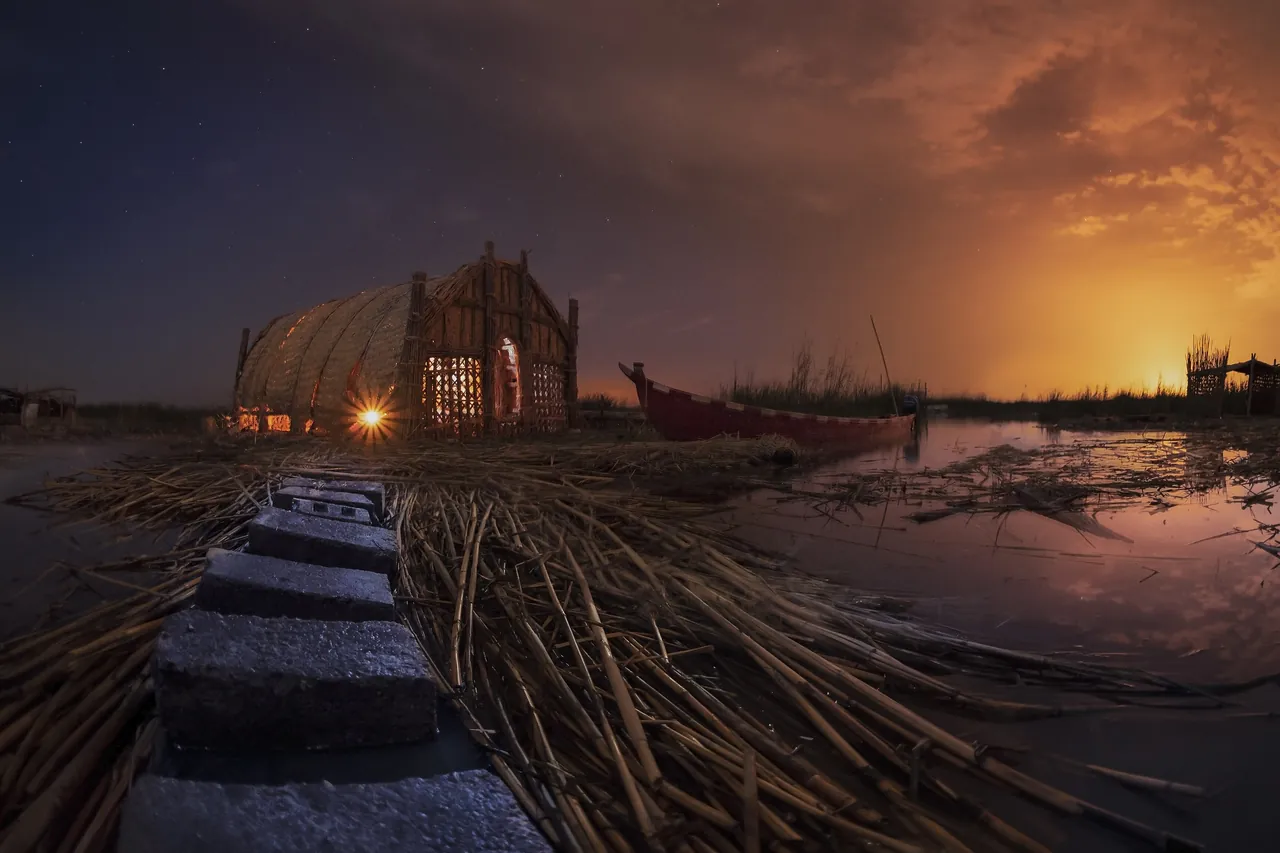 Country profileIraq: allies, enemies and economy
 Country profileAfghanistan: allies, enemies and economy
 ArticleWhat happened to ISIS after the caliphate fell?