
Country profile · East Africa
 Kenya
Kenya
Kenya has about 57.5 million people, and half of them are younger than 20 (UN, 2025). President William Ruto has led the country since September 2022. Paying its debts took 71.2% of the government's revenue in the year to June 2025. Protests against new taxes in June 2024 ended with protesters breaking into parliament.
Where Kenya ranks
All rankings →Which alliances is Kenya in?
All alliances →Who runs Kenya?
President William Ruto has led Kenya since September 13, 2022. He was born on December 21, 1966, in Uasin Gishu County, and he is Kalenjin. As a boy he sold chickens by the roadside, and he campaigned as the candidate of Kenya's "hustlers". He holds a PhD in plant ecology from the University of Nairobi. Ruto was deputy president from 2013 to 2022. The International Criminal Court charged him over the violence after the 2007 election, which killed about 1,100 people. Judges ended the case in 2016 without a verdict, citing interference with witnesses. Ruto beat Raila Odinga in 2022 with 50.49% of the vote. After the 2024 protests he brought Odinga's party, ODM, into his government. Odinga died in India on October 15, 2025, aged 80. The next election is on August 10, 2027. Kenyan presidents may serve two terms, so it is Ruto's last.
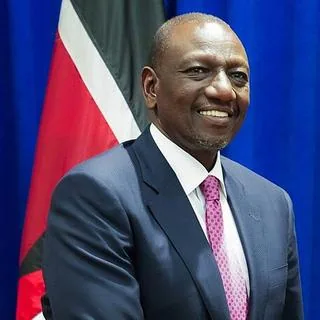
Photo (September 2025): US Department of State, public domain (cropped)
Who are Kenya's allies and rivals?
The United States named Kenya its first major non-NATO ally in sub-Saharan Africa in June 2024. US forces use Camp Simba at Manda Bay on the coast. In 2023 Kenya offered to lead an international police mission against Haiti's gangs, which the United States largely paid for. Up to 730 Kenyan police served there, and the last of them came home in April 2026. Britain ruled Kenya until 1963 and still trains soldiers there. Kenya's parliament has not ratified the agreement that covers this training. China is Kenya's largest source of imports, and since May 2026 China has charged no duty on almost all Kenyan goods. Kenyan troops have fought al-Shabaab in Somalia since 2011. The group killed 67 people at Nairobi's Westgate mall in 2013 and 148 at Garissa University in 2015. Sudan's army government banned Kenyan imports in 2025, after the rival RSF militia signed the charter for its own government in Nairobi.
Allies and partners
 United StatesFirst major non-NATO ally in sub-Saharan Africa
 United KingdomRuled Kenya until 1963; trains troops there
 ChinaLargest source of imports; lent for the railway
 EthiopiaNew defense pact in 2025; shared power line
 UgandaLargest buyer of Kenyan goods
Tensions
- Al-ShabaabKenyan troops have fought it since 2011
 SudanBanned Kenyan imports in 2025 over the RSF
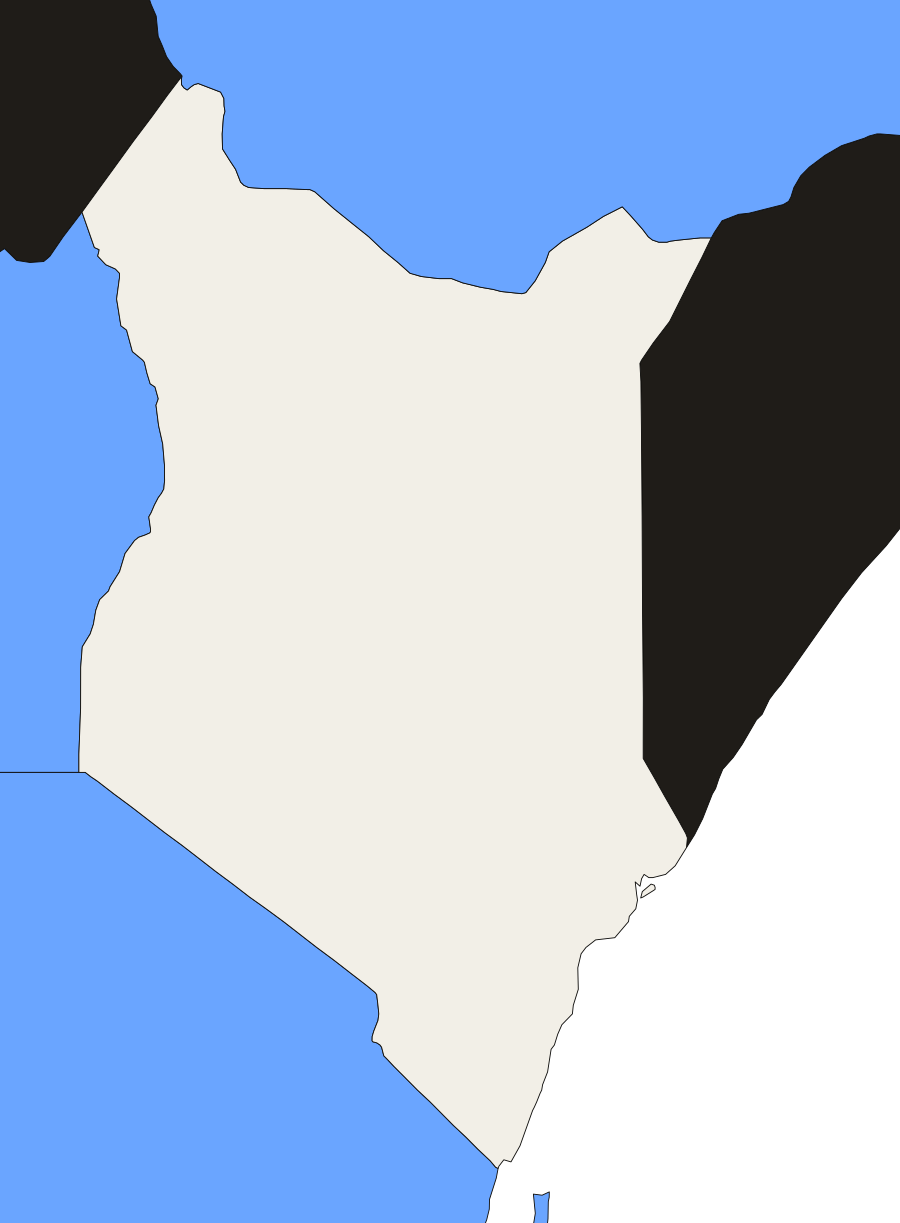
- Port of Mombasa Kenya's main port and the start of the Chinese-built railway to Nairobi.
- Camp Simba, Manda Bay Kenyan naval base used by US forces. Al-Shabaab attacked it in January 2020, killing three Americans.
- Dadaab Camps holding 425,797 refugees on July 31, 2026, most of them from Somalia (UNHCR).
- Kismayo Somali port city. Kenyan troops lead the African Union mission's sector based here.
- Kenya
- Partner
Who does Kenya trade with?
Uganda buys the most from Kenya (chart). It took 14.5% of Kenya's goods exports in 2025, ahead of the United States and the United Arab Emirates. China sold Kenya the most, 23.9% of its imports, ahead of the UAE and India. Kenya sold $8.6 billion of goods in 2025 and bought $21.7 billion (UN Comtrade). Its exports paid for only about 40% of its imports. Fuel is the largest import. Most exports are farm goods. Kenya exports more tea than any other country, 652.8 million kg in 2025, but China and Sri Lanka earn more from their tea. Cut flowers and coffee come next. Money sent home by Kenyans abroad brings in more foreign currency than tea or tourism. It reached $5.04 billion in 2025, and 58% of it came from North America (Central Bank of Kenya). About 82% of Kenyan adults use mobile money, such as Safaricom's M-Pesa.
Sells to
Share of Kenya's exports
- Uganda14.5%
- United States7.1%
 United Arab Emirates7.0%
 Pakistan6.8%
 Netherlands6.2%
Buys from
Share of Kenya's imports
- China23.9%
- United Arab Emirates11.5%
 India10.4%
 Malaysia5.1%
 Japan5.0%
Goods, 2025. UN Comtrade, as reported by Kenya.
Why did protesters storm Kenya's parliament?
The Kenyan government owes about $101 billion, or 70.4% of GDP (National Treasury, June 2026). Debt payments, including repayments, took 71.2% of its revenue in the year to June 2025. The Finance Act 2023 doubled VAT on fuel to 16%. The Finance Bill 2024 first proposed taxes on bread, cars and mobile-money fees. The government dropped those on June 18, 2024, but the protests kept growing. Most protesters were young and organized online. Three in four Kenyans are under 35. On June 25, 2024, parliament passed the bill, and protesters broke into the building. Part of it burned, and police opened fire. At least 60 people were killed in that year's protests (Kenya National Commission on Human Rights). President Ruto withdrew the bill the next day and fired almost his whole cabinet. Protests on the first anniversary in 2025 left 19 dead. On the second anniversary, police arrested more than 350 people.
How much does Kenya owe China?
Kenya owed Chinese lenders $5.37 billion at the end of 2024, the seventh-largest such debt in the world (chart). China is Kenya's largest lender among foreign governments, but Kenya owes more to the World Bank and to its bondholders. Most of the Chinese debt is for a railway. China's Exim Bank lent $5.08 billion for the line from Mombasa to Nairobi, opened in 2017, and on to Naivasha in 2019. In 2025 Kenya switched about $3.5 billion of these loans from dollars to yuan. The National Treasury says the lower interest rate saves about $215 million a year. A letter leaked in 2018 claimed that Kenya had pledged the port of Mombasa as security for the loans. A 2022 Johns Hopkins University review of the contracts found that it had not. Work on extending the railway to the Ugandan border began in March 2026. It is expected to cost about $5.4 billion, and the financing terms have not been published.
Largest debts owed to China, end of 2024
Full ranking →- Pakistan$22.4bn
 Angola$14.4bn
 Sri Lanka$8.7bn
- Ethiopia$7.4bn
 Bangladesh$6.6bn
 Egypt$5.9bn
- Kenya$5.4bn
 Zambia$5.3bn
World Bank International Debt Statistics, 2025 edition