
Overseas Collectivity of France · North Atlantic
Saint Pierre and Miquelon
Self-governingUpdated November 16, 2026
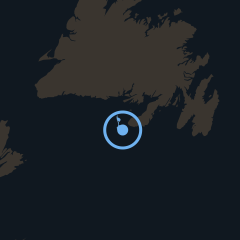
Saint Pierre and Miquelon is a French overseas collectivity in the North Atlantic, about 25 km south of Newfoundland, Canada. France has held the islands continuously since 1816. The archipelago is the last remnant of New France. Its 5,790 residents are French citizens who use the euro and vote in French elections. The economy depends on French government spending, which totaled 114.5 million euros in 2026. The cod fishery collapsed in the 1990s. The village of Miquelon is being moved inland because of coastal erosion.
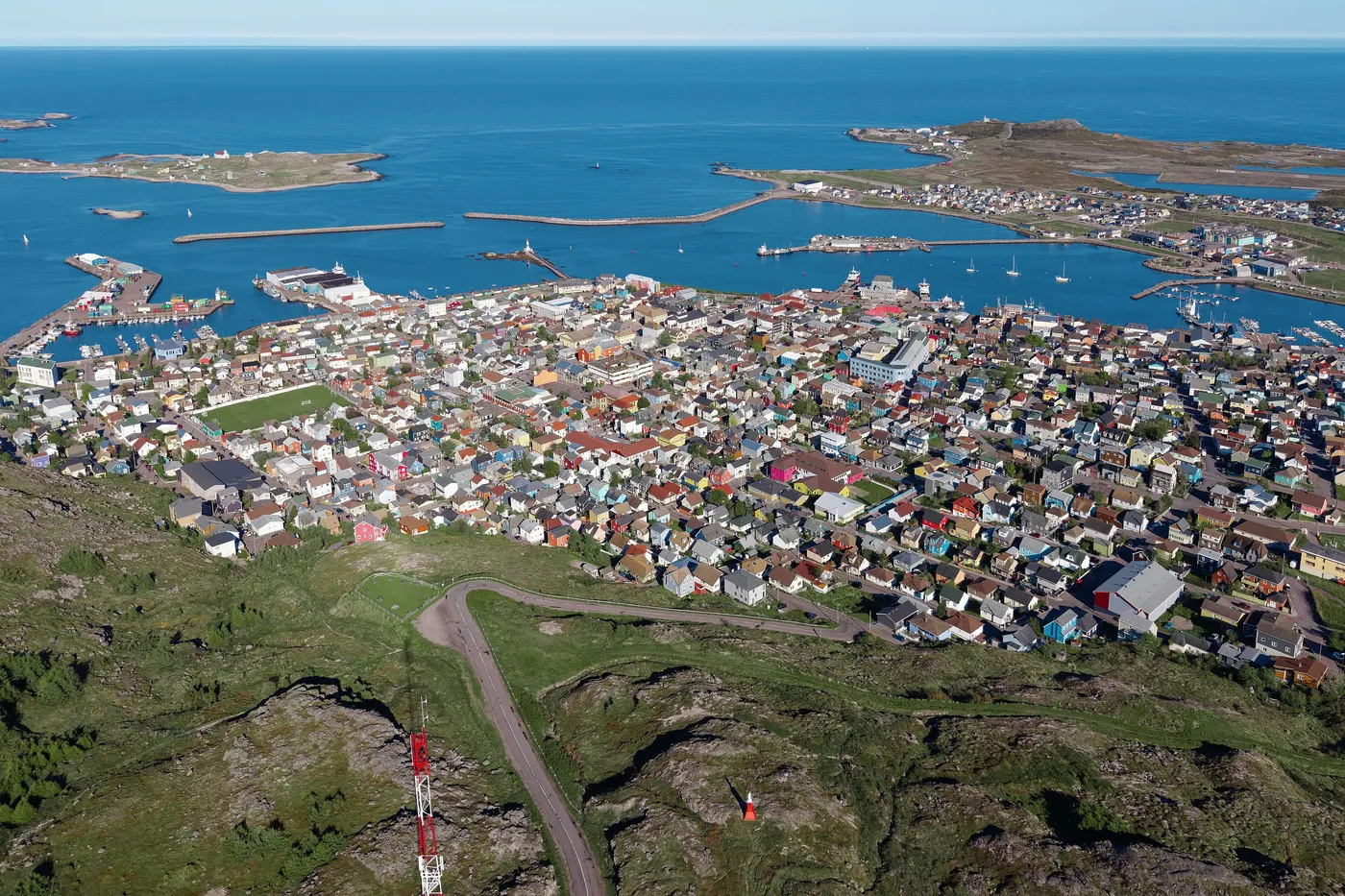
- Capital
- Saint-Pierre
- population 5,223 (2022)
- GDP per person
- €39,778
- 2015, the latest official year
- Visitors (2024)
- 23,705
- a record, mostly Canadians and Americans
- State spending
- €114.5 million
- 2026, about €19,800 per person
- From Paris
- 4,300 km
- as the crow flies
 France
Saint Pierre and Miquelon in 30 seconds
- Saint Pierre and Miquelon is a French overseas collectivity about 25 km south of Newfoundland. It is the last remnant of New France in North America. Its 5,790 residents are French citizens.
- France and Canada have disputed the sea around the islands since 1977. A 1992 arbitration gave France about 12,400 square km of waters, roughly 18% of what it had claimed. France's continental shelf claim, filed in 2014, remains unresolved.
- Industrial cod fishing ended after Canada imposed a moratorium in 1992. Public administration provided about 45% of value added in 2015, the latest year measured. The French government spent 114.5 million euros in the archipelago in 2026.
- The village of Miquelon, about 2 meters above sea level, is being moved 1.5 to 2 km inland. President Macron promised 20 million euros for the relocation during his September 2026 visit, the first by a French president since 2014.
Why is there a piece of France next to Canada?
Saint Pierre and Miquelon is French because France kept the islands after losing the rest of New France. Basque, Breton and Norman fishermen used Saint-Pierre's harbor as a base for the Grand Banks cod grounds starting in the 1500s. Jacques Cartier claimed the islands for France in 1535.
Britain took them in 1713 under the Treaty of Utrecht. France got them back in 1763 under the Treaty of Paris. They were the only territory France kept in North America after that treaty. The islands changed hands several more times during the wars between 1778 and 1815. Britain returned them to France for good on June 22, 1816.
The archipelago is called the last remnant of New France. It sits about 25 km south of Newfoundland. The population is 5,790 people, mostly descended from Basque, Breton, Norman and Acadian settlers.
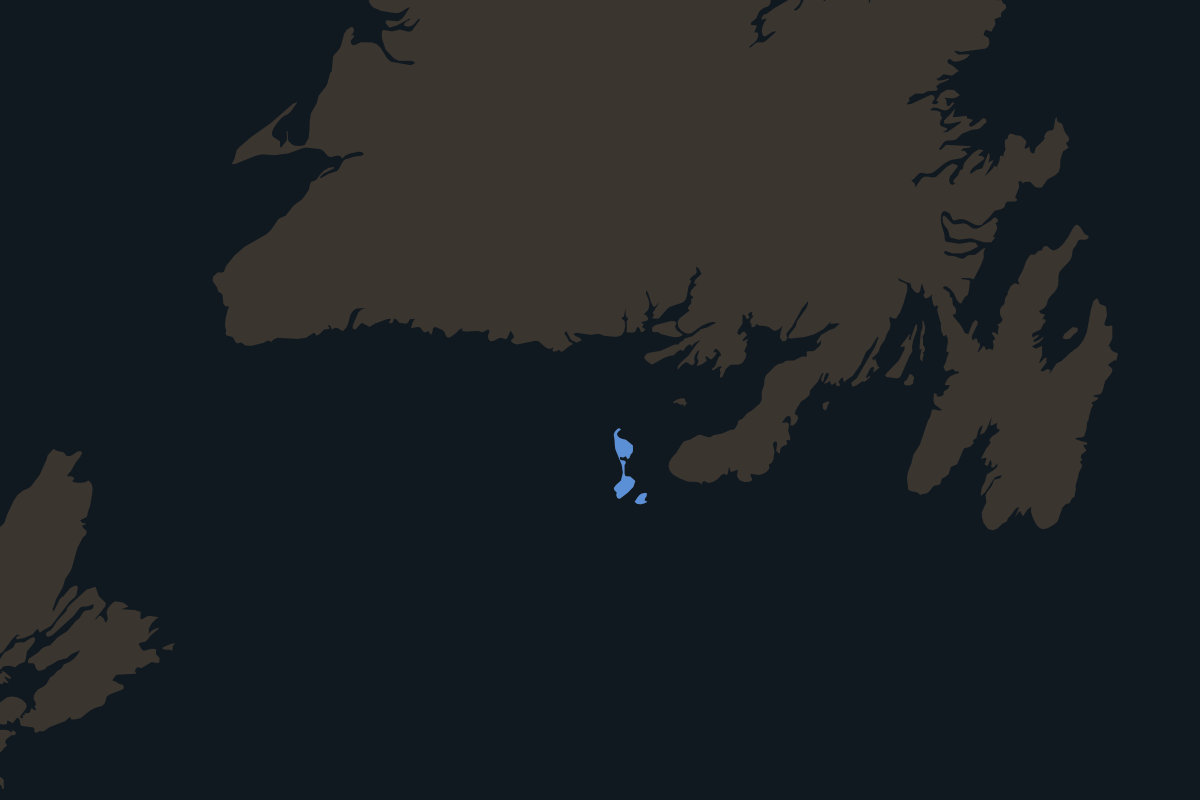 Saint Pierre
and Miquelon Saint-Pierre Miquelon Fortune St. John's NEWFOUNDLAND Cape Breton CANADA Gulf of St. Lawrence Atlantic Ocean
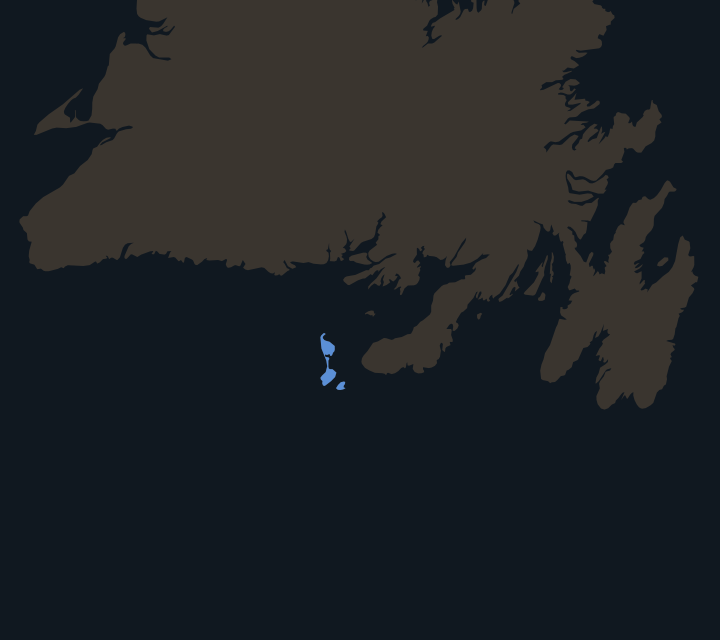 Saint Pierre
and Miquelon Saint-Pierre Miquelon Fortune St. John's NEWFOUNDLAND Atlantic Ocean
How did Saint Pierre and Miquelon stay French?
The islands stayed French because France wanted to keep a base near the Grand Banks fishing grounds. After 1816, the cod trade sustained them. During American Prohibition, from 1920 to 1933, the islands became a warehouse for rum-runners. In 1931, liquor imports equaled 453 gallons per resident. Local historian Jean-Pierre Andrieux said it was “the first time that the colony ever had a surplus budget in their history.”
On December 24, 1941, Free French Admiral Emile Muselier took the islands from the Vichy government without resistance. A plebiscite the next day recorded 783 votes for joining Free France, 14 against. The move went against the wishes of the US, British and Canadian governments. After the war, the islands became a French overseas territory in 1946, an overseas department in 1976, and an overseas collectivity under Article 74 of the French Constitution in 2003.
From Cartier to collectivity
- 1535Jacques Cartier claims the islands for France
- 1713Treaty of Utrecht hands the islands to Britain
- 1763Treaty of Paris returns them to France, its last foothold in North America
- 1816Britain returns the islands to France for good
- 1920US Prohibition turns the islands into a rum-running base
- 1941Free French forces take the islands from Vichy on December 24
- 1992Arbitration ruling limits France's sea zone; Canada's cod moratorium follows
- 2003The islands become an overseas collectivity under Article 74
Why did France and Canada dispute the sea around the islands?
France and Canada both claimed the waters around Saint Pierre and Miquelon after both countries declared 200-mile zones in 1977. The overlap covered tens of thousands of square km of rich fishing grounds on the Grand Banks.
An international tribunal issued its ruling on June 10, 1992. France had claimed about 47,000 to 48,000 square km. The tribunal gave France about 12,400 square km, roughly 18% of what it asked for. The zone includes a narrow corridor about 10.5 nautical miles wide and 188 nautical miles long running south from the islands. By 1996, Canada's zone fully enclosed the French waters.
The dispute is not over. France filed a continental shelf claim in April 2014. Canada objected and asked the UN commission not to consider it. The claim remains blocked. In 2026, President Macron said he hoped for “calm but constructive debates” with Canada on the shelf. In October 2026, Canada's Fisheries Minister Joanne Thompson said Canada does not agree with any foreign snow crab fishing in the area.
1992 arbitration ruling
~18%
of what France claimed
France asked for about 47,000 to 48,000 square km. The tribunal awarded about 12,400 square km, including a narrow corridor running south. The vote was 3-2, with both the French and Canadian arbitrators dissenting.
What happened after the cod fishery closed?
After the cod fishery closed, the public sector became the largest part of the economy. Canada imposed a moratorium in 1992. A 1994 agreement between France and Canada left quotas too low to sustain commercial fishing. Industrial fishing ended. Both fish-processing plants have been idle since 2022. The cod catch in 2024 was just 9 metric tons, against a quota of 241.8 metric tons.
The French government filled the gap. Public administration produced about 45% of value added in 2015. Public administration, education, health and social work provided 49% of jobs in 2021. The French government spent 114.5 million euros in the archipelago in 2026. Unemployment is 3%, which IEDOM describes as full employment. In a January 2024 survey, 82% of employers reported hiring difficulties. The population has been falling since the late 1990s. Deaths have outnumbered births every year since 2016. Tourism set a record of 23,705 foreign visitors in 2024, up from 12,726 in 2014, but the islands have only 162 hotel rooms.
Population trend
Who runs Saint Pierre and Miquelon?
Bernard Briand, of the center-right party Archipel Demain, has been president of the Territorial Council since October 13, 2020. He is a former physical education teacher. His party won 51.78% and 15 of 19 seats in the March 2022 territorial elections. The next territorial election is scheduled for March 14, 2027.
The French government is represented by Prefect Marc Didio, appointed on December 17, 2025. He is a former military officer who became a diplomat and served as ambassador in Bamako, Mali. Deputy Stephane Lenormand, also of Archipel Demain, represents the islands in the National Assembly. He was re-elected in July 2024 with about 62% of the vote. Senator Annick Girardin, a former Overseas minister, was re-elected in September 2025 after a year of ineligibility because her campaign accounts had been rejected.
Residents are French citizens with full voting rights. They vote in presidential, legislative and European elections. The Territorial Council controls local taxes, customs, town planning and housing. There is no VAT. The French government keeps defense, foreign affairs, justice and police.
Why must the village of Miquelon move?
The village of Miquelon must move because it sits about 2 meters above sea level and faces coastal erosion and flooding. The 12 km sand isthmus connecting Miquelon to Langlade is eroding and needs repeated works. The relocation follows an announcement by President François Hollande in 2014. Taking part is voluntary.
The plan calls for about 600 people and 340 houses to move 1.5 to 2 km inland, to sites at least 10 meters above sea level. The move is divided into 5 phases over about 50 to 75 years. Half the population is targeted by 2033. The first plots went on sale in October 2024. About 10 houses were under construction by September 2026.
President Macron visited in September 2026 and promised 20 million euros for 60 plots and the village center. He called it “an example for many nations.” Some residents contest the plan. The new site includes a peat bog. According to La Presse, the mayor of Miquelon has estimated the house buy-back alone at about 70 million euros.
Miquelon relocation
~600
people to move inland
About 340 houses will be relocated 1.5 to 2 km inland, at least 10 meters above sea level. The move is planned in 5 phases over 50 to 75 years. Half the population is targeted by 2033.
Why does Saint Pierre and Miquelon matter?
France's last foothold in North America
The islands are the only remaining piece of New France. President Macron visited in September 2026 after US President Donald Trump posted a map putting the islands under the US flag. Macron said their status as French territory was self-evident.
The sea zone and the shelf
France holds about 12,400 square km of waters around the islands. France's continental shelf claim, filed in 2014, is blocked by Canada's objection. Snow crab fishing rights remain disputed.
Space and data infrastructure
The islands host the only Galileo satellite-navigation station in North America. France installed a CNES antenna for tracking Ariane 6 launches in 2024. A submarine cable from Brittany to New York via Saint-Pierre is planned.
A village moving inland
Miquelon is France's first whole village to be moved inland because of rising seas and coastal erosion. President Macron called it “an example for many nations.”
Questions about Saint Pierre and Miquelon
What currency does Saint Pierre and Miquelon use?
The euro. Saint Pierre and Miquelon and Saint Barthelemy are the only EU overseas countries and territories that use the euro.
Do you need a visa to visit Saint Pierre and Miquelon?
It depends on your nationality. The islands are French territory. They are outside the Schengen area and have their own entry rules. There is a ferry from Fortune, Newfoundland, that takes about 1.5 hours. Air Saint-Pierre flies to Halifax, Montreal and St. John's.
What language do they speak in Saint Pierre and Miquelon?
French. The settlers were Basques, Bretons and Normans, later joined by Acadians. A Basque festival with traditional strength contests is held each August.
Is Saint Pierre and Miquelon in the EU?
No. It is one of the EU's Overseas Countries and Territories. Residents are EU citizens. It sits outside the EU customs territory. The territory sets its own customs duties and has no VAT.
How many people live in Saint Pierre and Miquelon?
About 5,790 as of January 2023, the latest official figure from INSEE. The population has been falling since the late 1990s. Deaths have outnumbered births every year since 2016.
Did Al Capone visit Saint Pierre and Miquelon?
Maybe. During Prohibition the islands were a major waypoint for rum-runners. Local historian Jean-Pierre Andrieux says Capone visited the Hotel Robert and gave his straw hat to Andrieux's grandfather. The hat is displayed there. The story is a family legend. No document confirms the visit.
Other territories of France
All territories → French GuianaEurope's spaceport at Kourou launches Ariane rockets; over 95% of the land is Amazon rainforest.Part of the country
 GuadeloupeIn 2009 a 44-day general strike over the cost of living shut Guadeloupe down and spread to Martinique.Part of the country
 MartiniqueThe banned pesticide chlordecone, used on banana farms until 1993, is found in the blood of 85.5% of adults.Part of the country
 RéunionFrance's most populous overseas region, home to Piton de la Fournaise, one of the world's most active volcanoes.Part of the country
 MayotteVoted to stay French when the rest of the Comoros chose independence; the Comoros still claim it.Part of the country
 French PolynesiaFrance carried out 193 nuclear tests at Moruroa and Fangataufa atolls from 1966 to 1996.Self-governing
 New CaledoniaVoted three times (2018-2021) to stay French, the third vote boycotted; riots in 2024 left 14 dead.Self-governing
 Wallis and FutunaThree customary kings still reign inside the French Republic and are paid allowances by the French state.Run by an administrator