
Country profile · Levant
 Lebanon
Lebanon has about 5.8 million people (UN, 2025). President Joseph Aoun has led the country since January 2025. Hezbollah drew Lebanon into war with Israel on March 2, 2026. The Health Ministry counts 4,387 killed by October 11, 2026. Israeli troops hold a strip of the south. Lebanon hosts more refugees per person than any other country.
Where Lebanon ranks
All rankings →Who runs Lebanon?
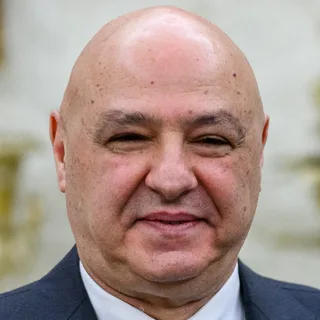
President Joseph Aoun was born on January 10, 1964, in Sin el Fil, a suburb of Beirut. He joined the army and was its commander from March 2017. Parliament elected him president on January 9, 2025, with 99 of 128 votes. Hezbollah and its ally Amal backed him on the second ballot, after the post had been empty for 26 months. Presidents serve one six-year term. Prime Minister Nawaf Salam, a former president of the International Court of Justice, has led the government since February 2025. Nabih Berri of Amal has been speaker of parliament since 1992. Lebanon recognizes 18 religious sects. By custom the president is a Maronite Christian, the prime minister a Sunni Muslim and the speaker a Shia Muslim. The law splits parliament's 128 seats between Christians and Muslims (chart). No census has been taken since 1932. In March 2026 parliament extended its own term by two years, to May 2028, because of the war.
- Christian seats (Maronite 34, Greek Orthodox 14, others 16) 64
- Sunni and Shia Muslim seats (27 each) 54
- Druze (8) and Alawite (2) seats 10
Photo (July 2026): The White House, Wikimedia Commons, public domain (cropped)
Who are Lebanon's allies and rivals?
Lebanon and Israel have never signed a peace treaty. After US and Israeli strikes killed Iran's Supreme Leader on February 28, 2026, Hezbollah fired on Israel on March 2. Israeli troops invaded the south and crossed the Litani River in places. A ceasefire began on April 16. On June 26, 2026, Lebanon and Israel signed a framework brokered by the United States. Israel is to withdraw step by step as the Lebanese army takes over and Hezbollah is disarmed. Israel still holds a zone about 10 km deep, and its strikes continue. Iran is Hezbollah's patron. In March 2026 the Lebanese government banned Iran's Revolutionary Guards and declared Iran's new ambassador unwelcome. The United States funds the Lebanese army, and President Aoun met President Trump at the White House on July 21, 2026. Saudi Arabia lifted its ban on Lebanese goods in June 2026. Qatar pays for army fuel. Syria's new government signed border and prisoner deals with Lebanon.
Allies and partners
 United StatesBrokered the 2026 truce and framework; funds army
 FranceFormer ruler; leads aid to the army
 Saudi ArabiaLifted its import ban in June 2026
 QatarPays for army fuel and power projects
 SyriaBorder and prisoner deals with new government


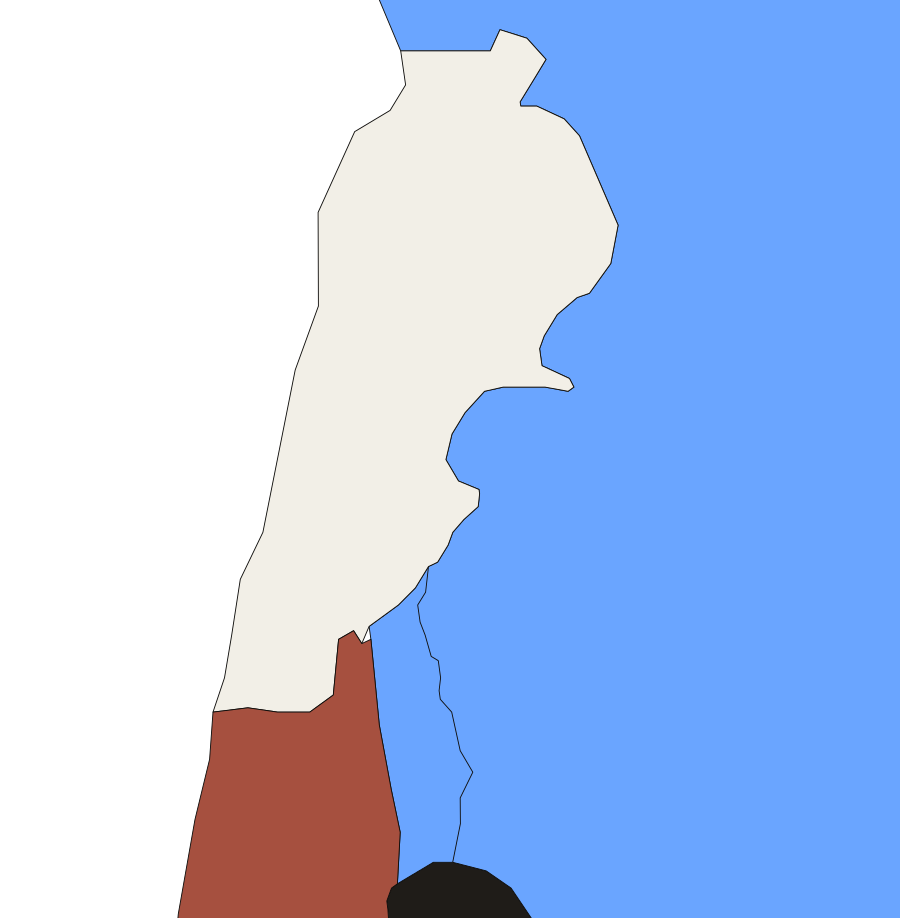
- Port of Beirut 2,750 tonnes of ammonium nitrate exploded on August 4, 2020, killing 218 people. No one has been indicted.
- Nabatieh Israeli troops reached the edge of this city in 2026. Israel holds a zone about 10 km deep along the border.
- Naqoura Headquarters of UNIFIL, the UN force in the south since 1978. About 7,500 troops. Its mandate ends December 31, 2026.
- Shebaa Farms Held by Israel since 1967. Lebanon claims it. The UN treats it as Syrian.
- Lebanon
- Partner
- Rival
Who does Lebanon trade with?
Lebanon buys far more than it sells. In 2024 it imported $17.3 billion of goods and exported $4.3 billion. Fuel is a quarter of imports. Gold moves in both directions, which is why the UAE and Switzerland rank high (chart). The economy collapsed in 2019. It shrank from $54.9 billion in 2018 to $20.1 billion in 2023 (World Bank). On March 7, 2020, Lebanon failed to repay its foreign debt for the first time. The Lebanese pound was fixed at 1,507.5 to the dollar from 1997 and now trades at about 89,500. Banks froze savers' dollar deposits, and savers can still take out at most $1,000 a month. Lebanese abroad sent home $5.8 billion in 2024 (World Bank). The World Bank expects the economy to shrink 6.4% in 2026 because of the war. Lebanon still has no IMF loan program. It holds 286.8 tonnes of gold, which a 1986 law forbids the central bank to sell.
Sells to
Share of Lebanon's exports
 United Arab Emirates24.1%
- United States5.3%
 Egypt5.0%
 Iraq4.8%
 Turkey4.6%


 Switzerland
Goods, 2024. UN Comtrade, as reported by Lebanon. Not shown: 6.7% of exports went to free zones.
Is Hezbollah being disarmed?
Only partly, and the process has stalled. Hezbollah is a Shia party and militia, set up in 1982 with help from Iran's Revolutionary Guards. Israel killed its leader Hassan Nasrallah on September 27, 2024, and Naim Qassem has led it since that October. In August 2025 the Lebanese cabinet decided that only the state should hold weapons. On January 8, 2026, the army said phase one, south of the Litani River, was complete. Phase two never started. Hezbollah joined the Iran war on March 2, 2026, and the cabinet banned all its military activity the same day. Hezbollah rejects the June 26 framework with Israel. Its leaders say they will discuss their weapons only after Israel leaves. In October 2026 the army seized about 780 kg of explosives on the road from the Bekaa Valley to Beirut. A Hezbollah member of parliament said they belonged to Hezbollah and asked for them back.
Why does Lebanon host so many refugees?
Lebanon has 91.5 refugees for every 1,000 people, more than any other country (chart). Most are Syrians who fled the civil war that began in 2011. At the end of 2025 the government estimated that 1.12 million Syrians lived in Lebanon, and 532,400 were registered with UNHCR. Lebanon stopped new registrations in 2015. About 733,000 Syrians went home from Lebanon between the fall of Assad in December 2024 and October 1, 2026 (UNHCR). Palestinians are counted separately. About 490,000 are registered with UNRWA, the UN agency for Palestinian refugees, and about 222,000 actually live in Lebanon, many in 12 camps. Some families have been there since 1948. The 2026 war also displaced more than a million Lebanese inside their own country. On September 29, 2026, 329,686 were still away from home (IOM). About one person in four living in Lebanon was born abroad (UN, 2024).
Refugees per 1,000 people, end of 2025
Full ranking →
 Chad
Chad Mauritania
 Moldova
UNHCR Refugee Population Statistics Database