Armed group · Gaza and the West Bank · Iran’s network
Palestinian Islamic Jihad (PIJ)
Gaza ceasefire, rejects disarmamentUpdated November 13, 2026
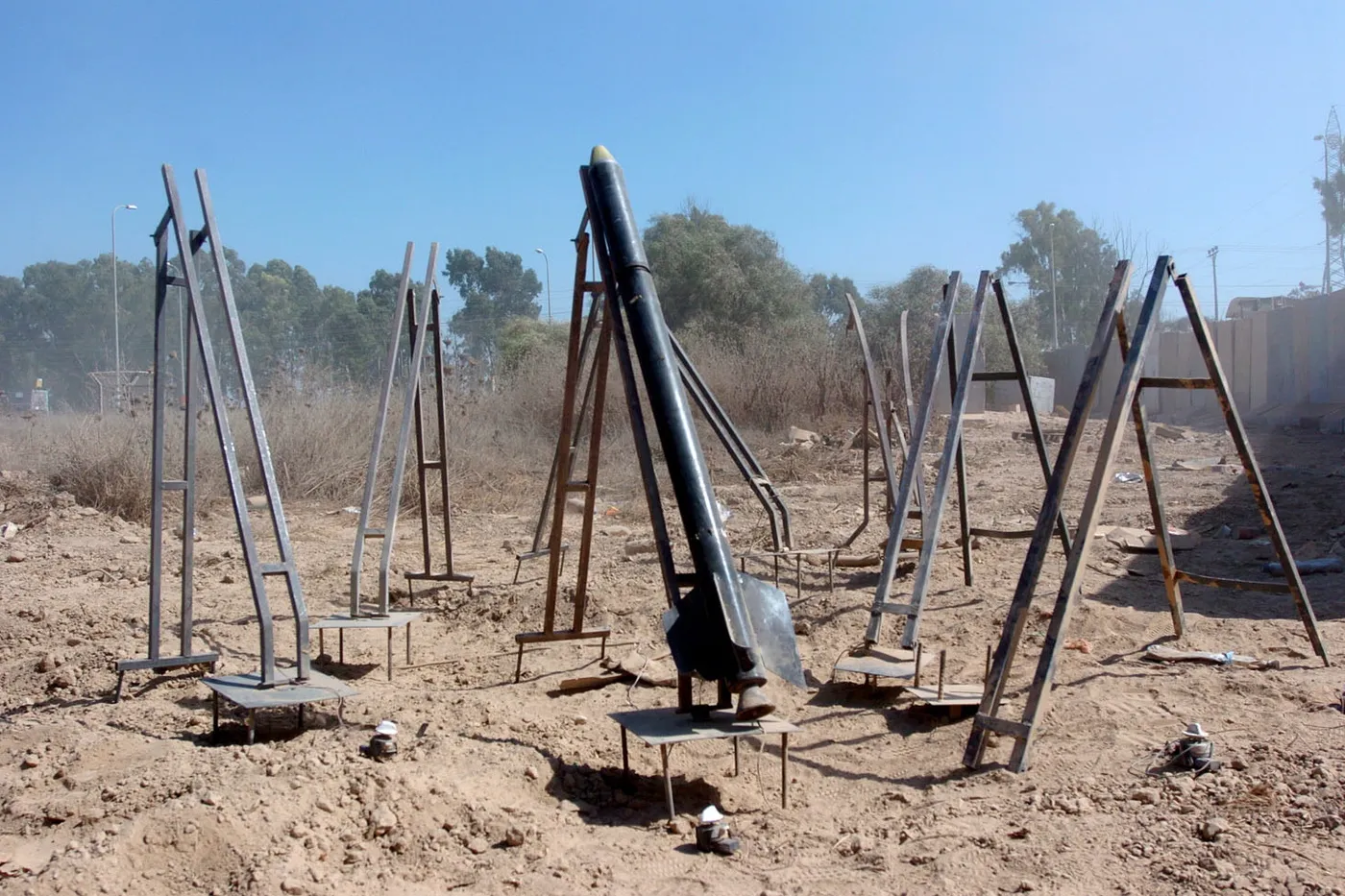
Palestinian Islamic Jihad is a Sunni Islamist armed group founded in Gaza in 1981. It is the second-largest armed faction in the Gaza Strip after Hamas. Its founders were inspired by Iran's 1979 revolution, and it remains closely tied to Iran's government. Iran funds it through the IRGC Quds Force with tens of millions of dollars a year, according to Israel. It holds no territory of its own but fights inside Hamas-held western Gaza and runs cells in northern West Bank refugee camps. Its arsenal includes rockets that can reach Tel Aviv, anti-tank missiles, and small arms.
- Leader
- Ziyad al-Nakhalah
- secretary-general since 2018
- Fighters
- About 4,000
- US estimate; others vary widely
- Holds
- No territory
- fights inside Hamas-held Gaza
- Main backer
 Iran
- via the IRGC Quds Force
- Founded
- 1981
- in Gaza (US intelligence says 1979)
Who funds Palestinian Islamic Jihad?
Iran is by far the largest source. The group has no tax base and no government.
- From abroad
- Iran (IRGC Quds Force)The US Treasury said in 2023 that Iran transferred "hundreds of millions of dollars" to Hamas and Palestinian Islamic Jihad combined, plus weapons and training. Israel said in 2022 that Iran gives the group tens of millions of dollars a year.
 HezbollahThe US Office of the Director of National Intelligence lists Hezbollah as a supporter. No dollar figure is public.
 Syria (ended)Syria hosted the group's headquarters in Damascus from 1989 to 2024. That support ended when the Assad government fell in December 2024.
- At home
- CryptocurrencyIn July 2023 Israel ordered the seizure of 26 crypto wallets and 67 exchange accounts linked to the group, targeting more than $93.7 million in assets. How much belonged to the group itself is unclear.
- Gaza money changersThe US Treasury sanctioned Al-Markaziya and Herzallah Exchange in January 2024. It said Al-Markaziya moved tens of millions of dollars from the IRGC Quds Force to Hamas and the group. It said Herzallah laundered money for both.
- Muhjat al-Quds FoundationIt is a welfare arm that supports families of fighters and prisoners. The US Treasury said Iran funds it. Treasury designated it in November 2023.
Islamic Jihad
Harakat al-Jihad al-Islami fi Filastin
The money pays for rockets, fighters and the families of prisoners. Unlike Hamas, the group has never governed Gaza and collects no taxes, customs duties or crossing fees. It depends almost entirely on Iranian funding.
No official budget figure exists. Estimates range from tens of millions of dollars a year (Israel, 2022) to about $70 million (reported by Al-Monitor in 2019). The US State Department's terrorism report for 2022 said that Iran gives up to $100 million a year to Hamas, the group and the PFLP-GC combined.
ConfirmedReported, denied
Where does Palestinian Islamic Jihad operate?
It holds no territory of its own. It fights inside Hamas-held western Gaza and runs cells in the northern West Bank. Its leaders live abroad, in Beirut and Tehran.
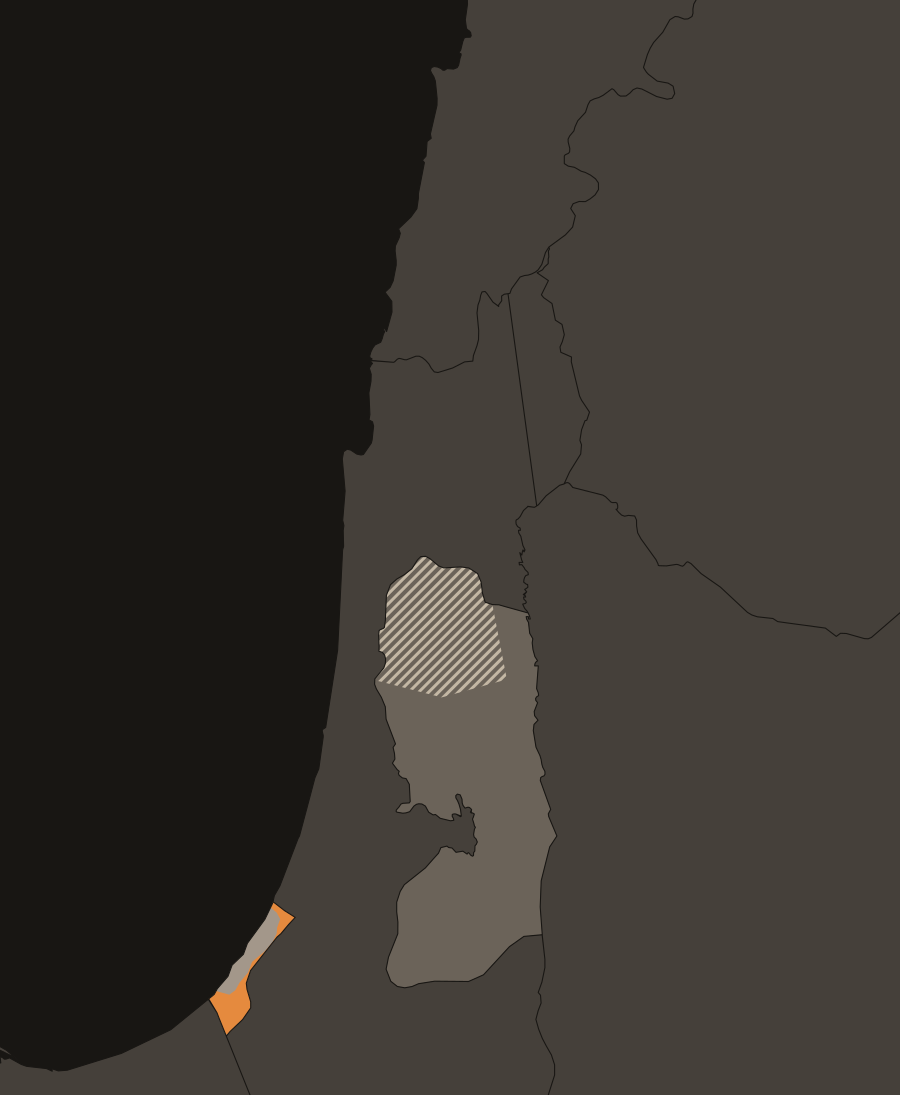
Western Gaza, where its fighters operateHeld by Israel, east of the Yellow LineNorthern West Bank campsIslamic Jihad holds no territory of its own. Its leaders live abroad, in Beirut and Tehran. The Yellow Line in Gaza is approximate and moves.
- Gaza CityGaza City BrigadeThe group's Gaza City Brigade operates in the western half of the city. The eastern districts are held by Israel. The IDF said it killed the head of the group's engineering unit in Gaza on June 6, 2026.
- Khan YounisKhan Younis BrigadeThe group runs a Khan Younis Brigade in the area. The IDF said it killed its commander on June 19, 2026.
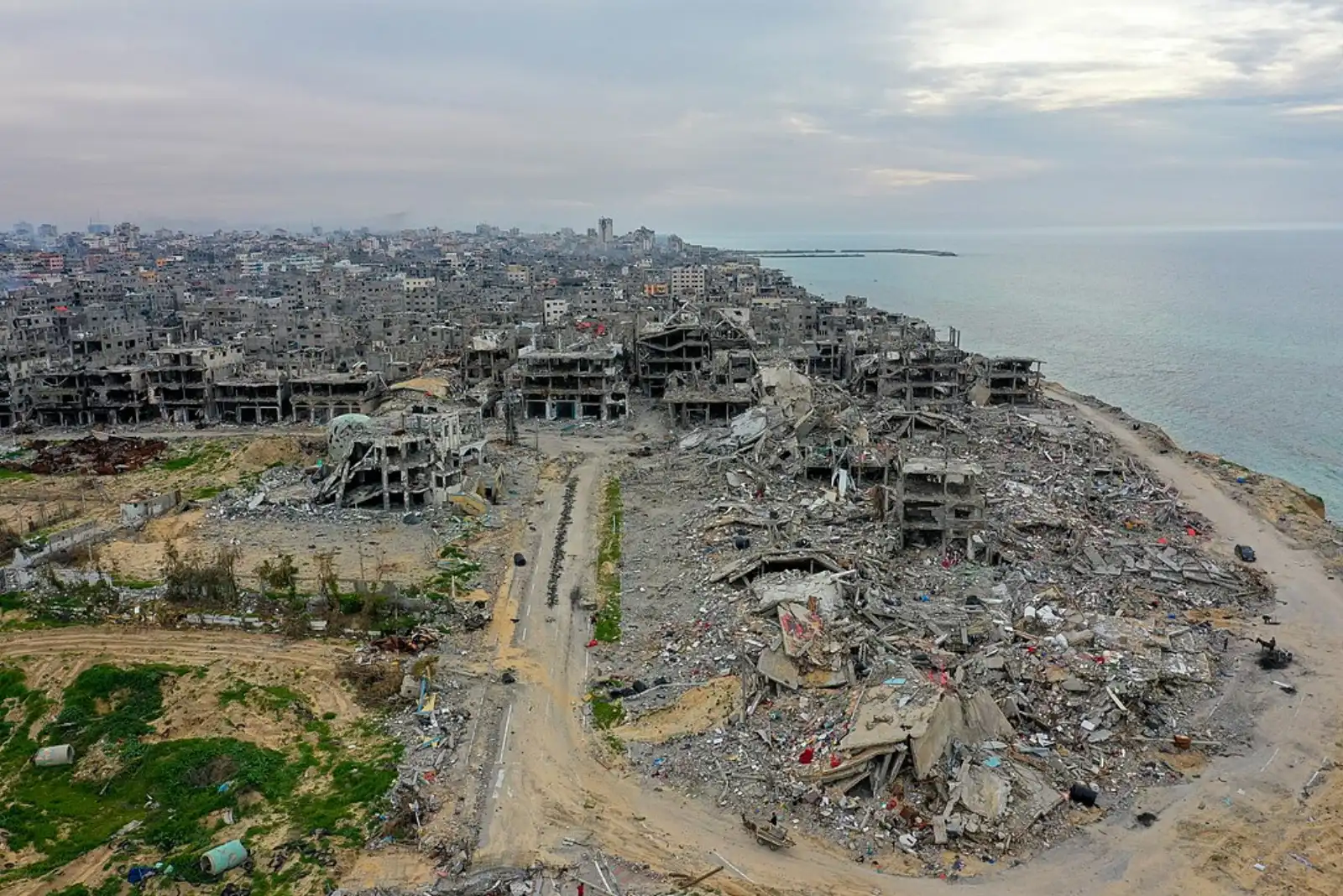
- Jenin campJenin BrigadeThe group formed a Jenin Brigade in 2021. Israel launched Operation Iron Wall here on January 21, 2025. By October 2025 the UN said 52% of the camp's structures were destroyed or damaged.
- Tulkarm campTulkarm BrigadeThe group has a Tulkarm Brigade based in the camp. Israel extended Iron Wall to Tulkarm by January 29, 2025. The camp was emptied and Israeli closure orders were renewed into 2026.
- BeirutLeadersThe group's political leadership has offices here. The current location of secretary-general Ziyad al-Nakhalah is not confirmed. On February 15, 2026, an Israeli strike near Majdal Anjar in Lebanon targeted the group and killed 4 people.
- DamascusFormer baseThe group's headquarters from 1989 to 2024. In March 2025 Israel struck what the IDF called a command center here. In April 2025 the new Syrian authorities detained two senior members.
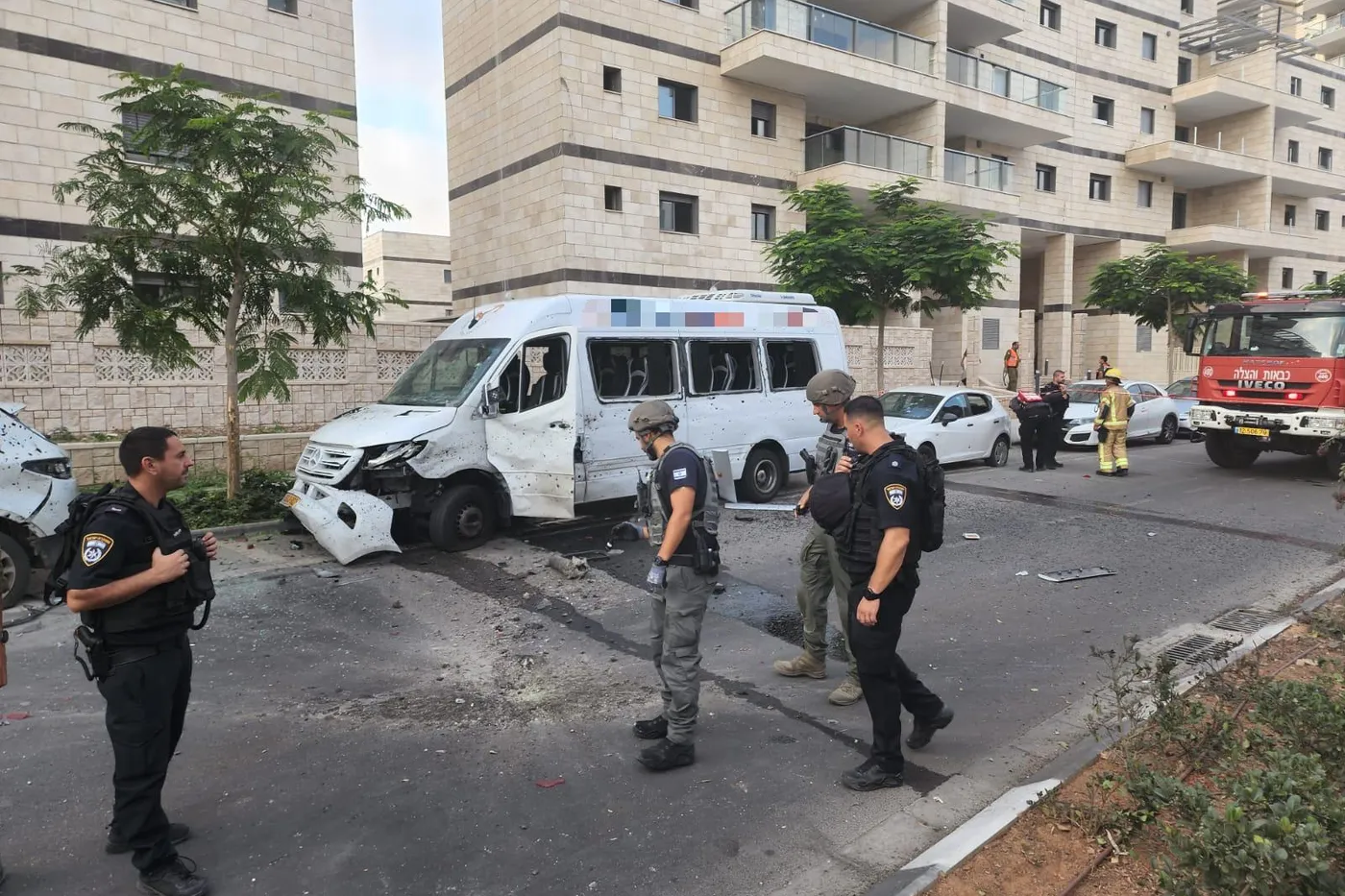
- AshkelonIsraelA rocket fired by the group from Gaza hit a street here on August 6, 2022, during Operation Breaking Dawn.
What weapons does Palestinian Islamic Jihad have?
Rockets that can reach central Israel, anti-tank missiles, and small arms. Iran helped build the arsenal.
Israel estimated a range of about 40 km in 2021. The group claims 160 km. The range is disputed.
Israel estimated a range of 70-80 km in 2021.
Israel said in 2021 that the group had a very small number with a range over 100 km.
Standard short-range rockets. Israeli sources in 2021 gave a range of up to about 40 km.
Distances from Gaza City. Ranges are the longest reported for each kind of weapon.
Anti-tank missiles
9K111 Fagot · Soviet design
Shown in the group's own imagery. The IDF said it killed the head of the group's anti-tank unit in northern Gaza on June 6, 2026.
MANPADS and sniper rifles
Misagh MANPADS, AM-50 Sayyad · Iranian
Iranian-made anti-aircraft missiles and anti-materiel rifles were seen in exercises, according to the Combating Terrorism Center at West Point.
Small arms and IEDs
AK-pattern rifles, improvised explosives · Various
Standard infantry weapons. In the West Bank the group uses improvised explosive devices. The IDF found an explosives lab in Tulkarm.
- Rockets in November 2019
- About 450
- fired in 48 hours (IDF count, Gaza-wide)
- Rockets in August 2022
- About 1,100
- fired in 3 days (ITIC count, Gaza-wide)
- Rockets in May 2023
- 1,469
- rockets and mortars (ITIC count, Gaza-wide)
Is Palestinian Islamic Jihad a terrorist group?
The United States, the European Union, the United Kingdom, Canada, Australia, Japan and New Zealand all list it. No UN sanctions regime covers it, and Russia has hosted its leaders for talks.
 United StatesForeign Terrorist Organization since October 1997
 European UnionOn the EU terrorist list since 2002
 United KingdomProscribed since March 2001
 CanadaListed since November 27, 2002, under the Criminal Code. Last reviewed June 4, 2026.
 AustraliaListed since May 3, 2004, under the Criminal Code.
 JapanAsset freeze since July 5, 2002.
 New ZealandListed since October 11, 2010, under the Terrorism Suppression Act.
- UN Security CouncilNot listed
 RussiaNot listed
 ChinaNot listed
How is Islamic Jihad different from Hamas?
Palestinian Islamic Jihad is smaller than Hamas, is more closely tied to Iran, and has never governed Gaza. Both are Sunni Islamist groups that fight Israel from Gaza.
The group was founded in 1981 by Fathi Shaqaqi, a physician inspired by Iran's 1979 revolution. That makes it the first Sunni Palestinian group tied to Shia Iran. It has closer ideological ties to Iran's government than Hamas does. The Combating Terrorism Center at West Point calls it Iran's main Palestinian proxy.
Unlike Hamas, the group has never governed Gaza. It boycotts Palestinian elections, rejected the Oslo Accords, runs no civil services and collects no taxes. It depends almost entirely on Iranian money. Hamas built a government. The US Treasury said Hamas also built an investment portfolio worth hundreds of millions of dollars.
The two groups coordinate through a Joint Operations Room that has existed since 2006. They opened a joint operations room in Beirut in September 2023, before the October 7 attack. But from 2019 to 2023, the group fought Israel in three rounds of rocket fire while Hamas formally stayed out.
Who leads Palestinian Islamic Jihad?
Ziyad al-Nakhalah has led the group as secretary-general since September 2018. He was re-elected in March 2023. He is close to Iran and called it the "home of the resistance" in a visit to Tehran in February 2025. In March 2025 Israel struck a building in Damascus that the IDF called a command center. A group member told the Associated Press it was Nakhalah's empty apartment and that he was not in Syria.
His deputy is Muhammad al-Hindi, who was on the team that signed the October 2025 Gaza ceasefire. The US designated al-Hindi a Specially Designated Global Terrorist in 2019. In October 2025 he said Hamas and the group "never agreed on disarmament. This issue has not even been discussed!"
Akram al-Ajouri heads the Al-Quds Brigades, the group's armed wing. In November 2019 an Israeli strike in Damascus killed his son Moaz but missed him. In mid-March 2026, Israeli media reported he was killed in a strike in Qom, Iran. Three sources within the group said he survived. His status is disputed.
The group has lost many commanders. The IDF said it killed 21 senior figures in the six months to September 2025. In 2026 it said it killed more commanders in Gaza, including the heads of the group's engineering unit, its northern Gaza anti-tank unit, its Khan Younis Brigade and its Central Gaza Brigade.
The leadership
- Secretary-generalZiyad al-Nakhalah. Since September 2018. Called Iran the "home of the resistance" in Tehran in February 2025.
- Deputy secretary-generalMuhammad al-Hindi. Since 2018. On the team that signed the October 2025 ceasefire. US-designated since 2019.
- Military chiefAkram al-Ajouri. Heads the Al-Quds Brigades. Survived a 2019 Israeli strike in Damascus that killed his son. His status after a March 2026 strike in Qom is disputed.
- FounderFathi Shaqaqi. Physician from Rafah. Led the group from 1981 until his assassination in Malta on October 26, 1995.
- Secretary-general 1995-2018Ramadan Shallah. Took over after Shaqaqi's death. Died on June 6, 2020, after more than three years in a coma.
What was Islamic Jihad's role on October 7, 2023?
The group's fighters took part in the Hamas-led attack on Israel on October 7, 2023. The attack killed almost 1,200 people and 251 were taken hostage, according to Israeli figures. The group claimed to hold more than 30 hostages.
Several hostages held by the group were released or recovered during the war and ceasefire. Hanna Katzir was freed on November 24, 2023, after the group had falsely announced her death. Her son Elad Katzir was killed in captivity around January 2024. His body was recovered on April 6, 2024. Arbel Yehud and Gadi Moses were freed on January 30, 2025. Sasha Troufanov was freed on February 15, 2025. Rom Braslavski, the last living hostage the group held, was freed on October 13, 2025.
The Gaza ceasefire took effect in October 2025. Under a disarmament roadmap announced by the Board of Peace on July 30, 2026, armed groups would hand over their weapons over eight months. Hamas accepted. The Saudi outlet Al-Hadath reported the group agreed too, but the group denied it and said it had "reservations." Al-Hindi said in October 2025 that disarmament was never discussed. Israel rejected the roadmap.
Hostages
30+
Hostages the group claimed to hold after October 7
The group claimed to hold more than 30 of the 251 people taken hostage. Five living hostages held by the group were freed between November 2023 and October 2025. One was killed in captivity.
What caused the al-Ahli hospital explosion?
The cause is disputed. On October 17, 2023, an explosion in the courtyard of al-Ahli Arab Hospital in Gaza City killed a large number of people. Gaza's Ministry of Health said 471 people were killed. US intelligence put the toll at the low end of 100 to 300.
The Israel Defense Forces said a misfired rocket from Palestinian Islamic Jihad caused the blast. French military intelligence said a misfired Palestinian rocket with a charge of about 5 kilograms was the likely cause. US intelligence said Israel was "not responsible." Human Rights Watch said in November 2023 that the explosion was "most likely" caused by a rocket "commonly used by Palestinian armed groups" and that an Israeli air-dropped bomb was "highly unlikely." It said it could not determine who launched the rocket.
Palestinian Islamic Jihad denied responsibility. Hamas and more than 30 Palestinian organizations rejected the Human Rights Watch report.
Findings on the al-Ahli hospital explosion
- Gaza Ministry of Health471 killed
- US intelligence100-300 killed; Israel "not responsible"
- French military intelligenceLikely a misfired Palestinian rocket with about 5 kg charge
- Israel Defense ForcesA misfired Palestinian Islamic Jihad rocket
- Human Rights Watch"Most likely" a Palestinian armed group rocket; shooter undetermined
- Palestinian Islamic JihadDenies responsibility
What happened to Islamic Jihad in the West Bank?
Israel's Iron Wall operation, launched in January 2025, emptied the northern West Bank refugee camps where the group had its strongest cells. The group had built armed brigades there, including the Jenin Brigade (formed in 2021) and brigades in Tulkarm and Nur Shams.
On January 21, 2025, Israel launched Operation Iron Wall in Jenin camp, targeting the group, Hamas and other armed factions. The operation expanded to Tulkarm by January 29. Israeli forces destroyed roads, infrastructure and buildings. The IDF said it widened roads so its forces could move freely and to stop armed groups from rebuilding there. By October 2025 the UN human rights office said 52% of structures in Jenin camp were destroyed or damaged, 48% in Nur Shams and 36% in Tulkarm. About 34,000 refugees remain displaced from the three camps, according to UNRWA.
Israel issued closure orders for the camps, renewed into 2026. The group still claimed attacks in the West Bank. On November 18, 2025, it claimed a ramming and stabbing attack at Gush Etzion that killed one person. Explosive devices were found in the attackers' car.
Displaced
About 34,000
Refugees displaced from the Jenin, Tulkarm and Nur Shams camps
Israel's Iron Wall operation, which began on January 21, 2025, emptied the camps. By October 2025, more than half of the structures in Jenin camp were destroyed or damaged.
How did Palestinian Islamic Jihad start?
Fathi Shaqaqi, a physician from Rafah, and Abd al-Aziz Awda, a preacher from Jabaliya camp, founded the group in Gaza in 1981. US intelligence dates the founding to 1979. They came out of Egypt's Islamist movement but broke with the Muslim Brotherhood over its reluctance to fight Israel. They were inspired by Iran's 1979 revolution and promoted Sunni-Shia unity against Israel.
The group announced itself publicly on December 11, 1987, at the start of the first intifada. Israel expelled its leaders in 1988. They moved the headquarters to Damascus in 1989-1990, where it stayed for more than three decades.
Shaqaqi was assassinated in Malta on October 26, 1995. The killing is widely attributed to Israel's Mossad, though Israel has never confirmed it. Ramadan Shallah took over and led the group until 2018, when Nakhalah replaced him.
The group carried out suicide bombings during the second intifada. The deadliest, at the Maxim restaurant in Haifa on October 4, 2003, killed 21 people. It rejected the Oslo Accords and the two-state solution. The UK government says the group aims to end the Israeli occupation of Palestine and to create an Islamic state, and that it opposes the existence of Israel.
In Gaza it built a rocket arsenal with Iranian help and fought three rounds with Israel between 2019 and 2023. On October 7, 2023, its fighters joined the Hamas-led attack. The war that followed and Israel's Iron Wall operation in the West Bank heavily degraded its ranks and infrastructure. The fall of Assad in December 2024 cost it its Damascus headquarters, and Israeli strikes have targeted its leaders in Syria, Lebanon and Iran.
How Palestinian Islamic Jihad grew
- 1981Fathi Shaqaqi and Abd al-Aziz Awda found the group in Gaza.
- Dec 1987The group announces itself publicly at the start of the first intifada.
- 1989After their expulsion, leaders move the headquarters to Damascus.
- Oct 1995Shaqaqi is assassinated in Malta. Ramadan Shallah takes over.
- Oct 1997The United States designates the group a Foreign Terrorist Organization.
- Nov 2019Israel kills the group's Gaza commander. About 450 rockets are fired in 48 hours.
- Aug 2022Israel launches Operation Breaking Dawn. About 1,100 rockets are fired in three days.
- May 2023Israel launches Operation Shield and Arrow. 1,469 rockets and mortars are fired.
- Oct 2023The group's fighters join the Hamas-led attack on October 7.
- Jan 2025Israel launches Operation Iron Wall in the northern West Bank.
- Oct 2025Gaza ceasefire. The last living hostage the group held is freed.
- Jul 2026The Board of Peace announces a disarmament roadmap. The group voices "reservations."
Questions about Palestinian Islamic Jihad
Is Palestinian Islamic Jihad part of the Palestinian government?
No. The group boycotts Palestinian elections and has never held a seat in the Palestinian parliament. It rejected the Oslo Accords and the Palestinian Authority. Unlike Hamas, it has never governed any part of the Palestinian territories.
How many rockets does Palestinian Islamic Jihad have?
No reliable current figure exists. The group fired about 450 rockets in November 2019, about 1,100 in August 2022, and 1,469 rockets and mortars in May 2023, according to IDF and ITIC counts for all of Gaza. Its longest-range rockets, the Buraq-100, can travel over 100 km, but Israel said in 2021 the group had only a very small number of them.
Is Palestinian Islamic Jihad the same as Hamas?
No. Both are Sunni Islamist groups that fight Israel from Gaza, but they are separate organizations. Palestinian Islamic Jihad is smaller, does not govern, boycotts elections and depends almost entirely on Iranian funding. Hamas governed Gaza from 2007 and collected taxes there. The two coordinate through a Joint Operations Room.
Does Iran fund Palestinian Islamic Jihad?
Yes. Iran funds it through the IRGC Quds Force. The US Treasury said in 2023 that Iran sent hundreds of millions of dollars to Hamas and the group combined. Israel said in 2022 that the group receives tens of millions of dollars a year from Iran. The group's leader openly credits Iran.
What happened to Islamic Jihad's hostages?
The group claimed to hold more than 30 hostages after the October 7, 2023, attack. Five living hostages were freed between November 2023 and October 2025. One hostage, Elad Katzir, was killed in captivity around January 2024. His body was recovered in April 2024.
Where are Palestinian Islamic Jihad's leaders?
The group's political leaders are based mainly in Beirut, and it has an office in Tehran. The current location of secretary-general Ziyad al-Nakhalah is not confirmed. A group member said in March 2025 that he was not in Syria. Its headquarters was in Damascus from 1989 to 2024, but it lost that base when the Assad government fell in December 2024. In April 2025 the new Syrian authorities detained two senior members.