
Country profile · Southeast Europe
 Croatia
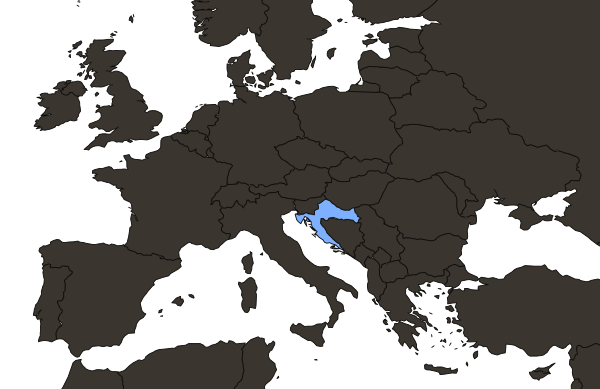
 is a country of about 3.9 million people on the Adriatic Sea. It became independent from Yugoslavia in 1991 after a four-year war. It joined NATO in 2009, the European Union in 2013, and the euro and Schengen area in 2023. Prime Minister Andrej Plenković has led the government since October 2016. Tourism is central to its economy.
Where Croatia ranks
All rankings →Which alliances is Croatia in?
All alliances →Who runs Croatia?
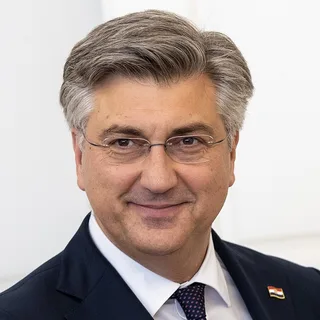
Prime Minister Andrej Plenković was born in Zagreb on April 8, 1970. He studied law, became a diplomat and served in the European Parliament from 2013 to 2016. He became leader of the conservative Croatian Democratic Union (HDZ) in July 2016 and prime minister on October 19, 2016. He is Croatia's longest-serving prime minister, and since Viktor Orbán left office in Hungary in May 2026 he is the longest-serving head of government in the EU. After the April 2024 election the HDZ formed a government with the right-wing Homeland Movement (chart). The two parties now hold 71 of 151 seats and rely on eight MPs from national minorities. The opposition called a vote of no confidence over illegally dumped waste near Gospić, due on October 21, 2026. President Zoran Milanović, a former prime minister, won a second term in January 2025 with 74.7%. He and Plenković often clash, including over Croatian officers for NATO's mission to help Ukraine, which Milanović blocked in 2024.
- HDZ and allies (Plenković) 61
- Homeland Movement 14
- SDP and allies 42
- Most 11
- Možemo 10
- Others and minorities 13
Photo (July 2024): Damir Sencar, European Commission, Wikimedia Commons, CC BY 4.0 (cropped)
Who are Croatia's allies and rivals?
Croatia joined NATO in 2009 and the EU on July 1, 2013. On January 1, 2023, it became the first country to join the euro and the Schengen area on the same day. Croatia spent 2.1% of GDP on defense in 2025. It has bought 12 used Rafale jets from France, ordered 44 German Leopard tanks and eight US HIMARS rocket launchers, and in September 2026 signed a deal for 18 rocket launchers from South Korea. Compulsory military training came back in March 2026, 18 years after the last conscripts left. Relations with Serbia are still marked by the 1990s war. In October 2026 Serbia accused Croatia of meddling in its election, and Croatia's defense minister warned about Serbia's new Chinese missiles. Croatia is holding up parts of Montenegro's EU talks until old war disputes are settled. The Krk terminal takes in liquefied gas, about two thirds of it from the United States, and sends some on to Hungary.
Allies and partners
 GermanyLargest trade partner; supplier of Leopard tanks
 United StatesTwo thirds of the gas at Krk; HIMARS
 ItalyMajor trade partner across the Adriatic
 UkraineCroatia gave all 14 Mi-8 helicopters
Tensions
 SerbiaWartime disputes; Serbian arms build-up
 MontenegroCroatia blocks EU talks over war claims
- Krk LNG terminal Floating terminal for liquefied gas, opened in 2021. About two thirds of its supply comes from the United States.
- Piran Bay A 2017 arbitration ruling gave most of the bay to Slovenia. Croatia left the process in 2015 and rejects the ruling.
- Vukovar Besieged by the Yugoslav army and Serb forces for 87 days in 1991. It fell on November 18, 1991.
- Pelješac Bridge Built by a Chinese company with EU money and opened in 2022. Traffic to Dubrovnik no longer crosses Bosnia at Neum.
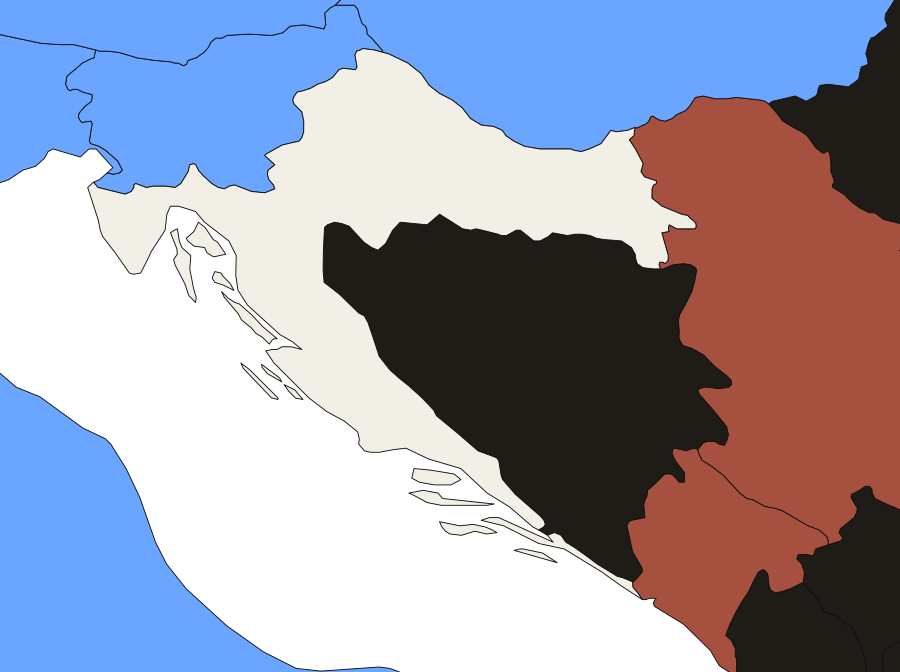
- Croatia
- Partner
- Tensions
Who does Croatia trade with?
Croatia exported $28.2 billion of goods in 2025 and imported $50.2 billion (UN Comtrade). The EU took 66% of exports and supplied 77% of imports. Germany bought 12.6% of exports, ahead of Slovenia and Italy (chart). Bosnia and Herzegovina, at 10.8%, was the largest buyer outside the EU. Germany also supplied 14.5% of imports. Croatians abroad sent home $7.25 billion in 2025, 6.9% of GDP (World Bank). The economy grew 3.8% in 2024 and 3.2% in 2025, but growth slowed in 2026. Inflation averaged 4.4% in 2025, the second highest in the euro area after Estonia. In January 2025 shoppers boycotted stores over prices, and the government widened its price caps from 30 to 70 products. In 2026 energy prices rose with the war in the Middle East, and the government caps fuel prices every week. GDP per person, adjusted for prices, reached about 78% of the EU average in 2025.
 Slovenia
 Bosnia and Herzegovina


How important is tourism to Croatia?
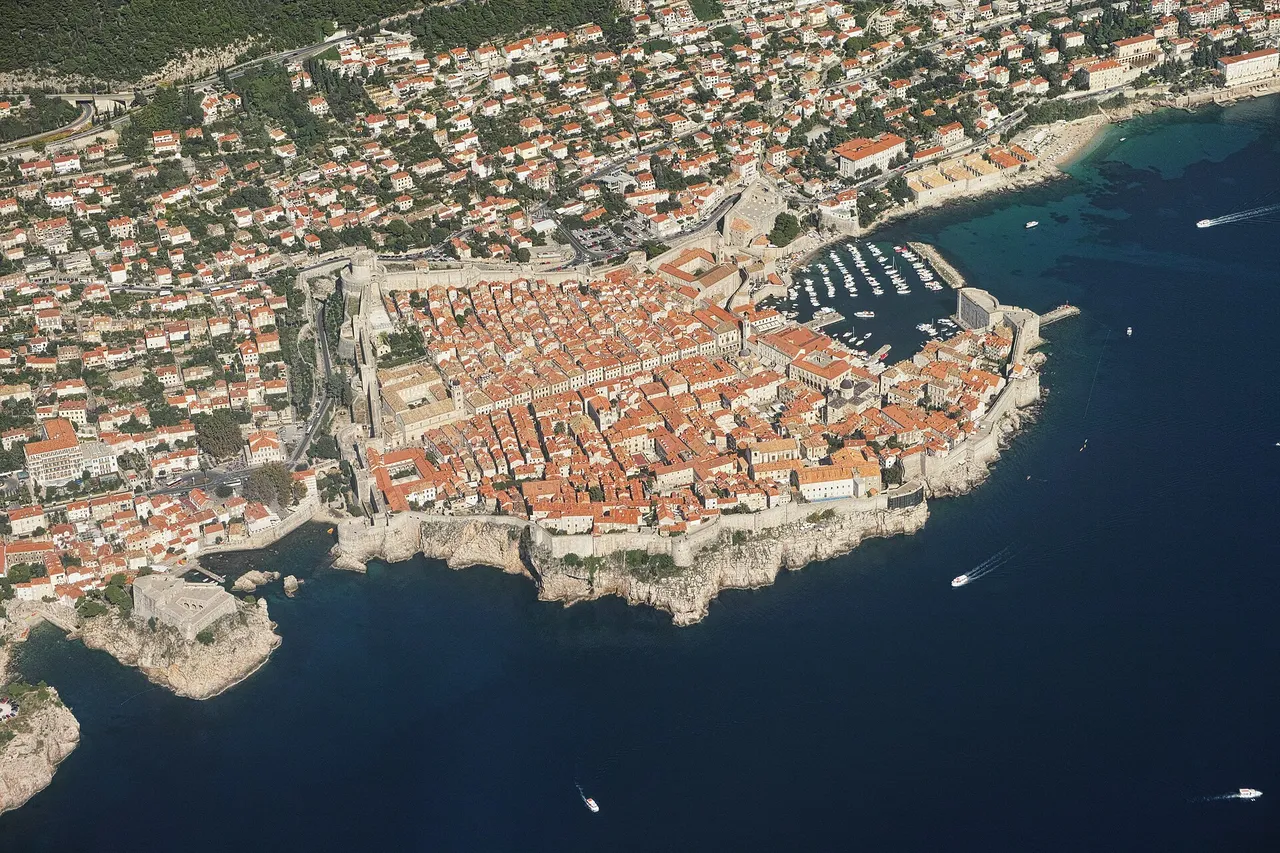
Tourists made 21.8 million visits to Croatia in 2025 and spent 110.1 million nights there, according to the national tourist register. That is about 28 nights for every resident. Almost all of those nights were on the coast. The statistics office says tourism directly makes about 11% of GDP, not the 20% often quoted. With hotels, transport and shops that serve tourists, it reaches about a quarter of the economy. Croatia has 1,244 islands, islets and rocks. Only 47 of them have people living there all year. Dubrovnik was the main setting for King's Landing in Game of Thrones. Tourism and other industries need workers. Croatia issued 170,723 permits to foreign workers in 2025, many from Bosnia and Herzegovina, Nepal, Serbia, the Philippines and India. The population fell from 4.78 million in 1991 to 3.87 million in the 2021 census. In 2025 it grew a little for the first time in years, because more people moved in than moved out.
What happened in Croatia's war of independence?
Croatians voted for independence in a referendum on May 19, 1991, and parliament declared it on June 25, 1991. The Yugoslav army and Serb forces besieged Vukovar for 87 days. After it fell on November 18, 1991, wounded people taken from the town hospital were killed at the Ovčara farm, where 200 bodies were later found. Dubrovnik was shelled from October 1991, worst of all on December 6. Iceland was the first country to recognize Croatia, on December 19, 1991, and the 12 European Community states followed on January 15, 1992. In Operation Storm, from August 4 to 7, 1995, Croatia's army retook most of the rebel-held land. The UN said about 200,000 Serbs fled. Eastern Slavonia was handed back peacefully on January 15, 1998. About 20,000 people died in the war. The UN tribunal convicted the Croatian general Ante Gotovina in 2011, but cleared him on appeal in 2012. Serbs made up 3.2% of the population in 2021.