
Country profile · Arabian Peninsula
 Kuwait
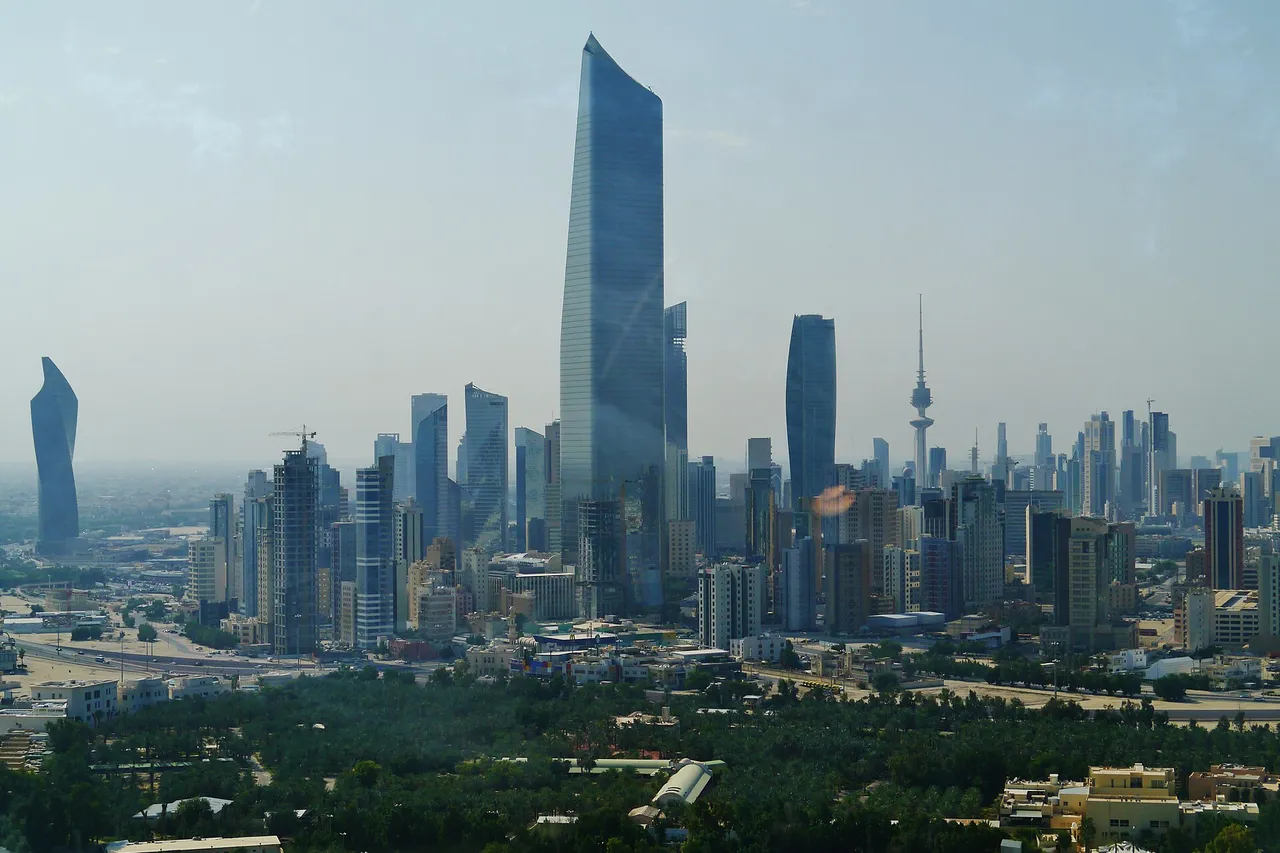
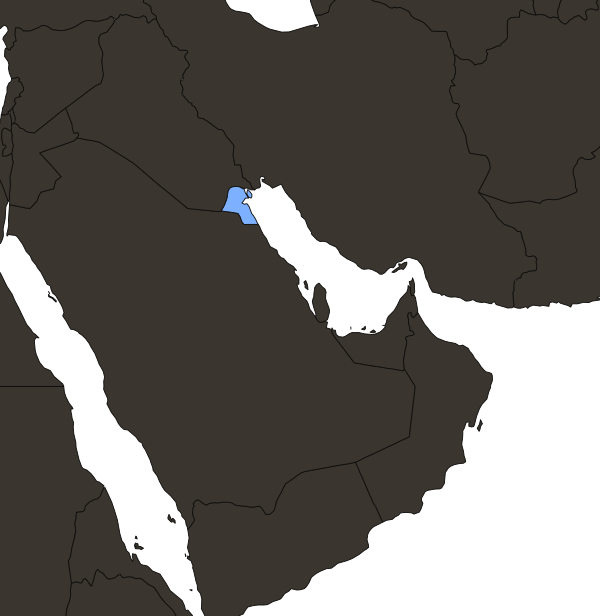
Kuwait is a small oil state at the top of the Persian Gulf. About 5.3 million people live there, and seven in ten are foreigners. Emir Mishal al-Ahmad has ruled by decree since he suspended parliament in May 2024. Iraq invaded Kuwait in 1990. Since February 28, 2026, Iranian missiles and drones have hit its bases, refineries and airport.
Where Kuwait ranks
All rankings →Which alliances is Kuwait in?
All alliances →Who runs Kuwait?
Emir Mishal al-Ahmad al-Jaber al-Sabah was born on September 27, 1940. He headed the state security service from 1967 to 1980 and was deputy chief of the National Guard from 2004 to 2020. He became crown prince in October 2020 and emir on December 16, 2023, when Emir Nawaf died. The al-Sabah family has ruled Kuwait since the mid-1700s. Kuwait has elected a parliament since 1963. It could question ministers and block laws, more power than any other parliament in the Gulf. After four elections in about four years, Emir Mishal al-Ahmad dissolved the assembly on May 10, 2024 and suspended parts of the constitution for up to four years. The emir and the cabinet now make laws by decree. The government has also stripped tens of thousands of people of citizenship. By August 2025 the official count was nearly 50,000, and an independent tracker put it above 71,000 by April 2026. A decree in August 2026 barred all naturalized citizens from voting.
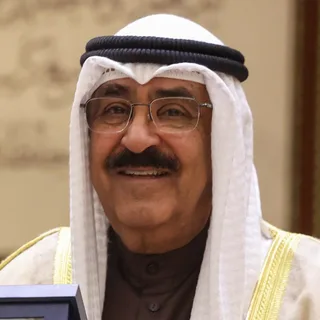
Photo (December 2024): Prime Minister's Office of India, Wikimedia Commons, GODL-India (cropped)
Who are Kuwait's allies and rivals?
The United States drove Iraq out of Kuwait in 1991 and signed a defense pact that September. About 13,500 US troops were based in Kuwait before the 2026 war. Most were moved out of Iran's range, and US forces abandoned Camp Buehring after Iranian strikes. Saudi Arabia shares two oil fields with Kuwait in a zone on their border. The two countries are developing the offshore Durra gas field, and in August 2026 they awarded about $6.7 billion of contracts. Iran says about 40% of Durra lies in its waters. Iran has struck Kuwait repeatedly since February 2026. Kuwait expelled two Iranian diplomats on June 3. Ties with Iraq are tense. In 2023 Iraq's top court struck down a 2012 deal on shipping in the Khor Abdullah waterway. In February 2026 Kuwait protested a new Iraqi sea map filed at the UN. A Chinese state company is building Kuwait's new Mubarak al-Kabeer port under a contract worth about $4 billion.
Allies and partners
 United StatesDefense pact since 1991; troops at several bases
 Saudi ArabiaShares two oil fields and the Durra gas field
- Gulf Cooperation CouncilFounding member in 1981
 ChinaLargest trade partner; building Kuwait's new port
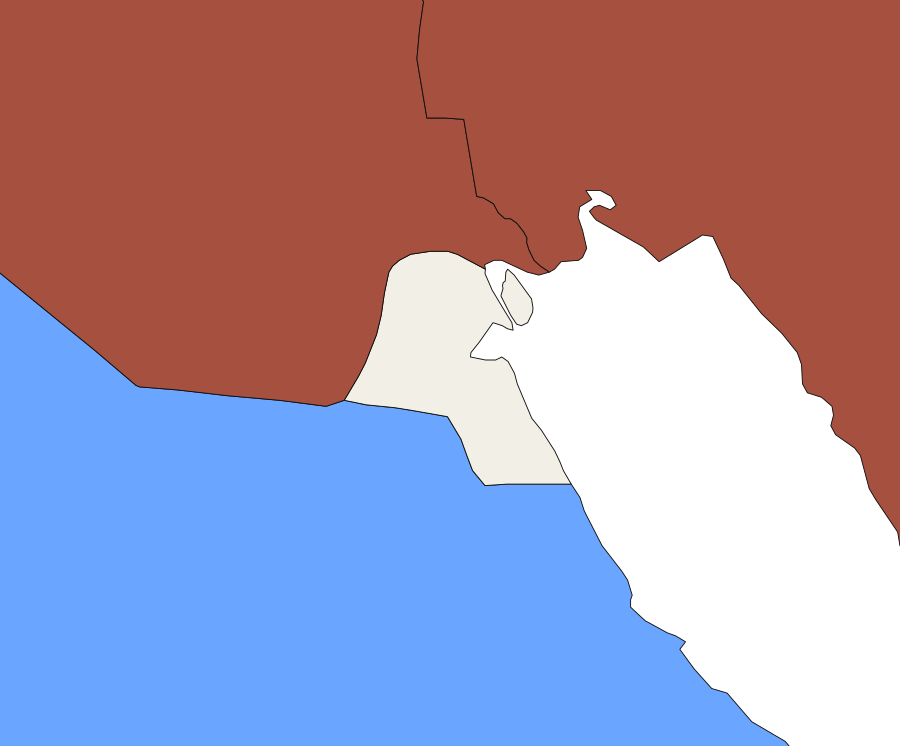
- Khor Abdullah Waterway on the Iraqi border. Iraq's top court voided the 2012 shipping deal in 2023.
- Ali Al Salem Air Base US and Kuwaiti air base. Iranian drones and missiles have targeted it since February 28, 2026.
- Shuaiba port An Iranian drone killed six US soldiers at an operations center here on March 1, 2026.
- Durra gas field Offshore field shared by Kuwait and Saudi Arabia. Iran claims about 40% of it.
- Kuwait
- Partner
- Rival
Who does Kuwait trade with?
Kuwait exported goods worth $69.75 billion in 2025 and imported $42.56 billion (UN Comtrade). Oil was about 91% of exports in 2024. Kuwait's own customs figures do not say where its oil goes, so the export chart uses the figures of the countries that bought it (chart). China took 20.4%, India 14.6%, South Korea 12.9% and Japan 9.6%. China was also the largest supplier, with 20.6% of imports, ahead of the UAE and the United States. Oil paid for about 82.5% of government revenue in the year to March 2026, and the government ran a deficit of 7.1 billion dinars, about $23 billion. Kuwait had not borrowed since 2017, but a decree in March 2025 allowed it to borrow again. It has since sold about $17 billion of dollar bonds. Its savings are held by the Kuwait Investment Authority, which traces its origins to 1953 and is widely considered the world's oldest sovereign wealth fund. It is estimated to hold about $1 trillion.


Buys from
Share of Kuwait's imports
- China20.6%
 United Arab Emirates11.9%
- United States8.8%
 Japan6.3%
- Saudi Arabia5.0%
Goods, 2025. Exports as recorded by the countries that bought them (Kuwait's own figures do not say where its oil went); imports as reported by Kuwait. UN Comtrade.
What happened when Iraq invaded Kuwait?
Kuwait became independent from Britain on June 19, 1961. Six days later Iraq claimed it, and British troops landed to defend it. Iraq recognized Kuwait in 1963. On August 2, 1990, Saddam Hussein's army invaded. The emir fled to Saudi Arabia. Iraq declared Kuwait annexed on August 8, and the UN Security Council called the annexation null and void the next day. On November 29 the Council authorized force if Iraq did not leave by January 15, 1991. A US-led coalition began bombing on January 17 and attacked on the ground on February 24. Kuwait marks its liberation on February 26. As they retreated, Iraqi troops set between 605 and 732 oil wells on fire. The last was put out on November 6, 1991. About 605 people went missing during the occupation. By September 2025 the remains of 294 had been returned, and 308 were still missing. The UN Compensation Commission paid its final award to Kuwait in January 2022.
What has the Iran war done to Kuwait?
The United States and Israel attacked Iran on February 28, 2026, and Iran struck back at US forces and their Gulf hosts. On March 1 a drone killed six US soldiers at Shuaiba port. Two Kuwaiti navy servicemen and two Interior Ministry officers were killed in March. Drones also hit the Mina al-Ahmadi refinery, two ports, and power and desalination plants. A drone hit the airport on June 3, killing one person and injuring 63. By July 8 Kuwait's army said it had intercepted 383 ballistic missiles, 15 cruise missiles and 906 drones. All of Kuwait's oil exports pass through the Strait of Hormuz, and Kuwait has no pipeline around it. Output fell from about 2.6 million barrels a day before the war to about 600,000 in April, when crude exports stopped for the first time since 1991 (chart). In early October output was back to about 2 million. The IMF expects Kuwait's economy to shrink by 16.7% in 2026.
Oil production in the Gulf, 2025
Full ranking →- Saudi Arabia9,556,000
 Iraq4,388,000
 Iran4,051,000
- United Arab Emirates3,771,000
- Kuwait2,584,000
 Qatar1,297,000
 Oman1,002,000
US Energy Information Administration, International Energy Statistics