Rivalry · Asia
China vs India
Face-offs in Arunachal, talks continueUpdated October 31, 2026
China and India are the world's two most populous countries. They share a border of about 3,500 km that has never been agreed, and they fought a war over it in 1962. A clash in the Galwan Valley in June 2020 killed 20 Indian and 4 Chinese soldiers, by each government's count. Relations thawed after an October 2024 deal on patrols, and Xi Jinping visited New Delhi in September 2026. In October 2026 India reported new face-offs in Arunachal Pradesh. China called its patrols routine.
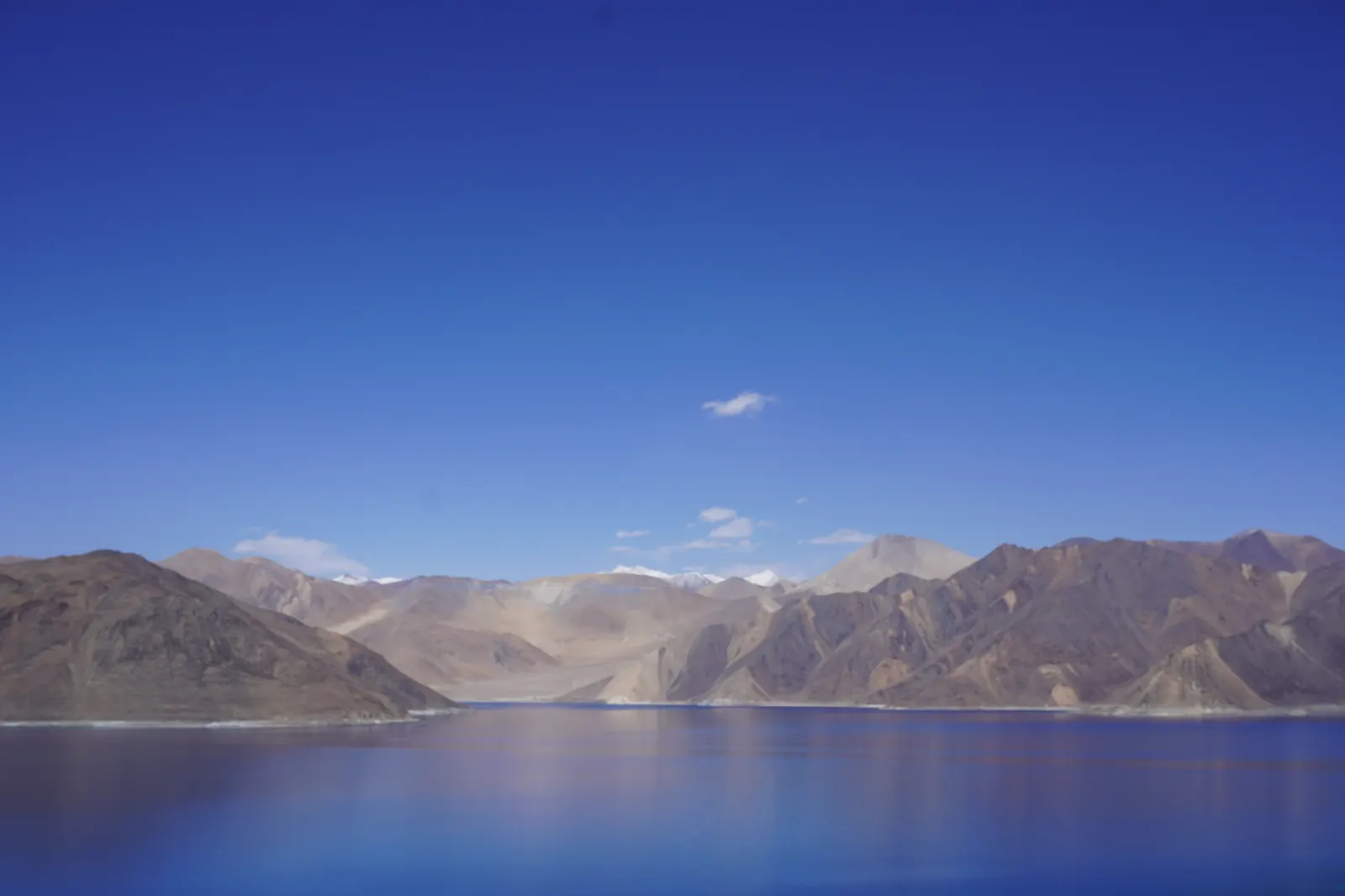
- Border
- ~3,500 km
- India's figure, never agreed
- Killed at Galwan
- 20 and 4
- Indian and Chinese soldiers, June 2020
- Trade deficit
- $112 billion
- India's deficit with China, FY2025-26
- Last war
- 1962
- one month, China kept Aksai Chin
How do India and China compare?
Each bar is scaled to the larger of the two. Every row links to its full ranking.

 China
Where do India and China face each other?
The Line of Actual Control runs across the Himalayas. The two sides disagree on where it runs in at least a dozen places.
- Daulat Beg OldiAn Indian airstrip about 5,100 m up, one of the highest in the world. Nearby Depsang was one of the last two face-off points, settled in October 2024.
- Galwan ValleyA clash here on June 15, 2020 killed 20 Indian and 4 Chinese soldiers, by each government's count. It was the first fatal clash in 45 years.
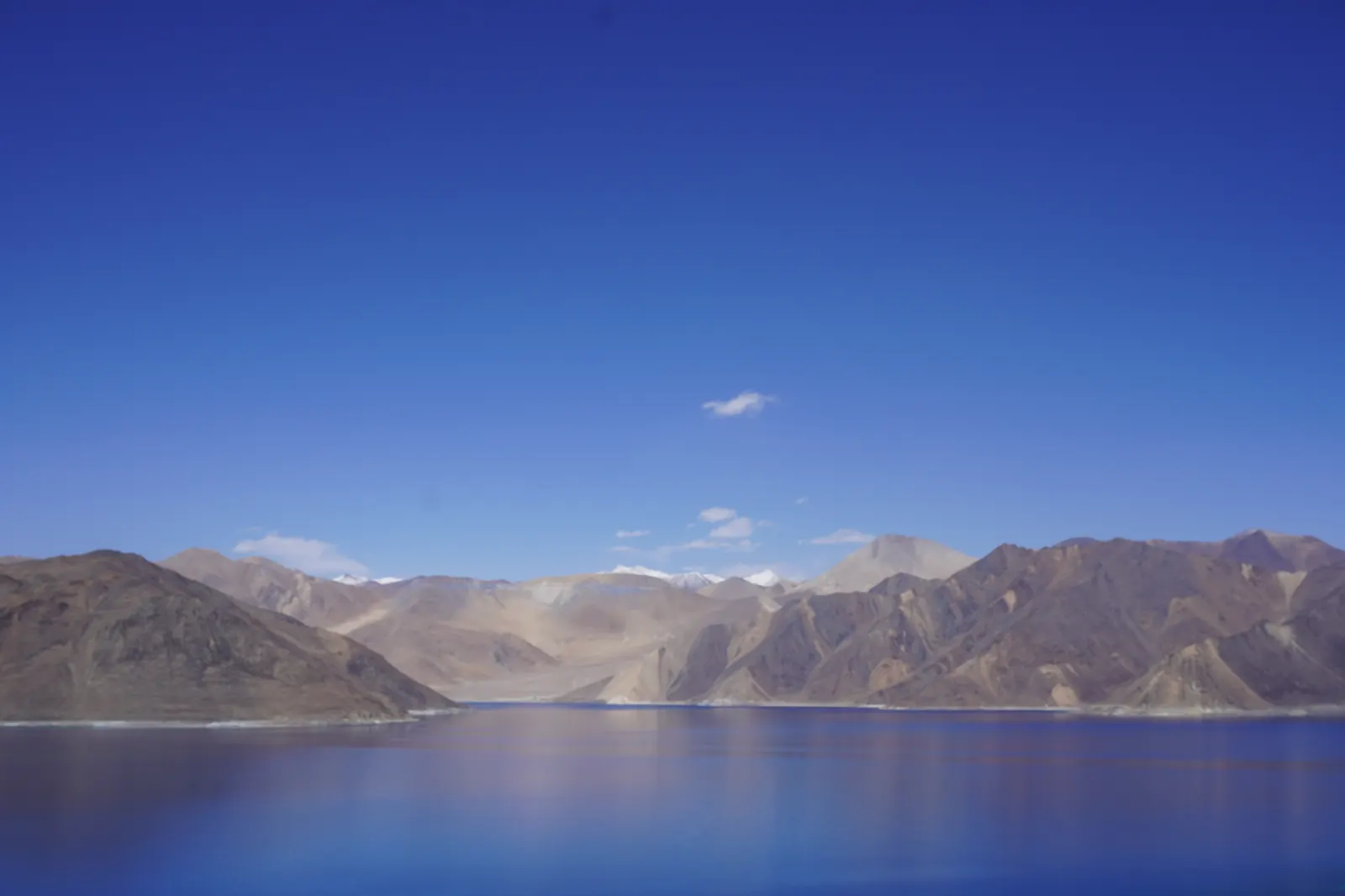
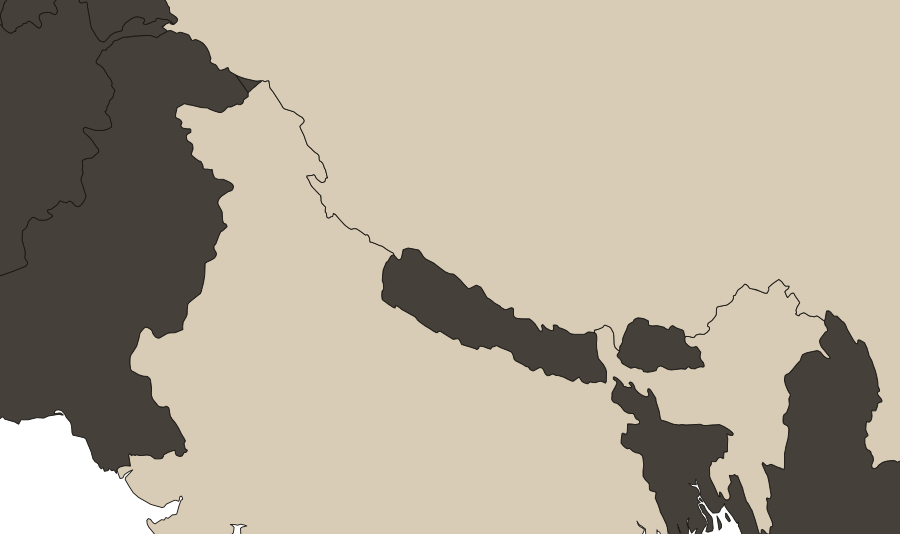
- Pangong TsoThe Line of Actual Control crosses this lake. Both armies took new positions on its shores in 2020 and pulled back in February 2021.
- DoklamA plateau that Bhutan and China both claim. In 2017 Indian troops stopped a Chinese road crew here, and the standoff lasted 73 days.
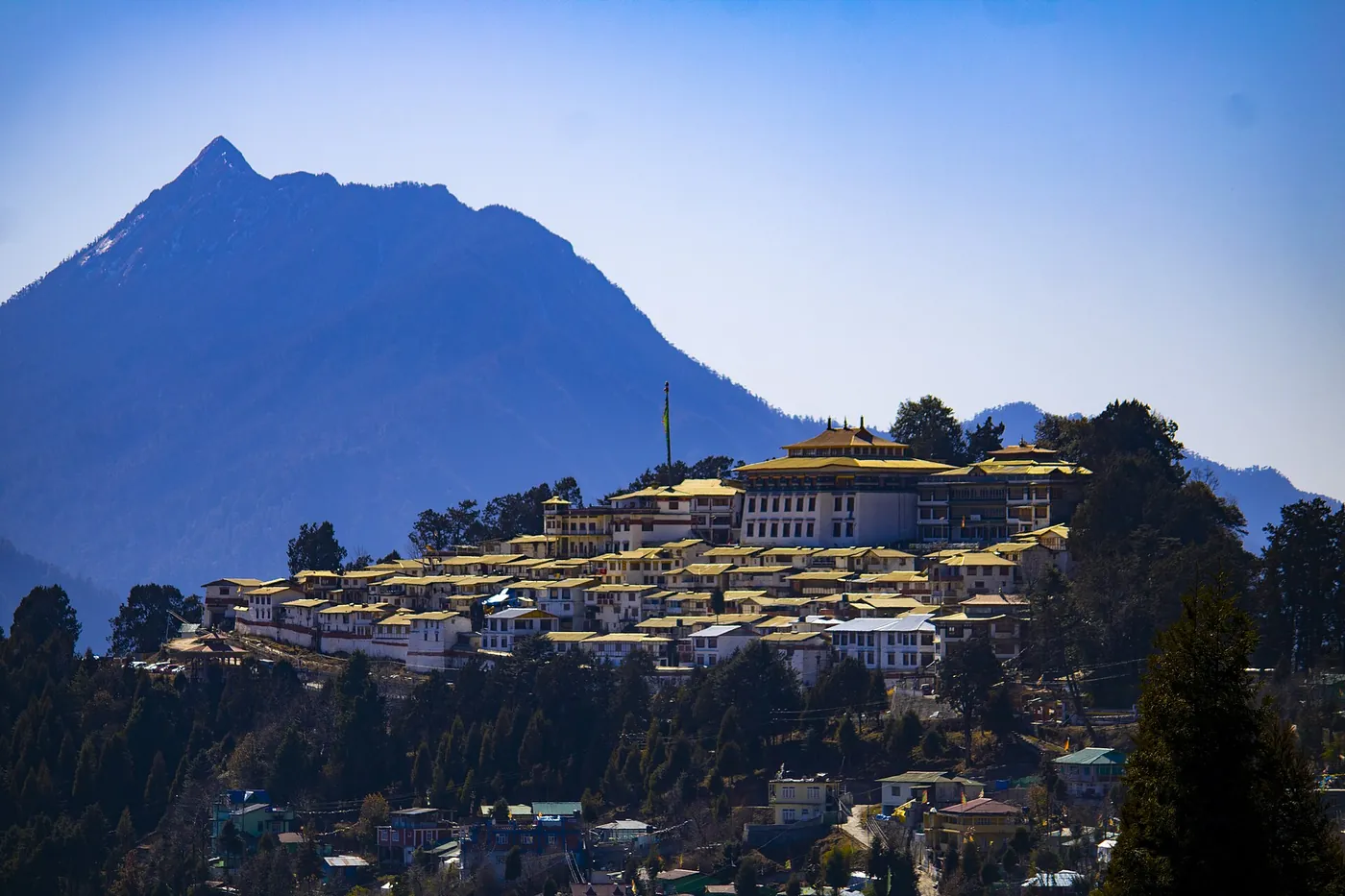
- TawangA center of Tibetan Buddhism in Arunachal Pradesh. Chinese troops took it in 1962 and withdrew. Indian and Chinese soldiers clashed nearby, at Yangtse, in December 2022.
- TaksingIndian and Chinese patrols faced off in this area in 2026. India says Chinese patrols left their usual patterns. China says its patrols are routine.
- MedogChina began building the world's largest hydropower project here in July 2025. The river flows into India as the Siang and then the Brahmaputra.
Where could the rivalry turn into a war?
Two disputed territories on the Himalayan border, India's rival Pakistan, which China arms, and a Chinese dam upstream of India.
 Disputed territory
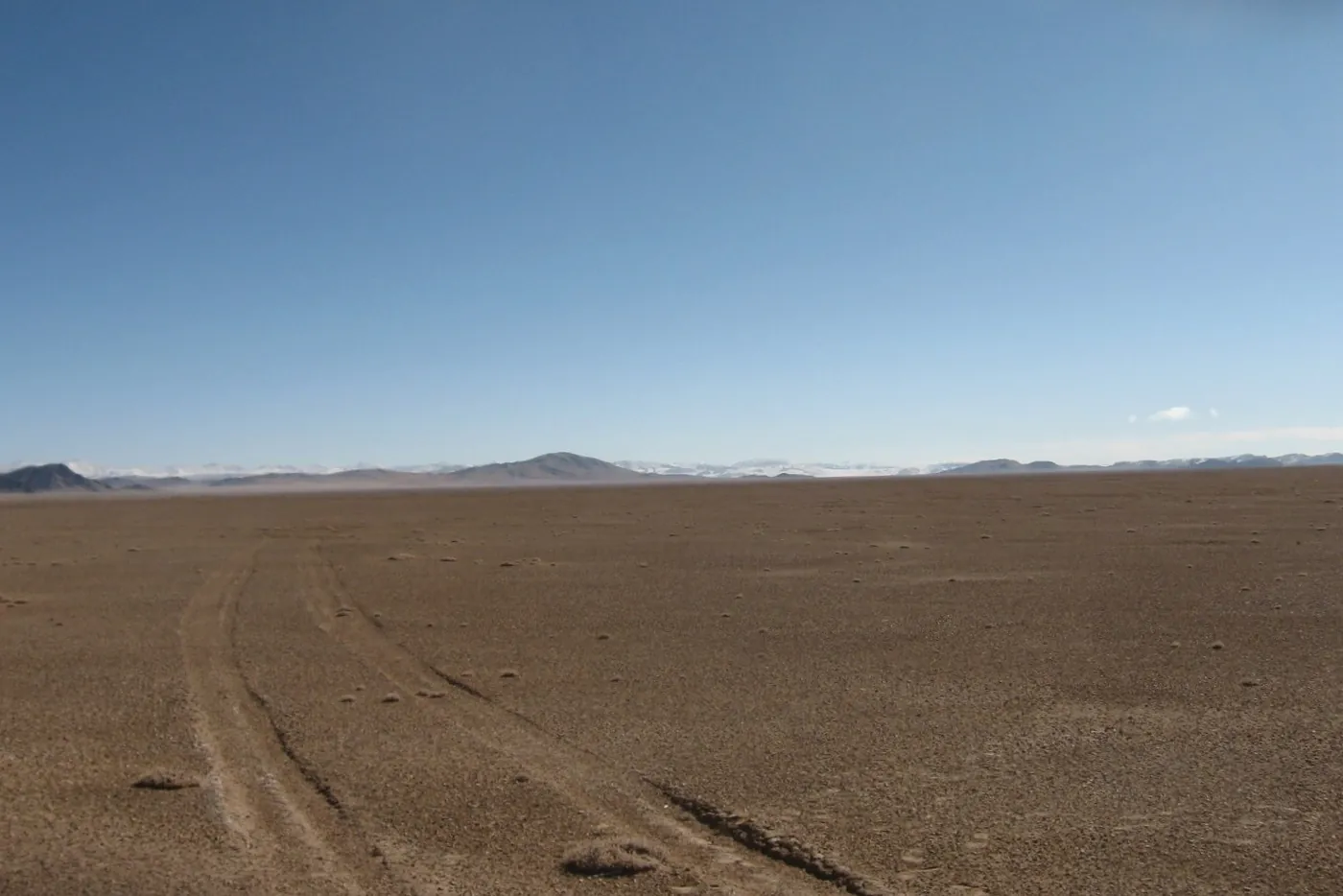
Aksai Chin
China holds it. India claims it as part of Ladakh. The quarrel over it helped lead to the 1962 war.
 Disputed territory
Arunachal Pradesh
India governs it. China claims it as Zangnan, or South Tibet. Patrols faced off there in October 2026.
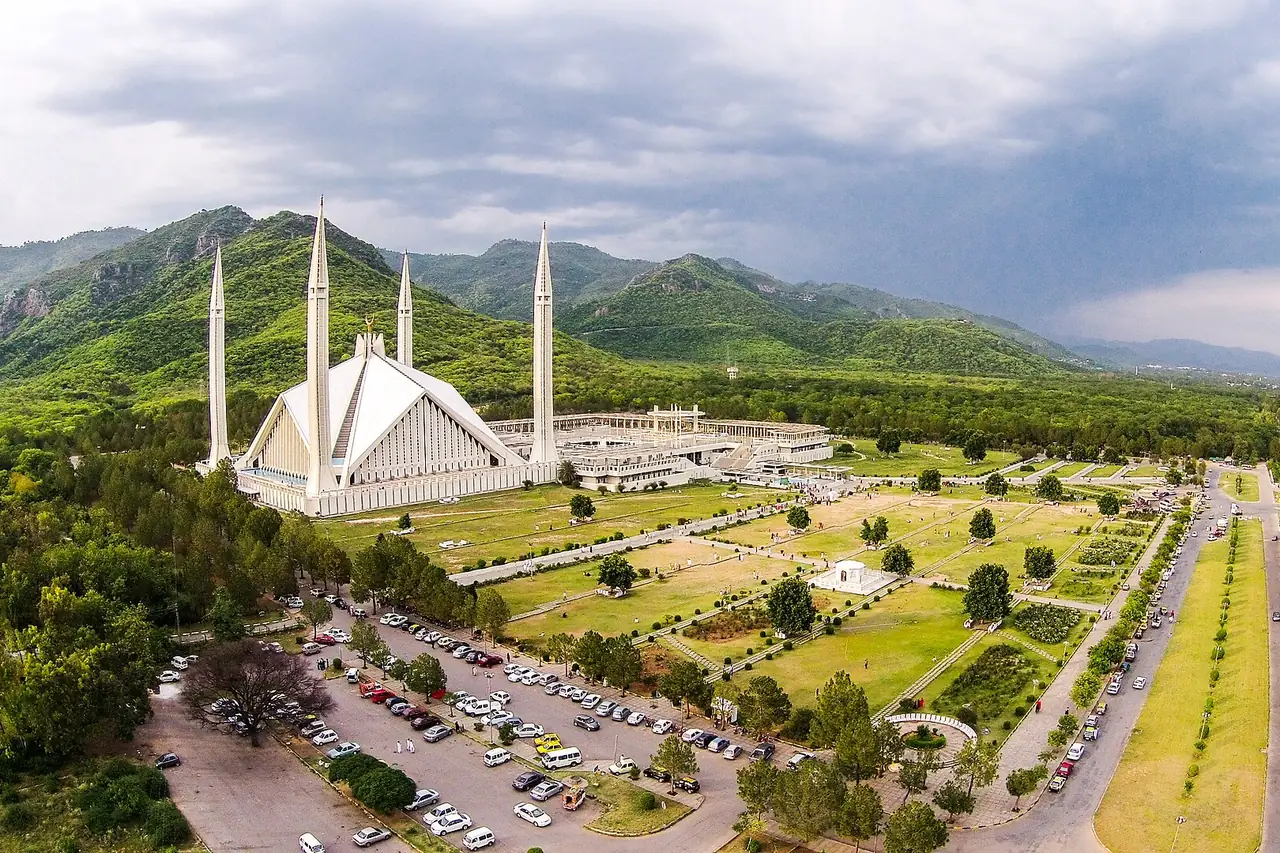 Rivalry
Pakistan
China supplied 80% of Pakistan's major arms imports in 2021-25. India and Pakistan fought for four days in May 2025.
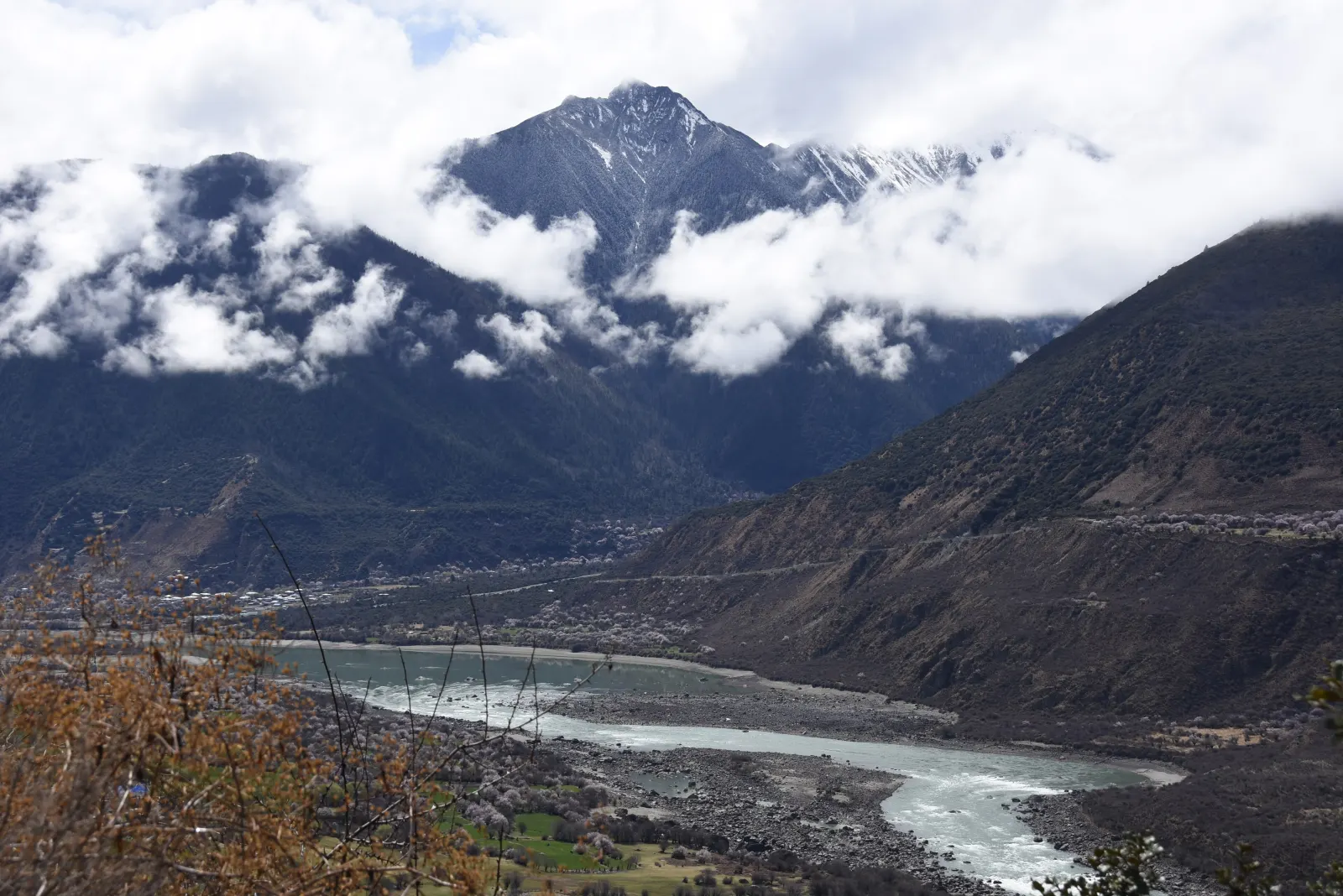 Water
The Brahmaputra dam
China began building the world's largest hydropower project on the river in July 2025, near India's border.
Who sides with India, and who with China?
India has no treaty allies but buys arms from several partners. China has one treaty ally and arms India's main rival.
With India
 United StatesQuad partner, 10-year defense framework
 JapanQuad partner, joint exercises
 France29% of India's arms imports, 2021-25
 AustraliaQuad partner
 Israel15% of India's arms imports, 2021-25
With China
 Pakistan80% of its major arms imports from China, 2021-25
 North KoreaChina's only treaty ally, since 1961
 MyanmarChinese oil and gas pipelines to the Bay of Bengal
Between the two
 Russia40% of India's arms imports; 'no limits' partner of China
 NepalBorders both; joined China's Belt and Road in 2017
 BangladeshIndia's neighbor; China is its largest source of imports
 Sri LankaChinese-built port at Hambantota; defense pact with India, 2025
Why are China and India rivals?
In the 1950s India and China were friendly. Jawaharlal Nehru, India's first prime minister, backed the People's Republic's claim to China's seat at the United Nations. His government promoted the slogan "Hindi-Chini bhai-bhai," Indians and Chinese are brothers.
The two governments never agreed on their Himalayan border. China built a road across Aksai Chin, a high desert India claimed as part of Ladakh, and announced it complete in 1957. In 1959 the Dalai Lama fled Tibet and India gave him asylum. From late 1961 India set up army posts in land China claimed, under what India called its "forward policy." On October 20, 1962 Chinese troops attacked along the border. India calls the war Chinese aggression. China calls it a "self-defense counterattack." The fighting lasted a month. By India's official count, 1,383 Indian soldiers were killed and 3,968 captured. China counted 722 of its own soldiers killed. China kept Aksai Chin and withdrew from what is now Arunachal Pradesh.
Since then the two armies have faced each other across the Line of Actual Control, a line that is not marked on the ground. They clashed at Nathu La in 1967, faced off at Sumdorong Chu in 1986-87 and at Doklam in 2017, and fought in the Galwan Valley in 2020.
How the rivalry grew
- 1957China finishes a road across Aksai Chin, land India claims.
- 1959The Dalai Lama flees Tibet. India grants him asylum.
- 1962A month-long war. China keeps Aksai Chin and withdraws in the east.
- 1967Indian and Chinese troops clash at Nathu La and Cho La, on the border of Sikkim and Tibet.
- 1998India tests nuclear weapons. Prime Minister Vajpayee's letter to President Clinton points to China.
- 2017Indian troops stop a Chinese road crew at Doklam, land Bhutan and China both claim. The standoff lasts 73 days.
- 2020A clash in the Galwan Valley kills 20 Indian and 4 Chinese soldiers.
- 2024India and China agree on patrols at the last face-off points in Ladakh.
- 2025Modi visits China for a summit in Tianjin. Direct flights resume in October.
- 2026Xi Jinping visits India in September. Patrols face off in Arunachal Pradesh in October.
What happened in the Galwan Valley in 2020?
From May 2020 Chinese and Indian troops faced each other at several points in eastern Ladakh. On the night of June 15, 2020, they fought in the Galwan Valley with stones, clubs and fists. A 1996 agreement bars either side from opening fire within 2 km of the Line of Actual Control, and by long practice troops at face-offs do not use their guns. Twenty Indian soldiers were killed, including their commanding officer, Colonel B. Santosh Babu. China announced four deaths eight months later, in February 2021. China says Indian troops crossed the line and attacked Chinese soldiers. India says Chinese troops tried to change the status quo on India's side of the line.
Two weeks after the clash, India banned 59 Chinese apps, including TikTok. By the end of 2020 its bans covered more than 200 apps. Both armies moved tens of thousands of troops to the border. Their commanders held 21 rounds of talks by February 2024, but Narendra Modi and Xi Jinping held no formal meeting until October 2024. The two armies pulled back step by step from Galwan (2020), Pangong Tso (February 2021), Gogra (August 2021) and Hot Springs (September 2022). In October 2024 they agreed on patrols at Depsang and Demchok, the last two face-off points.
Galwan Valley
20 and 4
Indian and Chinese soldiers killed, June 15, 2020
India gave Colonel Santosh Babu the Maha Vir Chakra after his death. China named the regimental commander, Qi Fabao, a "hero regimental commander for defending the border." Qi carried the Olympic torch in Beijing in February 2022.
How big is India's trade deficit with China?
China is India's largest trading partner. In India's fiscal year 2025-26, from April 2025 to March 2026, their goods trade was worth $151.1 billion, according to India's commerce ministry. India's deficit with China was a record $112.2 billion. India buys Chinese electronics, machinery and chemicals and sells far less back.
China's customs data show the gap still growing in 2026. From January to September, India's exports to China rose 40.7%, to $19.3 billion. Its imports from China rose 23.3%, to $125.2 billion. The deficit reached $105.9 billion in those nine months. India's makers of solar panels and smartphones rely on Chinese parts. India banned more than 200 Chinese apps after Galwan, but goods trade kept rising.
India's trade deficit with China
Are India-China relations improving?
The two governments have talked more since 2024, but neither has given up any land. In October 2024 they agreed on patrols at the last face-off points in Ladakh. On August 31, 2025 Narendra Modi met Xi Jinping at a summit of the Shanghai Cooperation Organisation in Tianjin, on his first visit to China in seven years. Direct flights between the two countries resumed in October 2025 after more than five years.
In August 2025 the two special representatives for the border, India's national security adviser Ajit Doval and China's foreign minister Wang Yi, agreed to set up an expert group to explore settling some stretches of the border first. At their next round, in Beijing on August 25, 2026, they agreed on two more meeting points for generals and two more military hotlines. On September 6 and 7, 2026, corps commanders held their first talks on the eastern part of the border, at the Wacha-Damai meeting point on the Arunachal Pradesh border. On September 12 Xi met Modi at the BRICS summit in New Delhi, on Xi's first visit to India in about seven years. India's foreign ministry said both leaders backed a "fair, reasonable and mutually acceptable" settlement and that peace on the border is the basis for wider ties. China's readout called for "parallel, mutually reinforcing progress" on the border and on wider ties.
The friction continues. China issued 23 Chinese names for places in Arunachal Pradesh in April 2026, and India published its own names for 27 border places in August. In late October 2026 the head of India's Indo-Tibetan Border Police said face-offs were going on at several places in Arunachal Pradesh. India's foreign ministry said the border gets disturbed when Chinese forces depart from established patrol patterns. On October 26 China's foreign ministry said China "strictly abides by the relevant agreements and common understandings" and that its patrols are normal.
Questions about the China-India rivalry
Are China and India enemies?
China and India are rivals with full diplomatic relations. They sit together in BRICS and the Shanghai Cooperation Organisation, and they trade more than $150 billion in goods a year. Their leaders met in 2025 and 2026. They also share a border neither has agreed on. Their soldiers killed each other in 2020, and their patrols faced off again in Arunachal Pradesh in October 2026.
Who would win a war between China and India?
China has the larger military. By SIPRI's estimate it spent more than three and a half times as much as India in 2025, and it has more troops, ships and nuclear warheads. The Himalayas make large ground offensives hard for either side. Both countries have nuclear weapons, and both say they will not use them first.
Why does China support Pakistan?
China and Pakistan call their relationship an "all-weather strategic cooperative partnership." China supplied about 80% of Pakistan's major arms imports in 2021-25, by SIPRI's count. The China-Pakistan Economic Corridor runs through Gilgit-Baltistan, a part of Kashmir that Pakistan holds and India claims, to the port of Gwadar on the Arabian Sea. China says the partnership is not aimed at any third country. India's military plans for a possible war on two fronts, against China and Pakistan at once.
What is the Line of Actual Control?
The Line of Actual Control (LAC) is the line between the areas India and China each hold. It is not an agreed border, and it is not marked on the ground. India puts its length at about 3,488 km. Chinese sources give about 2,000 km. The two sides disagree on where it runs in at least a dozen places.
Why does the Dalai Lama's succession matter?
The 14th Dalai Lama, who is 91, has lived in India since 1959. In 2025 he said his successor will be born in the "free world" and that only his office, the Gaden Phodrang Trust, can recognize the successor. China says the next Dalai Lama must be approved by China's central government. The 6th Dalai Lama was born near Tawang, in Arunachal Pradesh, which China claims. India's foreign ministry says the government takes no position on matters of faith.