
Rivalry · South Asia
India vs Pakistan
Ceasefire since May 10, 2025Updated October 31, 2026
India and Pakistan have been rivals since the partition of British India in 1947. They have fought four wars, three of them mainly over Kashmir, and both have nuclear weapons. In May 2025 they fought for four days after gunmen killed 26 people near Pahalgam in Indian-administered Kashmir. A ceasefire has held since May 10, 2025. India keeps the Indus Waters Treaty in abeyance, trade between the two is suspended, and their governments hold no formal talks.
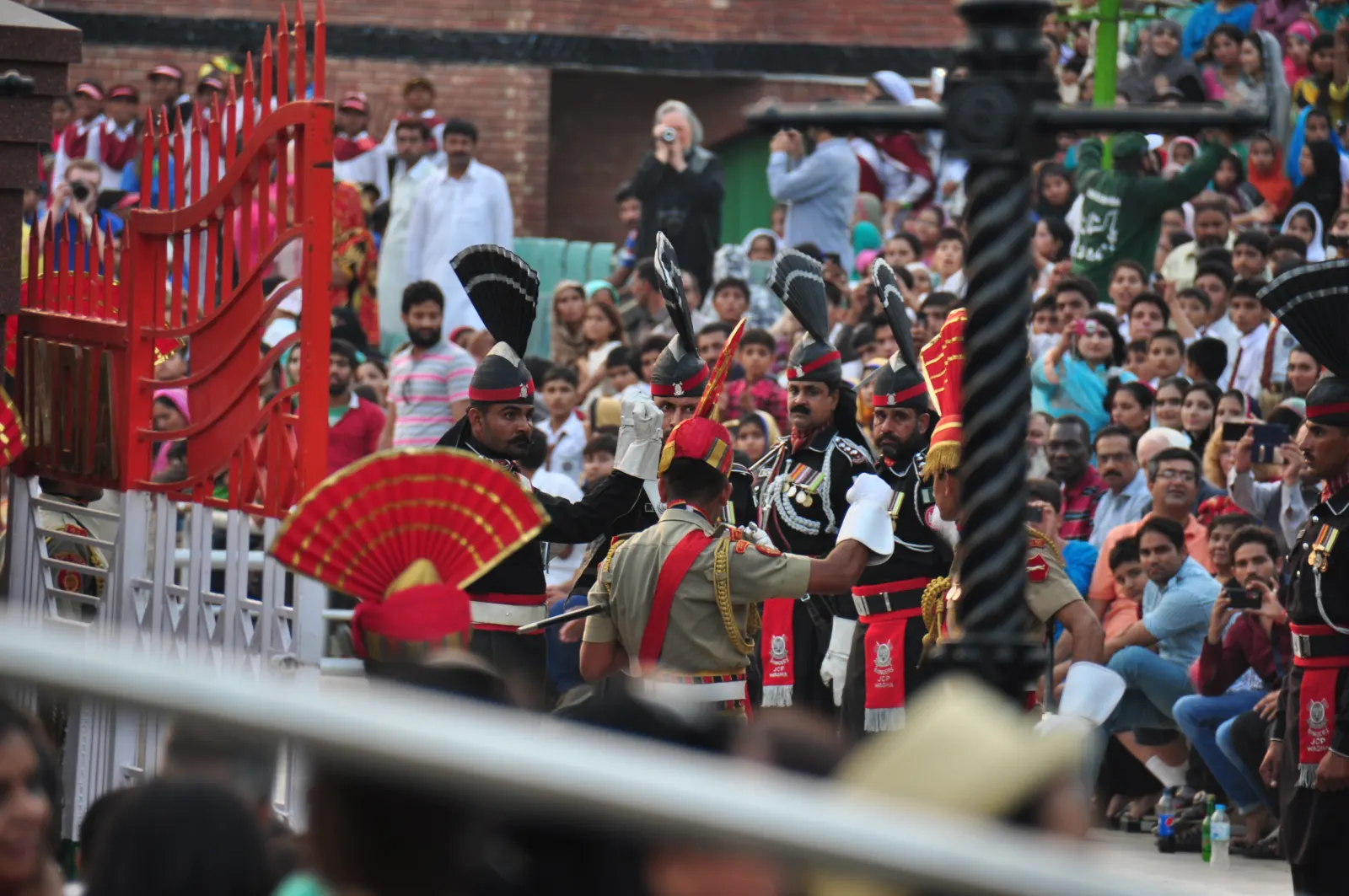
- Wars fought
- 4
- 1947, 1965, 1971 and 1999
- Nuclear warheads
- 190 and 170
- India and Pakistan, FAS 2026
- Last fighting
- May 2025
- four days after the Pahalgam attack
- Trade
- Suspended
- Pakistan cut trade in April 2025, India in May
- Indus Waters Treaty
- In abeyance
- India's decision of April 2025; Pakistan rejects it
How do India and Pakistan compare?
Each bar is scaled to the larger of the two. Every row links to its full ranking.
Where could the rivalry turn into a war?
The territory both claim, the water both need, the line between their armies, and the neighbor where Pakistan says India backs its enemies.
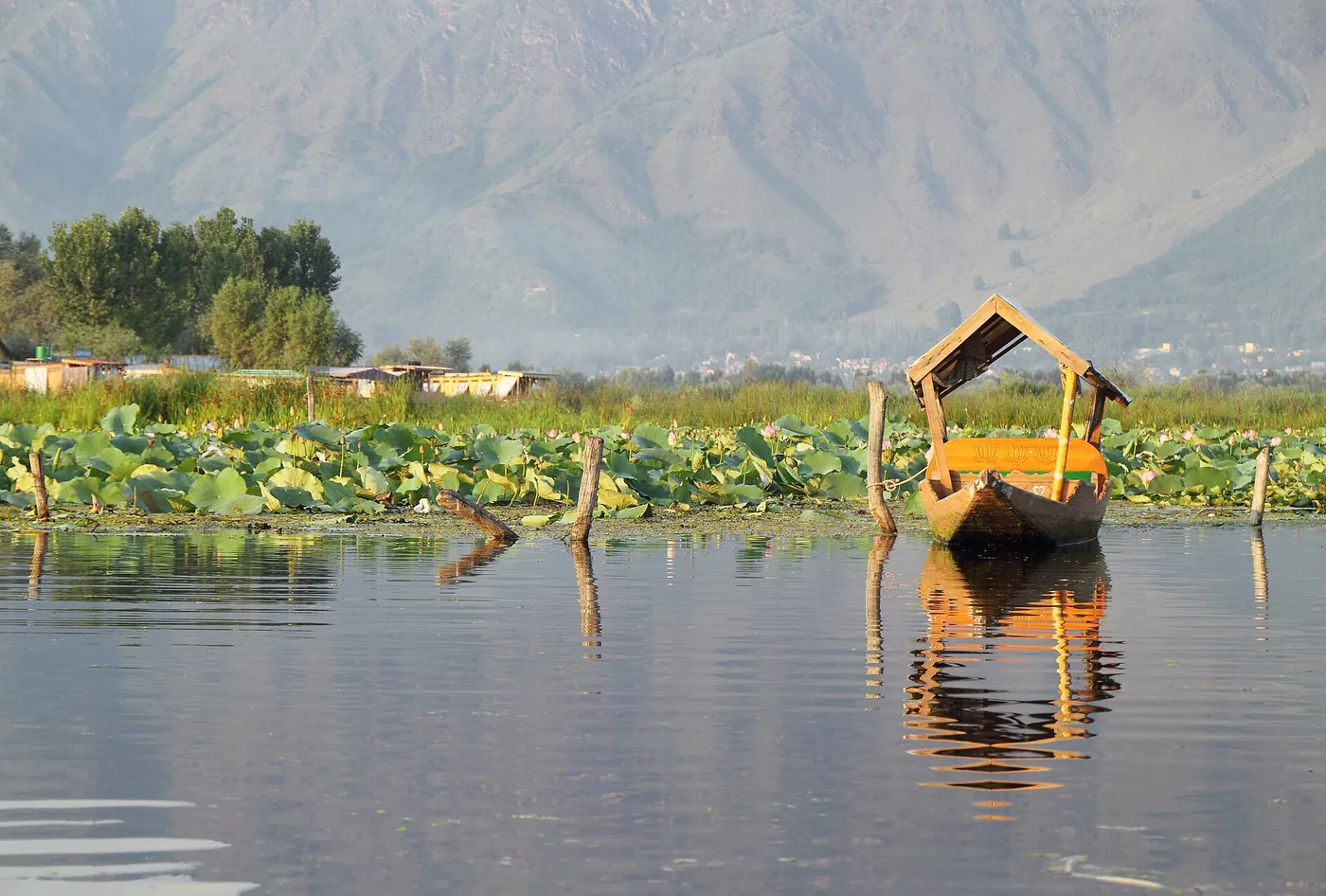 Disputed territory
Kashmir
India, Pakistan and China each hold part. Three of the four wars were fought mainly over it.
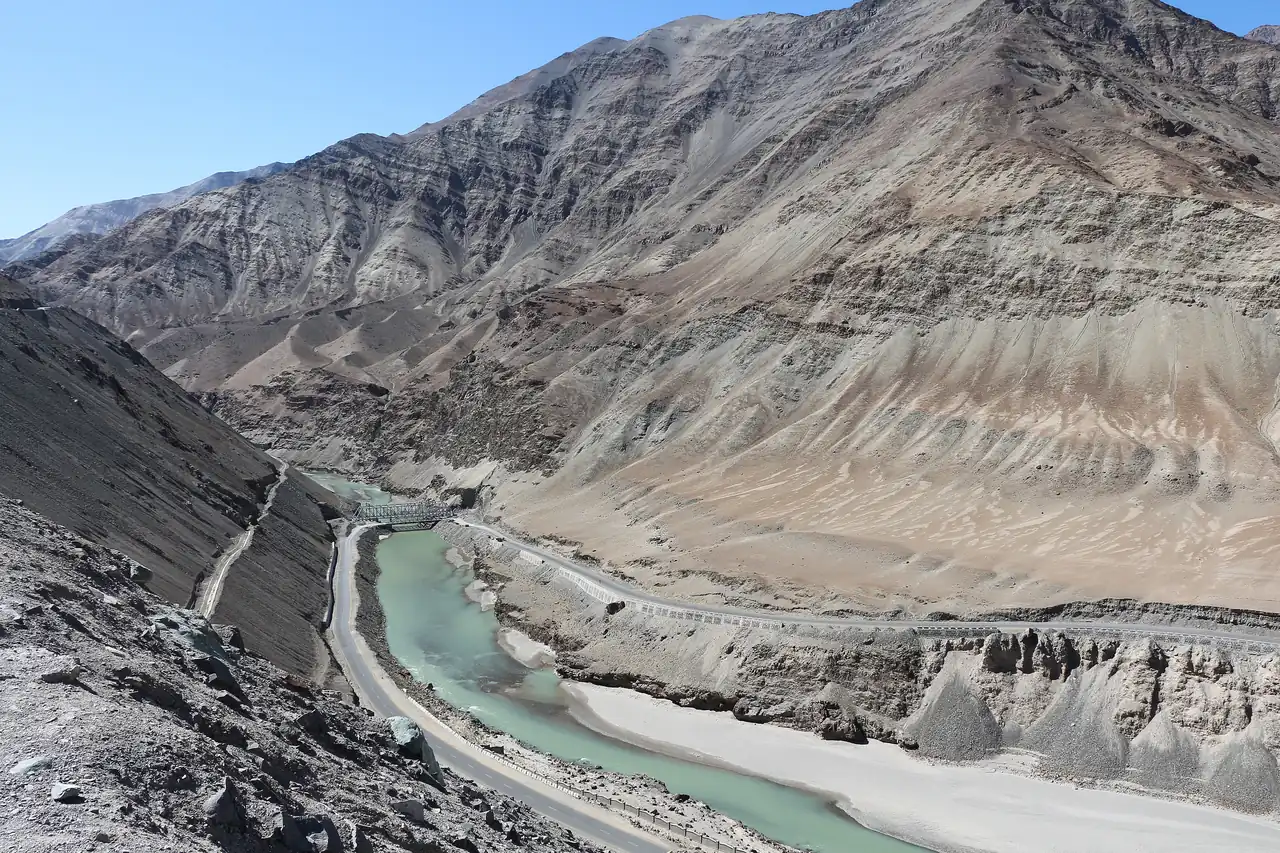 Water
Indus Waters
Pakistan's farms depend on rivers that flow through Indian-administered Kashmir. India has held the treaty in abeyance since the Pahalgam attack.
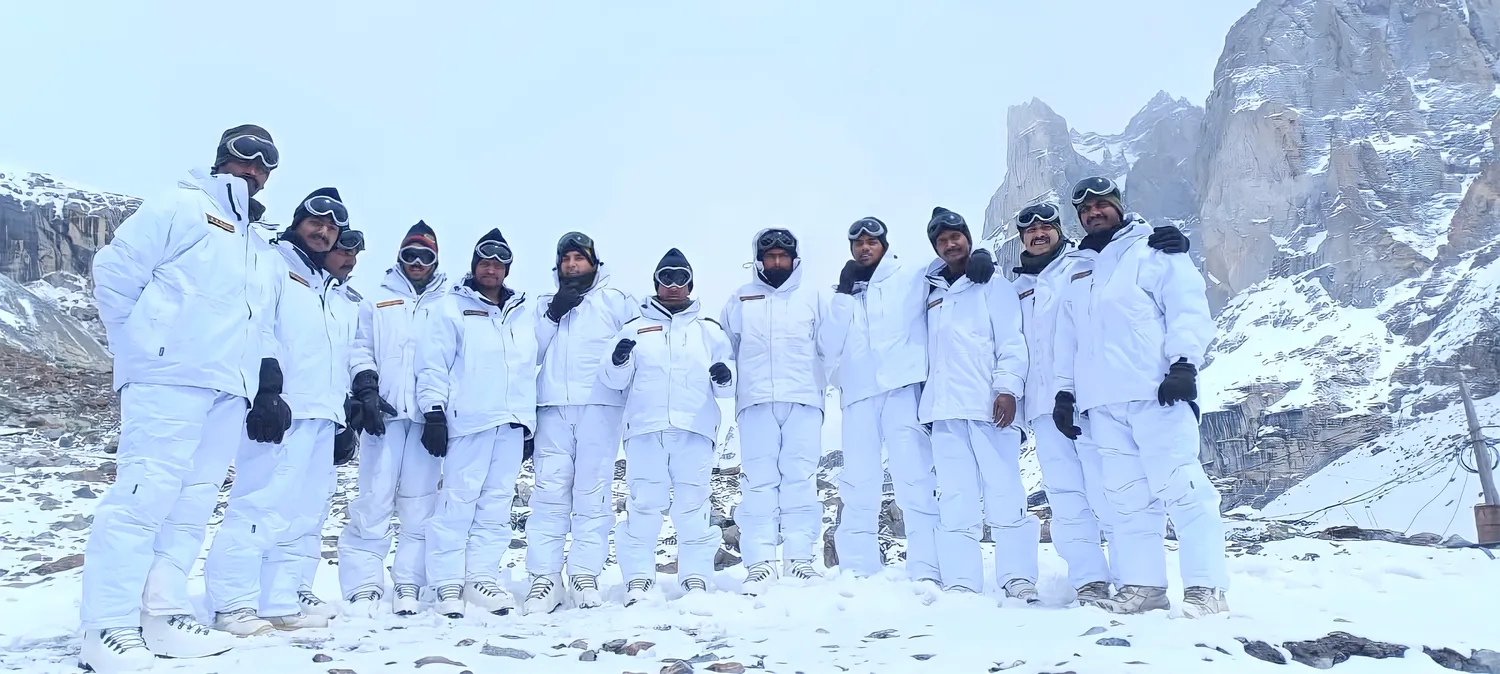 Military
Line of Control
The Line of Control runs about 740 km through Kashmir. Indian and Pakistani troops also face each other on the Siachen Glacier.
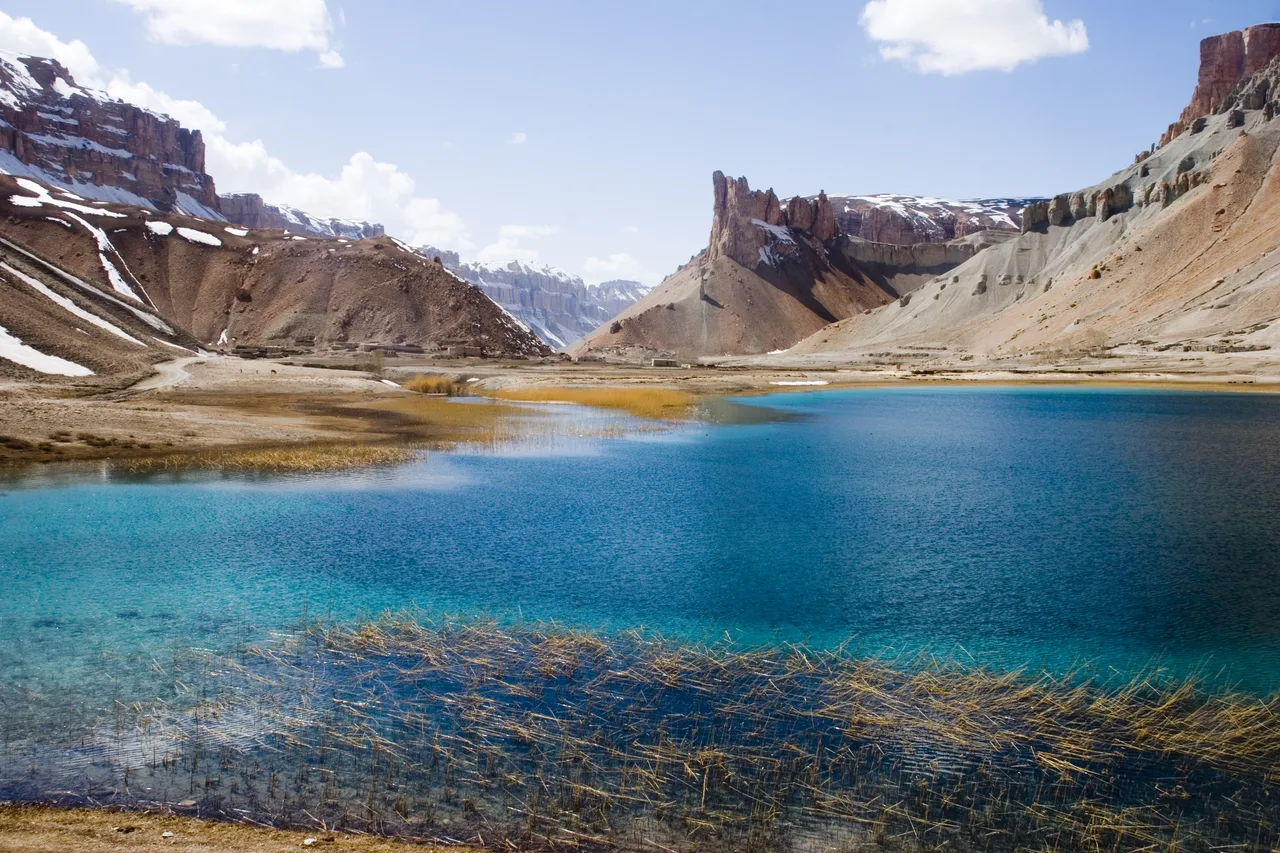 Neighbor
Afghanistan
Pakistan has struck Taliban-ruled Afghanistan and clashed with its forces. Pakistan accuses India of backing the militants it fights. India denies it.
Who sides with India, and who with Pakistan?
Arms suppliers, defense pacts and strategic partners on each side, and countries that deal with both.
With India
 Russia40% of India's arms imports, 2021-25
 FranceRafale jets; 29% of India's arms imports, 2021-25
 Israel15% of India's arms imports, 2021-25
 JapanQuad partner
With Pakistan
 China80% of Pakistan's arms imports, 2021-25
 Saudi ArabiaMutual defense pact since September 2025; also close to India
 TurkeySigned the Mecca defense pact, August 2026
 AzerbaijanPublicly backed Pakistan in May 2025
Dealing with both
 United StatesIndia's Quad partner; Trump hosted Pakistan's army chief in 2025
 United Arab EmiratesDefense partnership with India; trades with both
 BangladeshBorders India; resumed direct flights to Pakistan in 2026
Why are India and Pakistan rivals?
When Britain left in August 1947, British India was split into two countries along religious lines. India was majority Hindu. Pakistan was majority Muslim, in two halves separated by about 1,600 km of Indian territory. About 15 million people crossed the new borders. Between 200,000 and two million died in the violence.
Kashmir, a Muslim-majority princely state with a Hindu ruler, became the first battleground. In October 1947 tribesmen armed by Pakistan invaded. Kashmir's ruler then agreed to join India, and Indian troops flew in. Three of the four wars between India and Pakistan, in 1947, 1965 and 1999, were fought mainly over Kashmir. In March 1971 Pakistan's army cracked down on the Bengali movement for self-rule in East Pakistan. About 10 million refugees fled to India. India armed the Bengali rebels, and full war began in December. East Pakistan became Bangladesh, and Pakistan lost more than half of its population.
Each government makes its own case. India says Kashmir joined India legally in 1947. India says disputes with Pakistan are for the two countries alone, as they agreed at Simla in 1972, and it rejects outside mediation. India also says Pakistan arms and shelters militant groups that attack India, such as Lashkar-e-Taiba and Jaish-e-Mohammed. The UN Security Council lists both groups under its terrorism sanctions, and Pakistan banned both in 2002.
Pakistan says Kashmiris were promised a UN-supervised vote on their future that never took place. A 1948 UN resolution made the vote depend on Pakistan withdrawing its fighters and India cutting its forces, and the two never agreed how. Pakistan says it gives Kashmiris only political and diplomatic support, and it points to abuses by Indian forces. In 2018 the UN human rights office reported that Indian security forces in Kashmir had used excessive force, leading to unlawful killings. The report also described crimes by armed groups, and abuses "of a more structural nature" in Pakistan-administered Kashmir. India rejected the report as "fallacious, tendentious and motivated".
Pakistan also accuses India of backing militants in Balochistan and Khyber Pakhtunkhwa. In 2016 Pakistan arrested Kulbhushan Jadhav, an Indian navy officer, in Balochistan, and a military court sentenced him to death for spying. India says he had retired from the navy and was kidnapped in Iran. India denies backing militants in Pakistan. In 2019 the International Court of Justice ruled that Pakistan had broken the Vienna Convention by keeping Indian diplomats from Jadhav, and it ordered a review of his conviction.
India and Pakistan both tested nuclear weapons in May 1998, 17 days apart. Since then every crisis has stopped short of full war.
How the rivalry unfolded
- 1947British India is split into India and Pakistan. In October tribesmen armed by Pakistan invade Kashmir, its ruler joins India, and the first war begins.
- 1965In August Pakistan sends armed men into Indian-administered Kashmir, and fighting spreads. In September India attacks across the border toward Lahore. The 1966 Tashkent Declaration restores the old lines.
- 1971Pakistan's army cracks down in East Pakistan, and about 10 million refugees flee to India. India backs the Bengali rebels, and war begins in December. East Pakistan becomes Bangladesh.
- 1989An armed revolt against Indian rule begins in Kashmir. India says Pakistan arms and trains the militants. Pakistan says it gives only political support.
- 1998India and Pakistan both test nuclear weapons, 17 days apart.
- 1999Pakistani soldiers and militants take positions across the Line of Control at Kargil. India retakes the heights by July.
- 2008Ten gunmen from Pakistan kill 166 people in Mumbai. India blames Lashkar-e-Taiba and suspends peace talks.
- Feb 2019A Kashmiri suicide bomber kills 40 Indian paramilitary police at Pulwama. Jaish-e-Mohammed claims the attack. India strikes Balakot in Pakistan, and Pakistan shoots down an Indian jet.
- Aug 2019India revokes Kashmir's special status. Pakistan expels India's envoy and suspends trade.
- Apr 2025Gunmen kill 26 people near Pahalgam. India blames Pakistan, which denies a role. India holds the Indus Waters Treaty in abeyance.
- May 2025India strikes Pakistan in Operation Sindoor. Pakistan strikes back in Operation Bunyan-um-Marsoos. A ceasefire begins on May 10.
What happened between India and Pakistan in May 2025?
On April 22, 2025, gunmen killed 26 people near Pahalgam in Indian-administered Kashmir. Twenty-five were Indian citizens and one was Nepali. Most were tourists. Survivors said the gunmen asked men if they were Hindus and then shot them. A local Muslim pony guide, Syed Adil Hussain Shah, was killed trying to take a gunman's rifle. A group called The Resistance Front first claimed the attack and then denied it. India says the group is a front for Lashkar-e-Taiba, and the US designated it a terrorist organization in July 2025. India blamed Pakistan. Pakistan denied any role and offered to take part in a neutral investigation.
On April 23, India held the 1960 Indus Waters Treaty in abeyance. On April 24, Pakistan suspended all trade with India and closed its airspace to Indian airlines. Pakistan said it could hold all agreements with India in abeyance, including the 1972 Simla Agreement, and that any attempt to stop its water would be an act of war. On May 2, India banned all imports from Pakistan.
On May 7, India launched Operation Sindoor and struck what it said were nine militant sites in Pakistan and Pakistan-administered Kashmir. Pakistan said the strikes killed civilians. Pakistan's army shelled Indian positions and towns along the Line of Control. Over the next three days both sides used drones and missiles, and on May 10 India struck Pakistani air bases. Pakistan's military named its strikes of May 10 Operation Bunyan-um-Marsoos. Pakistan said its strikes hit Indian air bases and destroyed an S-400 air-defense system. India said Pakistan attacked 26 places, that most attacks were stopped, and that equipment and personnel were hit at several air bases. India called the S-400 claim false. The same day, President Trump announced a ceasefire and said the US had mediated it. India says the two armies' operations chiefs agreed the ceasefire directly.
Each side gave its own toll. Pakistan's military said 11 of its soldiers and 40 civilians were killed. India's military said on May 11 that five of its soldiers had died. Indian officials said Pakistani shelling had killed at least 16 civilians in Indian-administered Kashmir by May 8. India's military also said 35 to 40 Pakistani soldiers were killed along the Line of Control and more than 100 militants died in its strikes.
Pakistan's military said it shot down six Indian jets. Two US officials told Reuters that a Chinese-made Pakistani J-10 shot down at least two Indian aircraft, one of them a Rafale. India's chief of defense staff acknowledged aircraft losses without giving a number. In August 2025 India's air force chief said India had shot down five Pakistani fighter jets and one larger aircraft. Pakistan denied losing any aircraft.
May 2025
4 days
The worst fighting between India and Pakistan in decades
India struck nine sites in Pakistan and Pakistan-administered Kashmir on May 7. Pakistan struck back. A ceasefire followed on May 10. Each side's casualty count differs sharply from the other's.
Who has more nuclear weapons, India or Pakistan?
The two arsenals are close in size. The Federation of American Scientists estimates that India has about 190 warheads and Pakistan about 170. India tested its first nuclear device in 1974 and conducted further tests in May 1998. Pakistan tested 17 days later.
India adopted a no-first-use doctrine in 2003, with an exception for a major biological or chemical attack. Pakistan has not ruled out using nuclear weapons first. Pakistan says its weapons deter India's larger army. In August 2019 India's defense minister, Rajnath Singh, said India had strictly kept to no first use, but "what happens in future depends on the circumstances." Pakistan's missiles range from the short-range Nasr (60 to 70 km) to the Shaheen-III (2,750 km). India tested Agni missiles with multiple warheads in March 2024 and May 2026.
India has three ballistic-missile submarines in service. The newest, INS Aridhaman, entered service in April 2026 and has eight missile tubes. Pakistan has tested a submarine-launched cruise missile, the Babur-3. In March 2026 the US intelligence chief, Tulsi Gabbard, said Pakistan's missile program could potentially include missiles able to reach the United States. Pakistan's foreign ministry rejected the claim.
Nuclear warheads, 2026
- China620
 India190
 Pakistan170
What is the Indus Waters Treaty?
The World Bank brokered the Indus Waters Treaty in 1960. It gives India the three eastern rivers (Sutlej, Beas and Ravi) and Pakistan the three western rivers (Indus, Jhelum and Chenab). India may use the western rivers for hydropower within limits set by the treaty. About 80% of Pakistan's irrigated farming depends on the Indus basin. The western rivers flow through Indian-administered Kashmir before they reach Pakistan.
The treaty survived the wars of 1965, 1971 and 1999. India had asked to change it before. In January 2023 and August 2024 India sent Pakistan notices seeking to modify the treaty. India cited disputes over its dams, population growth, its need for clean energy and cross-border terrorism. Pakistan said it wanted India to keep to the treaty.
On April 23, 2025, the day after the Pahalgam attack, India held the treaty in abeyance. India says the treaty will stay in abeyance until Pakistan "credibly and irrevocably abjures" support for cross-border terrorism. Pakistan says the treaty does not allow one side to suspend it, and that stopping its water would be an act of war. In June 2026 India's water minister, C.R. Patil, said India was working to ensure that "not a single drop" of water reaches Pakistan.
In a case brought by Pakistan, a Court of Arbitration in The Hague ruled on August 31, 2026 that the treaty remains in force and that India's reasons did not justify suspending it. The court also limited construction at India's Ratle dam on the Chenab until a neutral expert rules on its design. India does not recognize the court and rejected the ruling. India says the World Bank set up the court in breach of the treaty.
As of October 2026, India still holds the treaty in abeyance. Pakistan says the treaty is in force.
Indus Waters
80%
of Pakistan's irrigated farming
About 80% of Pakistan's irrigated farming depends on the rivers of the Indus basin. The three western rivers flow through Indian-administered Kashmir before they reach Pakistan.
Are India and Pakistan at war now?
No. The ceasefire of May 10, 2025 holds. On May 18, 2025, India's army said the ceasefire has no expiry date. The two governments hold no formal talks. India keeps the Indus Waters Treaty in abeyance. Trade is suspended, and each country keeps its airspace closed to the other's aircraft. Pakistan's latest notice runs to November 24, 2026.
India bans bilateral sports with Pakistan, but Indian and Pakistani teams still meet at multilateral events. On October 3, 2026, India beat Pakistan by 19 runs in the cricket final of the Asian Games in Japan.
On October 2, 2026, India's Border Security Force shot dead two Pakistani men at the Punjab border. Pakistan says they were unarmed civilians, killed in the Bedian sector. India's foreign ministry said three people kept moving toward the border fence in the Ferozepur sector despite warnings and posed an imminent threat. Each country summoned the other's diplomat.
India has invited Pakistan to the first SCO civilizational dialogue forum in New Delhi on November 20 to 22, 2026. Pakistan has not said who will attend. Indian officials said the forum has nothing to do with relations with Pakistan.
Pakistan signed a mutual defense pact with Saudi Arabia in September 2025 and a wider one with Saudi Arabia and Turkey in Mecca on August 7, 2026. On October 5, 2026, Pakistan and Turkey agreed to prepare forces for deployment to Saudi Arabia after Houthi attacks. India has close ties with Saudi Arabia. After the 2025 pact, India's foreign ministry said it would study the implications for India's security.
Questions about the India-Pakistan rivalry
Have India and Pakistan ever been at war?
Yes, four times: in 1947, 1965, 1971 and 1999. They also fought for four days in May 2025 after the Pahalgam attack, the worst fighting between them in decades.
Who is stronger, India or Pakistan?
India is larger on most measures. Its economy is about 10 times larger, and it spends almost 8 times as much on its military. India has 1.5 million active troops to Pakistan's 660,000. The nuclear arsenals are close in size: about 190 warheads for India and 170 for Pakistan.
Could India and Pakistan have a nuclear war?
Both have the weapons: about 190 warheads for India and 170 for Pakistan. India's doctrine is no first use, with an exception for a major biological or chemical attack. Pakistan has not ruled out using nuclear weapons first, and says its weapons deter India's larger army. Every crisis since 1998 has stopped short of full war.
Did the US broker the India-Pakistan ceasefire?
President Trump announced the ceasefire on May 10, 2025 and said the US had mediated it. Pakistan thanked him and nominated him for the Nobel Peace Prize. India says the two armies' operations chiefs agreed the ceasefire directly. In June 2025 Prime Minister Modi told Trump that India does not accept mediation with Pakistan.
Is Kashmir part of India or Pakistan?
Both hold part, and China holds a third piece. India governs Jammu and Kashmir and Ladakh. Pakistan governs Azad Kashmir and Gilgit-Baltistan. India claims the whole region and calls Pakistan's part Pakistan-occupied Kashmir. Pakistan calls India's part Indian Illegally Occupied Jammu and Kashmir and says its status should be settled under UN resolutions.
What is Operation Sindoor?
India's name for its strikes on Pakistan and Pakistan-administered Kashmir on May 7, 2025, after gunmen killed 26 people near Pahalgam. India said it hit nine militant sites. Pakistan said civilians were killed. Pakistan named its own strikes Operation Bunyan-um-Marsoos. A ceasefire followed on May 10.
More on the India-Pakistan rivalry
 Country profileIndia: allies, enemies and economy
 Country profilePakistan: allies, enemies and economy
- Disputed territoryKashmir
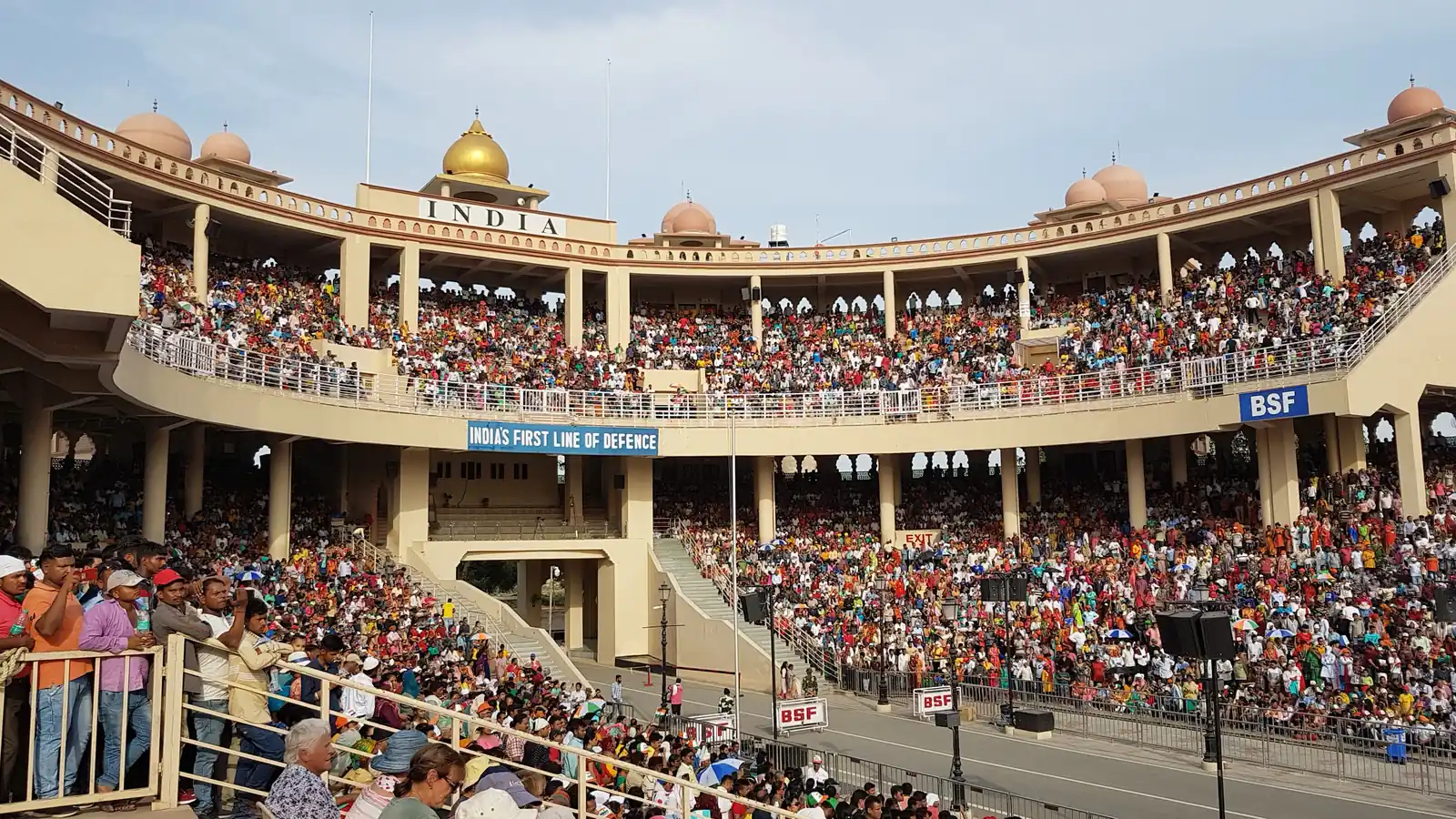 ArticleWhy do India and Pakistan hate each other?
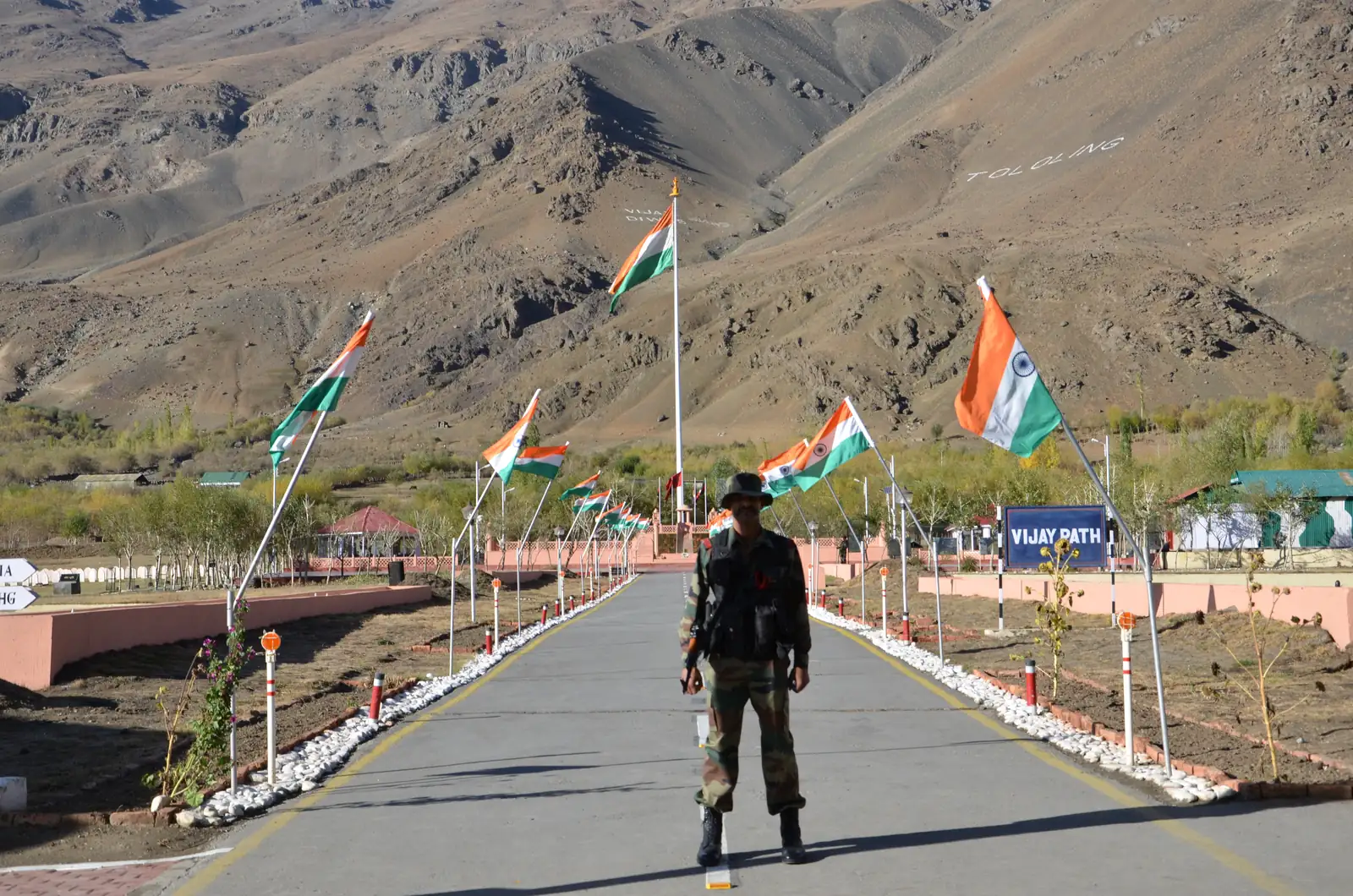 ArticleThe Kashmir conflict: three nuclear powers and the world's most dangerous border
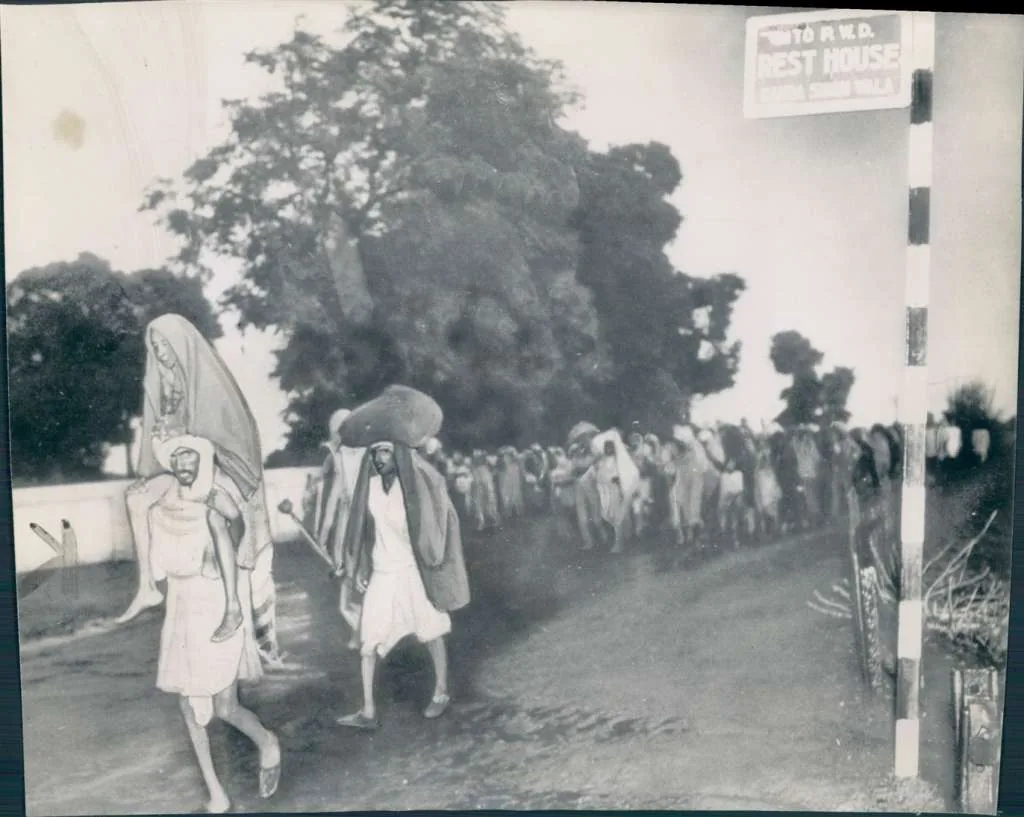 ArticleThe partition of India: the five weeks that split a subcontinent
 RivalryChina vs India
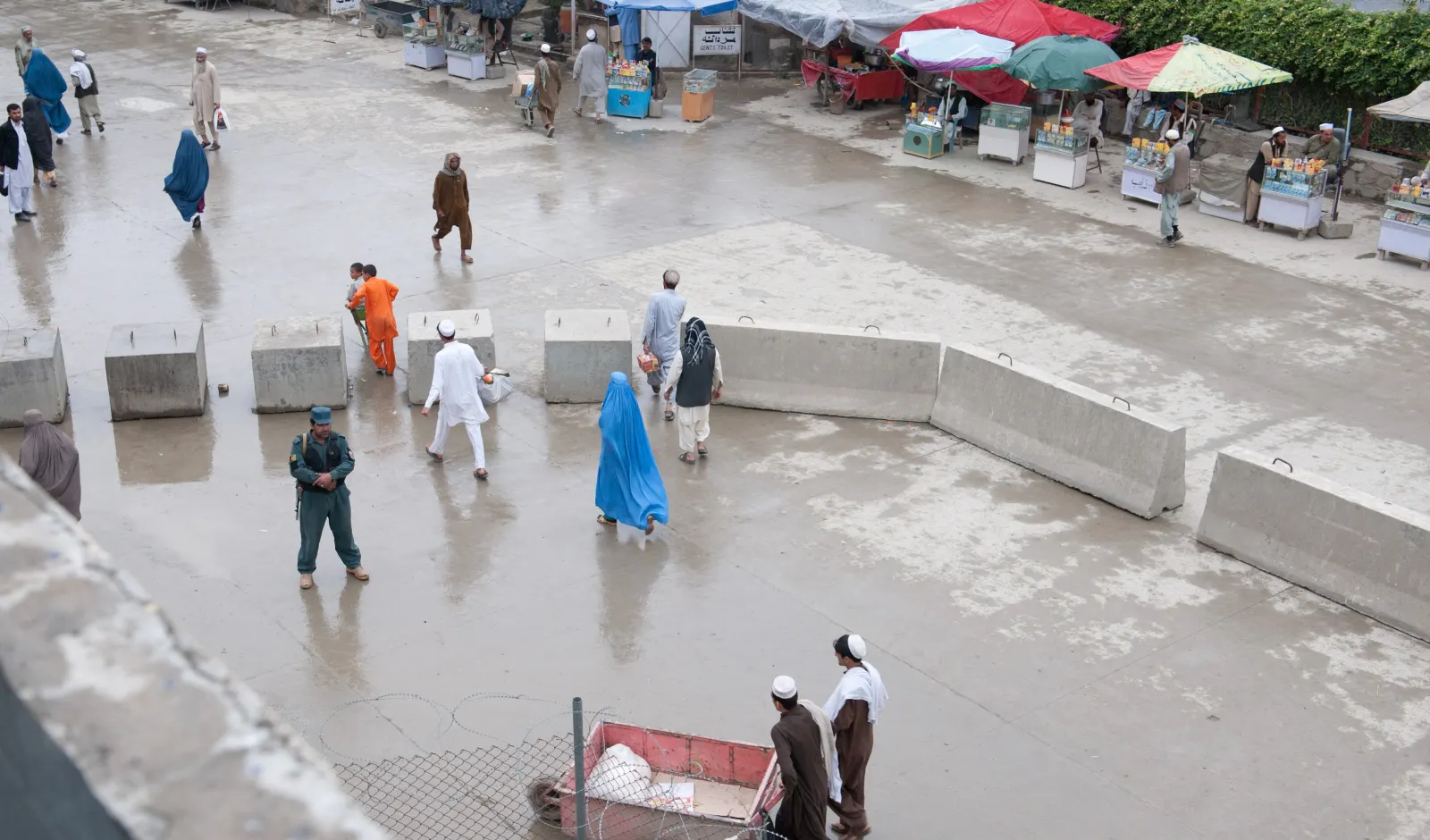 WarPakistan-Afghanistan conflict
- QuizThe Partition of India