Armed group · Yemen · Iran's network
The Houthis (Ansar Allah)
At war with Yemen’s governmentUpdated November 16, 2026
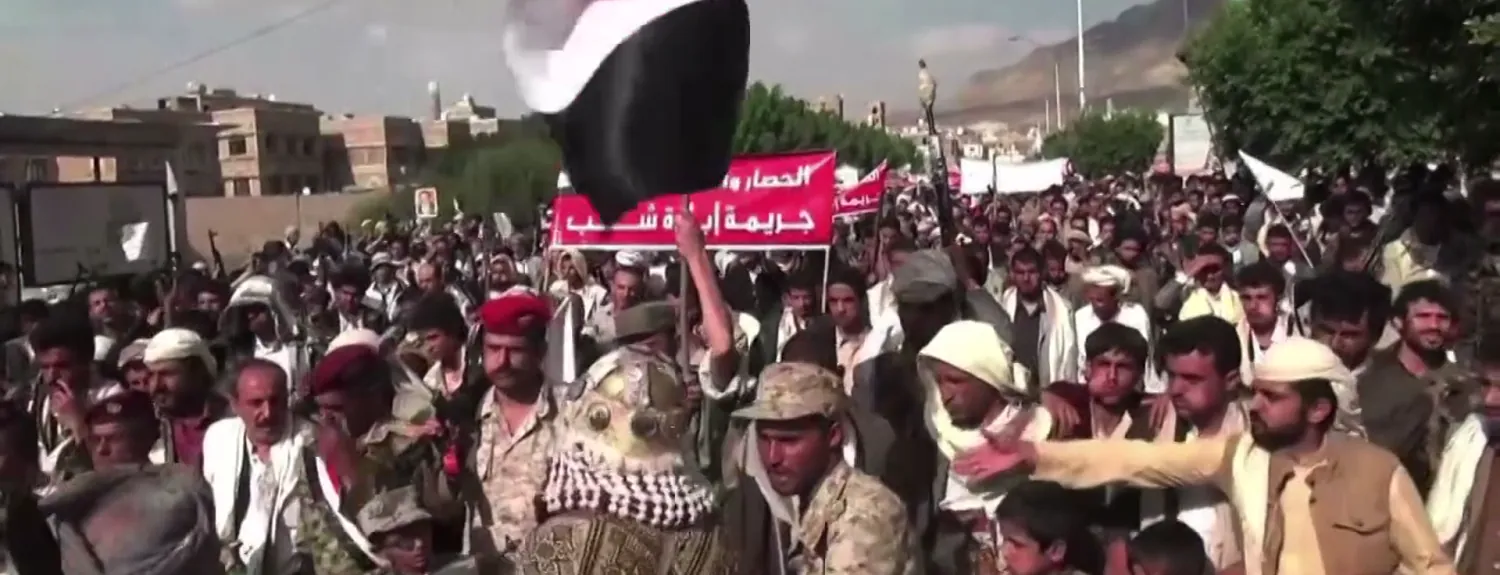
The Houthis, formally called Ansar Allah, are a Zaydi Shia armed movement from northern Yemen. They have held Yemen's capital, Sanaa, since September 2014. Their leader is Abdul-Malik al-Houthi. Iran supplies them with weapons and funds, according to the UN and the United States. Iran denies arming them. They hold about a third of Yemen's land but roughly 70% of its people. Their arsenal includes ballistic missiles that can reach more than 1,900 km and drones that can reach more than 2,000 km. Since November 2023 they have attacked more than 100 ships in the Red Sea. They say the attacks support Gaza. On November 15, 2026 government forces withdrew from the Yemeni shore of the Bab el-Mandeb strait.
- Leader
- Abdul-Malik al-Houthi
- since 2004
- Fighters
- Up to 350,000
- Middle East Institute estimate; figures vary widely
- Holds
- About a third
- of Yemen, with roughly 70% of its people
- Main backer
 Iran
- which denies arming them
- Founded
- 1992
- armed since 2004
Who funds the Houthis?
Where the money and the weapons come from.
- From abroad
- IranThe US says Iran supplies weapons, targeting information and military advice. The US Treasury says the IRGC-Quds Force moves funds to the Houthis through the central bank in Sanaa.
- Iranian weapons seizedIn late June 2025, pro-government forces intercepted more than 750 tons of Iranian weapons. CENTCOM announced it on July 16, 2025. The haul included cruise missiles, anti-ship missiles and drone engines.
 Chinese componentsConflict Armament Research traced missile parts, including a solid-rocket motor, to a Chinese manufacturer. China says it complies with the UN arms embargo.
- At home
- Hodeidah portThe UN Panel found the Houthis collected about $4 billion in customs at their ports from April 2022 to mid-2024, including from fuel imports that bypassed UN inspections.
- Oil revenueThe US Treasury estimated in January 2026 that the Houthis earn over $2 billion a year from illicit oil sales through front companies in Yemen, Oman and the UAE.
- Taxes and feesThe UN Panel calls taxes the main domestic revenue source. The Houthis collect income tax, sales tax, zakat and a 20% khums levy signed into law in 2020.
- Telecoms and bankingThe Houthis fully control the telecoms sector. The International Bank of Yemen gave them access to SWIFT until the US sanctioned it in April 2025.
Houthis
Ansar Allah
The money pays for a missile and drone industry, a standing army and a parallel state with its own central bank, courts and tax authority. The US Treasury has sanctioned dozens of individuals, banks and front companies tied to Houthi finances since 2024.
No official estimate of the Houthis' total income exists. The UN Panel documented billions in customs and fuel revenue but did not publish an overall budget figure.
ConfirmedReported, denied
What territory do the Houthis control?
The Houthis hold Sanaa and the northwest, where most Yemenis live. They also hold the Red Sea coast down to Bab el-Mandeb. The government holds Aden, Marib city and the east.
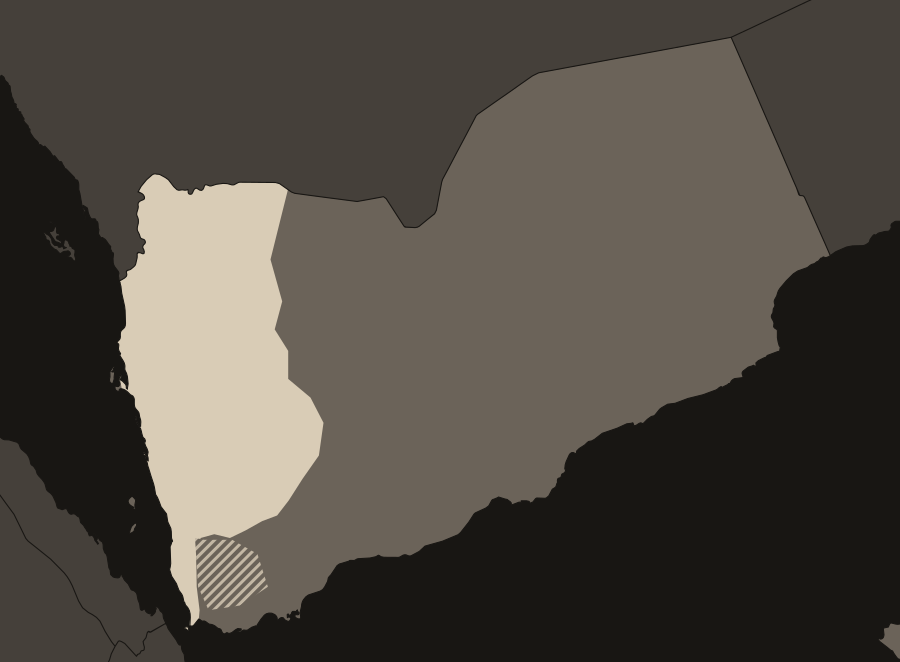
HouthisContested front, November 2026Government and alliesLines are approximate. Neither side’s battlefield claims could be independently checked.
- SanaaHouthisYemen's capital, held by the Houthis since September 21, 2014. It is the seat of their Supreme Political Council and their parallel government.
- SaadaHouthisThe birthplace and heartland of the movement. The al-Houthi family comes from this northern governorate. The Houthis fought six wars with the government here between 2004 and 2010.
- HodeidahHouthisYemen's main Red Sea port and a major source of Houthi customs revenue. The UN Panel found the Houthis collected about $4 billion in customs at Hodeidah, Ras Isa and Salif from April 2022 to mid-2024.
- MokhaHouthisA Red Sea port near Bab el-Mandeb. The Houthis took it on September 10, 2026. The government said in October that it had retaken the city, and the Houthis denied it. Reuters reported on November 15 that the government's October offensive had not retaken Mokha.
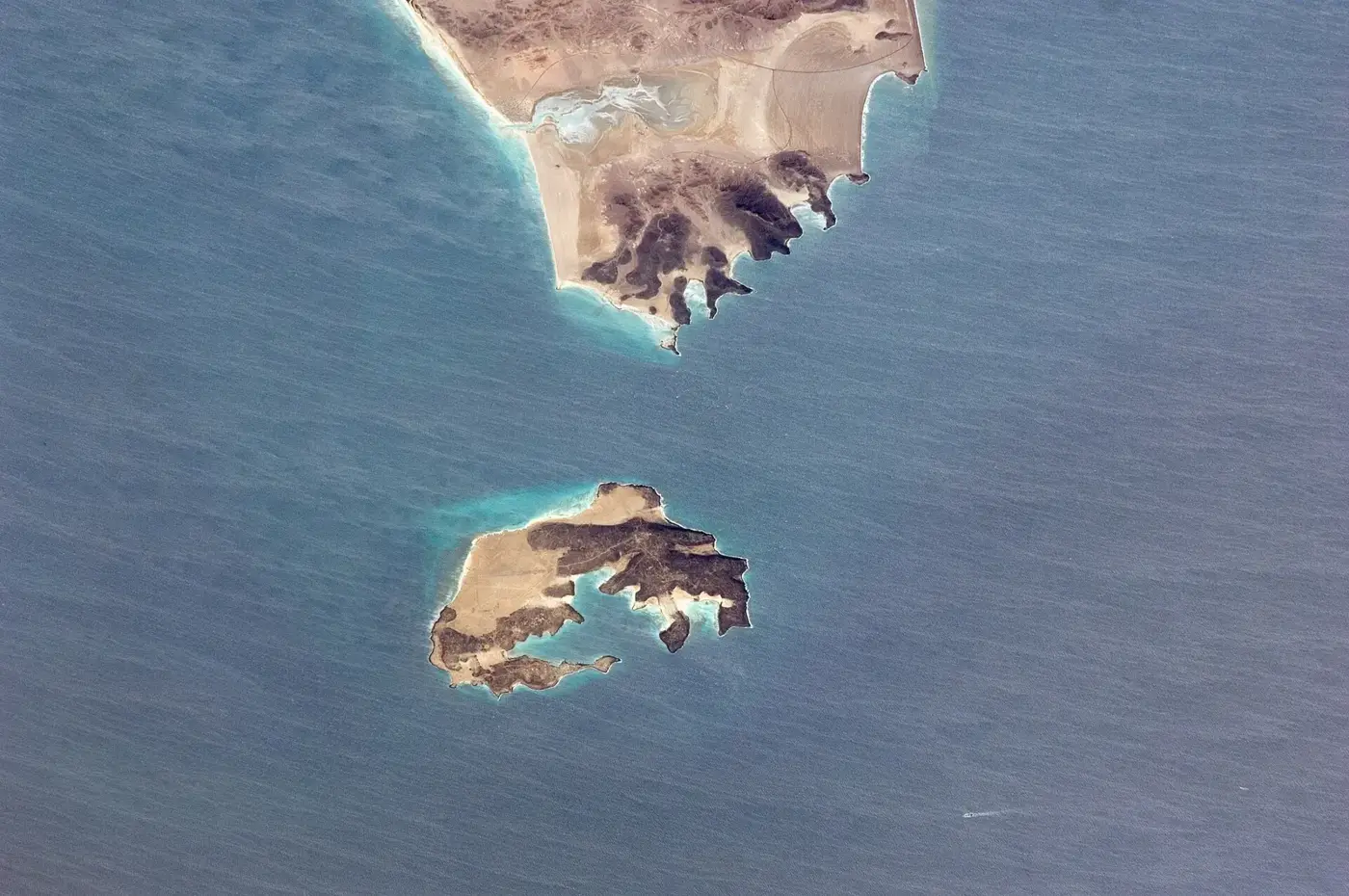
- Perim islandHouthisAn island in the Bab el-Mandeb strait, called Mayun in Arabic. The Houthis took it on September 11, 2026 after government forces withdrew. On November 15 government forces also left Dhubab and the nearby coast to defend Aden. Reuters reported that the move left the Houthis in control of the area.
- TaizGovernmentYemen's third-largest city, held by the government but encircled by the Houthis since they took al-Turbah on October 4, 2026. The UN says more than 800,000 people are cut off from aid. As of November 15 aid still could not enter the city, Reuters reported.
- Tur al-BahahFront lineA district in Lahj province, about 80 km from Aden. The Houthis reached its entrance on November 2, 2026. That is the closest they have come to Aden since 2015.
- MaribGovernmentThe last major government stronghold in the north and a center for oil and gas. Fighting continues north and south of the city. The government claims gains in the mountains of neighboring al-Jawf.
- AdenGovernmentThe government's main base and seat of the internationally recognized authorities. In January 2026 the government retook it from the Southern Transitional Council. Houthi missiles struck its airport and presidential palace in October 2026.
What weapons do the Houthis have?
Ballistic missiles, cruise missiles, drones and anti-ship weapons. Analysts say most are based on Iranian designs. The UN Panel finds that more of them are now made or assembled in Yemen.
The Houthis were the first non-state group to fire anti-ship ballistic missiles, according to the Wilson Center.
The Houthis also field the shorter-range Karar, based on Iran's Fateh-110, with a range of about 300 km.
The Houthis claim the Palestine-2 can reach 2,150 km. Other estimates range from 1,500 to 2,000 km. The IISS says it was almost certainly supplied by Iran.
The Quds family is based on Iran's Project 351 cruise missile.
A Yafa drone killed one person in Tel Aviv on July 19, 2024. The Israeli military said it flew at least 1,800 km.
Distances from Sanaa. Ranges are the longest reported for each kind of weapon.
Air defense
Saqr/358, Barq, Thaqib · Iranian and converted air-to-air missiles
The Saqr is a loitering surface-to-air missile used against US drones. The US military confirmed it lost 7 MQ-9 Reapers between March 31 and April 22, 2025.
Drone boats
Remote-controlled explosive boats · Local production with imported parts
Conflict Armament Research also reported a possible underwater drone and naval mines.
- Ships attacked
- 100+
- merchant vessels since November 2023
- Ships sunk
- 4
- Rubymar, Tutor, Magic Seas, Eternity C
- MQ-9 Reapers downed
- 7 confirmed
- March to April 2025; the Houthis claim 22 in total
Are the Houthis a terrorist group?
The United States lists them as a Foreign Terrorist Organization. The EU and the UK do not. The UN places them under sanctions but has not called them a terrorist group.
 United StatesForeign Terrorist Organization since March 2025
 Saudi ArabiaTerrorist list since March 2014
 UAETerrorist list since November 2014
 AustraliaListed under the Criminal Code in May 2024
 CanadaListed under the Criminal Code in December 2024
 European UnionUnder EU sanctions on Yemen, not the terrorist list
 United KingdomSanctions on Houthi officials, not proscribed
- UN Security CouncilUnder the UN arms embargo on Yemen since 2022
 RussiaNot listed
- ChinaNot listed
Who leads the Houthis?
Abdul-Malik al-Houthi is the supreme leader. He took over after government forces killed his brother Hussein in September 2004. He is never seen in public and speaks only in televised addresses. He is on the UN sanctions list under Resolution 2216.
Mahdi al-Mashat is the president of the Supreme Political Council, the body that acts as head of state in Houthi-held territory. He has held the post since April 2018. He signed the 2020 khums bylaw, a 20% levy whose proceeds go to people who claim descent from the Prophet Muhammad.
Mohammed Abdulsalam is the chief negotiator and spokesman. He is based in Muscat, Oman, and is under US sanctions. He was in the delegation that met US officials in Muscat in September 2026.
Israel killed the Houthi prime minister, Ahmed al-Rahawi, in a strike on Sanaa on August 28, 2025. About 9 other ministers died in the same strike, including Foreign Minister Jamal Amer. The Houthis announced the death of their military chief of staff, Mohammed al-Ghamari, on October 16, 2025. Israel said he died from wounds sustained in the August strike. Yusuf al-Madani replaced him the same day.
The leadership
- Supreme leaderAbdul-Malik al-Houthi. Since 2004. Never appears in public; speaks only in televised addresses.
- President of the SPCMahdi al-Mashat. Since April 2018. Signed the 2020 khums tax bylaw.
- Chief negotiatorMohammed Abdulsalam. Based in Muscat, Oman. Under US sanctions.
- Chief of general staffYusuf al-Madani. Since October 2025. Replaced al-Ghamari, whose death Israel attributed to its August 2025 strike.
- Military spokesmanYahya Saree. Announces all Houthi military operations.
- Caretaker PMMohammed Miftah. Since August 30, 2025, after Israel killed PM al-Rahawi.
Why do the Houthis attack ships?
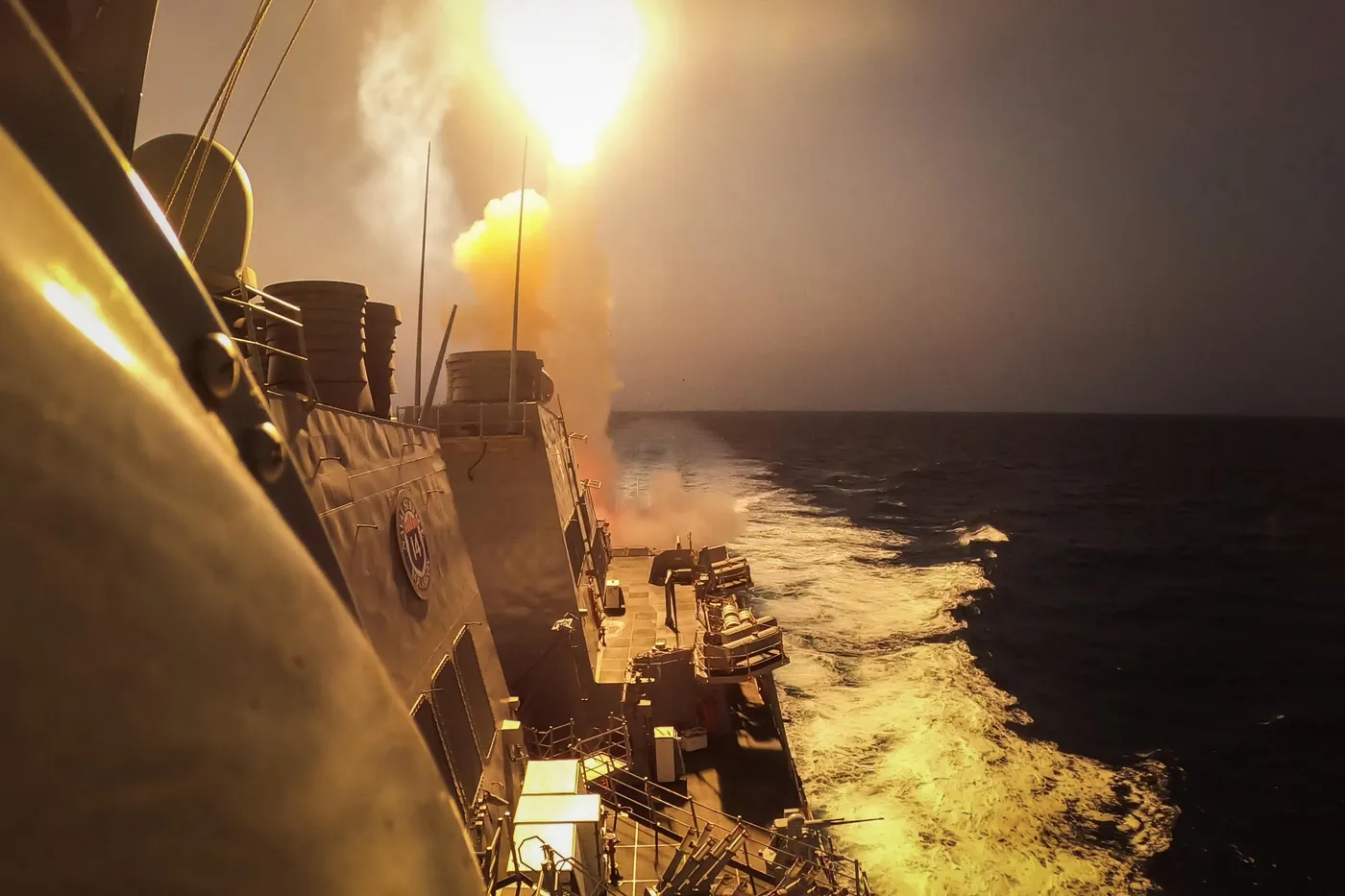
The Houthis began attacking ships in the Red Sea in November 2023. They said they were targeting ships linked to Israel to support Gaza. After the United States and the United Kingdom began airstrikes in January 2024, the Houthis also targeted US and British ships.
The attacks cut ship traffic through Bab el-Mandeb. About 34 commercial ships a day crossed the strait in early November 2026, according to Gulf News. Egypt's Suez Canal revenue fell 61%, from $10.25 billion in 2023 to $3.99 billion in 2024.
In May 2025 the Houthis and the United States agreed through Oman to stop attacking each other. The Houthis paused their attacks on shipping after the Gaza ceasefire of October 2025. The United States and Israel went to war with Iran in February 2026. The Houthis joined that war on March 28, 2026, with missile and drone attacks on Israel. Their May 2025 ceasefire with the United States still holds. In June 2026 they declared a ban on Israeli shipping. On July 20, 2026, after the Sanaa airport strike, they declared a blockade of Saudi shipping. Saudi Arabia announced a 14-country maritime coalition on July 30, 2026.
Red Sea campaign
100+
Merchant ships attacked since November 2023
The Houthis sank 4 ships and seized 1, the Galaxy Leader. At least 8 crew members have been killed. US Secretary of State Marco Rubio said in March 2025 that the Houthis had carried out 145 attacks on commercial ships and 174 on US Navy vessels.
Does Iran control the Houthis?
The UN Panel of Experts has documented Iranian support for the Houthis but has not said Iran commands them. Iran supplies the Houthis with weapons, components and funds, according to the UN Panel of Experts, the US Treasury and US Central Command. The UN Panel's 2025 final report found the Houthis receive military assistance from the Iran- and Hezbollah-led "Axis of Resistance." In late June 2025, pro-government forces seized more than 750 tons of weapons bound for the Houthis. US Central Command said the weapons were Iranian. The haul included cruise missiles, anti-ship missiles, drone engines, radar and Farsi-language manuals.
Iran denies arming or directing the Houthis. Analysts debate how independent the Houthis are. Their creed draws on Zaydi Shi'ism, which differs from Iran's Twelver Shi'ism. Analysts who stress Houthi independence point out that the group runs its own government and collects its own taxes.
In March 2026 Abdul-Malik al-Houthi said his position is to "stand by the Islamic Republic of Iran and the Iranian people." Hezbollah provides training and technical assistance, according to the UN Panel.
What investigators found
- Iranian weaponsCruise, anti-ship and anti-aircraft missiles, drone engines, radar, Farsi manuals (750-ton seizure, June 2025)
- IRGC-Quds Force fundsMoved through the central bank in Sanaa (US Treasury, December 2024)
- Iranian oil-sale networksFront companies in Yemen, Oman and the UAE (US Treasury, multiple rounds)
 Hezbollah trainingTraining and technical assistance (UN Panel 2025)
 Al-Shabaab cooperationWeapons smuggling and training at "unprecedented" levels (UN Panel 2025)
- Chinese-made componentsMissile parts traced to a Chinese manufacturer (Conflict Armament Research, October 2026)
What happened in Yemen in 2026?
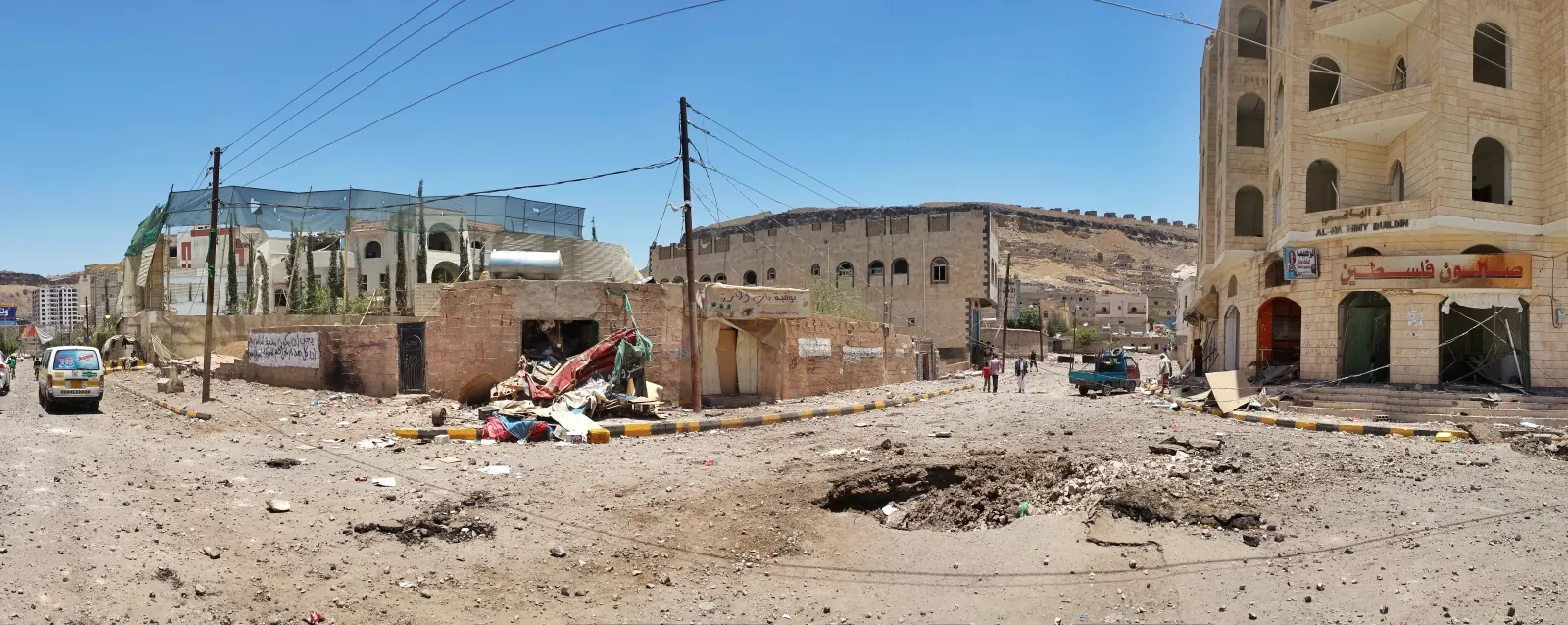
On July 13, 2026, an airstrike hit the runway of Sanaa airport. Yemen's government said it carried out the strike to stop an Iranian airliner from landing. The Houthis blamed Saudi Arabia and declared the 2022 truce over. On July 20 they declared a blockade of Saudi shipping.
In September the Houthis launched a ground offensive. They took the Red Sea port of Mokha on September 10 and Perim island in the Bab el-Mandeb strait on September 11. In October the government said it had retaken Mokha and Dhubab, on the strait. Reuters later reported that it retook Dhubab but not Mokha. In early October the Houthis encircled Taiz, Yemen's third-largest city. The UN says more than 800,000 people there are cut off from aid.
On October 4 the government launched Operation Dawn of Yemen to retake Sanaa, backed by Saudi air power. The Houthis also fired missiles at Saudi airports. On October 10 a Houthi strike on Riyadh's King Khalid International Airport killed 12 people and wounded 309, according to Saudi civil aviation authorities. A second strike the next day killed 1 person. On October 13 the Saudi-led coalition struck a state oil facility in Sanaa. By November 2 the Houthis had advanced to about 80 km from Aden. On November 12 the UN Security Council renewed its sanctions on Yemen and demanded that the Houthis stop attacking Saudi Arabia. On November 15 government forces withdrew from Dhubab and the Bab el-Mandeb area to defend Aden. The WHO counted 2,098 people killed in Yemen from August to November 8.
Yemen in 2026
- Jul 13An airstrike hits Sanaa airport. The Houthis declare the 2022 truce over.
- Jul 20The Houthis declare a blockade of Saudi shipping.
- Sep 3The Houthis launch a ground offensive.
- Sep 10The Houthis take Mokha on the Red Sea coast.
- Sep 11The Houthis take Perim island in the Bab el-Mandeb strait.
- Oct 4The government launches Operation Dawn of Yemen. The Houthis encircle Taiz.
- Oct 10A Houthi strike on Riyadh's airport kills 12 people and wounds 309.
- Oct 22The European Parliament calls on the EU to list the Houthis as a terrorist group.
- Nov 2The Houthis advance to about 80 km from Aden.
- Nov 15Government forces withdraw from the Bab el-Mandeb strait.
How did the Houthis rise?
The Houthis began as a Zaydi Shia revival movement called the Believing Youth, founded in Saada in 1992. Their identity is rooted in Zaydism, a branch of Shia Islam centered in northern Yemen. In the early 2000s they adopted a slogan known as the Sarkha: "God is great, death to the U.S., death to Israel, curse the Jews, victory for Islam."
The movement turned militant under Hussein al-Houthi. In June 2004 the government of President Ali Abdullah Saleh sent forces to arrest him, and fighting broke out. Government forces killed Hussein in September 2004. His brother Abdul-Malik took over and fought five more wars with the Saleh government through 2010.
In 2011 the movement took the name Ansar Allah and joined the uprising against Saleh. It later allied with Saleh, and together they took Sanaa in September 2014. In March 2015 the Houthis advanced on Aden. A Saudi-led coalition then began bombing them at the request of President Abd Rabbuh Mansur Hadi. The UN Development Programme estimated that the war had caused about 377,000 deaths by the end of 2021, directly and indirectly. In December 2017 the Houthis killed Saleh after he broke with them. A UN-brokered truce in April 2022 froze the front lines. In November 2023 the Houthis began attacking ships in the Red Sea. The United States designated them a Foreign Terrorist Organization in March 2025.
How the Houthis rose
- 1992The Believing Youth is founded in Saada.
- Sep 2004Government forces kill Hussein al-Houthi. His brother Abdul-Malik takes over.
- 2004-2010Six wars with the Saleh government in Saada.
- 2011The movement takes the name Ansar Allah and joins the uprising against Saleh.
- Sep 2014The Houthis take Sanaa.
- Mar 2015The Houthis advance on Aden. A Saudi-led coalition begins bombing them at President Hadi's request.
- Dec 2017The Houthis kill their former ally, ex-President Saleh.
- Apr 2022A UN-brokered truce largely halts the fighting.
- Nov 2023The Houthis begin attacking ships in the Red Sea.
- Mar 2025The United States designates the Houthis a Foreign Terrorist Organization.
Questions about the Houthis
Is Hezbollah helping the Houthis?
Yes. The UN Panel of Experts' 2025 final report found the Houthis receive military assistance from the Iran- and Hezbollah-led "Axis of Resistance." Hezbollah provides training and technical assistance. A reported monthly transfer of about $50,000 went to the Houthis in 2013 to 2014.
How many rockets does Ansar Allah have?
Experts estimate the Houthis have several hundred ballistic missiles, of which 100 to 200 are long-range, and fewer than 1,000 drones. The UN Panel finds their capabilities are growing through local manufacturing and assembly.
Is Ansar Allah part of the Yemeni government?
No. The Houthis run a parallel government in Sanaa with their own cabinet, central bank and courts. They say it is Yemen's legitimate government. The internationally recognized government, led by the Presidential Leadership Council under Rashad al-Alimi, is based in Aden.
How many ships have the Houthis sunk?
Four. The Rubymar sank on March 2, 2024. The Tutor sank in June 2024. The Magic Seas and the Eternity C sank in July 2025. The Houthis also seized the Galaxy Leader on November 19, 2023.
Did the US fight the Houthis?
Yes, but the fighting has stopped for now. The United States struck Houthi targets from January 2024 through May 2025, including a 50-day campaign called Operation Rough Rider. A US strike on the Ras Isa fuel port on April 17, 2025 killed 74 people, according to the Houthi-run health ministry. The US said it hit the port to cut off Houthi fuel revenue. On May 6, 2025, the two sides agreed to a ceasefire through Oman. As of November 2026, the ceasefire holds.
What is the Houthi slogan?
The slogan, called the Sarkha or "the Scream," is: "God is great, death to the U.S., death to Israel, curse the Jews, victory for Islam." The Houthis adopted it in the early 2000s. It appears on flags and banners across Houthi-held territory.