
Resource · Critical mineral
Antimony
Antimony is a metal used to harden lead in bullets and batteries and to make plastics fire-resistant. China mined 36% of the world's antimony in 2025 and processes about 85% of all mined antimony. China's export controls sent prices to nearly $60,000 a tonne in mid-2025. Its ban on sales to the US is suspended until November 27, 2026.
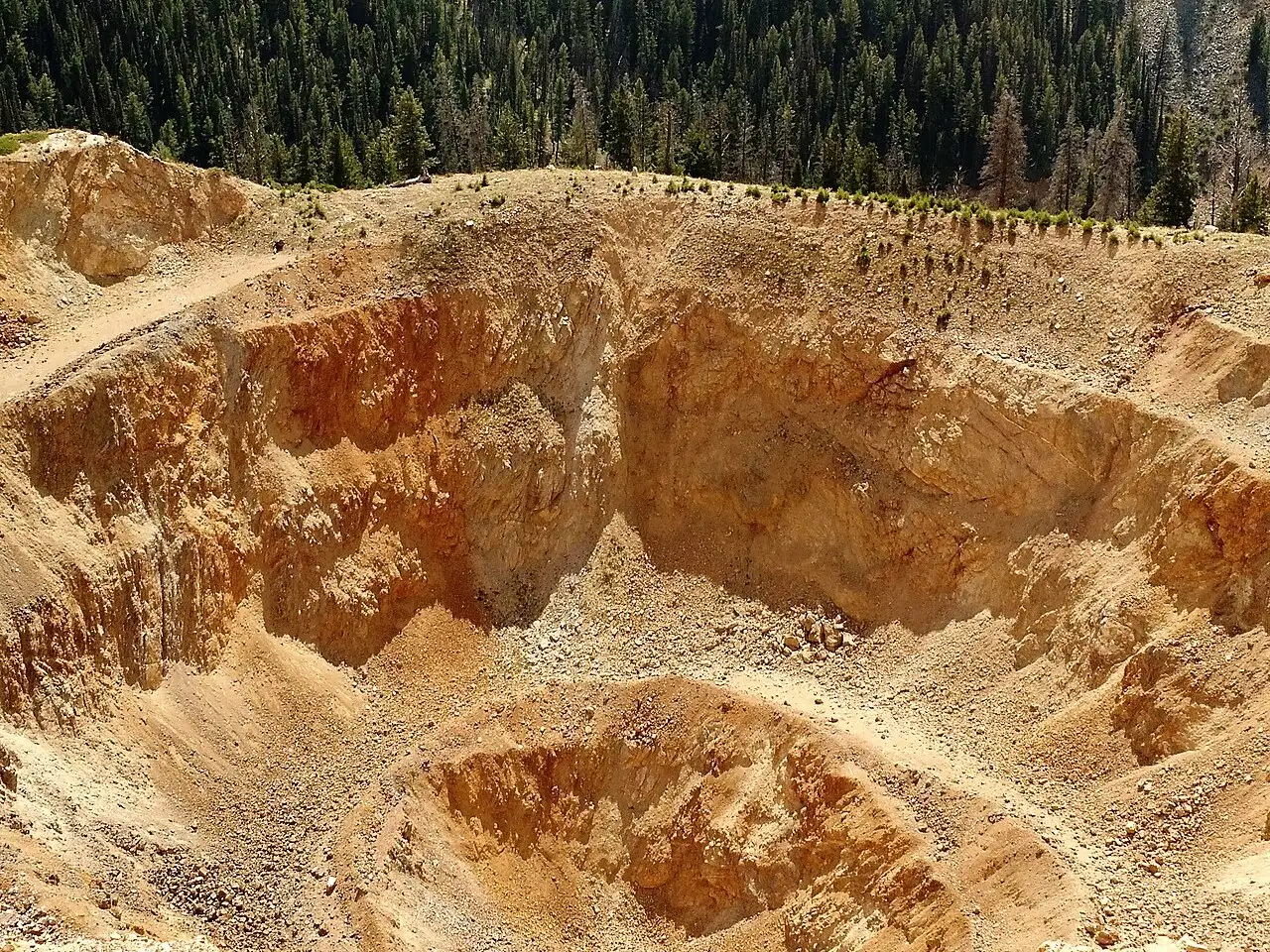
- Mined in 2025
- 110,000 t
- of antimony, estimate
- Largest miner
 36.4%
- 40,000 tonnes, 2025
- Processed in China
- 85%
- of mined antimony, 2023
- Record price
- $59,750
- a tonne in Rotterdam, June-July 2025
- US import reliance
 91%
- of the antimony it used in 2025
Which countries mine the most antimony?
China mined 40,000 tonnes of antimony in 2025, about 36.4% of the world's 110,000 tonnes. Russia mined 32,000 tonnes (29.1%) and Tajikistan 22,000 tonnes (20.0%). Those three countries produced 85.5% of the world total.
China's mine output fell from about 95,000 tonnes in 2018 to 40,000 tonnes in 2025, as its ores became lower-grade and its reserves shrank. Much of Russia's, Tajikistan's, Myanmar's and Australia's ore is shipped to China for smelting rather than processed locally.
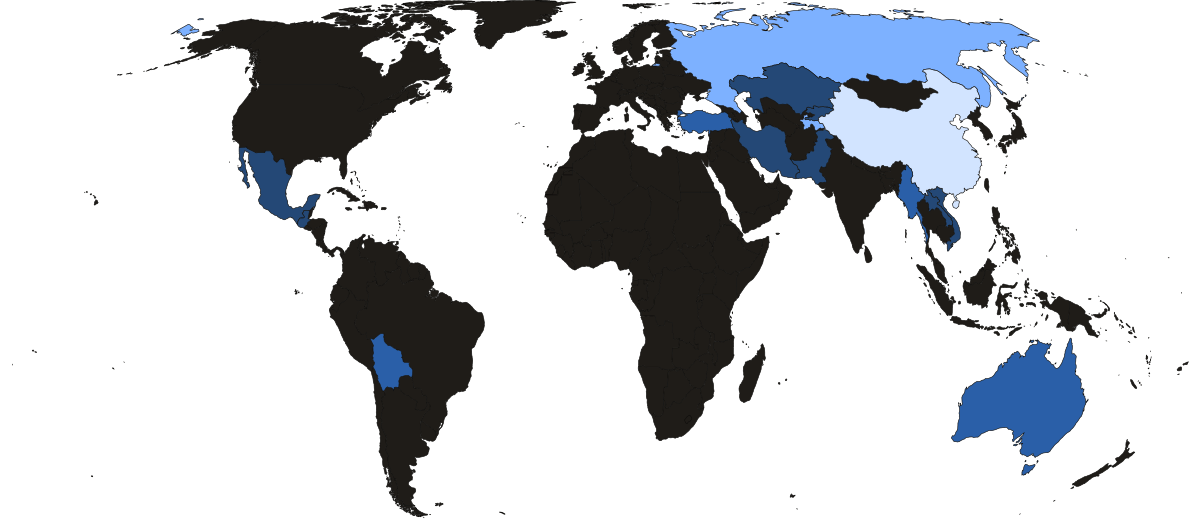


- Under 1%
- 1%–5%
- 5%–15%
- 15%–30%
- Over 30%
- No production
What is antimony used for?
Flame retardants account for 45% of global antimony use. Antimony trioxide is mixed into plastics, textiles and electronics casings to slow the spread of fire. Alloys take 23%, mostly metallic antimony added to lead in battery grids and ammunition. Glass and ceramics take 16%, including the glass used in solar panels.
In China, solar-panel glass rose from 11% of the country's antimony use in 2020 to 25% in 2023. In the United States, antimonial lead and ammunition account for 40% of use. Antimony trisulfide is used in the primers that fire ammunition. Antimony also goes into armor-piercing rounds, night-vision goggles and infrared sensors.
What the world's antimony goes into
Share of antimony used worldwide, 2023
- Flame retardants45%
- Alloys: batteries, bullets, bearings23%
- Glass and ceramics, including solar glass16%
- Catalysts for polyester and PET6%
- Other10%
Uses by country
- 25%of the antimony China used in 2023 went into solar-panel glass, up from 11% in 2020
- 40%of the antimony used in the US goes into antimonial lead and ammunition
- 130,000 tof antimony used worldwide in 2023, a Project Blue estimate
- 91%of the antimony the US used in 2025 was imported
What are China's export controls on antimony?
China's Ministry of Commerce has required export licences for antimony since September 15, 2024. The rules cover ore, metal, oxides and smelting technology. On December 3, 2024, a day after the US tightened its chip export controls, China banned antimony exports to the United States.
On November 9, 2025, after a Trump-Xi summit, China suspended the US ban until November 27, 2026. Licences are still required for every destination, and sales to US military users remain banned. No extension had been announced by November 5, 2026. Antimony in Rotterdam peaked at about $59,750 a tonne in June and July 2025 and fell to $18,300-19,000 by October 2026.
Antimony prices since China's controls
US dollars a tonne
Who smelts antimony?
China processed about 85% of all mined antimony in 2023. Nearly half of the ore that Chinese smelters processed that year was imported, mainly from Russia (24% of China's ore imports), Tajikistan (24%), Australia (17%) and Myanmar (8%). Only 15% of the world's mined antimony was smelted outside China.
The largest company is Hsikwangshan Twinkling Star, based at the Xikuangshan mine in Hunan province. Outside China, smelters operate in Belgium (Umicore and Campine), France (AMG SICA), the United States (US Antimony Corporation) and Turkey. A smelter in Oman built to make about 20,000 tonnes a year stands idle for lack of ore.
From mine to metal
China's share at each step
China 36% Russia 29%
 Tajikistan 20%China 36%China 85%
Can the US make its own antimony?
The US imported 91% of the antimony it used in 2025, and more than half of its imported metal and oxide came from China in 2021-2024. Its 60,000 tonnes of reserves are all at the Stibnite Gold Project in Idaho, where Perpetua Resources broke ground in October 2025. The Export-Import Bank approved a $2.9 billion loan for the project in May 2026. Perpetua expects first production in late 2029.
US Antimony Corporation smelts imported ore in Montana and began mining there in 2025. In September 2025 the Defense Logistics Agency gave it a contract worth up to $245 million over five years for antimony ingots for the National Defense Stockpile.
Where the US gets its antimony
Share of US imports of antimony metal and oxide, 2021-2024


History
Which country mined the most antimony 100 years ago?
China produced about 74% of the world's antimony in 1925. Most of it came from Hunan province. The center was Xikuangshan, near today's Lengshuijiang. Miners worked it from the Ming dynasty and thought the ore was tin. Xikuangshan means "tin mine mountain." In 1908 the Wah Chang Mining and Smelting Company began refining antimony metal in Changsha. Its chief engineer, Wang Chongyou, wrote "Antimony" (London, 1909), the first book in any language about the metal. Hunan's exports of antimony metal rose from 3 tonnes in 1908 to about 6,000 tonnes in 1915.
Demand surged in the First World War, because shrapnel shells were packed with lead balls hardened with antimony. In New York the price rose from 6 or 7 cents a pound in 1914 to 45 cents in March 1916. Prices collapsed after the war, and Wah Chang went bankrupt in 1918. The Soviet Union, which then included Russia and Tajikistan, had no recorded antimony output in 1925.
Share of world antimony mine output
19252025

History
How China paid for foreign help against Japan with antimony and tungsten
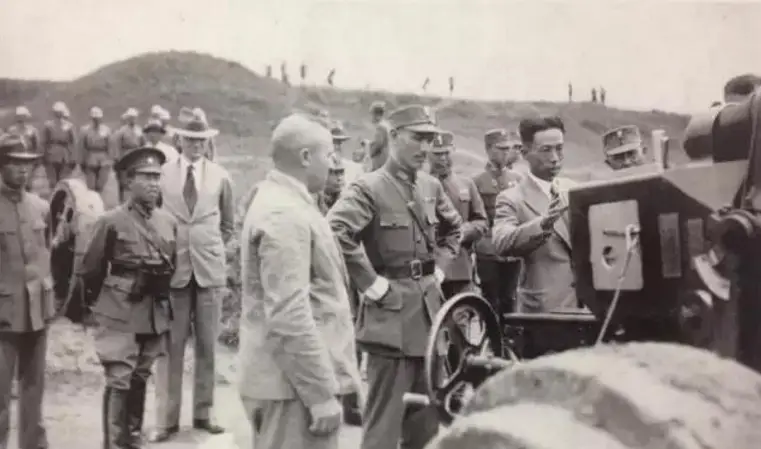
From 1936 to 1942, China paid for German, Soviet and American arms and loans partly in antimony and tungsten. In 1936 Chiang Kai-shek's Nationalist government made both metals state monopolies. That year Germany gave China a credit of 100 million Reichsmarks, about $40 million, for arms and machinery. China repaid it mainly in tungsten and antimony.
After Japan invaded China in July 1937, Germany stopped its arms deliveries by mid-1938. The Soviet Union became China's main arms supplier. Its credits of 1938 and 1939, worth about $250 million, were repaid partly in tungsten, antimony and tin. In 1940 and 1941 the United States agreed to buy the same three metals in deals worth $90 million. The metals went by truck to Rangoon in Burma. Only 300 tons of antimony had arrived in the United States by September 1941. Japan took Rangoon on March 8, 1942, and that route closed. Tungsten was worth more, but antimony was part of every deal.
Other resources
All 33 resources →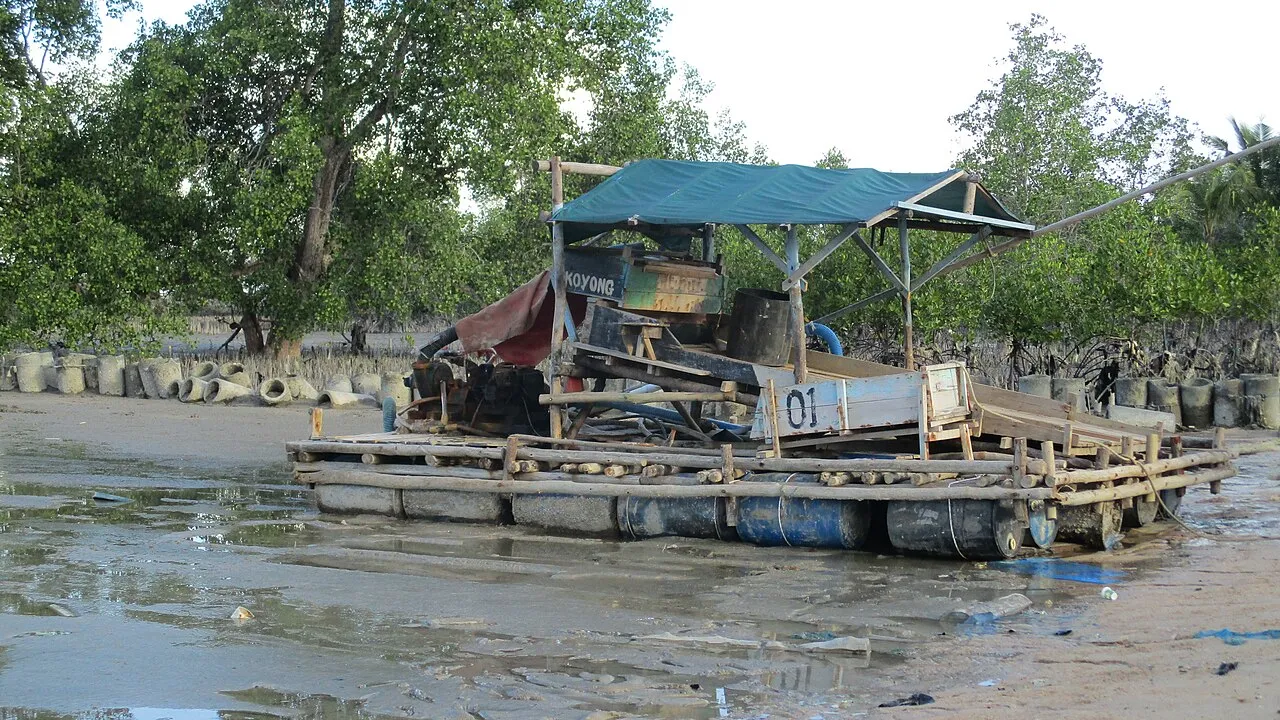 China 25%
Critical mineral
Tin
Tin holds almost every circuit board together, and China smelts half of it.
 China 69%
Critical mineral
Rare earths
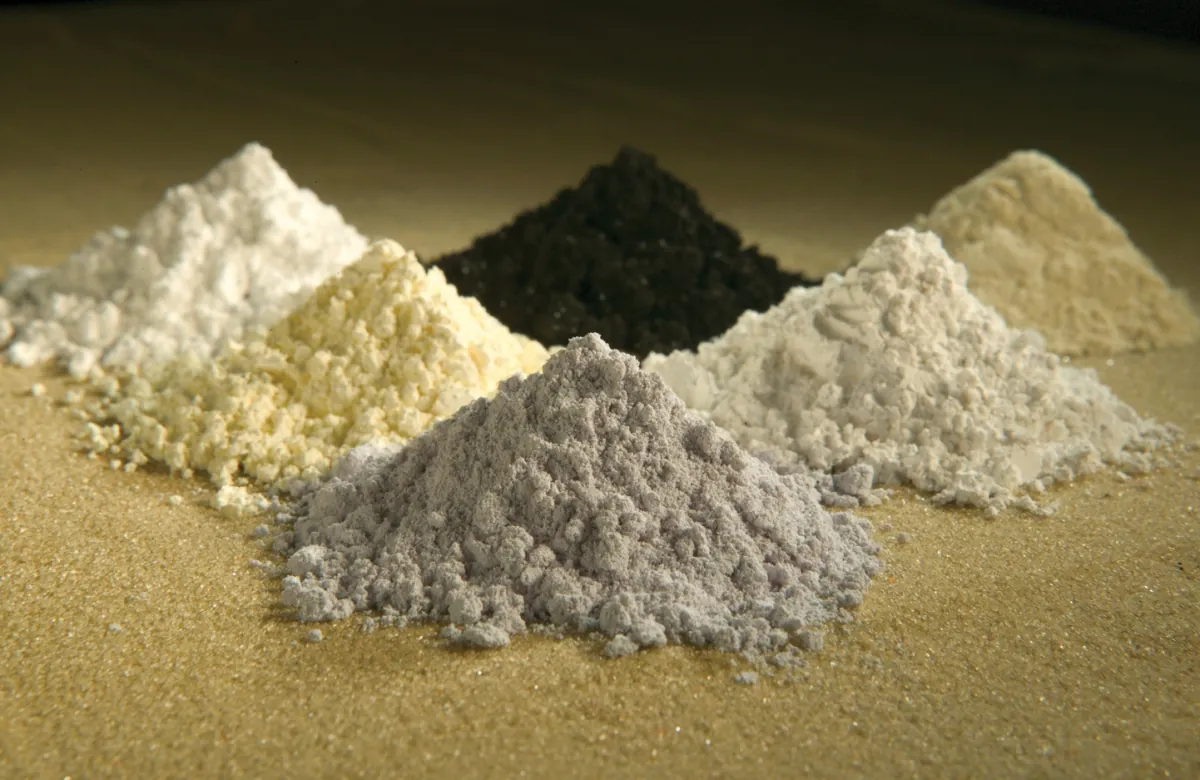
China mines 69% of rare earths, refines 85% and makes 94% of the magnets.
 China 79%
Critical mineral
Tungsten
The metal with the highest melting point, used in ammunition and cutting tools. China mines 79% and controls processing.