
Resource · Critical mineral
Tungsten
Tungsten is the metal with the highest melting point. It goes into cutting tools, drill bits and armor-piercing ammunition. China mined 78.8% of the world's tungsten in 2025 and makes about 80% of APT, its main processed form. Chinese exporters have needed a license since February 2025. From January 2027, the Pentagon bars Chinese tungsten from US defense supplies.
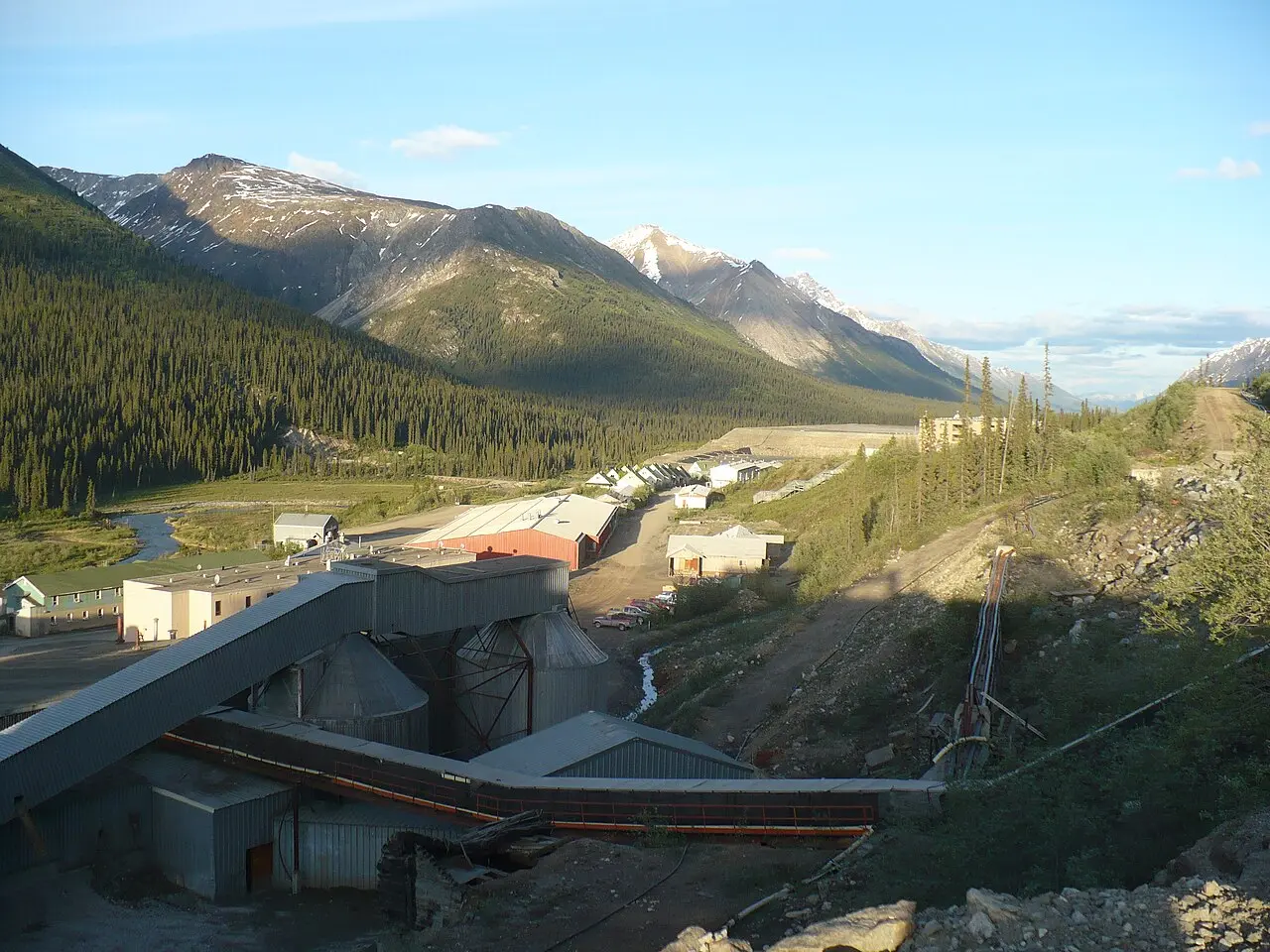
- Mined in 2025
- 85,000 t
- of tungsten, estimate
- Largest miner
 78.8%
- 67,000 tonnes, 2025
- Melting point
- 3,422 °C
- the highest of any metal
- Into hard carbide
- 65%
- of the tungsten used worldwide
- Pentagon ban
- Jan 1, 2027
- in US defense supplies, on tungsten from China, Russia, North Korea and Iran
Which countries mine the most tungsten?
China mined 67,000 tonnes of tungsten in 2025, about 78.8% of the world's 85,000 tonnes. Vietnam was second with 3,000 tonnes (3.5%), followed by Kazakhstan with 2,400 tonnes. North Korea and Russia each mined about 2,000 tonnes. The top five countries produced 90% of the world total.
World output rose from 82,000 tonnes in 2024 to 85,000 in 2025. Much of the increase came from the start of production at the Boguty deposit in Kazakhstan. The United States has not mined tungsten commercially since 2015.
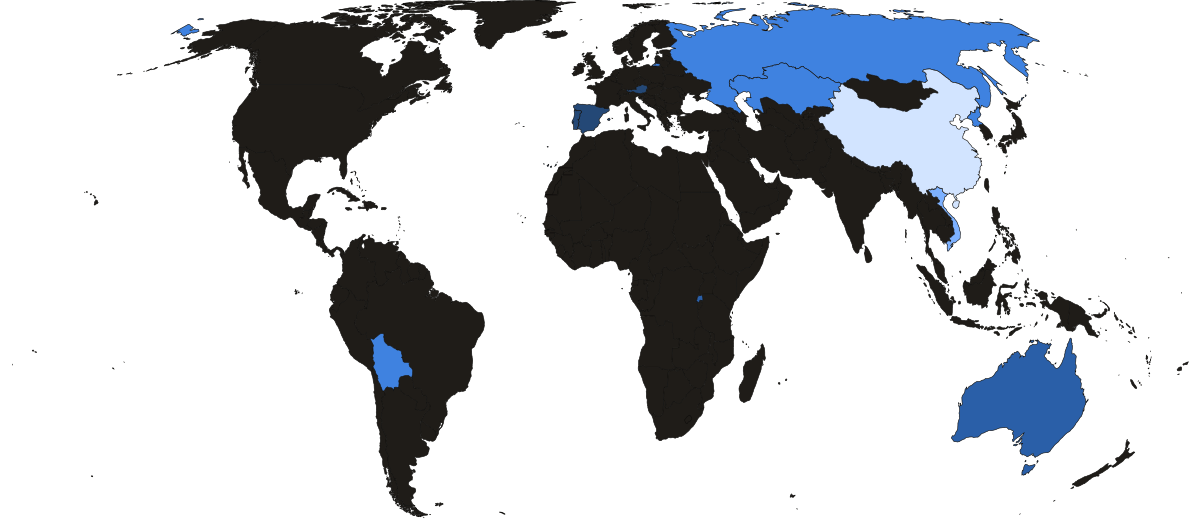
Share of world tungsten mine output, 2025
- China78.8%
 Vietnam3.5%
 Kazakhstan2.8%
 North Korea2.4%
 Russia2.4%
 Bolivia2.0%
- Everyone else8.1%
- Under 1%
- 1%–2%
- 2%–3%
- 3%–20%
- Over 20%
- No production
What is tungsten used for?
Tungsten carbide accounts for 65% of all tungsten used. Tungsten carbide, made from tungsten and carbon cemented with cobalt, is almost as hard as diamond. It makes the cutting tips of drill bits for mining and oil wells, milling tools and wear-resistant machine parts.
Steels and superalloys take 14%. Ferrotungsten goes into high-speed tool steels that keep their hardness at high temperatures. Tungsten metal products, including wires, electrodes and filaments, take 12%. A growing use is tungsten wire for cutting silicon wafers in solar-cell manufacturing.
What the world's tungsten goes into
Share of tungsten used worldwide
- Tungsten carbide (hardmetal)65%
- Steels and superalloys14%
- Tungsten metal products12%
- Chemicals and other9%
Where it ends up
- 26%of tungsten ends up in mining and construction, 26% in transport
- 8%goes into defense
- 36%of the world's tungsten is used in China
- 60%of the tungsten used in the US goes into carbide tools and wear parts
Why does the military need tungsten?
Tungsten has a density of 19.3 grams per cubic centimeter, 1.7 times that of lead. Its heavy alloys form the cores of armor-piercing tank rounds. The US Department of Defense uses tungsten in more than 100 programs, including the F-35.
From January 1, 2027, US defense contractors may not deliver tungsten powder or heavy alloy that was mined, refined or made in China, Russia, North Korea or Iran. Those four countries mined 83.5% of the world's tungsten in 2025. On September 11, 2026, the Defense Logistics Agency gave Elmet Technologies a five-year contract worth up to $2 billion to supply tungsten for the National Defense Stockpile.
Where the world's tungsten was mined in 2025
Share of world mine output; the first three are barred from US defense supplies from 2027
- China79%
- Russia2.4%
- North Korea2.4%
- All other countries16%
The Pentagon rule
- 83.5%of the world's tungsten was mined in countries the Pentagon bars from 2027
- 0 tmined in the US since 2015
- $2 billionceiling of the Pentagon's September 2026 tungsten stockpile contract
What are China's export controls on tungsten?
Since February 4, 2025, Chinese companies have needed a license from China's Ministry of Commerce to export APT, tungsten oxides and certain tungsten carbides to any country. China did not suspend the rule in its November 2025 truce with the United States. It is still in force. China's APT exports fell from 782 tonnes in 2024 to 243 tonnes in January to November 2025.
APT in Rotterdam cost $331 per metric ton unit at the start of 2025 and $3,185 in April 2026, about 9.6 times as high. China's domestic APT price fell 69% between mid-March and mid-October 2026. On October 26, 2026, Rotterdam APT cost 3.74 times China's price.
The price of tungsten outside China
APT in Rotterdam, dollars per metric ton unit
Who else mines tungsten?
Everyone outside China together mined 18,000 tonnes in 2025, 21% of the world total. Vietnam's Nui Phao mine, run by Masan High-Tech Materials, produces nearly all of Vietnam's 3,000 tonnes and is the largest non-Chinese source of APT. Kazakhstan's output jumped to 2,400 tonnes after the Chinese-owned Boguty mine started production in 2025.
In June 2026, Almonty Industries began processing stockpiled ore at the Sangdong mine in South Korea, which had been closed since 1994. Australia mines only 1.2% of the world's tungsten but holds about 12% of reserves. Russia holds about 8.5% of reserves and China about 53%.
Tungsten mined outside China
Tonnes of tungsten, 2025
- Vietnam3,000 t
- Kazakhstan2,400 t
- North Korea2,000 t
- Russia2,000 t
- Bolivia1,700 t
 Rwanda1,300 t
 Australia1,000 t
 Austria840 t
 Spain800 t
 Portugal700 t
- Everyone else2,400 t
History
Who mined the world's tungsten before World War II?
In 1936 China mined 31% of the world's tungsten ore concentrates, British Burma 21% and the United States about 10%. Bolivia mined 7% and Portugal 6%. Burma's ore came mainly from the Hermingyi mine near Tavoy and the Mawchi mine in Karenni State.
Nearly all of China's tungsten came from the Nanling mountains. Jiangxi province alone supplied about 70% of it. From 1930 to 1934 the Communist Red Army held the main tungsten district in southern Jiangxi and set up a Soviet republic there. Fighting with Nationalist troops shut many mines. Chinese output fell from 10,000 tonnes in 1929 to 4,700 in 1934. It recovered after the Communists left on the Long March in October 1934.
In the 1980s, China sold processed tungsten in Western countries below local prices. The price of wolframite concentrate fell from $144 per metric ton unit in 1980 to $20 in August 1993. An estimated 85% of Western mine capacity closed.
Share of world tungsten mine output
19362025- China31%79%
 United States9.6%0%
- Bolivia7%2%
- Portugal5.6%0.8%
- Vietnam2%3.5%
History
How Portugal and Spain sold tungsten to both sides in World War II
Neutral Portugal and Spain sold tungsten ore, called wolfram, to both Germany and the Allies until 1944. After Germany invaded the Soviet Union in June 1941, the Iberian mines became Germany's main source. Germany needed tungsten for the carbide tips of machine tools and for armor-piercing shells.
Between 1940 and 1944 Portugal exported 14,044 tonnes of wolfram to Britain and 6,212 tonnes to Germany. The Allies bought much of it to keep it from Germany. Germany paid partly in gold, mostly routed through Switzerland. In 1947 Allied investigators found the Bank of Portugal had received $43 to $53 million of looted gold.
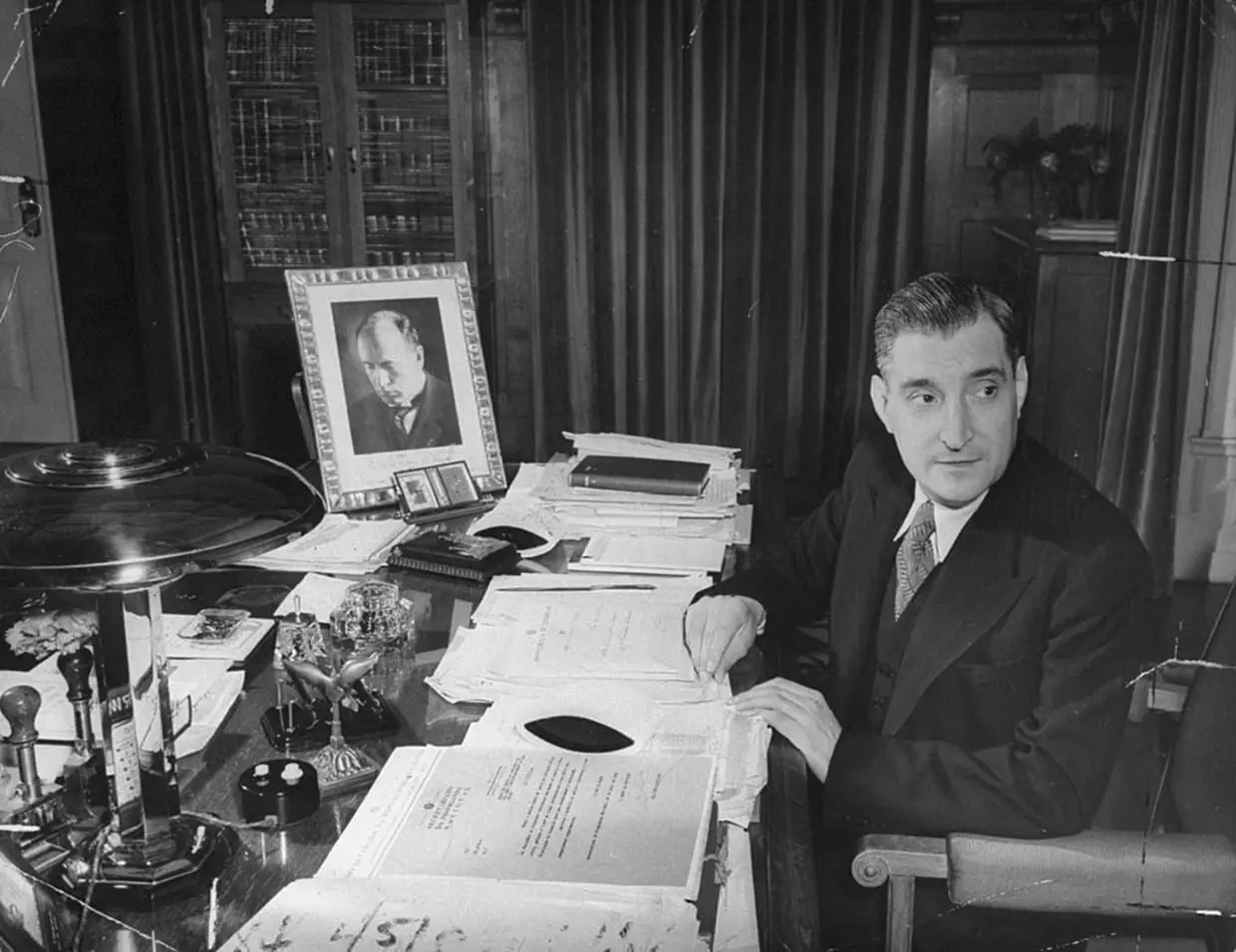
On 28 January 1944 the United States stopped oil shipments to Spain. In April, Spain agreed to cap its sales to Germany at 20 to 40 tons a month. On 5 June, the day before D-Day, Portugal's dictator, António de Oliveira Salazar, banned all wolfram exports. The liberation of France cut the overland route from Iberia to Germany.
Other resources
All 33 resources → China 36%
Critical mineral
Antimony
China mines a third of the world's antimony and smelts most of the rest.
 China 69%
Critical mineral
Rare earths
China mines 69% of rare earths, refines 85% and makes 94% of the magnets.
 China 25%
Critical mineral
Tin
Tin holds almost every circuit board together, and China smelts half of it.