Why does China want Taiwan?
Beijing's claim goes back to 1949 and a civil war that never ended. Nationalism, strategic geography, and semiconductors have only raised the stakes.
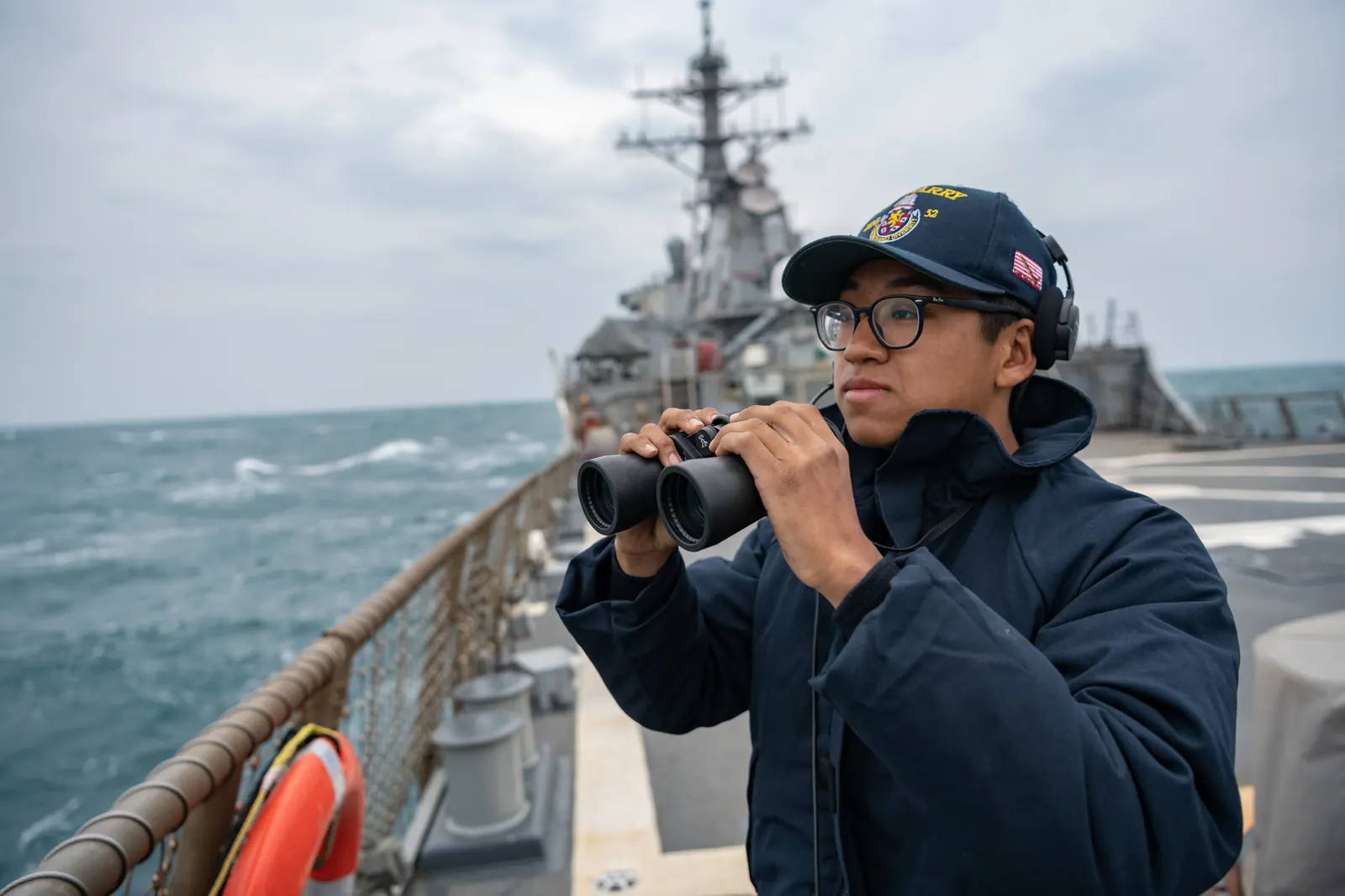
China claims Taiwan as a province. Most governments in the world officially agree. Taiwan itself does not. The island has 23 million people, its own military, its own currency, and free elections. It functions as an independent country in every practical sense. Almost nobody recognizes it as one.
Beijing has been willing to threaten war over this claim for more than seventy years. That is unusual. Countries give up lost territories all the time. Russia lost Finland, France lost Algeria, Britain lost most of a hemisphere. The Chinese Communist Party's refusal to let Taiwan go is not bluster or habit. It rests on three things: an unfinished war, a national story that demands the island back, and a geography that rewards whoever holds it.
An unfinished civil war
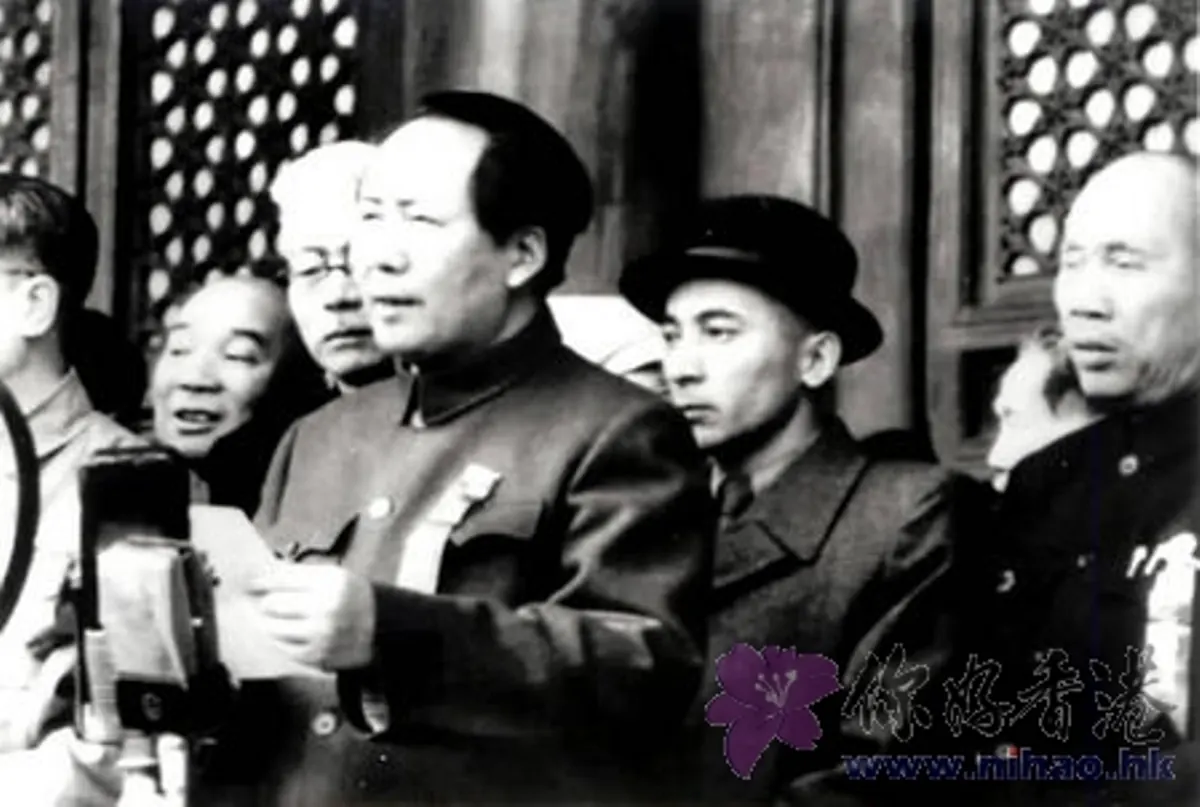
The claim starts in 1949. The Chinese Civil War between Mao Zedong's Communists and Chiang Kai-shek's Kuomintang had been grinding on since the late 1920s, interrupted only by the Japanese invasion. By 1949 the Communists were winning everywhere. On October 1, Mao proclaimed the People's Republic of China in Beijing. Chiang evacuated to Taiwan with roughly two million soldiers and civilians, a large share of China's gold reserves, and the government of the Republic of China. He brought the constitution, the flag, and thousands of crates of art from Beijing's imperial collections. For the next 26 years, until his death in 1975, Chiang promised to retake the mainland. He never came close.
No peace treaty was ever signed. No armistice was declared. For decades after, both governments agreed on one point: there was one China, and Taiwan was part of it. They disagreed only on which government was legitimate. That arrangement shaped the world's diplomacy for thirty years, until Washington switched its recognition to Beijing in 1979 and began the policy of deliberate vagueness that holds today.
For the Communist Party, reunification with Taiwan is not a foreign policy goal. It is the last act of a revolution that is still, officially, unfinished. Every Chinese leader since Mao has repeated the promise. Xi Jinping, who came to power in 2012, has put it plainly: "The Taiwan question cannot be passed on from generation to generation." In 2005, Beijing passed the Anti-Secession Law, which authorizes "non-peaceful means" if Taiwan moves toward formal independence. The law does not set a deadline. It sets a red line.
Why the claim goes deeper than 1949
The civil war explains when China lost Taiwan. It does not fully explain why getting it back became a defining national cause.
Taiwan was part of the Qing Empire for two centuries before Japan took it in 1895, after crushing China in the First Sino-Japanese War. That defeat was part of what Chinese nationalists call the century of humiliation: roughly a hundred years when foreign powers carved up Chinese territory through unequal treaties, seized its ports, and treated its sovereignty as optional. Japan took Taiwan. Britain held Hong Kong. Russia, France, and Germany all extracted concessions on the mainland. The opium wars, the foreign troops stationed in Beijing, the treaty ports run by European merchants: all of it went into a national humiliation narrative that the Communist Party still teaches and reinforces today.
The Party built its entire legitimacy on ending that era. "The Chinese people have stood up," Mao declared in 1949. The promise was not just a new government but a restored China, whole and undiminished. Hong Kong came back in 1997. Macau in 1999. Taiwan is the last territory still missing. Every Chinese schoolchild learns this story, and Xi Jinping has made "the great rejuvenation of the Chinese nation" the central slogan of his rule. Letting Taiwan go would not just abandon an island. It would contradict the founding story the Party tells about why it deserves to govern.
The key to the Pacific
Look at a map of the western Pacific. A string of islands runs from Japan through the Ryukyus and Taiwan down to the Philippines. Strategists call it the first island chain, and it forms a natural barrier between China's coastal seas and the open ocean. For the Chinese navy, this chain is a wall. Its submarines can reach the deep Pacific only through a handful of narrow straits, every one of them monitored by the United States and its allies. Taiwan sits at the midpoint: the largest gap in the chain, and the one that matters most.
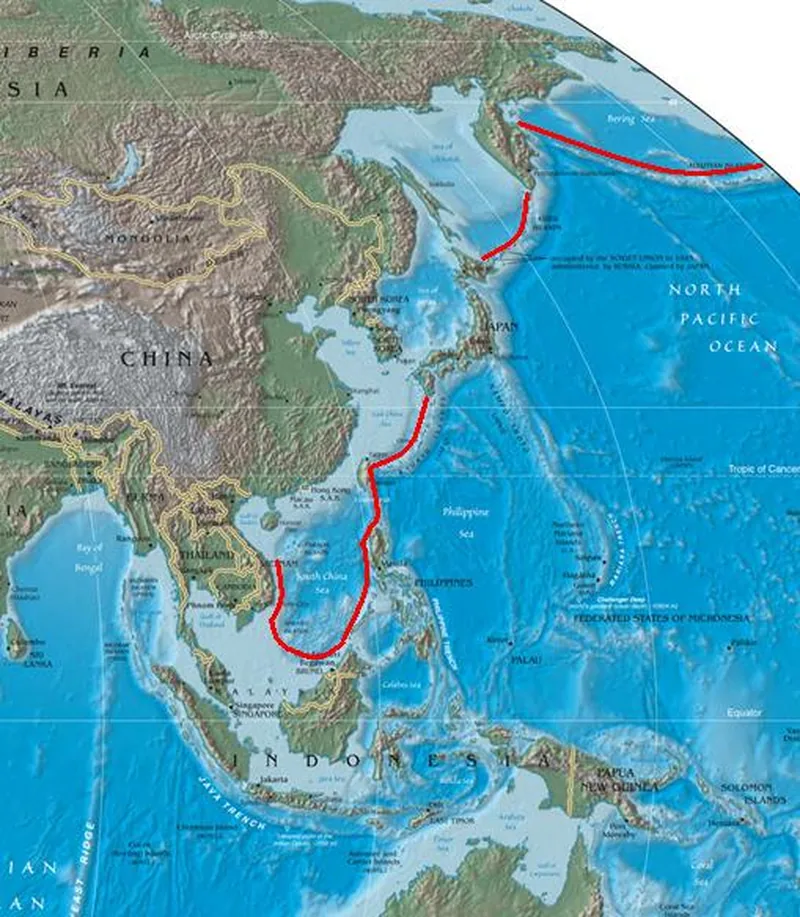
If China controlled Taiwan, the wall would have a door. The Taiwan Strait would become what Chinese military planners call a "strategic inner lake," and the island itself would go from barrier to launching point for operations deep into the Pacific. China's navy, already the largest in the world by ship count, would no longer need to squeeze through chokepoints under allied surveillance every time it wanted to reach open water.
Japan and South Korea see the same geography from the other direction. Their commercial shipping lanes run directly past Taiwan on the way to Southeast Asia and the Middle East. If Beijing controlled the island, their trade would pass through waters a rival power could close at will. That is one reason the United States, Japan, Australia, and the Philippines have deepened their military cooperation in the western Pacific in recent years, with Taiwan's status at the center of the planning.
Why the stakes keep rising
Most coverage of the Taiwan question focuses on semiconductors. Taiwan's factories, nearly all of them run by TSMC, produce roughly 90 percent of the world's most advanced chips. A war would shut them down and cost the global economy an estimated $10 trillion in its first year.
But the chips are not why China wants Taiwan. Beijing has claimed the island since 1949, decades before anyone etched a transistor. The civil war, the national story, and the geography all came first. What the chips changed is not the reason for the claim but the price of acting on it. The world's dependence on Taiwanese semiconductors has made an invasion costlier for everyone, China included, since its own economy runs on the same chips it would destroy by attacking.
The result is a problem that gets harder every year. Taiwan's own population is drifting further from China: about 63 percent of people on the island now identify as Taiwanese rather than Chinese, and only about 2.5 percent call themselves Chinese alone. The more Taiwanese identity solidifies, the more urgent the claim feels in Beijing, and the harder it becomes to deliver without force. Xi Jinping has removed presidential term limits and staked his legacy on national rejuvenation. His military has been told to be ready to take Taiwan by 2027. In his New Year's address for 2026, he called reunification "unstoppable."
None of the reasons China wants Taiwan are going away. The civil war has not ended. The national story still demands the island back. The geography still rewards holding it. And Taiwan itself is becoming harder to claim peacefully with each passing year, as a generation that has never known the mainland grows up thinking of itself as something other than Chinese. What keeps the peace is the cost, and that cost runs in both directions. Beijing cannot afford to invade. But it cannot afford to give up either. The question that hangs over the strait is not whether China wants the island. It is how long the price of taking it will be enough to stop it from trying.
Test what you learned
5 questions on this article. About two minutes, no signup.
Orbis has a full course on this
China-Taiwan: The Unfinished Civil War. 19 lessons, each ending with a quiz like this one.