
Country profile · Southern Europe
 Malta
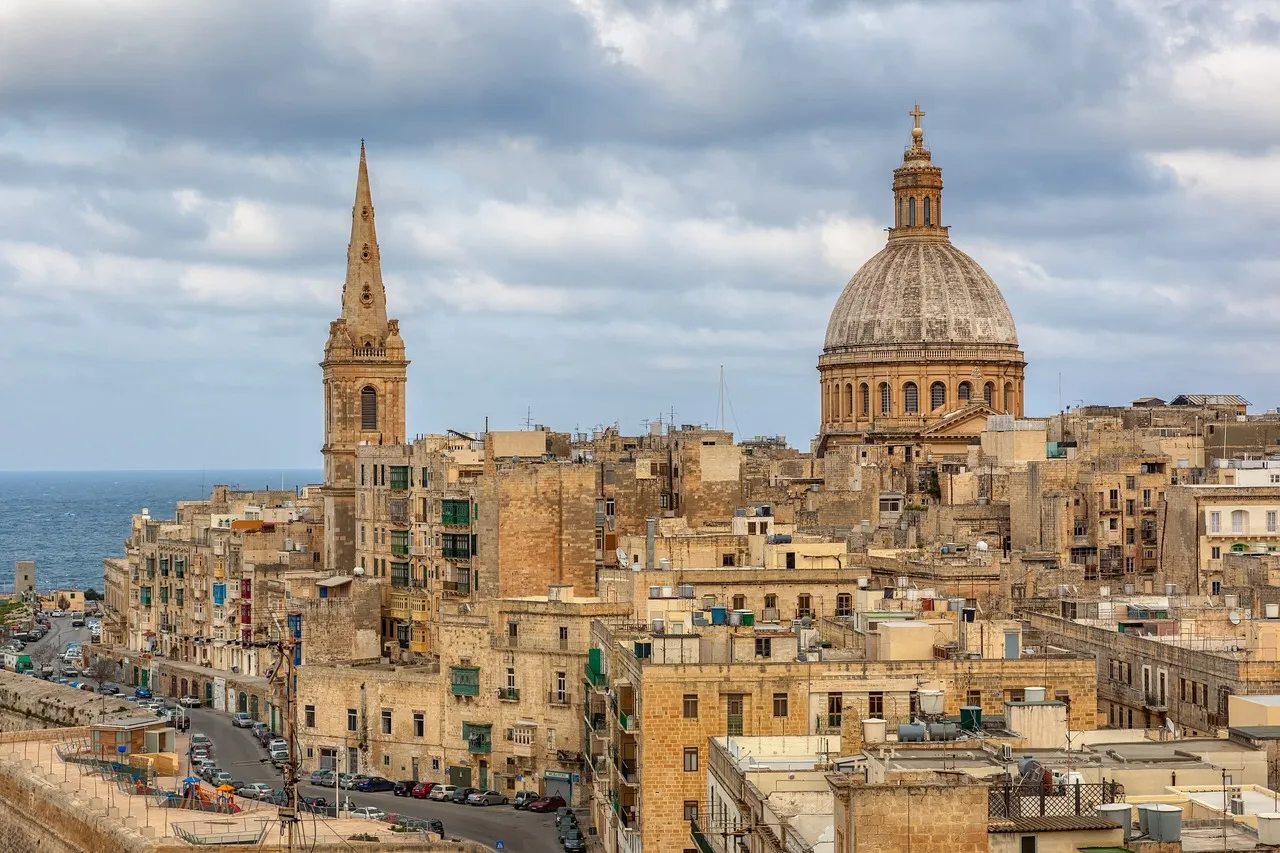
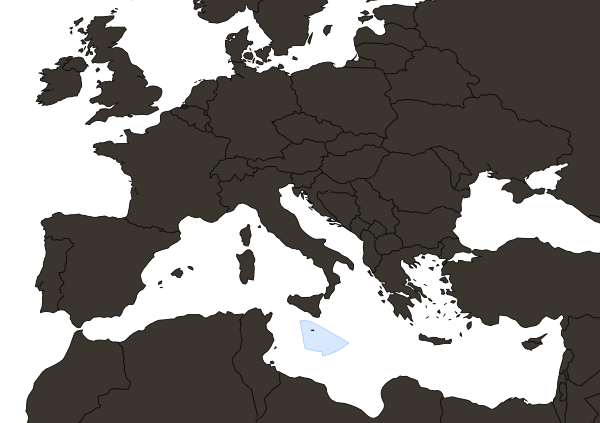
Malta is the EU's smallest country: islands of about 316 km² between Sicily and Libya, with 588,254 people at the end of 2025. Almost a third are foreign citizens. A British colony until 1964, it joined the EU in 2004 and uses the euro. Prime Minister Robert Abela's Labour Party won a fourth straight election in May 2026.
Where Malta ranks
All rankings →- #26of 191GDP per person$48,505
- #14of 196Life expectancy83.6 years
- #36of 196Median age41.1 years
- #6of 88Ships under its flag114M dwt
- #21of 85Solar power15.5%
- #39of 141Refugees per 1,000 people15.2
Which country has the biggest army? Largest armies in the world →
Which alliances is Malta in?
All alliances →Who runs Malta?
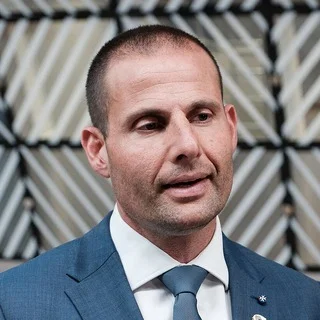
Prime Minister Robert Abela was born in Sliema on December 7, 1977. He is a labor lawyer and the son of George Abela, who was president from 2009 to 2014. He is married to the lawyer Lydia Abela, and they have one daughter. Abela took over on January 13, 2020, when Joseph Muscat resigned. Muscat fell in the crisis over the 2017 car-bomb murder of the journalist Daphne Caruana Galizia, who wrote about corruption. Abela called a snap election for May 30, 2026, about nine months early, citing instability abroad. Labour won its fourth election in a row with 51.8% of first-preference votes, and it holds 42 of the 79 seats (chart). Since September 2025 the opposition Nationalist Party has been led by Alex Borg, who is 30. On September 2, 2026 a jury acquitted the businessman Yorgen Fenech of plotting Caruana Galizia's murder, and prosecutors appealed. Five men have been convicted over the bombing. Muscat faces corruption charges over a hospitals deal and denies them.
- Labour (Abela) 42
- Nationalist Party 37
Photo (June 2025): European Union, Wikimedia Commons, free with attribution (cropped)
Who are Malta's allies and rivals?
Malta's constitution, amended in 1987, makes it neutral. It joins no military alliance and allows no foreign bases. Malta is in NATO's Partnership for Peace, but it is the only EU member outside PESCO, the EU's defense cooperation pact. Prime Minister Robert Abela said Malta would not use EU defense money to buy weapons. Britain ruled Malta from 1800 to 1964 and kept a naval base there until 1979. Malta joined the EU in 2004 and the euro in 2008. Italy is its main supplier, and an undersea cable to Sicily links Malta to the European power grid. A second cable is being laid. Libya, about 350 km to the south, works with Malta against irregular migration under a 2020 deal. But Libya disputes their sea border, and in 2025 it offered oil blocks in waters Malta claims to Turkey's state oil company. In 2026 Malta and Greece opposed a full EU ban on shipping Russian oil. Malta recognized Palestine in September 2025.
Allies and partners
 ItalyMain supplier; power cable to Sicily
 European UnionMember since 2004; euro since 2008
 United KingdomRuled Malta until 1964; Commonwealth
 GermanyLargest buyer of its goods
Tensions
 LibyaMigration partner, but disputes the sea border
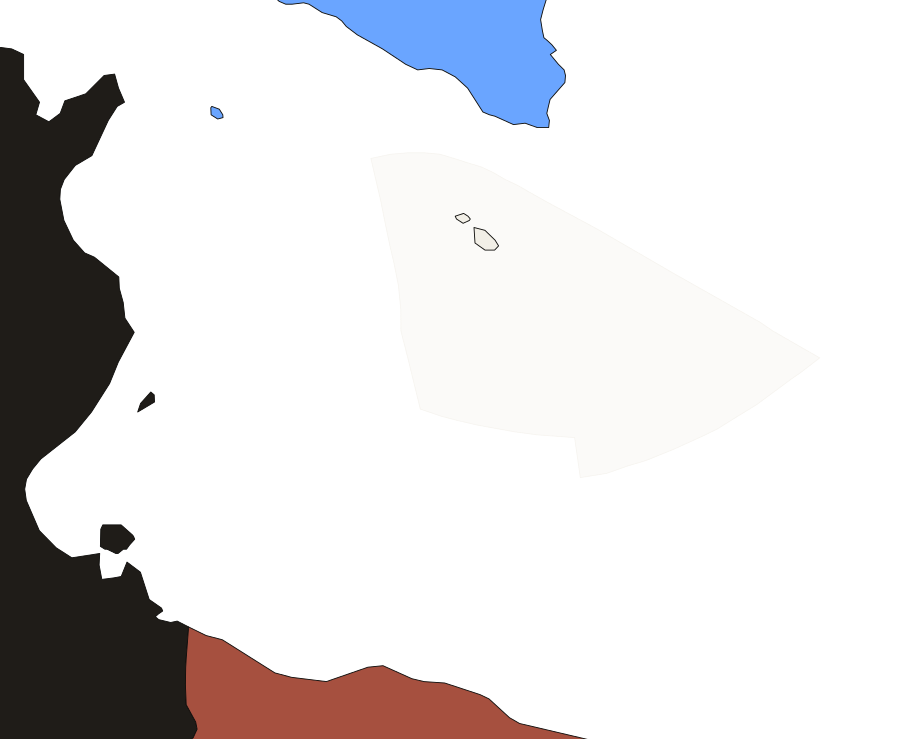
- Lampedusa Italian island where most boats from Libya and Tunisia land. Italy says Malta should take more of the people rescued in its search zone.
- Tripoli Malta renewed its migration deal with Libya's Tripoli government in 2024.
- Ragusa Landing point in Sicily of Malta's power cable to Italy; a second cable is being laid.
- Arctic Metagaz A sanctioned Russian LNG tanker was hit by explosions here on March 3, 2026. All 30 crew were rescued.
- Malta
- Partner
- Tensions
Who does Malta trade with?
Malta lives mostly from services. In 2025 it exported €4.9 billion of goods and imported €9.2 billion (National Statistics Office). Germany bought 20.5% of goods exports (chart). The largest exports are microchips from STMicroelectronics' plant at Kirkop, about 28% of the total, and medicines, about 17%. Italy supplied 22.4% of imports, much of it fuel. Online gambling companies licensed in Malta added €1.42 billion to the economy in 2025, or 6.3% of GDP, and employ about 15,000 people. Players in Germany and Austria sue these companies to get their losses back. A 2023 Maltese law lets courts refuse to enforce such foreign judgments, and the European Commission has challenged it. Tourism set a record of 4.02 million visitors in 2025. The economy grew 6.2% in 2024 and 4.0% in 2025, and the European Commission expects Malta to stay the EU's fastest-growing economy in 2026. Foreign workers drove the population from 417,432 in 2011 to 588,254 at the end of 2025. Government debt was 46.4% of GDP in 2025.


Goods, 2025. UN Comtrade (Malta's own figures).
Why do so many ships fly Malta's flag?
A ship can be registered in any country that accepts it. Owners choose a flag for low taxes and fees, simple rules and a good safety record. Ships under Malta's flag had about 114 million deadweight tonnes of capacity on January 1, 2026 (UNCTAD). That makes Malta's register the largest in Europe and one of the largest in the world (chart). Transport Malta, the regulator, counts about 2,000 merchant ships and more than 1,200 superyachts. The flag also brings scrutiny. Some Malta-flagged tankers still carry Russian oil, which EU rules allow only when it is sold below a price cap of $44.10 a barrel. In 2026 Malta and Greece opposed a full EU ban on shipping services for Russian oil. They argued that without the G7 a ban would only help Chinese, Indian and shadow-fleet ships. Tankers also move oil between ships at Hurd's Bank, just outside Malta's territorial waters. In 2025 a UN panel of experts called it a hub for trafficked oil.
Merchant fleet by flag, million deadweight tonnes, January 2026
Full ranking → Liberia

 Marshall Islands


 Bahamas
UNCTADstat maritime transport data, from Clarksons Research, 2026
Why did Malta stop selling passports?
From 2014 Malta sold citizenship, and with it the right to live and work anywhere in the EU. The first scheme asked for a €650,000 payment, plus a home and €150,000 in bonds. A 2020 scheme asked for €600,000 or €750,000, a home worth €700,000 or a rented one, and a €10,000 donation to charity. Buyers first had to be resident for one to three years. In 2021 the Passport Papers, a leak published by the Daphne Caruana Galizia Foundation, showed that buyers spent a median of 14 days a year in Malta. Russians were the largest group, followed by Saudis and Chinese. The government says the schemes raised more than €1.4 billion. On April 29, 2025 the EU Court of Justice ruled that selling citizenship for set payments breaks EU law. In July 2025 Malta replaced the scheme with citizenship granted for merit. Passports already issued stay valid, and Malta still sells residence permits to investors. No EU country now sells citizenship.