
Resource · Food and farming
Corn
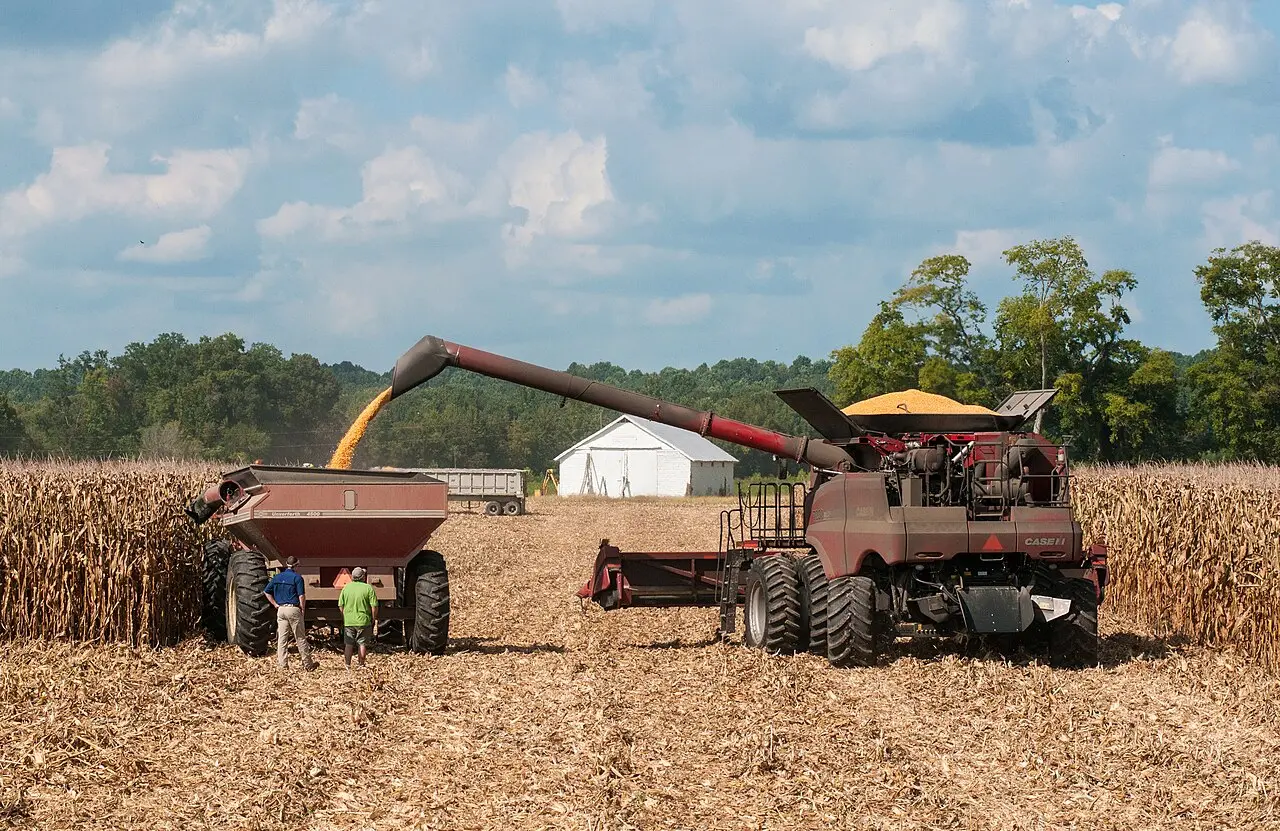
The United States grows the most corn: 378 million tonnes in 2024, 31.0% of the world's 1,218 million. China is second at 295 million tonnes. The United States is also the largest exporter, with 42.0% of the corn traded worldwide in 2025/26. About a third of the US crop goes to ethanol. Mexico is the largest importer.
- Grown in 2025/26
- 1,335 million t
- a record harvest, USDA
- Largest grower
 31.0%
- of the world, 378 million t, 2024
- Largest exporter
- 42.0%
- of world exports, 87 million t, 2025/26
- Largest importer
 12.6%
- of world imports, 26.2 million t, 2025/26
- Into US ethanol
- 33%
- of the US corn crop, 2025/26
Which countries grow the most corn?
The United States grew 378 million tonnes of corn in 2024, 31.0% of the world harvest of 1,218 million tonnes. China grew 295 million tonnes (24.2%) and Brazil 115 million (9.4%). The United States and China together produced 55% of the world's corn.
Brazil's corn crop comes mostly from a second planting (the safrinha), sown in January to March on the same fields that just grew soybeans. About 78% of Brazil's 2025/26 corn harvest of 143 million tonnes came from this second crop, according to Conab, Brazil's crop agency.
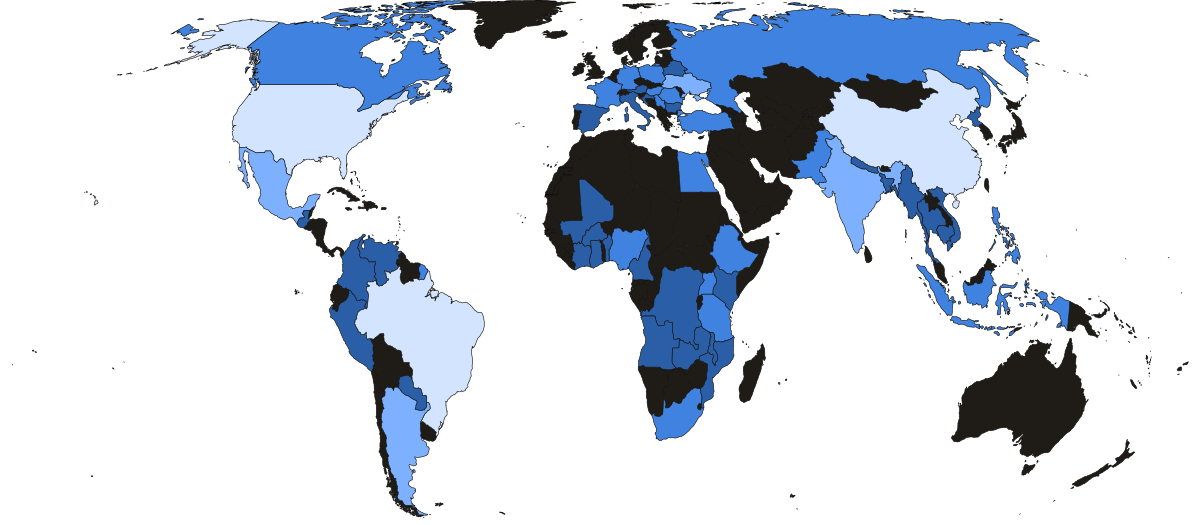
Corn production, million tonnes, 2024
Food production by country →- Under 1
- 1–5
- 5–20
- 20–100
- Over 100
- No production
Who exports the most corn?
The United States exported a record 87.1 million tonnes of corn in 2025/26, 42.0% of the 207.6 million tonnes traded worldwide. Brazil was second at 38.2 million tonnes and Argentina third at 37.9 million. The top four exporters sold 89% of all corn traded.
Brazil outsold the United States in 2022/23, after a US drought in 2022. The United States took the lead back in 2023/24. Ukraine was the fourth-largest exporter before Russia's full-scale invasion in 2022. It shipped 22.2 million tonnes in 2025/26, mostly from ports around Odesa. On July 19, 2026, Russian missiles hit the corn ship Golden Leo off Odesa, killing 10 people.
Who sells the world's corn
Million tonnes, 2025/26
- United States87.1
 Brazil38.2
 Argentina37.9
 Ukraine22.2
 Russia4.0
 Paraguay3.0
 South Africa2.6
 Myanmar2.3
Who imports the most corn?
Mexico imported 26.2 million tonnes of corn in 2025/26, 12.6% of the 207.6 million tonnes bought worldwide. The European Union was second at 20.0 million tonnes and Japan third at 15.7 million. The top eight importers bought 57% of world trade.
China was the largest importer in 2020/21, with a record 29.5 million tonnes. Its imports fell to 1.8 million tonnes in 2024/25, after big Chinese harvests and, by traders' accounts, government pressure to cut purchases. Brazil, approved to sell corn to China in late 2022, supplied over 60% of China's corn imports in 2025. China's government put an extra 15% tariff on US corn from March to November 2025.
Who buys the world's corn
Million tonnes, 2025/26
 European Union


What is corn used for?
Animal feed took 62.7% of the corn used worldwide in 2025/26, by the USDA's estimate. In the United States, 37.2% of corn use went to feed in 2025/26. Ethanol took 33.7%, or 141 million tonnes. Exports accounted for 20.8% and food, seed and other industrial uses for 8.3%.
Nearly all American gasoline contains ethanol, most of it as E10, a 10% blend. Brazil is also turning more corn into ethanol: corn accounted for 27% of Brazil's ethanol output in the 2025/26 season, up from about 22% the year before, according to UNICA, Brazil's sugarcane and bioenergy association.
Where America's corn goes
Share of US corn use, 2025/26
- Animal feed37%
- Ethanol34%
- Exports21%
- Food, seed and other industry8.3%
Corn as fuel
- 141 million tof US corn made into ethanol in 2025/26
- 27%of Brazil's ethanol was made from corn in 2025/26
Why did Mexico fight the US over GM corn?
Mexico is the largest buyer of US corn: over 25.5 million tonnes in 2024/25, about 35% of US corn exports. In December 2020, President Andrés Manuel López Obrador decreed a phase-out of glyphosate and of GM corn for human consumption. On February 13, 2023, a new decree banned GM corn in tortilla dough and ordered its phase-out from feed.
On December 20, 2024, a USMCA dispute panel ruled for the United States on all seven claims. Mexico repealed the tortilla ban and the feed phase-out on February 5, 2025. On March 18, 2025, a constitutional amendment took effect banning the planting of GM corn in Mexico. Imports remain legal.
Mexico's corn imports
Million tonnes, October to September
History
How maize fed the Aztec Empire
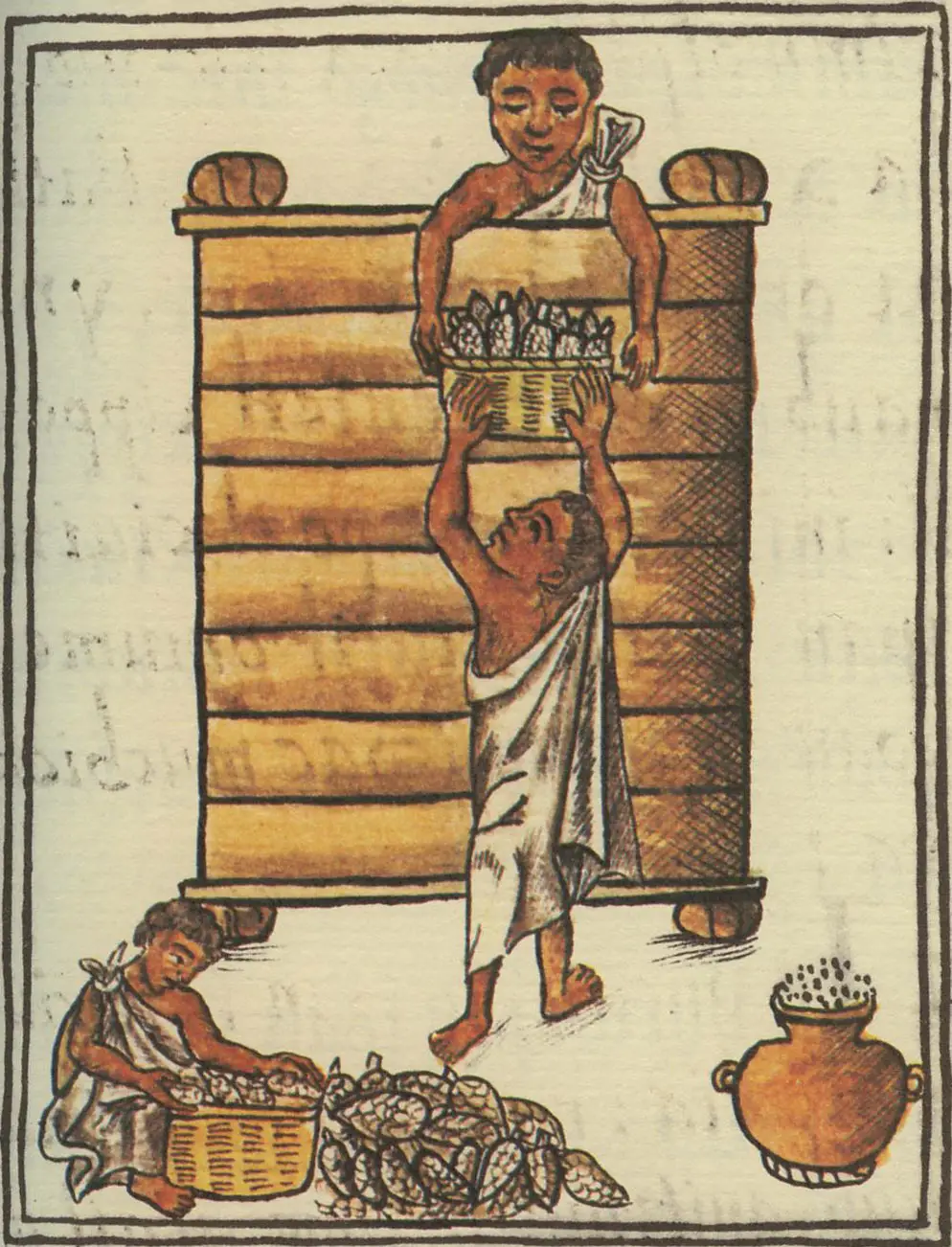
Maize was the staple food of the Aztec Empire, and conquered provinces paid part of their tribute in it. The Codex Mendoza, made for the Spanish viceroy around 1541, shows many provinces owing one large wooden bin each of maize, beans, chia and amaranth a year.
Frost and drought ruined central Mexico's maize harvests from about 1450. The worst year was 1454, called One Rabbit in the Aztec calendar. Moctezuma I of Tenochtitlan and Nezahualcoyotl of Texcoco opened the royal granaries, but the maize ran out. Thousands sold themselves or their children into slavery for food. Many went to the Totonac people of the Gulf coast, which the famine had largely spared. A decree set the price at 400 ears of maize for a woman and 500 for a man. In the late 1450s and 1460s, armies under Moctezuma I conquered parts of the Gulf coast, including Cotaxtla, and took tribute there. Some historians see these conquests as insurance against another famine.
History
Who grew the most corn before World War II?
The United States grew 48% of the world's corn outside the Soviet Union in 1934-38, an average of 53 million tonnes a year. No other country came close. Argentina grew about 7.9 million tonnes, roughly a seventh of the US crop. But in 1929 Argentina was the largest corn exporter in the world. Romania and Yugoslavia were Europe's largest growers, at about 4.1 million and 4.7 million tonnes. Romania grows less than half a percent of the world's corn today.
China grew an estimated 8.5 million tonnes, 7.7% of the world total. It now grows 24.2%. Brazil went from 5.1% to 9.4%. Mexico, where maize was domesticated, grew 1.5% of the world's corn in the 1930s and grows 2.0% today.
Share of world corn production
1934-382024
History
How Khrushchev bet the Soviet harvest on corn
From 1954 the Soviet leader Nikita Khrushchev had corn planted across the Soviet Union as cattle feed, to produce more meat and milk. The Soviet corn area grew from 4.3 million hectares in 1954 to 37 million in 1962. People mocked Khrushchev as "kukuruznik", the corn man.
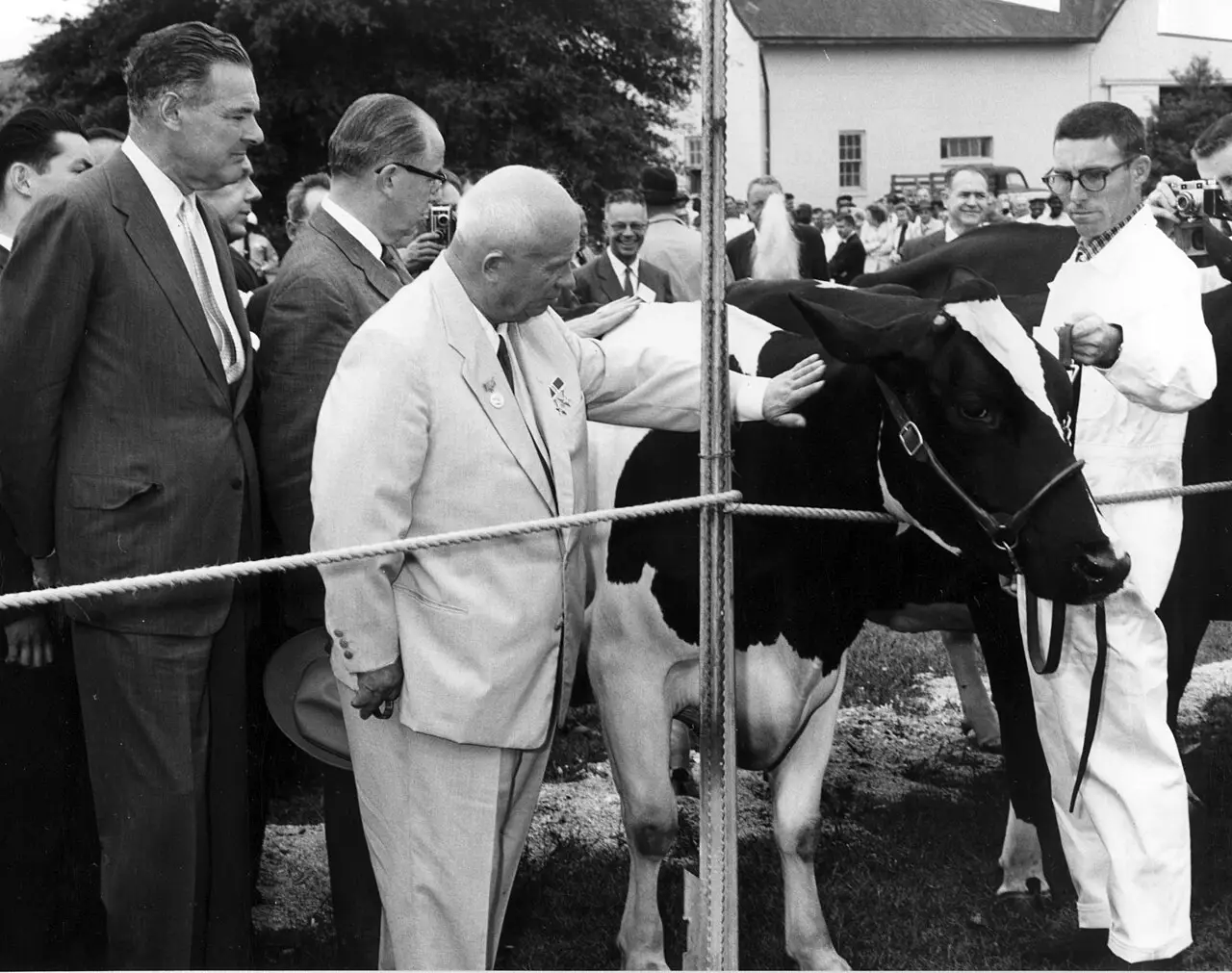
In 1955 Roswell Garst, a seed-corn salesman from Coon Rapids, Iowa, met Khrushchev and sold the Soviets hybrid seed. In September 1959 Khrushchev visited Garst's farm on his US tour. Garst threw silage at the crowd of reporters to clear the view.
Corn was planted in regions too cold or too wet for it to ripen. In 1962 a cool, wet spring killed 70 to 80 percent of the corn planted in European Russia. After a poor harvest in 1963, the Soviet Union bought large amounts of Western wheat for the first time. On October 14, 1964, the Central Committee removed Khrushchev. Pravda, without naming him, condemned "hare-brained scheming, immature conclusions and hasty decisions."
Other resources
All 33 resources →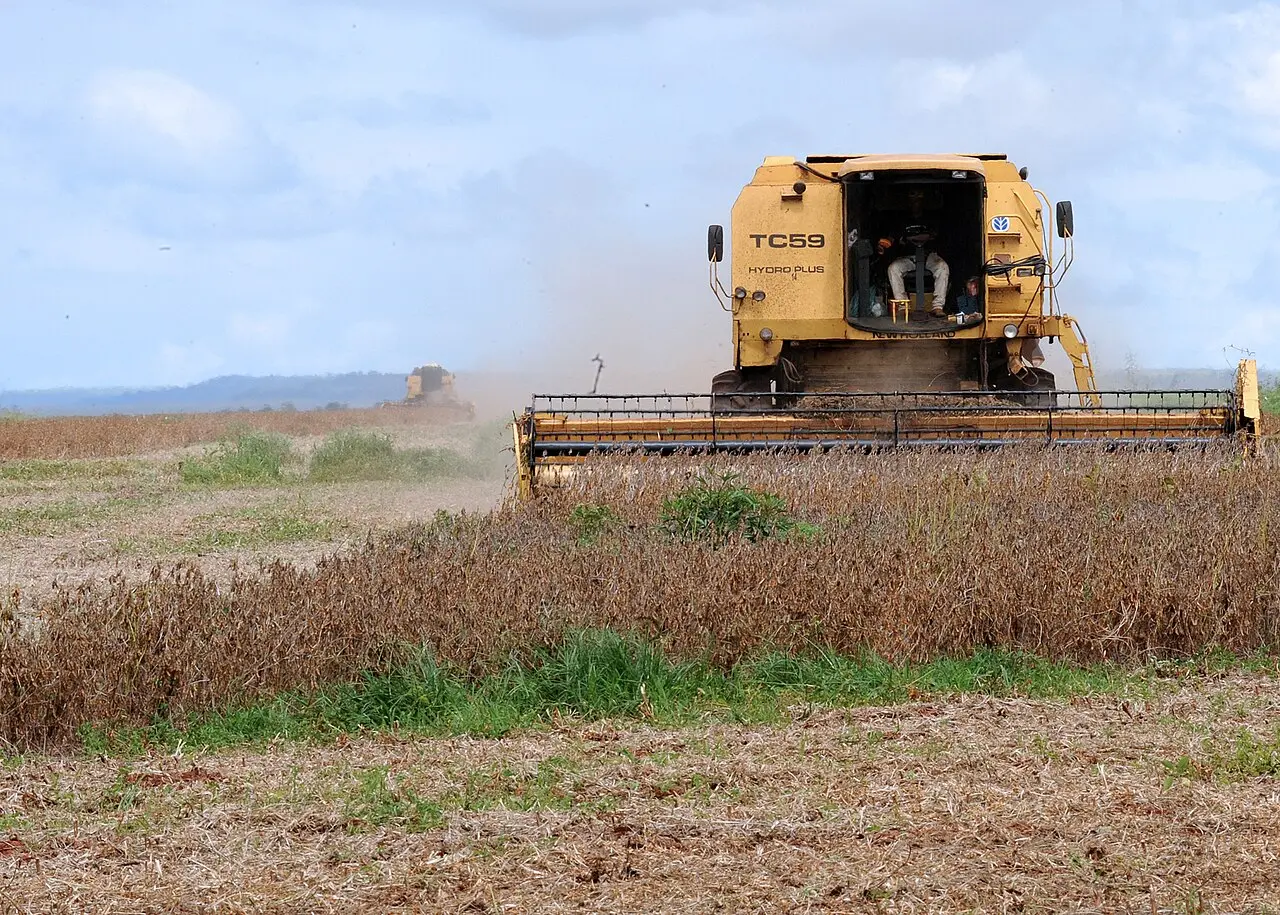 Brazil 36%
Food and farming
Soybeans
Brazil grows 36% of the world's soybeans. China buys 60% of all traded soybeans.
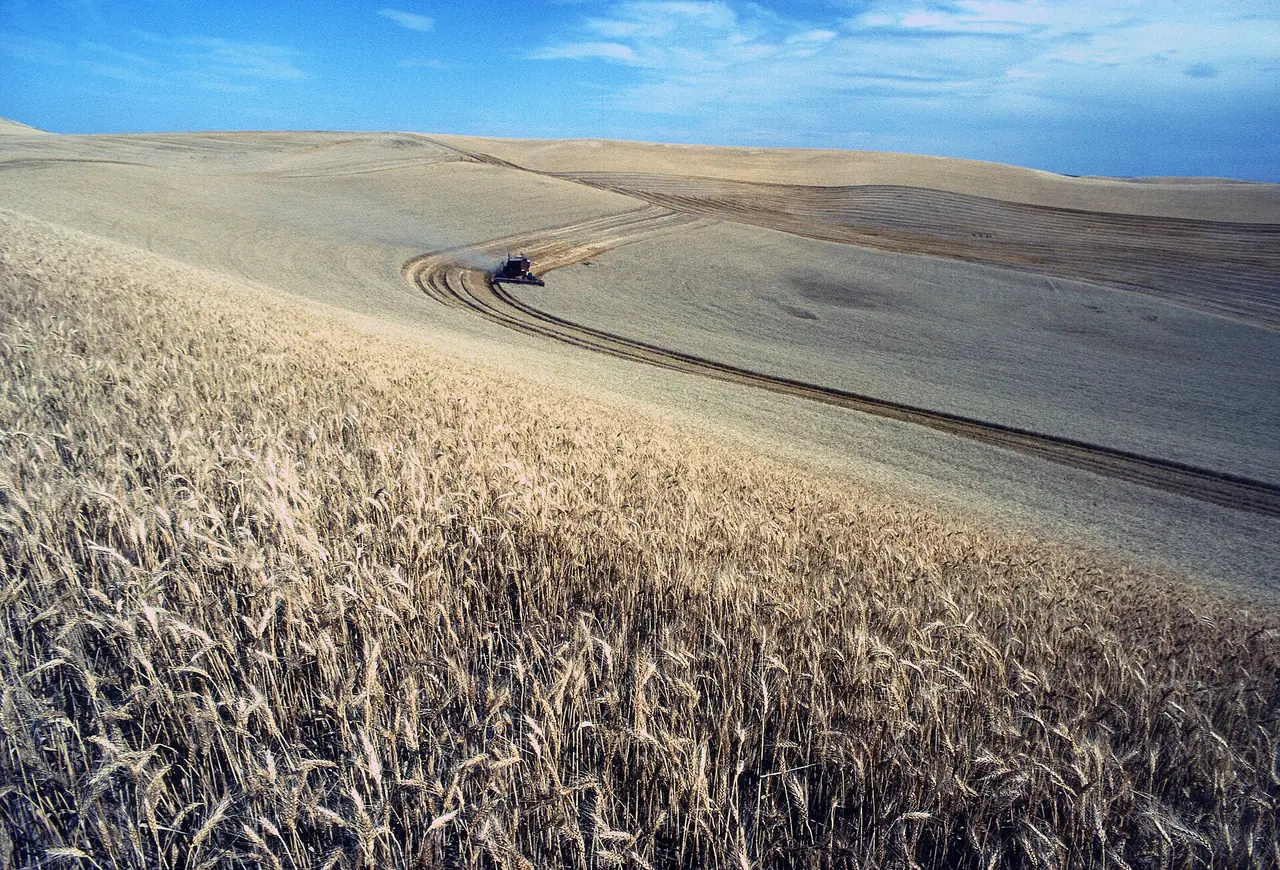
 China 17.5%
Food and farming
Wheat
China grows the most wheat. Russia exports the most, 21% of world trade.
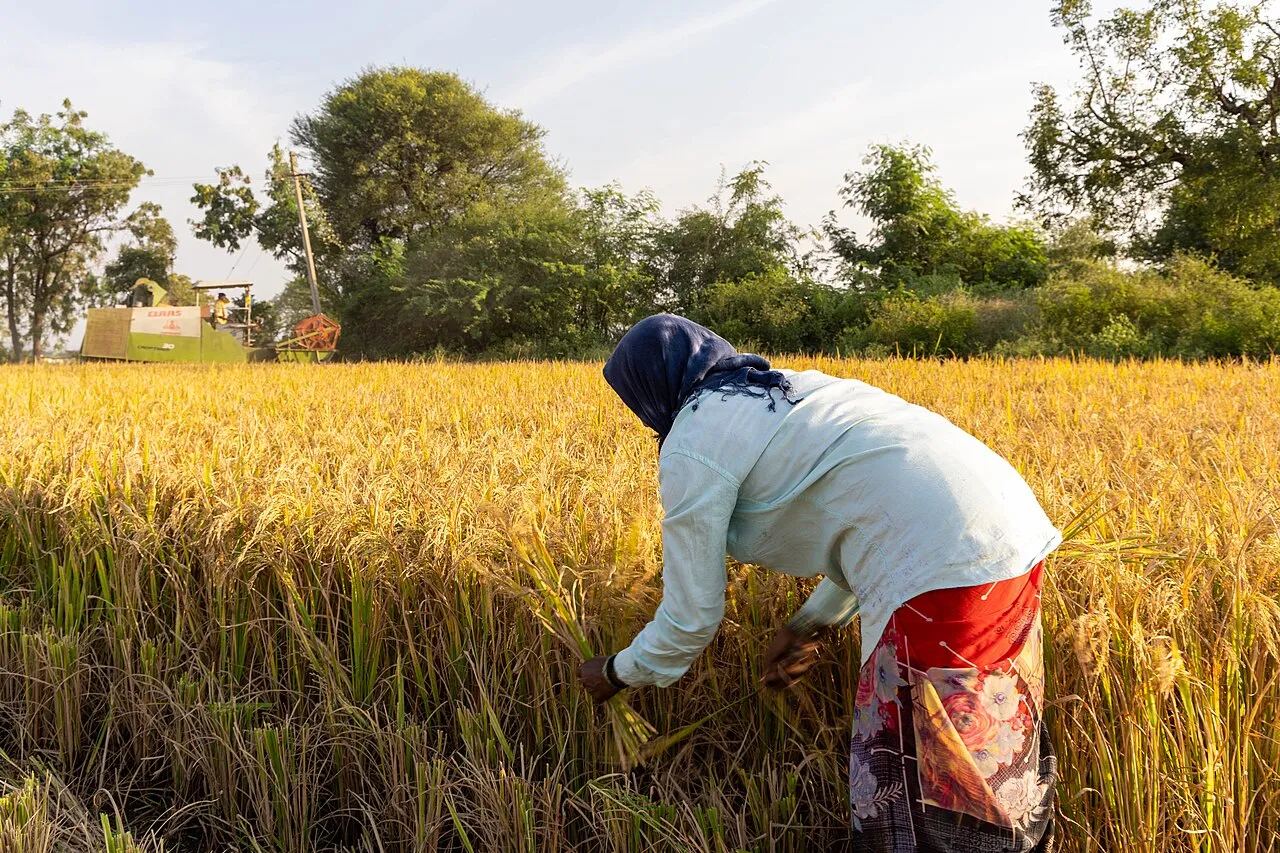
 India 27%
Food and farming
Rice
India grows the most rice and exports 38% of world trade.