
Resource · Food and farming
Wheat
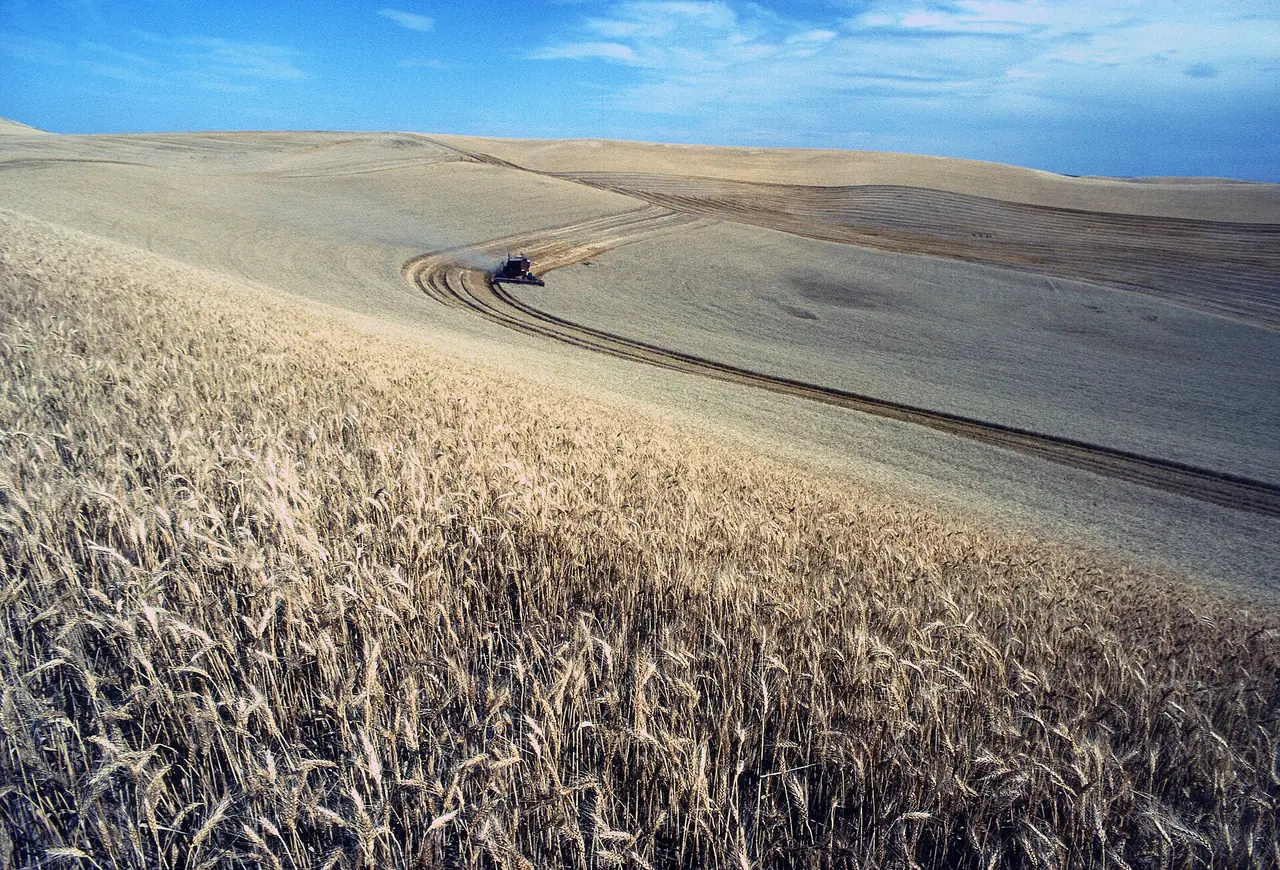
Wheat provides about one in five of the world's food calories. China grows the most as a single country, with 17.5% of the 2024 harvest. India and Russia follow. Russia is the largest exporter, shipping 21% of world trade in 2025/26. Egypt is the largest importer. Attacks on Black Sea ports in 2026 disrupted shipments from both Russia and Ukraine.
- Grown in 2025/26
- 844 million t
- a record harvest
- Largest grower
 140 million t
- 17.5% of the world, 2024
- Largest exporter
 48 million t
- 21% of world exports
- Largest importer
 15.2 million t
- 2025/26
- Food calories
- 1 in 5
- come from wheat
Which countries grow the most wheat?
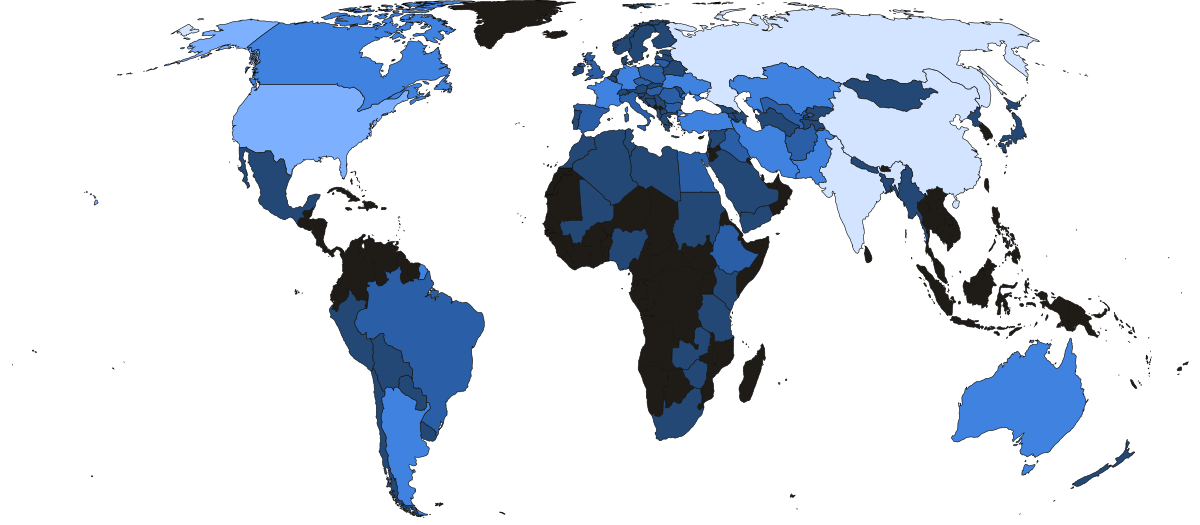
China grew the most wheat of any single country in 2024, with 17.5% of the world harvest. India harvested 14% and Russia 10%. Counted as one bloc, the European Union grew slightly more than China in 2025/26, producing 145.1 million tonnes against China's 140.1 million.
China holds about 43% of the world's wheat stocks, 122.2 million tonnes at the end of 2025/26.
- Under 0.5%
- 0.5%–2%
- 2%–5%
- 5%–10%
- Over 10%
- No production
Who exports the most wheat?
Russia exported 48 million tonnes of wheat in 2025/26, about 21% of world trade. The European Union, Canada, the United States and Australia followed. The top eight exporters shipped about 89% of all wheat traded.
On August 12, 2026, a Ukrainian strike wrecked the Novorossiysk grain terminal. In November 2026, the USDA cut its forecast of Russia's wheat exports for 2026/27 again, to 39 million tonnes, the lowest in five years. After Russian strikes on Odesa, Ukraine more than halved its forecast of wheat exports for 2026/27. India banned wheat exports in May 2022 and lifted the ban on August 24, 2026, with government stocks at 50.5 million tonnes.
Who sells the world's wheat
Million tonnes, 2025/26
- Russia48.0
 European Union31.7
 Canada29.5
 United States24.4
 Australia23.2
 Argentina19.0
 Ukraine14.1
 Kazakhstan11.8
Which countries import the most wheat?
Egypt imported 15.2 million tonnes of wheat in 2025/26, more than any other country. Indonesia and Algeria ranked second and third. Wheat imports are far more spread out than exports. The top eight importers take only about 32% of world trade.
Egypt's government subsidizes bread for more than 70 million people. On June 1, 2024, Egypt raised the price of subsidized bread from 5 to 20 piastres a loaf, the first increase in more than 30 years.
Who buys the world's wheat
Million tonnes, 2025/26
- Egypt15.2
 Indonesia13.0
 Algeria8.7
 Philippines7.8
 Bangladesh7.4
 Vietnam7.3
- European Union7.3
 Morocco6.7
What is wheat used for?
Most wheat is eaten as bread, noodles or pasta. About 80% of the wheat consumed in 2025/26 went to food, seed and industrial use. The remaining 20% went to animal feed and losses.
About 27% of the wheat grown in 2025/26 crossed a border, so countries such as Egypt depend on a handful of exporters for their bread.
What the world's wheat goes into
Share of use, 2025/26
- Food, seed and industry79%
- Animal feed and losses21%
How much goes into one
- 42 loavesof white bread from one bushel (27.2 kg) of wheat
- 1 in 5of the world's food calories come from wheat
- 27%of the wheat grown in 2025/26 crossed a border
- 220 million haof wheat harvested in 2024, more land than any other crop
Which countries grow more wheat than they eat?
Russia grows more than twice the wheat it consumes, producing 90.3 million tonnes against 41.2 million used. The European Union, the United States and India also grow more than they use. These surpluses supply the export market.
China and Pakistan consume more wheat than they grow. China used 150.0 million tonnes in 2025/26, about 10 million more than China harvested. Pakistan used 30.7 million tonnes against 28.4 million grown.
Wheat grown and wheat used
Million tonnes, 2025/26
- 140.1China150.0
- 145.1European Union113.5
- 117.9
 India107.8
- 90.3Russia41.2
- 54.1United States31.1
- 28.4
 Pakistan30.7
History
How Egypt's wheat fed Rome and Constantinople
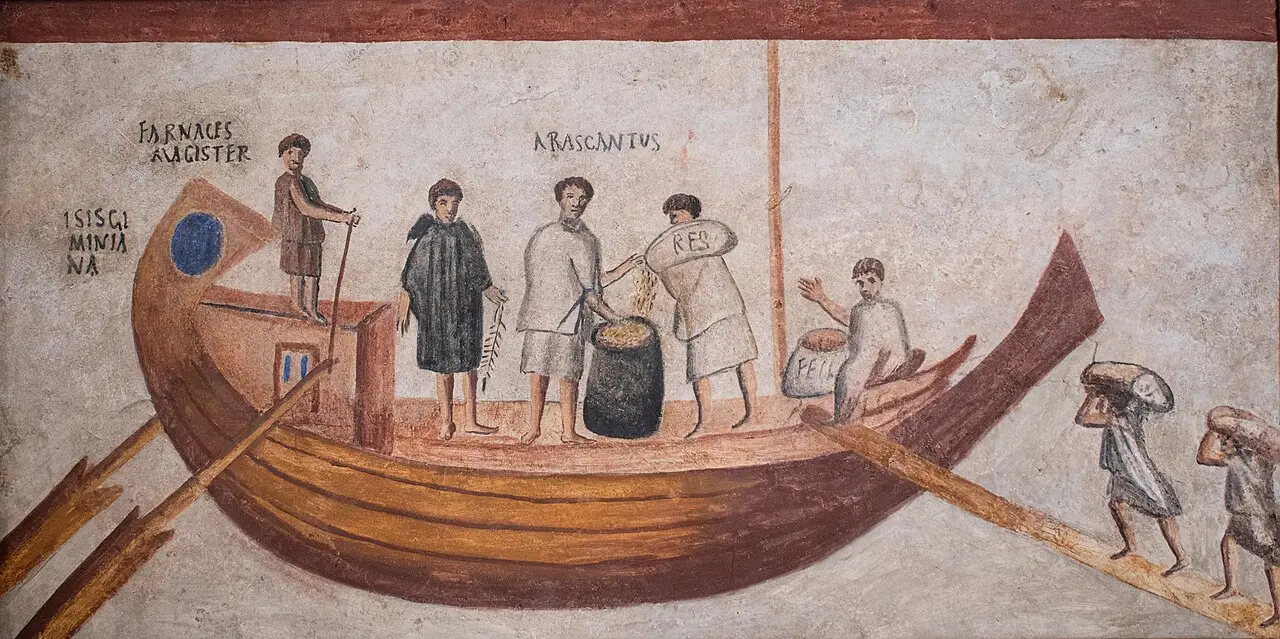
After the Battle of Actium in 31 BC, Octavian annexed Egypt in 30 BC. He took the name Augustus in 27 BC. Egypt and North Africa became Rome's two main grain sources. Augustus barred senators from entering Egypt without his permission. The historian Tacitus explained why: anyone who seized the province could starve Italy. In 2 BC about 200,000 men in Rome received a free grain ration of about 33 kg of wheat a month.
In AD 19, Germanicus, the adopted son and heir of the emperor Tiberius, visited Egypt and opened the state granaries to lower grain prices. Tiberius sharply rebuked him for entering Alexandria without permission. In 332 the emperor Constantine started a free bread distribution in Constantinople modeled on Rome's, and Egyptian grain was redirected east. In 618, as a Persian army invaded Egypt, Constantinople's free bread ended. An Arab army conquered Egypt in 639-642, and its grain no longer went to Constantinople.
History
Who grew the most wheat before World War I?
In 1909-13, the lands of the Russian Empire that later formed the USSR grew an average of 20.6 million tonnes of wheat a year, 19% of the world total outside China. The United States grew 18.8 million tonnes, 18%. Together they produced more than a third of the counted harvest. British India grew 9.6 million tonnes, and France grew 8.9 million tonnes, the most in western Europe.
The League of Nations count left out China. The yearbook estimated, very roughly, that world production with China was 120 to 130 million tonnes. China, the largest grower today, is missing from the chart for that reason. Russia's prewar figure included Ukraine and Kazakhstan. In 1920-24, after World War I and the Russian Civil War, Russia's average harvest was less than half the prewar level, according to the League's provisional figures.
Share of world wheat production
1909-132024
History
What was the Bread Peace of 1918?
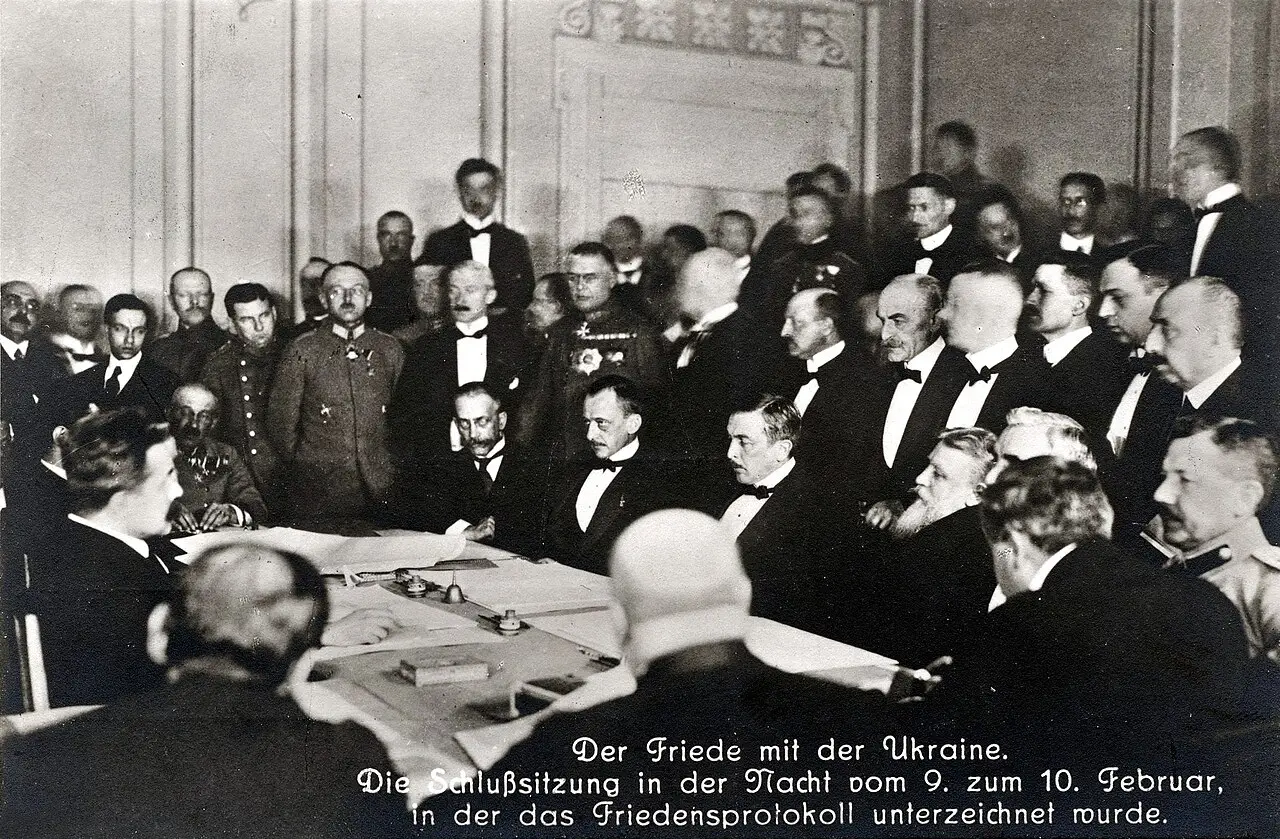
The Bread Peace was the treaty that Germany and Austria-Hungary signed with the Ukrainian People's Republic at Brest-Litovsk on February 9, 1918. They recognized Ukraine as a state, and Ukraine promised them grain and other food. The Austro-Hungarian foreign minister, Ottokar Czernin, called it the Brotfrieden, the bread peace. He signed it mainly because Austria was short of food. Russia had stopped fighting after its revolutions of 1917. The first began on March 8, 1917, when women textile workers in Petrograd went on strike demanding bread. A week later, Nicholas II abdicated.
Vienna and Berlin expected about 1 million tonnes of grain by July 31, 1918. German and Austro-Hungarian troops occupied Ukraine. In April 1918 the Germans overthrew the Ukrainian government and installed Hetman Pavlo Skoropadsky. Germany renounced the treaty in the armistice of November 11, 1918. By December 23, 1918, only 138,000 tonnes of grain and fodder had been loaded, according to the Austrian historian Hannes Leidinger.
Other resources
All 33 resources →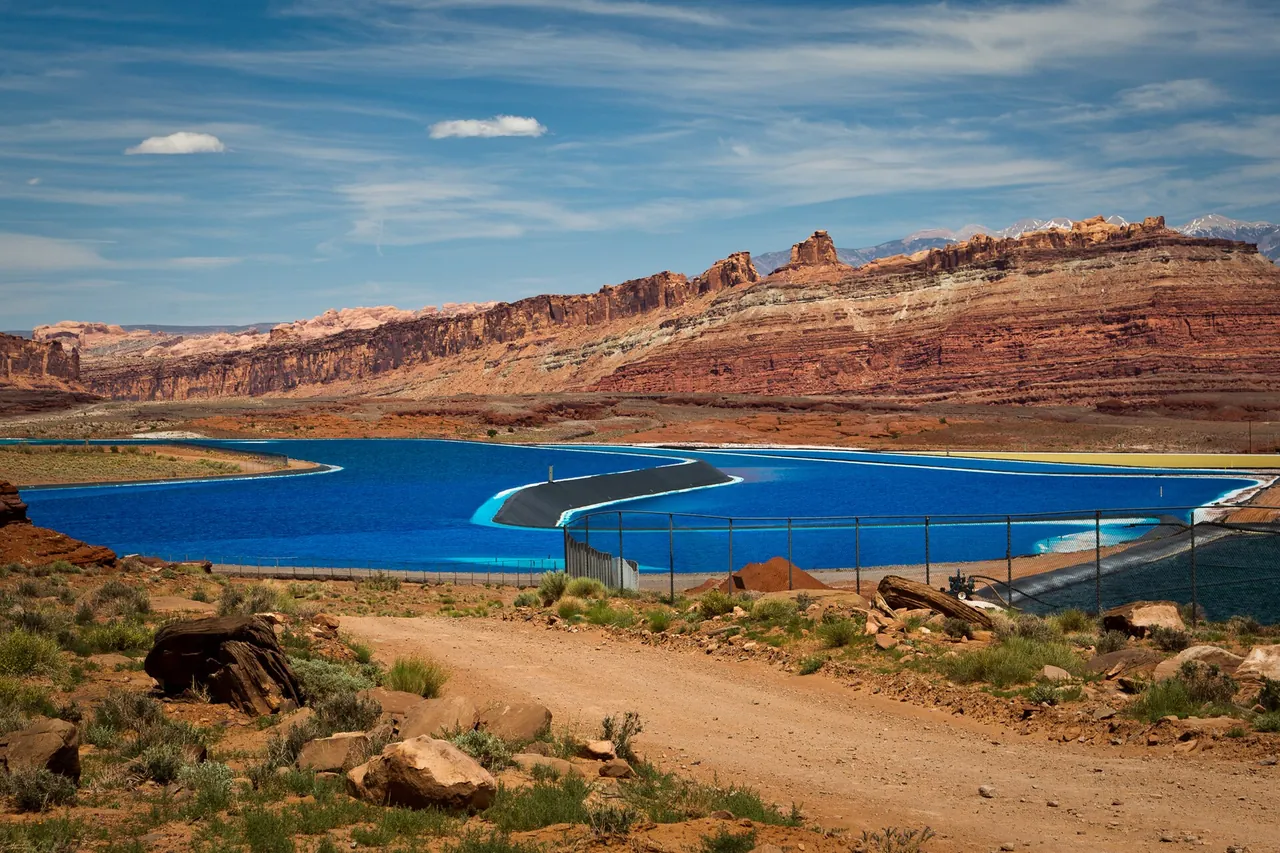 Canada 31%
Food and farming
Potash and phosphate
Morocco holds 68% of the world's phosphate rock reserves.
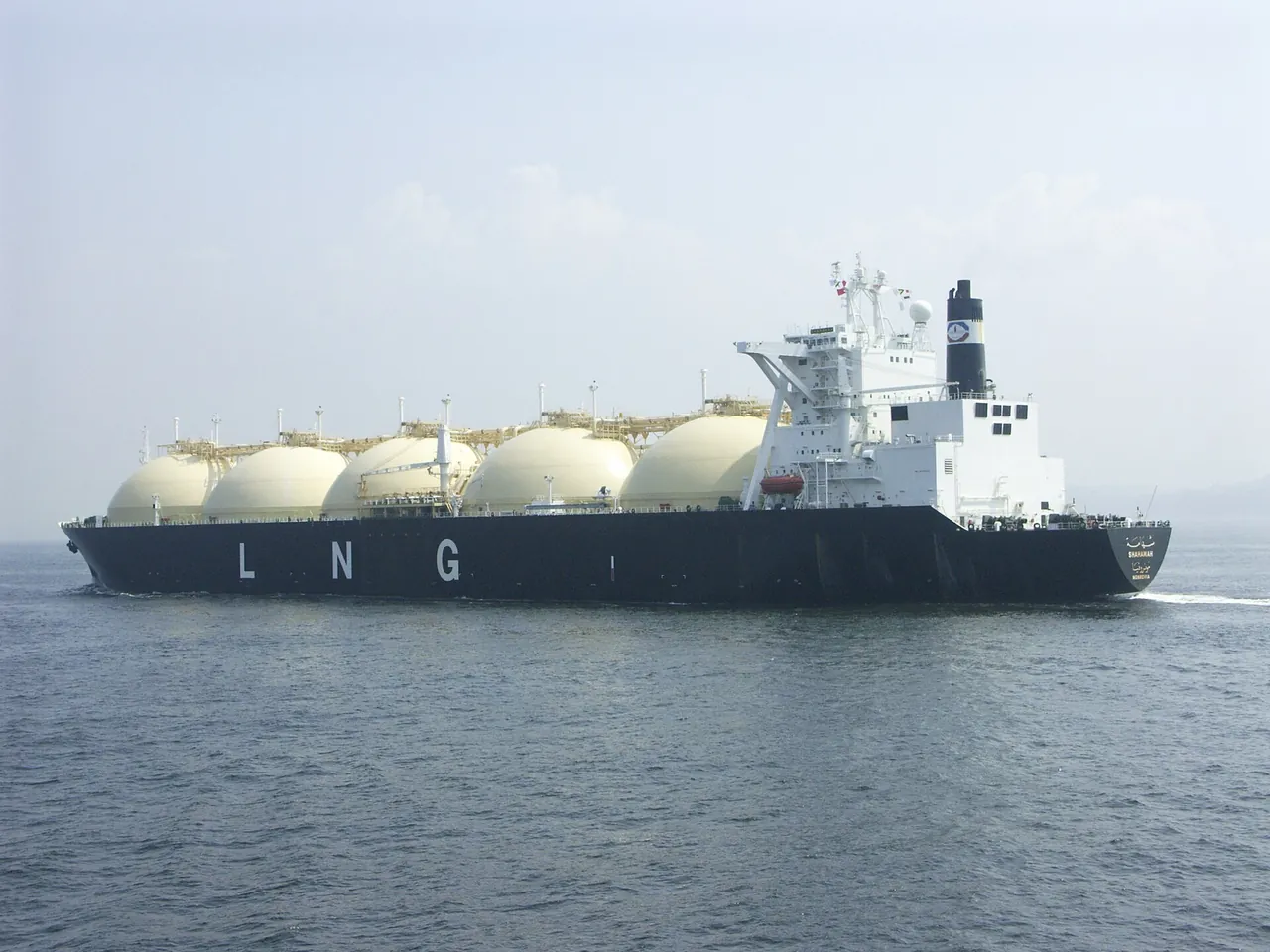 United States 25%
Energy
Natural gas
Qatar's LNG cargoes fell 96% in six months after Iran closed the Strait of Hormuz.
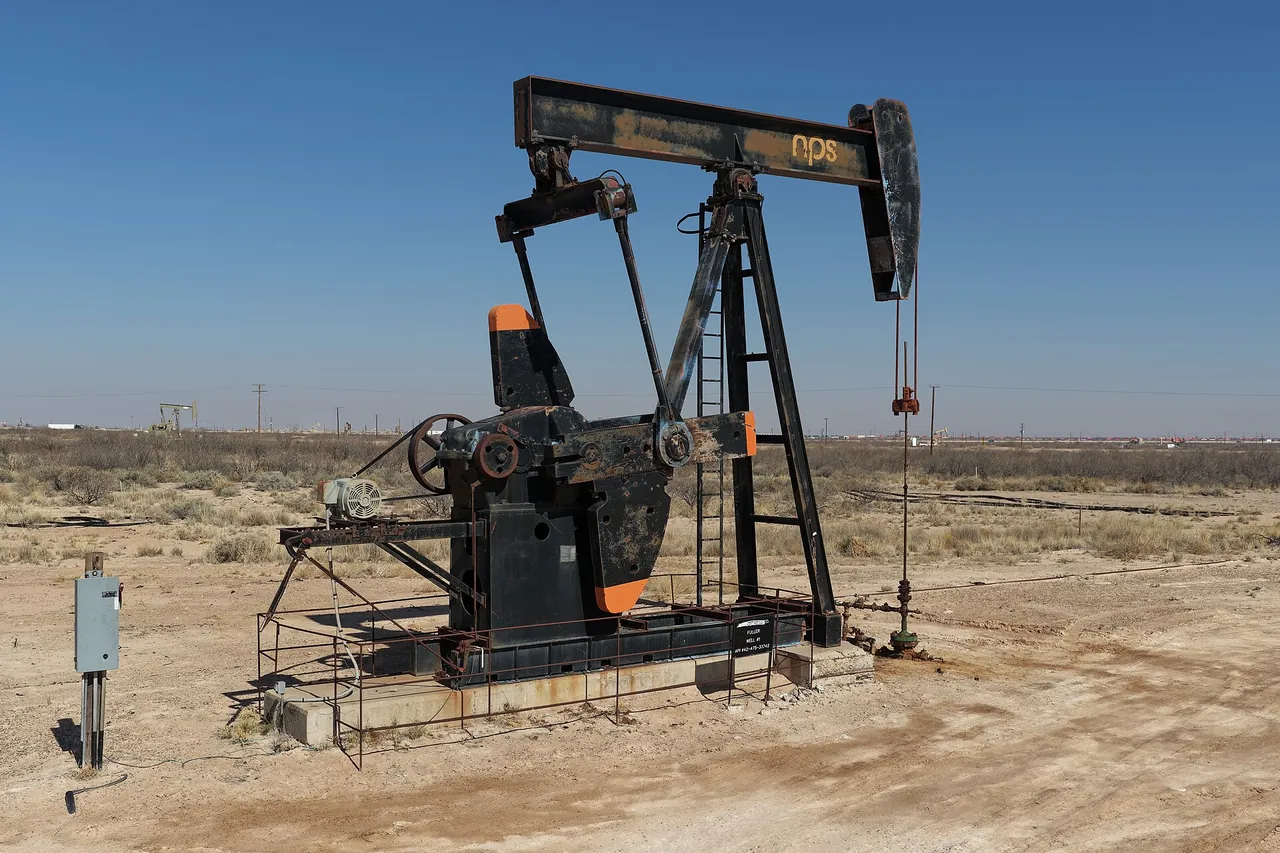 United States 16.1%
Energy
Crude oil
The US pumps 13.6 million barrels a day, more than any other country.