
Why are Iran and Saudi Arabia enemies?
Before 1979, Iran and Saudi Arabia were on the same side. The revolution, four decades of proxy wars, and a failed Chinese peace deal explain the 2026 war.
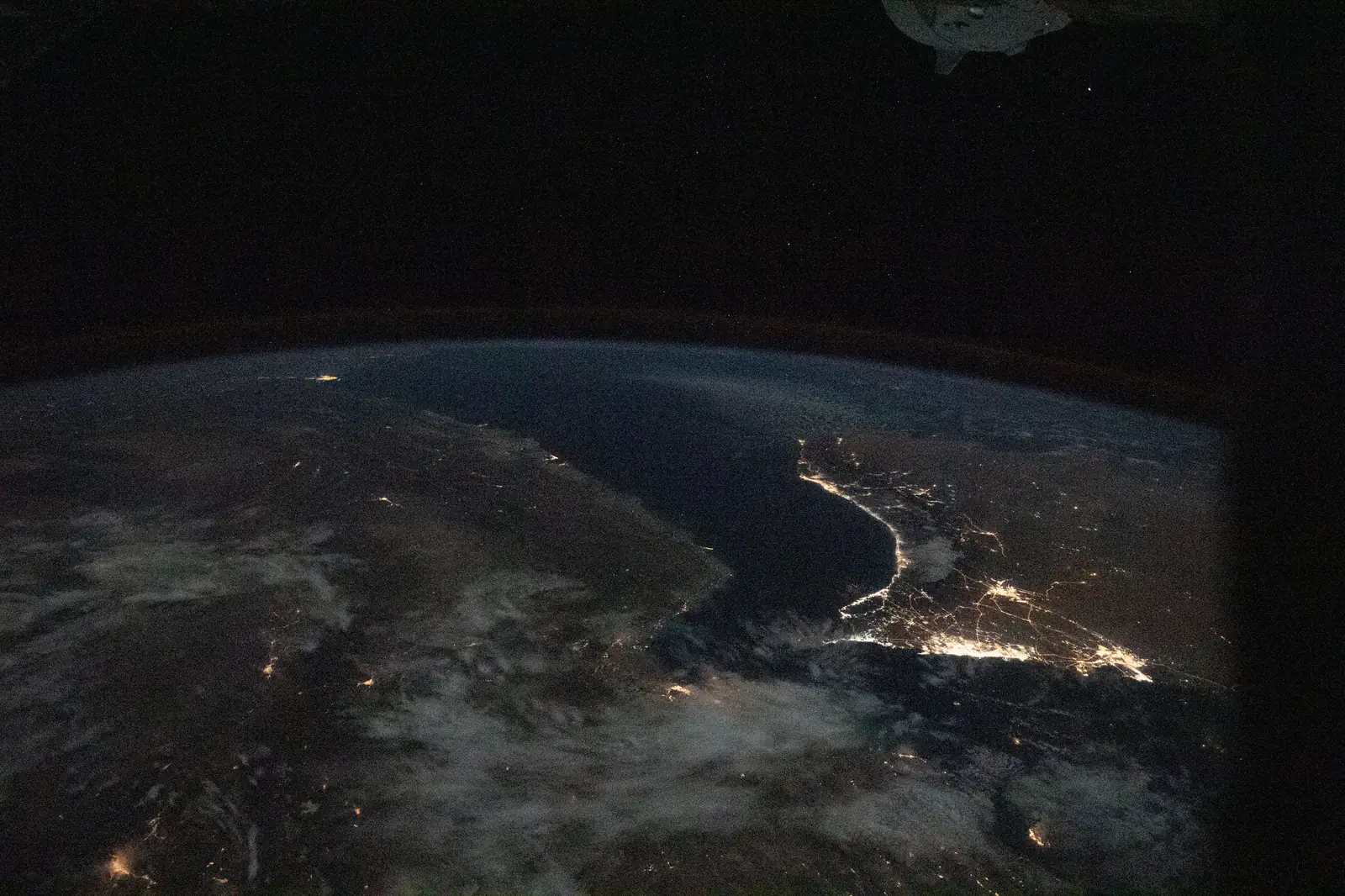
In March 2023, Saudi Arabia and Iran announced they would restore diplomatic relations after seven years of silence. China brokered the deal. Embassies reopened. The Saudi foreign minister flew to Tehran. By 2026, Iranian missiles were hitting Saudi airports, Houthi drones were striking Saudi oil facilities, and the two countries were closer to direct war than at any point since 1979.
The rivalry between Iran and Saudi Arabia runs through nearly every conflict in the Middle East. The two countries have never fought each other directly. For over forty years they have fought through proxies instead, backing opposite sides in Yemen, Syria, Iraq, Lebanon, and Bahrain.
Before 1979, they were on the same side
For most of the twentieth century, Iran and Saudi Arabia cooperated. Both were monarchies. Both were American allies. Both feared the Soviet Union, and both feared the Arab nationalist movement led by Egypt's Gamal Abdel Nasser, which called for overthrowing every king in the Middle East.
The Shah of Iran, Mohammad Reza Pahlavi, ran the largest military in the Gulf and became the first foreign buyer of the American F-14 Tomcat fighter jet. King Faisal of Saudi Arabia governed a less powerful country but a richer one, sitting on a quarter of the world's proven oil reserves. The two disagreed about oil pricing: the Shah wanted expensive oil to fund his military, while the Saudis preferred moderate prices to keep Western buyers coming. But they cooperated where it counted. After Britain withdrew from the Gulf in 1971, the Nixon administration designated Iran and Saudi Arabia as its "twin pillars" of stability in the region. Washington armed the Shah and counted on both countries to keep the Soviets out.
The arrangement held for as long as both governments survived. In February 1979, one of them fell.
How 1979 changed everything
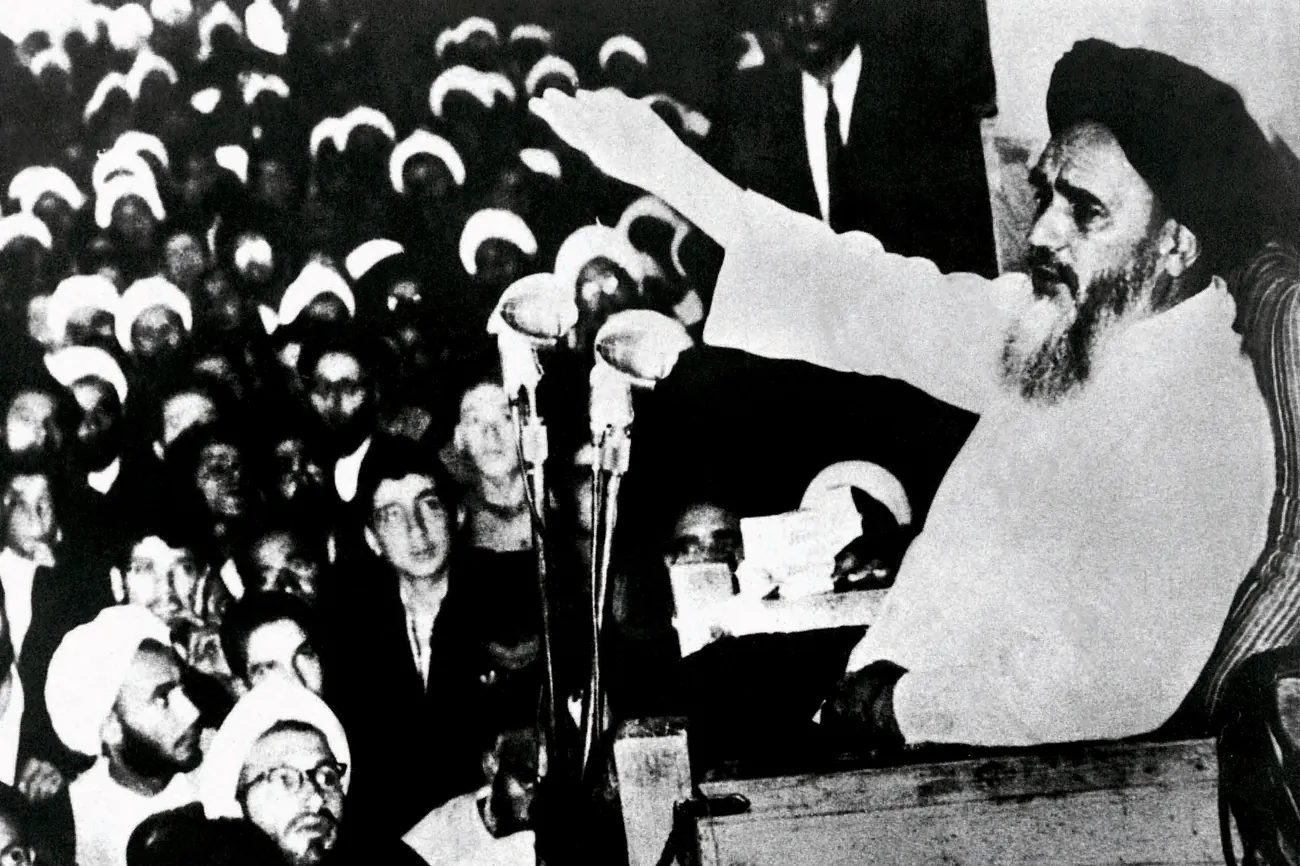
The Shah had ruled for twenty-six years, restored to power after a CIA-backed coup in 1953 that most Iranians never forgave. A revolution led by Ayatollah Ruhollah Khomeini overthrew him and replaced the monarchy with a Shia theocracy. Khomeini was 76 years old. He had spent fifteen years in exile, most of them in the Iraqi holy city of Najaf, and returned to Tehran on a chartered Air France 747 to a crowd of several million. He was explicit about what came next: the revolution was not just for Iran. It was meant for the entire Muslim world.
Khomeini called the Saudi monarchy illegitimate. He said kings had no place in Islam, that the Saudi rulers were corrupt servants of America, and that Mecca and Medina should be governed by an international Islamic authority, not a royal family. He used the annual Hajj pilgrimage as a political stage, sending Iranian pilgrims to chant revolutionary slogans in the streets of Mecca. In 1987 Saudi security forces clashed with Iranian demonstrators, and 402 people were killed, 275 of them Iranian. Iran's diplomats were expelled. Protesters sacked the Saudi embassy in Tehran.
Saudi Arabia's answer was to spend. Over the following decades, the kingdom poured tens of billions of dollars into Wahhabi mosques, schools, and preachers from Pakistan to Nigeria to Indonesia. Where Khomeini exported Shia revolution, the Saudis exported Sunni conservatism. Two oil-rich governments were now funding competing versions of Islam across the Muslim world, and every country with a mixed Sunni-Shia population became a potential front in the contest.
Forty years of fighting through other countries
The Iran-Iraq War set the pattern. When Saddam Hussein invaded Iran in September 1980, Saudi Arabia backed him with tens of billions of dollars in loans, grants, and discounted oil. The war lasted eight years and killed roughly a million people. Iran never forgot who paid for it.
After that, every major conflict in the region acquired an Iran-Saudi dimension. In Lebanon, Iran created Hezbollah in 1982 and built it into the most powerful armed group in the country. Saudi Arabia backed Lebanon's Sunni political establishment. In Iraq, the American invasion of 2003 replaced a Sunni-dominated government with a Shia-majority parliament for the first time. Iran's Revolutionary Guard, which runs much of the country's economy, cultivated the new Shia militias. Saudi Arabia viewed the entire post-Saddam order as an extension of Iranian power.
The Syrian civil war split along the same line. Iran sent money, weapons, and fighters to keep Bashar al-Assad in power. Saudi Arabia funded the Sunni rebels trying to bring him down. In Yemen, a Zaydi Shia movement called the Houthis took the capital in 2014. Saudi Arabia launched a bombing campaign. Iran armed the Houthis with the drones and missiles they later used to shut down Red Sea shipping. In Bahrain, when Shia protesters rose up during the Arab Spring in 2011, Saudi Arabia sent troops across the causeway to help the Sunni monarchy put them down.
The pattern held so consistently that it looked like a religious war. But Iran backed Sunni Hamas in Palestine for thirty years, and its most expensive foreign commitment was Assad's Syria, where the value to Tehran was a supply road to Hezbollah, not sectarian solidarity. The rivalry is about regional power. Religion gives it a vocabulary and a network. It is not the whole cause.
Why the China deal fell apart
In March 2023, Iran and Saudi Arabia announced in Beijing that they would restore diplomatic relations. The deal was China's most prominent diplomatic achievement in the Middle East. Embassies reopened. The Saudi foreign minister visited Tehran for the first time in years.
The deal addressed none of the things that made them enemies. Iran did not disarm Hezbollah or the Houthis. Saudi Arabia did not stop treating Iran's proxy networks as threats. The Revolutionary Guard did not leave Iraq. Both countries continued pumping oil at volumes that undercut each other. The agreement was a ceasefire between two foreign ministries, not a settlement of the conflicts underneath.
In 2026, the war blew the agreement apart. After American and Israeli strikes killed Iran's supreme leader, Iran closed the Strait of Hormuz with mines and missiles. Iranian missiles hit Saudi territory for the first time. The Houthis declared Saudi shipping a target and struck refineries deep inside the kingdom. Saudi Arabia signed a defense pact with Turkey and Pakistan. The Chinese-brokered peace, not yet three years old, was gone.
What keeps the rivalry alive
Two large, oil-rich countries want to lead the same region, and each considers the other's form of government illegitimate. Iran is a Shia theocracy that calls monarchy un-Islamic. Saudi Arabia is a Sunni monarchy that treats clerical rule as dangerous. Each has spent decades building networks of allies, proxies, and clients across the Middle East, and those networks now have their own funding, their own leaders, and their own reasons to keep fighting.
The China deal failed because it asked two foreign ministries to shake hands while everything underneath kept running. Peace would require one of them to accept the other's government as legitimate, or one of them to weaken enough that the competition no longer matters. In October 2026, with a new supreme leader consolidating power in Tehran and Saudi Arabia spending more on defense than at any point in its history, neither is close.
Test what you learned
5 questions on this article. About two minutes, no signup.