Why did Japan invade China?
Japan invaded China for resources, territory, and an army that had stopped taking orders. The eight-year war killed up to 20 million people.
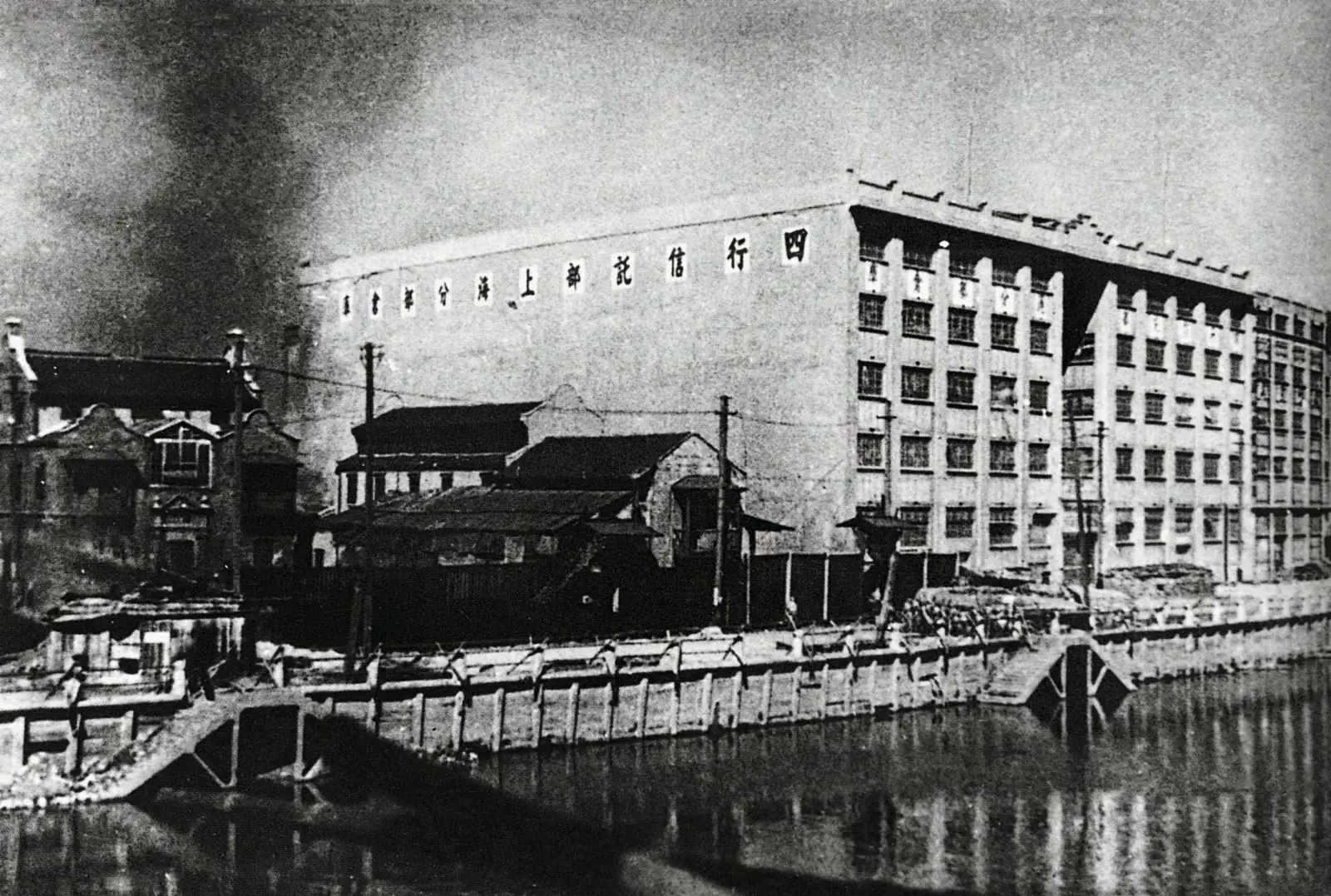
The war between Japan and China from 1937 to 1945 killed between 15 and 20 million Chinese people, more than any conflict in Asian history. Japan sent over a million soldiers into a country it could not conquer, destroyed cities it could not hold, and fought a war it could not end. Eight years later it had lost everything. The invasion was not an accident or a miscalculation. It grew from three forces that had been building for decades: Japan needed resources it did not have, its military had stopped answering to its government, and an empire that had spent forty years expanding had come to believe that stopping meant dying.
An empire without resources
Japan had industrialized in a single generation after the Meiji Restoration of 1868, but it had almost none of the raw materials that an industrial economy runs on. It imported nearly all of its oil, most of its iron, and much of its food. The islands were crowded and getting more so. The generation that built modern Japan drew an obvious conclusion: if the country could not feed and fuel itself, it would have to take what it needed from somewhere else.
China had what Japan lacked. Manchuria, the vast northeastern region bordering Korea, had coal, iron, soybeans, and timber. The rest of China had cotton, tungsten, and a domestic market of 400 million people. Japan had been building toward control of these resources since it defeated China in 1895 and took Taiwan. It defeated Russia in 1905, annexed Korea in 1910, and ran southern Manchuria through the South Manchuria Railway, which operated mines, factories, and towns along its tracks like a colonial government.
By the 1930s, the logic had hardened into ideology. Japan's military planners argued that the country needed a self-sufficient economic zone across East Asia, a bloc that would free Japan from dependence on Western imports. The term that emerged was the Greater East Asia Co-Prosperity Sphere. In practice, it meant Japanese control of China's resources and China's labor.
The army that ran itself
The force that turned ambition into invasion was the Japanese military, and specifically the Kwantung Army stationed in Manchuria. Under the Meiji Constitution, the military reported directly to the emperor, not to the prime minister. Officers could bypass civilian politicians by claiming to act in the emperor's name. By the late 1920s, the Kwantung Army had its own intelligence network, its own political plans, and open contempt for civilians in Tokyo who hesitated to seize what the army wanted.
On September 18, 1931, two officers, Lieutenant Colonel Ishiwara Kanji and Colonel Itagaki Seishiro, staged a bombing on the South Manchuria Railway near Mukden. The explosion was so small that a train passed over the damaged track minutes later without stopping. It did not matter. The Kwantung Army blamed Chinese troops and used the incident to conquer all of Manchuria, a territory the size of France and Germany combined. The officers acted without permission from Tokyo. The civilian government tried to stop them and failed. The League of Nations condemned the invasion. Japan withdrew from the League and kept Manchuria, setting up a puppet state called Manchukuo with China's last emperor on its throne.
The lesson was clear, and not just for the rest of the world. Inside Japan, the military learned that action worked. Politicians who objected to expansion were sidelined or killed. In 1932, naval officers assassinated Prime Minister Inukai Tsuyoshi after he tried to negotiate a withdrawal from Manchuria. Over 100,000 Japanese citizens signed clemency petitions for the assassins, some in their own blood. After that, no civilian leader seriously challenged the military again.
Why 1937
By mid-1937, Japan controlled Manchuria and had been pressing into northern China for years, seizing pieces of territory through local ultimatums and puppet governments. Chiang Kai-shek, the Nationalist leader who governed from Nanjing, had spent most of the 1930s fighting China's Communists rather than resisting Japan. In December 1936, one of his own generals kidnapped him and forced him into a truce with the Communists to fight Japan instead. For the first time, China's armies were turning in the same direction.
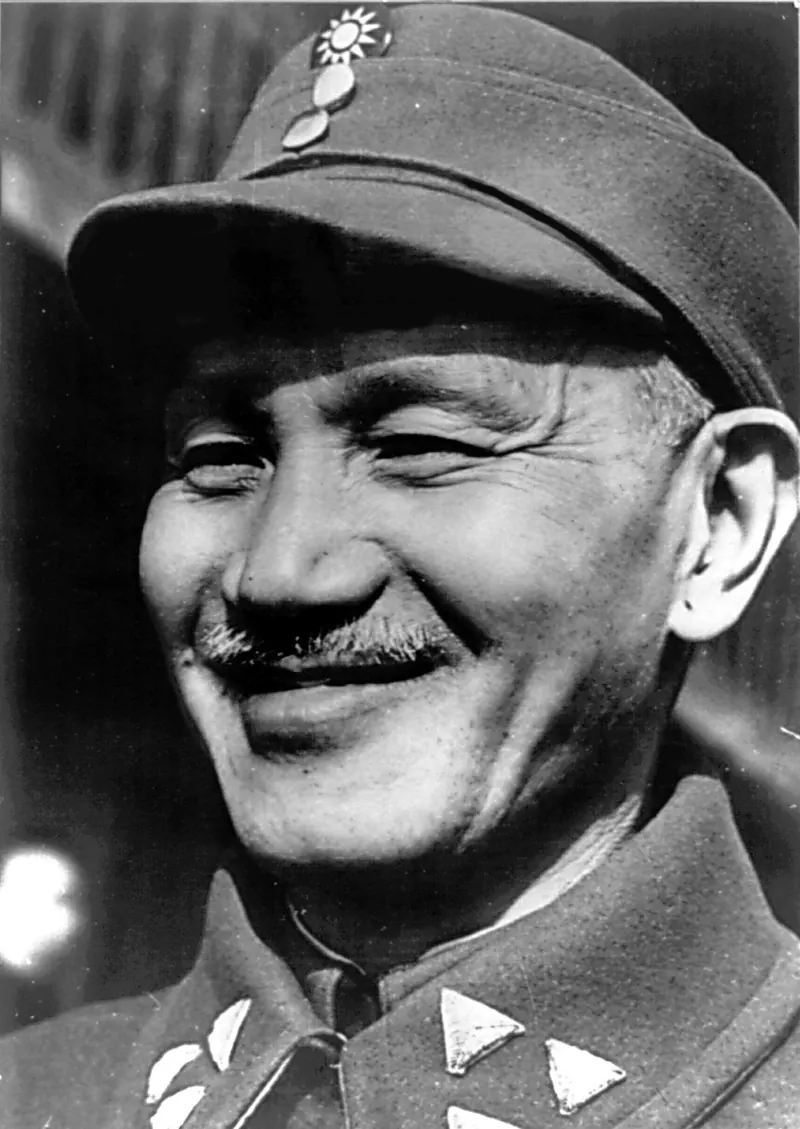
The Japanese military saw this and concluded that time was running out. A united China would be harder to control than a divided one. If Japan was going to secure northern China, it had to move before Chiang finished building his army.
On the night of July 7, 1937, Japanese and Chinese troops exchanged fire near the Marco Polo Bridge outside Beijing. The cause was minor: a Japanese soldier went missing during night exercises, his unit demanded to search a nearby Chinese garrison town, the Chinese refused, and shots were fired. The soldier turned up unharmed. None of it mattered. The local Japanese command used the clash to send reinforcements from Manchuria. Beijing fell by the end of the month.
Chiang decided to fight. On July 17, he gave a speech declaring that China had reached its limit and would resist. In August, he committed his best German-trained divisions to a battle at Shanghai, China's largest city, where the world's press would see the fighting. The battle lasted three months and cost China roughly 200,000 casualties. Chiang lost the cream of his modern army, but he made his point: China would not fold.
A war that was supposed to last weeks
Japan's generals expected China to collapse after Shanghai. It did not. Japanese troops pushed up the Yangtze River toward Nanjing, and when they took the capital on December 13, soldiers murdered tens of thousands of civilians and prisoners of war over six weeks. The killing was not ordered from Tokyo, but neither was it punished. Across occupied China, the military forced hundreds of thousands of women into sexual slavery in so-called comfort stations.
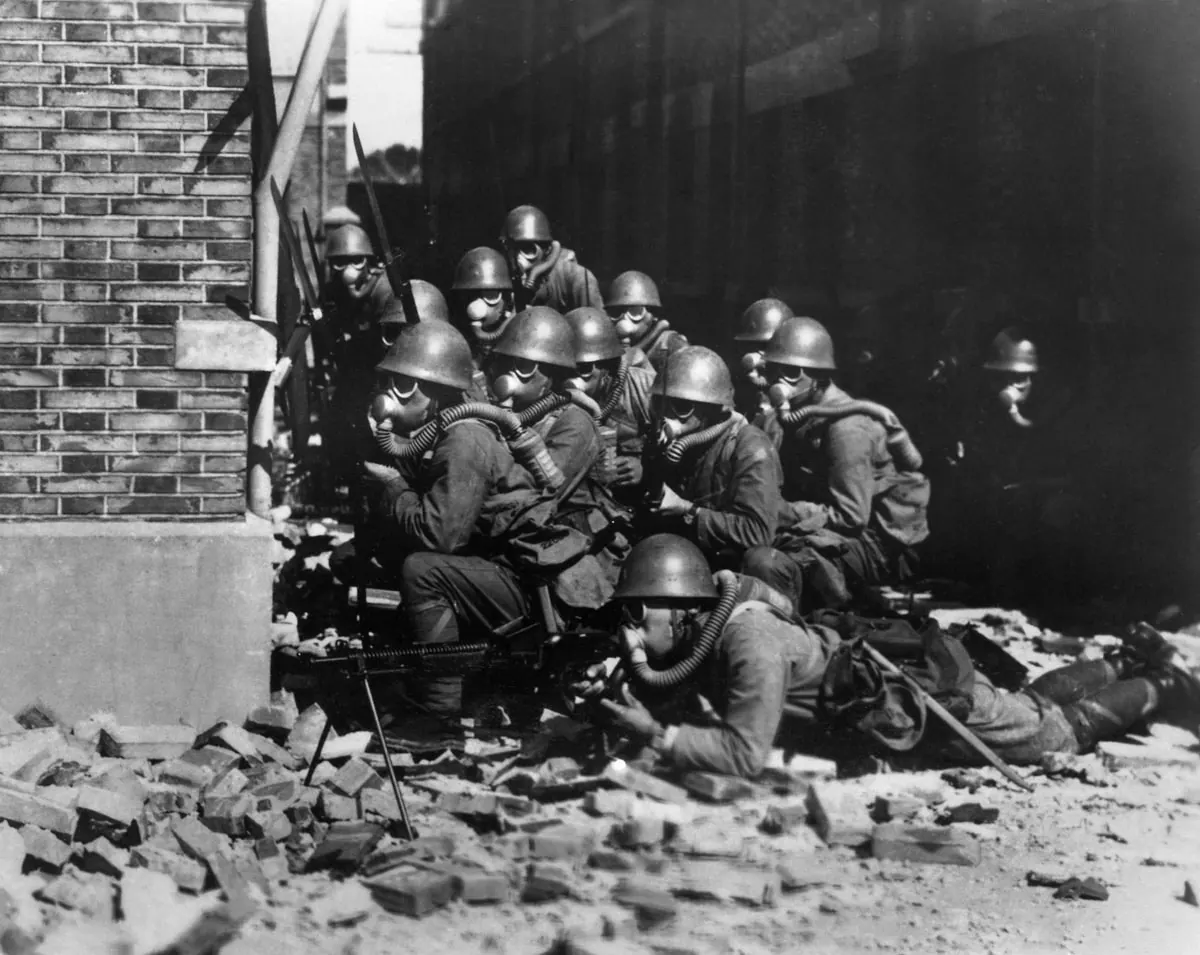
Chiang moved his capital 2,000 kilometers upriver to Chongqing and refused to surrender. In June 1938, he ordered the dikes of the Yellow River breached to slow the Japanese advance. The flood drowned entire counties and killed roughly half a million Chinese civilians. Chiang's government blamed the Japanese for the destruction.
The war settled into a stalemate Japan could not break. China was too vast to occupy and too stubborn to quit. By 1939, over a million Japanese troops were deployed in China, and the country they were supposed to conquer was fighting back with guerrilla warfare that made holding territory as costly as taking it. From 1941 the military implemented a scorched-earth campaign in the Communist-held north called the "Three Alls": kill all, burn all, loot all. It killed millions more and pacified nothing.
Japan's failure in China drove it toward a wider war. The army could not withdraw without admitting defeat, and the war consumed fuel and steel Japan did not produce. When the United States cut off Japan's oil supply in 1941 over its aggression in China and Southeast Asia, Japan attacked Pearl Harbor to seize the oil fields of Indonesia. The invasion of China had created the resource crisis the invasion was supposed to solve.
What the invasion created
Japan's invasion destroyed the country it was trying to control and, in the process, destroyed itself. By 1945, Japan had surrendered unconditionally, lost its empire, and been occupied by the United States. But the invasion also created something its planners never intended: the conditions for Communist victory in China. While Chiang's Nationalists bled in conventional battles against Japan, Mao Zedong's guerrillas spent the war years building a political organization across the countryside. By 1945, the Communists controlled large parts of rural China. Four years later, Mao had won the civil war and founded the People's Republic.
The invasion's consequences still run. China's government treats the war as the defining event of the modern nation, the proof that a weak and divided China invites destruction. Japan's handling of the memory, the shrine visits, the textbook revisions, the partial apologies, keeps the wound open. The question of who leads East Asia, settled by Japan in 1895, reopened by Japan's defeat in 1945, is being answered again right now, and both countries are arming as though they expect the worst answer.
Test what you learned
5 questions on this article. About two minutes, no signup.
Orbis has a full course on this
The Sino-Japanese Wars. 22 lessons, each ending with a quiz like this one.