
Resource · Energy
Crude oil
Crude oil is refined into gasoline, diesel, jet fuel and feedstock for plastics. The world pumped 84.4 million barrels a day in 2025. The United States produced the most at a record 13.6 million. The US is also the largest user, and China is the largest importer. On February 28, 2026, Iran closed the Strait of Hormuz, which had carried about a fifth of the world's oil.
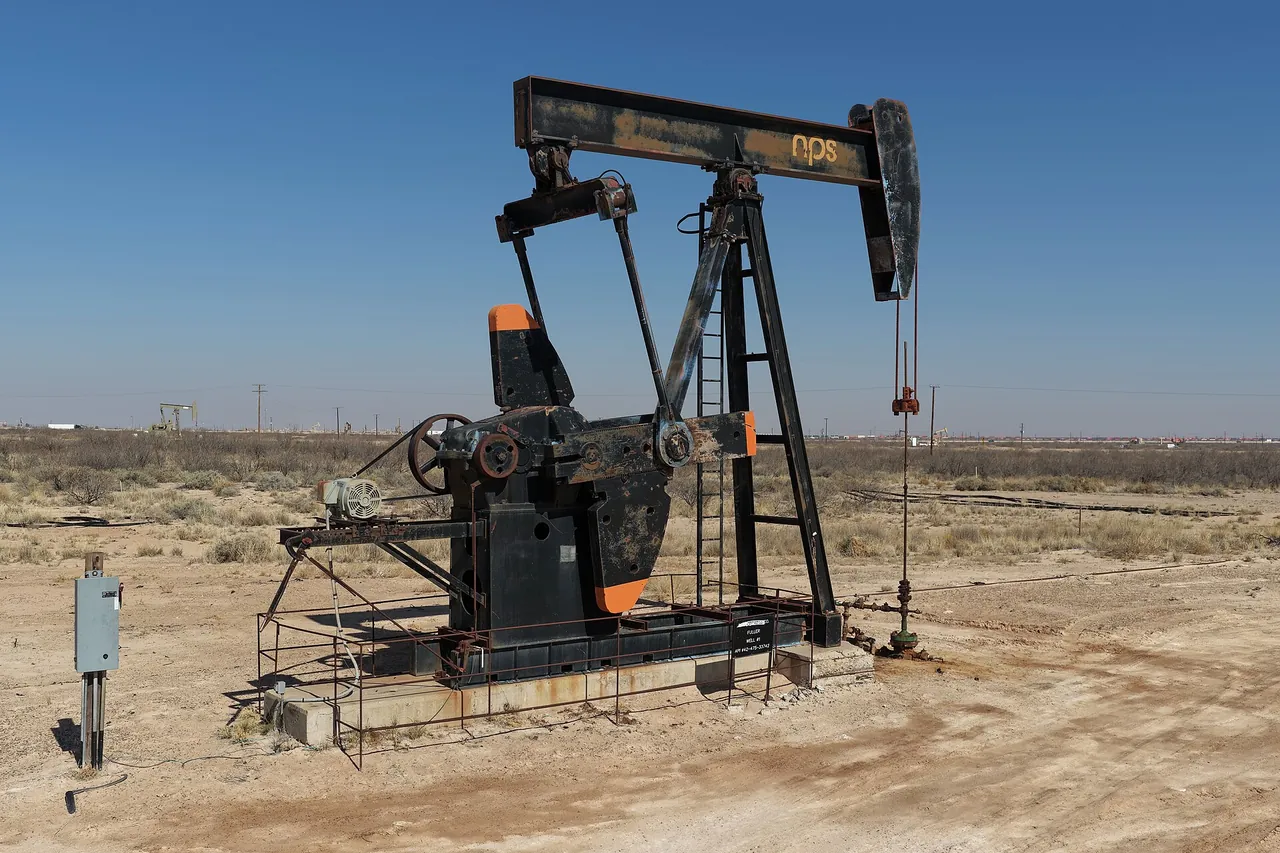
- Pumped in 2025
- 84.4 million
- barrels a day
- Largest producer
 13.6M
13.6M- barrels a day, 16%
- Largest user
- 20.5M
- barrels a day, 2024
- Largest importer
 11.55M
- barrels of crude a day, 2025
- Moved by sea
- 76%
- of the world's oil, 2025
Which countries produce the most oil?
The United States pumped a record 13.6 million barrels a day in 2025, 16% of the world total. Nearly half came from the Permian Basin in Texas and New Mexico. Russia and Saudi Arabia follow.
On April 28, 2026, the UAE announced it would leave OPEC and OPEC+ from May 1, 2026, after 59 years. The UAE's exit lowered OPEC's share of world crude output from 35% to 31%.
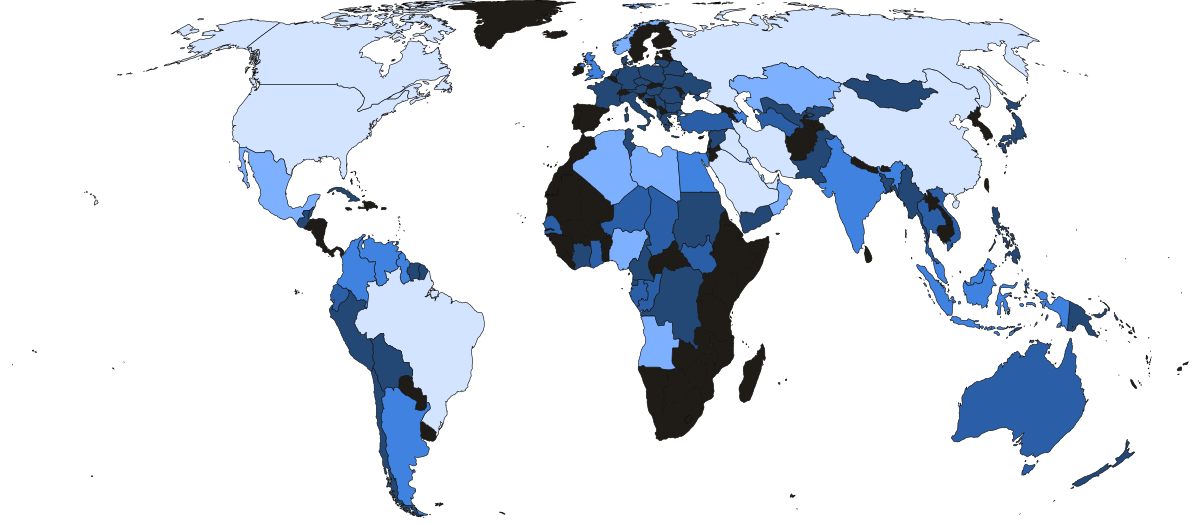
Million barrels a day, 2025
- United States13.6
 Russia9.9
 Saudi Arabia9.6
 Canada5.0
 Iraq4.4
- China4.3
- Under 100,000
- 100,000–500,000
- 500,000–1 million
- 1 million–3 million
- Over 3 million
- No production
Who uses the most oil?
The United States used 20.5 million barrels a day in 2024, about a fifth of the world total. China used 16.4 million, nearly four times what China pumps. Japan and South Korea pump almost no crude. Both rank among the top ten users.
China imported a record 11.55 million barrels of crude a day in 2025. By December 2025, China held nearly 1.4 billion barrels in storage. Since December 2022, China has bought 50% and India 37% of Russia's crude exports.
Oil pumped and oil used
Million barrels a day
- 13.6United States20.5
- 4.3China16.4
- 0.6
 India5.6
 - 9.9Russia3.8
- 9.6Saudi Arabia3.7
- 3.8
 Brazil3.3
 - 0
 Japan3.2
 - 0
 South Korea2.5
 - 5.0Canada2.5
Who refines the most oil?
China has the world's largest refining capacity at 18.8 million barrels a day, just ahead of the United States at 18.2 million. Refineries turn crude into gasoline, diesel, jet fuel and petrochemical feedstock.
Russia ranks third at 6.7 million barrels a day. Ukrainian drone strikes have repeatedly knocked out parts of Russia's refining capacity during the war.
Refining capacity
Million barrels a day, 2025
- China18.8
- United States18.2
- Russia6.7
- India4.9
- South Korea3.6
- Saudi Arabia3.3
- Japan3.1
 Iran2.5
Which country has the most oil reserves?
Venezuela, with about 304 billion barrels at the end of 2025, a fifth of the world's proved reserves by OPEC's count. Saudi Arabia and Iran follow. Yet Venezuela pumped only about 1 million barrels a day in 2025, 1.2% of the world's crude.
The United States works the other way round: it holds under 3% of proved reserves and pumps 16% of the world's crude. Governments report their own reserve figures, and OPEC leaves out Canada's oil sands, which other counts rank among the world's largest.
Reserves against production
Share of reservesShare of crude output Venezuela19%1.2%
- Saudi Arabia17%11%
- Iran13%4.8%
- Iraq8.9%5.2%
 United Arab Emirates7.6%4.5%
 Kuwait6.5%3.1%
- Russia5.1%12%
- United States2.7%16%
What is oil used for?
Road vehicles use around 45% of the world's oil. Petrochemical feedstock for plastics and chemicals takes about 16%. Planes and ships together account for about 12%. The rest goes to buildings, industry and power generation.
A barrel holds 159 liters of crude. A US refinery turns one barrel into about 74 liters of gasoline, 47 liters of diesel and heating oil, and 17 liters of jet fuel.
Where the world's oil goes
Share of oil used, 2024
- Road transport45%
- Plastics and chemicals16%
- Planes7%
- Ships5%
- Buildings, industry and power27%
How much goes into one
- 159 lof crude in one barrel
- 74 lof gasoline from one barrel in a US refinery
- 47 lof diesel and heating oil
- 17 lof jet fuel
Which sea routes does oil travel through?
About 76% of the world's oil moved by sea in the first half of 2025. The Strait of Hormuz carried 20.9 million barrels a day, about a fifth of world oil consumption.
On February 28, 2026, Iran closed the Strait of Hormuz after US and Israeli strikes started a war. On March 11, 2026, the 32 IEA member countries agreed to release 400 million barrels from emergency stocks, the largest release in the agency's history. Brent futures touched $126.41 a barrel on April 30, 2026.
Oil through each chokepoint
Early 2025Apr–Jun 2026Other resources
All 11 resources →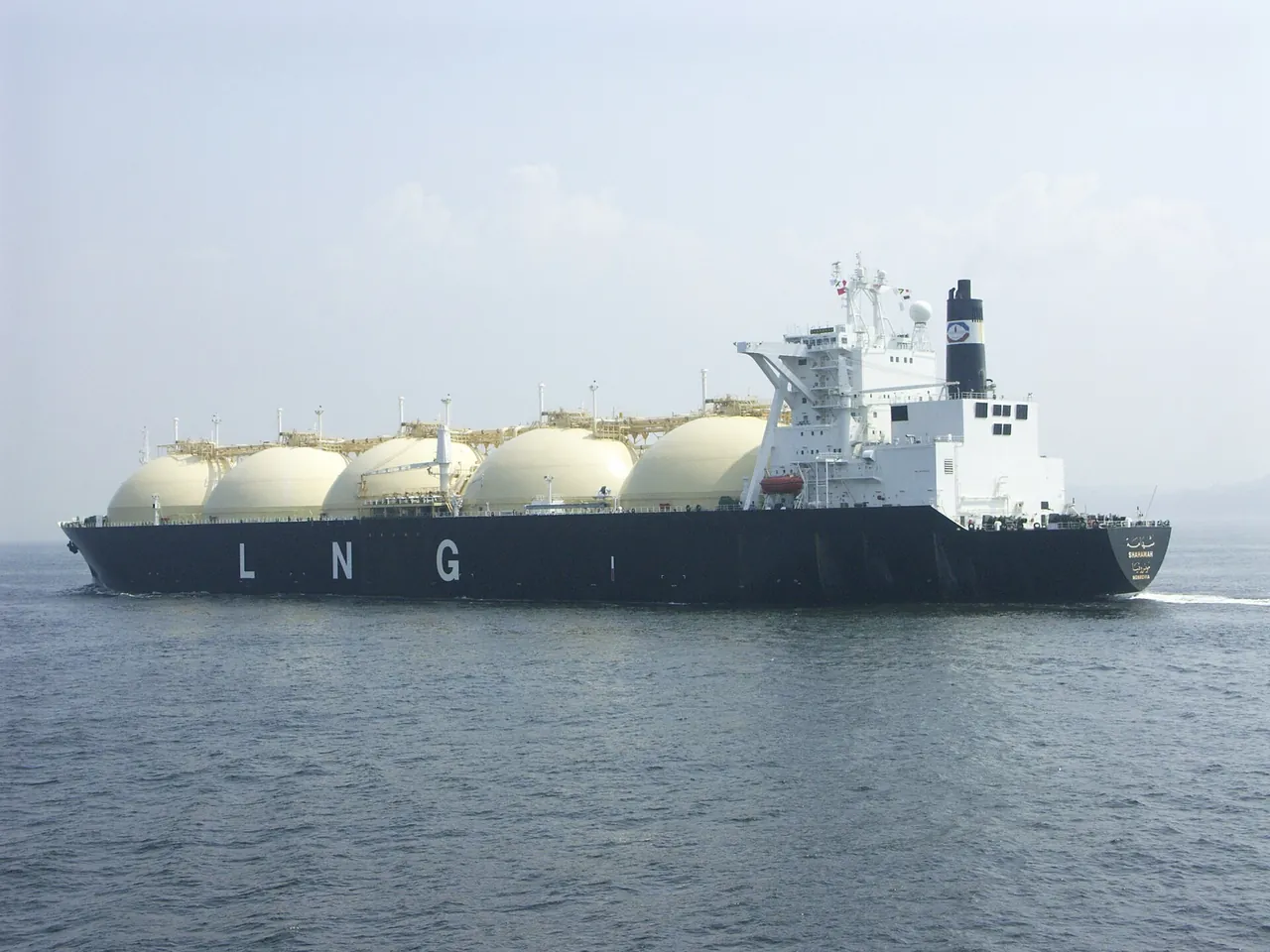 United States 25%
Energy
Natural gas
Qatar's LNG cargoes fell 96% in six months after Iran closed the Strait of Hormuz.
United States 25%
Energy
Natural gas
Qatar's LNG cargoes fell 96% in six months after Iran closed the Strait of Hormuz.
 Kazakhstan 39%
Energy
Uranium
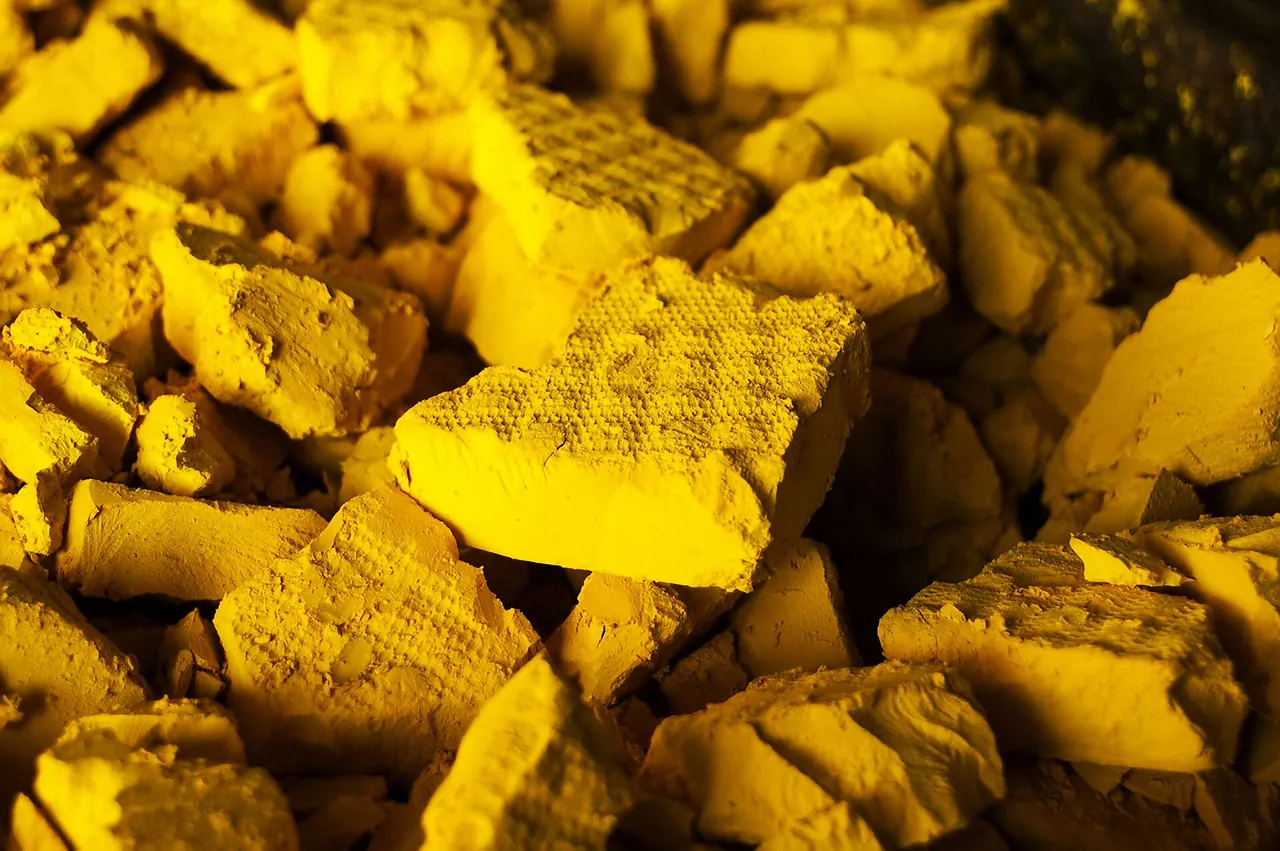
Russia mines under 5% of uranium but holds 43% of world enrichment capacity.
Kazakhstan 39%
Energy
Uranium
Russia mines under 5% of uranium but holds 43% of world enrichment capacity.
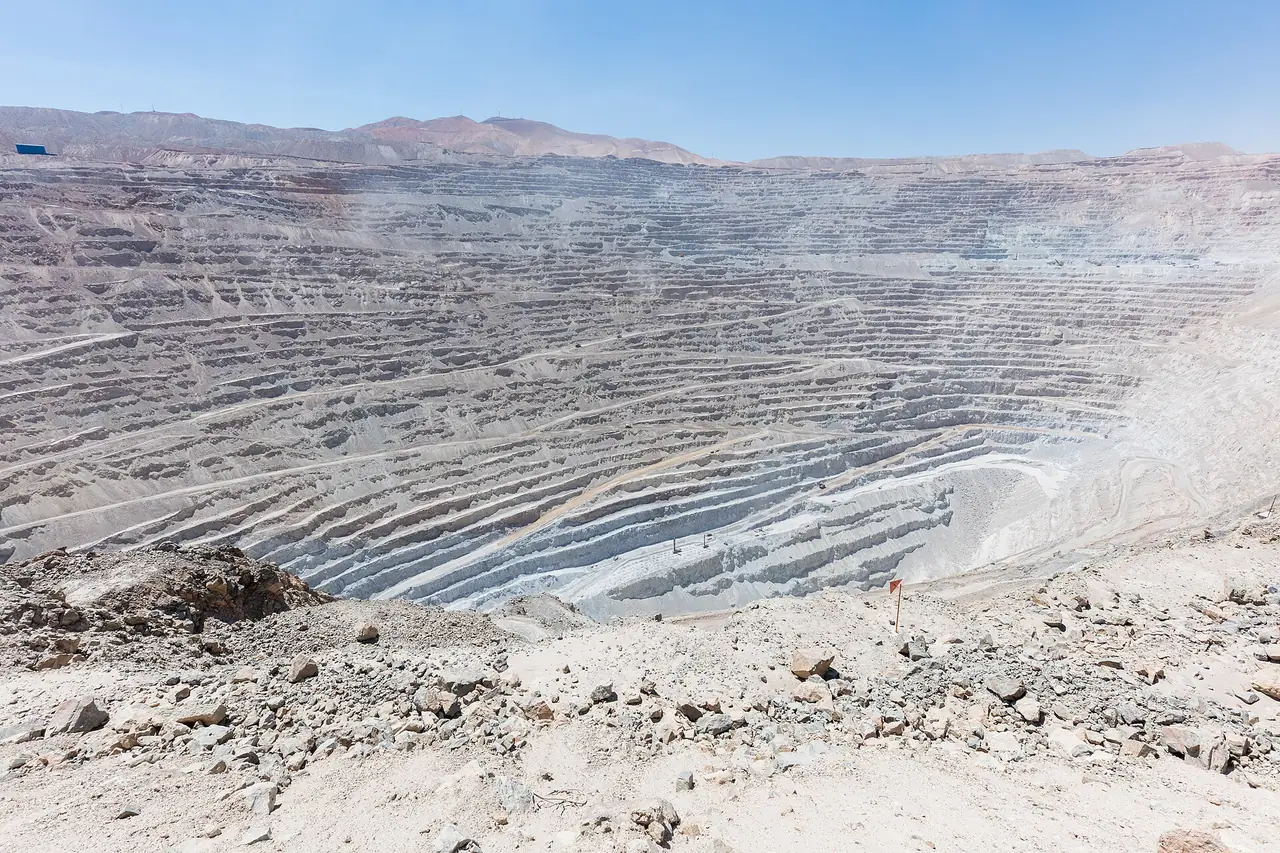
 Chile 23%
Industrial metal
Copper
China refines 48% of the world's copper but mines only 8%.
Chile 23%
Industrial metal
Copper
China refines 48% of the world's copper but mines only 8%.