1353-1431
Siamese attacks on Angkor
- Sides
- Ayutthaya against the Khmer Empire
- Result
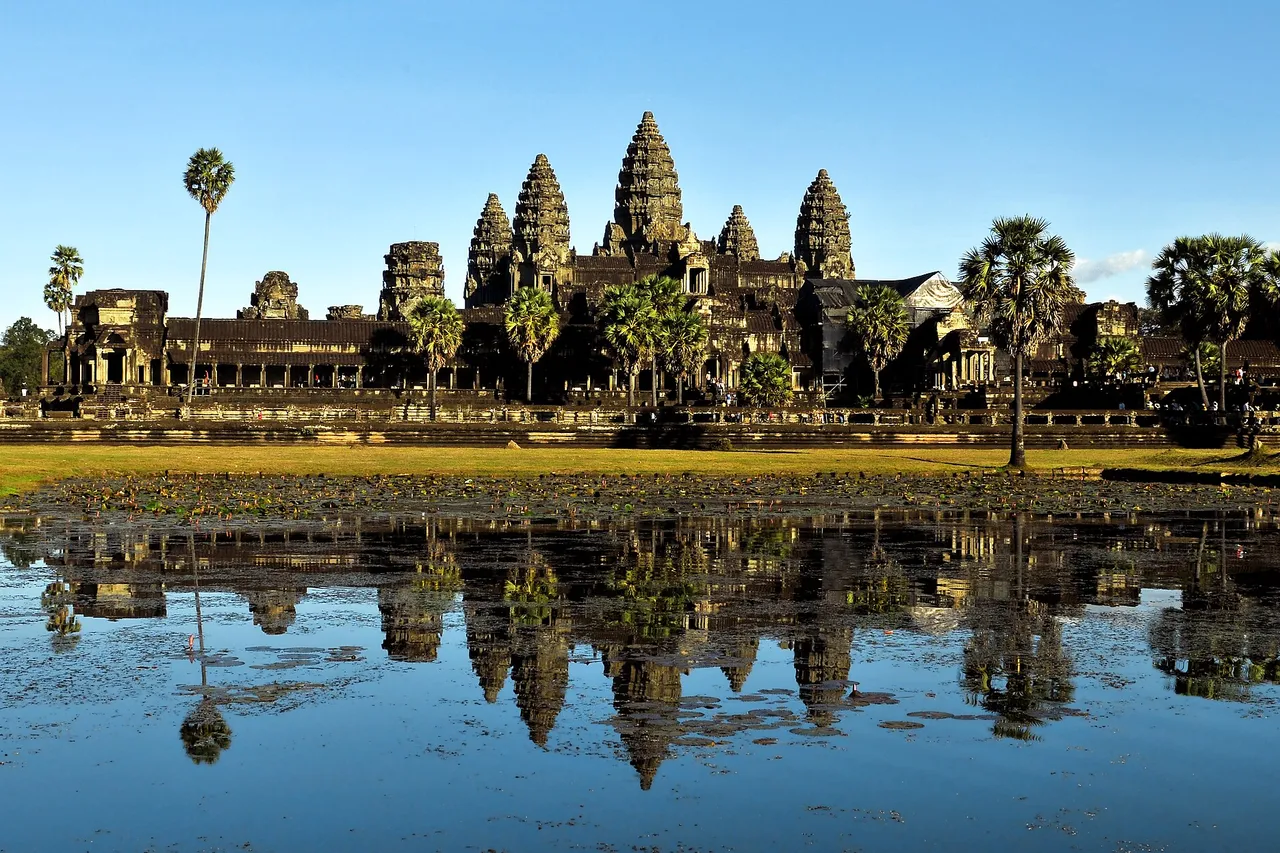
- Ayutthaya captured Angkor in 1431; the Khmer court moved south toward Phnom Penh
- Fought over
- Territory and control of the Khmer heartland
Relations · Southeast Asia
HostileCeasefire since December 2025, border still closed
Cambodia and Thailand are hostile neighbors. They fought two border wars in 2025 that killed at least 140 people, by official and news counts. A ceasefire has held since December 27, 2025, but all land crossings are still closed and neither country has an ambassador in the other. Both claim ancient temples along their 817 km border, which France and Siam drew in 1904 and 1907 but never fully marked. Thai troops hold some of these temples, which Thailand says are on Thai land and Cambodia says are occupied.
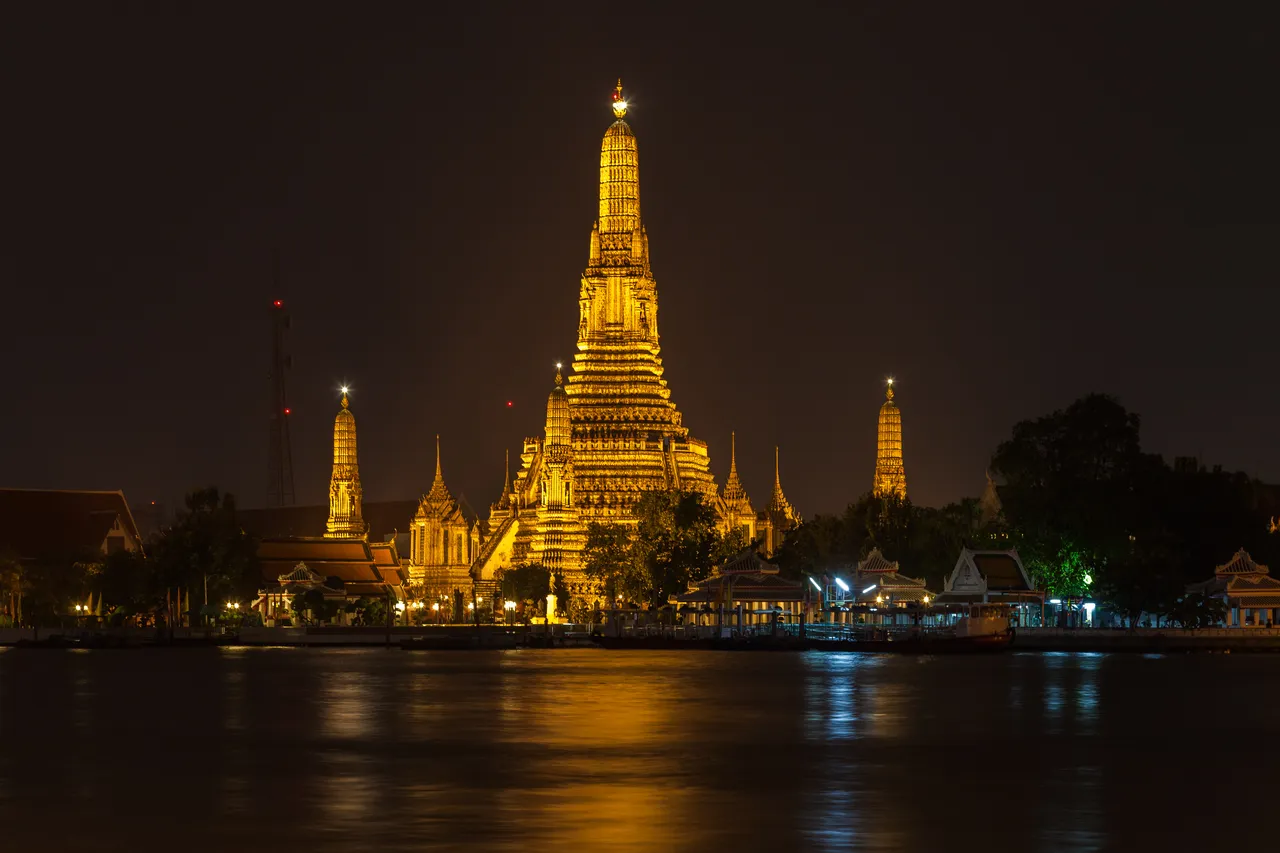
A ceasefire has held since December 27, 2025, but the land border is still closed, there are no ambassadors, and Thai troops hold disputed temple sites. Cambodia has started UN conciliation over the Gulf of Thailand.
Latest
Following the news? Thailand-Cambodia in Conflicts →
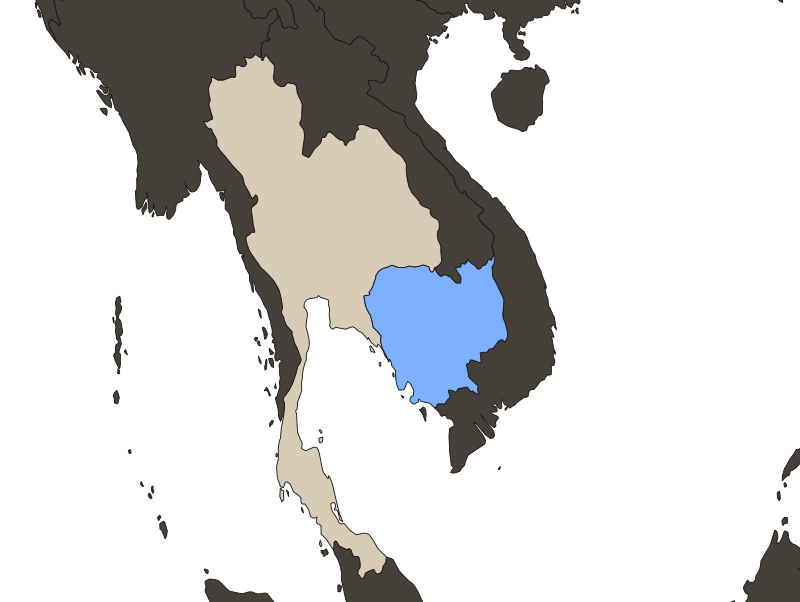 Cambodia
Thailand
Preah Vihear
Ta Krabey
What ties them
What divides them
 Cambodia sells to Thailand
$1.3bn
 Thailand sells to Cambodia
$8.5bn
Cambodia is Thailand's #18 trading partner (1.5% of its goods trade). Thailand is Cambodia's #3 (12.7%). Gold made up over a third of Thailand's recorded exports to Cambodia in 2024, before the border closure of June 2025 cut land trade to almost nothing. Source: CEPII BACI (version 202601), goods only.
1353-1431
1591-1594
1940-1941
2008-2011
2025
WarTreaty or peaceCrisis
Empires and vassals · 1353-1907
Independence and rivalry · 1941-1991
Crises and clashes · 2003-2013
Border wars · 2025-2026
In 2025, Cambodia and Thailand voted the same way on 99% of the recorded votes in the UN General Assembly. Cambodia and Thailand voted the same way on 99% of recorded UN General Assembly votes in 2025. Compare their votes →
Abstaining while the other votes yes or no counts as half agreement. Data: UN Digital Library voting data, 1991 to 2025.
10 questions on their wars, treaties, trade and size. About three minutes, no signup.
Orbis teaches the history behind the news
Orbis teaches geopolitics, history, and power in bite-sized lessons, 800+ of them, with flashcards that make it stick.
Cambodia
vs
Thailand
From the Orbis rankings: UN, IMF, Governments, Orbis. Each tile links to its ranking.
Cambodia
Thailand
No. Fighting stopped under a ceasefire that took effect on December 27, 2025, and no deaths from combat have been reported in 2026. Relations remain hostile: the land border has been closed since June 2025, there are no ambassadors, and Thai troops hold disputed temple sites that Cambodia calls occupied.
Neither side was declared the winner. Thailand ended the December 2025 fighting holding Ta Krabey (Ta Khwai), Ta Muen Thom (Ta Moan Thom) and other disputed hills, which it says are Thai land. Cambodia says the Thai army occupies Cambodian territory and that more than 20,000 Cambodians are still displaced.
No. Thailand closed all land crossings on June 23, 2025. On October 31, 2026, Prime Minister Anutin said there were no plans to reopen them until territorial, scam and security issues are resolved. Goods are now rerouted through Laos at an extra cost of about 100,000 to 150,000 baht per trip.
Cambodia. The International Court of Justice ruled on June 15, 1962, by 9 votes to 3, that the temple is on Cambodian territory. On November 11, 2013, the court unanimously ruled that the whole promontory is Cambodian and that Thailand must withdraw. Thailand calls the temple Phra Wihan and still disputes land beyond the promontory.
About 1.2 million Cambodian migrants were in Thailand before the 2025 crisis, according to AFP. More than 900,000 Cambodian workers went home during the crisis. The UN counts 375,635 people born in Cambodia living in Thailand in 2024. Cambodia's remittances from abroad fell 23.6% in 2025.
Siamese armies took Angkor in 1353 and 1431. Later Siam ruled Battambang and Siem Reap, the provinces that contain Angkor, until a 1907 treaty returned them to French Cambodia. Thailand took them again in 1941 with Japan's backing and gave them back in 1946.