Resource · Energy
Uranium
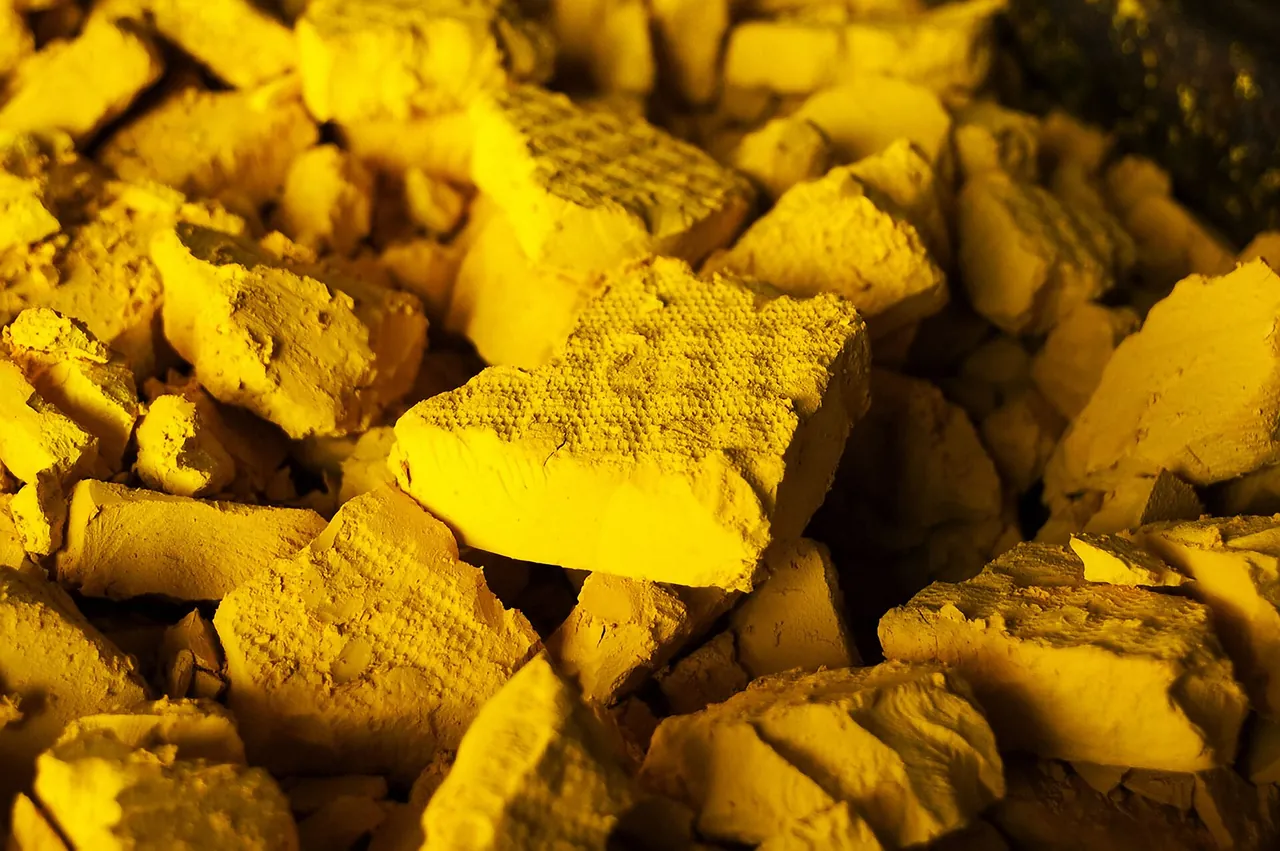
Uranium fuels nuclear power plants, which supplied 8.9% of world electricity in 2025. Kazakhstan mines the most, at 39% of world output in 2024. Russia's Rosatom has 43% of world enrichment capacity. The United States, the largest consumer, banned imports of Russian enriched uranium in 2024.
- Mined in 2024
- 60,213 t
- of uranium
- Largest miner
 39%
- 23,270 tonnes
- Enrichment in Russia
 43%
- of world capacity, 2025
- Largest user
 28%
- of what reactors need
- Nuclear power
- 8.9%
- of world electricity, 2025
Which countries mine the most uranium?
Kazakhstan produced 39% of the world's uranium in 2024, rising to about 40% in 2025. Canada mined 24% and Namibia 12%. Kazakhstan's state company Kazatomprom runs joint ventures with Chinese, Russian and other foreign partners who take much of the output under offtake deals. Kazatomprom cut its 2025 production plan, citing sulfuric acid shortages and construction delays.
In Canada, Cameco's Cigar Lake and McArthur River are the world's two largest uranium mines.
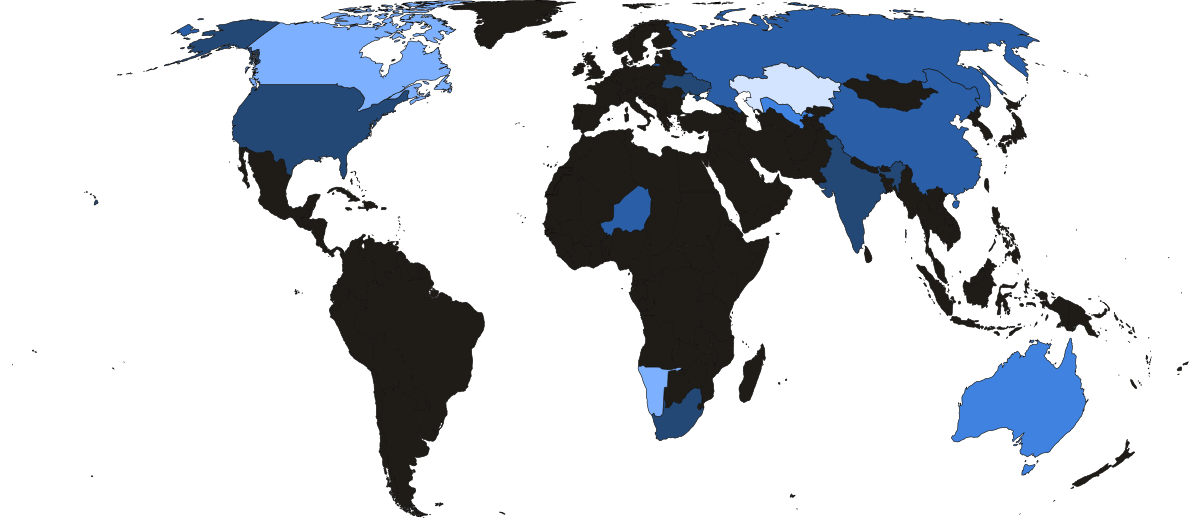
Share of world uranium mine output, 2024
- Kazakhstan38.6%
 Canada23.8%
 Namibia12.2%
 Australia7.6%
 Uzbekistan6.6%
- Russia4.5%
- Everyone else6.7%
- Under 1%
- 1%–5%
- 5%–10%
- 10%–25%
- Over 25%
- No production
Who enriches uranium?
Russia's Rosatom holds 43% of world enrichment capacity, even though Russia mines under 5% of uranium. Before mined uranium can fuel most reactors, it is converted into a gas and then enriched, which concentrates the part of the uranium that reactors burn. The United States banned imports of Russian low-enriched uranium in a law signed on May 13, 2024. Case-by-case waivers end on January 1, 2028. Russia restricted enriched uranium exports to the United States on November 15, 2024.
In 2025, Russia still supplied 26% of the enrichment services US reactor operators bought.
From mine to reactor fuel
Share of the world at each step
Kazakhstan 39%Canada 24%Russia 4.5%Namibia 12%Australia 7.6%Russia 29%Canada 25% China 25%
 France 21%Russia 29%Russia 43%Urenco 25%China 20%France 11%
Who uses the most uranium?
The United States needs the most uranium, at 28% of world reactor requirements in 2025. China uses 20% and France 12%. China has 64 reactors operating and 39 under construction, nearly half of the 81 being built worldwide. China's State Council approved eight more on July 31, 2026.
In 2025, US reactor operators got their uranium mainly from Canada (32%) and Kazakhstan (28%).
What the world's reactors need
Share of uranium requirements, 2025
- United States28%
- China20%
- France12%
- Russia9%
 South Korea7%
 Japan3%
 India3%
- Canada2%
What is uranium used for?
Uranium is used almost entirely for making electricity in nuclear power plants. Small amounts produce medical isotopes in about 220 research reactors across 56 countries. Over 160 naval ships run on nuclear reactors, most of them fueled with uranium from existing military stocks.
The uranium spot price reached about $106 a pound in January 2024, a 17-year high. In mid-November 2026, the spot price stood at about $90 a pound.
What uranium does
How much it takes
- 1 pelletof uranium fuel, the size of a fingertip, holds as much energy as a tonne of coal
- 211 tof mined uranium fuels a 1,000 MW reactor for a year
- 8.9%of the world's electricity came from nuclear power in 2025
- 500 tof uranium from Russian warheads became US reactor fuel, 1993 to 2013
Which country has the most uranium?
Australia holds the largest identified uranium resources at 29% of the world total but mines under 8% of annual output. Kazakhstan mines far more than its 14% share of resources.
Niger holds 6% of resources. Niger's military government nationalized the Somair mine in June 2025. The mine had been majority-owned by France's Orano. In September 2025 a World Bank tribunal ordered Niger not to sell the mine's uranium. As of April 2026 more than 1,000 tonnes of yellowcake sat on trucks in Niamey.
Resources against mining
Share of resourcesShare of mining- Australia29%7.6%
- Kazakhstan14%39%
- Canada9.4%24%
- Russia8%4.5%
- Namibia6.7%12%
 Niger6%1.6%
- China5.5%2.7%
 South Africa5.5%<1%
History
Where did the uranium for the first atomic bombs come from?
About two-thirds of the uranium the Manhattan Project bought came from the Belgian Congo, mostly from one mine, Shinkolobwe. On August 2, 1939, Albert Einstein wrote to President Franklin Roosevelt that "the most important source of uranium is in the Belgian Congo."
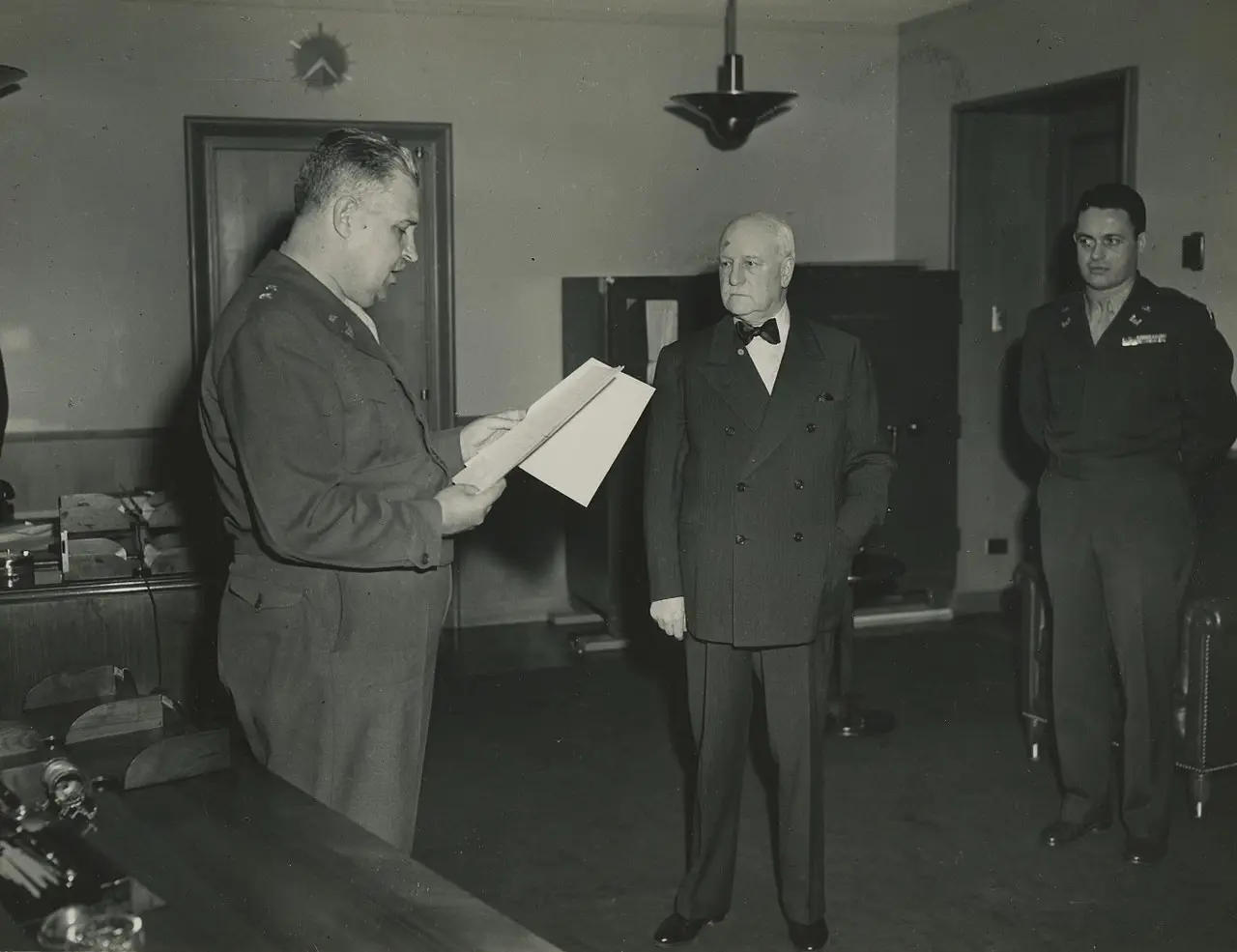
In 1940, Edgar Sengier, the director of the Belgian mining company Union Minière, had about 1,200 tons of Shinkolobwe ore shipped through the port of Lobito in Angola to New York. Some of it held up to 65% uranium oxide. It sat in a warehouse on Staten Island. Sengier knew of no bomb project. He wanted the ore out of German reach. On September 18, 1942, Lieutenant Colonel Kenneth Nichols of the Manhattan District visited Sengier's New York office. Sengier told him: "You can have the ore now. It is in New York, a thousand tons of it. I was waiting for your visit." The two men agreed the deal on a yellow pad, at $1.60 a pound.
History
Who mined the world's uranium at the start of the Cold War?
In 1950 the Belgian Congo mined 46% of the world's uranium and East Germany about a quarter. Joseph Stalin's atomic bomb program needed uranium the Soviet Union did not have. In 1946 the Soviets began mining in Saxony, through a company later named SAG Wismut (German for bismuth, a cover name). Around 1950 Wismut employed about 200,000 people. Workers who fled were brought back in handcuffs. The Stasi had a unit just for Wismut. In 1949 East Germany mined almost three times as much uranium as the Soviet Union itself. Wismut's own history says Ore Mountains uranium went into the first Soviet atomic bomb, tested on August 29, 1949.
Under a secret agreement of November 23, 1945, Czechoslovakia sold all its uranium to the Soviet Union. From 1949 the communist regime sent political prisoners to the mines at Jáchymov. In 1953 almost 15,000 prisoners were in the uranium camps, nearly half of everyone imprisoned in Czechoslovakia.
Share of world uranium mine output
19502024 DR Congo46%0%
 Germany26%0%
- Russia8.7%4.5%
- United States7.3%<1%
 Czech Republic5.8%0%
- Canada3.5%24%
History
How France secured Niger's uranium
France secured Niger's uranium with a defense agreement signed on April 24, 1961, in the first year of Niger's independence. An annex named uranium, thorium, lithium and beryllium as strategic materials. Niger had to sell them to France first and limit exports to other countries when defense required it.
Niger's first president, Hamani Diori, met Charles de Gaulle on July 6, 1967. The next day Diori signed the protocol for the Somair mine at Arlit, which opened in 1971. After the 1973 oil shock, Diori pressed France for a higher uranium price. On April 15, 1974, Lieutenant Colonel Seyni Kountché overthrew him. Many in Niger believed France was behind the coup. The Dutch historian Klaas van Walraven found in French archives that France was taken by surprise. Jacques Foccart, the Élysée's Africa adviser, readied paratroopers to free Diori. The plan was dropped within two days, on the French ambassador's advice. Niger's military government nationalized Somair in June 2025.
Other resources
All 33 resources →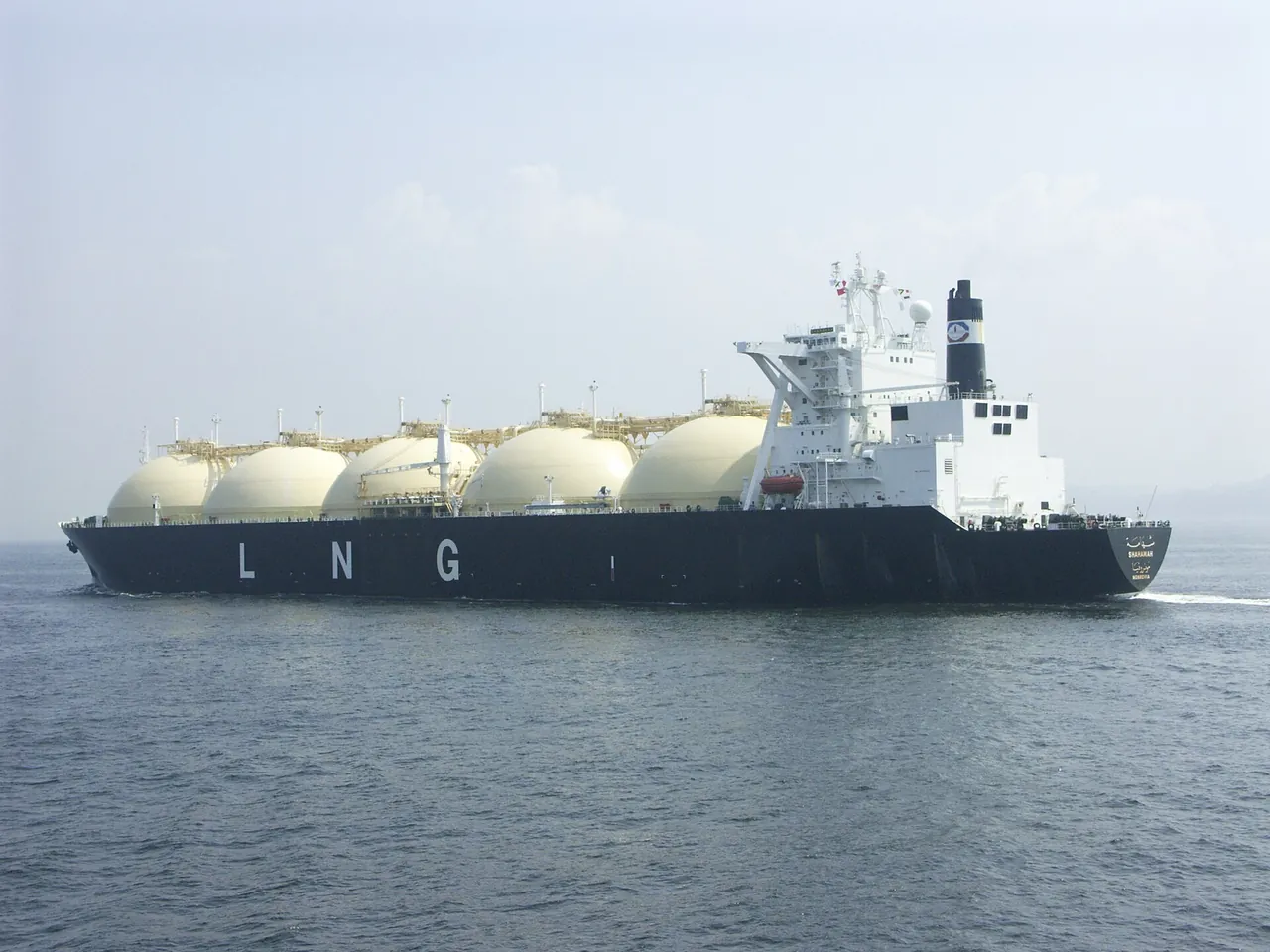 United States 25%
Energy
Natural gas
Qatar's LNG cargoes fell 96% in six months after Iran closed the Strait of Hormuz.
 United States 16.1%
Energy
Crude oil
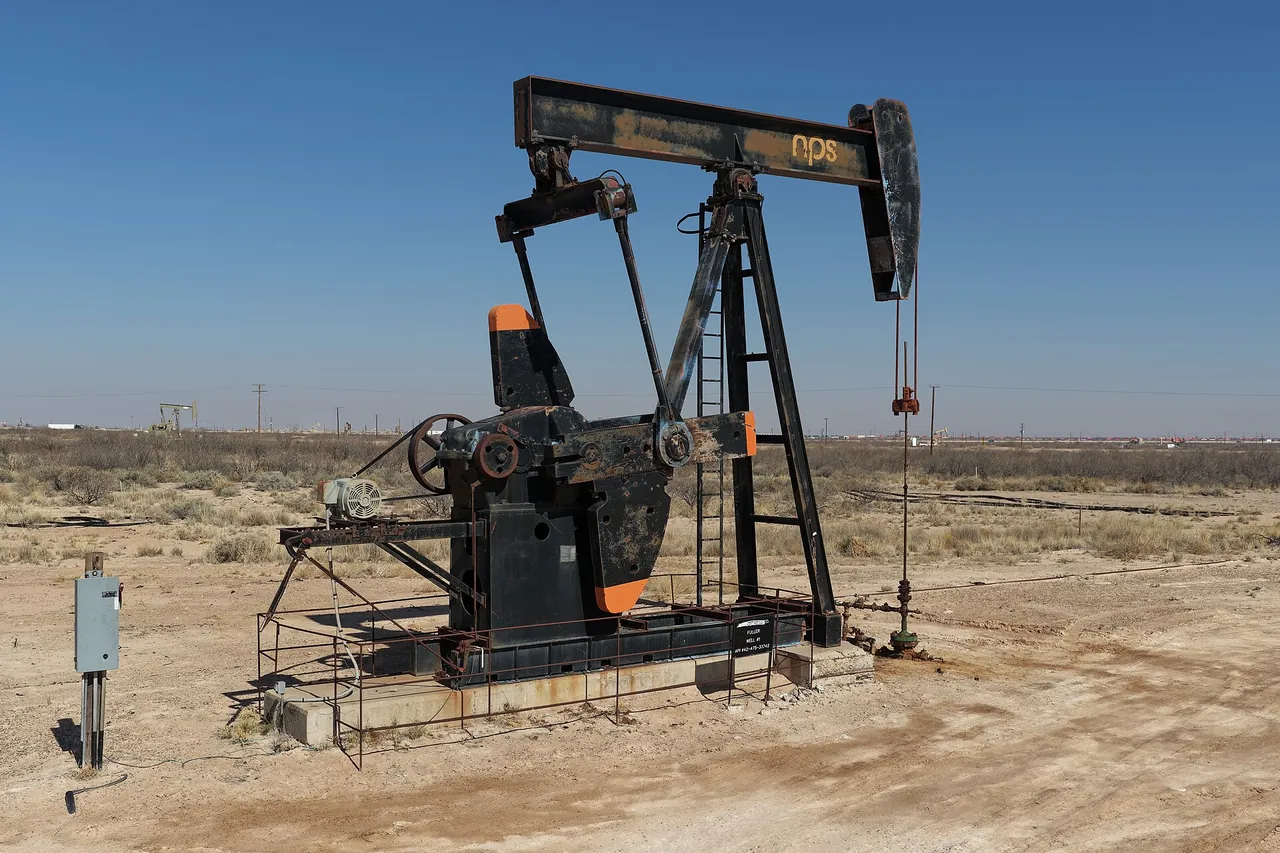
The US pumps 13.6 million barrels a day, more than any other country.
 China 69%
Critical mineral
Rare earths
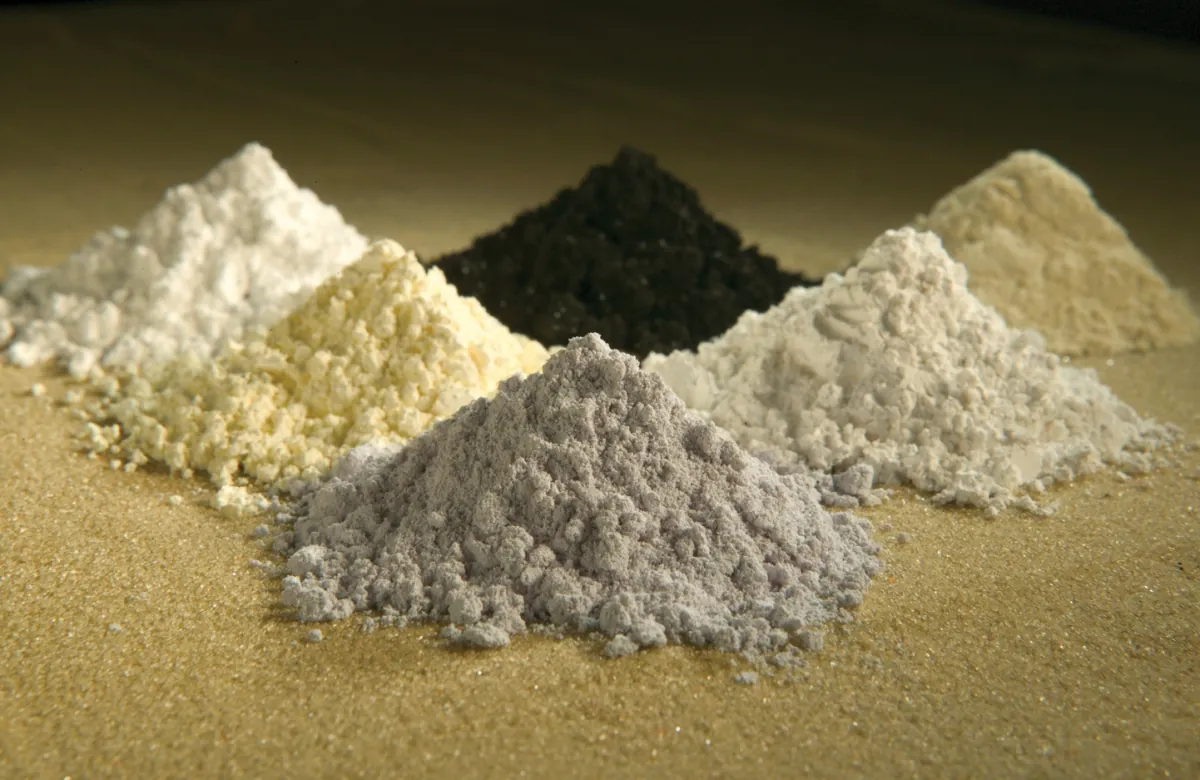
China mines 69% of rare earths, refines 85% and makes 94% of the magnets.