
Resource · Industrial crop
Rubber
Thailand grows the most natural rubber: 32.3% of the world's 14.8 million tonnes in 2024. Indonesia is second at 15.3% and Côte d'Ivoire third at 11.4%. China uses 46% of the world's natural rubber but grows only 6% of it. About half of all rubber used is synthetic, made from oil. Aircraft and heavy truck tires need natural rubber.
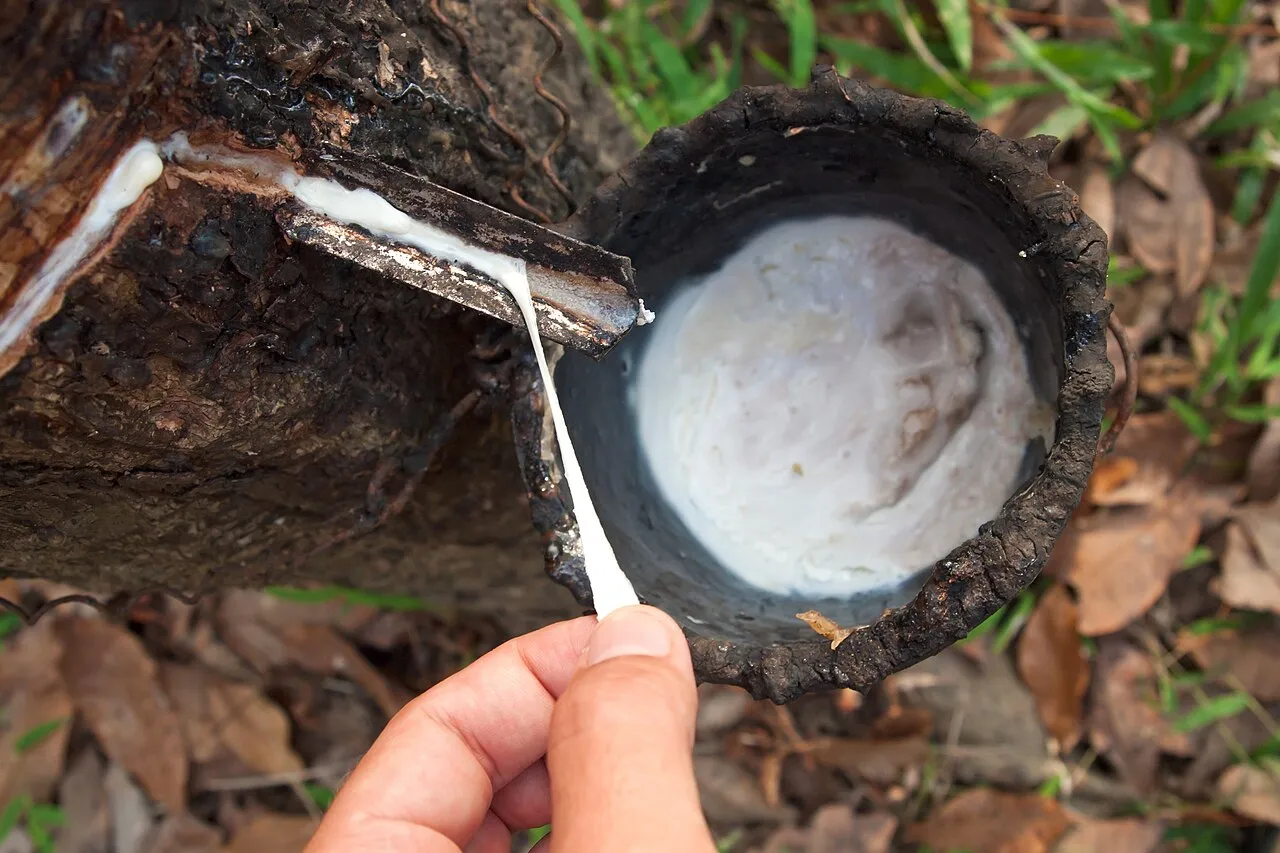
- Grown in 2024
- 14.8 million t
- of natural rubber
- Largest grower
 32.3%
- 4.79 million t, 2024
- Largest exporter
- 4.21 million t
- including mixed rubber, 2024
- Largest user
 46%
- of world use, 6.98 million t, 2024
- Price, October 2026
- $2.55/kg
- up 49% in a year
Which countries grow the most rubber?
Thailand grew 4.79 million tonnes of natural rubber in 2024, 32.3% of the world total. Indonesia produced 15.3%, Côte d'Ivoire 11.4% and Vietnam 9.0%. The top four countries grew about 68% of all natural rubber.
About 82% of natural rubber comes from Asia and 15% from Africa. Rubber trees grow in a humid tropical belt. The tree is native to the Amazon, but Brazil now grows just 1.8% of the world's supply.
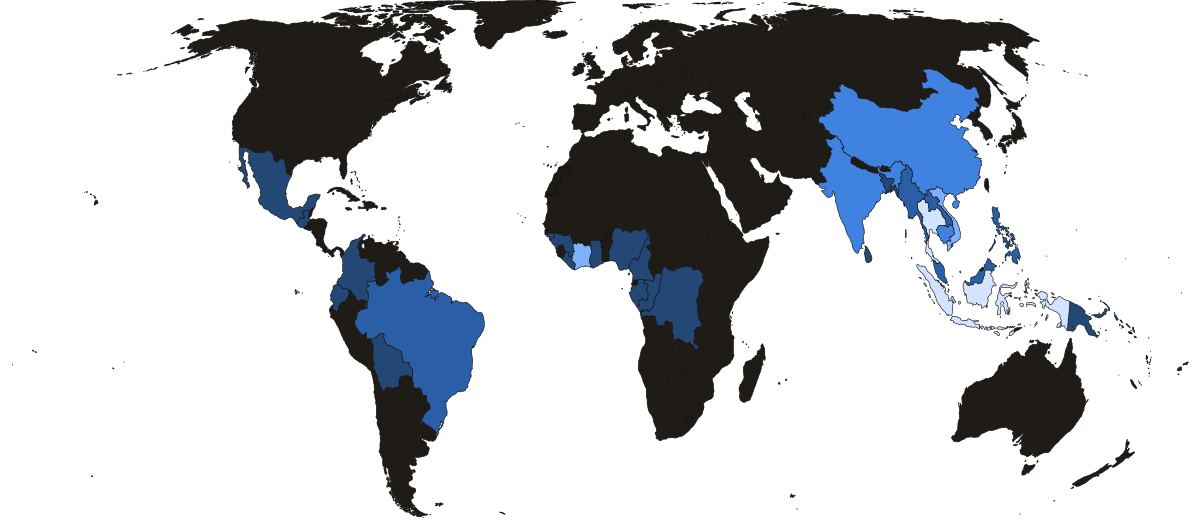
- Under 1%
- 1%–3%
- 3%–8%
- 8%–15%
- Over 15%
- No production
Who uses the most rubber?
China used 6.98 million tonnes of natural rubber in 2024, 46% of the world total. China grows only about 880,000 tonnes and imports the rest. India used 1.40 million tonnes, Thailand 1.03 million and the United States 869,000.
About 70% of natural rubber goes into tires. Aircraft tires are made almost entirely of natural rubber, and heavy truck tires use mostly natural rubber. The United States imports all the natural rubber it uses, and the US government classifies it as a strategic material.
Natural rubber grown and used
Thousand tonnes, 2024
- 880China6,982
- 876
 India1,402
- 4,789Thailand1,026
- 0
 United States869
- 0
 Japan636
- 2,262
 Indonesia545
- 1,297
 Vietnam395
Natural or synthetic rubber?
Natural rubber made up 48% of all rubber used in 2024. Synthetic rubber, made from oil byproducts such as butadiene and styrene, accounted for 52%. The world used 31.5 million tonnes of rubber in total.
The cost of synthetic rubber follows oil prices. Natural rubber prices depend on harvests. In late September 2026, floods in eastern Thailand damaged about 22,600 hectares of rubber plantations and stopped tapping there. Natural rubber (TSR20) averaged $2.55 per kilogram in October 2026, up 49% from a year earlier. That was the highest monthly price since March 2013.
What the world's rubber is made of
Share of rubber used, 2024
- Natural rubber, from trees48%
- Synthetic rubber, from oil52%
How much goes into one
- 31.5 million tof rubber used in 2024, natural and synthetic
- About 70%of natural rubber goes into tires
- Almost allof the rubber in aircraft tires is natural
- $2.55/kgnatural rubber price in October 2026, up 49% in a year
Who exports the most natural rubber?
Thailand exported 4.21 million tonnes of natural rubber and natural-synthetic mixtures in 2024, about a third of the world total. Vietnam, Côte d'Ivoire and Indonesia followed. Malaysia grows only 387,000 tonnes, but it imported about 1.03 million tonnes in 2024 and exported 1.02 million tonnes.
China is the main destination. Thailand sent 54% of its rubber exports to China in 2024. Côte d'Ivoire sent a larger share to Europe, with 26% of its exports going to the EU.
Who sells the world's natural rubber
Thousand tonnes, 2024

Why is Côte d'Ivoire growing so much rubber?
Côte d'Ivoire grew 1.69 million tonnes of natural rubber in 2024, 5.3 times what it grew in 2014 (316,000 tonnes). Its share of world output rose from 2.4% to 11.4% in a decade, making it the world's third-largest producer and the largest in Africa.
Many farmers frustrated by cocoa's low returns switched to rubber, which is tapped all year and gives a more stable income. Côte d'Ivoire's rubber export revenue rose from 531 billion CFA francs in 2019 to 1,489 billion CFA francs in 2024. Indonesia went the other direction, falling from 23.7% of world output in 2014 to 15.3% in 2024 as farmers switched to oil palm.
Who gained and lost share of world rubber
20142024- Thailand34%32%
- Indonesia24%15%
 Côte d'Ivoire2.4%11%
- Vietnam7.2%9%
 Malaysia5%2.6%
 Cambodia0.7%3.6%
 Laos0.4%2.4%
History
How rubber paid for King Leopold's Congo
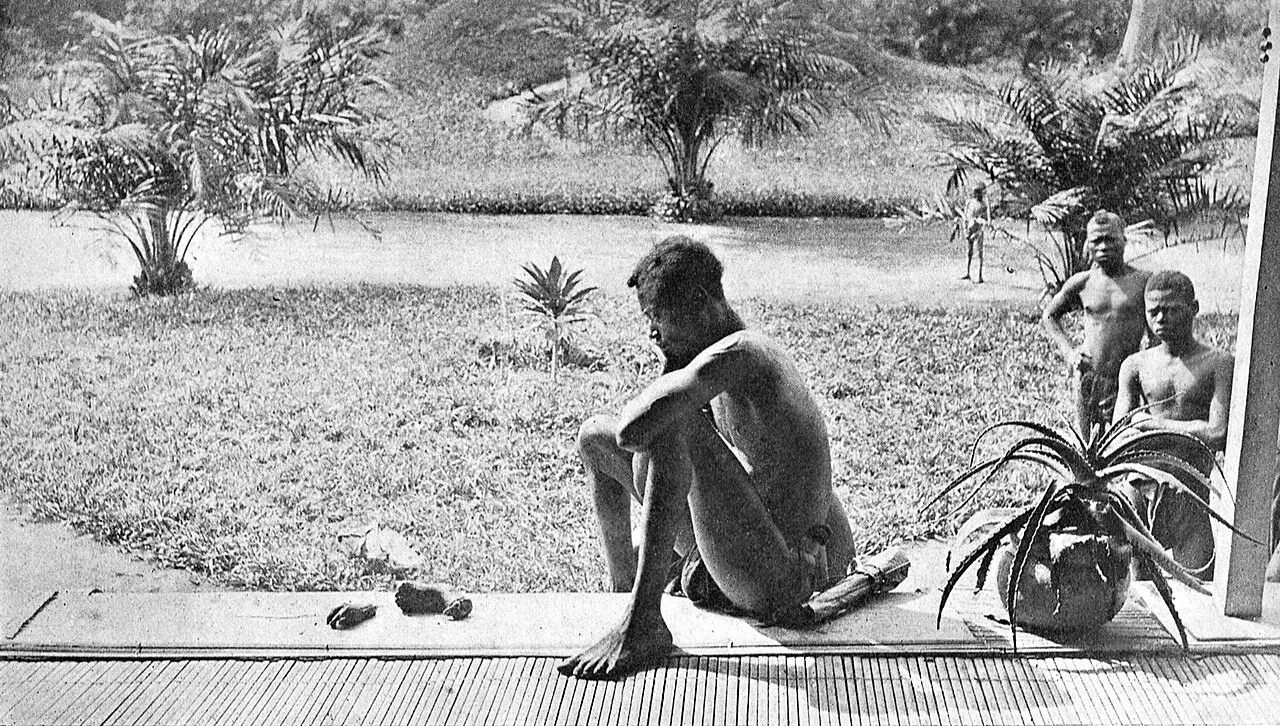
The Congo Free State was the personal property of King Leopold II of Belgium from 1885, and rubber paid for it. Demand for rubber rose fast after John Boyd Dunlop patented the pneumatic bicycle tire in 1888. Leopold never visited the Congo.
Leopold's state and concession companies, such as the Anglo-Belgian India Rubber Company, set rubber quotas for each village. The Force Publique, Leopold's army, enforced them with hostage-taking, whippings and killings. Its soldiers had to bring back a severed hand for every cartridge they fired. The British diplomat Roger Casement exposed the system in February 1904, and the journalist E. D. Morel founded the Congo Reform Association that year. The historian Adam Hochschild estimates that the population fell by about 10 million between 1880 and 1920, from killing, starvation, exhaustion, disease and falling births. The demographer Jean-Paul Sanderson puts the population loss at 1 to 5 million. Belgium took the colony from its king on 15 November 1908.
History
Who grew the world's rubber before World War II?
By 1939, British Malaya and the Dutch East Indies grew 77% of the world's natural rubber. Brazil, where the rubber tree comes from, grew 1.4%. Until about 1900, Brazil had sold almost 90% of the world's rubber, from wild trees in the Amazon.
The shift began in 1876. Henry Wickham, a failed English planter living on the Tapajós River, shipped about 70,000 seeds to Kew Gardens in London. Only about 2,700 germinated. The seedlings went to Ceylon and then to Malaya. In Singapore, Henry Ridley, the director of the Botanic Gardens from 1888 to 1912, found a way to tap a tree for years without damaging it. He pushed rubber so hard that planters called him "Mad Ridley." He lived to 100. Around 1913, Asian plantations overtook the Amazon, and Brazil's rubber boom ended. Malaysia has since switched much of its rubber land to palm oil. Thailand, the only independent grower of any size in 1939, now grows the most.
Share of world natural rubber output
19392024
 Liberia
History
How Japan's conquests forced the United States to make synthetic rubber
Japan took Singapore on 15 February 1942 and the Dutch East Indies in March. The United States lost about 90% of its natural rubber supply. Japan had gone to war mainly for oil, after the American oil embargo of 1941. Rubber and tin were secondary prizes.
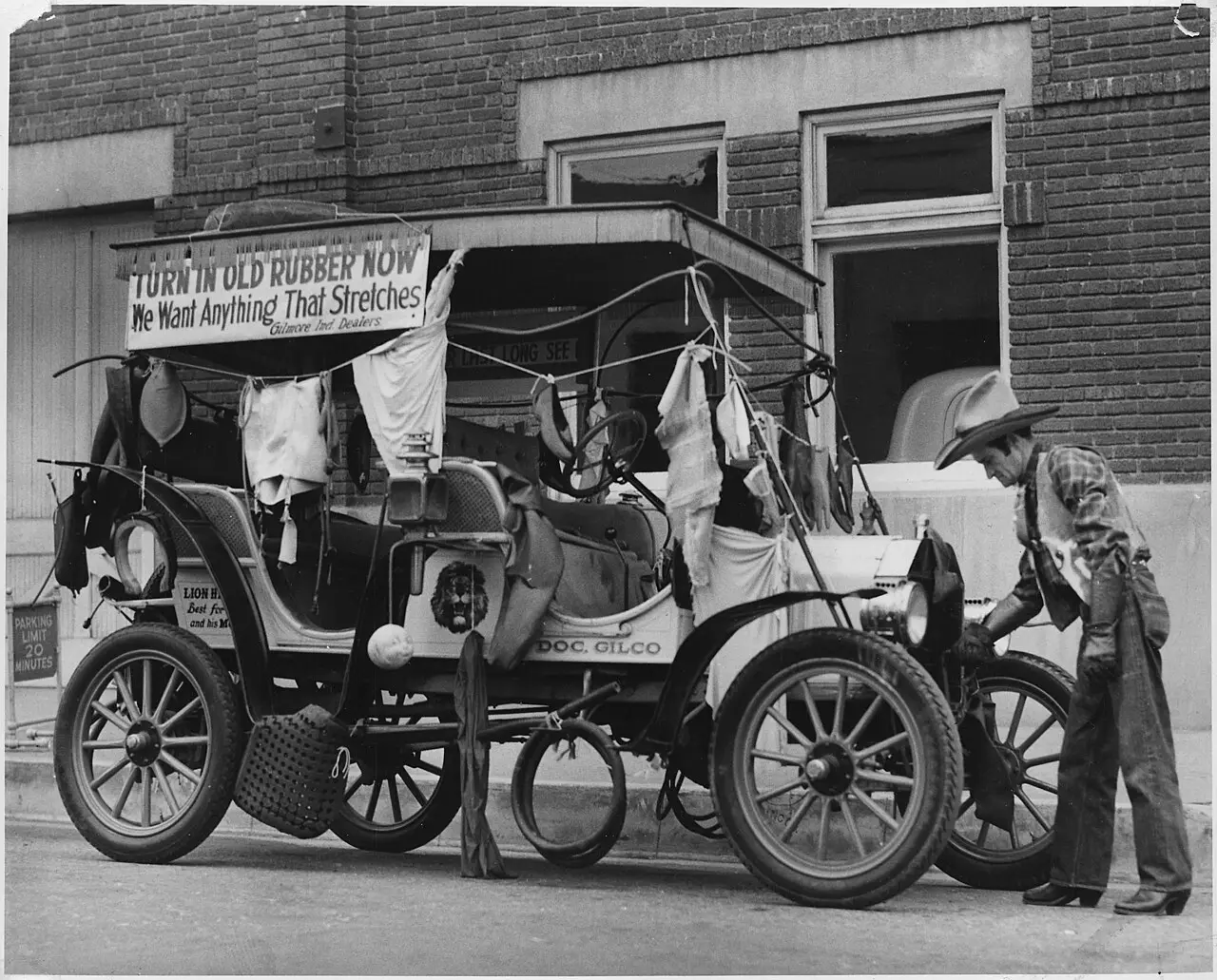
On 12 June 1942, Franklin Roosevelt asked Americans by radio for old tires, raincoats, garden hoses and bathing caps. Filling stations paid a penny a pound. On 10 September 1942, a committee led by Bernard Baruch warned that "unless corrective measures are taken immediately this country will face both a military and a civilian collapse." It recommended a national speed limit of 35 miles per hour and nationwide gasoline rationing. The government financed about 50 synthetic rubber plants. Their output of GR-S, the main synthetic rubber, grew from 231 tons in 1941 to about 756,000 tons in 1945. The industrial countries have depended on tropical plantations for only part of their rubber ever since.
Other resources
All 33 resources →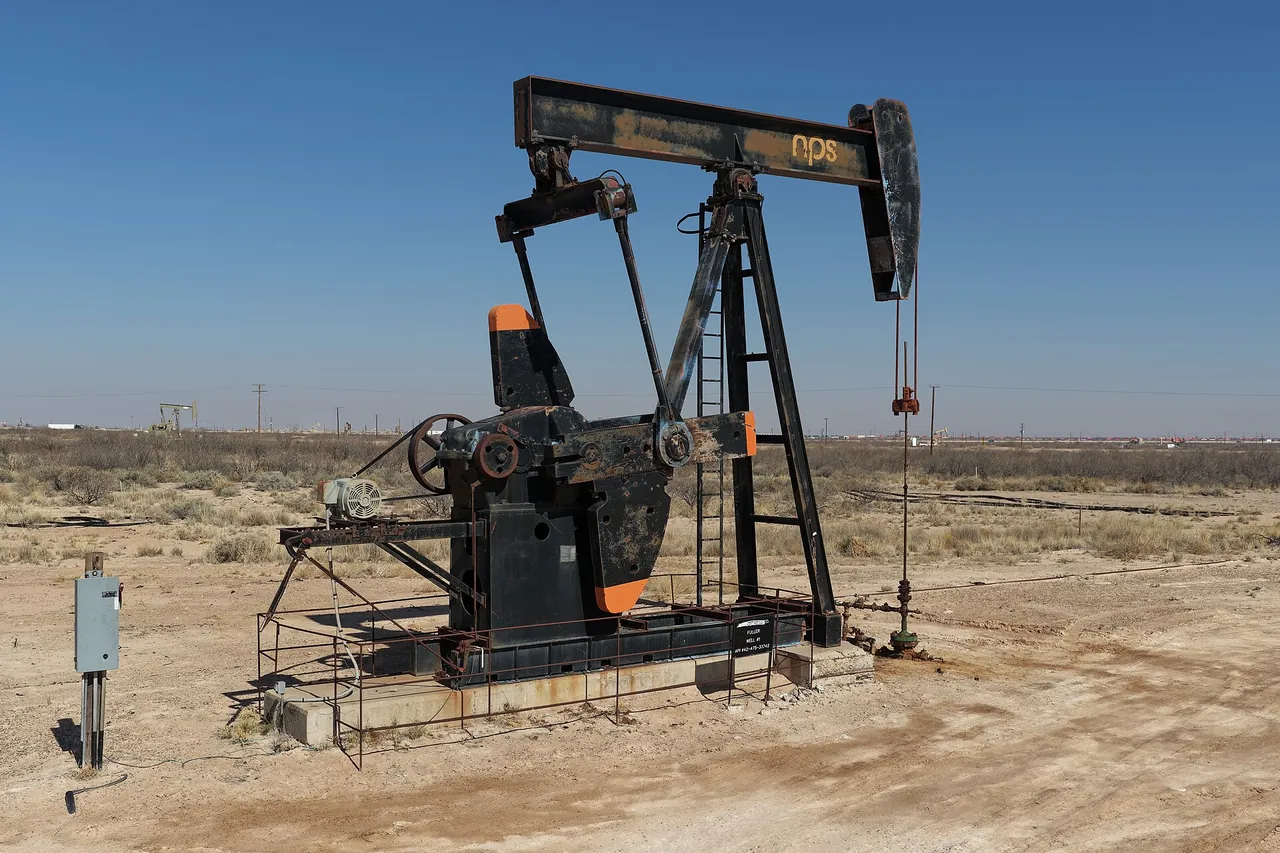 United States 16.1%
Energy
Crude oil
The US pumps 13.6 million barrels a day, more than any other country.
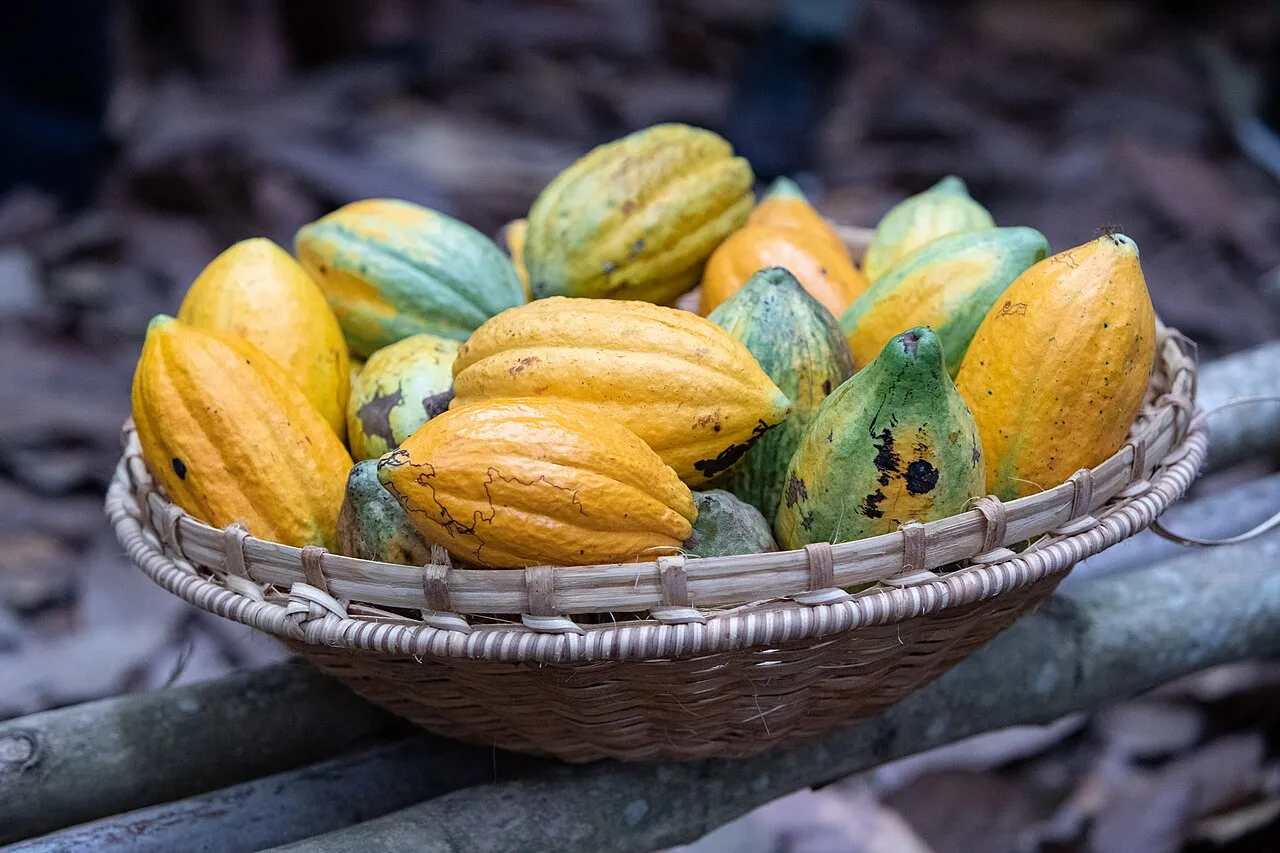 Côte d'Ivoire 36%
Food and farming
Cocoa
Côte d'Ivoire grows 36% of the world's cocoa. Ghana and Ecuador follow.
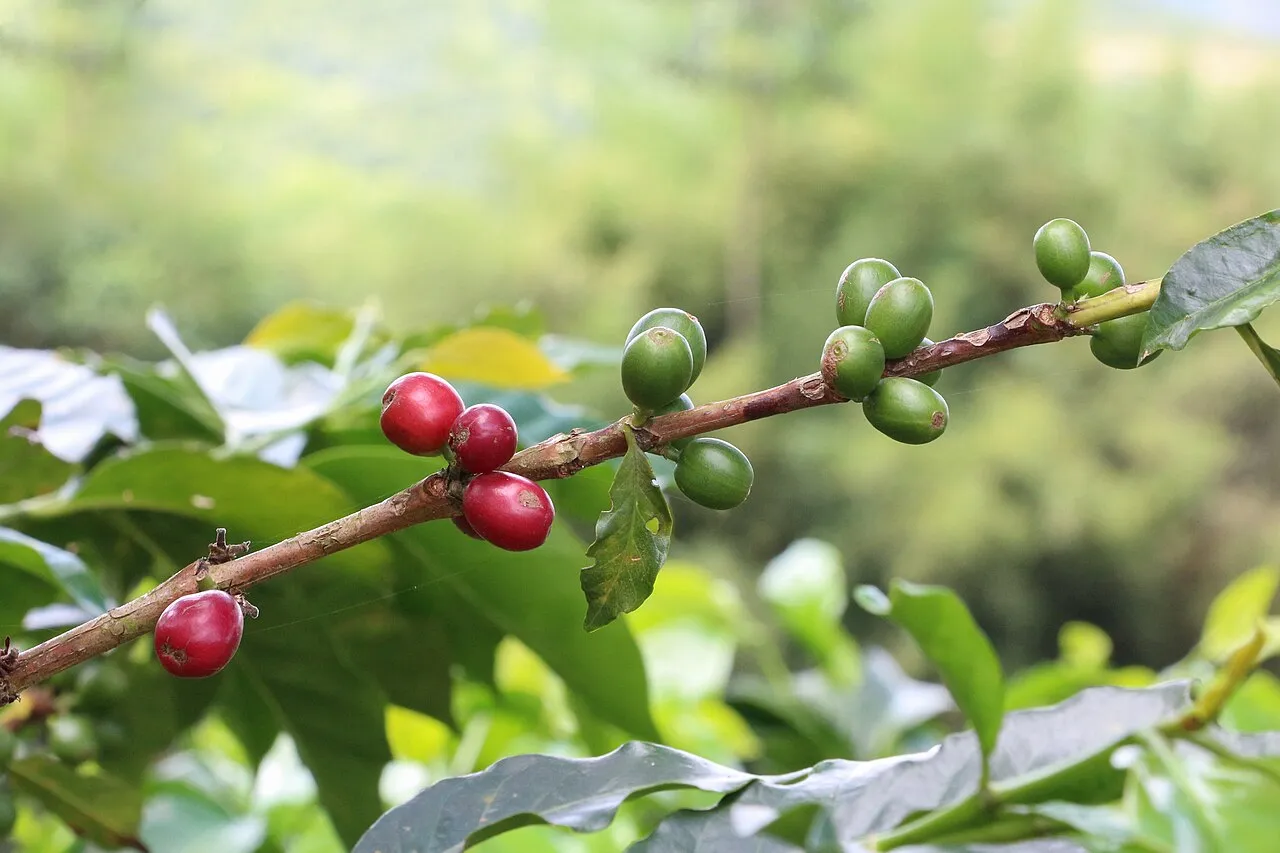
 Brazil 35%
Food and farming
Coffee
Brazil grows 35% of the world's coffee. The EU drinks the most, 24% of the total.