
Resource · Industrial metal
Steel
Steel is iron with a little carbon, used in buildings, cars and machines. China makes more than half of it, about 980 million of the world's 1.9 billion tonnes in 2025. China also exported a record 119 million tonnes. The United States charges 50% on most steel imports. The European Union and the United Kingdom charge 50% above quotas.
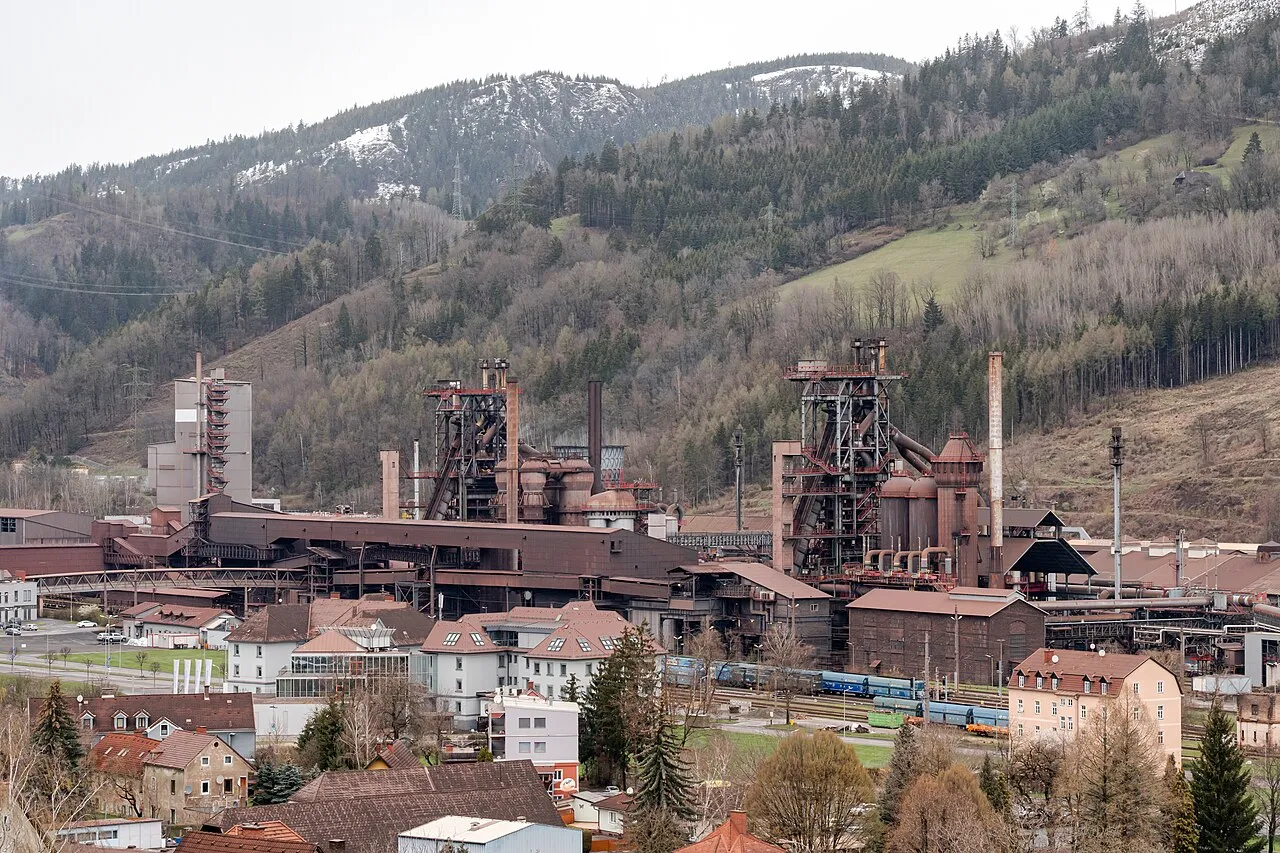
- Made in 2025
- 1.9 billion t
- of raw steel
- Largest producer
 52%
- 980 million tonnes
- Exported by China
- 119 million t
- a record, 2025
- US tariff
 50%
- on most steel imports since June 2025
- Greenhouse gases
- 7–8%
- of the world's emissions come from steel
Which countries produce the most steel?
China produced about 980 million tonnes of raw steel in 2025, 52% of the world's 1.9 billion tonnes. India ranked second with 160 million tonnes, followed by the United States at 82 million and Japan at 81 million. The United States passed Japan in 2025 for the first time since 1999.
China's statistics bureau reported 960.8 million tonnes for 2025, 4.4% less than in 2024 and the lowest since 2018. India's output grew 10.4%, and India's government targets 300 million tonnes of capacity by 2030-31. Six of the ten largest steel companies are Chinese. The largest, China Baowu, made 125 million tonnes, more than any country except China and India.
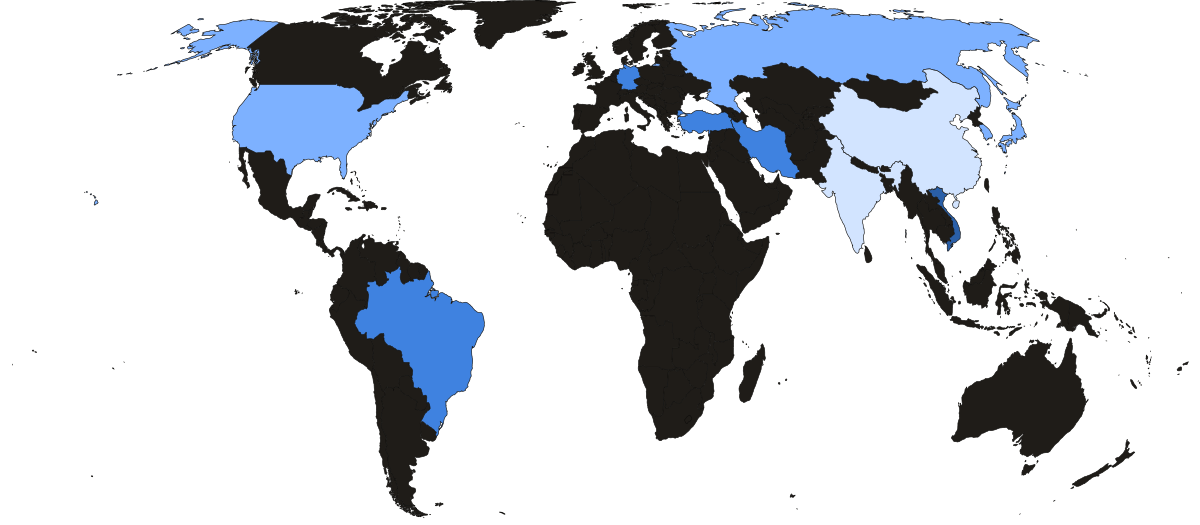
Raw steel production, million tonnes, 2025
- China980
 India160
- United States82.0
 Japan81.0
 Russia65.0
 South Korea60.0
- Under 10
- 10–30
- 30–60
- 60–150
- Over 150
- No production
Who exports the most steel?
China exported 133.6 million tonnes of finished and semi-finished steel in 2025, 29% of the 456.5 million tonnes traded worldwide. China's customs agency, which counts only finished steel, reported a record 119 million tonnes, above the previous record of 112 million tonnes set in 2015. Japan exported 29.8 million tonnes and South Korea 27.9 million.
China's own steel use fell 7% in 2025, so Chinese mills sold more abroad. Since January 1, 2026, China's commerce ministry has required export licenses for about 300 types of steel product. In January to September 2026, China's finished steel exports were 85.6 million tonnes, down 2.6% from the same period in 2025.
Who sells the world's steel
Million tonnes, 2025
- China133.6
- Japan29.8
- South Korea27.9
 European Union20.5
 Turkey17.5
- Russia15.2
 Iran13.5
 Indonesia11.6
Which countries use the most steel?
China used 796 million tonnes of finished steel in 2025, 46% of the world's 1.72 billion tonnes. China's steel use fell for four years running from 954 million tonnes in 2021, as a property slump cut building. India's use rose 50% over the same period to 160 million tonnes.
Japan, Russia and South Korea all make far more steel than they use and export the rest. The United States and Mexico use more than they make and rely on imports. South Korea uses 844 kg of steel per person a year, more than any other large economy. The world average is 209 kg.
Steel made and steel used
Million tonnes, 2025
- 960.8China796.0
- 164.9India159.8
- 126.0European Union135.2
- 81.9United States90.9
- 80.7Japan48.0
- 67.9Russia37.6
- 62.2South Korea43.6
- 13.5
 Mexico25.0
How is steel made?
About 69% of the world's steel comes from blast furnaces, which melt iron ore with coking coal. Each tonne needs 1.37 tonnes of iron ore, 780 kg of coking coal and 270 kg of limestone. The other 30% comes from electric arc furnaces, which melt scrap steel or direct-reduced iron.
Electric arc furnaces that melt scrap emitted 0.69 tonnes of CO2 per tonne of steel in 2024, against 2.34 tonnes from a blast furnace. Steel accounts for 7 to 8% of the world's greenhouse gas emissions. In the United States 71% of steel comes from electric furnaces. In China only 11% does.
How the world's steel is made
Share of crude steel, 2025
- Blast furnace and oxygen converter69%
- Electric arc furnace30%
- Other0.3%
How much goes into one
- 1.37 tof iron ore and 780 kg of coking coal for each tonne of steel from a blast furnace
- 710 kgof scrap steel for each tonne from an electric arc furnace, on average
- 89%of China's steel comes from blast furnaces; 71% of America's from electric furnaces
- 7–8%of the world's greenhouse gas emissions come from making steel
Why are countries putting tariffs on steel?
Countries put tariffs on steel because the world can make far more than it uses. The OECD estimated this excess capacity at 640 million tonnes in 2025. Most of it is in China. The OECD also found that in 2024 the median Chinese steelmaker received about 15 times more subsidies, relative to its assets, than producers elsewhere.
The United States has charged 50% on most steel imports since June 4, 2025. On July 1, 2026, the European Union and the United Kingdom cut their duty-free quotas by about half and raised the duty above them to 50%. In June 2025 Nippon Steel bought US Steel for about $14.1 billion.
Tariffs on imported steel
Duty on steel imports, November 2026
- United States50%
- European Union50%
 United Kingdom50%
 Canada50%
- Mexicoup to 35%
- India11.5%
History
How Krupp's steel guns helped Prussia defeat France
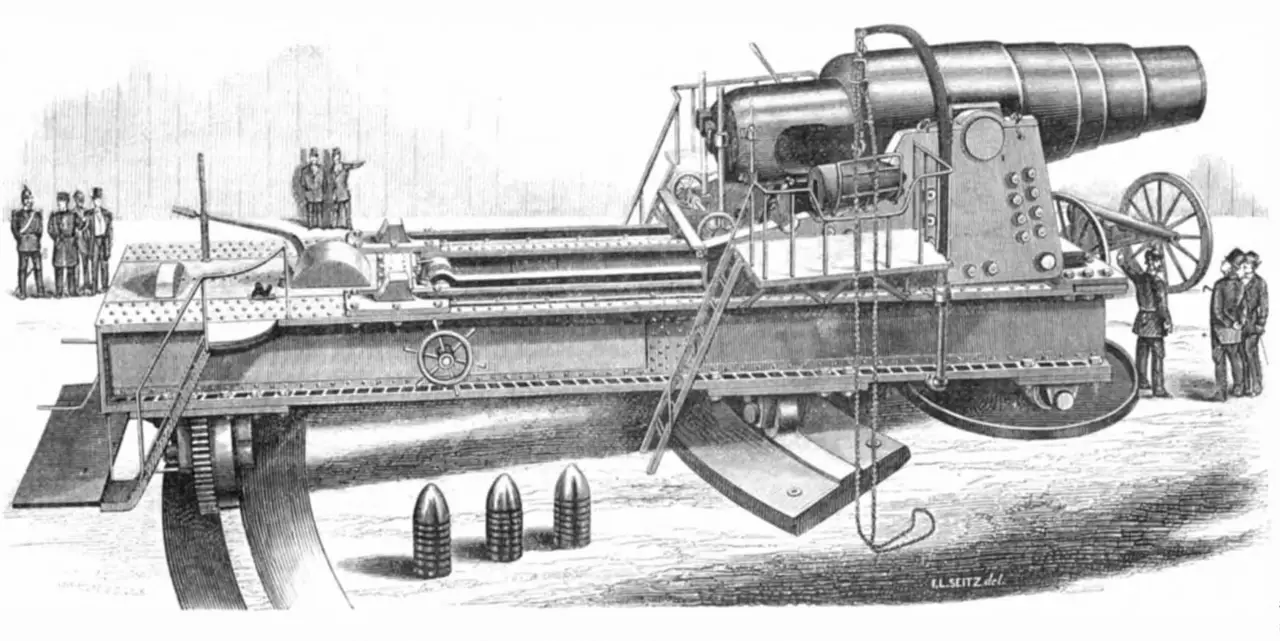
Krupp's steel breech-loading guns outranged the French army's bronze muzzle-loaders in the Franco-Prussian War of 1870-71. Alfred Krupp had taken over his late father's steelworks in Essen in 1826, at 14. At the Paris Exposition of 1867 he showed a cast-steel gun of about 50 tonnes that needed its own railway wagon. Krupp believed the smell of horse manure was good for the mind, according to his biographer William Manchester. He had an opening made from his stables into his room.
The French army stayed with its own guns, partly because it did not want a Prussian supplier. In Prussia, King Wilhelm I and Bismarck chose Krupp guns against the advice of their own artillery officers. At Sedan on September 1-2, 1870, the Germans used about 600 guns against the trapped French army. Emperor Napoleon III surrendered with about 100,000 men. The German Empire was proclaimed at Versailles on January 18, 1871. France ceded Alsace and part of Lorraine.
History
Which country made the most steel before World War I?
The United States made about 42% of the world's steel in 1913, and Germany made about 23%. Britain had made more steel than any other country in 1880. By 1913 it had fallen to third, with 10%. The historian Paul Kennedy uses steel output as one measure of great-power strength before 1914. By that measure, Germany had become the strongest power in Europe. It made more steel than Britain, France and Russia combined.
Andrew Carnegie, a Scottish immigrant, started work near Pittsburgh at 13 as a bobbin boy in a cotton mill for $1.20 a week. In 1901 J. P. Morgan bought Carnegie's steel company for about $480 million. Carnegie's own share was about $226 million, roughly $8.6 billion today adjusted for US consumer prices. Morgan merged the company into United States Steel, the first billion-dollar corporation. China, which makes more than half of the world's steel today, made almost none in 1913.
Share of world steel production
19132025- United States42%4.3%
 Germany23%2%
- United Kingdom10%<1%
- Russia6.3%3.4%
 France6%0.5%
- Japan0.3%4.3%
History
How Mao's race to overtake Britain in steel ended in famine
Mao Zedong's steel campaign of 1958 took farmers from the harvest and helped cause a famine. On November 18, 1957, in Moscow, Mao said China would catch up with or surpass Britain in 15 years, mainly in steel. In June 1958, by a swimming pool, Mao asked the metallurgy minister, Wang Heshou, whether steel output could double to 10.7 million tonnes. Wang answered "No problem!"
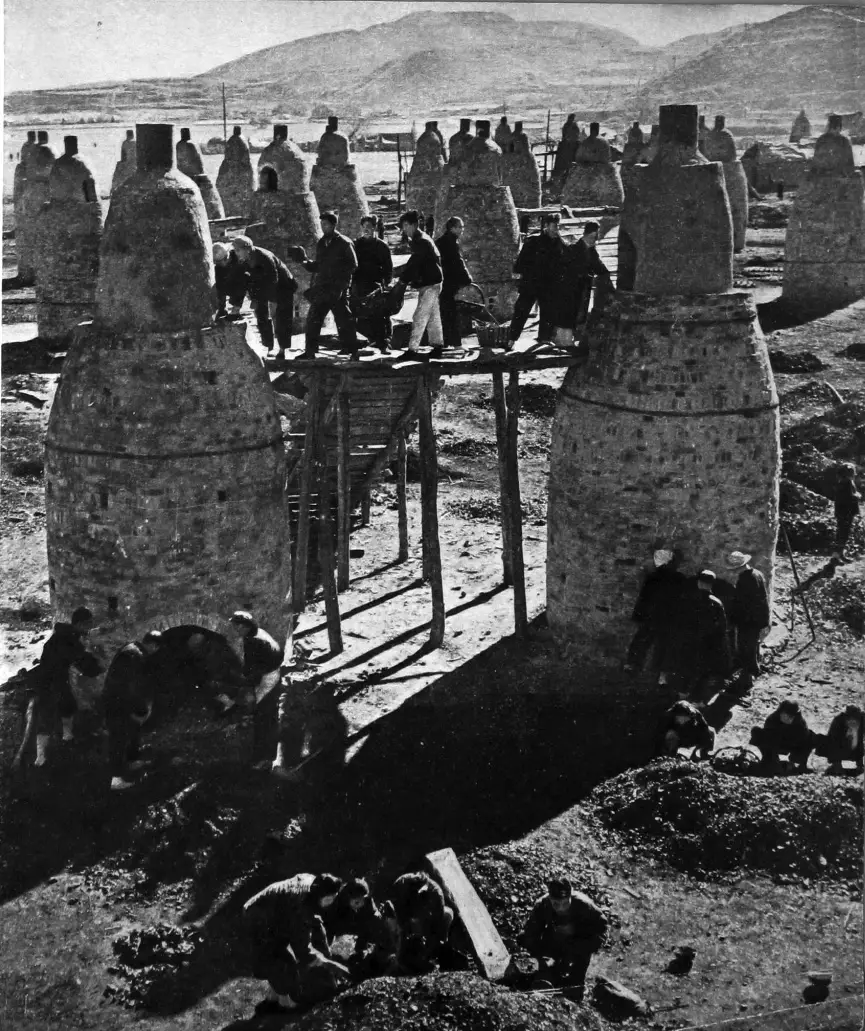
Villagers fed backyard furnaces of clay and brick with pots, farm tools and doors. In 1959 the Communist Party admitted that 3.08 million tonnes of the 11.08 million announced for 1958 was backyard steel, much of it unusable. In parts of Yunnan, a fifth of the crop rotted. Most estimates of the famine's deaths from 1959 to 1961 range from 30 million to 45 million.
China passed Britain in the 1970s. After Deng Xiaoping's reforms, it passed the United States in 1993. In 2025 China made about 980 million tonnes, roughly 90 times Mao's target.
Other resources
All 33 resources →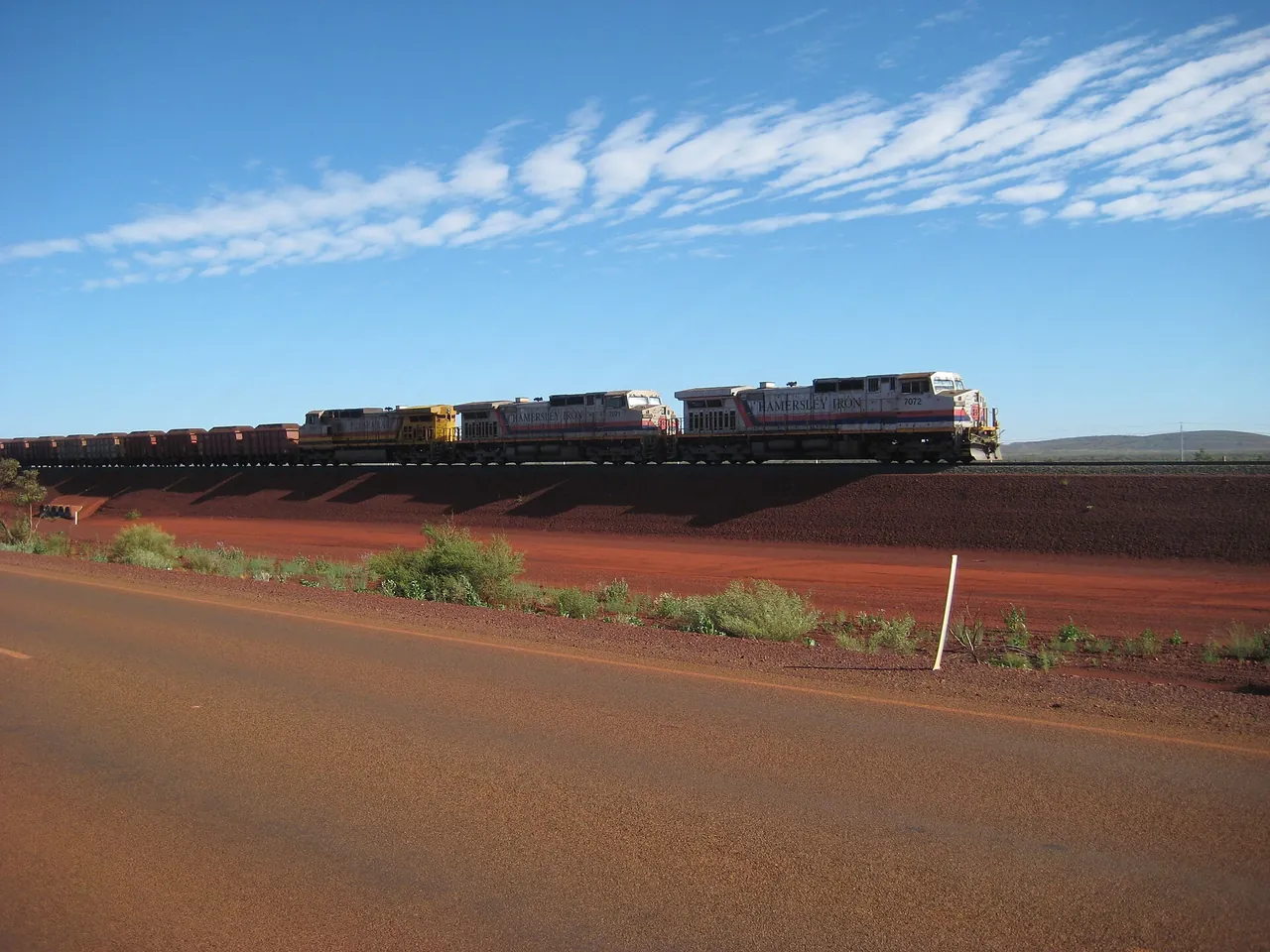
 Australia 38%
Industrial metal
Iron ore
China mines 11% of the world's iron ore but buys three quarters of seaborne trade.
 Indonesia 67%
Battery metal
Nickel
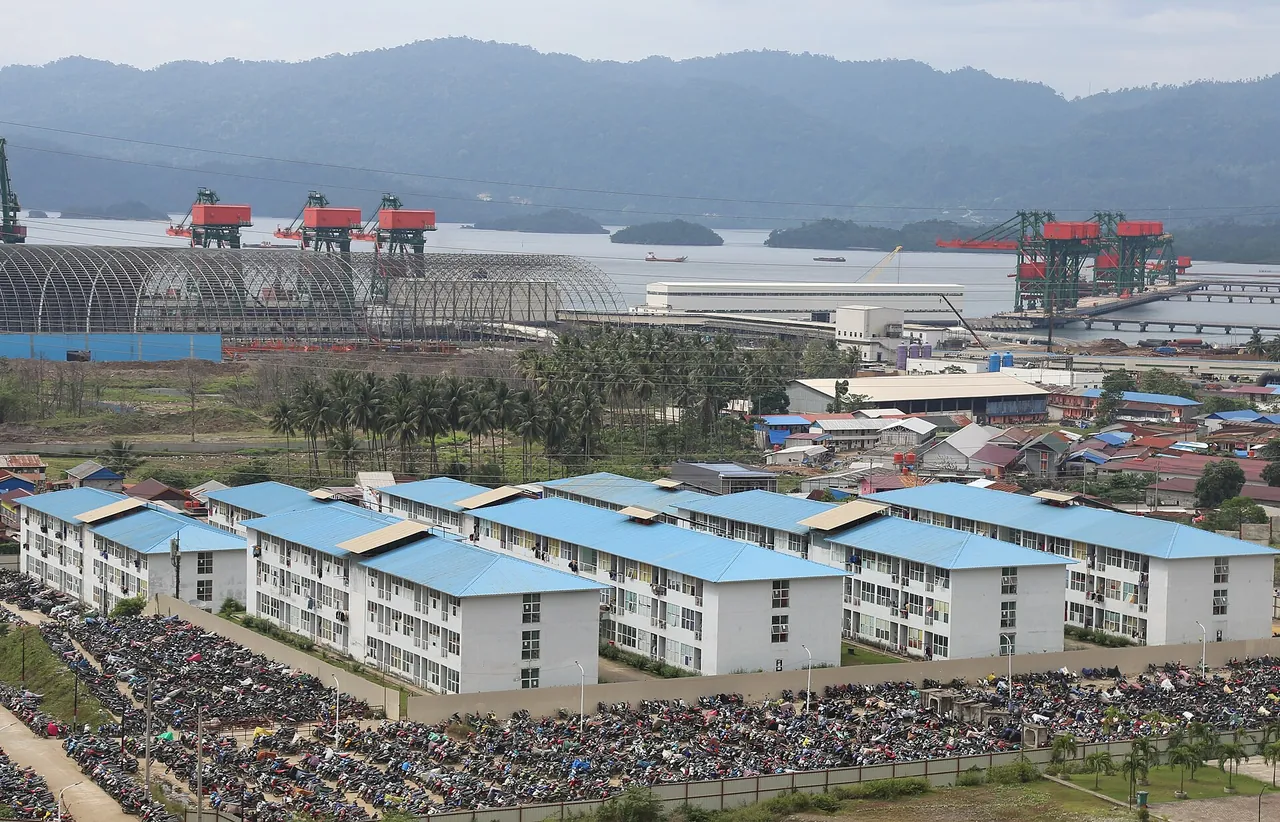
Indonesia mines 67% of the world's nickel; Chinese firms run 75% of its smelters.
 Chile 23%
Industrial metal
Copper
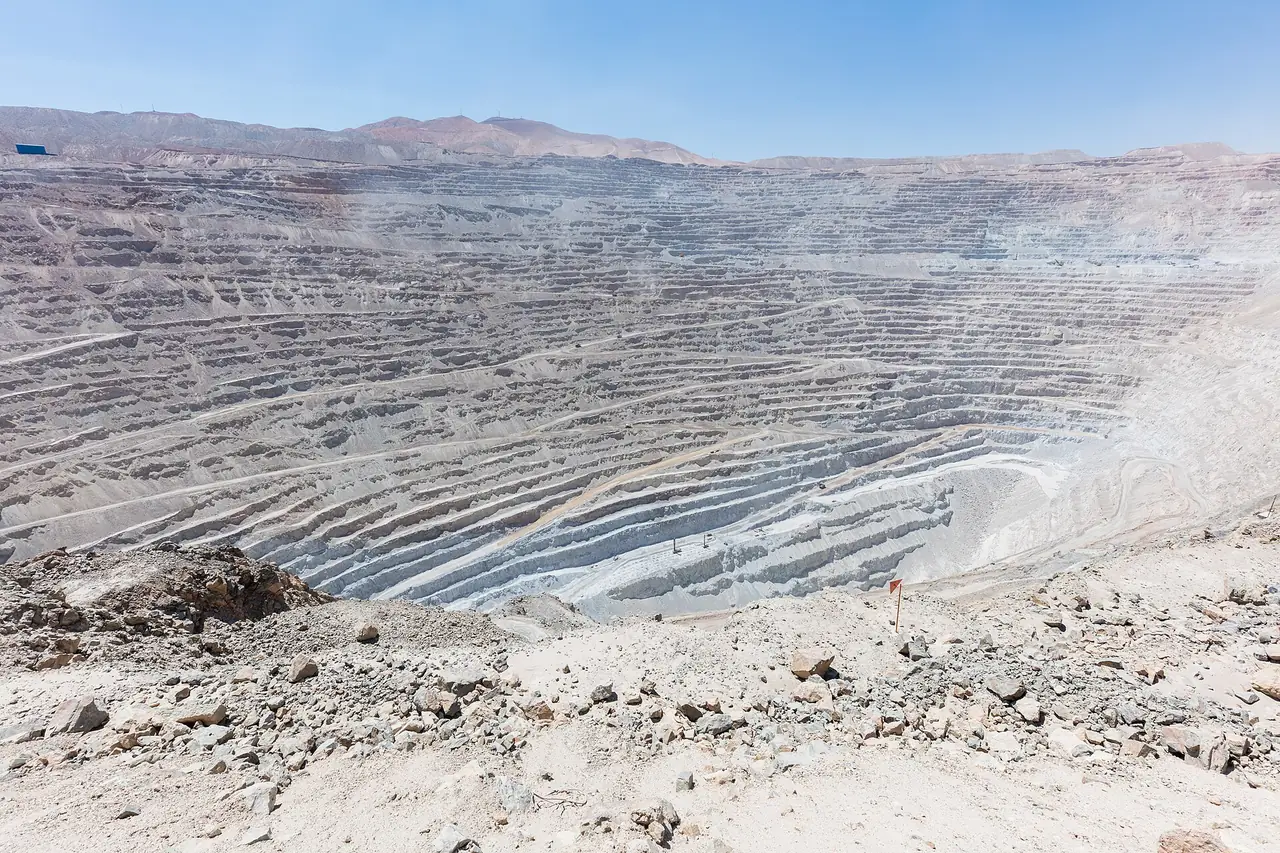
China refines 48% of the world's copper but mines only 8%.