
Resource · Industrial metal
Iron ore
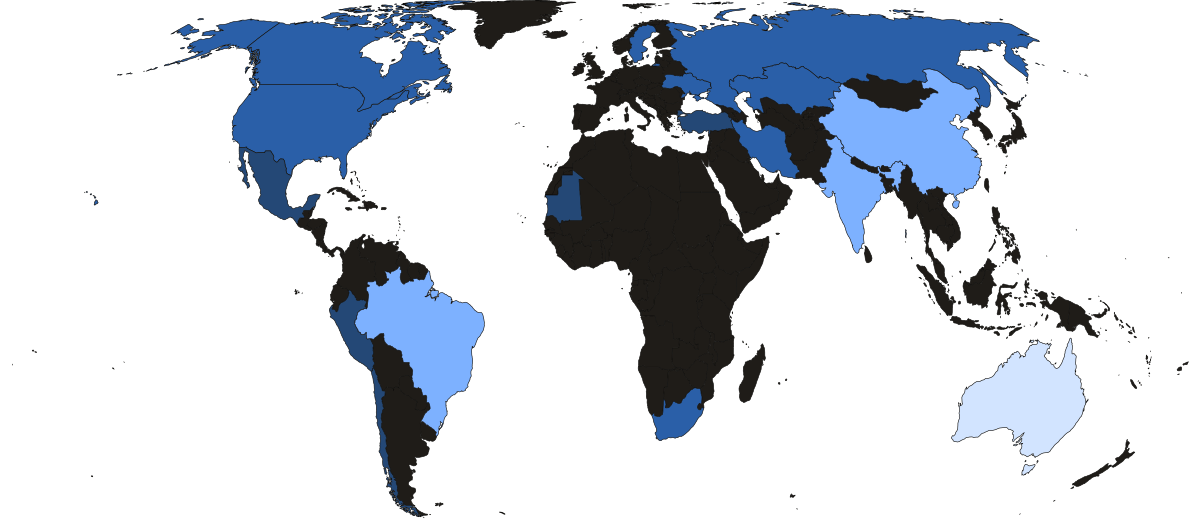
Iron ore is the main raw material for steel: about 98% of mined iron ore goes into steelmaking. Australia produces the most, mining 38% of the world's usable ore in 2025, with Brazil second at 16%. China buys about three quarters of the iron ore shipped by sea and makes 52% of the world's steel.
- Mined in 2025
- 2.6 billion t
- of usable ore
- Largest producer
 38%
- 980 million tonnes
- Imported by China
 1.26 billion t
- a record, 2025
- Steel made in China
- 52%
- 961 million tonnes, 2025
- Average price
- $100
- a tonne, 2025
Which countries produce the most iron ore?
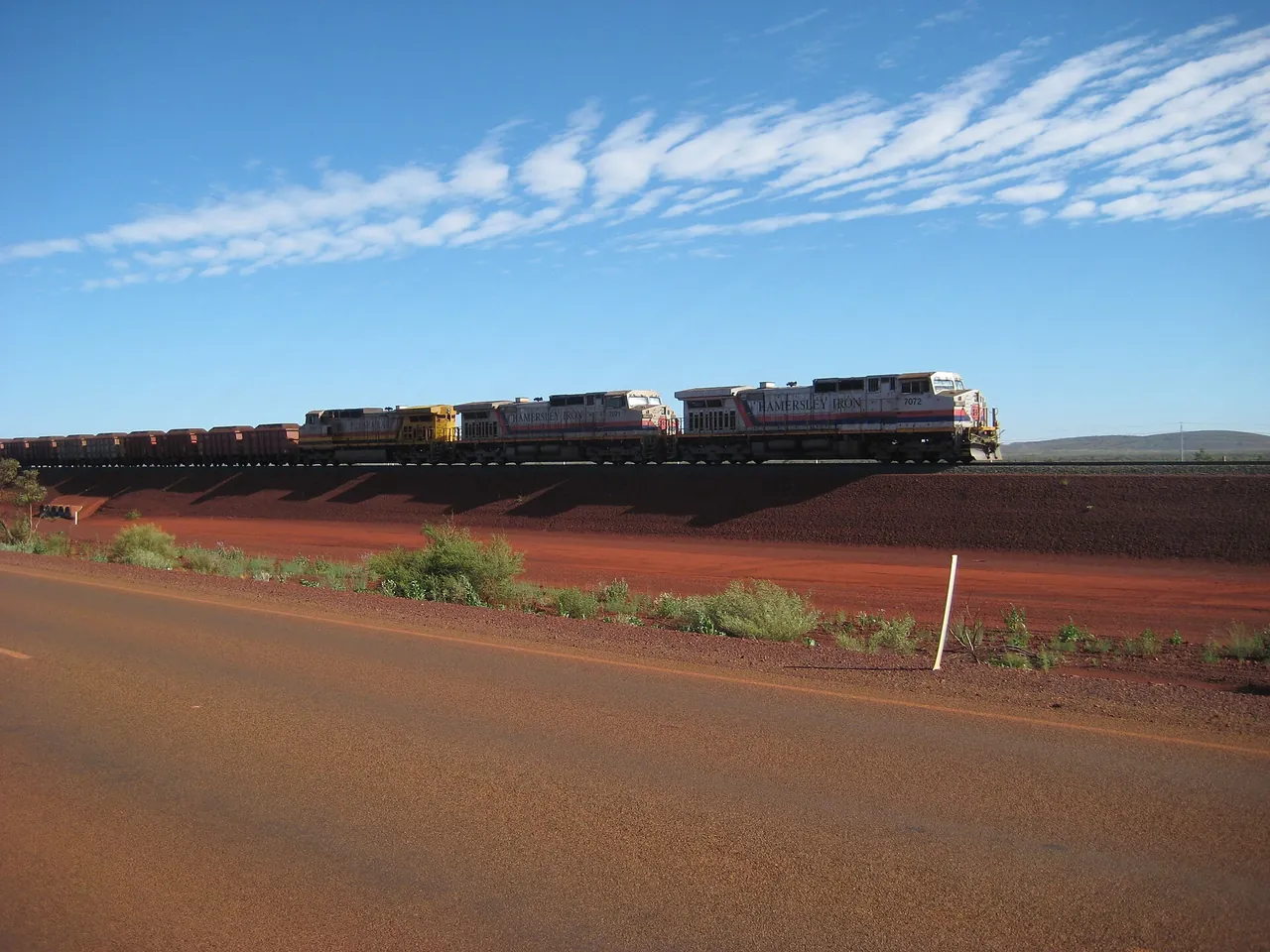
Australia mines 38% of the world's iron ore, most of it from the Pilbara region in Western Australia. Three companies ship from the region: Rio Tinto, BHP and Fortescue. Port Hedland, the main export terminal, handled 550 million tonnes in 2025.
Brazil ranks second. Vale, the world's largest iron ore producer, mined 336 million tonnes in 2025. India passed China for third place with 310 million tonnes against China's 290 million.

- Under 1%
- 1%–5%
- 5%–10%
- 10%–25%
- Over 25%
- No production
Where does iron ore go?
Most of the world's iron ore goes to China. China mines only 11% of the world's usable ore but imported 1.26 billion tonnes in 2025, about three quarters of all iron ore shipped by sea. China made 52% of the world's crude steel in 2025.
China's finished steel exports reached a record 119 million tonnes in 2025, beating the 2015 record of 112 million tonnes. From January 2026, China's commerce ministry requires export licenses for 268 steel product codes.
From mine to steel
China's share at each step
Australia 38% Brazil 16%China 11%
 India 12%China 73%
 Japan 5.7%
 South Korea 4.1%China 52%India 8.9%
 United States 4.4%
Who exports the most iron ore?
Australia exported 52% of the world's iron ore in 2024 and Brazil 22%. China buys most of it. In July 2022 Beijing set up China Mineral Resources Group so that Chinese mills could bargain as a single buyer. In September 2025 the group told mills to stop buying BHP's Jimblebar fines. In April 2026 BHP agreed to price half of those sales off a yuan-denominated Chinese index, the first big miner to do so.
China is also building up supply outside Australia. Guinea's Simandou mine, owned by Rio Tinto together with Chinese companies including Chinalco and Baowu, started operations on November 11, 2025.
Who sells the world's iron ore
Share of world exports, 2024

What is iron ore used for?
Nearly all mined iron ore becomes steel. About 98% goes into steelmaking, and small amounts into cement and pigments.
Buildings and infrastructure account for about half of the world's steel use. A blast furnace needs about 1.37 tonnes of iron ore to produce one tonne of crude steel, along with 780 kg of coal and 270 kg of limestone. In 2025, 69% of the world's steel came from the blast furnace route.
What the world's steel goes into
Share of steel use, 2025
- Buildings and infrastructure52%
- Machinery16%
- Cars12%
- Metal products10%
- Other transport5%
- Other5%
How much goes into one
- 1.37 tof iron ore for each tonne of steel made in a blast furnace
- 900 kgof steel in the average vehicle
- 7,300 tof iron in the Eiffel Tower's frame
- 175 tof steel per megawatt at one offshore wind farm, Horns Rev in Denmark
Which country has the most iron ore reserves?
Australia holds the largest iron ore reserves, with 29% of the world's 200 billion tonnes of crude ore. Russia is second with 17% of reserves but mines only 3% of the world's usable ore.
China has 8% of reserves, but Chinese ore is low grade at about 18% iron content. India holds just 3% of reserves yet mined 12% of world output in 2025.
Reserves against mining
Share of reservesShare of mining- Australia29%38%
 Russia17%3.3%
- Brazil17%16%
- China8.3%11%
 Mauritania4.9%0.6%
 Ukraine3.2%2%
 Canada2.9%2.6%
- India2.7%12%
History
Which countries mined the most iron ore 100 years ago?
In 1927 the United States and France together mined almost two thirds of the world's iron ore. The United States mined 36.6%, most of it around Lake Superior, and France 26.6%. Part of France's ore came from Moselle, which the Treaty of Versailles had returned to France in 1919.
Moselle had changed hands before. After the Franco-Prussian War, the Treaty of Frankfurt of 1871 gave Alsace and northeastern Lorraine to the new German Empire. Lorraine's ore was full of phosphorus, which made steel brittle. In 1879 Sidney Gilchrist Thomas, a London police-court clerk who studied chemistry at night, and his cousin Percy Gilchrist found a way to remove the phosphorus in the Bessemer converter. Thomas died in 1885, aged 34. His process made Lorraine one of Europe's largest iron regions. John Maynard Keynes wrote that almost 75% of Germany's iron ore in 1913 came from Alsace-Lorraine. France closed its last iron ore mine, at Audun-le-Tiche in Moselle, in 1997.
Share of world iron ore output
19272025- United States37%1.5%
 France27%0%
 United Kingdom6.6%0%
 Sweden5.6%1%
- Australia0.5%38%
- Brazil0%16%
History
Why Germany and Britain fought over Narvik in 1940
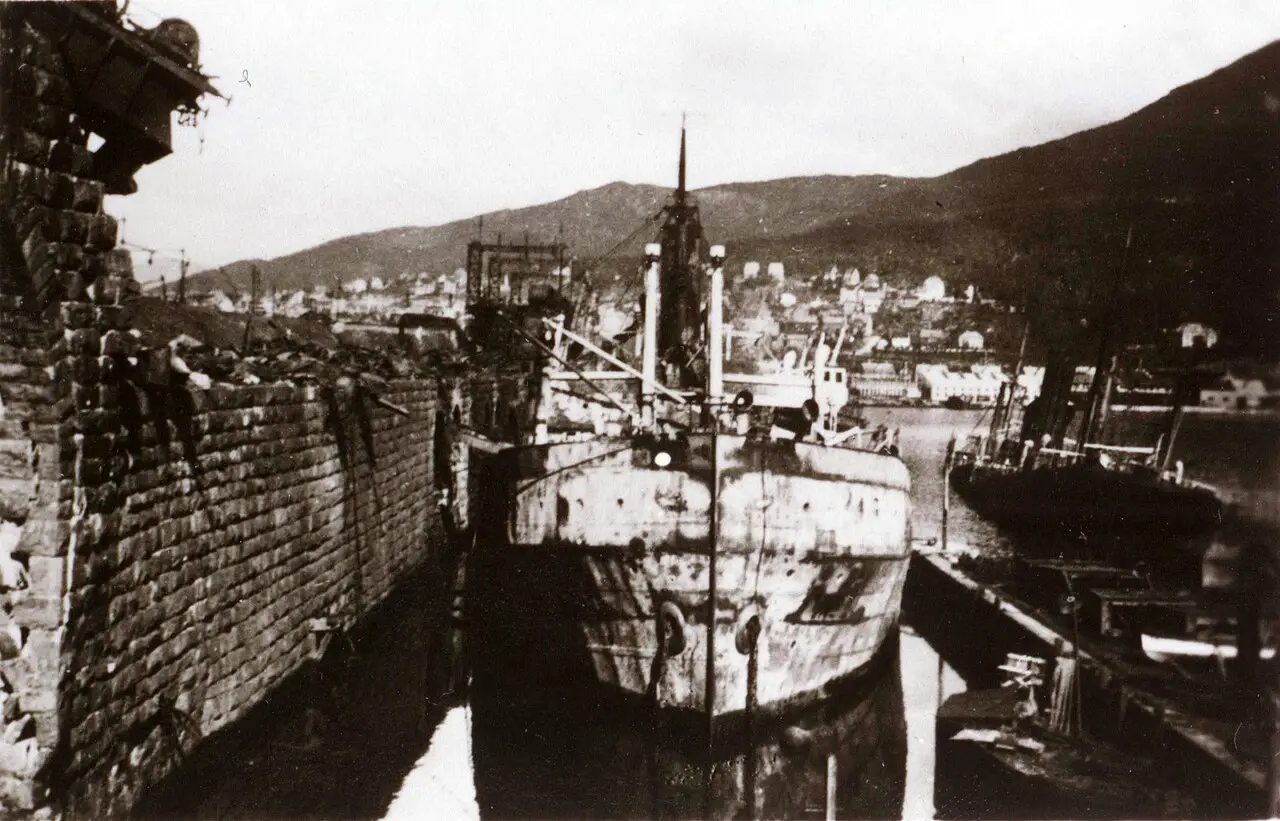
Germany and Britain fought over Narvik because Swedish iron ore passed through its port. Sweden supplied about 9 of the 22 million tons Germany imported before the war. In winter the Swedish port of Luleå froze, so the ore went by rail to the ice-free Norwegian port of Narvik.
In December 1939 Winston Churchill, then First Lord of the Admiralty, told the War Cabinet that stopping it was "a major offensive operation of war." On April 8, 1940, Britain laid mines in Norwegian waters to force ore ships out to sea. Germany invaded Norway the next day. Ten German destroyers landed mountain troops at Narvik. British warships sank all ten on April 10 and 13. As the campaign failed, Leo Amery told Prime Minister Neville Chamberlain: "In the name of God, go." Chamberlain resigned on May 10, and Churchill replaced him. Allied troops retook Narvik on May 28 but left in June, after the German breakthrough in France.
History
Why Australia banned iron ore exports to keep Japan out
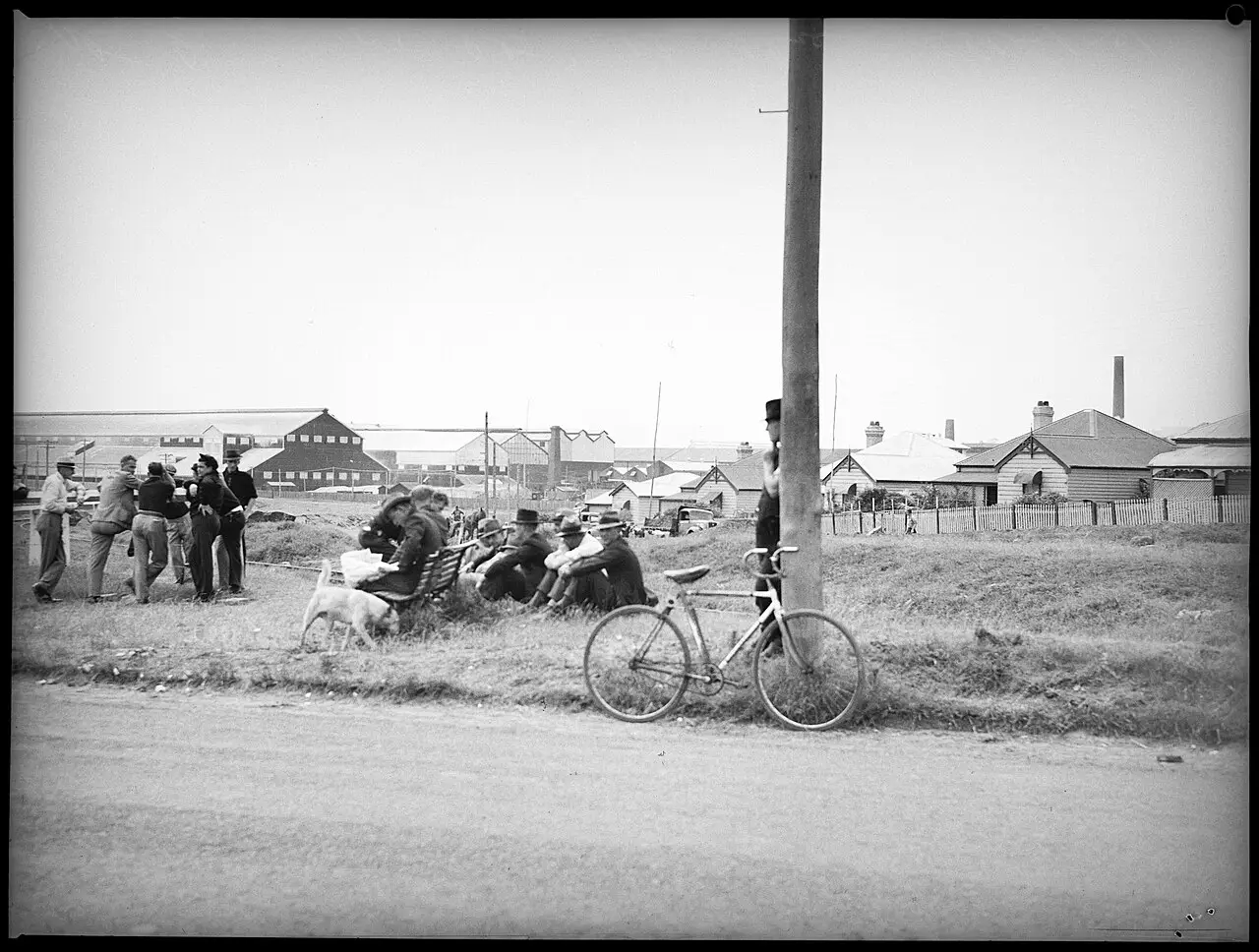
Australia banned iron ore exports in 1938 to stop a Japanese-financed mine at Yampi Sound, in Western Australia. A British firm, H.A. Brassert & Co., held the leases and had agreed to sell the ore to Japan. Prime Minister Joseph Lyons told London that Brassert was "in effect a dummying company for Japanese interests." The official reason was a warning by the government geologist W. G. Woolnough that Australia would need to import iron ore within about a generation. Lyons announced the ban on May 19, 1938. In November 1938 dock workers at Port Kembla refused to load pig iron for Japan, which was at war in China. The Attorney-General, Robert Menzies, forced the cargo through in January 1939 and was nicknamed "Pig Iron Bob."
The federal government partly lifted the ban in November 1960. In June 1966 the first Pilbara ore left Port Hedland for Japan. Woolnough's warning proved wrong: Australia mines 38% of the world's iron ore today.
Other resources
All 33 resources →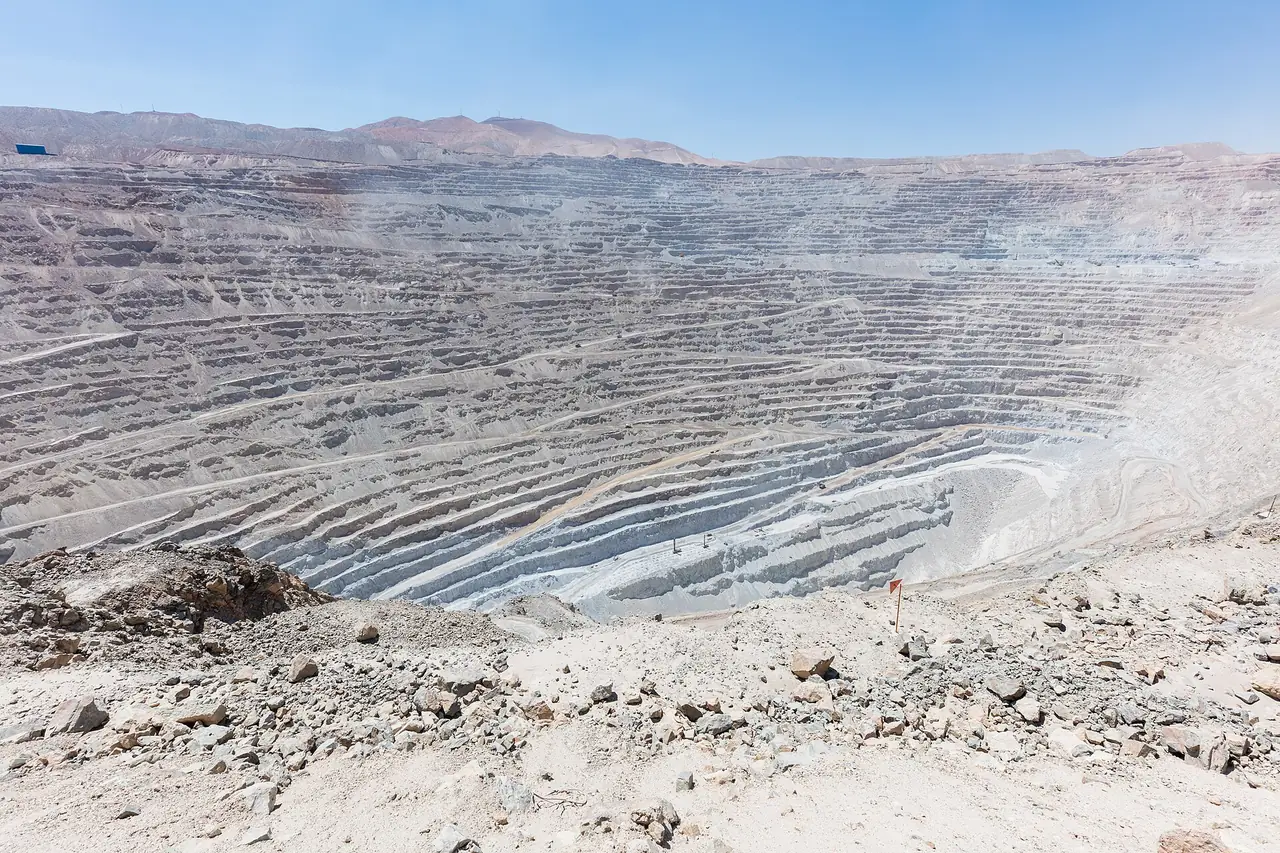
 Chile 23%
Industrial metal
Copper
China refines 48% of the world's copper but mines only 8%.
 Indonesia 67%
Battery metal
Nickel
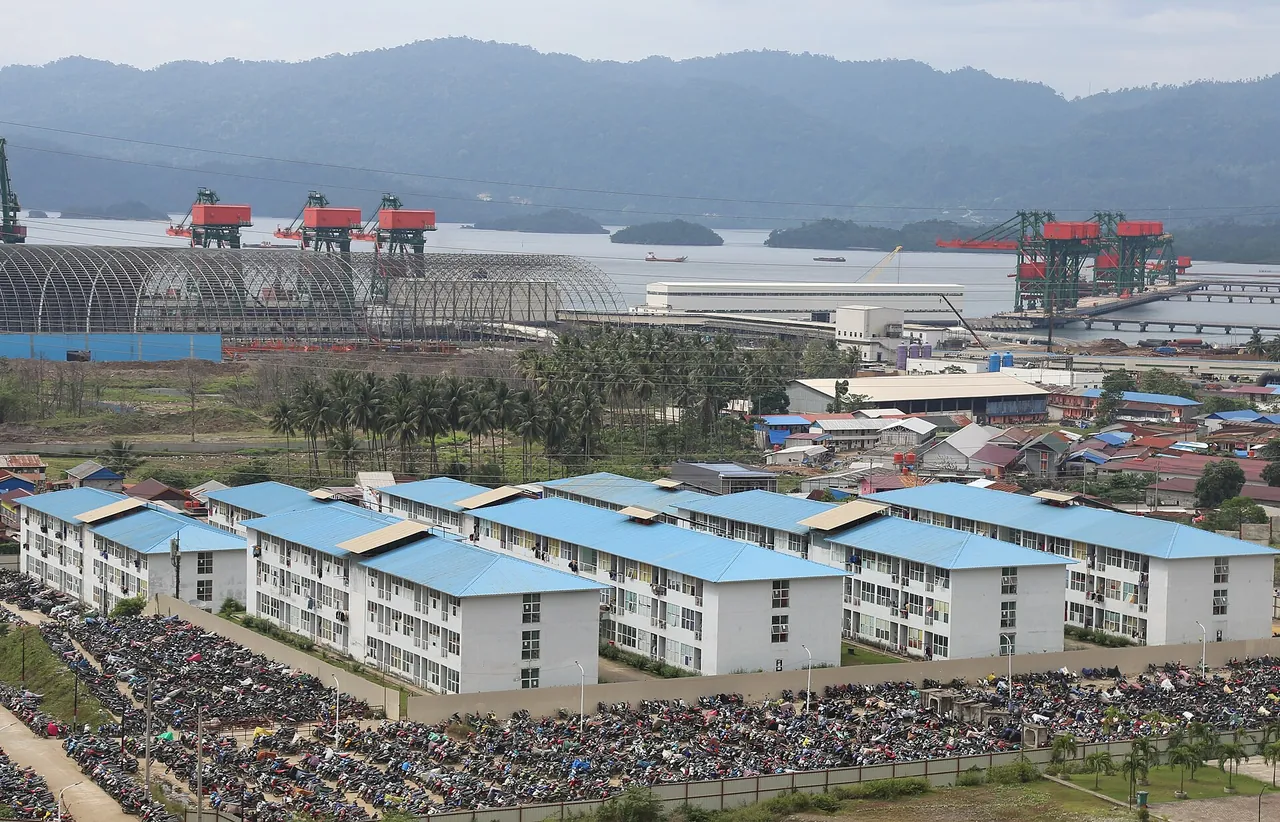
Indonesia mines 67% of the world's nickel; Chinese firms run 75% of its smelters.
 United States 16.1%
Energy
Crude oil
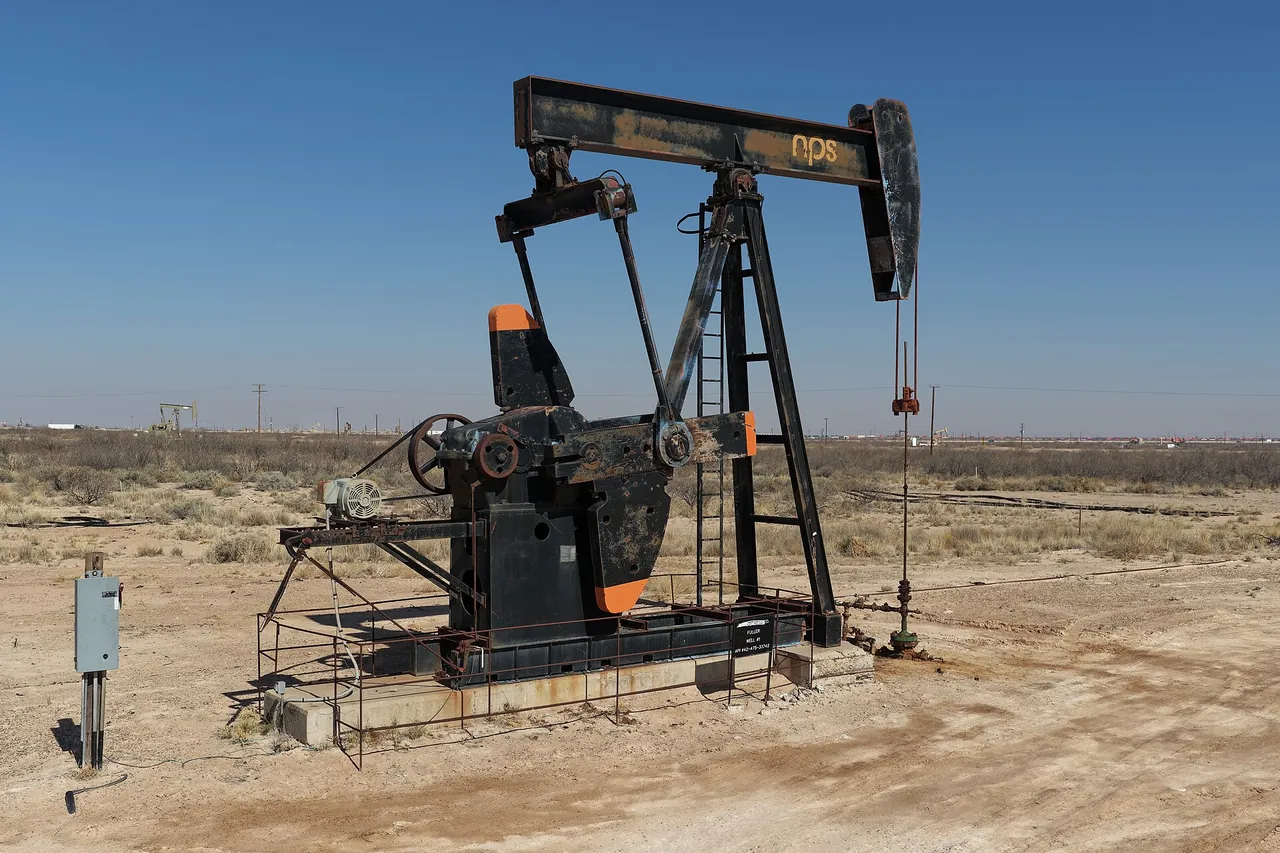
The US pumps 13.6 million barrels a day, more than any other country.