Country profile · Southeast Asia
 Timor-Leste
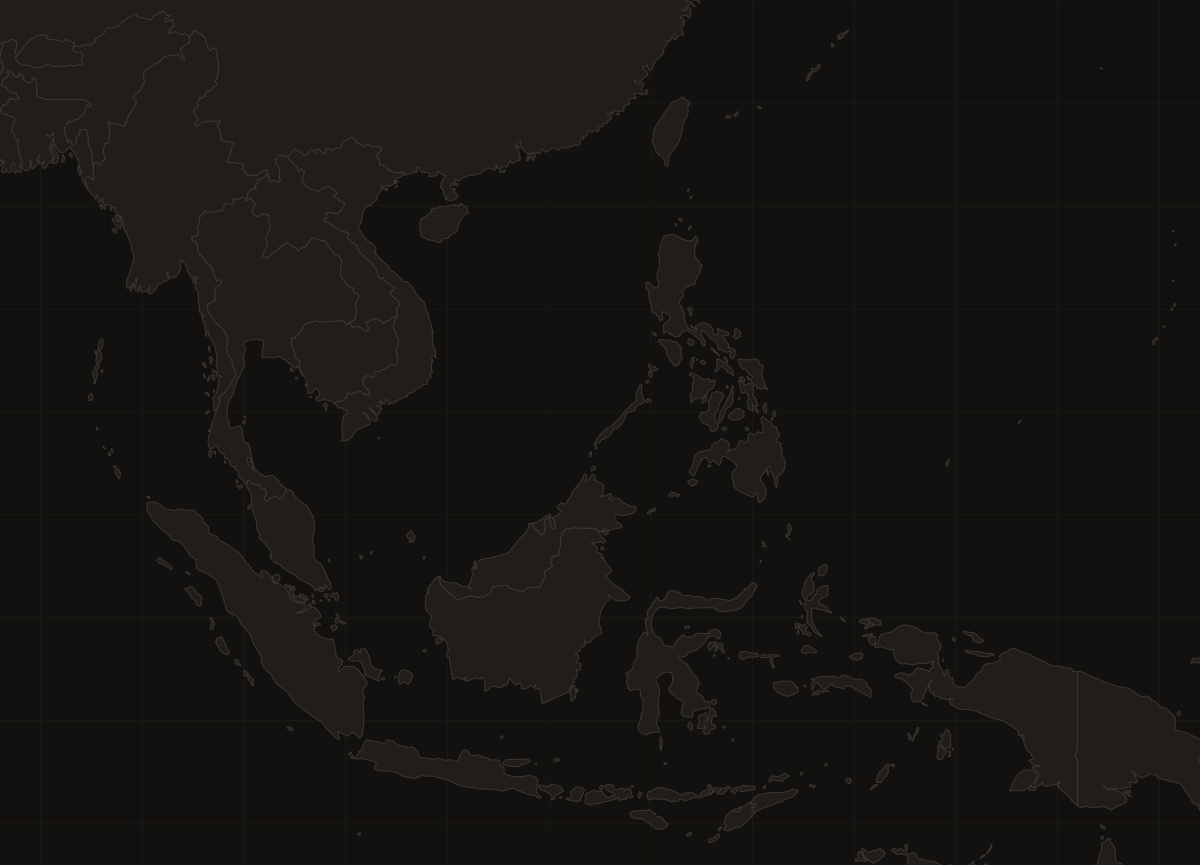
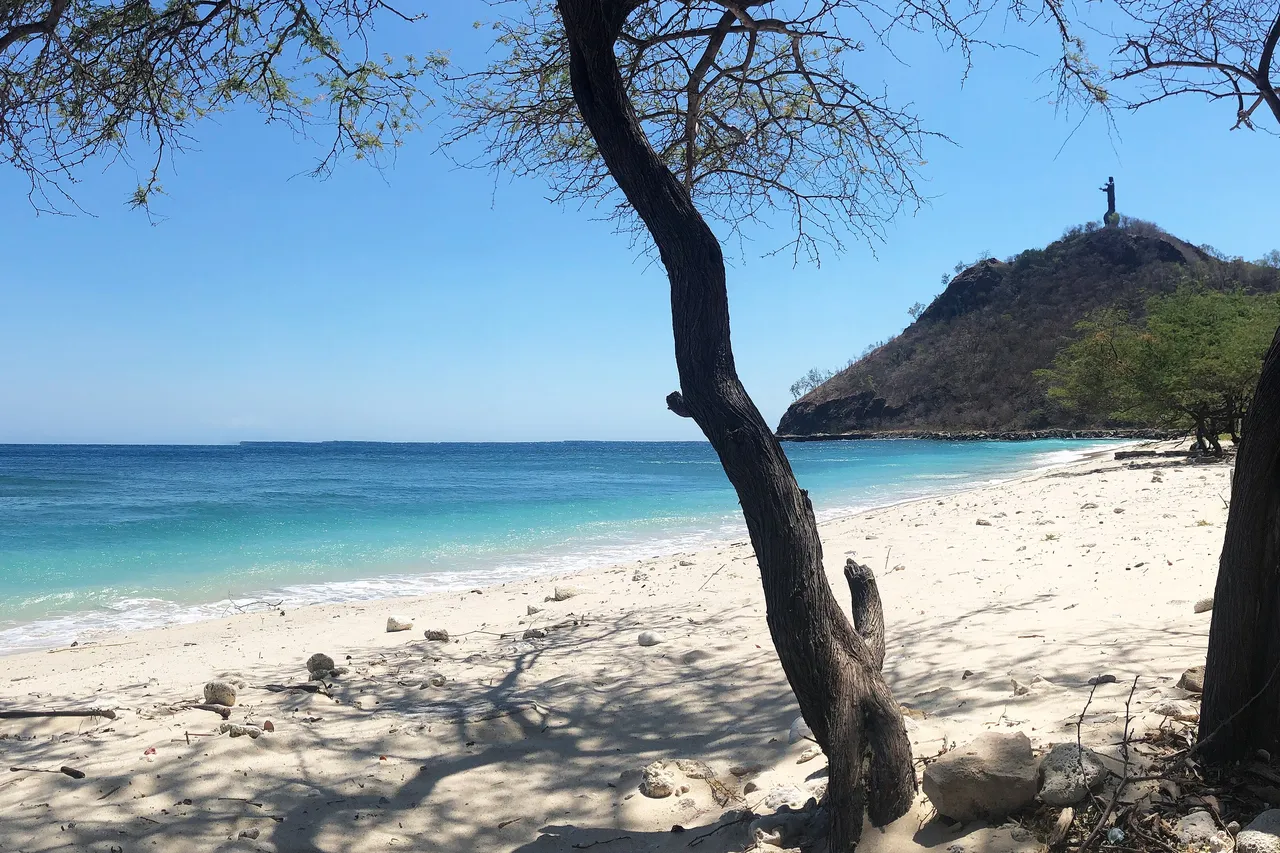
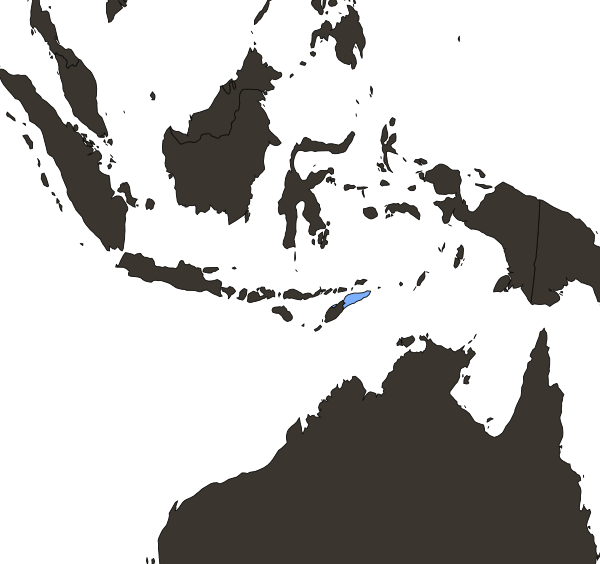
, also called East Timor, covers the eastern half of the island of Timor, north of Australia. About 1.4 million people live there, and about 97% are Catholic. Portugal ruled for centuries. Indonesia invaded in 1975 and occupied the territory until its people voted to leave in 1999. Timor-Leste became independent on May 20, 2002. It joined ASEAN as its 11th member in October 2025.
Where Timor-Leste ranks
All rankings →- #17of 129Remittances, share of GDP10.0%
- #164of 191GDP per person$1,464
- #147of 196Life expectancy68.1 years
- #144of 196Median age21.7 years
- #109of 154Sea zone77,473 km²
- #154of 197Population1.4 million
Which country has the biggest army? Largest armies in the world →
Which alliances is Timor-Leste in?
All alliances →Who runs Timor-Leste?
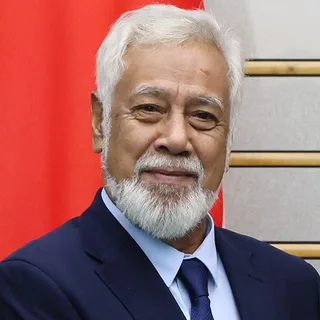
Prime Minister Xanana Gusmão was born on June 20, 1946 in Laleia. He commanded the Falintil guerrillas against Indonesian rule. Indonesian forces captured him in Dili on November 20, 1992, and he was held in Jakarta, mostly in Cipinang prison, until September 1999. He served as the first president of the independent country from 2002 to 2007, as prime minister from 2007 to 2015, and again since July 1, 2023. He also writes poetry and paints. His party, the CNRT, won 31 of 65 seats in the May 2023 election (chart) and governs with the Democratic Party.
President José Ramos-Horta has held the post since May 2022, and before that from 2007 to 2012. He shared the 1996 Nobel Peace Prize and survived being shot by rebels in 2008. A presidential election is expected in March 2027. Ramos-Horta has given mixed signals about running again, and lawyers disagree on whether the constitution allows it. In September 2025 students protested for three days in Dili. Parliament then canceled a $4.2 million purchase of 65 cars for its members and ended lifetime pensions for former members and leaders.
- CNRT (Gusmão) 31
- Democratic Party (PD) 6
- Fretilin 19
- KHUNTO 5
- PLP 4
Photo (December 2023): Prime Minister's Office of Japan, Wikimedia Commons, CC BY 4.0 (cropped)
Who are Timor-Leste's allies and enemies?
Australia is the largest aid donor, with about A$147 million planned for 2026-27. Australia led the force that ended the violence in 1999. The two countries quarreled over oil and gas under the Timor Sea. Australia is accused of bugging Timor-Leste's cabinet office in 2004 during talks. A 2018 treaty finally drew a sea border. In October 2026 Australia promised A$62 million over five years for defense and police.
Indonesia, the former occupier, is now the biggest supplier of imports. Indonesia backed Timor-Leste's entry into ASEAN. Two stretches of the land border around Oecusse are still not agreed. China built the presidential palace, the foreign ministry and the army headquarters. China's defense minister made a first visit in August 2026. President Ramos-Horta says a Chinese base has never been discussed. Portuguese is an official language. Myanmar's military government expelled Timor-Leste's envoy in February 2026, after rights groups filed a war crimes case against its leaders in Dili.
Allies and partners


Tensions
 MyanmarExpelled Timor-Leste's envoy over a war crimes case
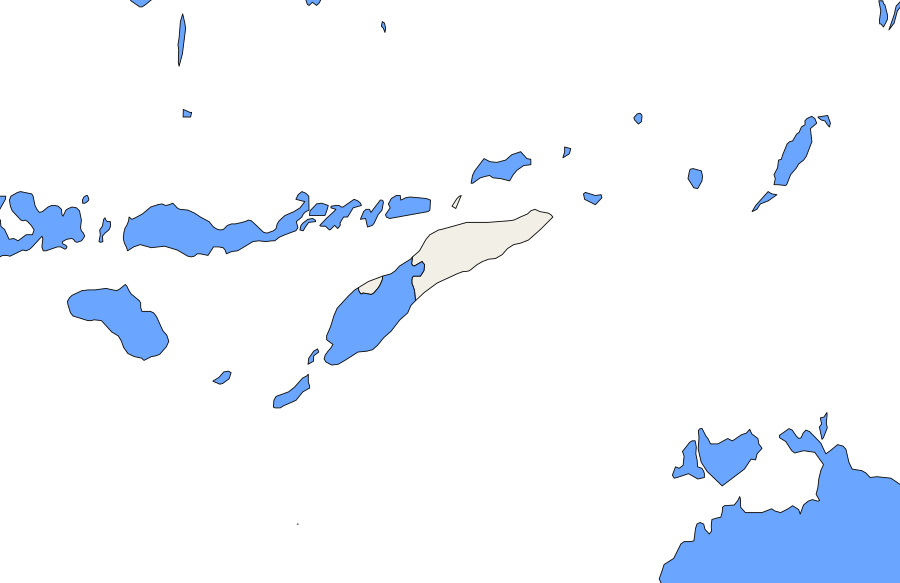
- Oecusse Part of Timor-Leste, surrounded on land by Indonesia. Two stretches of its border are still not agreed.
- Greater Sunrise Undeveloped gas field. In October 2026 Woodside agreed to sell its share to Timor-Leste's state oil company.
- Bayu-Undan Oil and gas field that paid for most of the state. It stopped producing on June 4, 2025.
- Natarbora Planned site for a gas pipeline from Greater Sunrise and a gas plant.
- Timor-Leste
- Partner
Who does Timor-Leste trade with?
In 2025 Timor-Leste imported goods worth $984.9 million and exported $99.5 million, according to the national statistics office. More than half of exports were the last oil liquids from the Bayu-Undan field, sold mostly to Thailand, Japan and China (chart). Coffee earned $35.5 million, and the United States bought about a third of it. Indonesia supplied a third of imports, including most vehicles. Taiwan supplied most of the fuel. India supplied more than half of the rice bought abroad.
Timor-Leste has used the US dollar since 2000 and makes its own coins. Workers abroad sent home $181.9 million in 2025, about a tenth of GDP. About 5,100 worked on farm and factory visas in Australia in March 2026. A 2024 survey found 37% of people below the national poverty line. Nearly half of children under 5 (45%) are too short for their age, a sign of poor nutrition.


What happened in East Timor?
Portugal ruled East Timor from the 1700s. After Portugal's 1974 revolution, a short civil war broke out in August 1975. The Fretilin party declared independence on November 28, 1975. Nine days later, on December 7, Indonesia invaded and then annexed the territory.
A truth commission counted at least 102,800 deaths linked to the conflict from 1974 to 1999. About 18,600 people were killed or disappeared. About 84,200 died of hunger and illness. UN estimates put life expectancy in 1975 at 24 years, the second lowest in the world after Cambodia (chart). On November 12, 1991 Indonesian troops shot protesters at Dili's Santa Cruz cemetery. On August 30, 1999, in a UN-run vote, 78.5% rejected staying in Indonesia. Militias backed by the Indonesian army then killed about 1,400 people, destroyed about 70% of buildings and roads, and forced about 250,000 people into Indonesian West Timor. An Australian-led force landed on September 20, 1999. No senior Indonesian officer has served a sentence for the crimes.


What happens when Timor-Leste's oil money runs out?
The Petroleum Fund, built from Timor Sea oil and gas since 2005, held $18.4 billion in June 2026. The state lives on it: about three-quarters of the 2025 budget came from the fund. The law sets a safe yearly withdrawal of 3% of the country's oil wealth, about $550 million in 2025. The government took $1.45 billion, more than twice as much. Bayu-Undan, the field that filled the fund, stopped producing on June 4, 2025. Almost no new oil money comes in, and the fund grows only through its investments. The proposed 2027 budget would take even more.
The IMF and the World Bank warn the fund could be empty by the late 2030s. Prime Minister Gusmão says about 2039. The hope is Greater Sunrise, a gas field under the Timor Sea that has never been developed. In October 2026 the Australian company Woodside agreed to sell its share to Timor GAP, the state oil company. Timor GAP would then own all of Greater Sunrise if a second sale also goes through. Timor-Leste wants a pipeline to its own south coast. The government also plans a 5% value-added tax from 2028, if parliament approves it.