
Region · The Baltic Sea
The Baltic
NATO's front line, Russia's hybrid pressureUpdated November 19, 2026
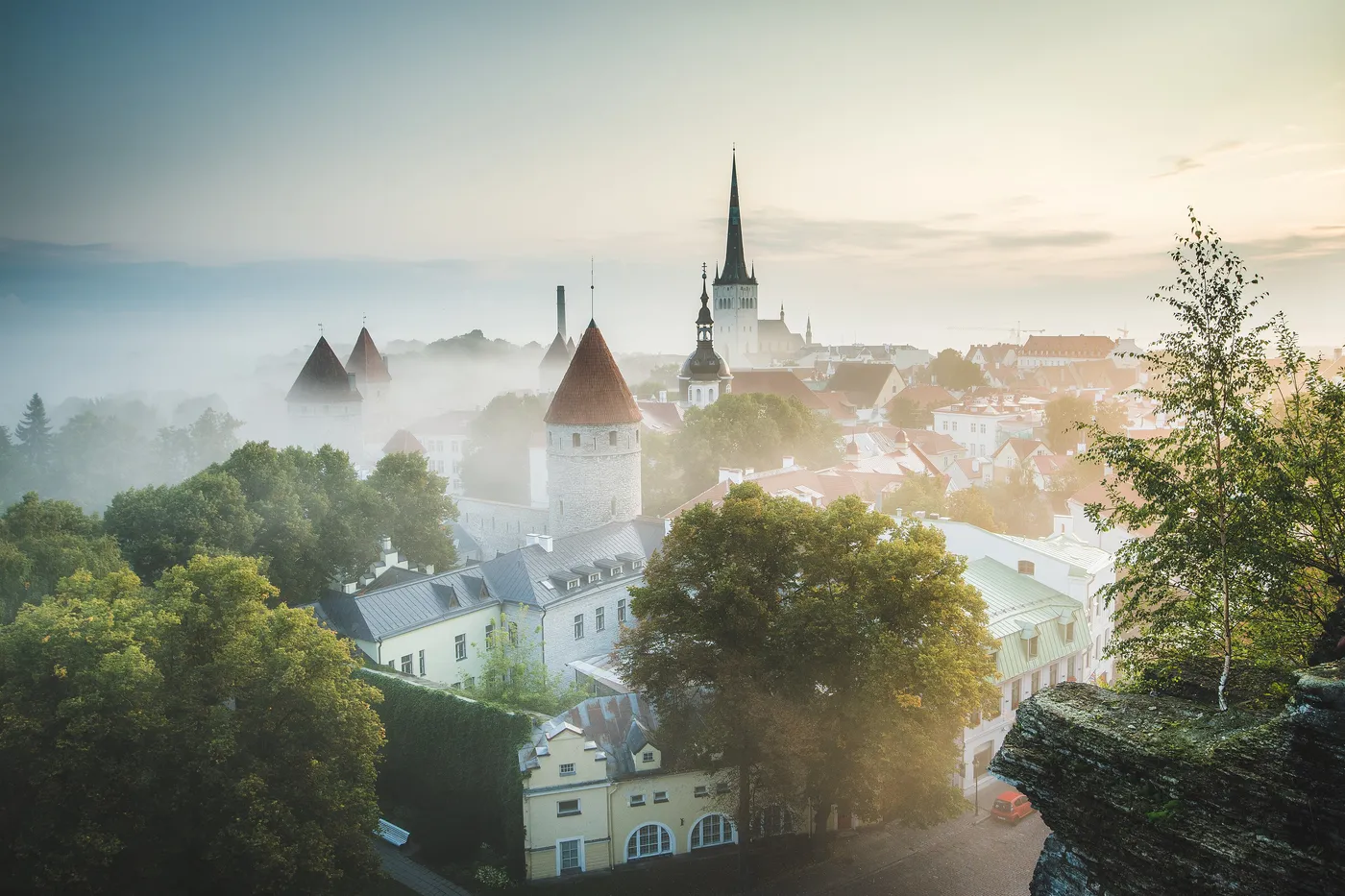
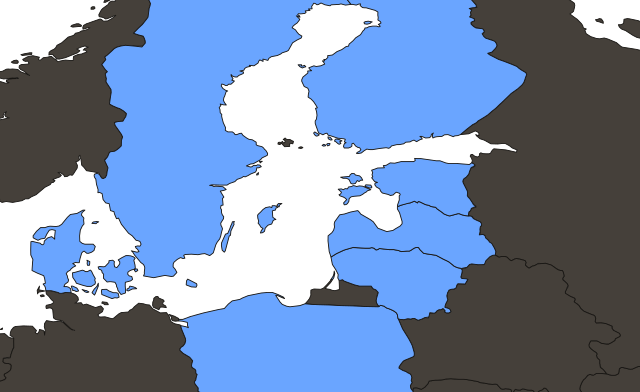
The Baltic covers seven of the eight NATO members on the Baltic Sea: Estonia, Latvia, Lithuania, Poland, Finland, Sweden and Denmark. Russia holds two stretches of coast, including the Kaliningrad exclave. Since Finland and Sweden joined NATO in 2023 and 2024, every country on the sea except Russia is in the alliance. The contest now runs below the threshold of war: damaged cables, shadow-fleet tankers, stray drones and Russian nuclear warnings over Kaliningrad.
- Countries
- 7


- People
- 66.5 million
- UN, 2025
- Economy
- $2.70tn
- Poland is 39% of it
- Oil through the Danish straits
- 4.9m b/d
- in the first half of 2025 (EIA)
- EU-listed shadow-fleet vessels
- 673
- after the 21st sanctions package, July 2026
Map of the Baltic
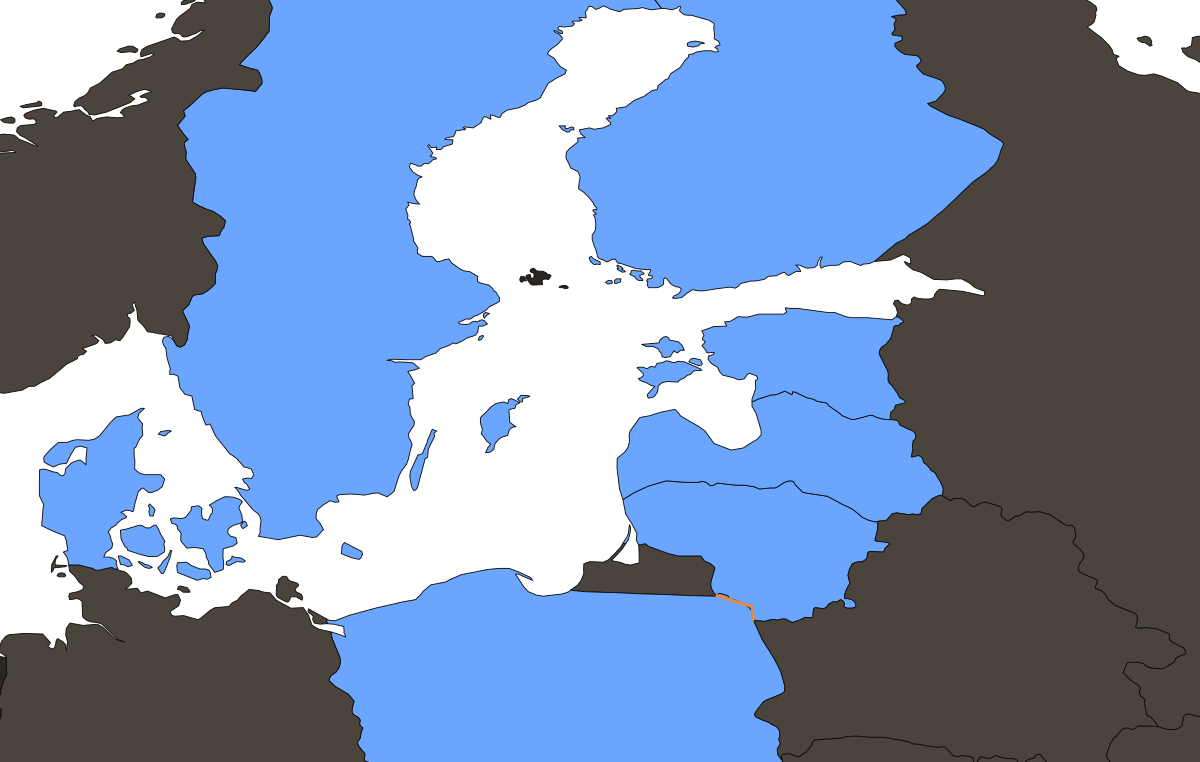
The Baltic Sea is nearly enclosed. The Danish straits are its only natural exit to the North Sea. Russia holds two coastlines: the Gulf of Finland near St Petersburg and the Kaliningrad exclave, which lies between Poland and Lithuania, separated from the rest of Russia.
 Finland
Sweden
Poland
Estonia
Latvia
Lithuania
Denmark
Russia
Belarus
Germany
Norway
Baltic Sea
Gulf of Finland
Gulf of
Bothnia Tallinn Riga Vilnius Helsinki Stockholm Warsaw St Petersburg 1 2 3 4 5 6 7 8
- 1Kaliningrad and Baltiysk Russia's Baltic Fleet headquarters and Iskander missile base between Poland and Lithuania.
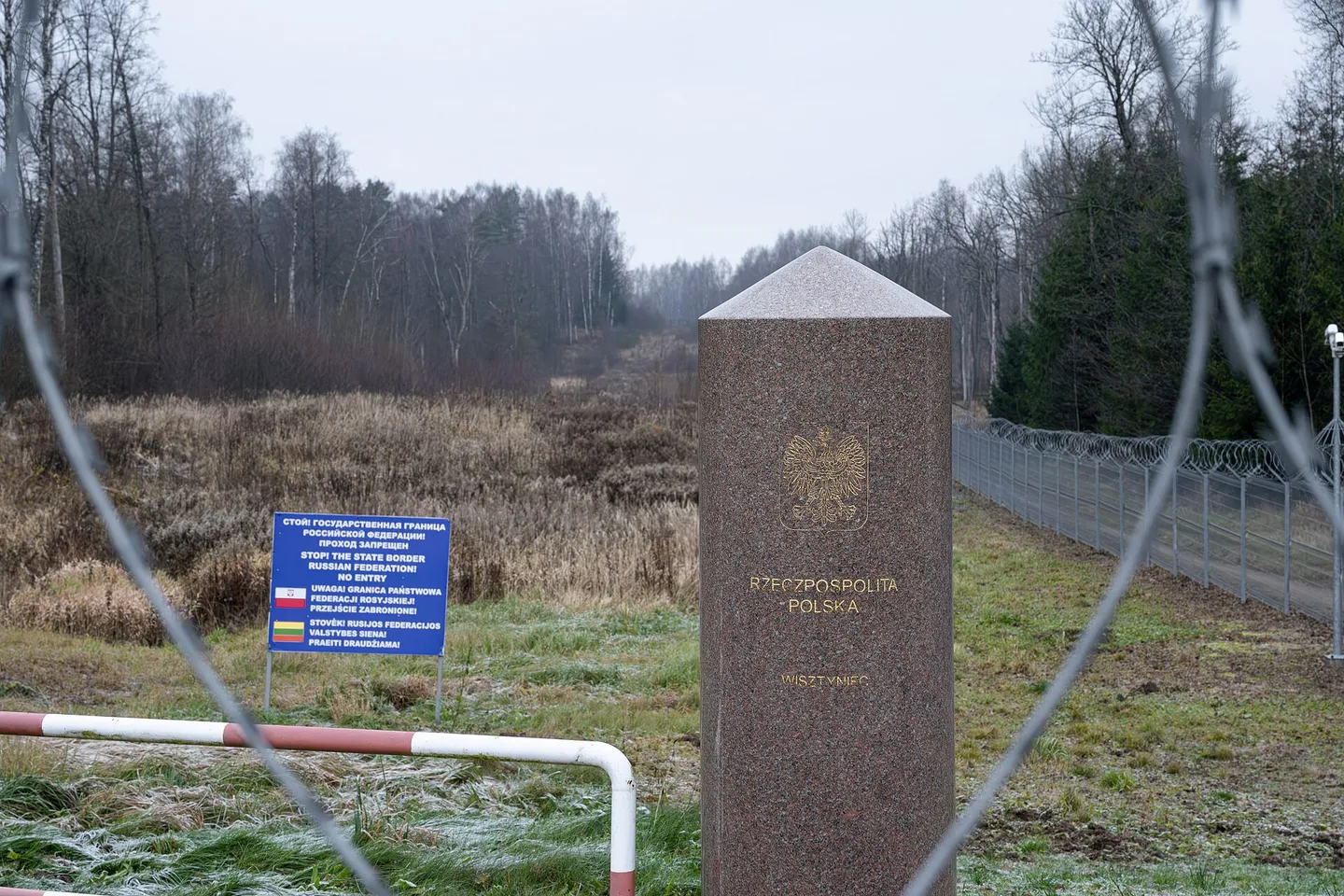
- 2Suwałki Gap The 65 km Poland-Lithuania corridor, NATO's only land route to the Baltic states.
- 3Narva Estonia-Russia border city. Russia removed Estonian river buoys in May 2024.
- 4Ust-Luga and Primorsk Russia's main Baltic oil ports, handling roughly 45-60% of its seaborne crude.
- 5Gulf of Finland cables Gas, power and data links between Finland and Estonia, damaged in 2023, 2024 and 2025.
- 6Gotland Sweden's strategic island in the central Baltic Sea, re-garrisoned in 2018.
- 7Nord Stream blast sites Three of the four Nord Stream pipeline lines were blown up on September 26, 2022.
- 8Rūdninkai Future main base of Germany's Panzerbrigade 45, near Vilnius.
Why does the Baltic matter?
4.9m b/d
Oil through the Danish straits
About 4.9 million barrels per day of oil passed through the straits in the first half of 2025, most of it Russian. The EIA counts them as a major global chokepoint.
65 km
The Suwałki Gap
The only land corridor from NATO to the Baltic states runs 65 km between Kaliningrad and Belarus. If it were cut, the three Baltic states could be isolated by land.
10+
Undersea cables and pipelines
Since October 2023 at least 10 undersea cables and pipelines have been damaged in the Baltic Sea, mostly by dragged anchors. They carry energy and data between NATO allies.
Who has power in the Baltic?
NATO members hold most of the Baltic coast. Every coastal state except Russia is in the alliance. Russia still holds Kaliningrad and the oil ports near St Petersburg. NATO governments accuse Russia of using hybrid pressure, such as GPS jamming and airspace violations, to test the alliance without triggering a military response.

United StatesMixed
The United States normally stations about 10,000 troops in Poland and runs Aegis Ashore at Redzikowo. In May 2026 the Pentagon canceled a brigade rotation, then President Donald Trump said he would send 5,000 more troops to Poland. A force-posture review launched in July 2026 is due by about January 2027.

RussiaMixed
Russia lost strategic ground when Finland and Sweden joined NATO. It is gaining leverage through shadow-fleet escorts, drone and GPS-jamming pressure, and nuclear warnings over Kaliningrad. It spent an estimated $190 billion on its military in 2025, about 7.5% of GDP, according to SIPRI.

GermanyGaining
Germany deployed Panzerbrigade 45 to Lithuania, its first permanent foreign-based brigade. About 1,800 German soldiers were there in June 2026. It spent $114 billion on defense in 2025, up 24%. It pledged 3.5% of GDP by 2029.
PolandGaining
Poland had NATO's highest military spending as a share of GDP in 2025 at 4.5%, according to SIPRI. It is building the East Shield along its eastern border and hosts US Aegis Ashore. President Karol Nawrocki, backed by the opposition Law and Justice party, had vetoed more than 40 laws by mid-2026, including the EU SAFE defense loan law.

United KingdomGaining
The United Kingdom leads the NATO battlegroup in Estonia and the 10-nation Joint Expeditionary Force. It plans to deploy about 1,200 troops to Estonia in 2027. In June 2026 it seized the shadow-fleet tanker Smyrtos in the English Channel.

ChinaMixed
China's role is small but under scrutiny. The Hong Kong-flagged Newnew Polar Bear damaged the Balticconnector pipeline in October 2023. The Yi Peng 3 is suspected of cutting two cables in November 2024. Both cases remain sensitive.
Could Russia attack the Baltic states?
A limited Russian attack is possible, according to Danish intelligence, but NATO sees no imminent threat. Danish intelligence said on September 24, 2026 that the risk of a limited Russian attack on NATO states bordering Russia is "low but growing." It found no signs of preparation for a full-scale invasion but said one "cannot be ruled out." Examples of a limited attack include isolated missile or drone strikes on infrastructure that supports Ukraine.
NATO Secretary General Mark Rutte said on September 30, 2026 that there was "no imminent threat to NATO territory" and that a military buildup would be visible. Lithuania's prime minister Mindaugas Sinkevičius asked NATO for "real proof" that Russia was preparing and said "there is actually none."
Danish intelligence said in February 2025 that Russia could wage a large-scale war in Europe within about 5 years if NATO were seen as weak. German officials have cited 2029 as the year Russia could be ready to attack NATO. NATO members together spent $1,581 billion on defense in 2025, according to SIPRI, against Russia's $190 billion.
Who is cutting the cables under the Baltic Sea?
Since 2023 at least five ships have been linked to damage to undersea cables and pipelines in the Baltic Sea. Most cuts are linked to anchors dragged by merchant ships. A Finnish court convicted the Russian captain of the Fitburg of deliberate cable sabotage in November 2026 and sentenced him to 3 years and 6 months. That is the only proven case of intent so far. The ruling can be appealed.
The Hong Kong-flagged Newnew Polar Bear damaged the Balticconnector gas pipeline on October 8, 2023. China called it an accident. The Yi Peng 3, a Chinese bulk carrier, is suspected of cutting two cables in November 2024. The investigation is unresolved. Finnish prosecutors accuse officers of the shadow-fleet tanker Eagle S of cutting the Estlink 2 power cable and four data cables on December 25, 2024. A Finnish court revived the case on August 27, 2026.
The Nord Stream pipelines were blown up on September 26, 2022. German prosecutors accuse a Ukrainian team. The trial of Serhii Kuznietsov opened in Hamburg on October 14, 2026.
Major cable and pipeline incidents
- Balticconnector (Oct 2023)Newnew Polar Bear. China called it an accident
- Two cables (Nov 2024)Yi Peng 3 suspected. Investigation unresolved
 Estlink 2 + 4 cables (Dec 2024)Eagle S, shadow-fleet tanker. Case revived Aug 2026
- Elisa cable (Dec 2025)Fitburg. Captain convicted of deliberate sabotage, Nov 2026
The countries of the Baltic
All countries →- EstoniaPrime Minister Kristen Michal1.3Mpeople$47bneconomy
- LatviaPrime Minister Andris Kulbergs1.9Mpeople$49bneconomy
- LithuaniaPresident Gitanas Nausėda2.8Mpeople$95bneconomy
- PolandPrime Minister Donald Tusk38Mpeople$1.04tneconomy
- FinlandPresident Alexander Stubb5.6Mpeople$318bneconomy
- SwedenPrime Minister (caretaker) Ulf Kristersson11Mpeople$677bneconomy
- DenmarkPrime Minister Mette Frederiksen6.0Mpeople$471bneconomy
Who belongs to what?
All seven countries are in NATO, the EU, the Schengen Area and the OECD. The split is over the euro: Finland, Estonia, Latvia and Lithuania use it, while Poland, Sweden and Denmark do not.
| Country | NATO | EU | Eurozone | Schengen | OECD |
|---|---|---|---|---|---|
| Estonia | Member | Member | Member | Member | Member |
| Latvia | Member | Member | Member | Member | Member |
| Lithuania | Member | Member | Member | Member | Member |
| Poland | Member | Member | Must join | Member | Member |
| Finland | Member | Member | Member | Member | Member |
| Sweden | Member | Member | Must join | Member | Member |
| Denmark | Member | Member | No | Member | Member |
Wars and disputed land in the Baltic
All conflicts →
Why is the Baltic called a NATO lake?
The phrase spread after Finland joined NATO on April 4, 2023 and Sweden on March 7, 2024. Before that, three non-NATO states bordered the Baltic Sea: Russia, Finland and Sweden. Now Russia is the only one. All seven countries on this page are NATO members.
NATO launched Operation Baltic Sentry on January 14, 2025 to protect undersea cables and pipelines. NATO says its response time to incidents fell from 17 hours to 1 hour and that no damage to infrastructure from hostile action has been detected since January 2026. Operation Eastern Sentry, covering the air, started on September 12, 2025.
The label is an oversimplification. Russia still holds Kaliningrad, the Baltic Fleet headquarters at Baltiysk, and the oil ports near St Petersburg. The Danish straits must stay open under the 1857 Copenhagen Treaty, including for Russian ships. Russia now escorts shadow-fleet tankers with warships through the Gulf of Finland.
What is Russia's shadow fleet?
The shadow fleet is a group of aging tankers that carry Russian oil outside Western sanctions. The EU had listed 673 vessels by its 21st sanctions package on July 23, 2026. These ships often lack proper insurance and use ship-to-ship transfers to obscure the origin of their cargo.
The fleet passes through the Danish straits, which carried about 4.9 million barrels per day of oil in the first half of 2025 according to the EIA. Denmark tightened inspections in 2025 and 2026. Sweden seized or boarded several suspected shadow-fleet vessels in early 2026.
In May 2025 Estonia tried to detain the tanker Jaguar. Russia began escorting shadow-fleet tankers with warships through the Gulf of Finland in June 2025. Estonia stopped boarding tankers in April 2026, saying the escalation risk was "unacceptably high." The United Kingdom seized the tanker Smyrtos in the English Channel in June 2026.
673
EU-listed shadow-fleet vessels
The EU's 21st sanctions package on July 23, 2026 added 41 vessels to the 632 already listed.
How did the Baltic get here?
- 1918Estonia, Latvia, Lithuania and Poland win independence
- 1940The Soviet Union occupies the three Baltic states
- 1989The Baltic Way: about 2 million people form a human chain from Tallinn to Vilnius
- 1991Estonia, Latvia and Lithuania restore independence
- 2004The Baltic states join NATO and the EU
- Sep 2022Nord Stream pipelines blown up in the Baltic Sea
- Apr 2023Finland joins NATO
- Mar 2024Sweden joins NATO
- Feb 2025Baltic grids leave Russia's power system
- Nov 2026Ukraine says it struck a Russian warship in the Gulf of Finland
What to watch
Early Dec 2026
US troops in Poland
The Pentagon has approved a permanent US presence in Poland, according to Poland's defense minister. The White House is expected to decide in early December 2026.
Jan 12, 2027
Lithuania's nuclear vote
Lithuania's parliament needs 94 votes to remove the constitutional ban on nuclear weapons and foreign military bases. The first vote passed 106 to 18 on October 6, 2026.
Mar 7, 2027
Estonian election
Estonia holds a parliamentary election on March 7, 2027. The governing coalition lost its majority in August 2026. Online voting runs March 1 to 6.
Questions about the Baltic
Which countries are on the Baltic Sea?
Nine. Denmark, Estonia, Finland, Germany, Latvia, Lithuania, Poland, Russia and Sweden all have coastlines on the Baltic Sea. Norway and Belarus do not. Since Finland and Sweden joined NATO in 2023 and 2024, every Baltic Sea country except Russia is in the alliance.
Are the Baltic states in NATO?
Yes. Estonia, Latvia and Lithuania joined NATO on March 29, 2004 and the EU on May 1, 2004. All three are also in the eurozone and the Schengen Area.
Why is Kaliningrad part of Russia?
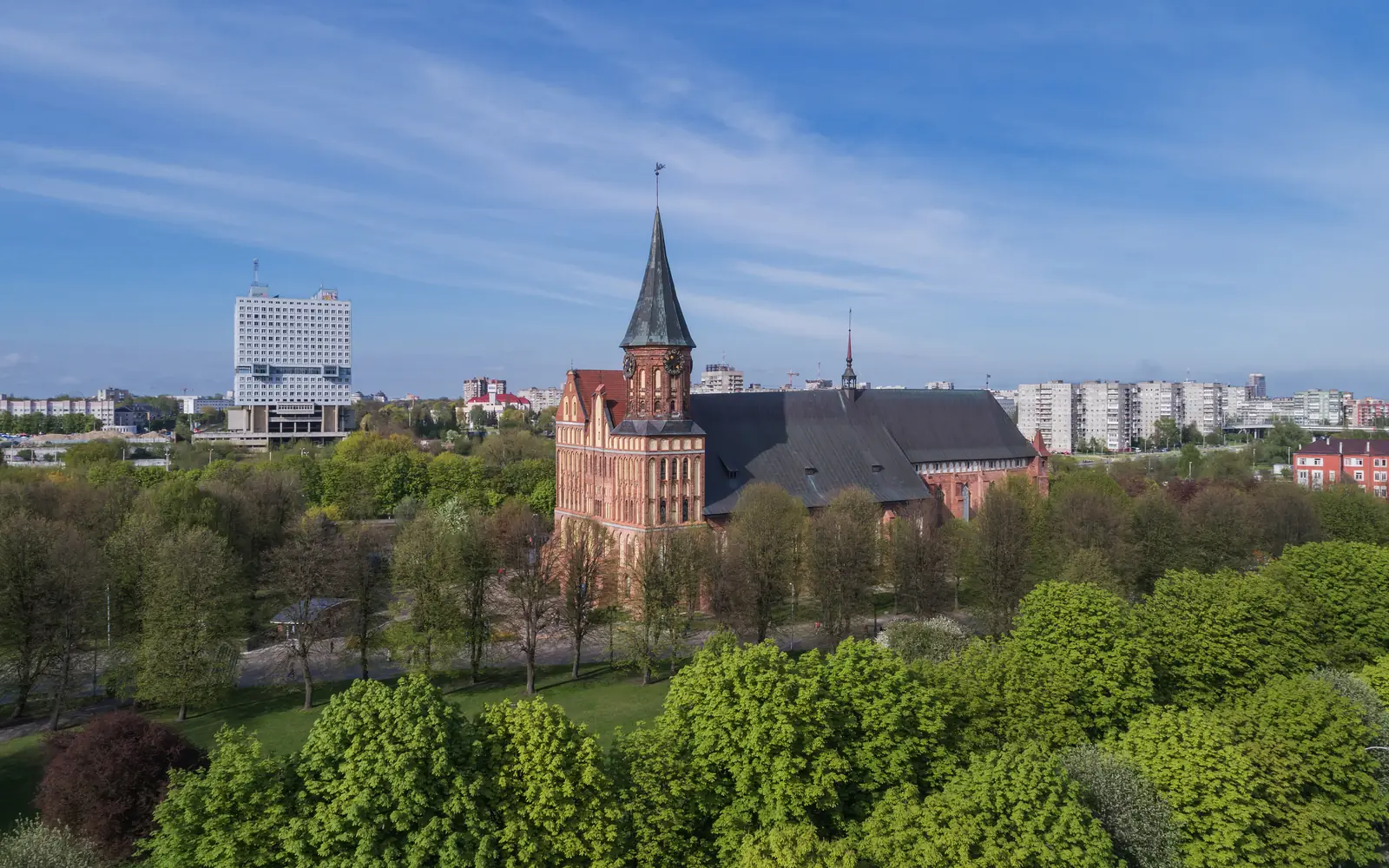
The Soviet Union took northern East Prussia under the Potsdam Agreement in 1945. The city of Königsberg was renamed Kaliningrad in 1946 after Soviet head of state Mikhail Kalinin, and the German population was expelled. When Lithuania became independent in 1990-1991, the region was cut off from the rest of Russia. It is now an exclave of about 1 million people between Poland and Lithuania.
What is the Suwałki Gap?
The Suwałki Gap is the roughly 65 km strip of the Poland-Lithuania border between Russia's Kaliningrad exclave and Belarus. It is named after the Polish town of Suwałki. It is the only overland route from NATO allies to the three Baltic states. If it were cut, Estonia, Latvia and Lithuania could be reached only by sea or air.
Is Estonian a Baltic language?
No. Estonian is a Finnic language, closely related to Finnish. The Baltic language family includes Latvian and Lithuanian. The three countries are called Baltic states because they lie on the Baltic Sea. All three Baltic states use the Latin alphabet.
What happened to Nord Stream?
Three of the four Nord Stream pipeline lines were blown up on September 26, 2022, off the Danish island of Bornholm. German prosecutors accuse a team of Ukrainians. The trial of Serhii Kuznietsov, the first suspect, opened in Hamburg on October 14, 2026. Six other suspects remain at large. The pipelines had carried Russian gas to Germany and were already idle at the time.
Read more
Nearby regions
All regions → ArcticEight states share an ocean with two shipping routes and about 13% of the world's undiscovered oil.Tense
 BalkansEight countries in southeast Europe still dealing with the 1990s wars, EU membership bids and Russian influence.Tense
 CaucasusThree countries between the Black Sea and the Caspian, where Russia's grip has weakened since 2023.Tense