Region · South of the Sahara
The Sahel
Three juntas, two jihadist insurgenciesUpdated November 13, 2026
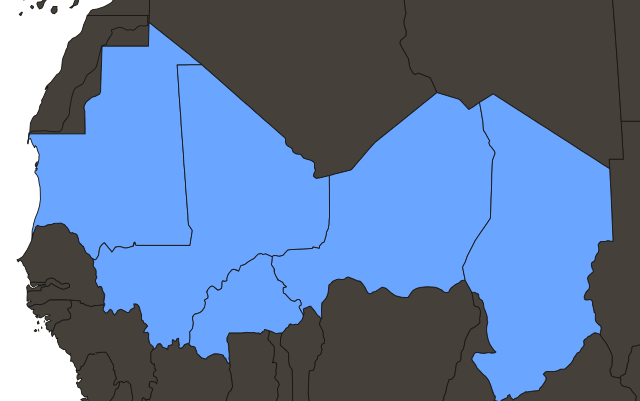
The Sahel is the semi-arid belt south of the Sahara. In geopolitics it usually means five countries: Mauritania, Mali, Burkina Faso, Niger and Chad. Three of them are run by military juntas that took power in coups between 2020 and 2023. They expelled French forces, turned to Russia for military support and formed a new alliance. Al-Qaeda and Islamic State affiliates control large areas of the countryside and have killed thousands of people.
- Countries
- 5


- People
- 103.5 million
- UN, 2025
- Economy
- $115bn
- IMF, 2025
- Terrorism deaths (Sahel share)
- >50%
- of all terrorism deaths worldwide in 2025
- Coups since 2020
- 6
- in Mali, Burkina Faso, Niger and Chad
Map of the Sahel
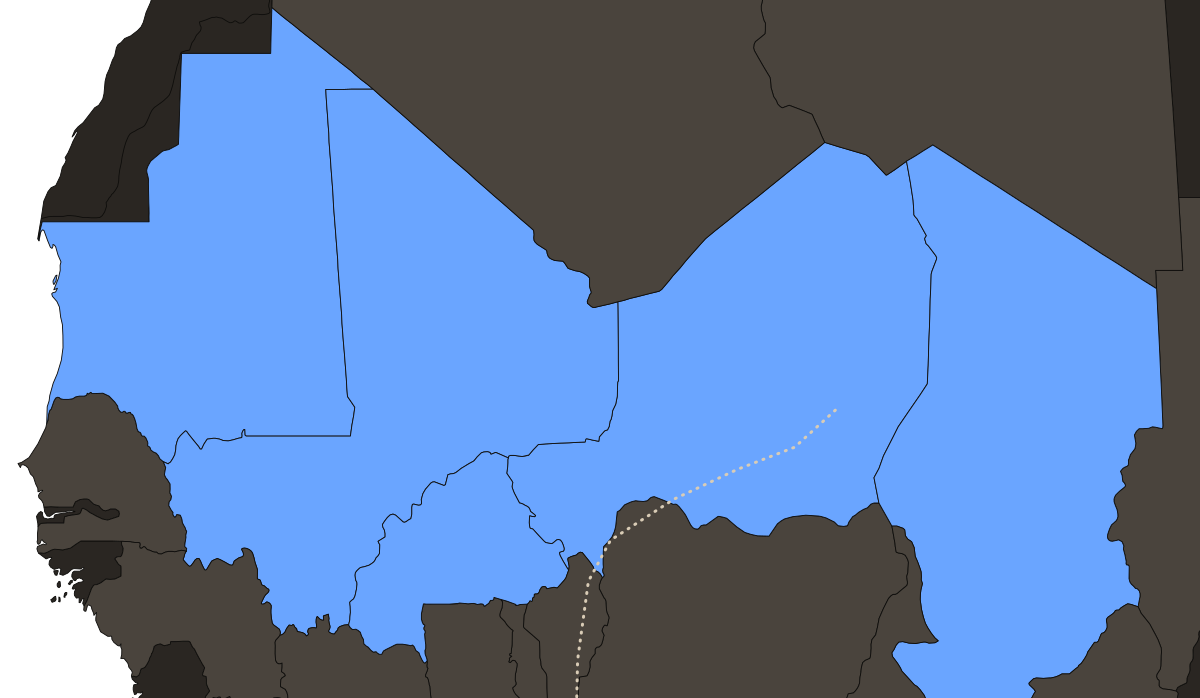
The Sahel stretches across West and Central Africa south of the Sahara. Four of the five countries are landlocked, making road corridors to the coast vital for fuel, food and trade.
 Mauritania
Mali
Niger
Chad
Burkina
Faso Algeria Libya Nigeria Sudan Nouakchott Bamako Ouagadougou Niamey N'Djamena 1 2 3 4 5 6 7
- 1Liptako-Gourma Tri-border area where Mali, Burkina Faso and Niger meet. The Global Terrorism Index calls it the world’s most active terrorism hotspot.
- 2Kidal Symbolic capital of Tuareg separatism. Changed hands three times between 2023 and 2026.
- 3Tinzaouaten On the Mali-Algeria border. Site of Wagner’s worst defeat in the Sahel, July 2024.
- 4Arlit Niger’s main uranium mining town. The government nationalized the Orano mine in 2025.
- 5Agadez Migration hub and site of the former US drone base, vacated in August 2024.
- 6Mbera camp Refugee camp in Mauritania holding about 120,000 Malians who fled the war.
- 7Amdjarass Airstrip in eastern Chad. UN experts tracked UAE cargo flights here that are alleged to have supplied Sudan’s RSF. The UAE and Chad deny this.
Why does the Sahel matter?
>50%
Global terrorism’s epicenter
The Sahel accounted for more than half of all terrorism deaths worldwide in 2025, according to the Global Terrorism Index 2026.
94 t
Gold, uranium and oil
Burkina Faso reported 94 tonnes of gold in 2025, including artisanal gold and seizures. Industrial mines produced 51.55 tonnes. Niger mines uranium and pumps about 110,000 barrels of oil per day.
~4 million
Displaced people
UNHCR reported nearly 4 million people displaced in the central Sahel by October 2026, including more than 818,000 refugees and asylum-seekers.
Who has power in the Sahel?
France dominated the Sahel for decades after independence but has lost its last bases. Russia replaced France as the main military partner for the three juntas. Turkey, Morocco and the UAE are gaining ground. China has kept its oil and mining stakes but has accepted tougher terms from Niger.

RussiaMixed
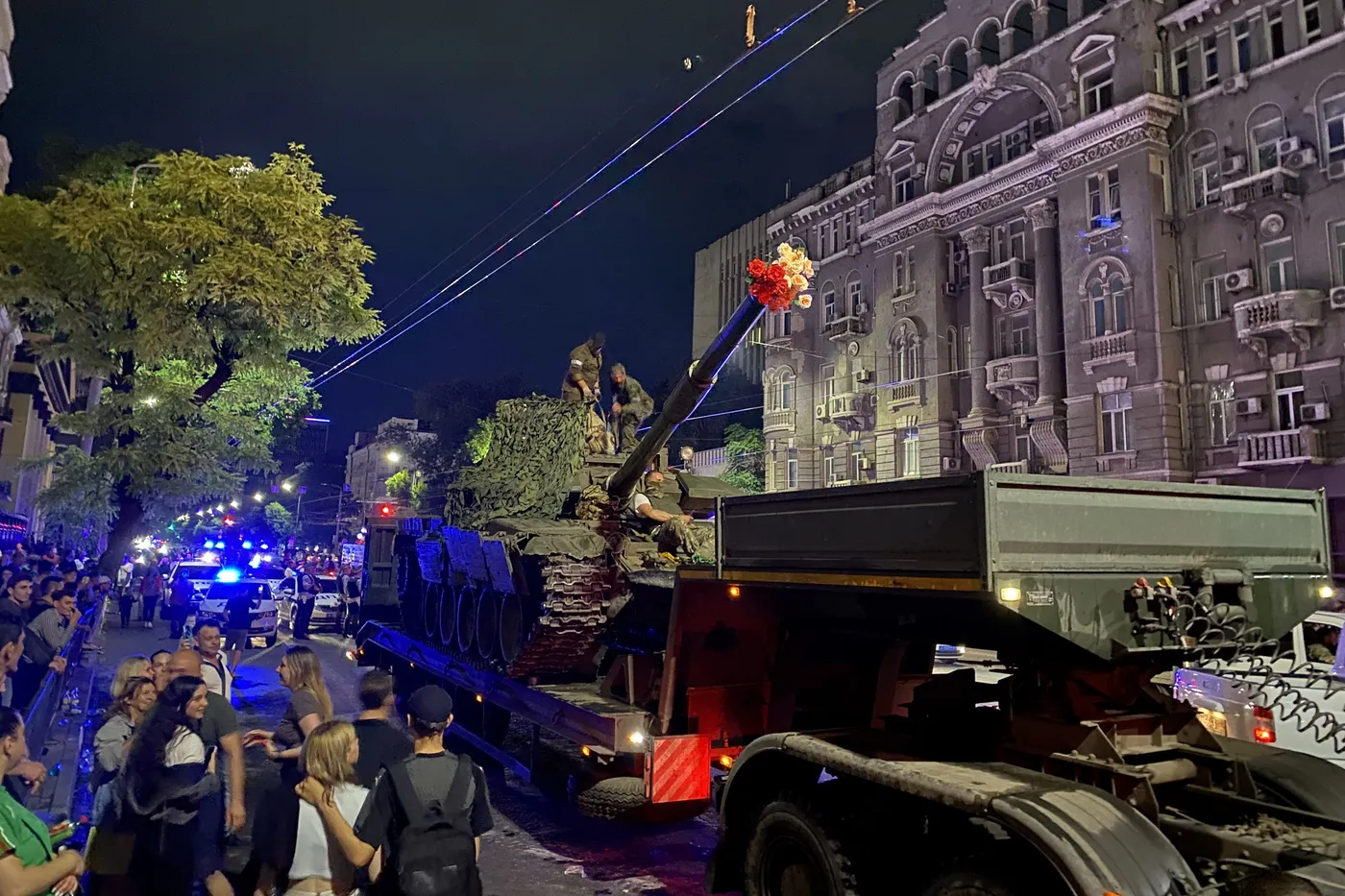
The Africa Corps replaced Wagner in Mali in June 2025 and operates in all three junta states. Wagner suffered heavy losses at Tinzaouaten in July 2024. The Africa Corps withdrew from Kidal in April 2026 and helped the army retake it in October 2026.

FranceLosing ground
France withdrew its last troops from Chad in January 2025 and from Senegal in July 2025. Burkina Faso cut diplomatic ties entirely in June 2026.

United StatesMixed
The US left its $100 million drone base in Niger in August 2024. In 2026 it lifted sanctions on Malian officers and approved up to $414 million in financing for a uranium project in Niger.

ChinaMixed
CNPC built the 1,980 km Niger-Benin oil pipeline. Niger expelled three Chinese oil executives in March 2025. In May 2026 Niger secured a 45% stake in the pipeline company and a lower tariff. Ganfeng holds 40% of Mali’s Goulamina lithium mine.

TurkeyGaining
Turkey has sold Bayraktar TB2 drones to all three junta states and Akinci drones to Mali and Burkina Faso. In April 2026 Critical Threats reported that Turkish regular forces had deployed to Niger, a first in the region.

MoroccoGaining
Morocco’s Atlantic Initiative would give landlocked Sahel states port access through Dakhla, in Western Sahara, a territory Morocco controls and claims. In April 2026 Mali withdrew its recognition of the Sahrawi Arab Democratic Republic and backed Morocco’s autonomy plan.
Who are the jihadists in the Sahel?
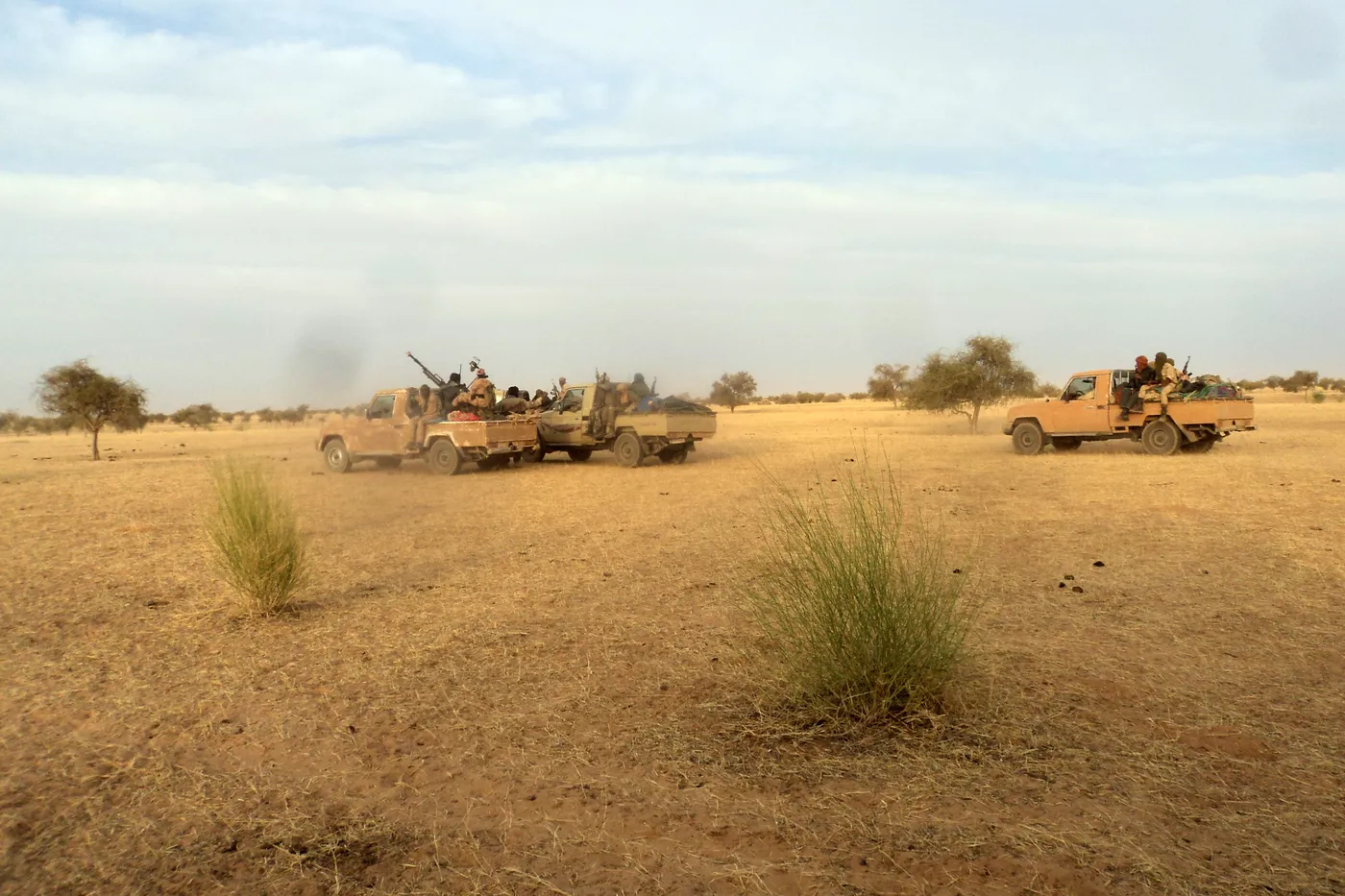
Two main groups drive the violence. JNIM, linked to al-Qaeda, is led by Iyad Ag Ghaly, a Tuareg. It is one of the four deadliest armed groups in the world, according to the Global Terrorism Index 2026. JNIM operates across Mali, Burkina Faso and Niger and is expanding toward Benin, Togo and the coast. In Burkina Faso alone the index attributes 755 deaths to JNIM in 2025.
The Islamic State Sahel Province (ISSP) is strong in the Menaka region of Mali and in Niger’s Tillaberi. ISSP attacked Niamey’s airport in January 2026, and JNIM attacked it in June 2026. ISSP has also sabotaged the Niger-Benin oil pipeline. Around Lake Chad, Boko Haram and the Islamic State West Africa Province fight the armies of Chad, Niger, Nigeria and Cameroon.
The Tuareg separatist Azawad Liberation Front (FLA) is not a jihadist group, but it has fought alongside JNIM since 2025.
Why did France leave and Russia arrive?
France intervened in Mali in January 2013 to stop jihadists from taking Bamako. Operation Barkhane, which ran from 2014, spread across the Sahel with up to 5,000 troops. But after ten years the insurgency had only grown. It spread from northern Mali into Burkina Faso and Niger.
The juntas that took power in 2020 to 2023 built their legitimacy on anti-French sentiment. They expelled French troops from Mali (2022), Burkina Faso (2023) and Niger (2023). Chad ended its defense pact in late 2024. France handed over its last Sahel base in Chad on January 30, 2025, and left Senegal in July 2025.
Russia’s Wagner group, then the Africa Corps, offered military support with no conditions on governance. In exchange, Russia gained mining access. Mali broke ground on a Russian-backed gold refinery in June 2025.
French military withdrawals
- MaliLast troops out August 15, 2022
- Burkina FasoSpecial forces left February 2023
- NigerLast troops out December 22, 2023
- ChadLast base handed over January 30, 2025
The countries of the Sahel
All countries →Who belongs to what?
The five countries split sharply. Mali, Burkina Faso and Niger left ECOWAS and formed the AES. Chad belongs to ECCAS, the Central African bloc. Mauritania left ECOWAS in 2000 and is the only one of the five in the Arab League.
| Country | AES | ECOWAS | African Union | Arab League | NAM |
|---|---|---|---|---|---|
| Mauritania | No | Left | Member | Member | Member |
| Mali | Member | Left | Suspended | No | Member |
| Burkina Faso | Member | Left | Suspended | No | Member |
| Niger | Member | Left | Suspended | No | Member |
| Chad | No | No | Member | Observer | Member |
Wars and disputed land in the Sahel
All conflicts →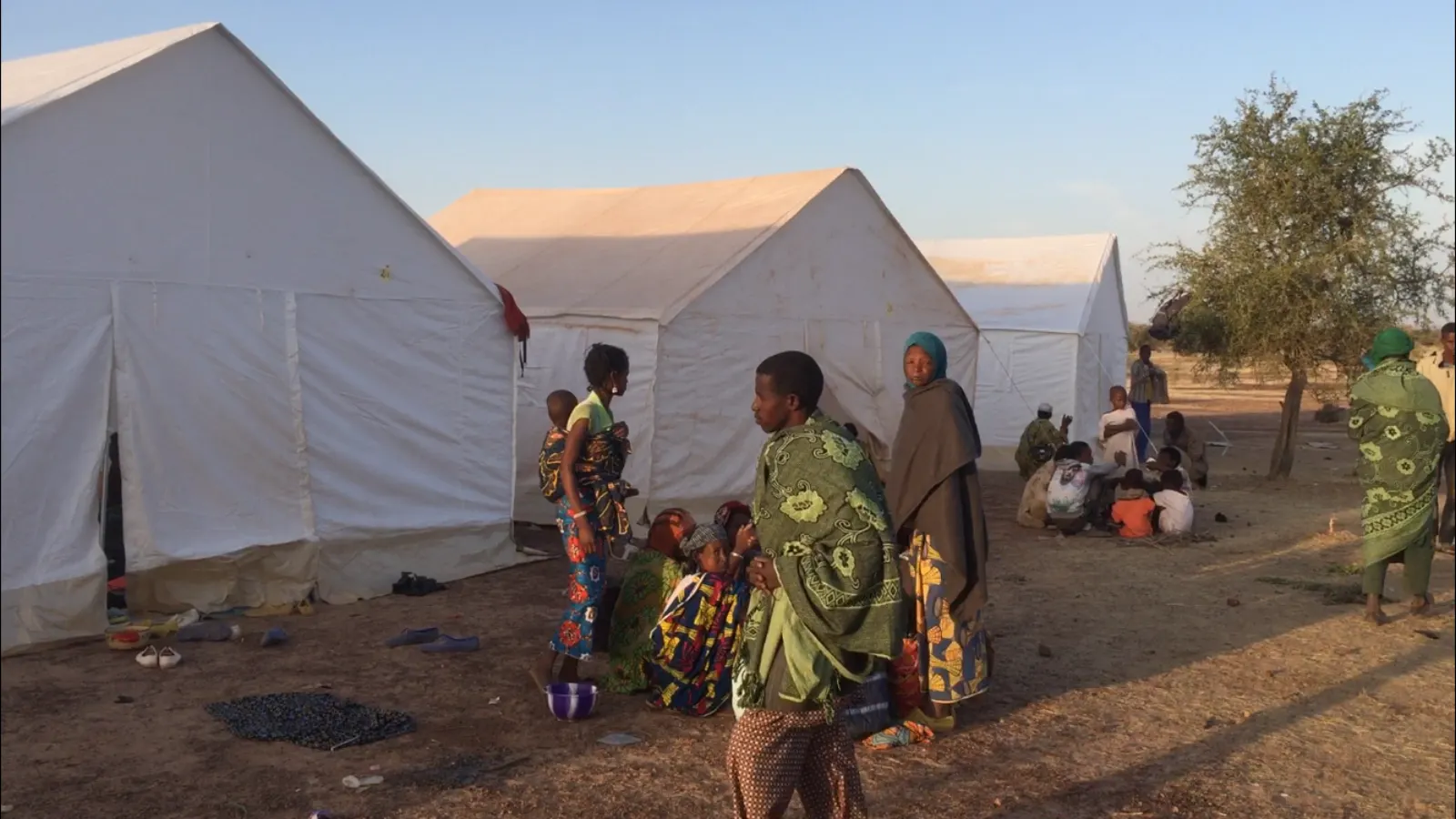
What is the Alliance of Sahel States?
Mali, Burkina Faso and Niger signed the Liptako-Gourma Charter on September 16, 2023, creating a mutual-defense pact called the Alliance of Sahel States (AES). On July 6, 2024, they signed a confederation treaty. Their exit from ECOWAS took effect on January 29, 2025.
The AES launched a 5,000-strong Unified Force in December 2025, headquartered in Niamey. All three states announced their withdrawal from the International Criminal Court in September 2025, calling it "an instrument of neo-colonial repression." All three have dissolved political parties.
Chad and Mauritania are not members. On October 17, 2026, the AES and ECOWAS held their first ministerial meeting in Dakar and agreed to form working groups toward a cooperation agreement. The AES says rejoining ECOWAS is not under discussion.
What is happening in Mali now?
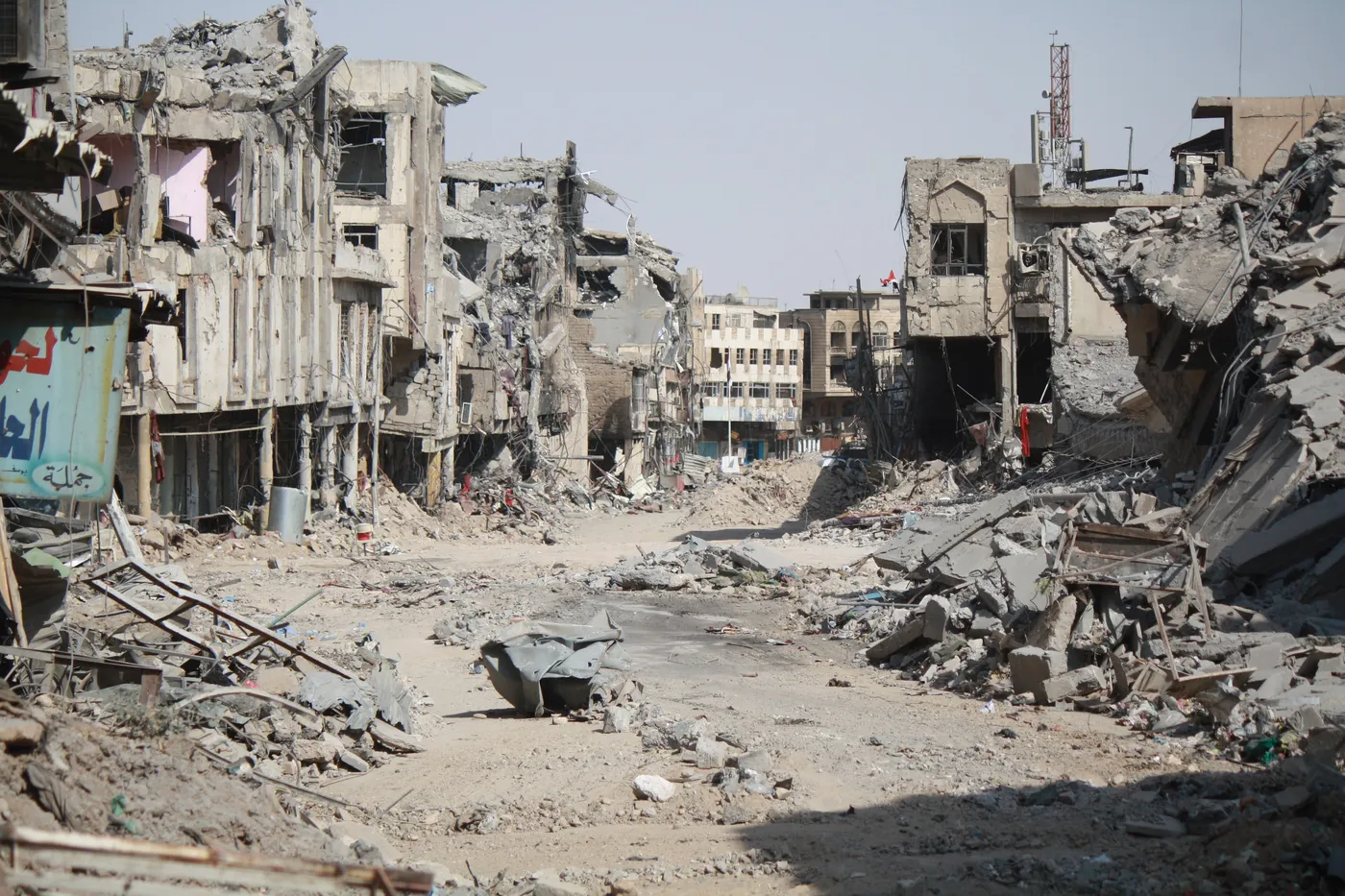
Mali faces its worst fighting since 2012. On April 25, 2026, JNIM and the Tuareg FLA launched a joint offensive, attacking Bamako, Kati, Gao, Kidal and other cities. Defense Minister Sadio Camara was killed by a suicide car bomb at his Kati residence. Kidal fell to the FLA. JNIM declared a blockade of Bamako.
The army, supported by Russia’s Africa Corps, retook Kidal on October 6-7, 2026. But JNIM’s fuel blockade, which began in September 2025, continues. More than 300 fuel tankers have been destroyed. Mali introduced national fuel rationing in January 2026.
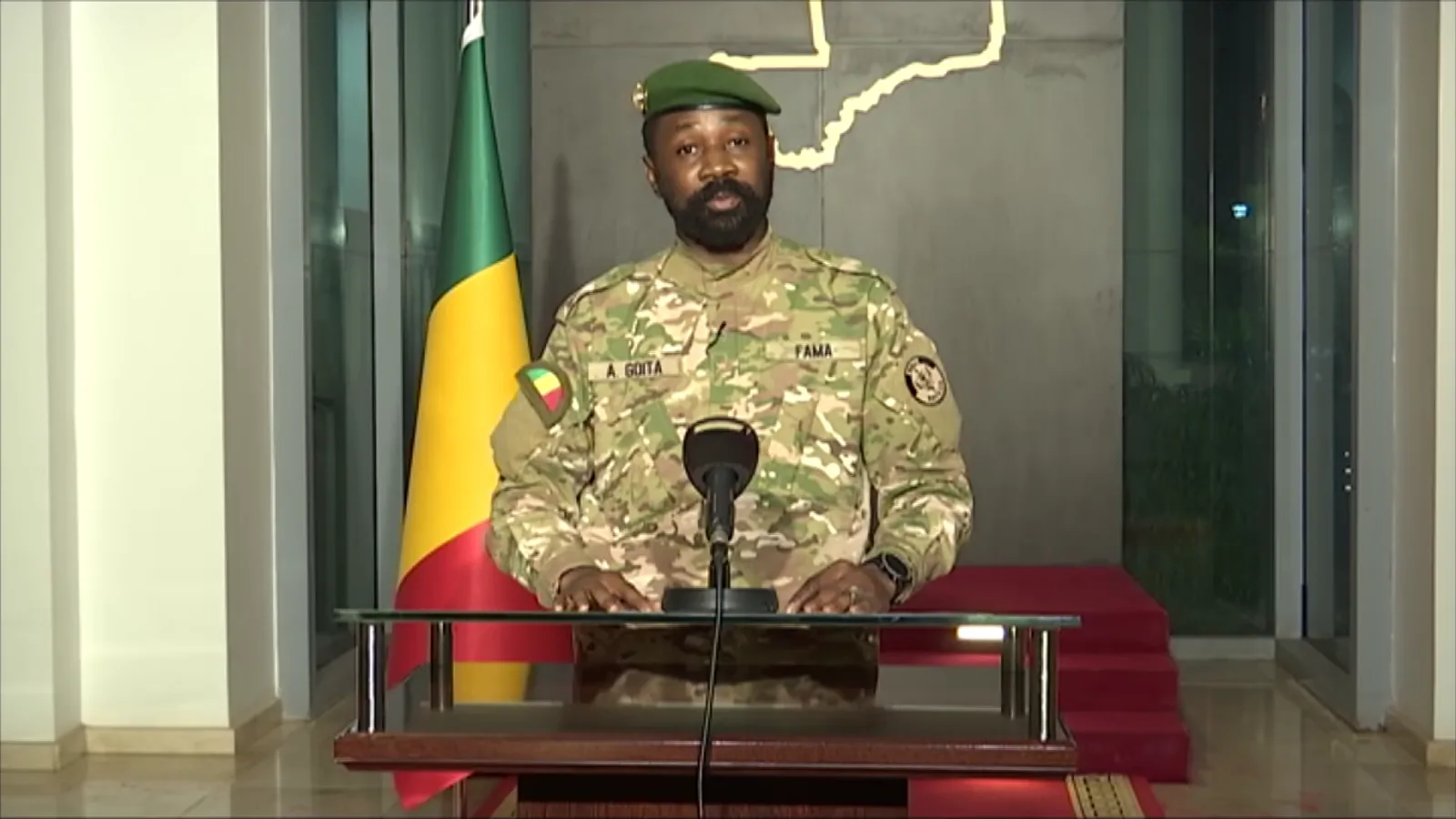
General Assimi Goïta now holds the defense ministry himself. He signed a law in July 2025 giving himself a renewable five-year term. Mali dissolved all political parties in May 2025.
300+
Fuel tankers destroyed
JNIM has targeted tankers on the roads from Dakar, Abidjan and Conakry since September 2025. These roads carry about 95% of Mali’s imported fuel.
How did the Sahel get here?
- 1960All five countries gain independence from France
- Jan 2012Tuareg rebellion and jihadist takeover of northern Mali
- Jan 2013French Operation Serval intervenes in Mali
- 2020-21Two coups in Mali; military council takes over Chad
- 2022Two coups in Burkina Faso; France leaves Mali
- Jul 2023Coup in Niger; the AES is founded in September
- Jan 2025AES exit from ECOWAS takes effect
- Sep 2025JNIM begins its fuel blockade of Bamako
- Apr 2026Joint offensive hits Bamako; Mali’s defense minister killed
- Oct 2026Mali’s army retakes Kidal; first ECOWAS-AES ministerial meeting
What to watch
June 2027
ICC withdrawals take effect
The withdrawals of Niger, Mali and Burkina Faso from the International Criminal Court take effect in June 2027, one year after they filed notice with the UN. Chad has also announced it will leave.
2027-2028
Mali’s blockade and war
JNIM’s fuel blockade of Mali continues. Watch whether the army and its Russian partners can reopen the main roads to Bamako.
2028-2029
Morocco’s Dakhla port
Morocco is building the Dakhla Atlantique port in Western Sahara. It was about 65% complete in mid-2026 and is due to open in 2028 or 2029. It would give the landlocked Sahel a new route to the Atlantic.
Questions about the Sahel
Which countries are in the Sahel?
Five countries make up the political Sahel: Mauritania, Mali, Burkina Faso, Niger and Chad. They were the members of the G5 Sahel, which was founded in 2014 and dissolved in 2023. The word is also used for a wider climate zone that stretches from the Atlantic to the Red Sea and touches parts of Senegal, Nigeria, Sudan and other countries.
What does Sahel mean?
Sahel comes from the Arabic word sahil, meaning shore or coast. It refers to the southern shore of the Sahara, where the desert gives way to semi-arid grassland.
Is the Sahel the most dangerous region in the world?
For terrorism, yes. The Sahel accounted for more than half of all terrorism deaths worldwide in 2025, according to the Global Terrorism Index 2026. The Liptako-Gourma tri-border area, where Mali, Burkina Faso and Niger meet, is described by the index as the world’s most active terrorism hotspot.
Is Mauritania in the Alliance of Sahel States?
No. The AES has three members: Mali, Burkina Faso and Niger. All three are run by military juntas. Mauritania held elections in 2024 and has stayed out of the alliance. Chad is also not a member.
What happened to the French military in the Sahel?
France withdrew its forces from Mali, Burkina Faso, Niger and Chad between 2022 and 2025. The juntas in Mali, Burkina Faso and Niger expelled French forces. Chad ended its defense pact in 2024. France handed over its last Sahel base in Chad on January 30, 2025. After France left Senegal in July 2025, AFP reported that France had no permanent bases left in West or Central Africa.
What is JNIM?
JNIM stands for Jama’at Nusrat al-Islam wal-Muslimin, or the Group for the Support of Islam and Muslims. It was formed on March 2, 2017, from a merger of al-Qaeda-linked groups in the Sahel. It is led by Iyad Ag Ghaly, a Tuareg from northern Mali. JNIM is one of the four deadliest armed groups in the world, according to the Global Terrorism Index 2026.