
Region · Southeast Europe
The Balkans
EU bids, frozen disputes, Serbia's power shiftUpdated November 19, 2026
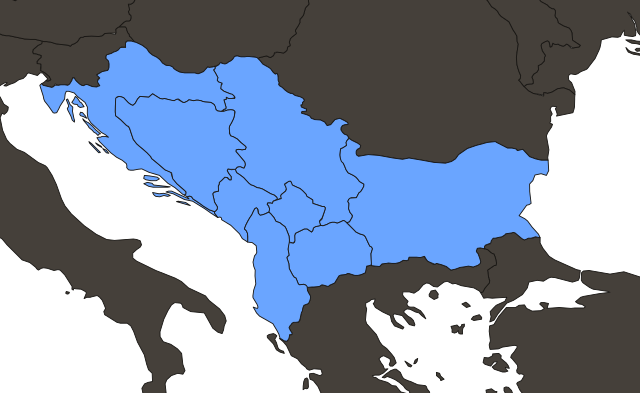
The Balkans are eight countries in southeast Europe: Albania, Bosnia and Herzegovina, Bulgaria, Croatia, Kosovo, Montenegro, North Macedonia and Serbia. Together they have about 27 million people and a combined GDP of about $441 billion. The main disputes are over Kosovo's independence, which Serbia rejects, and Bosnia's divided government. Six countries are still waiting to join the EU, while Russia, China and Turkey compete for influence.
- Countries
- 8


- People
- 27.3 million
- UN, 2025
- Economy
- $441bn
- Bulgaria is 30% of it
- EU candidates
- 5
- Albania, BiH, Montenegro, N. Macedonia, Serbia
- Wars since 1991
- 4
- Slovenia, Croatia, Bosnia and Kosovo
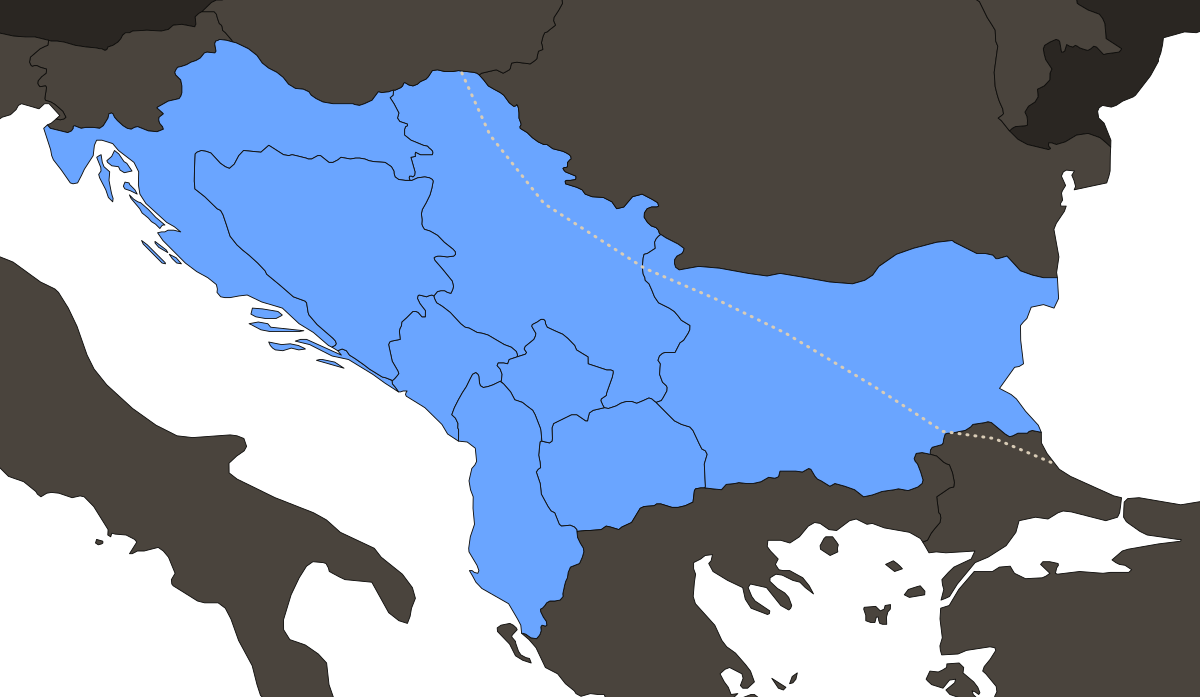
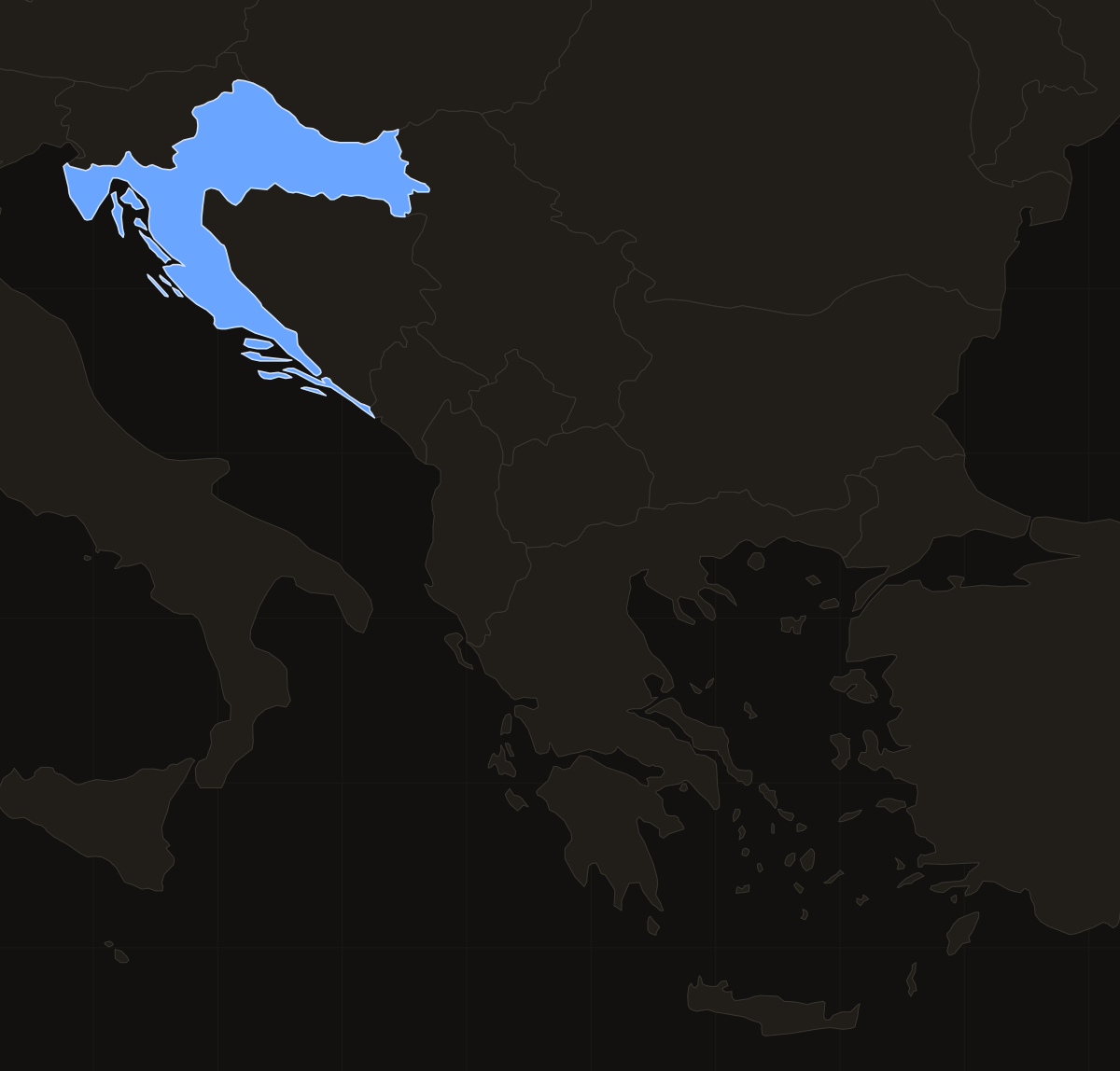
Map of the Balkans
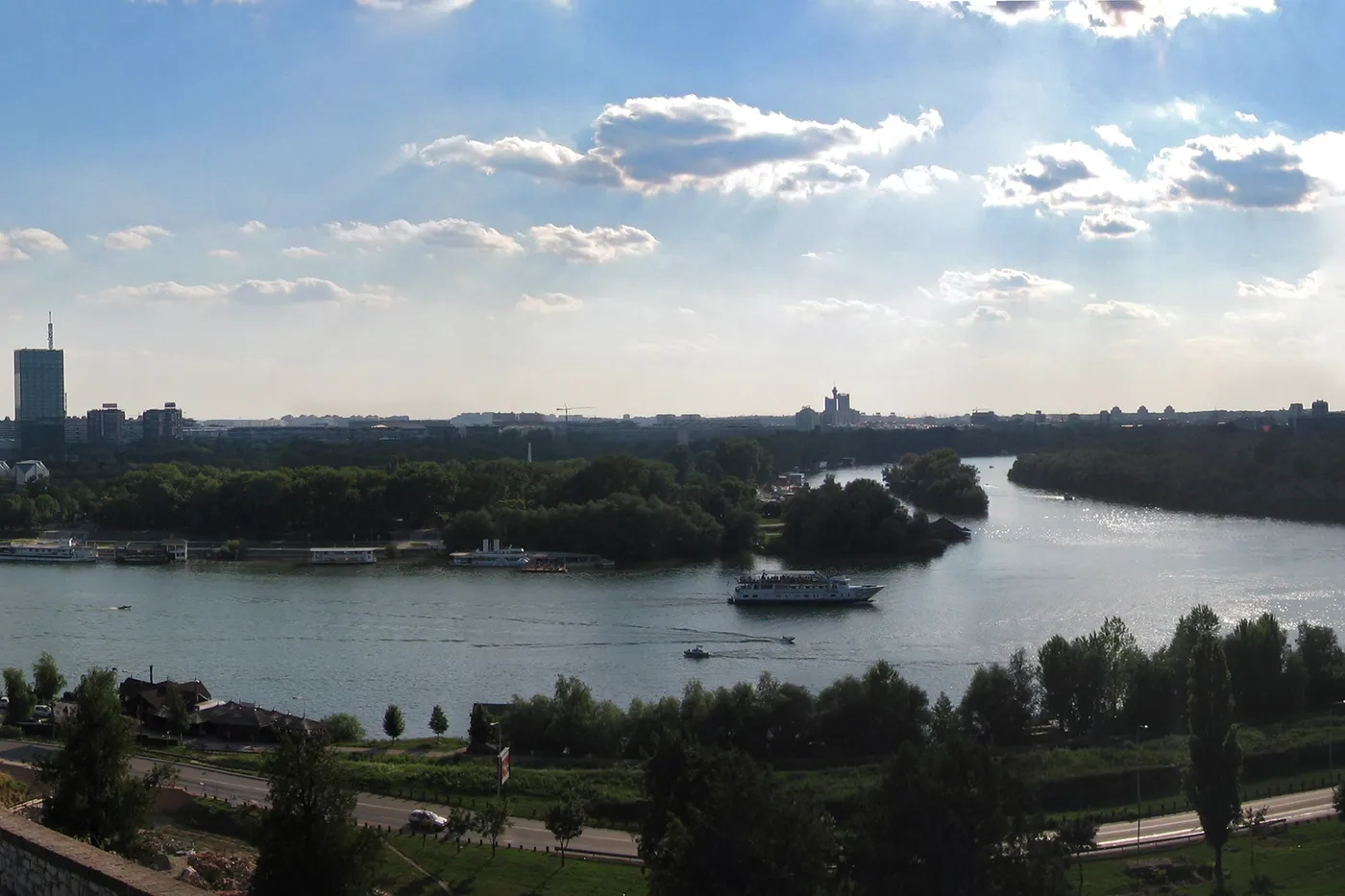
The Balkans sit between the Adriatic, Black and Aegean seas. Mountains split the peninsula into valleys that have kept ethnic and religious communities apart for centuries. The Danube and Sava rivers mark the northern edge.
 Serbia
Croatia
Bosnia and
Herzegovina Bulgaria Albania Montenegro Kosovo North
Macedonia Hungary Romania Greece Italy Adriatic Sea Black Sea Aegean Sea Belgrade Sarajevo Sofia Zagreb Tirana 1 2 3 4 5 6
- 1Banja Luka Administrative center of Republika Srpska, the Serb-majority entity in Bosnia
- 2Srebrenica Site of the 1995 genocide. More than 6,700 victims are buried at Potocari
- 3Mitrovica Divided city on the Ibar River, with a Serb-majority north and an Albanian-majority south
- 4Novi Sad A station canopy collapsed here in November 2024, killing 16 and sparking protests
- 5Bor China's Zijin has invested $3.3 billion in copper and gold mines here
- 6Krk LNG terminal Croatia's LNG import terminal, a non-Russian gas gateway for the region
Why do the Balkans matter?
6
Countries waiting to join the EU
Five Balkan states are EU candidates, and Kosovo has applied. Montenegro could sign its accession treaty in June 2027. Albania is about a year behind, and the rest are stalled.
16.8 bcm
Last Russian gas pipeline into the EU
TurkStream carried 16.8 billion cubic meters through Bulgaria and Serbia in 2025, according to S&P Global. The EU plans to ban Russian pipeline gas by September 2027.
4,600
NATO troops in Kosovo
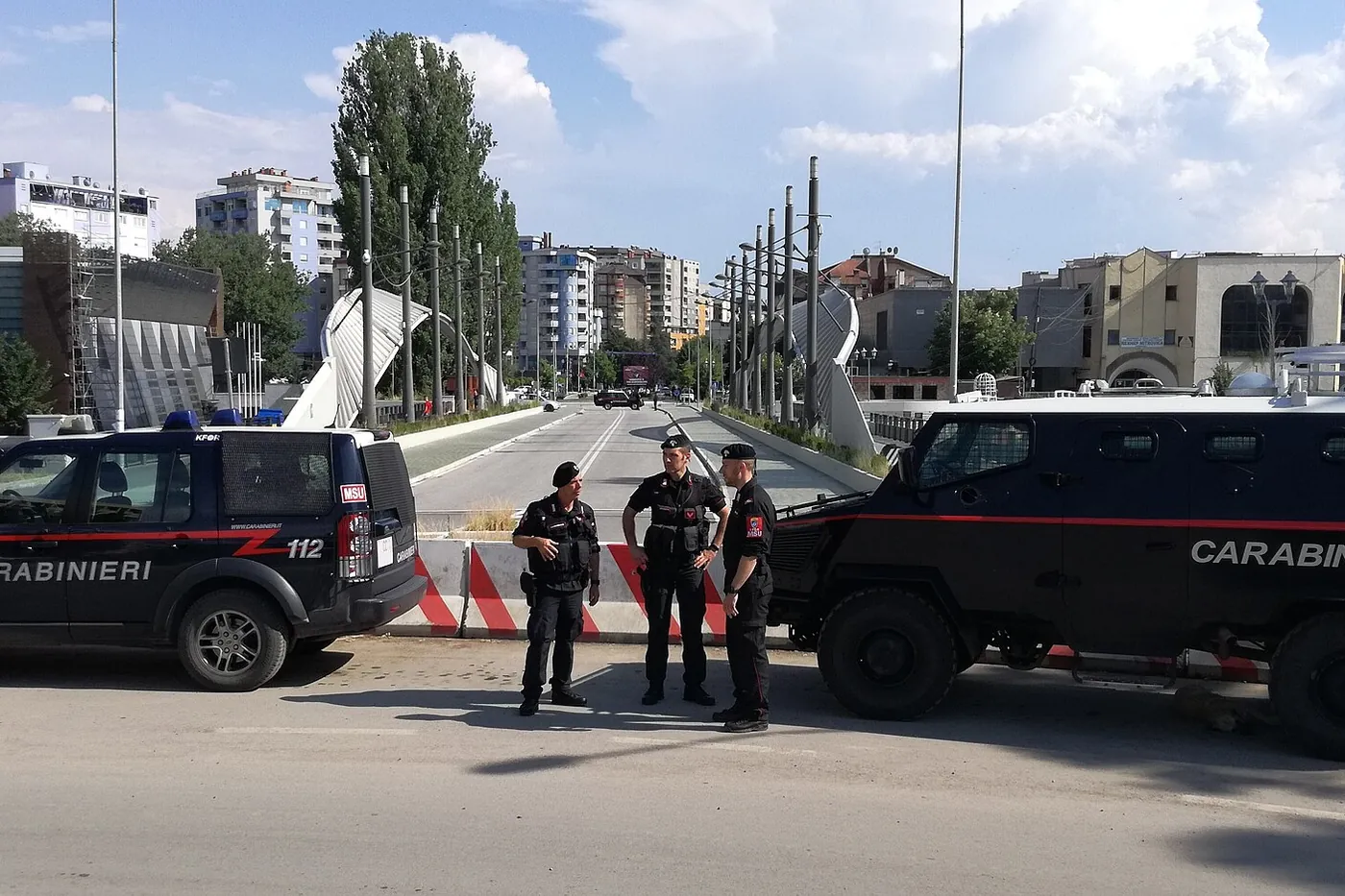
NATO's KFOR force has been in Kosovo since 1999. About 4,600 troops are still there. NATO plans to cut the force to 3,000-3,500.
Who has power in the Balkans?
The European Union is the largest trade partner for all eight countries, and the six outside it want to join. Russia holds leverage through gas and political ties to Serbia and Republika Srpska, but it is losing ground. China has invested billions in Serbia's mines and railways.

European UnionGaining
Montenegro could sign its EU accession treaty in June 2027. Albania closed its first four chapters in 2026. The EU's Growth Plan offers the six Western Balkan countries up to 6 billion euros through 2027.

RussiaLosing ground
US sanctions pushed Gazprom to agree in January 2026 to sell its 56% stake in NIS, Serbia's oil company. The sale has not closed. The EU will ban Russian pipeline gas by September 2027. The Student List, which won Serbia's election, also rejects sanctions on Russia. Russia's economic leverage is shrinking.

ChinaMixed
China's Zijin Mining has invested $3.3 billion in Serbian copper. The Serbian section of the Belgrade-Budapest railway opened in October 2025. China is Serbia's largest single state creditor, owed about $2.8 billion. But Zijin faces environmental protests, and in June 2026 US customs blocked imports of its Serbian copper over alleged forced labor.

United StatesMixed
The Trump administration lifted sanctions on Bosnian Serb leader Milorad Dodik in October 2025 and suspended its strategic dialogue with Kosovo in September 2025. The US Treasury must still license the NIS oil sale, and the US military runs Camp Bondsteel in Kosovo.

TurkeyMixed
Turkish firm Baykar has sold Bayraktar drones to Kosovo and Croatia. Turkey hosts the TurkStream gas pipeline and launched a Balkan Peace Platform in July 2025. Serbia is Turkey's main regional trade partner.

United Arab EmiratesGaining
Abu Dhabi's Eagle Hills owns 68% of Belgrade Waterfront, a project its developer says has drawn 5.5 billion euros. ADNOC may join Hungary's MOL in the purchase of Serbia's NIS oil company.
Why does Serbia not recognize Kosovo?
Serbia says Kosovo is its southern province. Serbia's constitution calls Kosovo an integral part of Serbia, and UN Security Council Resolution 1244 of 1999, which Serbia cites, is still in force. Medieval Serbian statehood and Orthodox heritage are tied to Kosovo. Russia and China, which can veto Kosovo's UN membership, back Serbia's position. Five EU members also do not recognize Kosovo: Spain, Greece, Romania, Slovakia and Cyprus.
Kosovo declared independence on February 17, 2008. Kosovo's government counts 121 countries that recognize it, including the United States and most EU members. The Bahamas was the latest, in December 2025. Serbia says some of them have withdrawn recognition. In 2010 the International Court of Justice said the declaration did not violate international law. EU-led talks began in 2011, but neither side has fully carried out the deals reached in 2013 and 2023. Kosovo's government says the talks must end in mutual recognition. Serbia's government rejects recognition and says the talks are about the rights of Kosovo's Serbs.
Which Balkan countries will join the EU next?
Montenegro is first in line. It has provisionally closed 23 of 35 accession chapters as of November 6, 2026, and aims to sign its accession treaty in June 2027. EU foreign-policy chief Kaja Kallas called it "the closest to the finish line." Croatia has six open bilateral issues with Montenegro that could slow the treaty. All 27 EU members must ratify it.
The European Commission says Albania is about a year behind Montenegro. Albania has closed 4 chapters. Prime Minister Edi Rama has pledged EU entry by 2030. Serbia, North Macedonia, Bosnia and Herzegovina and Kosovo are stalled. The EU's November 2026 enlargement package gave roadmaps to Montenegro and Albania but said Serbia showed "backsliding" and that Bosnia was increasingly disengaging from its EU path.
EU accession chapters closed (of 35)
- Montenegro23
- Albania4
- Serbia~2
- North Macedonia0
- Bosnia0
The countries of the Balkans
All countries →- AlbaniaPrime Minister Edi Rama2.8Mpeople$30bneconomy
- Bosnia and HerzegovinaChair of the Presidency Željka Cvijanović3.1Mpeople$34bneconomy
- BulgariaPrime Minister Rumen Radev6.7Mpeople$131bneconomy
- CroatiaPrime Minister Andrej Plenković3.8Mpeople$105bneconomy
- KosovoPrime Minister Albin Kurti1.7Mpeople$12bneconomy
- MontenegroPrime Minister Milojko Spajić633kpeople$9bneconomy
- North MacedoniaPrime Minister Hristijan Mickoski1.8Mpeople$19bneconomy
- SerbiaActing President Ana Brnabić6.7Mpeople$100bneconomy
Who belongs to what?
Croatia and Bulgaria are the only Balkan countries in the EU. Both are also in NATO and the eurozone. Five of the other six are EU candidates, and Kosovo has applied to join. Three of the six, Albania, Montenegro and North Macedonia, are in NATO.
| Country | EU | NATO | Eurozone | Schengen | OECD |
|---|---|---|---|---|---|
| Albania | Candidate | Member | No | No | No |
| Bosnia and Herzegovina | Candidate | Wants to join | No | No | No |
| Bulgaria | Member | Member | Member | Member | Candidate |
| Croatia | Member | Member | Member | Member | Candidate |
| Kosovo | Applied | No | Uses the euro | No | No |
| Montenegro | Candidate | Member | Uses the euro | No | No |
| North Macedonia | Candidate | Member | No | No | No |
| Serbia | Candidate | No | No | No | No |
Wars and disputed land in the Balkans
All conflicts →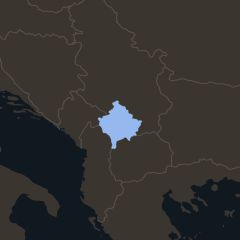
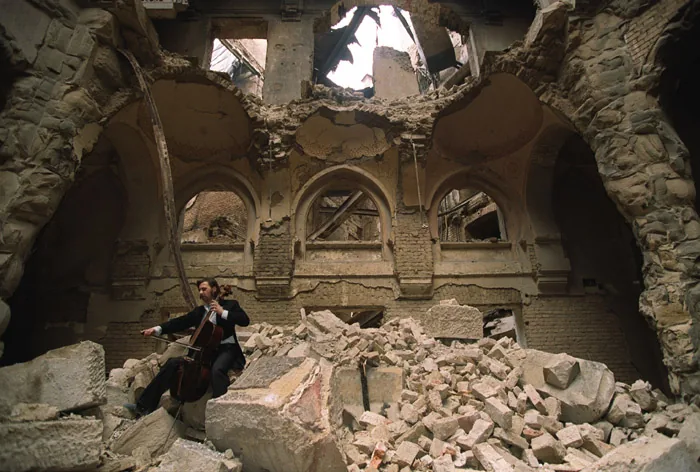
What is happening in Bosnia?
Bosnia and Herzegovina is paralyzed. The country has two entities, the Federation of Bosnia and Herzegovina and Republika Srpska, plus the Brčko District, under a power-sharing system created by the 1995 Dayton Agreement. Milorad Dodik, the leader of the main Serb party SNSD, was convicted in February 2025 of defying the international High Representative and barred from office. Dodik claimed victory "at all levels" in the October 2026 elections. His allies won the Republika Srpska presidency and the Serb seat on Bosnia's three-member Presidency. Turnout was a record-low 42%. The new Presidency took office on November 16, 2026, and Željka Cvijanović of the SNSD chairs it for the first eight months.
The international High Representative, Christian Schmidt, left on July 1, 2026. Acting High Representative Louis Crishock, a US diplomat, has held the post since. No permanent successor has been chosen, amid a dispute between the United States and the EU over the role's future. On November 4, 2026 the European Commission said Bosnia was increasingly disengaging from its EU path.
How much influence do Russia and China have in the Balkans?
Both have significant influence, mostly in Serbia. Russia's influence is shrinking, while China's has leveled off. Russia supplies Serbia with about 2.2 billion cubic meters of gas a year through TurkStream, on short-term contracts extended to December 31, 2026. Gazprom Neft and Gazprom own 56% of NIS, Serbia's oil company. NIS runs the country's only refinery, which supplies about 80% of its fuel. Under US sanctions pressure, Hungary's MOL agreed in January 2026 to buy that stake, but the sale has not closed. Russia also backs Republika Srpska's leadership. Milorad Dodik thanked Vladimir Putin for his support after the October 2026 election.
China's Zijin Mining has invested $3.3 billion in copper and gold at Bor in eastern Serbia. China Exim Bank is Serbia's largest single state creditor, owed about $2.8 billion. The Belgrade-Budapest railway, a Belt and Road project, opened its Serbian section in October 2025. The EU remains the region's largest trade partner and donor, and its 6-billion-euro Growth Plan is the main incentive for reform.
$2.8bn
Serbia's debt to China Exim Bank
China Exim Bank is Serbia's largest single state creditor, as of September 2025. In January 2025, Chinese loans totaled about $3.2 billion, roughly 8% of Serbia's $40.5 billion in public debt.
How did the Balkans get here?
- 1912-13Balkan Wars end most Ottoman rule in Europe
- Jun 1914Assassination in Sarajevo starts World War I
- 1945-80Tito rules socialist Yugoslavia
- 1991-95Yugoslavia breaks apart in wars in Slovenia, Croatia and Bosnia
- Jul 1995Srebrenica genocide: more than 8,000 killed
- Nov 1995Dayton Agreement ends the Bosnian war
- 1999NATO bombs Yugoslavia over Kosovo
- Feb 2008Kosovo declares independence from Serbia
- 2017-20Montenegro and North Macedonia join NATO
- Oct 2026Serbia's Student List defeats the SNS, in power since 2012
What to watch
Dec 2026
Serbia forms a government
The new parliament first met on November 17, 2026, so a government must be elected by about February 15, 2027. A presidential election is due by about December 27, 2026.
Jun 2027
Montenegro's EU treaty
Montenegro aims to sign its EU accession treaty in June 2027. All 27 EU members must ratify it. Croatia has six open bilateral issues that could slow the process.
Sep 2027
EU Russian gas ban
The EU plans to ban Russian pipeline gas imports by September 30, 2027. TurkStream, which crosses Bulgaria and Serbia, is the last Russian gas pipeline route into the EU.
Questions about the Balkans
Which countries are in the Balkans?
It depends on the definition. This page covers eight: Albania, Bosnia and Herzegovina, Bulgaria, Croatia, Kosovo, Montenegro, North Macedonia and Serbia. Greece is geographically on the Balkan peninsula but is usually grouped with southern Europe. Broader definitions add Romania, Slovenia and European Turkey.
What does Balkanization mean?
It means the fragmentation of a region or state into small, hostile units. The term comes from the breakup of Ottoman Europe into rival nation-states in the early 1900s. Yugoslavia's breakup in the 1990s revived it. Many people in the region consider the word pejorative.
Why are the Balkans called the powder keg of Europe?
The label comes from the years before 1914, when rival nationalisms and great-power meddling made the region unstable. The Balkan Wars of 1912-1913 and the assassination of Archduke Franz Ferdinand in Sarajevo on June 28, 1914, set off World War I. The 1990s wars revived the label.
Is Kosovo a country?
Kosovo is a partly recognized state. It declared independence from Serbia in 2008. Kosovo's government counts 121 countries that recognize it, including the United States and most EU members. Serbia, Russia, China and five EU members do not. Kosovo runs its own government, police and borders. It is not a UN member, because Russia and China could veto its membership.
What is the Western Balkans?
It is a political term created by the EU. It covers the six countries that are not yet EU members: Albania, Bosnia and Herzegovina, Kosovo, Montenegro, North Macedonia and Serbia. Croatia was included until it joined the EU in 2013. Bulgaria has never been part of the Western Balkans. It joined the EU in 2007.
Is Republika Srpska the same as Serbia?
No. Republika Srpska is one of two entities inside Bosnia and Herzegovina, created by the 1995 Dayton Agreement. It has a Serb majority and its own president and parliament, but it is part of Bosnia. Serbia is a separate country.
Read more
Nearby regions
All regions →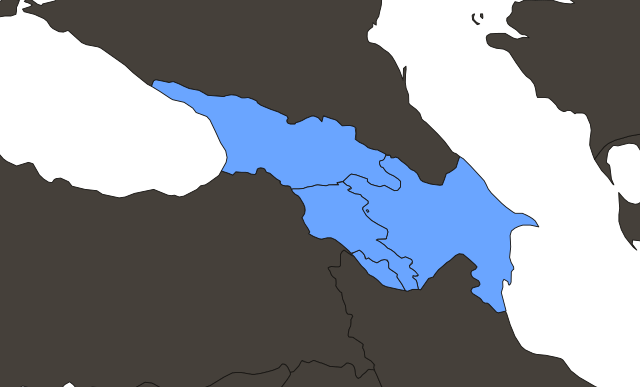 CaucasusThree countries between the Black Sea and the Caspian, where Russia's grip has weakened since 2023.Tense
 BalticRussia and eight NATO members border a sea used for Russian oil exports and crossed by undersea cables.Tense
 Middle EastThe Iran war, a contested Strait of Hormuz and a fragile Gaza ceasefire define the region in 2026.Fighting