Region · China, Japan, Taiwan and the Koreas
East Asia
Arms races, shoal clashes, a frozen warUpdated November 19, 2026
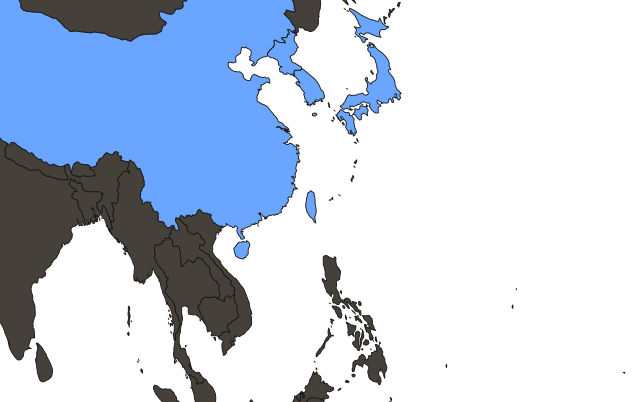
East Asia covers China, Japan, South Korea, North Korea and Taiwan. The region produces about 23% of world GDP. Taiwan's TSMC holds about 70% of the global chip foundry market. The United States, China's main rival, keeps more than 80,000 troops in Japan and South Korea. North Korea has an estimated 60 nuclear warheads and a military alliance with Russia. China claims Taiwan. The two Koreas are still technically at war.
- Countries
- 5


- People
- 1.64 billion
- UN, 2025
- Economy
- $26.88tn
- China is 73% of it, without North Korea
- Share of world GDP
- ~23%
- China, Japan, South Korea and Taiwan combined
- Nuclear warheads
- ~680
- China ~620 and North Korea ~60, SIPRI Jan 2026
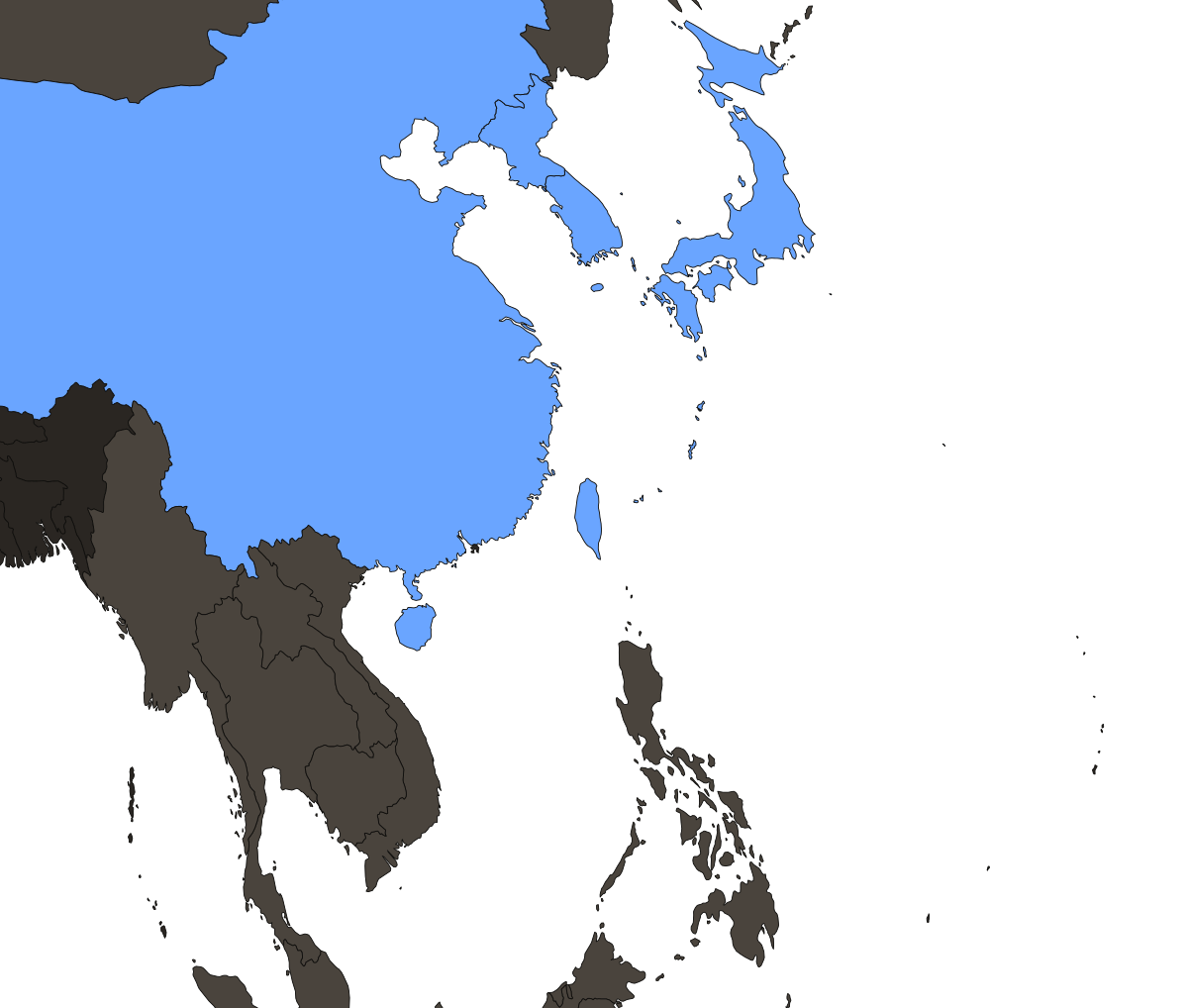
Map of East Asia
East Asia stretches from China's inland mountains to the Pacific. The sea lanes that carry oil from the Gulf and chips from Taiwan run through narrow straits between the mainland, Japan's islands and the Philippines.
 China
Japan
South
Korea North
Korea Taiwan Russia Mongolia Philippines Vietnam South China Sea East China Sea Sea of Japan Yellow Sea Pacific Ocean Beijing Tokyo Seoul Pyongyang 1 2 3 4 5 6 7
- 1Taiwan Strait CSIS estimates that more than $2.4 trillion of trade, about 21% of global maritime trade, passed through it in 2024.
- 2Senkaku/Diaoyu Islands China Coast Guard ships were in the contiguous zone around the islands on 357 of 365 days in 2025. Japan administers them. China and Taiwan claim them.
- 3Kadena Air Base, Okinawa Largest US air base in East Asia. Nearly 30,000 US troops are on Okinawa.
- 4Scarborough Shoal The Philippines says Chinese vessels fired water cannon at its ships here on July 23-24, 2026. China called its actions "control measures."
- 5Second Thomas Shoal The Philippines says Chinese warships and coast guard ships blocked a Philippine resupply mission to the shoal in late September 2026.
- 6Yulin naval base, Hainan China commissioned its third aircraft carrier, the Fujian, here on November 5, 2025.
- 7Kumamoto missile base Japan deployed its first long-range counterstrike missiles here on March 31, 2026.
Why does East Asia matter?
~$29 tn
Combined GDP (2026 projection)
China, Japan, South Korea and Taiwan together produce about 23% of world GDP, according to IMF projections.
~680
Nuclear warheads and growing
SIPRI estimates that China has about 620 warheads and North Korea about 60. Both arsenals are growing. The Pentagon projects that China will have more than 1,000 by 2030.
370+
Ships in China's navy
The Pentagon counts more than 370 Chinese warships and submarines, the largest navy by ship count. The US leads in tonnage.
Who has power in East Asia?
The United States and China are the two dominant powers. The United States has treaty allies in Japan and South Korea and keeps more than 80,000 troops in the region. China has the largest navy by ship count, a fast-growing nuclear arsenal and deep trade ties with every country in East Asia.

United StatesMixed
The United States keeps about 54,000 active-duty troops in Japan and more than 28,500 in South Korea. It approved $11.1 billion in arms sales to Taiwan in December 2025. But the 2026 National Defense Strategy did not name Taiwan, and tariff disputes have strained allied ties.
ChinaGaining
SIPRI estimates that China's military spending rose 7.4% in 2025 to $336 billion, its 31st straight increase. It commissioned its third aircraft carrier in November 2025. China produced 28% of global manufacturing value added in 2024. It ran a record $1.19 trillion goods trade surplus in 2025.
JapanGaining
Prime Minister Sanae Takaichi won a single-party two-thirds majority in the lower house in February 2026 and deployed long-range missiles in March. SIPRI puts Japan's military spending at 1.4% of GDP in 2025, the highest share since 1958. The government plans to finish revising Japan's three main security documents by the end of 2026.
South KoreaMixed
President Lee Jae-myung took office in June 2025 after a martial-law crisis. He visited Beijing in January 2026 to seek a "full-scale restoration" of ties with China. In November 2025 South Korea pledged to buy $25 billion of US arms by 2030. Lee and Takaichi have held two summits in 2026.

RussiaGaining
Russia signed a defense treaty with North Korea in June 2024. It came into force in December 2024. South Korea's intelligence service said about 11,000 North Korean troops were in Russia's Kursk region in February 2026. Russia is suspected of sending North Korea air-defense and electronic warfare equipment in return.
North KoreaGaining
North Korea's ruling party codified the country's permanent nuclear status at its Ninth Party Congress in February 2026. One estimate says supporting Russia's war earned North Korea $7.7 to $14.4 billion through 2025. North Korea has also sought Russian military technology.
What is happening in the South China Sea?
China and the Philippines clashed repeatedly in 2026 over shoals that both countries claim. China claims almost the entire South China Sea. In 2016 an international tribunal ruled against that claim in a case brought by the Philippines. China rejects the ruling.
The Philippines says that on July 20, 2026, China Coast Guard personnel struck a Filipino sailor with a baton at Second Thomas Shoal. It says Chinese vessels fired water cannon at Philippine ships at Scarborough Shoal on July 23-24. China called these "control measures." In late September, Philippine officials said Chinese warships blocked a Philippine resupply mission to Second Thomas Shoal about 60 nautical miles out. A June 2026 report by a Philippine monitoring group said China keeps a constant presence at Scarborough Shoal and installed a new floating structure there in May 2026.
The Philippines chairs ASEAN in 2026 and is pushing for a Code of Conduct with China by year-end. ASEAN leaders at a May 2026 meeting in Cebu pledged only to "endeavour to conclude" it.
What started the China-Japan crisis of 2025?
On November 7, 2025, Prime Minister Takaichi told the Diet that a Chinese blockade of Taiwan could be a "survival-threatening situation" for Japan. That phrase is the legal trigger for Japan to use collective self-defense. China demanded she retract the remark. She refused.
China responded with a travel advisory, mass flight cancellations and a ban on dual-use exports to Japanese military end-users. Chinese visits to Japan fell 55 to 61% year on year in each month from January to August 2026. On December 6, 2025, Japan said Chinese J-15 jets locked fire-control radar onto Japanese F-15s southeast of Okinawa. China rejected Japan's protest. China's consul general in Osaka posted "cut off that dirty neck" before deleting it.
The South China Morning Post reports that China rejected a Takaichi-Xi meeting at the November 2026 APEC summit in Shenzhen and offered Premier Li Qiang instead. At the summit on November 18, Xi and Takaichi only shook hands, and no formal talks took place. Reports say Trump has urged Xi to meet Takaichi and lift the export curbs.
Chinese tourism to Japan, year-on-year change (2026)
- Jan-Aug 2026-55 to -61%
The countries of East Asia
All countries →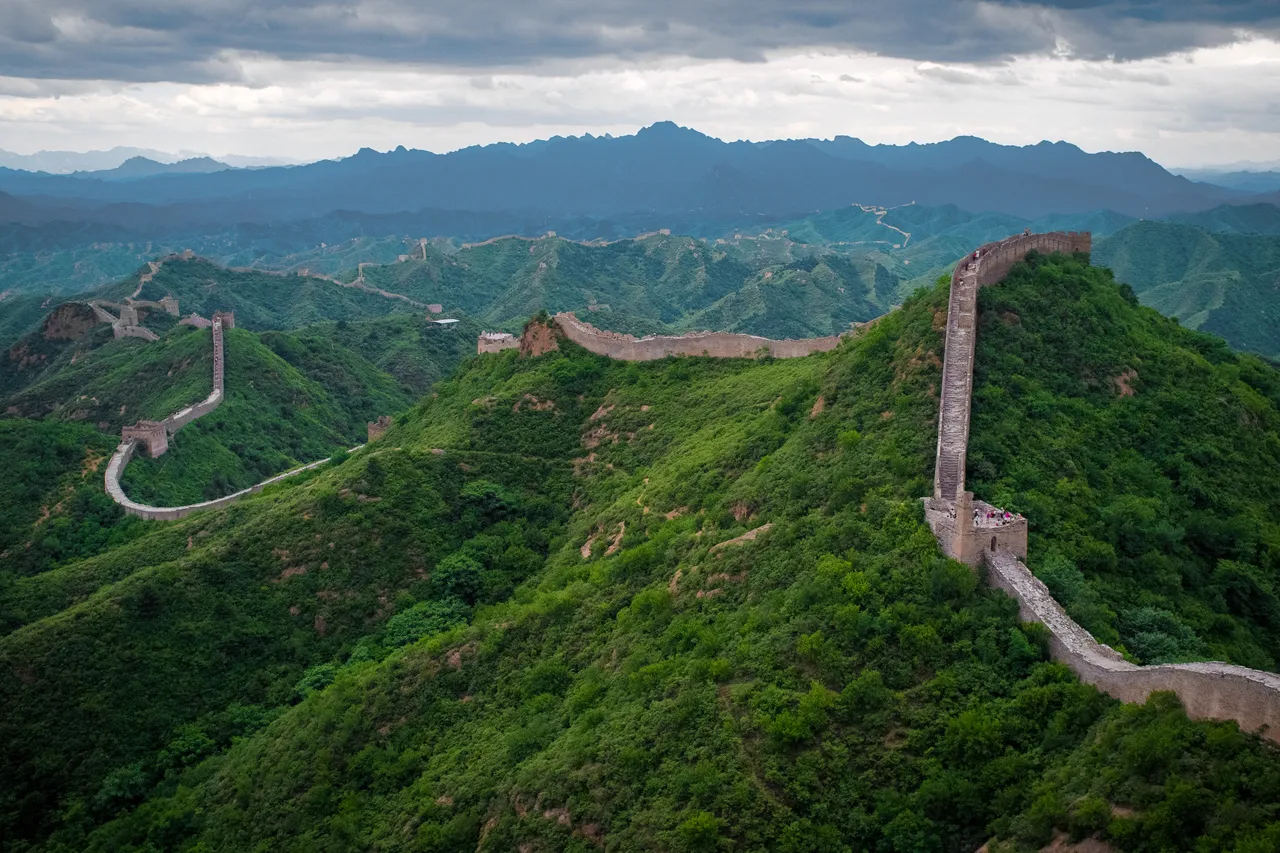 China
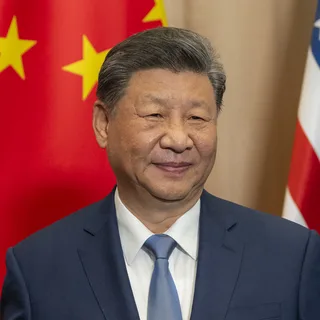 Xi JinpingGeneral Secretary since 20121416Mpeople$19.63tneconomy
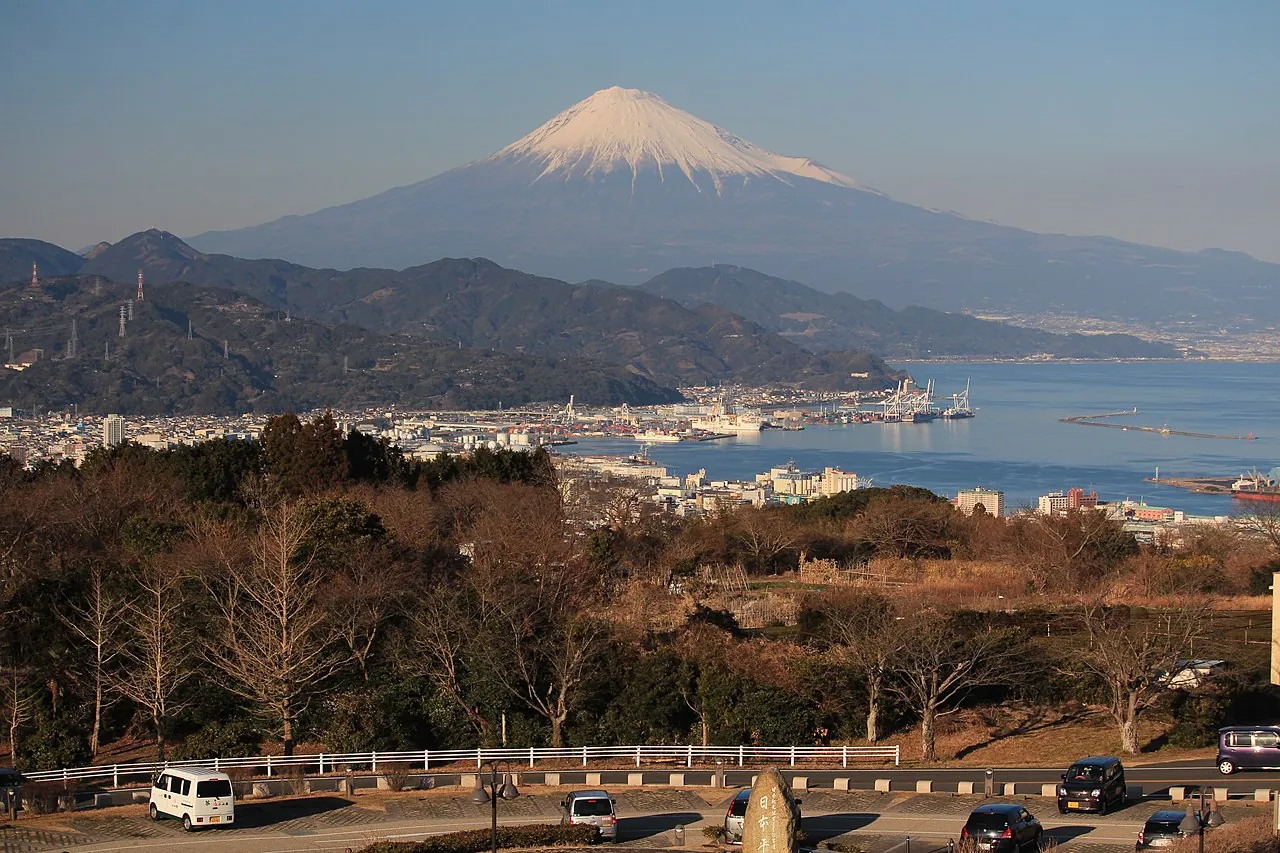 Japan
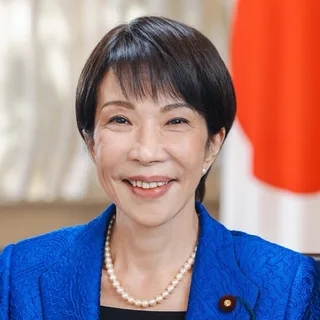 Sanae TakaichiPrime Minister since 2025123Mpeople$4.45tneconomy
 South Korea
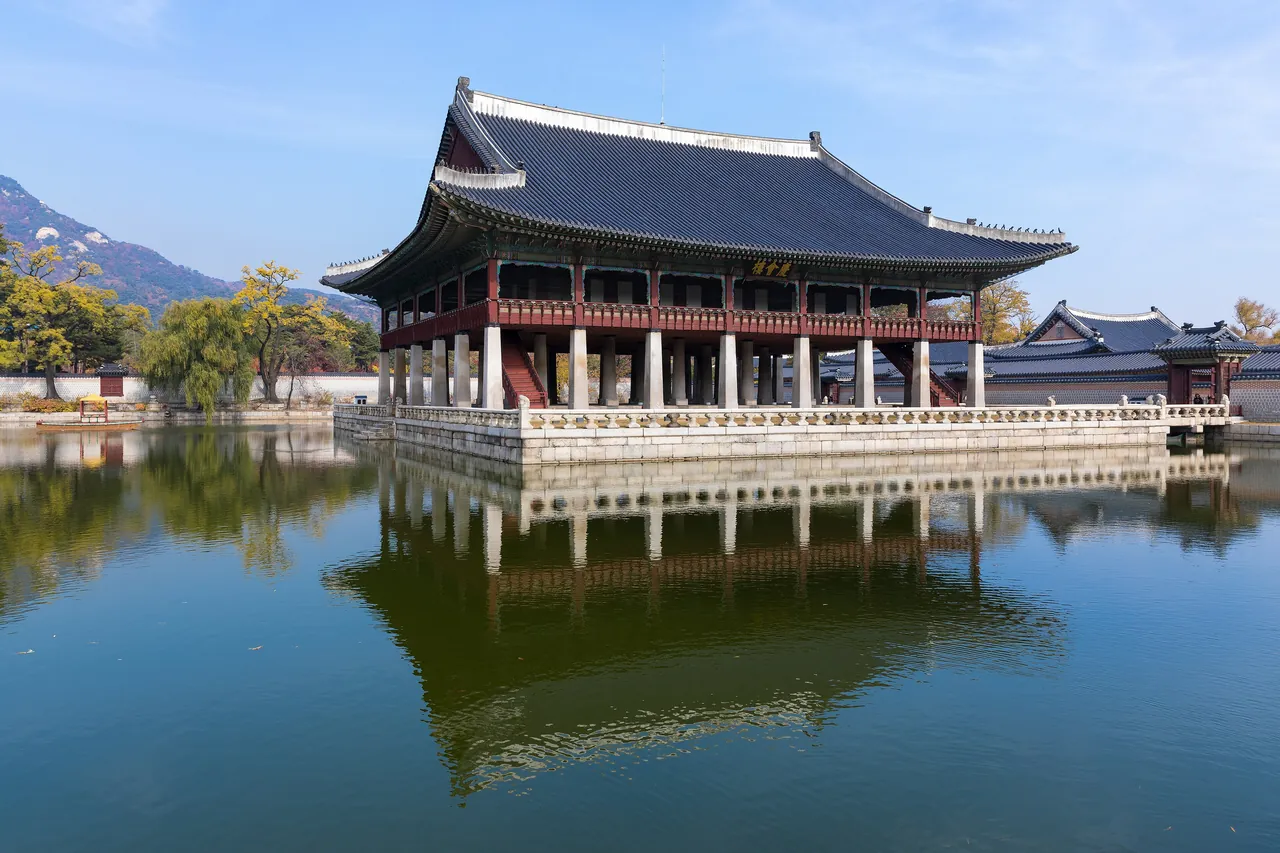
 Lee Jae-myungPresident since 202552Mpeople$1.88tneconomy
 North Korea
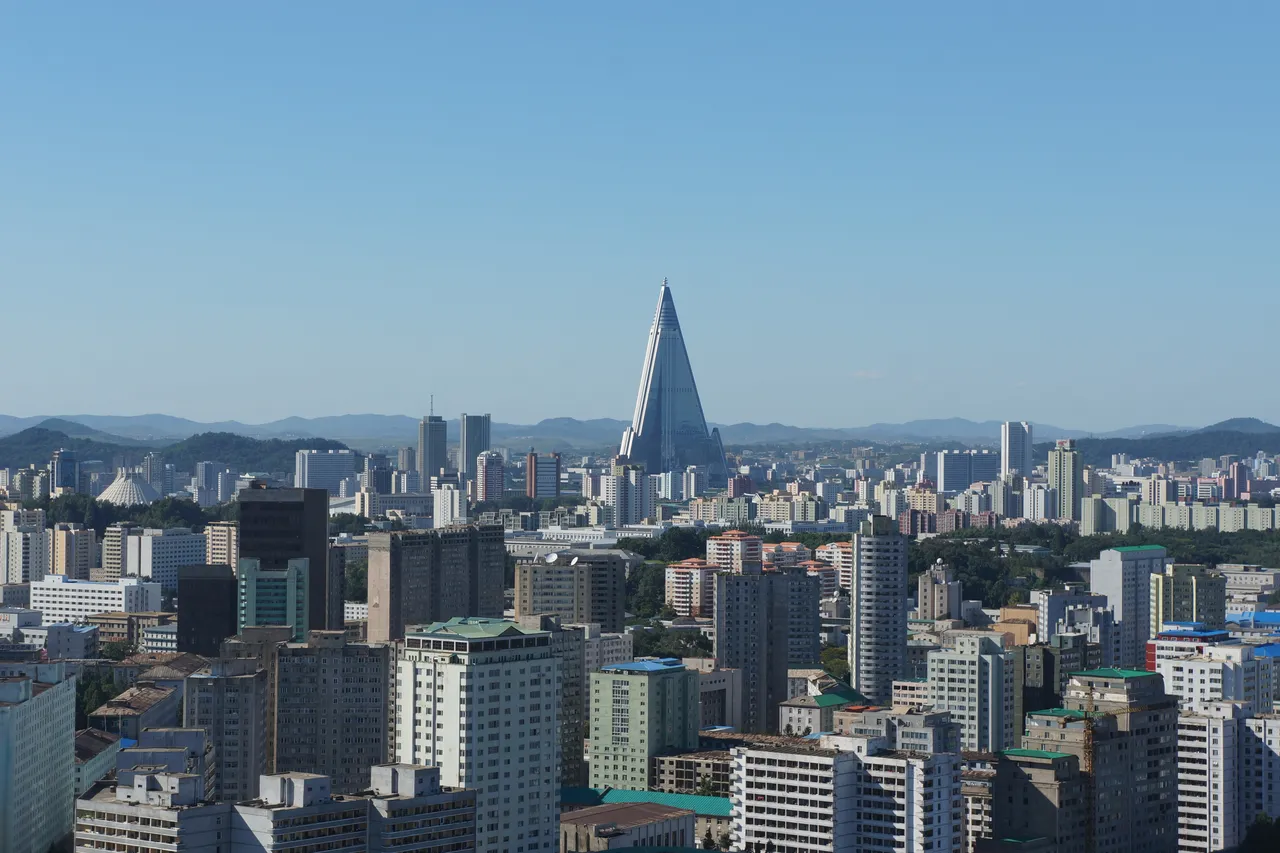
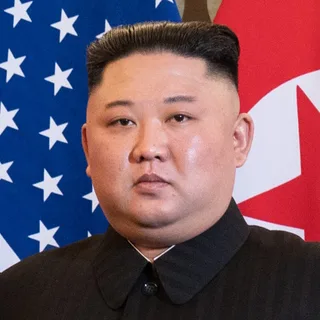 Kim Jong UnLeader since 201127Mpeople
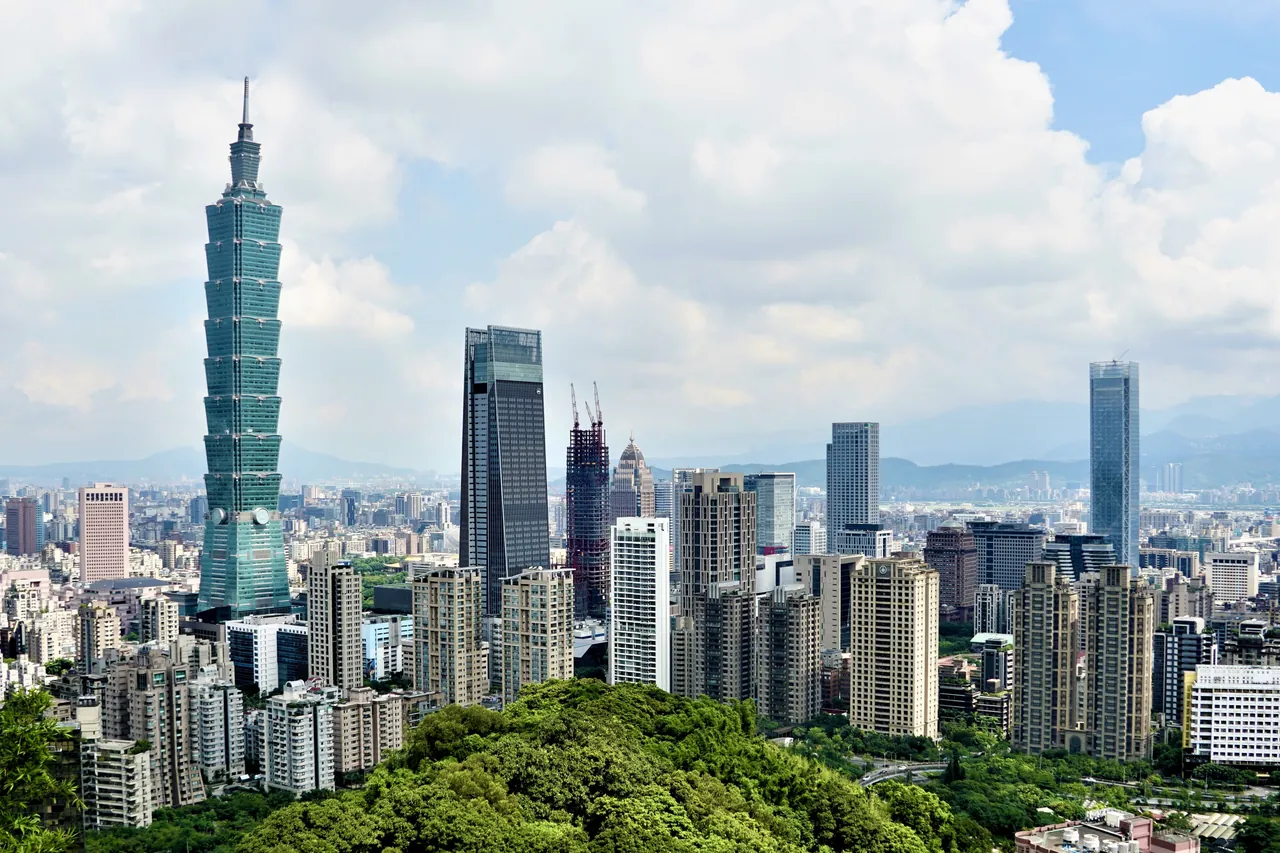 Taiwan
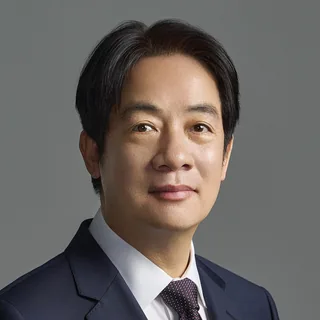 Lai Ching-tePresident since 202423Mpeople$921bneconomy
Who belongs to what?
East Asia's countries are split between rival alliance networks. Japan and South Korea are US treaty allies and OECD members. China belongs to BRICS and the Shanghai Cooperation Organization, which exclude the United States. North Korea has defense treaties with China and Russia.
| Country | G7 | G20 | OECD | RCEP | BRICS | SCO |
|---|---|---|---|---|---|---|
| China | No | Member | Key partner | Member | Member | Member |
| Japan | Member | Member | Member | Member | No | No |
| South Korea | No | Member | Member | Member | No | No |
| North Korea | No | No | No | No | No | No |
| Taiwan | No | No | No | No | No | No |
Wars and disputed land in East Asia
All conflicts → China vs IndiaRivalryHostile
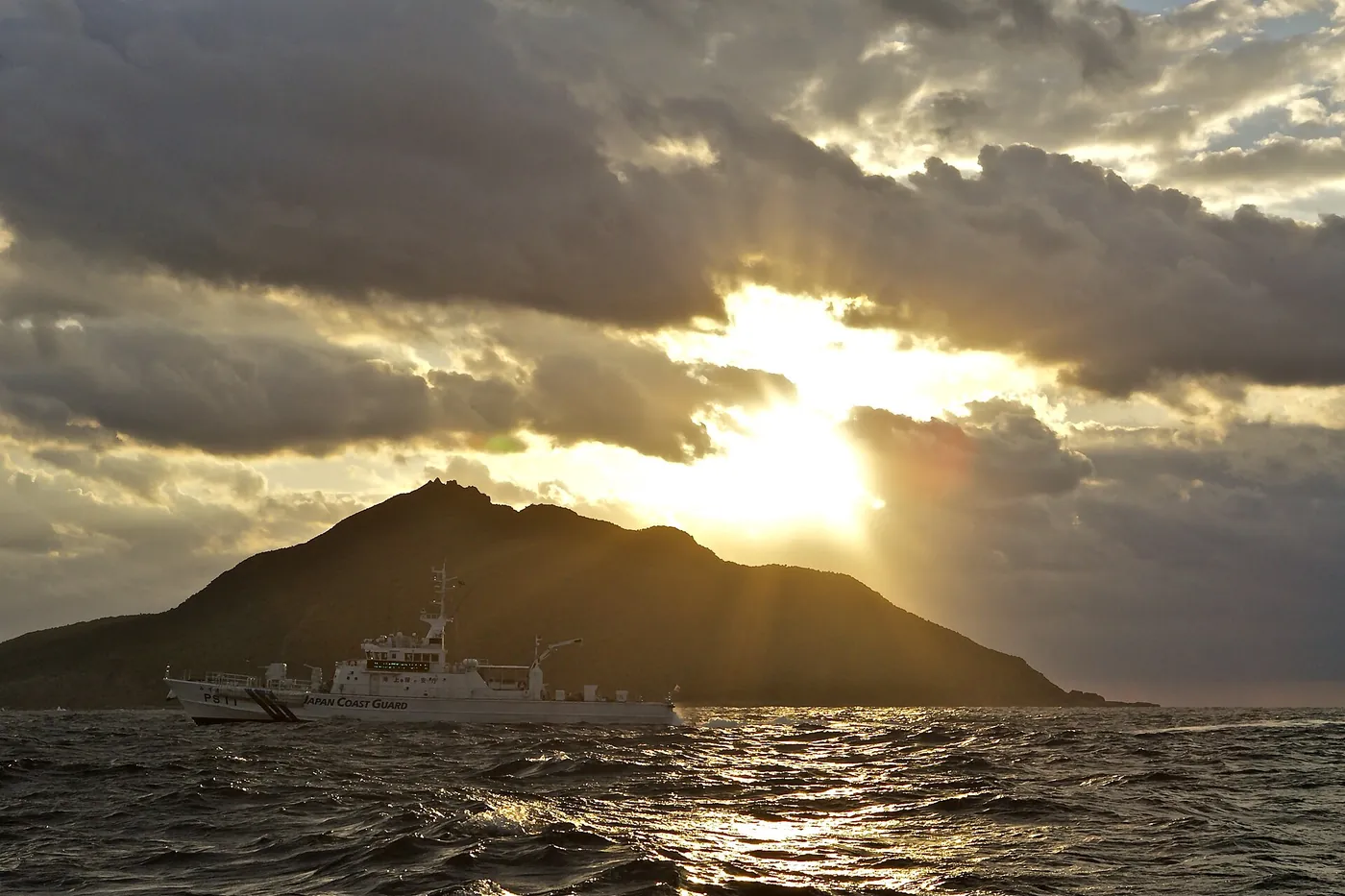 China vs JapanRivalryHostile
 Taiwan StraitFlashpointTense
 Korean PeninsulaFlashpointTense
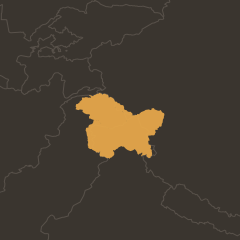 KashmirFour days of strikes in May 2025Tense
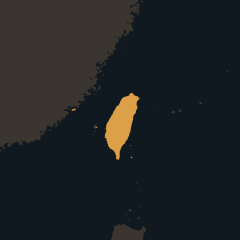 TaiwanChina rehearses blockades around itTense
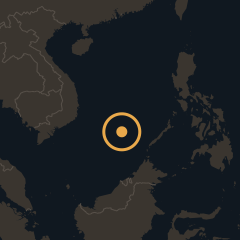 South China SeaA Philippine supply run blocked in SeptemberTense
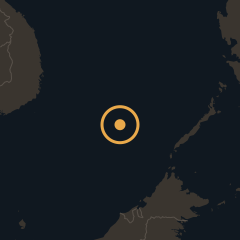 Spratly IslandsChinese ships block Philippine supply runsTense
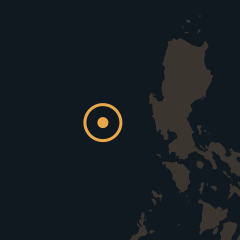 Scarborough ShoalChina's coast guard keeps Philippine boats outTense
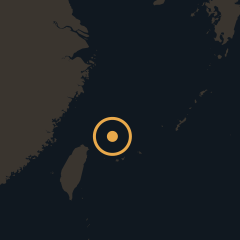 Senkaku IslandsChinese ships nearby 357 days in 2025Tense
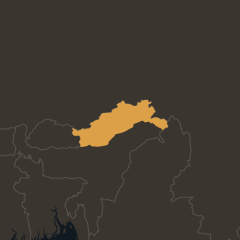 Arunachal PradeshChina issued 23 more place names in 2026Tense
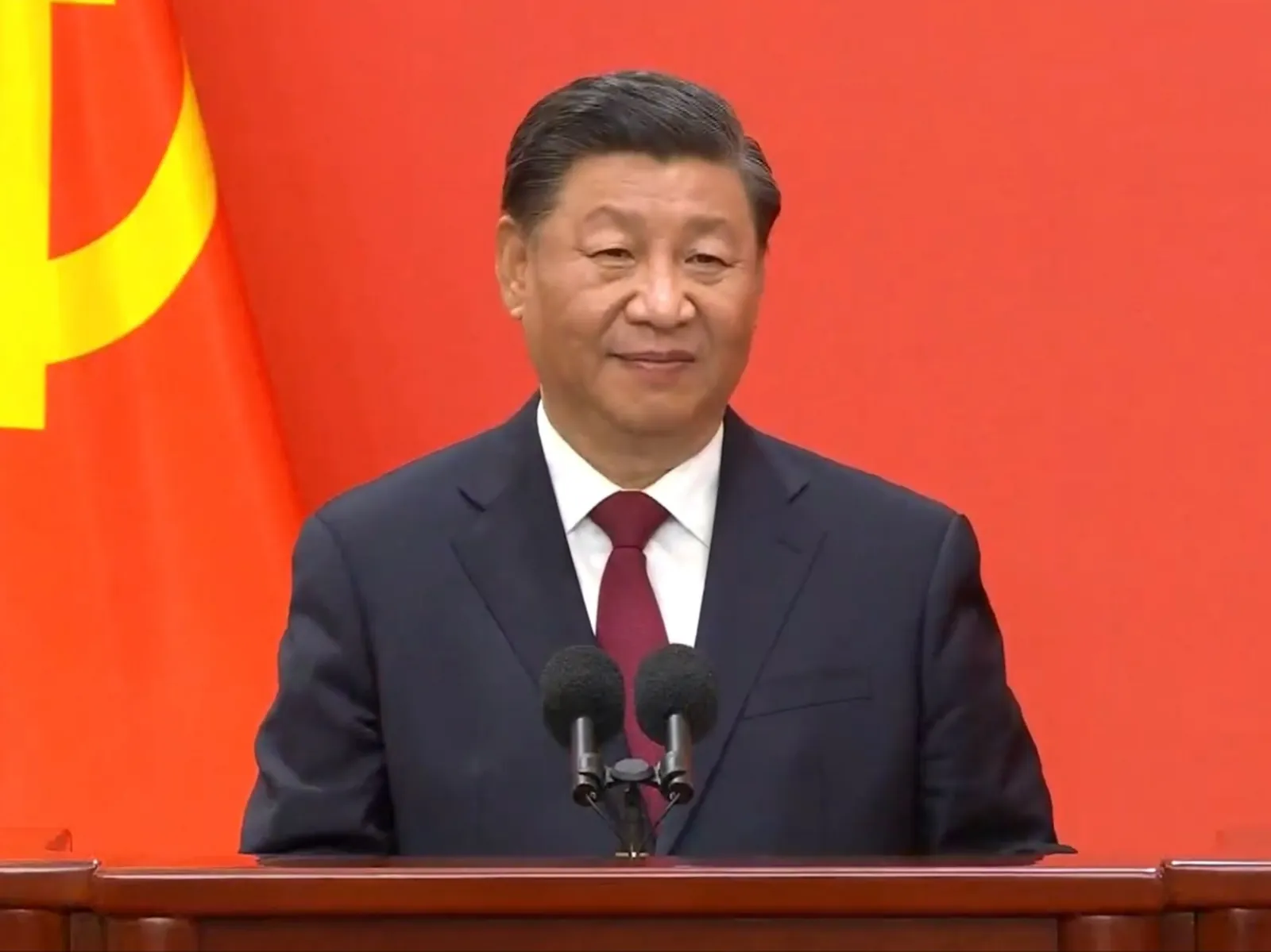 United States vs ChinaRivalryTruce
Will North Korea give up its nuclear weapons?
Almost certainly not. At the Ninth Party Congress in February 2026, Kim Jong Un codified North Korea as a permanent nuclear state and vowed to expand the arsenal "in both size and capability." SIPRI estimates the country has about 60 warheads, with fissile material for at least 30 more.
South Korea counted 16 North Korean ballistic missile launches in 2026 through October 12, against six in all of 2025. They included an intermediate-range "hypersonic" missile. North Korea also tested submarine-launched cruise missiles and a dispersal warhead on a strategic cruise missile. Kim's condition for better ties with the United States is that the United States must respect North Korea's constitutional status as a nuclear state and withdraw its "hostile policy."
Trump has said he wants to meet Kim, but nothing has been scheduled. South Korea's President Lee supports diplomacy but calls a South Korean nuclear bomb "a senseless move." Analysts warn that a summit that shelves denuclearization could undermine deterrence.
~60
North Korean nuclear warheads
SIPRI estimates about 60 warheads as of January 2026, with fissile material for at least 30 more. North Korea publishes no figures.
Is the United States still the main power in East Asia?
Yes, but its commitments are under strain. The United States keeps about 54,000 active-duty troops in Japan and more than 28,500 in South Korea. South Korea pays about $1.19 billion in 2026 under a cost-sharing deal, and the Japan agreement must be renegotiated by March 2027. The United States has asked allies to spend 3.5% of GDP on defense.
The Trump administration approved $11.1 billion in arms sales to Taiwan in December 2025, the largest package ever. But a further $14 billion package was still on hold as of September 2026. Trump called arms sales a "very good negotiating chip." The January 2026 National Defense Strategy ordered a "strong denial defense along the First Island Chain" but did not name Taiwan.
Allied ties are mixed. Japan is speeding up its military buildup. But Quad leaders have not held a summit since September 2024. Tariff disputes have also tested trust with Japan and South Korea.
How did East Asia get here?
- 1949-50PRC founded; Korean War begins
- 1953Korean armistice, with no peace treaty
- 1972Japan and China normalize relations
- 1979US recognizes the PRC; Taiwan Relations Act passed
- 1987South Korea and Taiwan begin democratizing
- 2006North Korea tests its first nuclear weapon
- 2016Tribunal rules against China in South China Sea
- Jun 2024Russia and North Korea sign a defense treaty
- Dec 2024South Korea's president declares martial law
- Nov 2025Takaichi's Taiwan remarks open the China-Japan crisis
What to watch
Nov 28, 2026
Taiwan's local elections
Voters across Taiwan choose 11,051 local officials, including the mayor of Taipei. The results are seen as a test for the parties before the 2028 presidential election.
January 2027
Lee Jae-myung visits Japan
South Korea's president and Takaichi have held four summits since October 2025, most recently in Manila on November 17, 2026. China and Japan have held no leaders' talks since November 2025.
Early 2027
Trade truce and rare-earth pause end
The US-China tariff truce and China's rare-earth export suspension both expire on January 10, 2027. Japan's cost-sharing deal with the US expires at the end of March 2027.
Questions about East Asia
Which countries are in East Asia?
Five: China, Japan, South Korea, North Korea and Taiwan. The UN's statistical group adds Mongolia and lists Hong Kong and Macao separately. It does not list Taiwan separately. The World Bank uses a broader "East Asia and Pacific" group that adds Southeast Asia and the Pacific islands.
Is Taiwan a country?
Taiwan's status is disputed. Taiwan has its own government, military, currency and passport. The People's Republic of China claims Taiwan as part of its territory. Taiwan's government says the Republic of China is already sovereign. The United States has a one-China policy and does not formally recognize Taiwan as a state, but it sells Taiwan weapons under the Taiwan Relations Act. Twelve countries formally recognize the Republic of China (Taiwan).
Are North and South Korea still at war?
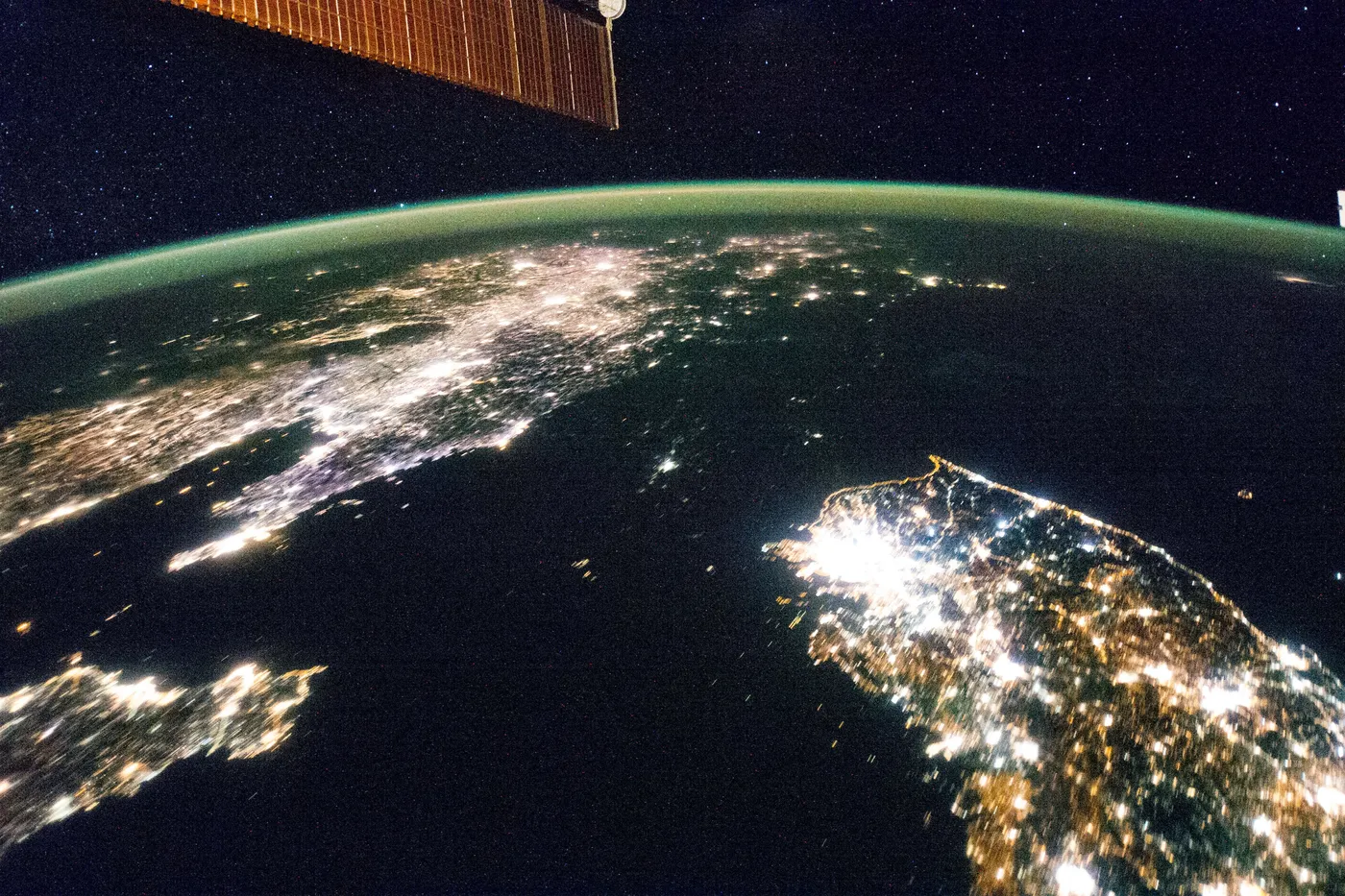
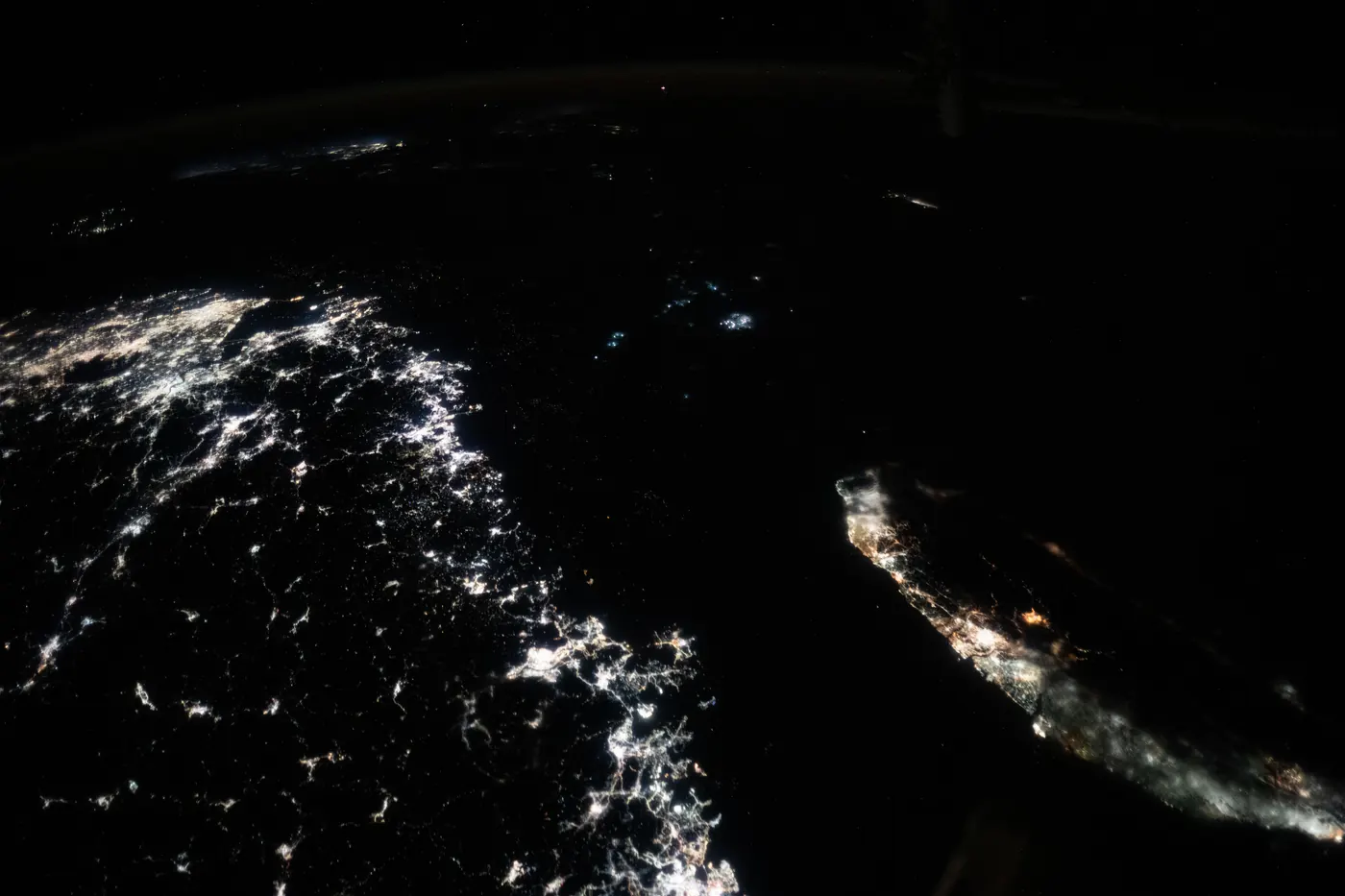
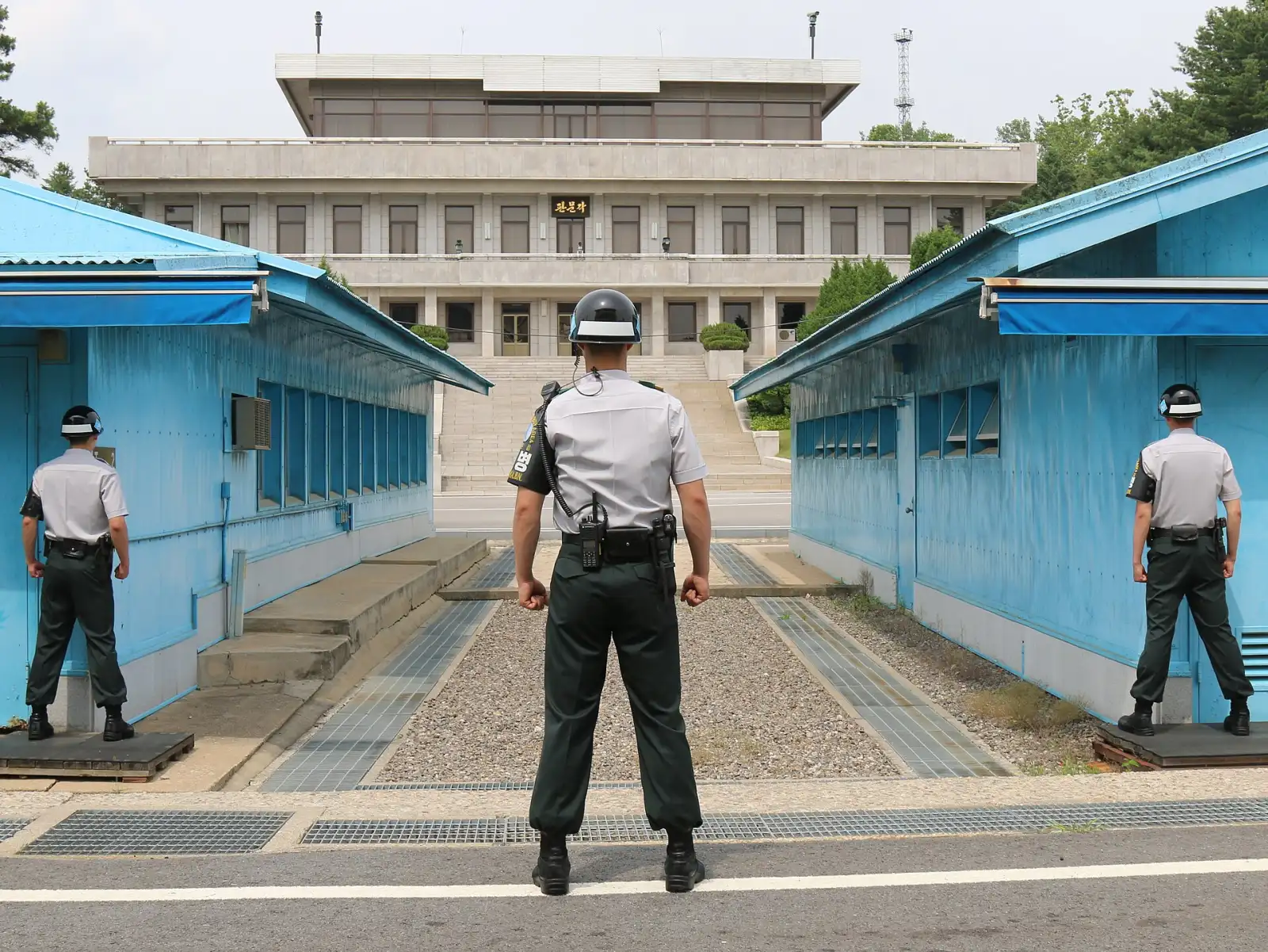
Technically, yes. The Korean War of 1950 to 1953 ended with an armistice. No peace treaty has been signed. The armistice line became the Demilitarized Zone, which divides the peninsula. More than 28,500 US troops remain in South Korea. In September 2026 a landmine blast in the DMZ injured two South Korean soldiers.
Why are China and Japan rivals?
China and Japan are the region's two largest economies and have unresolved disputes over the Senkaku Islands (called Diaoyu by China), wartime history and Taiwan. The current crisis began in November 2025 when Japan's prime minister said a Chinese blockade of Taiwan could trigger Japan's right to collective self-defense. China responded with export bans, a travel advisory and flight cancellations.
How many US troops are in East Asia?
About 54,000 active-duty US troops are in Japan and more than 28,500 in South Korea. Including families and civilian staff, the total US military population in Japan alone is about 80,000. Nearly 30,000 service members are on Okinawa, which holds about 70% of facilities used only by US forces in Japan.
Does North Korea have nuclear weapons?
Yes. North Korea tested its first nuclear weapon in 2006 and has conducted six tests in all. SIPRI estimates it has about 60 warheads as of January 2026, with fissile material for at least 30 more. In February 2026 the ruling party codified North Korea as a permanent nuclear state.