
Region · Where Asia, Africa and Europe meet
The Middle East
Iran war, Gaza ceasefire, Hormuz contestedUpdated November 16, 2026
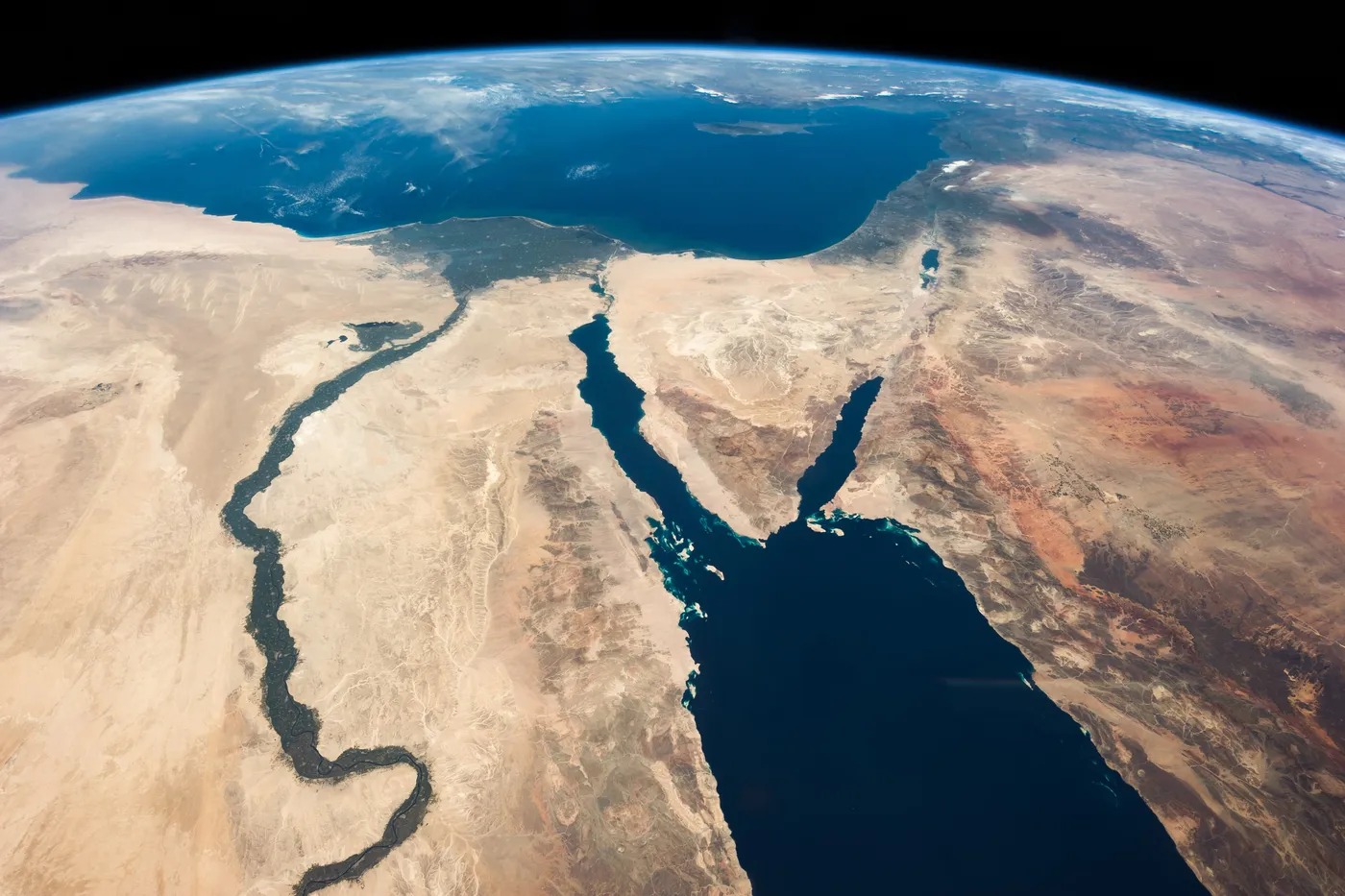
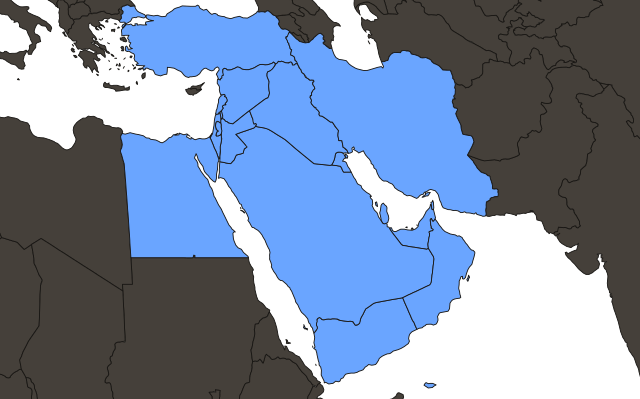
The Middle East covers 16 countries from Egypt and Turkey to Iran and Yemen, including Israel and the Palestinian territories. On February 28, 2026, the United States and Israel struck Iran, killing Supreme Leader Ali Khamenei. Iran declared the Strait of Hormuz closed. A US blockade of Iranian ports is in force. Oil prices are more than 40% above pre-war levels. A Gaza ceasefire is in place, but Israel holds much of the strip.
- Countries
- 16
- Bahrain, Egypt and Iran and 13 more
- People
- 506.6 million
- UN, 2025
- Economy
- $5.76tn
- IMF, 2025, without Syria
- World oil reserves
- ~55%
- of proven global reserves are in the Middle East
- Military spending
- $218bn
- in 2025, the highest burden of any region (3.8% of GDP)
Map of the Middle East
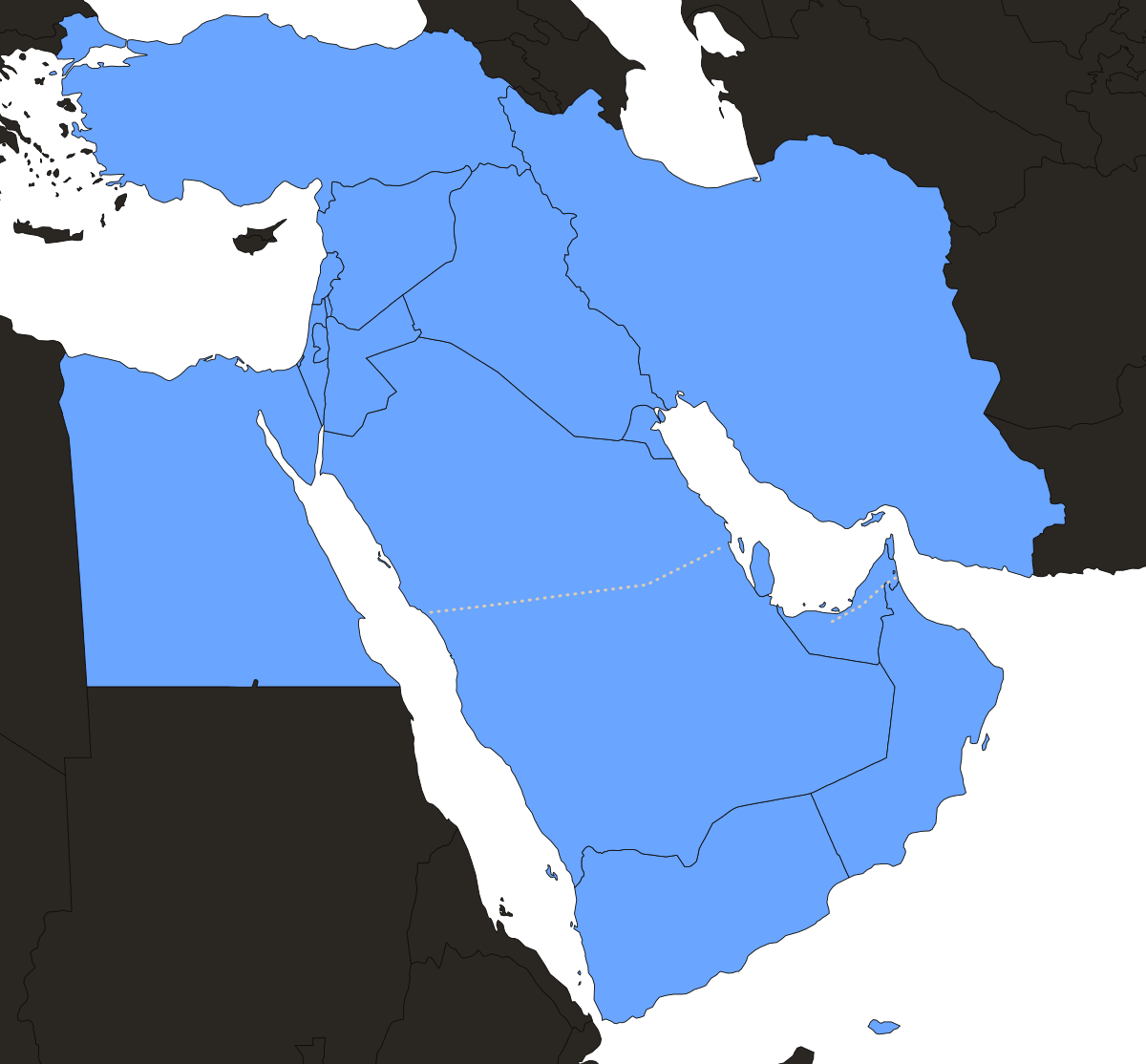
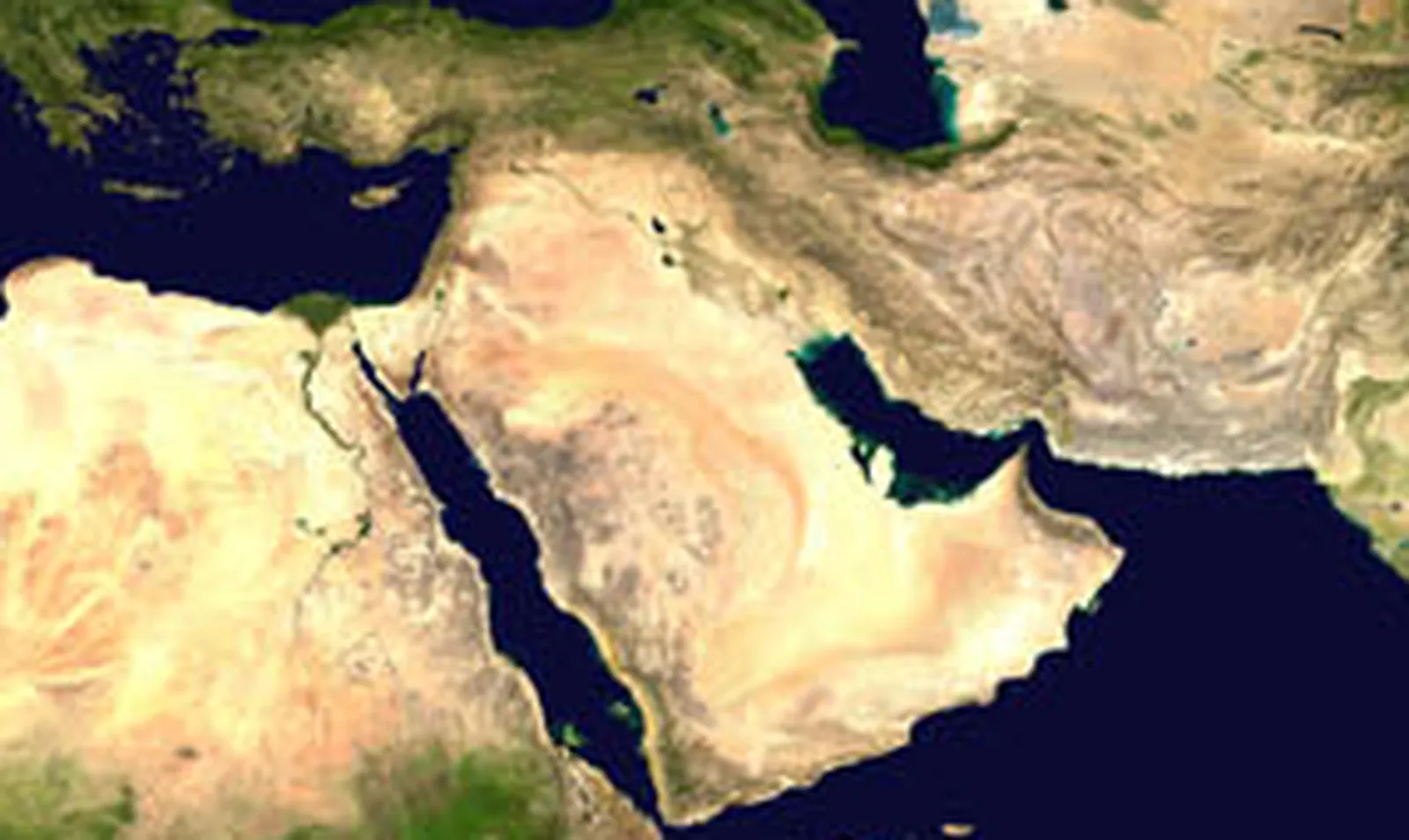
The Middle East sits where Asia, Africa and Europe meet. Its key chokepoints for oil and trade include the Strait of Hormuz, Bab el-Mandeb, the Suez Canal and the Turkish Straits.
 Turkey
Syria
Iraq
Iran
Saudi Arabia
Egypt
Yemen
Oman
Jordan
Israel
Lebanon
Kuwait
UAE
Mediterranean Sea
Caspian Sea
Red Sea
Persian Gulf
Arabian Sea
1
2
3
4
5
6
- 1Strait of Hormuz About 20% of world oil passed through here in 2024. Iran declared it closed in March 2026.
- 2Kharg Island Iran's main crude export terminal, under a US naval blockade from April to June 2026 and again since July 2026.
- 3Al Udeid Air Base CENTCOM forward headquarters in Qatar. Targeted by Iranian missiles on February 28, 2026.
- 4Gaza Ceasefire since October 2025. Israel held about 65% of the strip in June 2026, according to the UN agency OCHA.
- 5Bab el-Mandeb The Houthis imposed an embargo on Saudi-linked shipping in July 2026.
- 6Suez Canal Egypt's canal earned $10.2bn in 2023 but traffic is about half of pre-crisis levels.
Why does the Middle East matter?
~55%
Of world proven oil reserves
The region holds about 55% of proven global oil reserves and produced 31% of world oil in 2024.
20%
Of world oil through one strait
About 20% of global petroleum consumption and over 20% of LNG passed through the Strait of Hormuz in 2024.
$218bn
Military spending in 2025
The Middle East spends 3.8% of GDP on its militaries, the highest burden of any region in the world.
Who has power in the Middle East?
The United States is the dominant military force, with about 40,000 troops across the region before the Iran war and over 50,000 by late March 2026. Saudi Arabia is the biggest military spender and the largest Arab economy. Turkey has the region's largest economy. Iran can still disrupt oil flows through the Strait of Hormuz.

United StatesMixed
Over 50,000 troops by late March 2026 and a naval blockade of Iranian ports. But 23 service members have been killed. In a 2026 Ipsos poll across 31 countries, an average of 81% of people opposed involvement in the war.

Saudi ArabiaMixed
The largest military budget in the region at $83.2bn in 2025. Its East-West pipeline pumped 5.8 mb/d in October 2026 to bypass Hormuz. It signed a defense pact with Pakistan in September 2025. But Houthi strikes on southern Saudi Arabia wounded 73 people on September 8, 2026, according to the Saudi-led coalition.

IranLosing ground
Supreme Leader Ali Khamenei was killed on February 28, 2026. His son Mojtaba Khamenei succeeded him on March 8. Official military spending was $7.4bn in 2025, according to SIPRI. The IMF projects a 7.6% GDP fall in 2026. Iran still holds leverage over Hormuz.

IsraelMixed
Military spending reached $48.3bn in 2025, or 7.8% of GDP. Israel occupies parts of southern Lebanon, Gaza and southern Syria. But no bloc won a majority in the October 27, 2026 election, and Prime Minister Benjamin Netanyahu leads a caretaker government.

TurkeyGaining
Turkey is the patron of Syria's new government and a Gaza mediator. Its parliament passed a PKK disarmament law on August 10, 2026. Military spending was $30.0bn in 2025.

RussiaLosing ground
Russia lost its main ally when Assad fell in December 2024. An August 2026 memorandum turns its Syrian bases into joint training centers. Russia's deputy foreign minister expects a final deal before the end of 2026.
What is happening with Iran and the Strait of Hormuz?
The United States and Israel struck Iran on February 28, 2026, killing Supreme Leader Ali Khamenei. Iran declared the Strait of Hormuz closed. Iran now says the strait is closed to ships that do not coordinate with Iran. The US says the southern route is open. Oil flows through Hormuz fell from 20.9 million barrels per day in the first quarter of 2025 to 4.9 million in the second quarter of 2026, according to the EIA.
The US began a blockade of Iranian ports on April 13. A ceasefire in April and a memorandum agreed in June both collapsed. The US reinstated the blockade after Iran attacked three ships on July 8. By October 16 the blockade had stopped about $25 billion of Iranian crude exports, according to CENTCOM.
Qatar, Pakistan and Saudi Arabia are mediating, but Iran rejected a Qatari peace plan on October 28. On November 12 Trump said the United States did not need a deal with Iran. Oman and Iran are discussing a joint mechanism to control Hormuz traffic. On November 12, President Trump said: "We don't need a deal with Iran."
Oil through Hormuz (EIA, million barrels per day)
Why does the Middle East have so much oil?
The Middle East sits on the remains of the ancient Tethys Ocean. Ocean sediments rich in organic matter were buried and sealed under thick layers of salt and rock. These layers were later folded into giant traps along the Zagros Mountains and the Arabian platform. The result is the world's largest concentration of conventional oil fields. Ghawar in Saudi Arabia is the world's largest oil field.
The region held about 55% of the world's proven oil reserves at the end of 2025, according to OPEC. Saudi Arabia alone has 267.2 billion barrels and Iran has 208.6 billion. In 2024 the Middle East produced 31% of world oil and 18% of world gas. Iran holds about 17% of global gas reserves and Qatar holds 11-13%, making them the second and third largest in the world.
The countries of the Middle East
All countries → BahrainKing Hamad bin Isa Al Khalifa1.6Mpeople$49bneconomy
 EgyptPresident Abdel Fattah el-Sisi118Mpeople$365bneconomy
- IranSupreme Leader Mojtaba Khamenei92Mpeople$371bneconomy
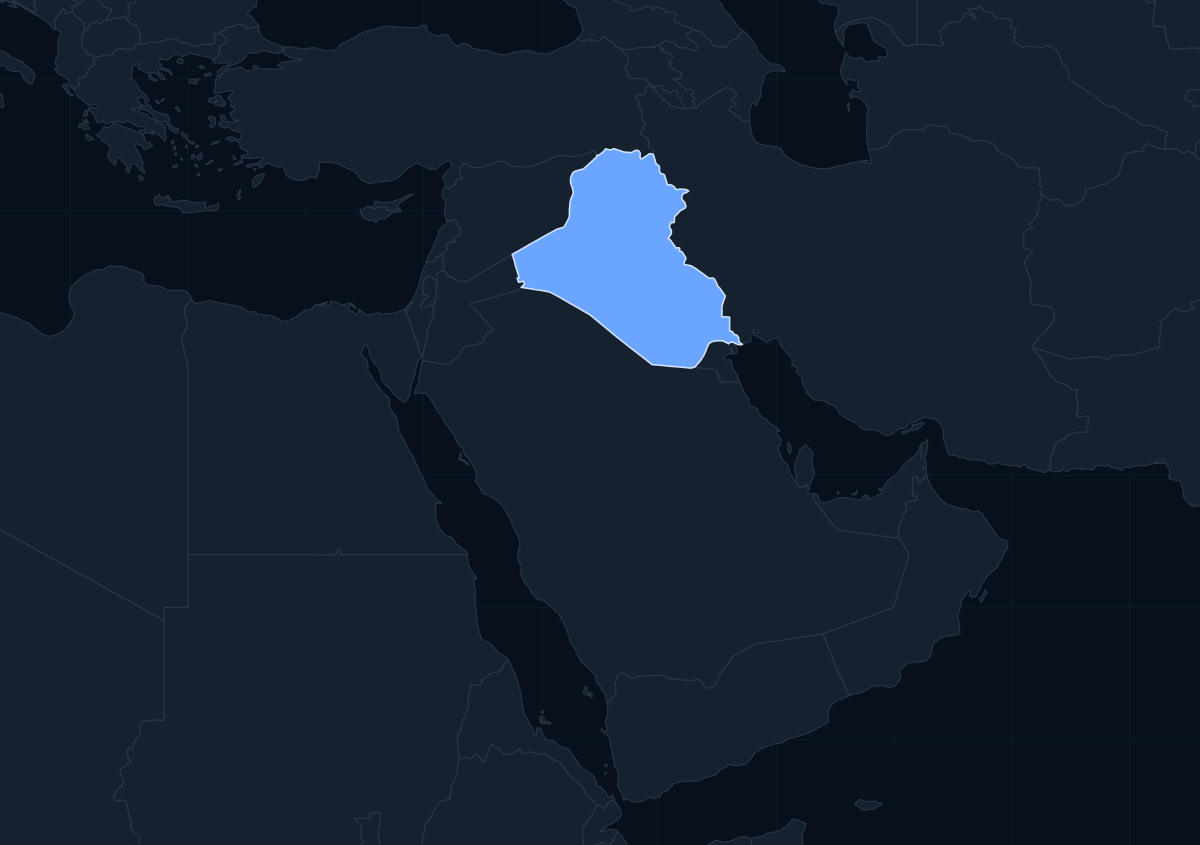
 IraqPrime Minister Ali al-Zaidi47Mpeople$264bneconomy
- IsraelPrime Minister Benjamin Netanyahu9.5Mpeople$617bneconomy
 JordanKing Abdullah II12Mpeople$62bneconomy
 KuwaitEmir Mishal al-Ahmad al-Jaber al-Sabah5.0Mpeople$157bneconomy
 LebanonPresident Joseph Aoun5.8Mpeople$34bneconomy
 OmanSultan Haitham bin Tariq5.5Mpeople$109bneconomy
 Palestine5.6Mpeople$17bneconomy
 QatarEmir Tamim bin Hamad Al Thani3.1Mpeople$216bneconomy
- Saudi ArabiaCrown Prince Mohammed bin Salman35Mpeople$1.27tneconomy
 SyriaPresident Ahmed al-Sharaa26Mpeople
- TurkeyPresident Recep Tayyip Erdoğan88Mpeople$1.60tneconomy
 United Arab EmiratesPresident Mohamed bin Zayed11Mpeople$614bneconomy
 YemenChairman of the Presidential Leadership Council Rashad al-Alimi42Mpeople$8bneconomy
Who belongs to what?
Most of the region's countries belong to the Arab League, but Turkey, Israel and Iran do not. The Gulf states cluster in the GCC. Turkey is the only NATO member in the region.
| Country | Arab League | GCC | OPEC+ | BRICS | NATO | Abraham Accords |
|---|---|---|---|---|---|---|
| Bahrain | Member | Member | Member | No | No | Member |
| Egypt | Member | No | No | Member | No | No |
| Iran | No | No | Member | Member | No | No |
| Iraq | Member | No | Member | No | No | No |
| Israel | No | No | No | No | No | Member |
| Jordan | Member | No | No | No | No | No |
| Kuwait | Member | Member | Member | No | No | No |
| Lebanon | Member | No | No | No | No | No |
| Oman | Member | Member | Member | No | No | No |
| Palestine | Member | No | No | No | No | No |
| Qatar | Member | Member | No | No | No | No |
| Saudi Arabia | Member | Member | Member | Invited | No | No |
| Syria | Member | No | No | No | No | No |
| Turkey | No | No | No | Applied | Member | No |
| United Arab Emirates | Member | Member | No | Member | No | Member |
| Yemen | Member | Some bodies | No | No | No | No |
Wars and disputed land in the Middle East
All conflicts →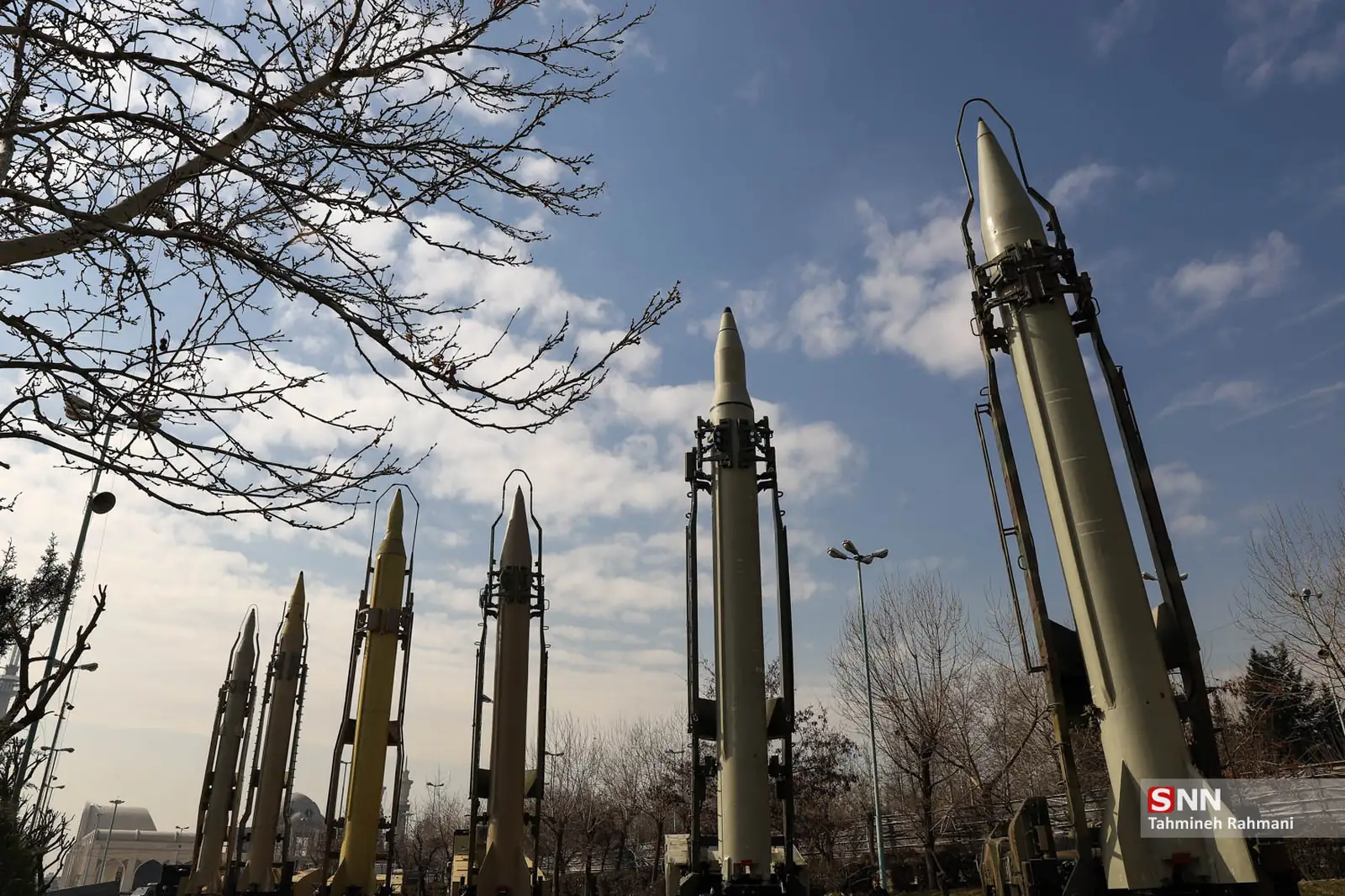 Iran warWarFighting
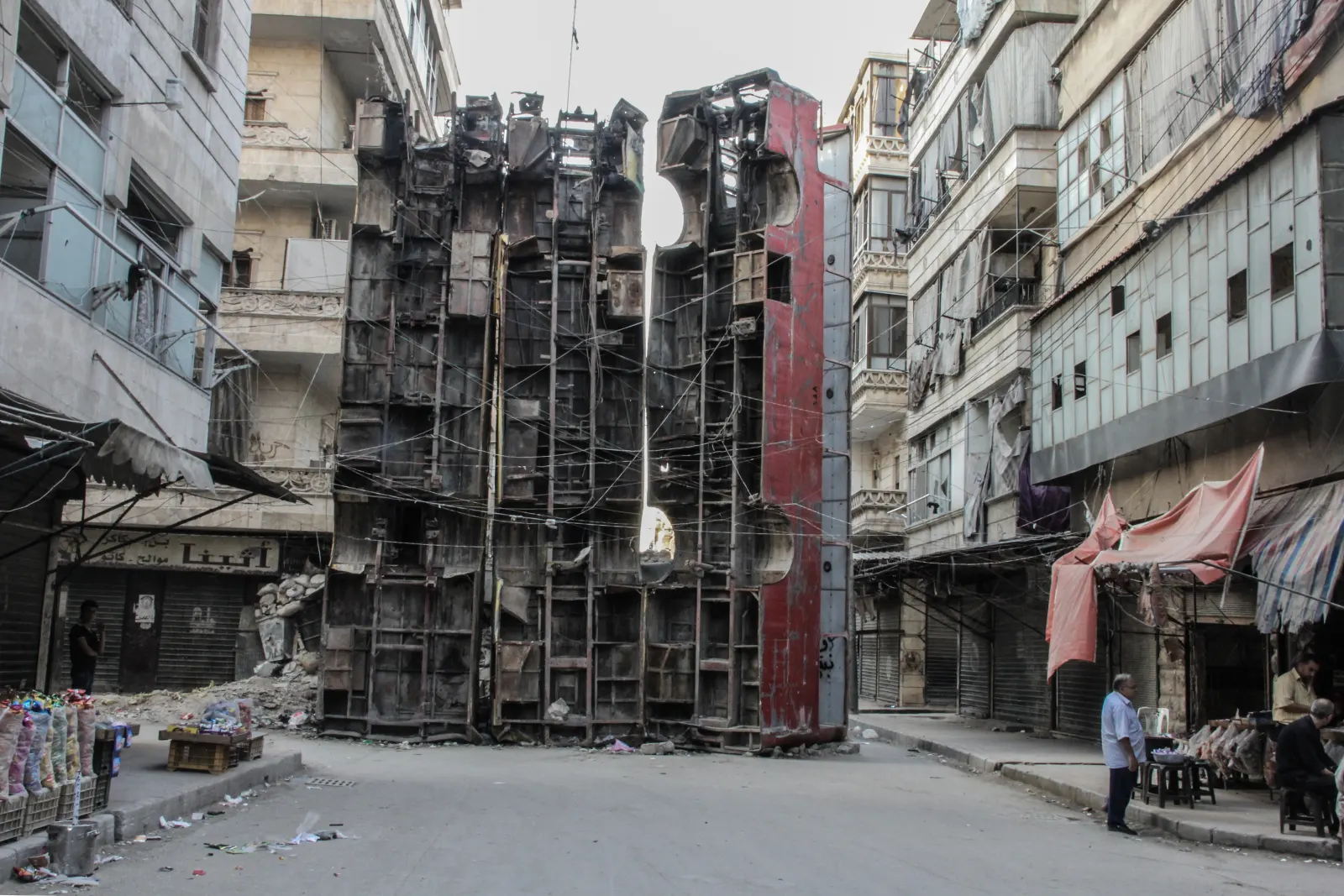 SyriaCivil warFighting
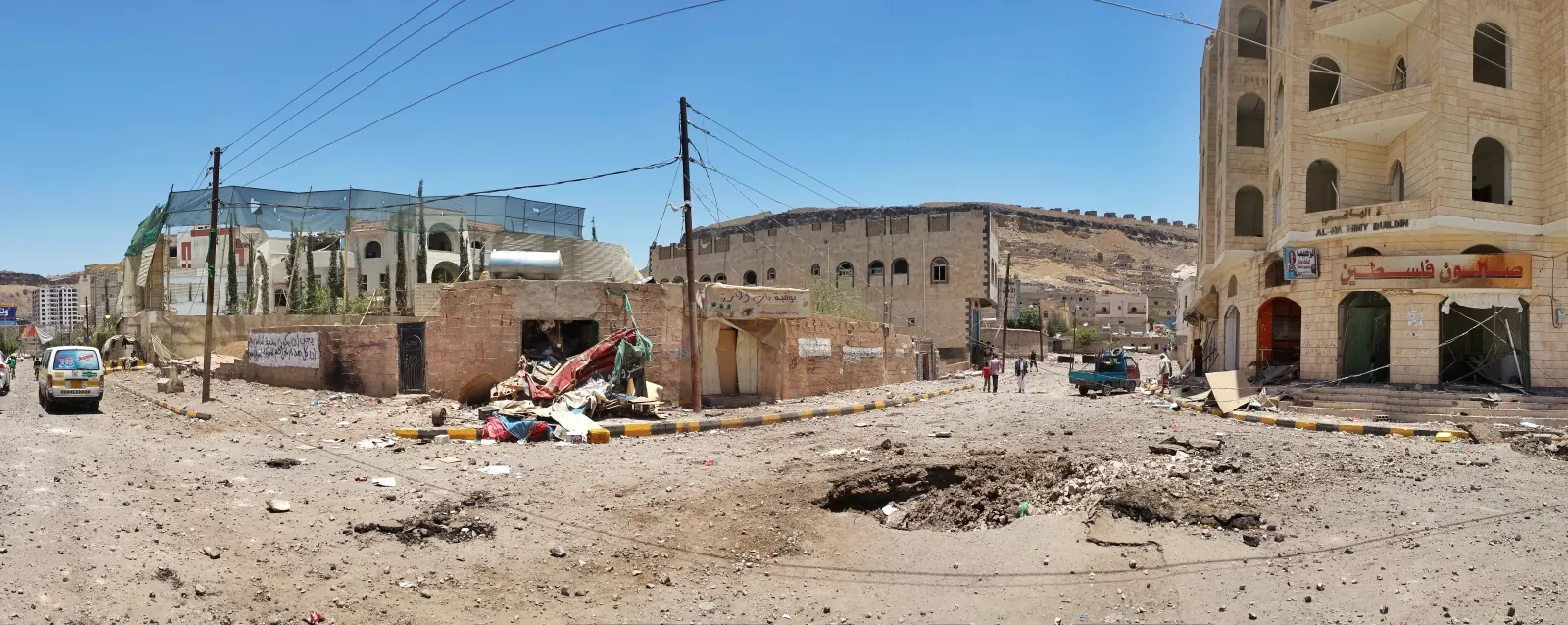 YemenWarFighting
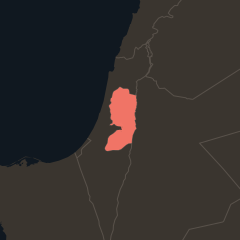 West BankIsraeli raids, militant and settler attacksFighting
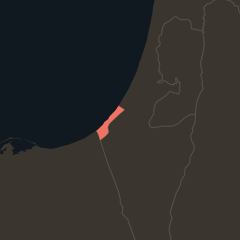 Gaza StripIsraeli strikes despite the October 2025 ceasefireFighting
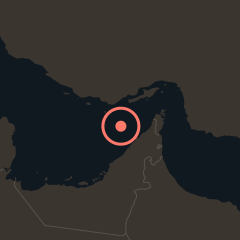 Abu Musa and the TunbsUS strikes hit the islands in July 2026Fighting
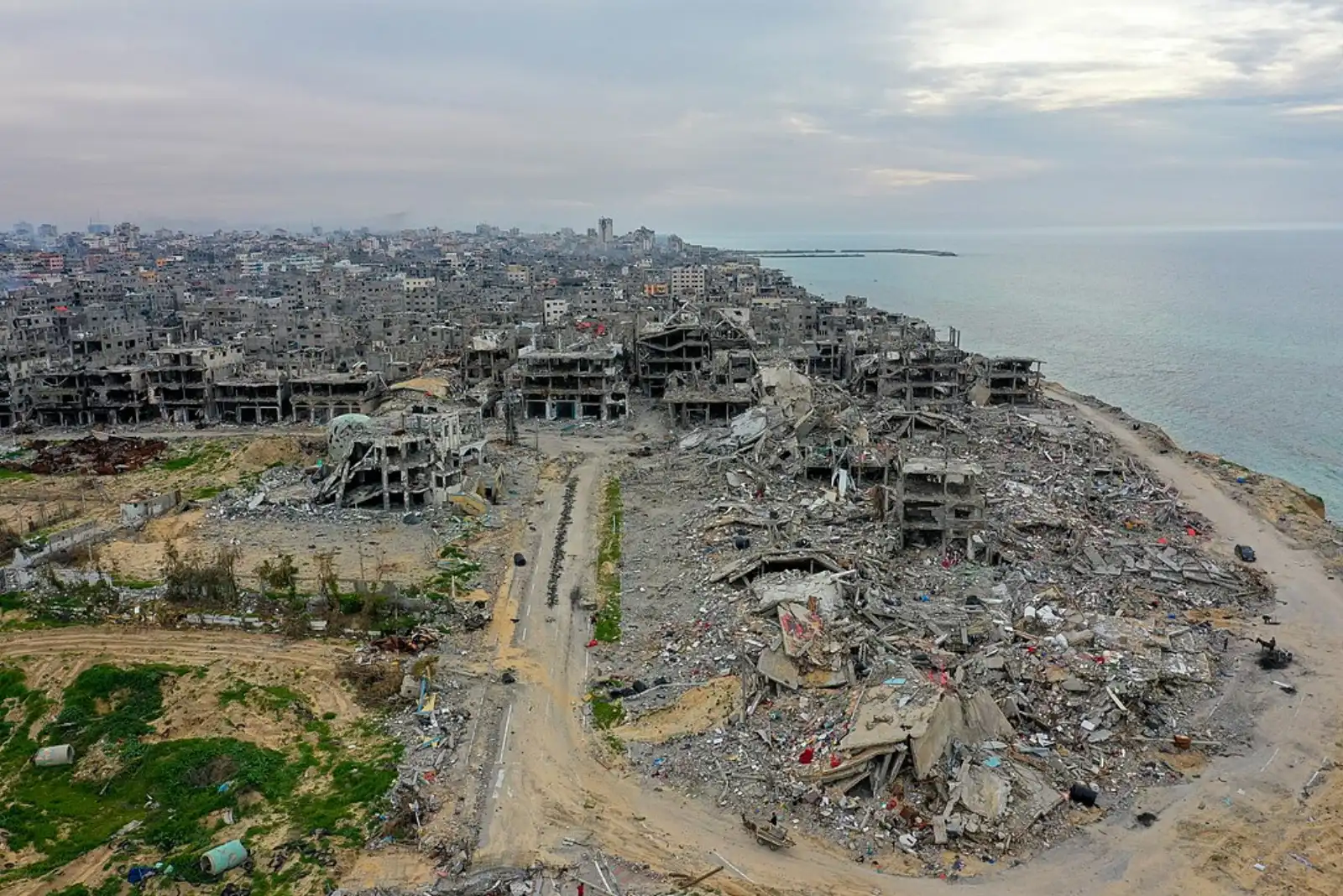 GazaWarCeasefire
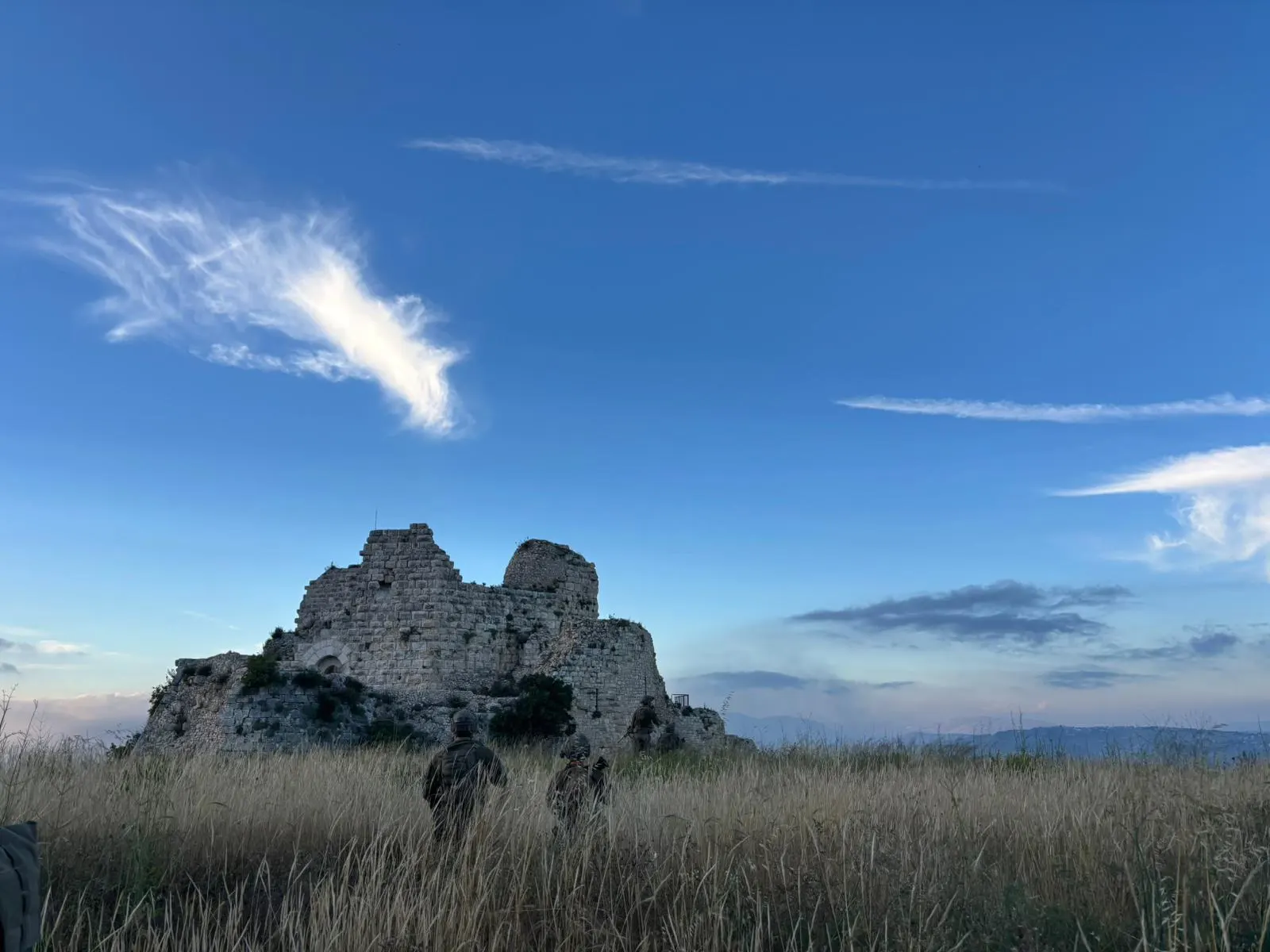 Israel-LebanonWarCeasefire
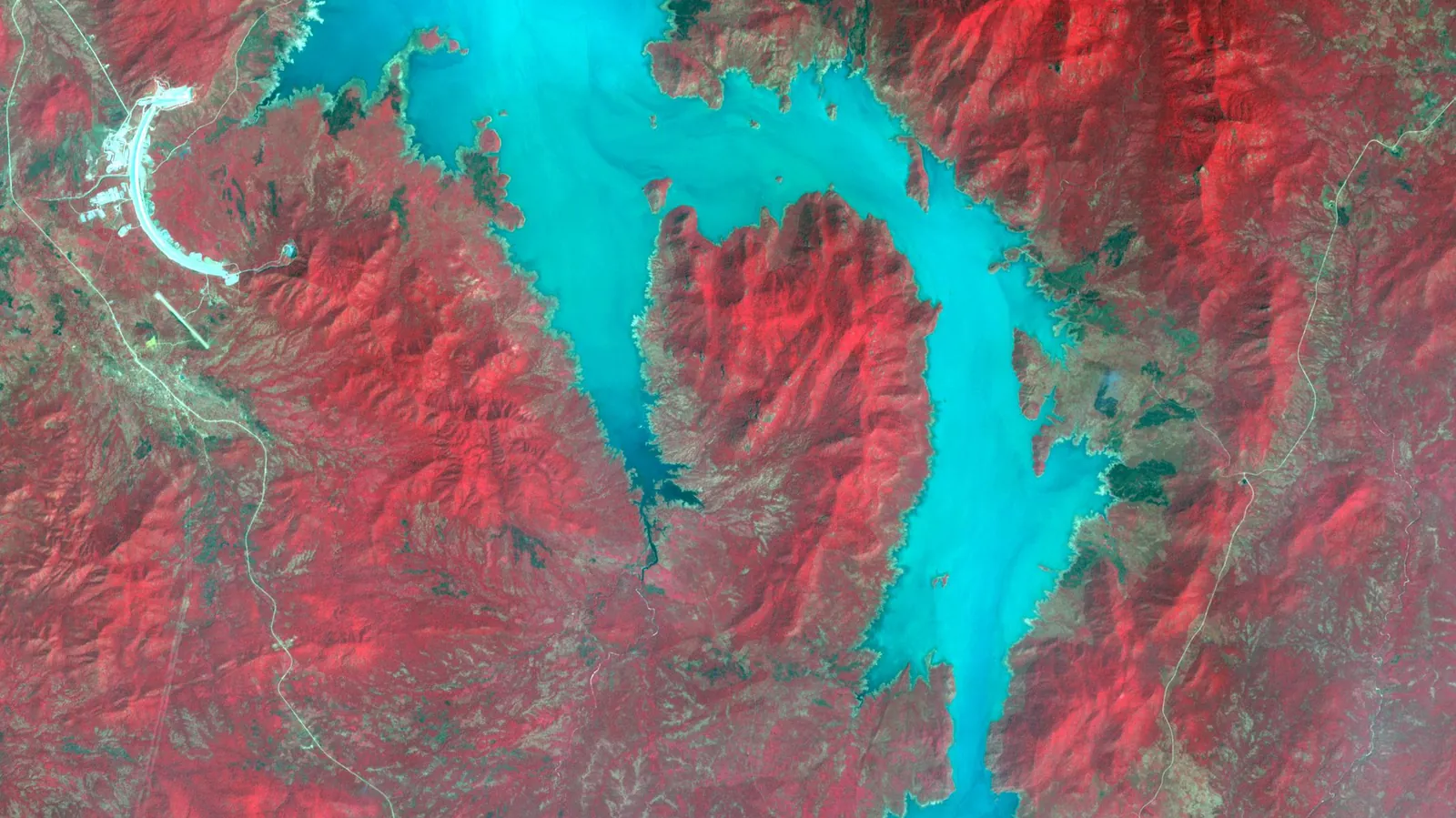 The Nile damFlashpointTense
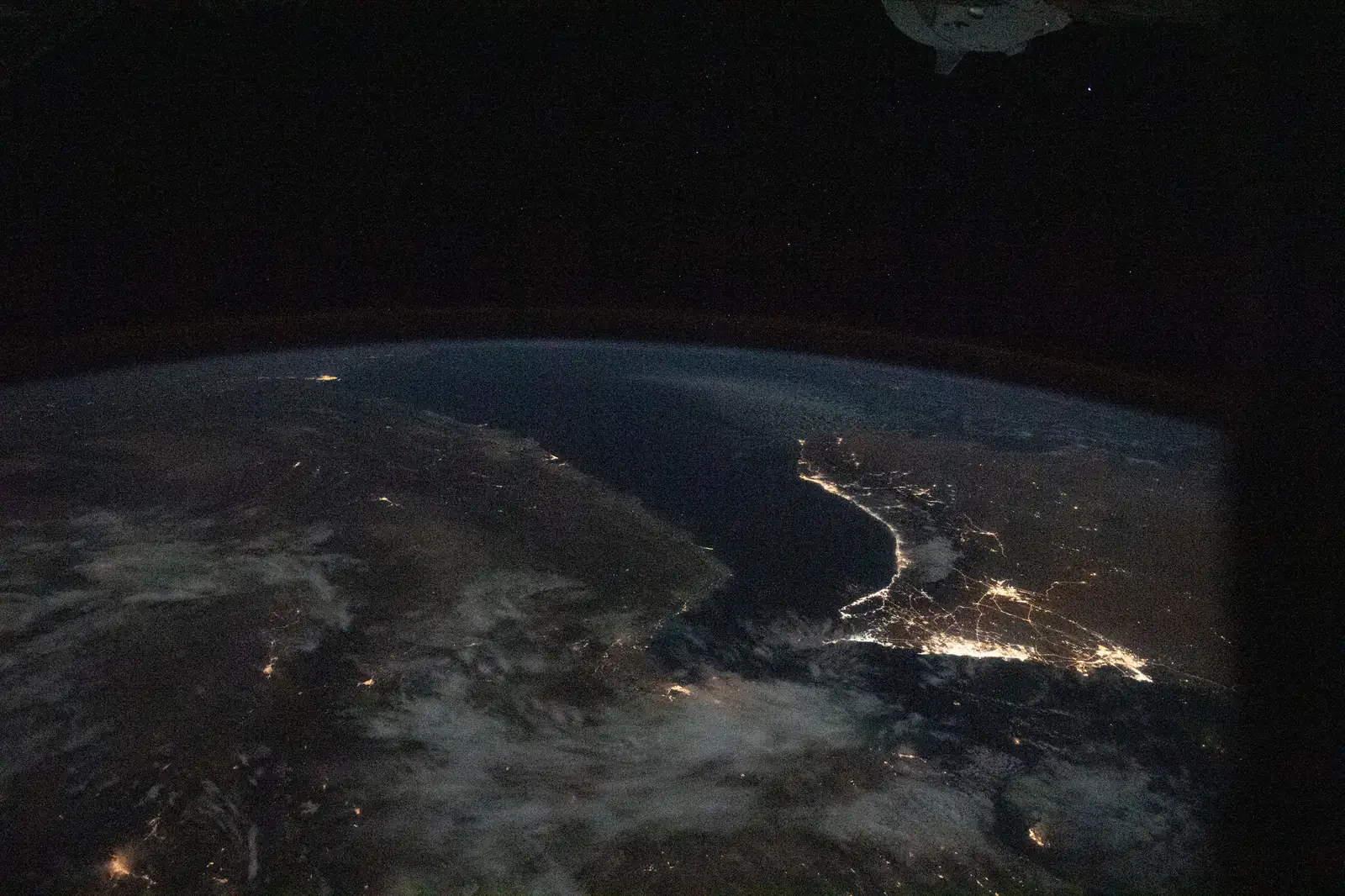 Saudi Arabia vs IranRivalryHostile
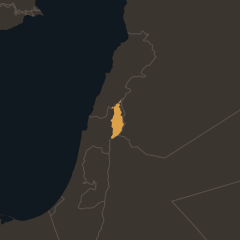 Golan HeightsIsraeli troops in Syria and talks stalledTense
Why does the United States have so many bases in the Middle East?
The United States keeps troops in the Middle East to protect the flow of oil and gas through the Strait of Hormuz, which carries about 20% of world oil. The Carter Doctrine of 1980 declared the Gulf a vital interest. The 1991 Gulf War led to a lasting US military presence in the Gulf states.
The US also stations troops to deter Iran, defend Israel and fight armed groups. It completed its withdrawal from Iraq on September 30, 2026, ending Operation Inherent Resolve there. Host countries pay for and want the protection. Qatar built Al Udeid Air Base, which serves as CENTCOM's forward headquarters.
But the bases became Iranian targets in 2026. Six US troops were killed at Port Shuaiba in Kuwait. The Pentagon is now reviewing whether to change its Gulf basing.
Key US bases in the Middle East
- Al Udeid Air BaseCENTCOM forward headquarters
- NSA BahrainUS Fifth Fleet headquarters
- Camp ArifjanLargest US troop concentration in the Gulf
- Incirlik Air BaseNATO base in southern Turkey
What are the Abraham Accords, and will Saudi Arabia join?
The Abraham Accords are normalization agreements between Israel and Arab and Muslim-majority states. The first were signed on September 15, 2020. The UAE and Bahrain were the first to join. Morocco and Kazakhstan followed. Sudan declared its intent but never finalized the agreement.
Saudi Arabia has not joined. In May 2026, Saudi Arabia said it would not normalize with Israel without "irreversible" steps toward a Palestinian state. In July 2026, President Trump tied a US-Saudi civil nuclear deal to Saudi Arabia joining the Abraham Accords. No Saudi-Israeli normalization deal has been announced.
France, the United Kingdom and Canada recognized Palestine in September 2025, the first G7 states to do so. Between 147 and 157 of the 193 UN member states recognize Palestine, depending on the count.
How did the Middle East get here?
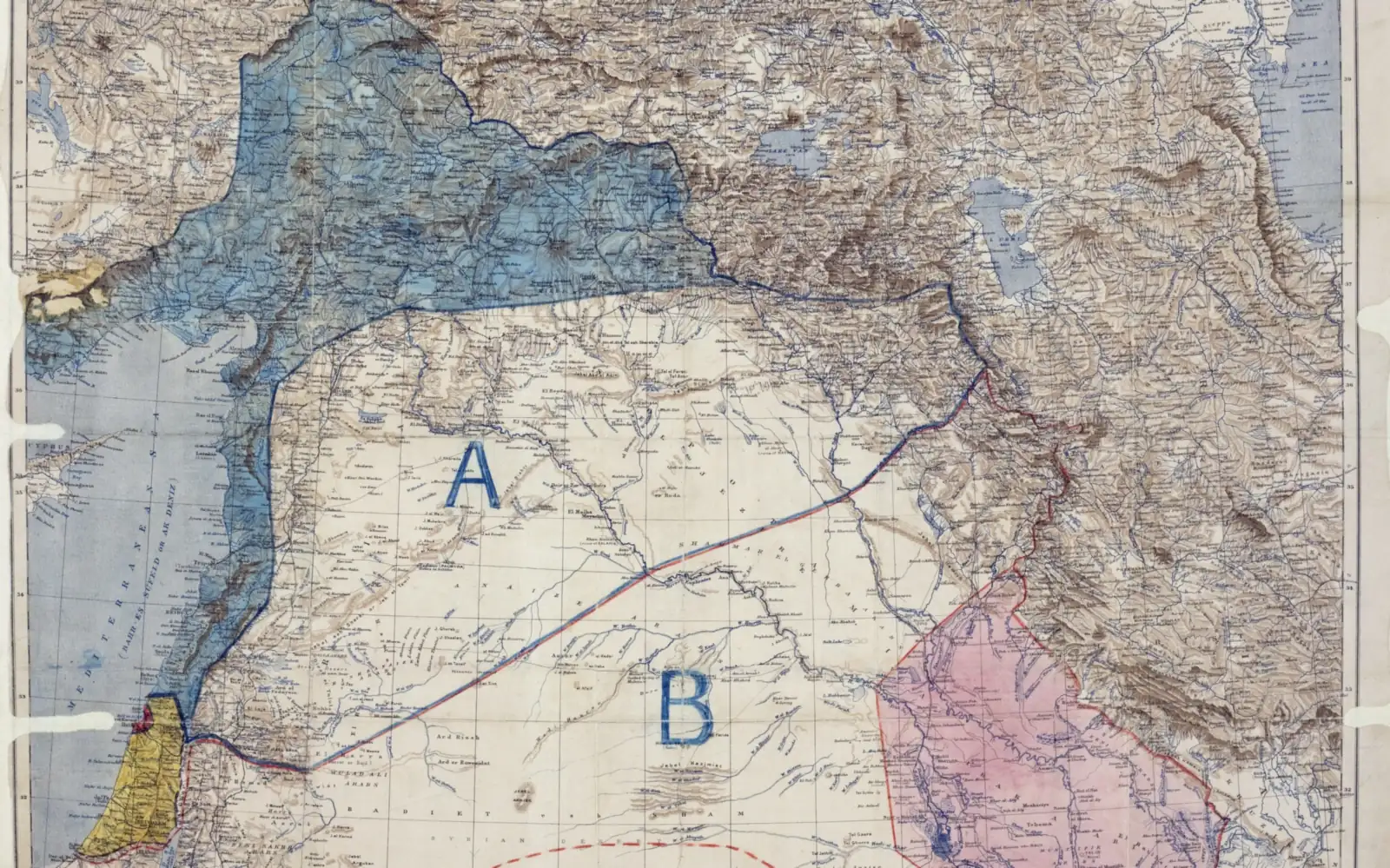
- 1916Sykes-Picot agreement divides Ottoman Arab lands
- 1948Israel declared; first Arab-Israeli war
- 1967Six-Day War; Israel takes the West Bank and Gaza
- 1979Iranian Revolution and Egypt-Israel peace treaty
- 2003US-led invasion of Iraq
- 2011Arab Spring; Syrian civil war begins
- Sep 2020Abraham Accords signed
- Oct 2023Hamas attacks Israel; Gaza war begins
- Dec 2024Assad falls in Syria
- Feb 2026US and Israel strike Iran; Hormuz contested
What to watch
December 2026
Israeli government formation
Gadi Eisenkot has until December 6 to form a government. Benjamin Netanyahu is caretaker prime minister. Neither bloc won a majority in the October 27 election.
End of 2026
UNIFIL and Lebanon
The UN peacekeeping force UNIFIL's mandate ends on December 31, 2026. Israel holds a zone up to 10 km deep in southern Lebanon. No withdrawal deal has been reached.
2027
Hormuz bypass pipelines
Saudi Arabia plans to expand its East-West pipeline to 10 mb/d. The UAE's new 4 mb/d pipeline to Fujairah is due in 2027. Both would reduce dependence on the strait.
Questions about the Middle East
Which countries are in the Middle East?
Sixteen countries make up the core Middle East: Bahrain, Egypt, Iran, Iraq, Israel, Jordan, Kuwait, Lebanon, Oman, Palestine, Qatar, Saudi Arabia, Syria, Turkey, the UAE and Yemen. Some definitions add Cyprus, Libya, Sudan and the Maghreb countries. The IMF's regional grouping also includes Afghanistan and Pakistan.
Is Turkey in the Middle East?
Usually yes. The 1920 Royal Geographical Society definition put the Middle East as the region from Turkey to Afghanistan. But Turkey is also a NATO member, an EU candidate and partly in Europe. Its region of Thrace is on the European side of the Bosporus.
What is the difference between the Middle East and the Near East?
"Near East" was the 19th-century term for the Ottoman lands and the Balkans. "Middle East" dates to 1902, when the American naval strategist Alfred Thayer Mahan used it for the Gulf and the approaches to India. After the First World War, "Middle East" replaced "Near East" in common use. "Near East" survives in archaeology and in US diplomacy.
Why is Iran fighting the United States?
Iran is fighting the United States because the United States and Israel struck Iran on February 28, 2026. The strikes killed Supreme Leader Ali Khamenei. Iran responded with about 170 missiles on the first day and declared the Strait of Hormuz closed. The US then imposed a naval blockade of Iranian ports. The two countries have been rivals since the 1979 Iranian Revolution. No deal has been reached.
Does Saudi Arabia have nuclear weapons?
No. Saudi Arabia does not have nuclear weapons. In July 2026 President Trump tied a proposed US-Saudi civil nuclear deal to Saudi Arabia joining the Abraham Accords. Saudi Arabia signed a mutual defense pact with Pakistan, which does have nuclear weapons, in September 2025.
How much oil goes through the Strait of Hormuz?
In 2024, about 20 million barrels of oil per day passed through Hormuz, equal to about 20% of global petroleum consumption. Over 20% of the world's LNG also passed through the strait. Since Iran declared it closed in March 2026, oil flows have fallen sharply. The EIA estimated flows dropped to 4.9 million barrels per day in the second quarter of 2026.
Read more
Nearby regions
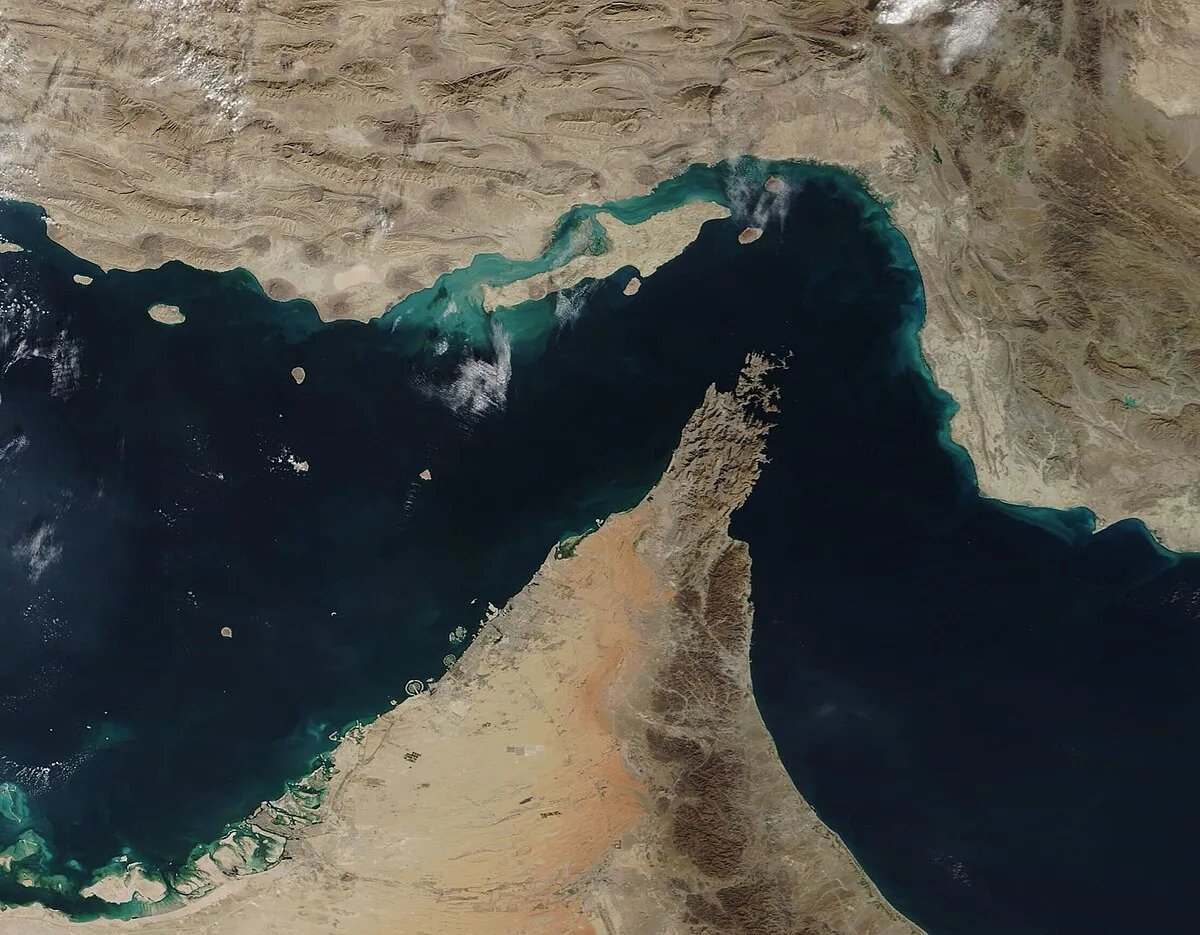
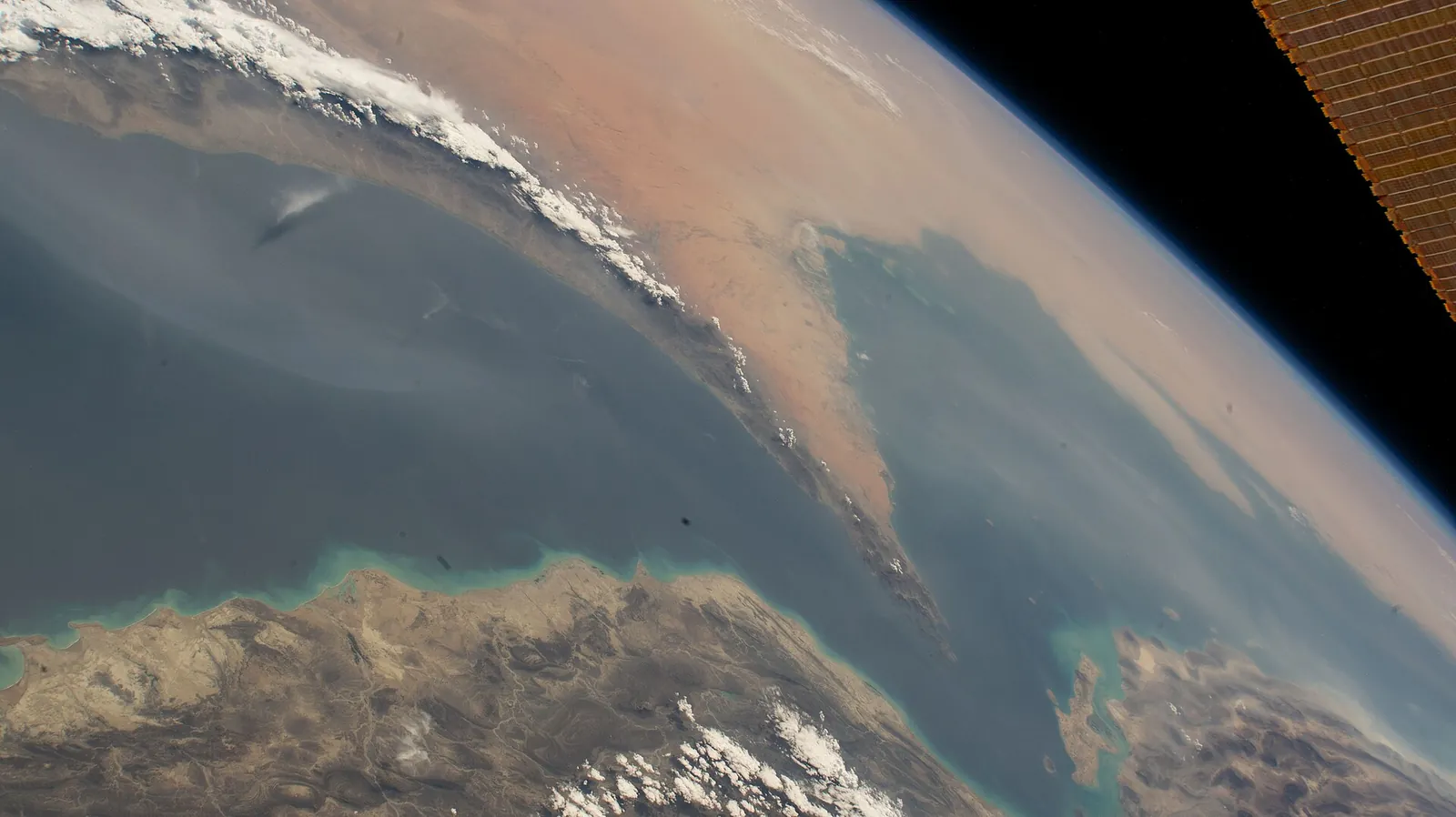
All regions →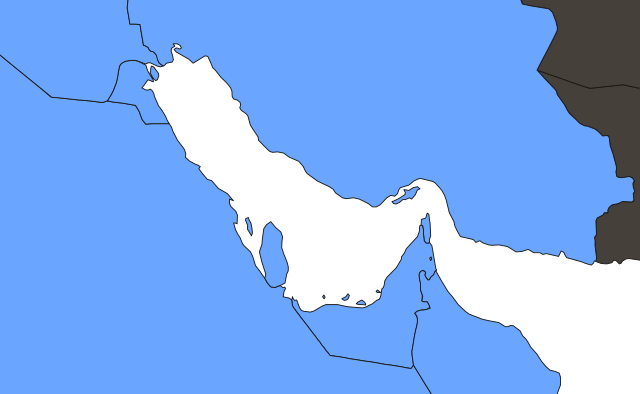 Persian GulfEight countries hold about 55% of world oil reserves. Iran has restricted the Strait of Hormuz since February 2026.Fighting
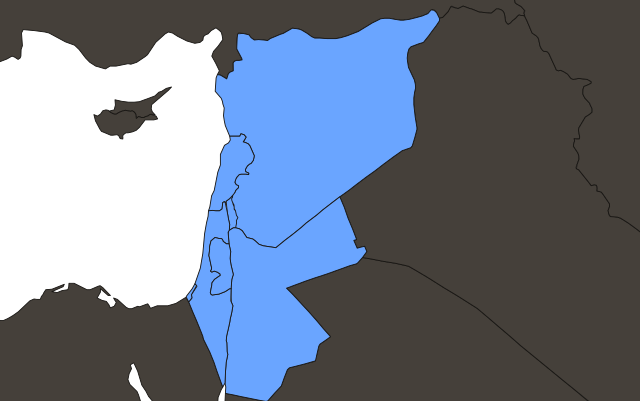 LevantFive countries on the eastern Mediterranean, with fragile truces in Gaza and Lebanon and a new Syria taking shape.Fighting
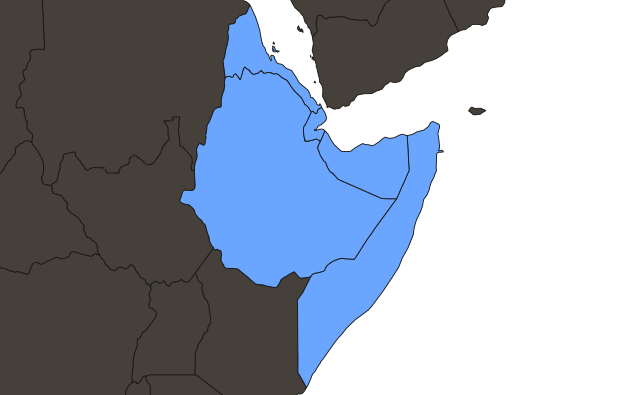 Horn of AfricaFour countries around the Red Sea and the Gulf of Aden, home to foreign bases, wars and a fight over portsFighting
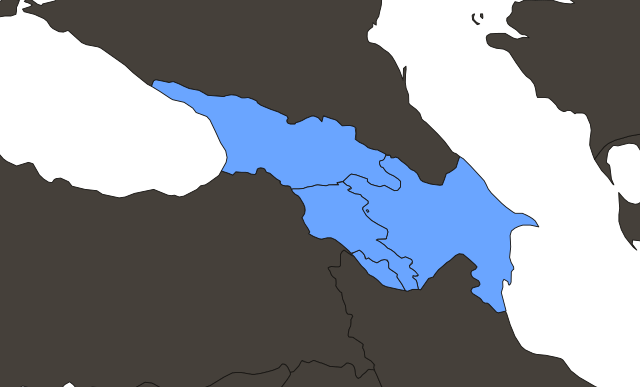 CaucasusThree countries between the Black Sea and the Caspian, where Russia's grip has weakened since 2023.Tense
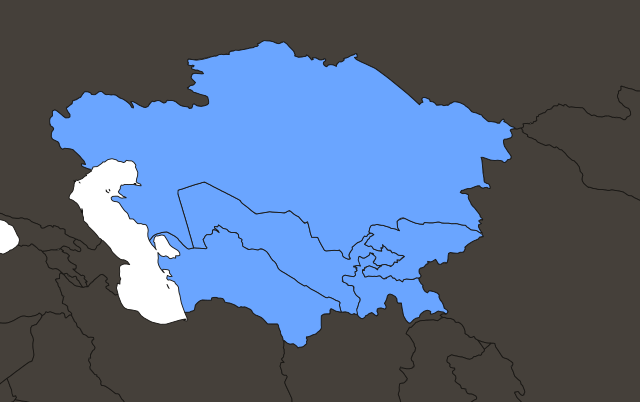 Central AsiaFive former Soviet states sitting on uranium, gas and the only land route from China to Europe that avoids Russia.Quiet
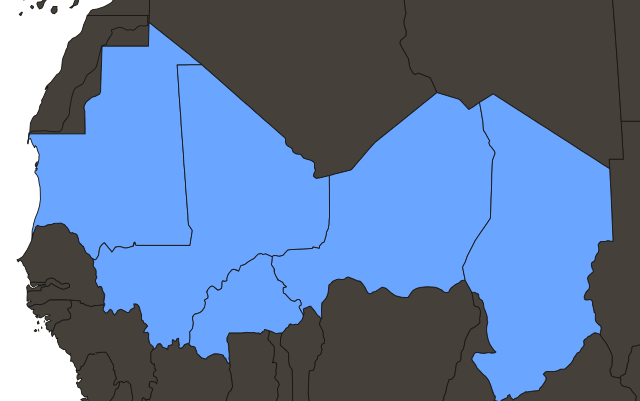 SahelThree juntas fight al-Qaeda and Islamic State. France has left. Russia, Turkey and China have moved in.Fighting