
Region · Between Russia and China
Central Asia
Quiet but contested by outside powersUpdated November 16, 2026
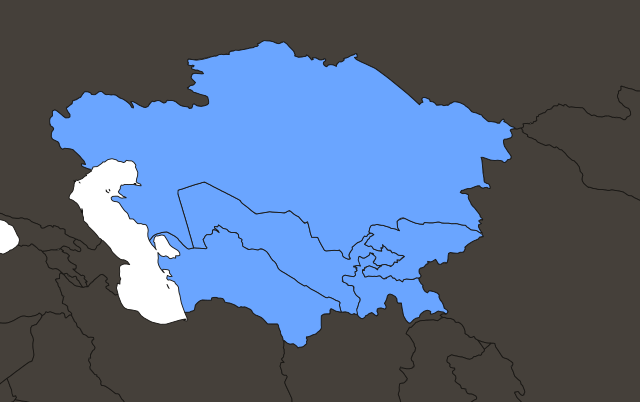
Central Asia is Kazakhstan, Kyrgyzstan, Tajikistan, Turkmenistan and Uzbekistan, five former Soviet republics between Russia, China, Iran and Afghanistan. Kazakhstan alone produces about 40% of the world's uranium. Turkmenistan has some of the world's largest gas reserves. Since Russia's invasion of Ukraine in 2022, outside powers have competed for influence here. China, Russia, the EU and the United States all held summits with the five governments in 2025.
- Countries
- 5


- People
- 83.6 million
- UN, 2025
- Economy
- $571bn
- Kazakhstan is 54% of it
- Uranium production
- ~40%
- of world output, from Kazakhstan alone
- Freedom House 2026
- 0 of 5 free
- all five rated Not Free
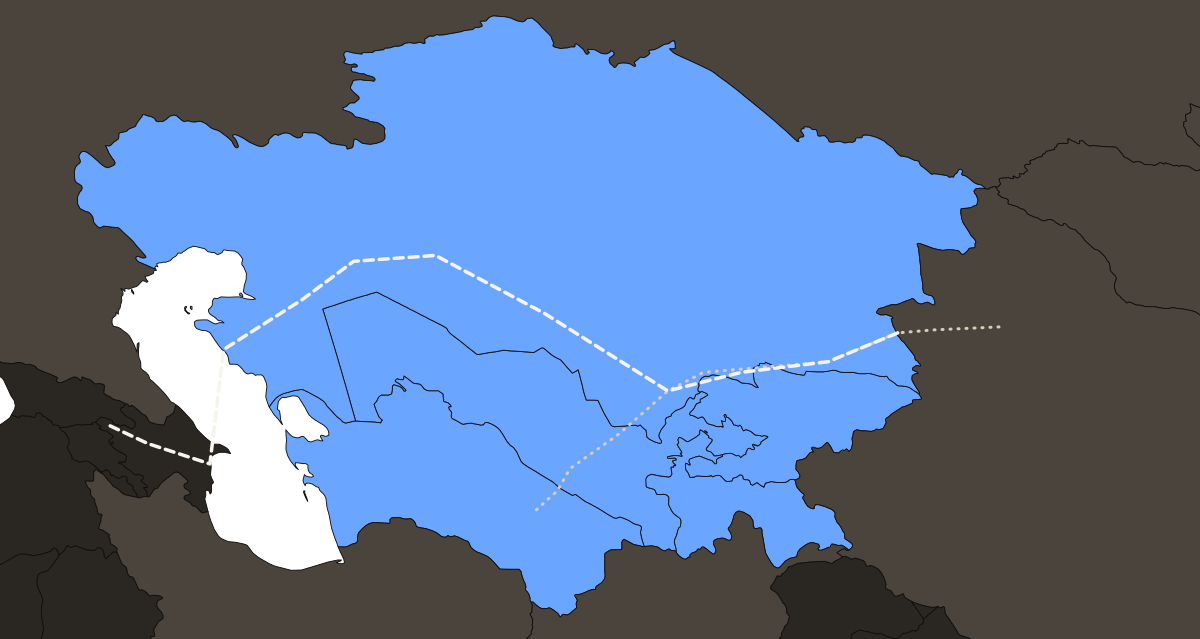
Map of Central Asia
Central Asia stretches from the Caspian Sea to the Chinese border. The Tian Shan and Pamir mountains hold the region's water, while the lowlands hold oil, gas and uranium. All five countries are landlocked.
 Kazakhstan
Uzbekistan
Turkmenistan
Kyrgyzstan
Tajikistan
Russia
China
Afghanistan
Iran
Mongolia
Caspian Sea
Astana
Tashkent
Ashgabat
1
2
3
4
5
6
7
8
- 1Baikonur Russia's spaceport, leased from Kazakhstan. Launch site for crewed flights to the ISS.
- 2Tengiz Chevron-led giant oilfield. Output was halved by CPC terminal strikes in July 2026.
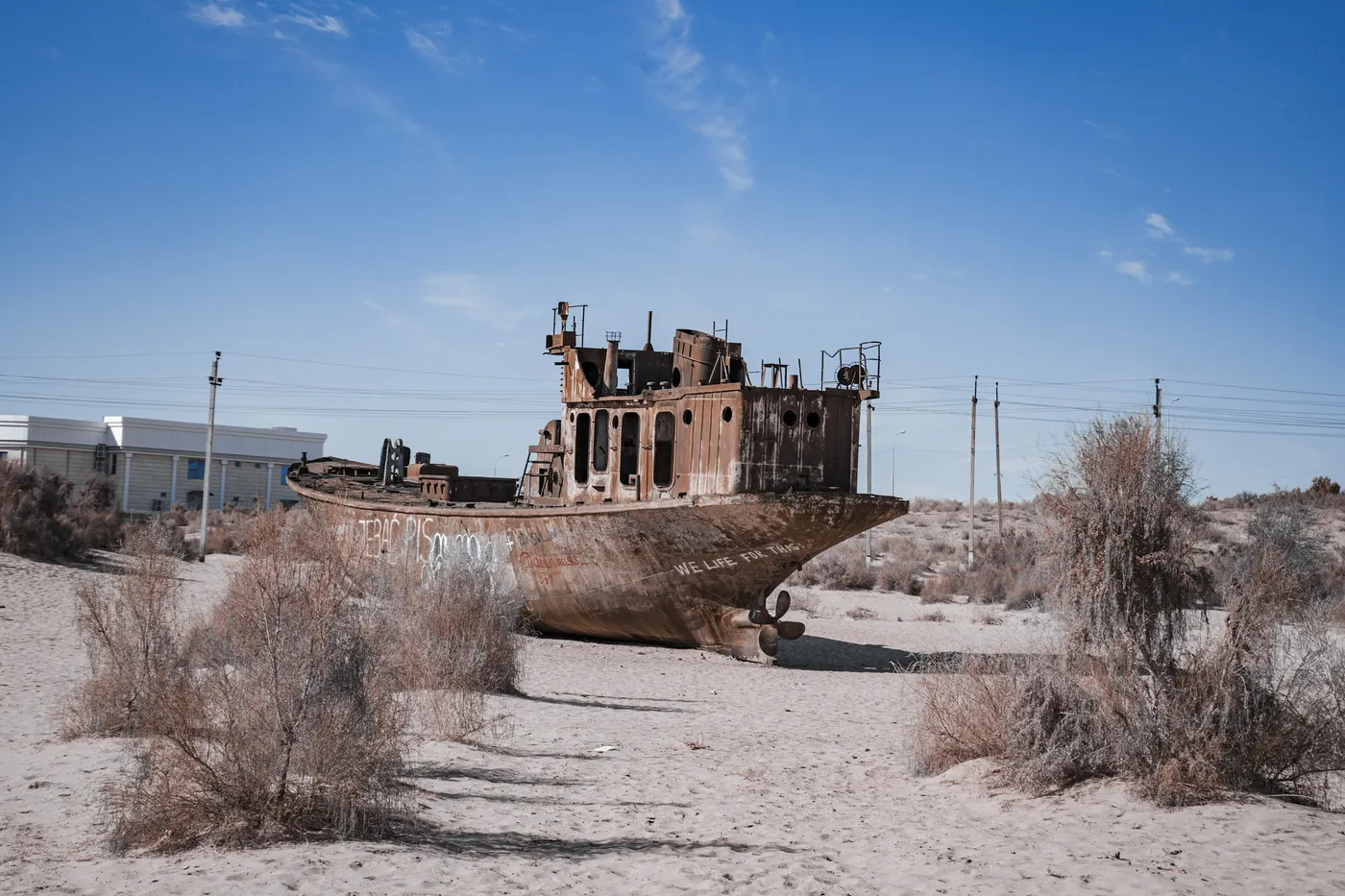
- 3Moynaq Once a fishing port, now stranded on the dry bed of the Aral Sea.
- 4Khorgos China-Kazakhstan dry port. Start of the Middle Corridor and a gas pipeline crossing.
- 5Kant air base Russian air base near Bishkek, Kyrgyzstan.
- 6Russia's 201st base About 7,000 Russian troops at two sites in Tajikistan. Russia's largest foreign land base.
- 7Galkynysh gas field One of the world's largest gas fields. Feeds the pipeline to China and the planned TAPI.
- 8Qosh Tepa canal Taliban canal diverting the Amu Darya. Threatens downstream water in Uzbekistan and Turkmenistan.
Why does Central Asia matter?
~40%
Of the world's uranium production
This share comes from Kazakhstan alone, the world's largest producer. Kazatomprom produced 25,839 tonnes in 2025.
400 tcf
Turkmen gas reserves
Turkmenistan has the 5th-largest proven gas reserves in the world, according to the US Energy Information Administration.
4.5 Mt
Middle Corridor cargo in 2025
It is the only overland route from China to Europe that avoids Russia. The EU has pledged 10 billion euros for it, and the United States has made it a priority.
Who has power in Central Asia?
Russia is the main security power, with bases in Kyrgyzstan and Tajikistan and a military alliance. China is the economic leader, with trade that passed $100 billion in 2025. The EU, the United States and Turkey are all expanding their role, each with summit formats and investment deals.

RussiaMixed
Russia keeps about 7,000 troops in Tajikistan and the Kant air base in Kyrgyzstan, and it leads the CSTO. It signed a $16.5 billion nuclear plant deal with Kazakhstan in May 2026. But migrant entries fell from 2.3 million to 1.9 million in the first half of 2026, and China has overtaken it in trade.

ChinaGaining
China-Central Asia trade hit $106.3 billion in 2025, a record. China signed a friendship treaty with all five states in June 2025. The China-Kyrgyzstan-Uzbekistan railway broke ground in December 2024 and was about 17% complete by September 2026.

United StatesGaining
The C5+1 summit at the White House in November 2025 produced deals that Kazakhstan valued at $17 billion. In October 2026 Secretary of State Rubio met the five foreign ministers in Samarkand to push critical minerals and the Trans-Caspian corridor. A 12.5% US tariff on Kazakh goods took effect in July 2026.

European UnionGaining
The first EU-Central Asia summit was held in Samarkand in April 2025, with a 12 billion euro Global Gateway package. In April 2026 the EU banned exports of some machine tools and data equipment to Kyrgyzstan. The EU says such goods were being re-exported to Russia.

TurkeyGaining
Turkey leads the Organization of Turkic States, which held summits in October 2025 and October 2026. In May 2026, Turkey and Kazakhstan signed a deal to produce Anka drones in Kazakhstan.

IranLosing ground
Iran was a southern trade route through Chabahar and Bandar Abbas. A war with the United States and Israel that began in February 2026 cut those routes, pushing cargo north and through Pakistan.
Is Russia losing Central Asia to China?
In trade, yes. China is the region's largest trading partner, with a record $106.3 billion in two-way trade in 2025. Russia-Kazakhstan trade was about $27.4 billion in 2025. Central Asian labor migration to Russia fell from 2.3 million to 1.9 million entries in the first half of 2026, as Russia tightened rules on migrants.
In security, no. Russia keeps about 7,000 troops in Tajikistan and the Kant air base in Kyrgyzstan. The CSTO deployed about 2,000 troops to Kazakhstan in January 2022 to help put down unrest. No other outside power has a military presence on this scale.
The region's governments call their approach "multi-vector." They want ties with everyone and dependence on no one. Even US Secretary of State Rubio said in October 2026 that Uzbekistan need not cut ties with Russia or China.
What is the Middle Corridor?
The Middle Corridor is a trade route from China to Europe that crosses Kazakhstan by rail, the Caspian Sea by ferry, Azerbaijan, Georgia and then Turkey or the Black Sea to Europe. Its formal name is the Trans-Caspian International Transport Route.
It carried about 4.5 to 4.7 million tonnes of cargo in 2025, about the same as in 2024. Container traffic rose 36% to 76,900 TEU (twenty-foot equivalent units). The target is 10 to 11 million tonnes by 2030. That is still a small fraction of China-Europe trade, which mostly goes by sea.
The EU pledged 10 billion euros for the corridor in 2024. In October 2026 the United States put Trans-Caspian trade at the center of its agenda at a C5+1 meeting in Samarkand. The main bottleneck is ferry capacity across the Caspian.
Middle Corridor cargo (million tonnes)
The countries of Central Asia
All countries →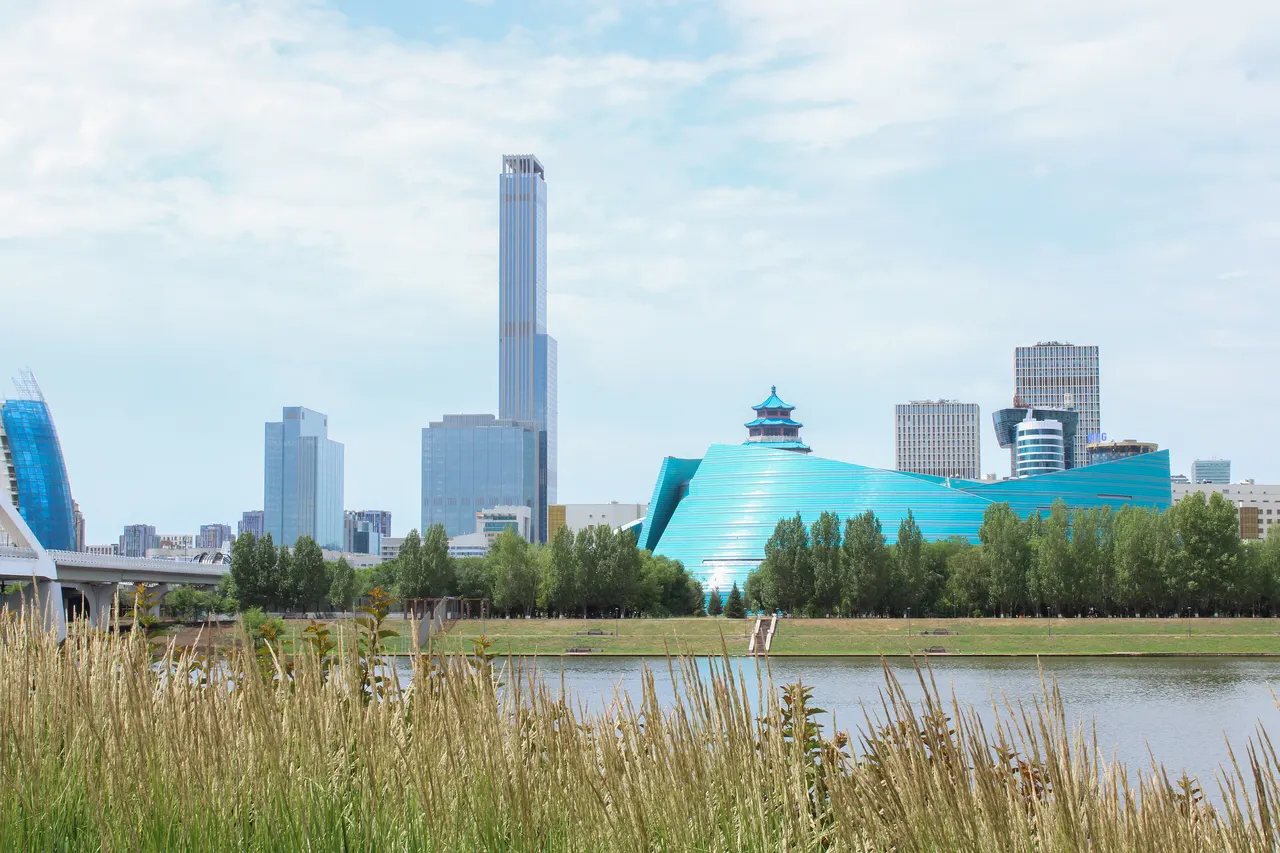 Kazakhstan
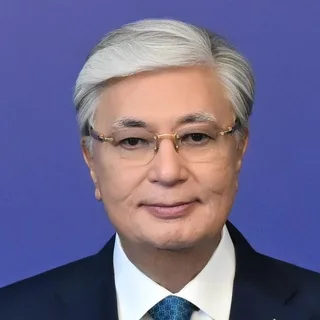 Kassym-Jomart TokayevPresident since 201921Mpeople$306bneconomy
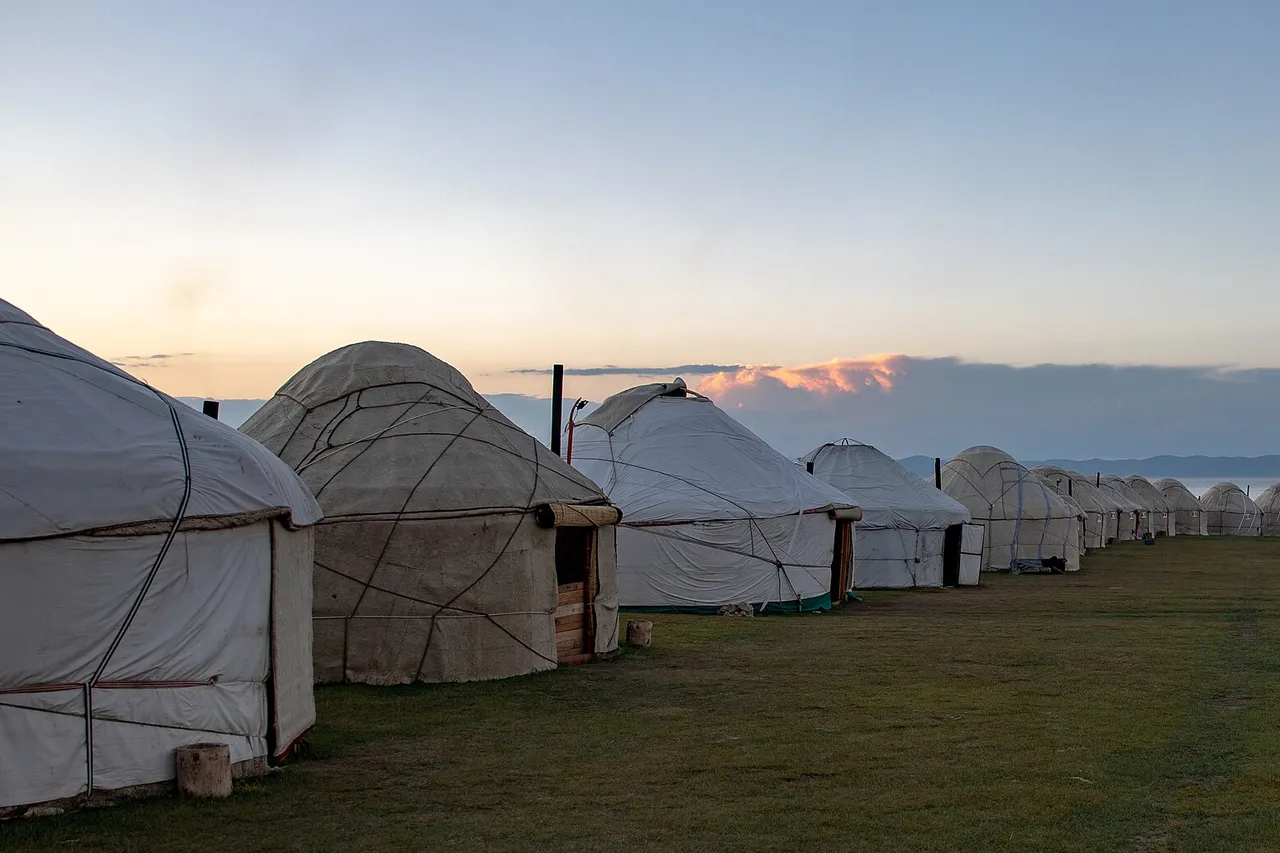 Kyrgyzstan
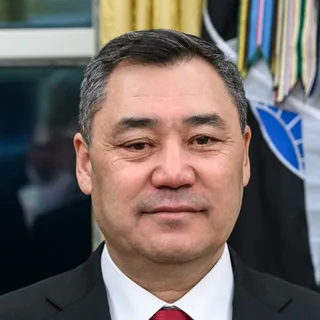 Sadyr JaparovPresident since 20217.3Mpeople$23bneconomy
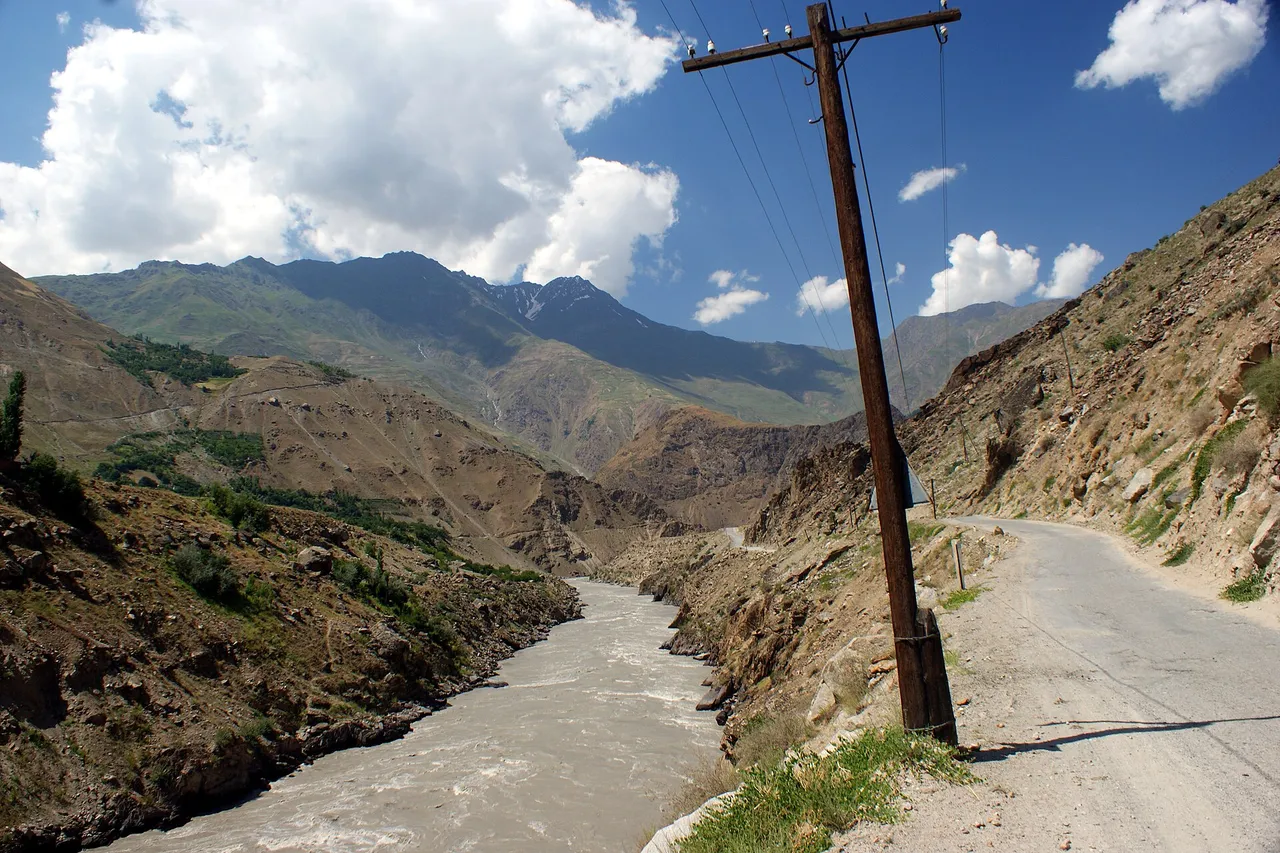 Tajikistan
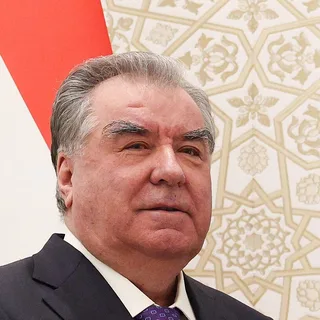 Emomali RahmonPresident since 199411Mpeople$18bneconomy
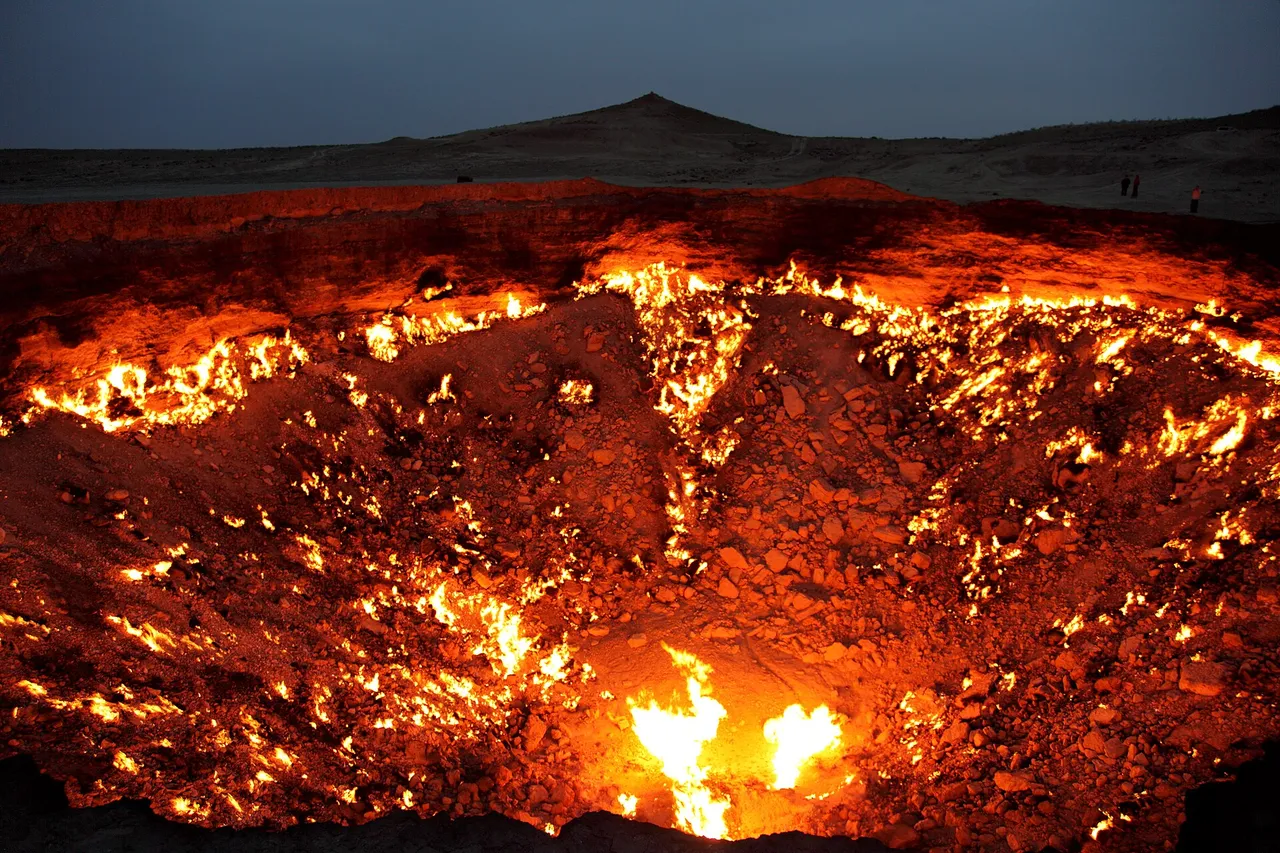 Turkmenistan
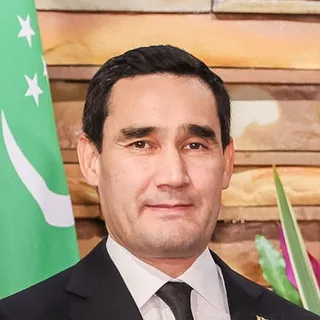 Serdar BerdimuhamedovPresident since 20227.6Mpeople$77bneconomy
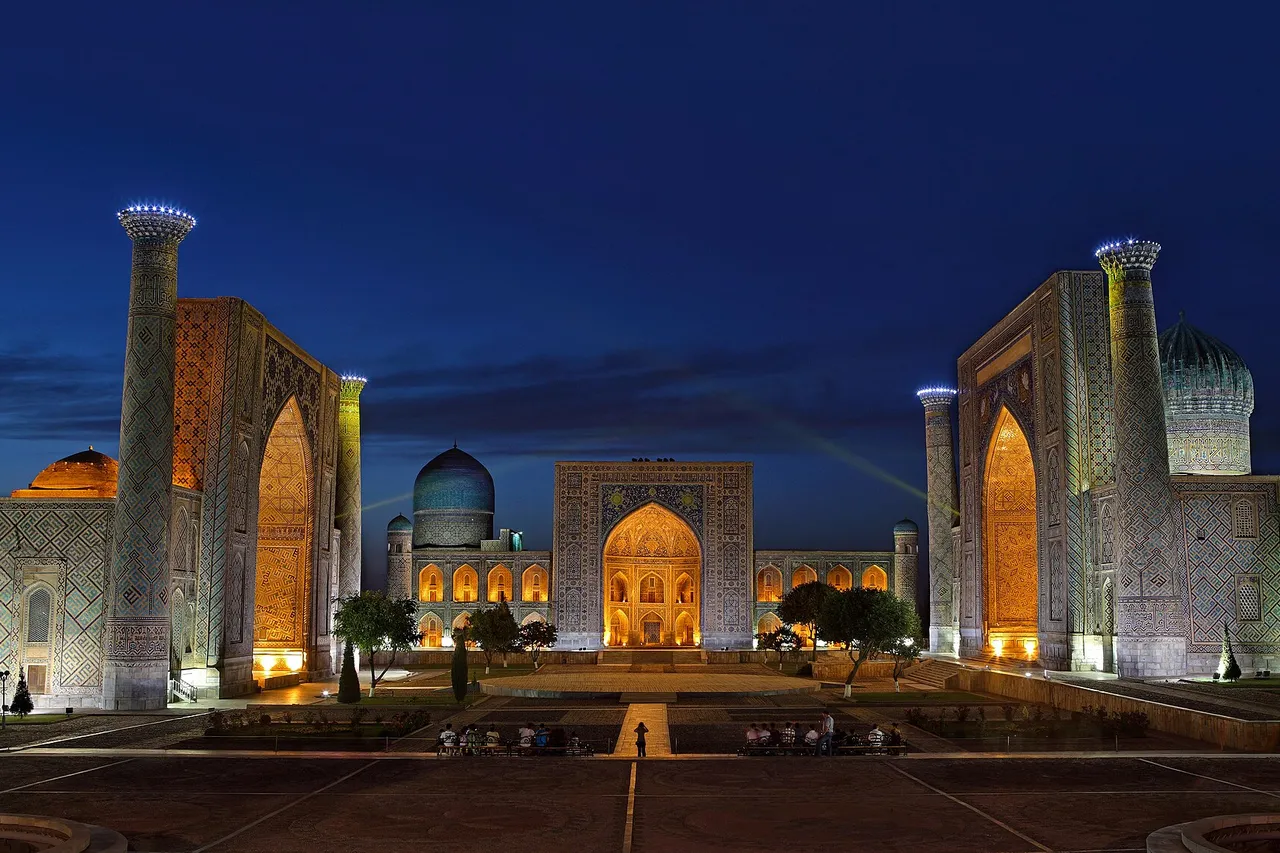 Uzbekistan
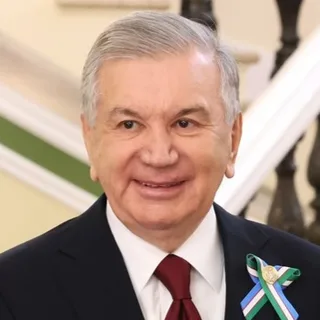 Shavkat MirziyoyevPresident since 201637Mpeople$147bneconomy
Who belongs to what?
Kazakhstan and Kyrgyzstan are in both Russia-led blocs, the CSTO military alliance and the Eurasian Economic Union. Uzbekistan left the CSTO in 2012 and is only an observer in the Eurasian Union. Turkmenistan stays out of nearly all blocs under its policy of permanent neutrality, recognized by the United Nations in 1995.
| Country | CSTO | Eurasian Union | CIS | SCO | BRICS |
|---|---|---|---|---|---|
| Kazakhstan | Member | Member | Member | Member | Partner |
| Kyrgyzstan | Member | Member | Member | Member | No |
| Tajikistan | Member | No | Member | Member | No |
| Turkmenistan | No | No | Associate | No | No |
| Uzbekistan | Out 2012 | Observer | Member | Member | Partner |
Why did the Aral Sea dry up?
From the 1960s, Soviet planners diverted the Amu Darya and Syr Darya rivers to irrigate cotton fields in Uzbekistan and Turkmenistan. The Aral Sea, which was about 68,000 square kilometers in 1960, lost an estimated 75% to 90% of its area. Moynaq, once a fishing port in Uzbekistan, is now stranded on dry sand.
In 2005 a World Bank-funded dam called the Kokaral separated the smaller North Aral in Kazakhstan from the rest. The North Aral has risen about 50% above its lowest point. The South Aral remains mostly desert.
Downstream governments see a new threat in Afghanistan's Qosh Tepa canal, which diverts water from the Amu Darya. Uzbekistan projects that water availability in the Amu Darya basin will fall 29.4% by 2030.
What happened in Kazakhstan in January 2022?
On January 2, 2022, protests began in Zhanaozen over a sharp rise in the price of liquefied petroleum gas, which many Kazakhs use as car fuel. The protests spread to Almaty and other cities and turned into riots.
President Tokayev called the unrest an attempted coup by "terrorists" and asked the CSTO for troops. About 2,000 soldiers, mostly Russian and led by Russia's Andrei Serdyukov, arrived within days. They withdrew by January 19. Tokayev removed former president Nursultan Nazarbayev as head of the Security Council.
The government says 238 people died. Kazakhs call the events "Qandy Qantar" (Bloody January). Constitutional changes followed in 2022. A new constitution was approved by referendum on March 15, 2026.
238
Dead in the January 2022 unrest
The Kazakh Prosecutor General's count. The crisis began as a fuel-price protest and spread nationwide.
How did Central Asia get here?
- 1924-36Soviet borders create the five republics
- 1960sCotton irrigation begins draining the Aral Sea
- 1991All five states become independent
- 1992-97Tajik civil war kills tens of thousands
- 2005Uzbek troops fire on protesters in Andijan
- Dec 2009Central Asia-China gas pipeline opens
- Sep 2016Karimov dies; Mirziyoyev begins reforms
- Jan 2022Protests and riots shake Kazakhstan
- Mar 2025Kyrgyz-Tajik border treaty signed
- Jul 2026Drone strikes on CPC halve Kazakh oil output
What to watch
January 27, 2027
Kyrgyz presidential election
President Japarov filed to run for re-election on November 10, 2026. Kyrgyzstan's Constitutional Court ruled that his six-year term ends in 2027. Ten other people applied to run by the November 12 deadline. Analysts say none poses a serious threat to him.
2027
Uzbekistan WTO accession
Uzbekistan aims to finish its WTO talks by the end of 2026 and join in 2027. It missed an earlier target of March 2026. Membership would open its economy of 37 million people to more trade.
2027
Rogun dam and Qosh Tepa canal
Tajikistan plans to raise the Rogun dam to an elevation of 1,185 meters above sea level in 2027. Afghanistan's Qosh Tepa canal is due for completion in 2028. Both will reshape the region's water supply.
Questions about Central Asia
Which countries are in Central Asia?
Five: Kazakhstan, Kyrgyzstan, Tajikistan, Turkmenistan and Uzbekistan. All five were Soviet republics until 1991. Some wider definitions add Afghanistan and Mongolia. The leaders of the five adopted "Central Asia" as the region's name at a summit in Tashkent in January 1993.
Is Central Asia safe to visit?
The five countries are generally safe for travelers, though all five governments restrict political activity and press freedom. The Tajik-Afghan border area saw attacks on Chinese workers in November 2025, and governments advise against travel there. The Fergana Valley has border checkpoints between Uzbekistan, Kyrgyzstan and Tajikistan.
Is Kazakhstan in Europe or Asia?
Asia. A small part of western Kazakhstan lies west of the Ural River, which some geographers use as the Europe-Asia boundary. Kazakhstan competes in European sports federations, including UEFA for football, and is grouped with Europe in some international organizations. But it is overwhelmingly in Asia.
Who has the most uranium in Central Asia?
Kazakhstan, by far. It is the world's largest uranium producer, with about 39% to 40% of global output. The state company Kazatomprom produced 25,839 tonnes of uranium in 2025. Uzbekistan is also a significant producer but much smaller.
Is Turkmenistan a dictatorship?
Outside monitors rate it as one of the least free countries in the world. Freedom House gives Turkmenistan a score of 1 out of 100, the lowest in Central Asia. President Serdar Berdimuhamedov took office in 2022, succeeding his father, Gurbanguly Berdimuhamedov. His father now chairs the Halk Maslahaty, the supreme representative body, and holds the title "National Leader."
What language do they speak in Central Asia?
Each country has its own national language: Kazakh, Kyrgyz, Tajik, Turkmen and Uzbek. The first four are Turkic languages. Tajik is a variety of Persian. Russian is widely spoken as a second language across the region, a legacy of Soviet rule. Kazakhstan and Uzbekistan are switching their scripts from Cyrillic to Latin.
Read more
Nearby regions
All regions → CaucasusThree countries between the Black Sea and the Caspian, where Russia's grip has weakened since 2023.Tense
 East AsiaChina, Japan, Taiwan and the two Koreas: 23% of world GDP, two nuclear arsenals and no peace treaty in Korea.Tense
 Middle EastThe Iran war, a contested Strait of Hormuz and a fragile Gaza ceasefire define the region in 2026.Fighting