
Region · Between Iran and Arabia
The Persian Gulf
War, a restricted strait, oil reroutedUpdated November 19, 2026
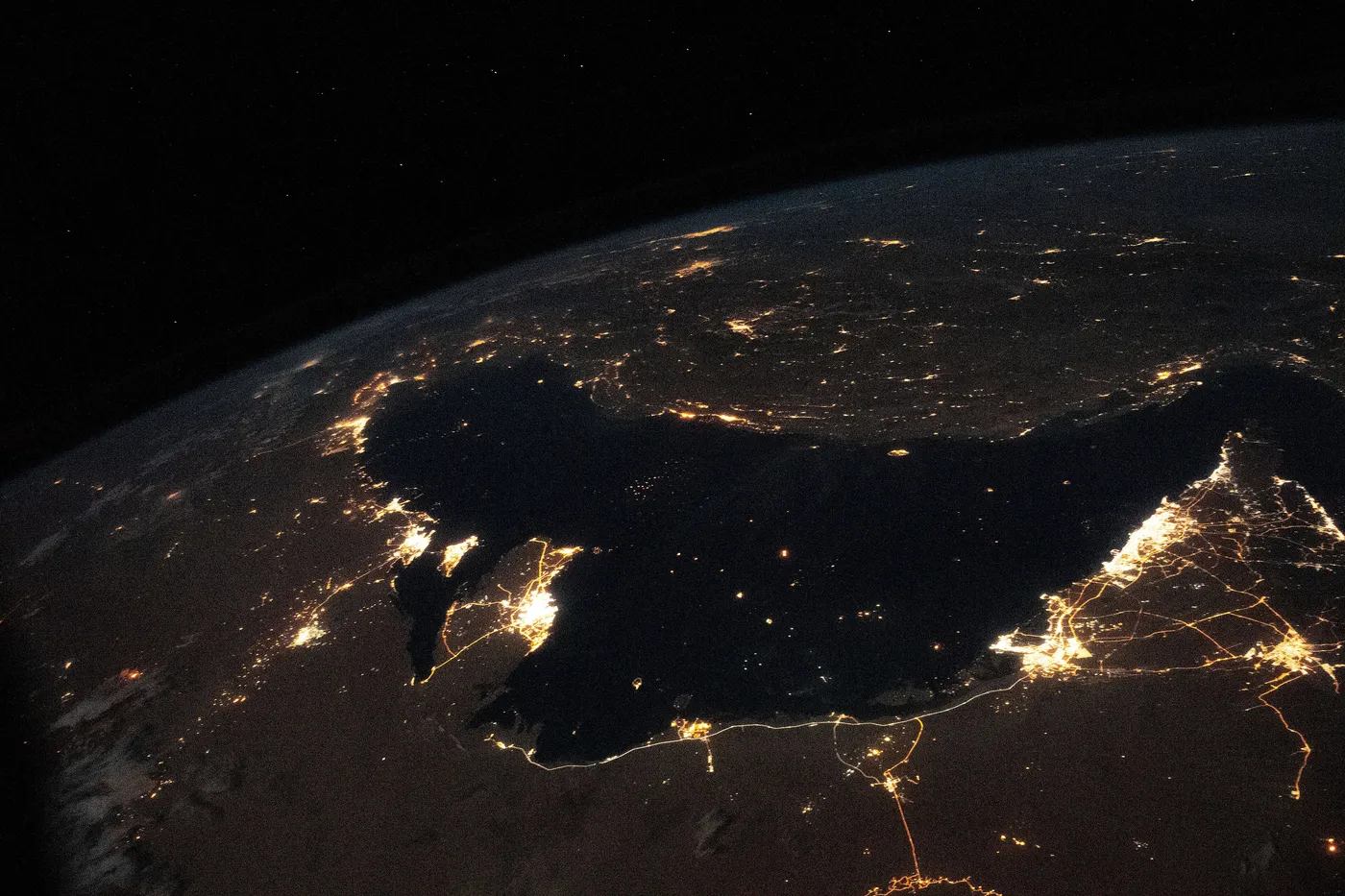
The Persian Gulf is a shallow sea between Iran and the Arabian Peninsula. Eight countries border it: Iran, Iraq, Kuwait, Saudi Arabia, Bahrain, Qatar, the United Arab Emirates and Oman. They hold about 55% of the world’s proven oil reserves. The Strait of Hormuz carried about 20% of world oil consumption before the 2026 war between the United States, Israel and Iran. Since then, Iran has restricted shipping and struck all six GCC states.
- Countries
- 8


- People
- 200.6 million
- UN, 2025
- Economy
- $3.05tn
- Saudi Arabia is 42% of it
- Share of world oil reserves
- ~55%
- more than any other region on Earth
- Hormuz oil flow, Q2 2026
- 4.9 mb/d
- down 77% from 21.6 mb/d in Q4 2025
Map of the Persian Gulf
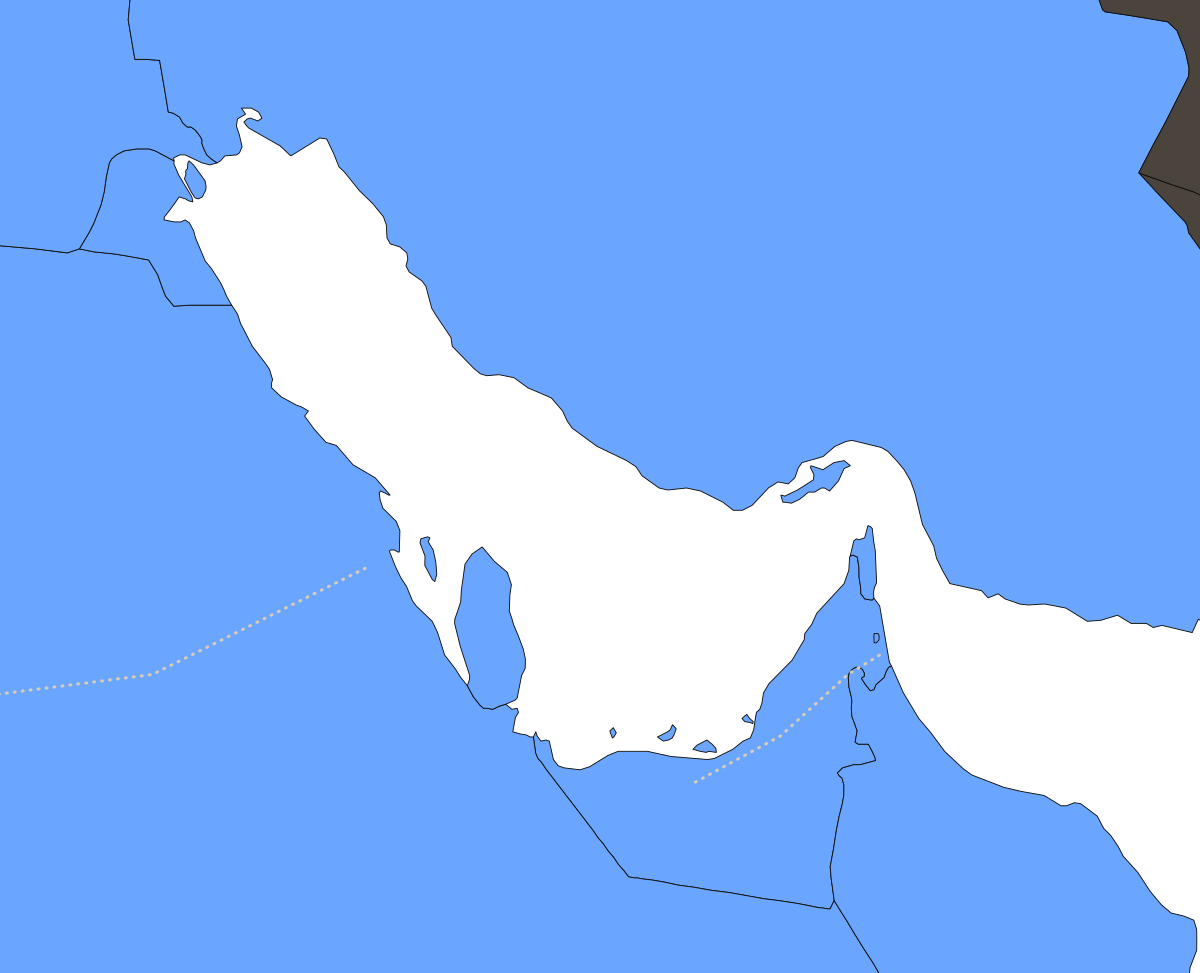
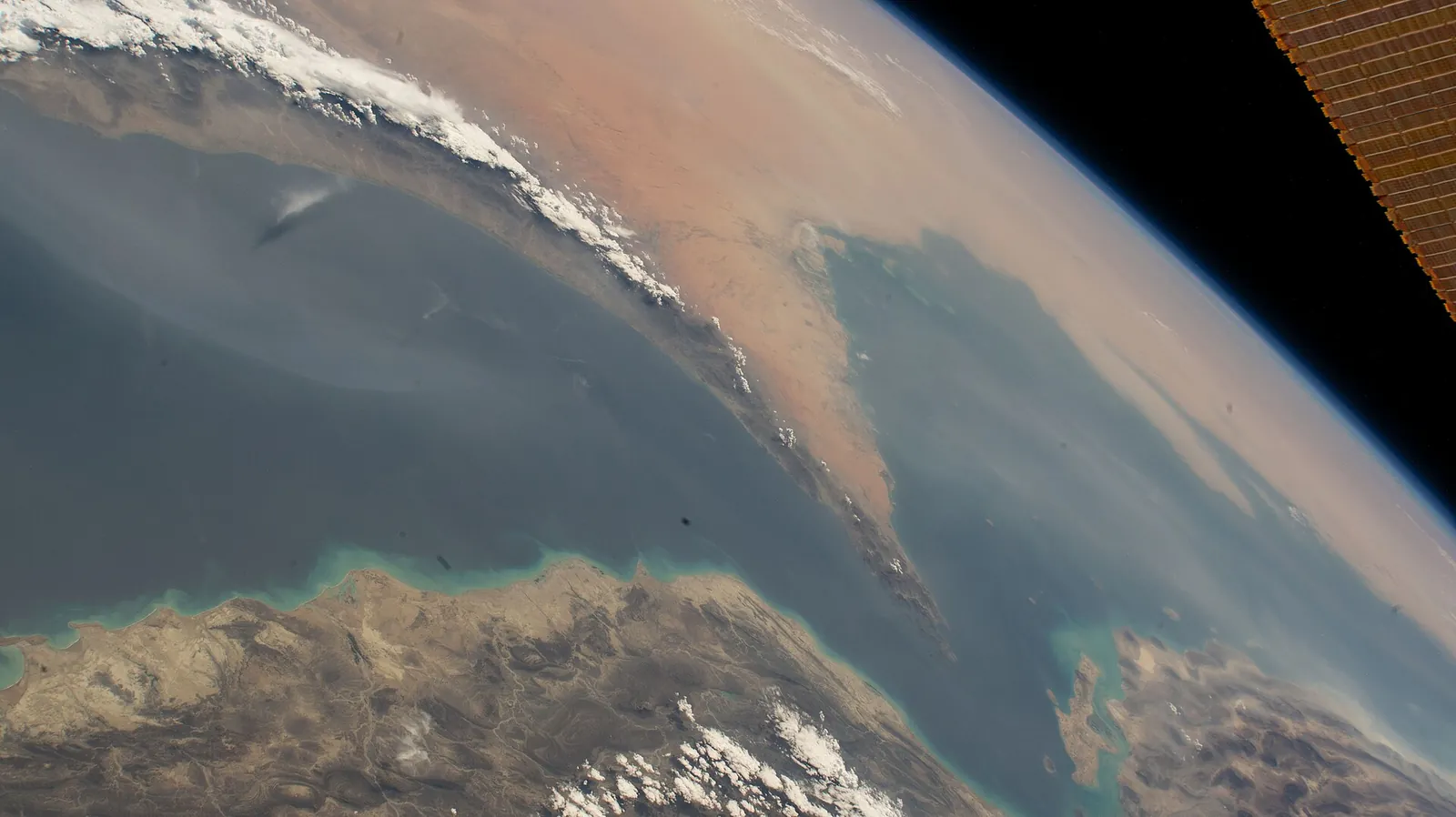
The Persian Gulf is a shallow sea about 989 km long, between Iran’s mountainous coast and the flat Arabian shore. The Strait of Hormuz at its southeastern end connects it to the Gulf of Oman and the open ocean.
 Iran
Iraq
Saudi Arabia
Kuwait
UAE
Oman
Persian Gulf
Gulf of Oman
Kuwait City
Riyadh
Abu Dhabi
Muscat
1
2
3
4
5
6
7
8
9
- 1Strait of Hormuz Carried about 20% of world oil consumption before the 2026 war restricted it.
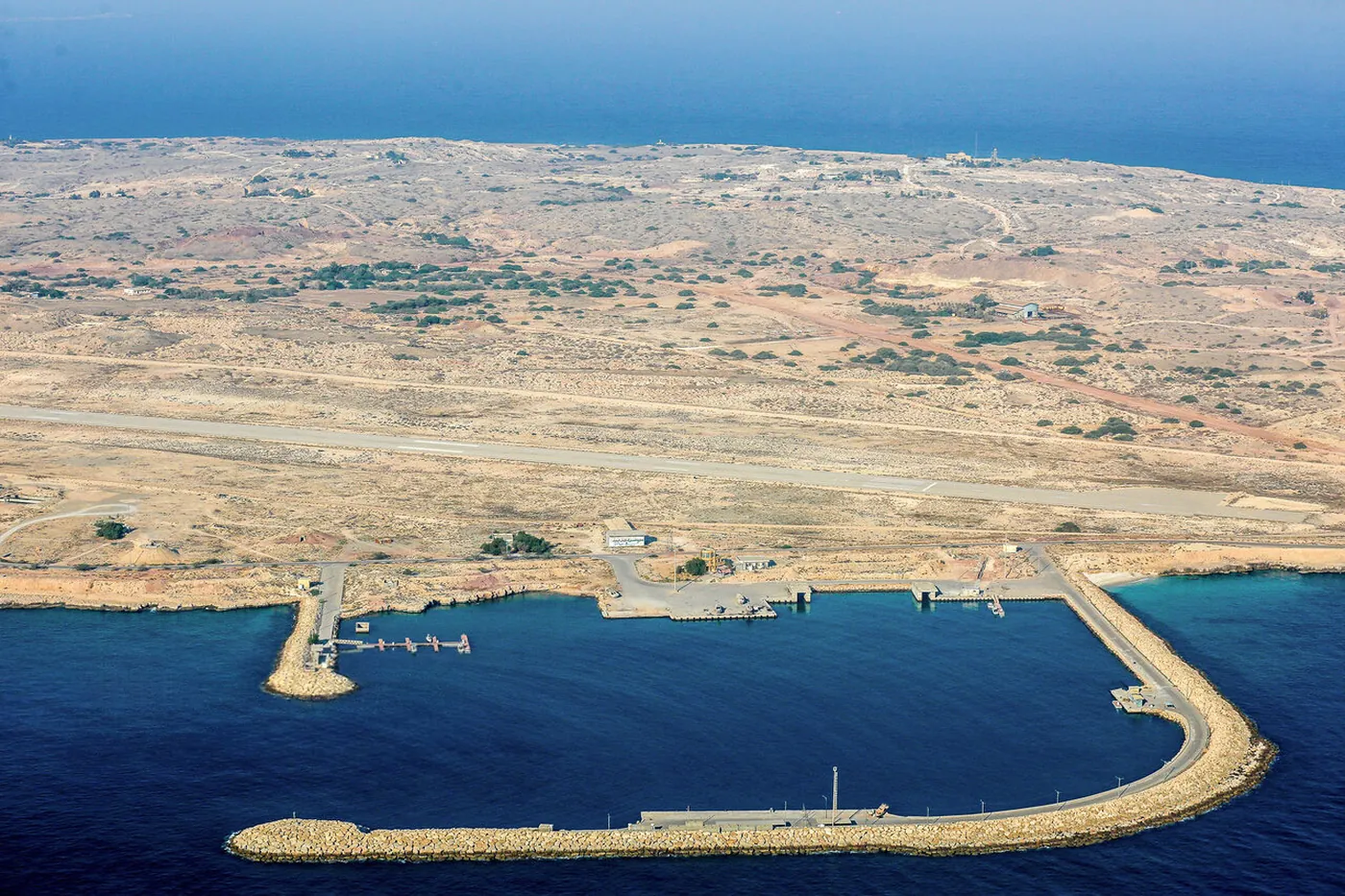
- 2Bandar Abbas and Qeshm Iran’s main naval hub on the strait. The US struck nearby on November 2, 2026.
- 3Abu Musa and the Tunbs Islands held by Iran, claimed by the UAE. The US struck Greater Tunb, and reportedly Abu Musa, in July 2026.
- 4Kharg Island Handles about 90% of Iran’s crude exports. The US struck military targets there in March 2026.
- 5Fifth Fleet, Bahrain US naval headquarters for the Gulf, with about 9,000 personnel.
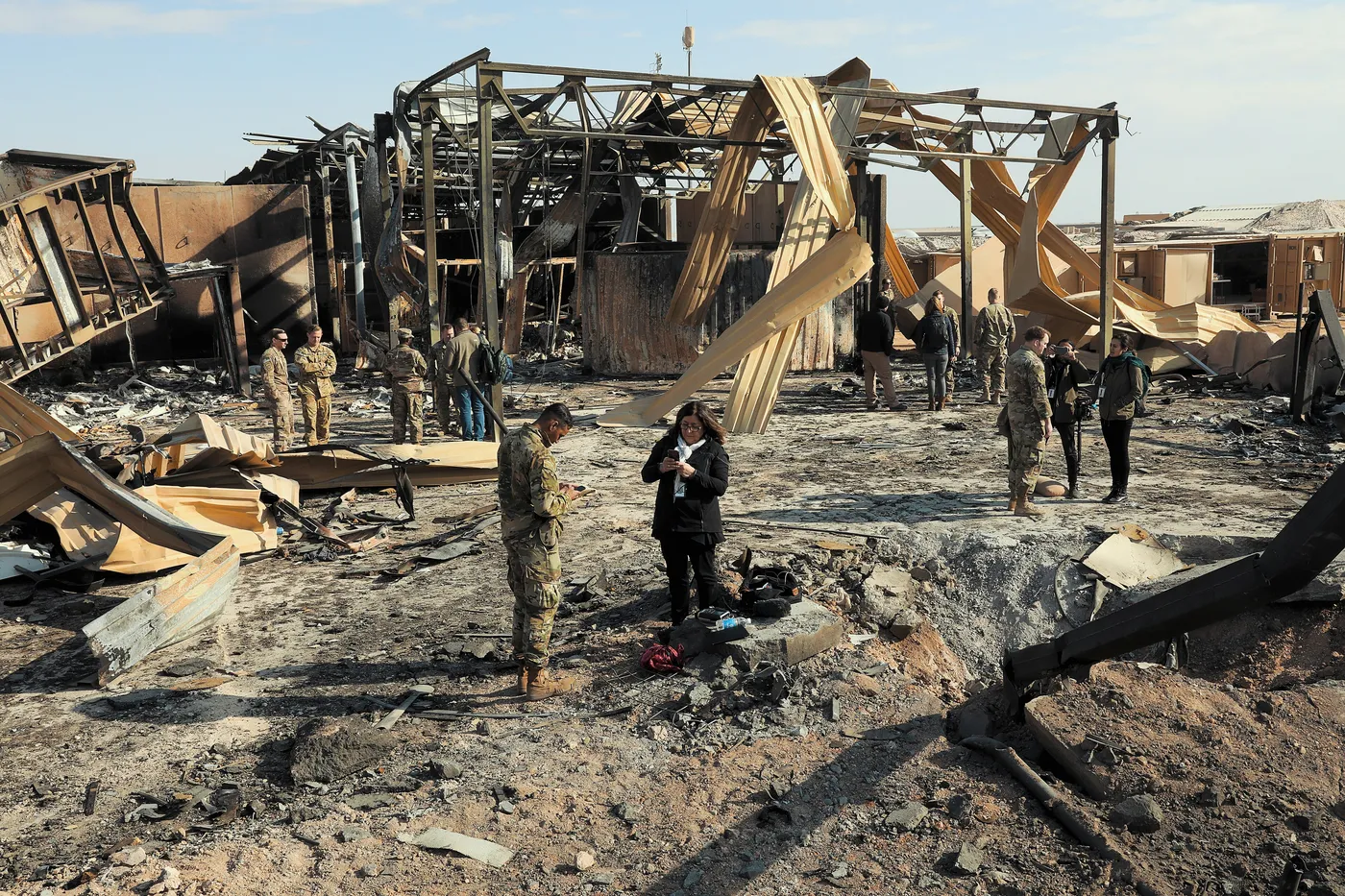
- 6Al Udeid Air Base CENTCOM’s forward headquarters in Qatar, with about 10,000 US troops before the 2026 war.
- 7Ras Laffan The world’s largest LNG complex. Iran’s strikes knocked out 17% of capacity.
- 8Ras Tanura Saudi Arabia’s main oil export terminal. Iran hit its refinery in March 2026.
- 9Basra Iraq’s only outlet to the sea and the port for almost all its oil exports.
Why does the Persian Gulf matter?
~55%
Of world proven oil reserves
The eight Gulf countries together hold about 55% of the world’s proven crude oil reserves, based on OPEC figures for end-2024.
20.9 mb/d
Oil through Hormuz, early 2025
The Strait of Hormuz carried about 20% of world oil consumption and more than 20% of world LNG trade in early 2025, according to the EIA.
$2.9tn
UAE state wealth alone
The UAE’s sovereign investors hold $2.93 trillion, according to Global SWF. Saudi Arabia and Qatar run large funds of their own.
Who has power in the Persian Gulf?
The United States has the most military force in the Gulf, with more than 50,000 troops in the Middle East during the 2026 war, according to a US military official. Iran shapes the region through its missiles, its navy in the strait and its ties to armed groups in Iraq and Yemen. Saudi Arabia and the UAE have the two largest Arab economies and are building their own security ties.

United StatesMixed
More than 50,000 troops in the Middle East during the 2026 war, with major bases in Bahrain, Qatar, the UAE and Kuwait. New defense deals with Saudi Arabia and Qatar in 2025. But Iran struck all six GCC states in 2026, and US forces left Iraq on September 30, 2026.
IranLosing ground
Iran’s missiles reached all six GCC states in 2026, and it restricted shipping through the strait. But Supreme Leader Ali Khamenei was killed on February 28, 2026, its ports are under a US naval blockade, and the IAEA found Iran in non-compliance in September 2026.
Saudi ArabiaMixed
Became a US major non-NATO ally on November 18, 2025, and signed a defense pact with Pakistan on September 17, 2025. Ran its East-West pipeline at its 7 mb/d maximum to bypass Hormuz. But Iran hit its Ras Tanura refinery in March 2026, drone attacks shut the pipeline from September 13 to 22, and Houthi attacks hit Saudi airports in October.
United Arab EmiratesGaining
Left OPEC and OPEC+ on May 1, 2026, after 59 years. It is accelerating a second pipeline to Fujairah to double its Hormuz bypass capacity by 2027. US ambassador to Israel Mike Huckabee said Israel sent Iron Dome batteries and personnel to the UAE during the war.

ChinaMixed
The largest buyer of Gulf oil. China brokered the Saudi-Iran deal in Beijing on March 10, 2023. In 2026 it called for Hormuz to reopen but opposed a UN proposal to authorize force.

PakistanGaining
Signed a mutual defense pact with Saudi Arabia on September 17, 2025. Hosted the Islamabad talks in April 2026 and the Islamabad Memorandum on June 17. It co-mediates with Qatar in the US-Iran talks.
Is the Strait of Hormuz open?
The strait is not open to normal shipping. Iran has restricted passage since February 28, 2026, and requires permits through its Persian Gulf Strait Authority, created in May 2026. The US Treasury designated that authority on May 27. Iran’s parliament speaker Mohammad Bagher Ghalibaf said on October 4 that the strait will not reopen until Iran’s seven conditions are met. Iran has not published the full list.
The United States says the strait is open. CENTCOM said so on September 16 and said on September 19 that the main shipping lanes were clear of mines. US officials said on August 25 that more than 100 suspected mines had been found and removed. A US naval blockade of Iranian ports began on April 13. It was lifted in June under the Islamabad Memorandum and reimposed on July 14. On November 13 and 14, Iran said three tankers had hit mines on routes it had not authorized. No independent source confirmed the claims. As of November 16, the tracker hormuz.now counts about 6.4 visible commercial transits a day, against 84.8 before the war, or about 8%. No LNG carriers have transited in the past week.
~8%
Visible transits vs pre-war
The tracker hormuz.now counts about 6.4 AIS-visible commercial transits a day through the Strait of Hormuz as of November 16, 2026, against 84.8 before the war. Zero LNG carriers transited in the past week. Kpler, which estimates dark shipping, put flows at about 14 mb/d in late October.
How has the Iran war hit the Gulf states?
Iran’s missiles and drones hit all six GCC states starting February 28, 2026. Iran struck the Ras Tanura refinery in Saudi Arabia, the Ras Laffan LNG complex in Qatar, airport fuel tanks in Kuwait, a desalination plant in Bahrain, oil sites at Fujairah and Habshan in the UAE, and ports at Duqm and Salalah in Oman. Iran’s president Masoud Pezeshkian reportedly apologized to the Gulf states for the strikes.
In Qatar, QatarEnergy declared force majeure on March 4 and said on March 19 that 17% of its LNG capacity, or 12.8 million tonnes a year, would be out for 3 to 5 years. Brent crude hit an intraday high of $126.41 on April 30 fell to $92.57 on November 9, and closed at $95.84 on November 13. The EIA expects disruption to continue into 2027. The IMO counted 134 incidents by November 11 and 25 seafarer deaths, and about 20,000 seafarers and 2,000 ships were stranded in the Gulf as of April 21.
The countries of the Persian Gulf
All countries →- IranSupreme Leader Mojtaba Khamenei92Mpeople$371bneconomy
- IraqPrime Minister Ali al-Zaidi47Mpeople$264bneconomy
- Saudi ArabiaCrown Prince Mohammed bin Salman35Mpeople$1.27tneconomy
- United Arab EmiratesPresident Mohamed bin Zayed11Mpeople$614bneconomy
- QatarEmir Tamim bin Hamad Al Thani3.1Mpeople$216bneconomy
- KuwaitEmir Mishal al-Ahmad al-Jaber al-Sabah5.0Mpeople$157bneconomy
- OmanSultan Haitham bin Tariq5.5Mpeople$109bneconomy
- BahrainKing Hamad bin Isa Al Khalifa1.6Mpeople$49bneconomy
Who belongs to what?
The six Arab monarchies belong to the Gulf Cooperation Council. Iran, which is not in the GCC, is a member of the Shanghai Cooperation Organisation and BRICS. Iraq belongs to the Arab League and OPEC but not the GCC.
| Country | GCC | Arab League | OPEC | OPEC+ | BRICS | Abraham Accords |
|---|---|---|---|---|---|---|
| Iran | No | No | Member | Member | Member | No |
| Iraq | No | Member | Member | Member | No | No |
| Saudi Arabia | Member | Member | Member | Member | Invited | No |
| United Arab Emirates | Member | Member | Left 2026 | No | Member | Member |
| Qatar | Member | Member | Left 2019 | No | No | No |
| Kuwait | Member | Member | Member | Member | No | No |
| Oman | Member | Member | OPEC+ | Member | No | No |
| Bahrain | Member | Member | OPEC+ | Member | No | Member |
Wars and disputed land in the Persian Gulf
All conflicts →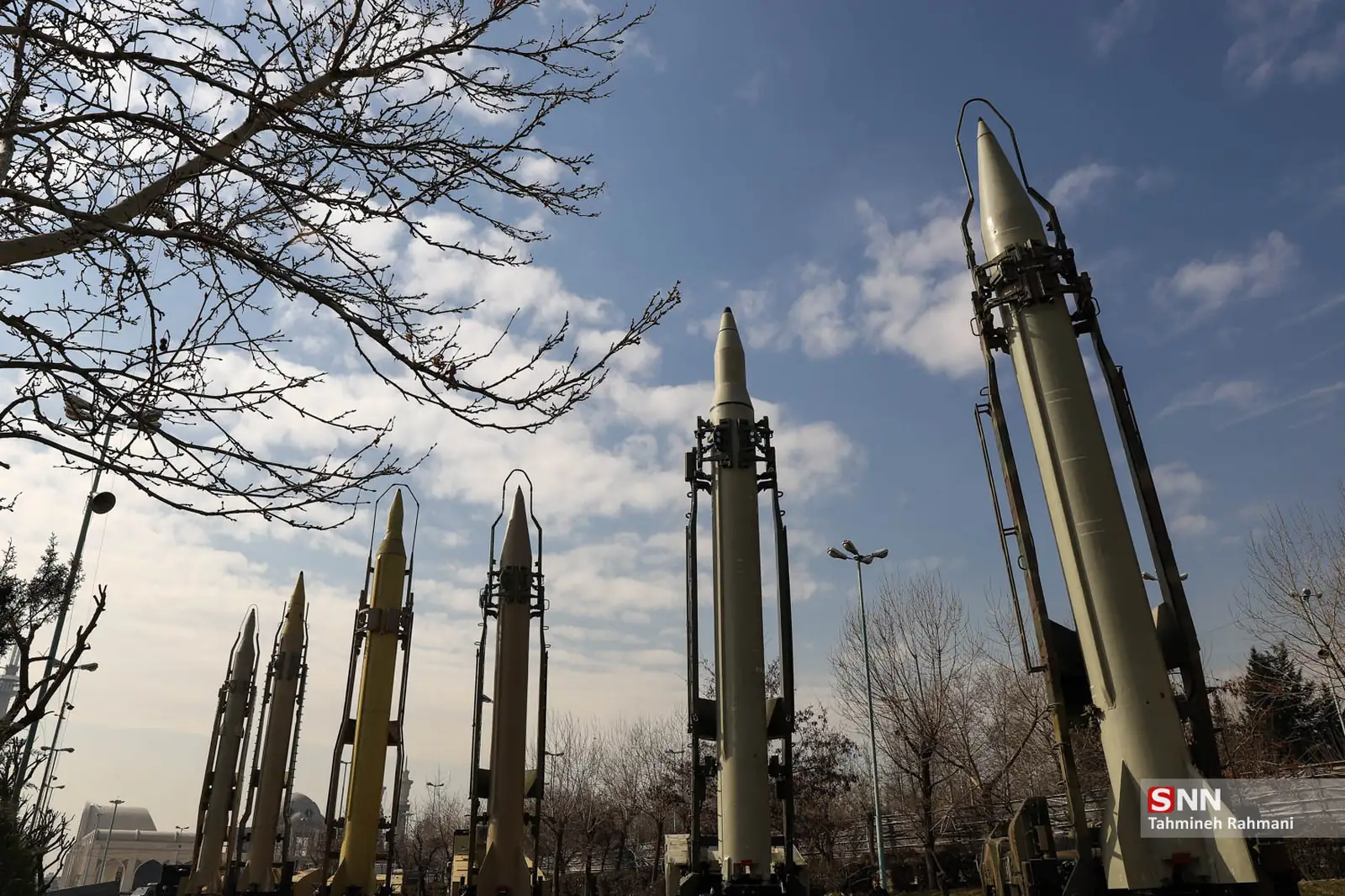
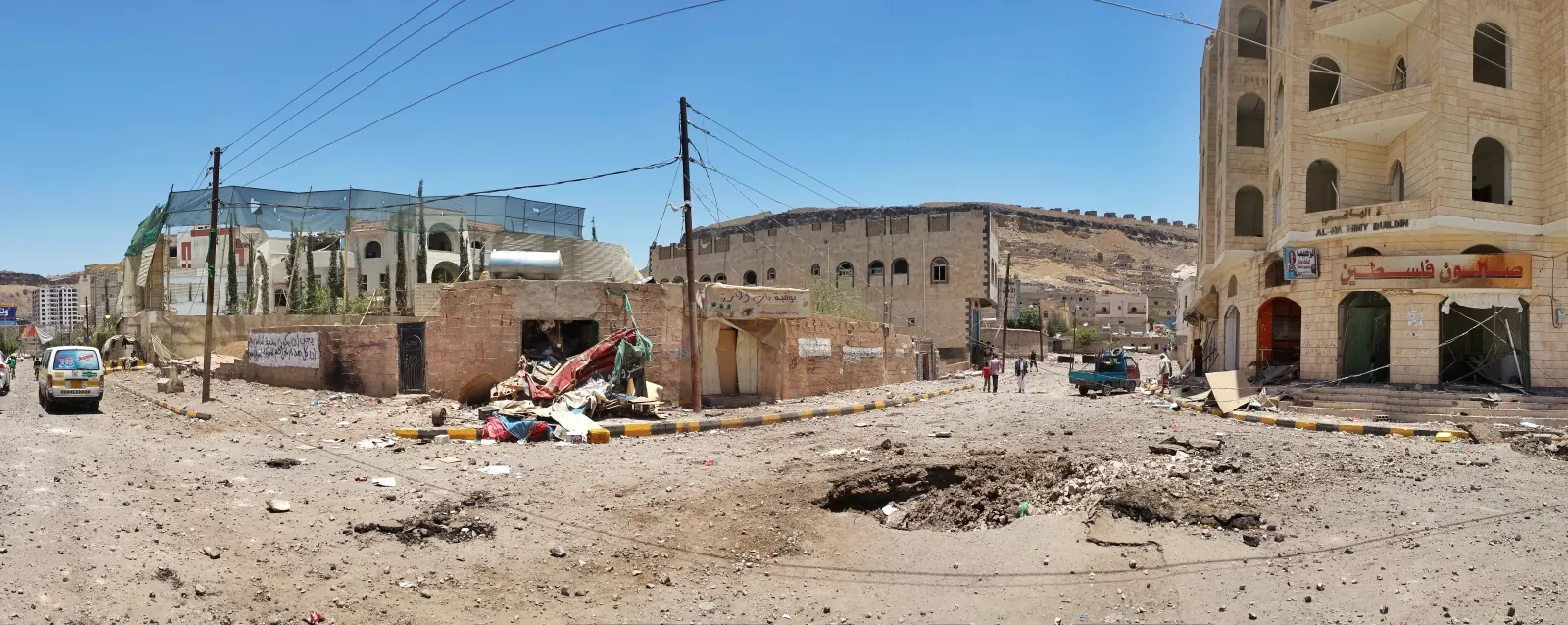
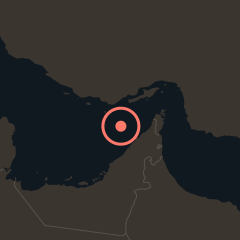
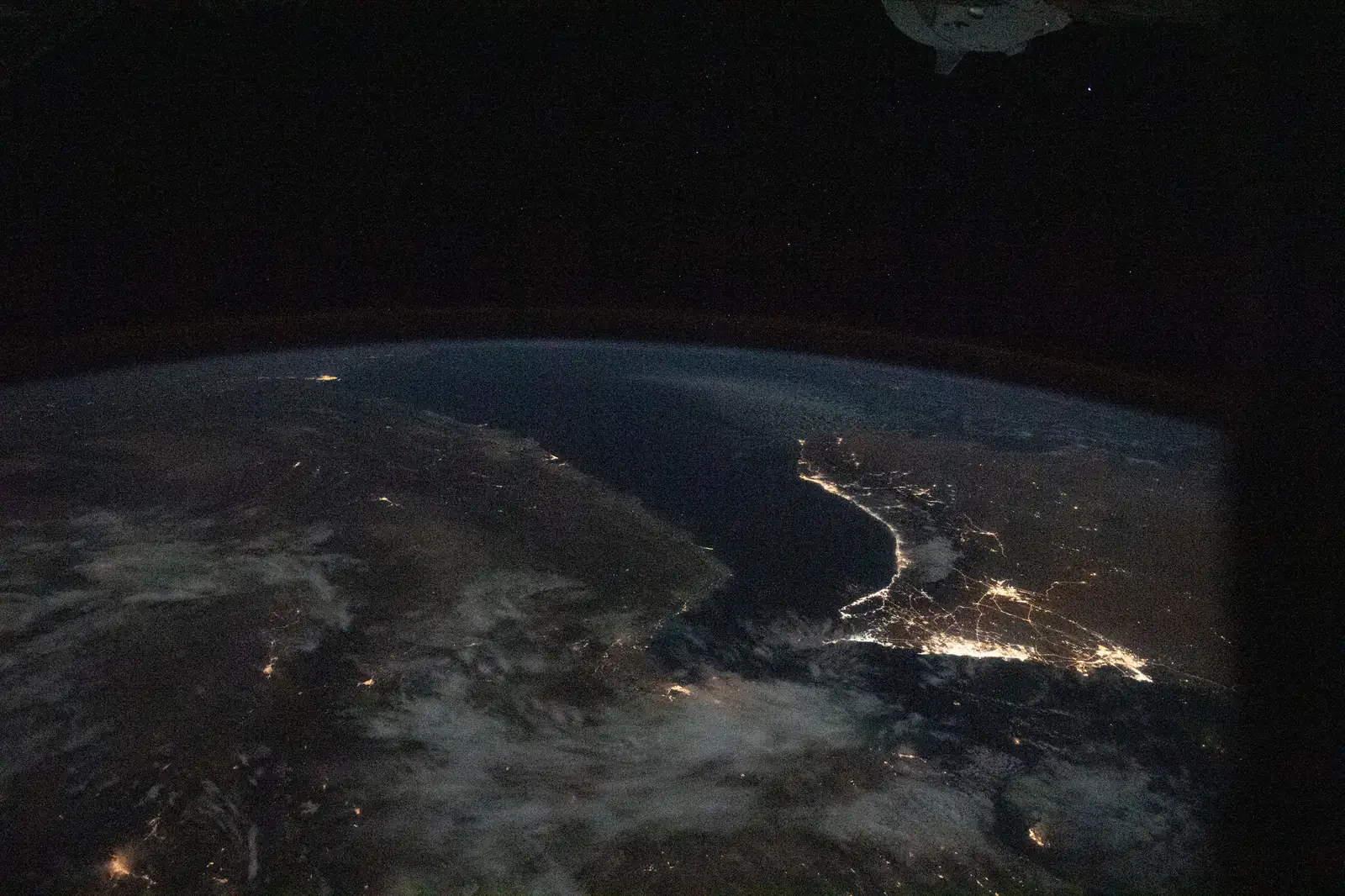
Why is it called both the Persian Gulf and the Arabian Gulf?
The historic international name is the Persian Gulf. The United Nations made it the standard in documents under a 1990 editorial directive. Iran treats the name as a matter of national identity.
Arab Gulf states use the Arabian Gulf. The US military has long used Arabian Gulf in its own communications. In May 2025, AP reported that President Trump planned to announce that the United States would use Arabian Gulf. Iran’s foreign minister Abbas Araghchi called any renaming "indicative of hostile intent toward Iran." CNN reported that Trump dropped the plan after the backlash. No formal US renaming has been found through November 2026. This page uses the Persian Gulf, the UN standard, and notes the alternative.
How did Qatar become the world's mediator?
Qatar has LNG wealth, the largest US air base in the region at Al Udeid, ties to Iran through their shared South Pars/North Dome gas field, and a Hamas political office in Doha. It has used those assets to host talks between rivals.
Qatar helped mediate the Gaza ceasefire signed on October 13, 2025, with the United States, Egypt and Turkey. It brokered the DRC-M23 Doha Framework on November 15, 2025. In November 2026, Qatar and Pakistan are mediating indirect US-Iran talks. Qatar’s prime minister Mohammed bin Abdulrahman Al Thani called the war’s economic fallout "an earthquake" on September 20, 2026. Mediation has not protected Qatar from violence. Israel struck Hamas negotiators in Doha on September 9, 2025, killing five Hamas members and a Qatari security officer. Iran struck Ras Laffan in March 2026.
How did the Persian Gulf get here?
- 1908First major oil strike, at Masjed Soleyman, Iran
- Sep 1960OPEC founded in Baghdad
- 1971Bahrain, Qatar and the UAE become independent
- 1980-88Iran-Iraq war, including the tanker war in the Gulf
- Aug 1990Iraq invades Kuwait; the US-led coalition liberates it in 1991
- Mar 2003US-led invasion of Iraq
- Mar 2023Saudi Arabia and Iran restore ties, brokered by China
- Jun 2025Twelve-day war; the US and Israel strike Iran’s nuclear sites
- Feb 2026War on Iran begins; Supreme Leader Ali Khamenei killed; Hormuz shipping restricted
- Jun 2026Islamabad Memorandum sets a 60-day negotiation track
What to watch
Late Nov 2026
OPEC+ meeting
The November 29 ministerial meeting sets the 2027 output framework, with the UAE now outside the group and Gulf flows still disrupted.
January 2027
New US Congress
Democrats won both chambers in the November 2026 midterms. The new Congress starts on January 3, and war-powers and funding fights are expected.
2027
Hormuz and pipelines
The EIA expects Gulf oil flows to normalize in early 2027. The UAE aims to double its Fujairah bypass pipeline capacity by 2027.
Questions about the Persian Gulf
Which countries are on the Persian Gulf?
Eight countries border the Persian Gulf. Iran lines the northern and eastern shore. Iraq and Kuwait are at the northwestern end. Saudi Arabia, Bahrain, Qatar and the UAE line the western and southern shores. Oman touches the Gulf only through its Musandam exclave at the Strait of Hormuz. Most of Oman’s coast faces the Gulf of Oman and the Arabian Sea.
Why are there so many US bases in the Persian Gulf?
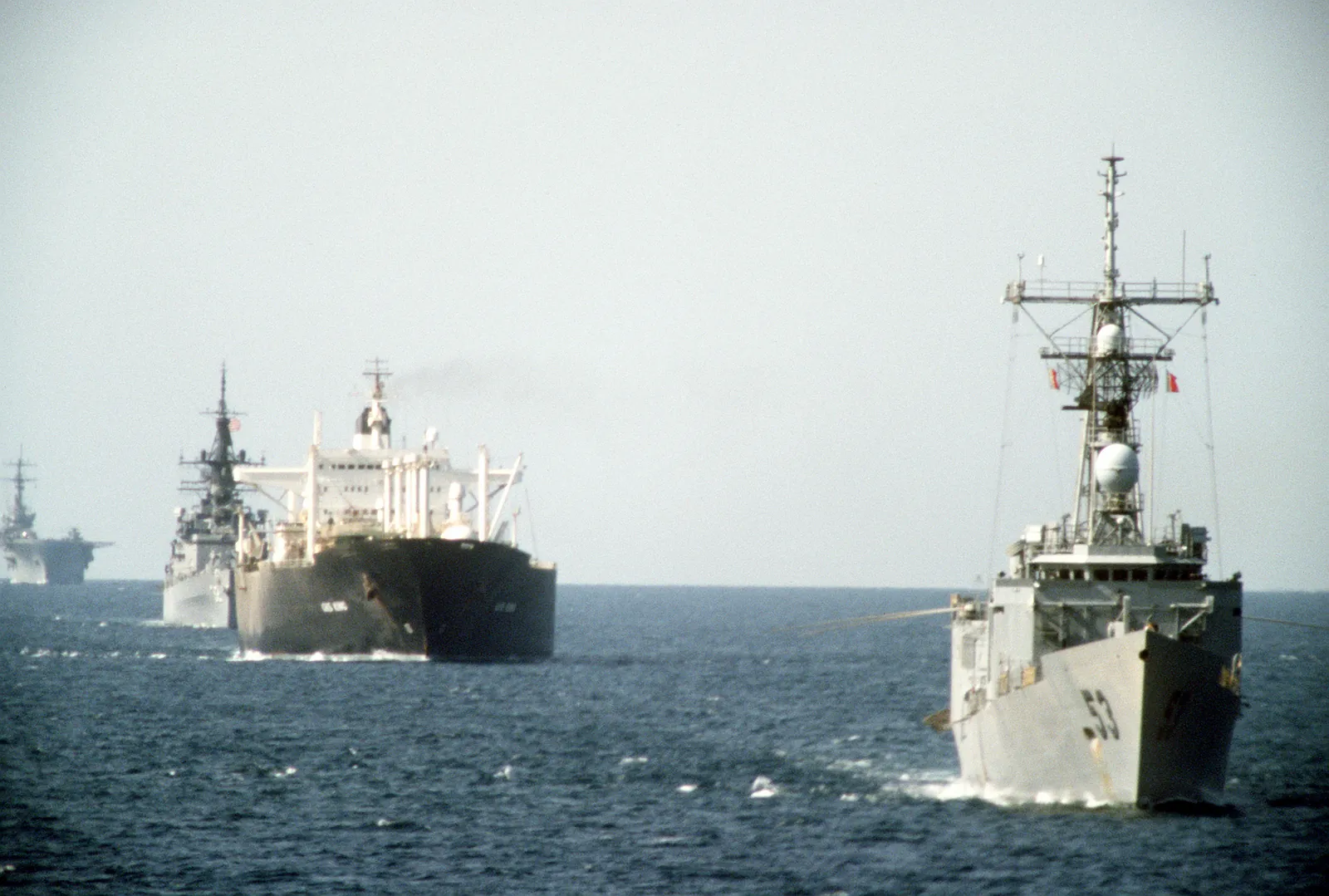
The bases protect oil flows, deter Iran and support US arms sales. The United States took over the Gulf’s security role from Britain after 1971. The 1979 Iranian revolution, the Iran-Iraq war’s tanker attacks and the 1990-1991 defense of Kuwait made the presence permanent. The US had 40,000 to 50,000 troops in the Middle East in mid-2025 and more than 50,000 during the 2026 war. Its main Gulf bases are in Bahrain, Qatar, the UAE and Kuwait. Host states want the protection. In the 2026 war, Iran struck all six GCC states.
How deep is the Persian Gulf?
The Gulf is shallow. Its average depth is about 50 meters and its maximum is about 90 meters. It is about 989 km long and covers about 251,000 square kilometers. The Strait of Hormuz at its mouth is deep enough for the largest crude oil tankers, according to the EIA.
Is Iran at war in 2026?
Yes. The United States and Israel began striking Iran on February 28, 2026. Supreme Leader Ali Khamenei was killed that day. Iran struck back at US bases and all six GCC states. A naval blockade, a brief ceasefire, and an agreement called the Islamabad Memorandum followed. As of November 2026, Qatar is still mediating, though Trump said on November 12 that the United States did not need a deal. The US blockade remains in force and the strait is not open to normal shipping.
Did the UAE leave OPEC?
Yes. The UAE left OPEC and OPEC+ on May 1, 2026, after 59 years. OPEC now has 11 members. Qatar left OPEC separately in 2019.
What is the GCC?
The GCC is the Gulf Cooperation Council, founded on May 25, 1981. Its six members are Saudi Arabia, the UAE, Qatar, Kuwait, Bahrain and Oman. Iran and Iraq are not members. The GCC coordinates economic, security and political policies among the Arab Gulf monarchies.
Read more
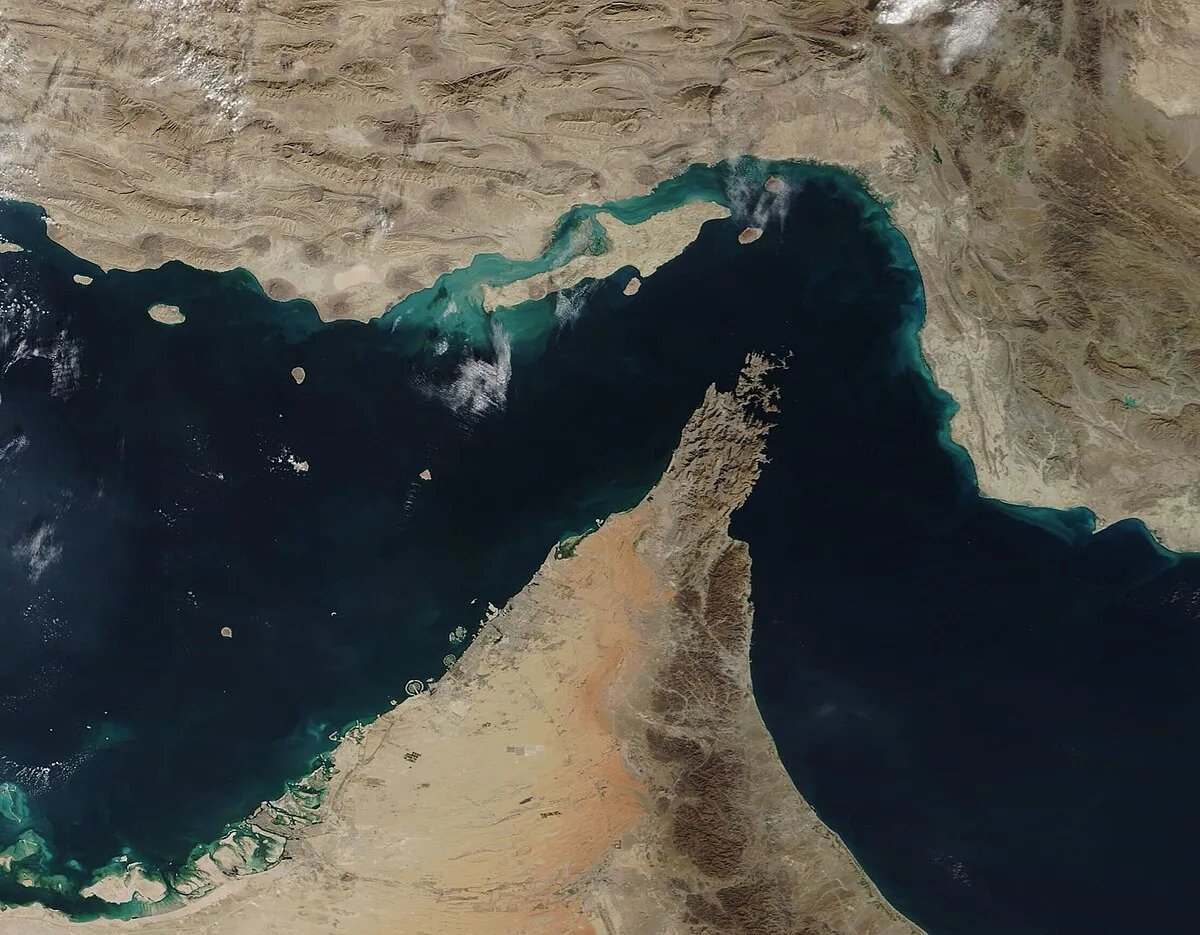
Nearby regions
All regions →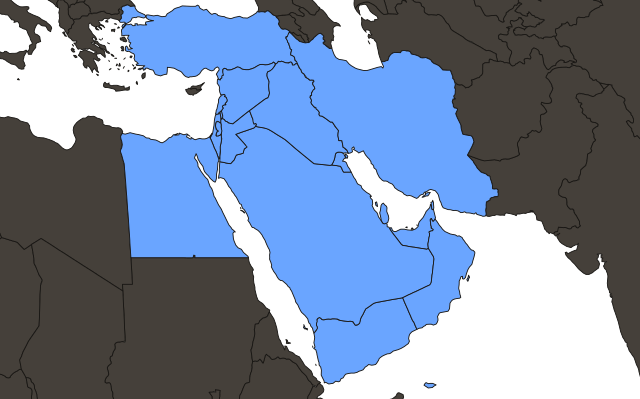 Middle EastThe Iran war, a contested Strait of Hormuz and a fragile Gaza ceasefire define the region in 2026.Fighting
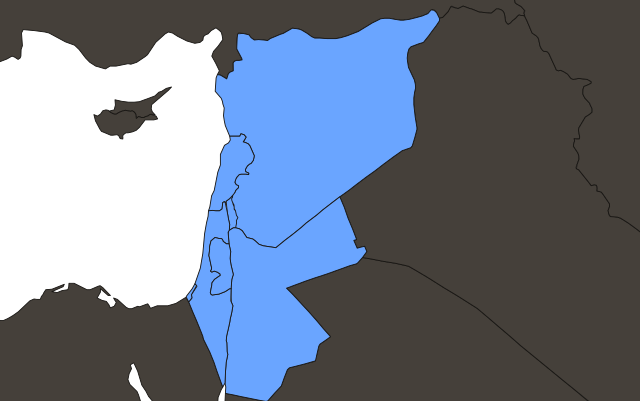 LevantFive countries on the eastern Mediterranean, with fragile truces in Gaza and Lebanon and a new Syria taking shape.Fighting
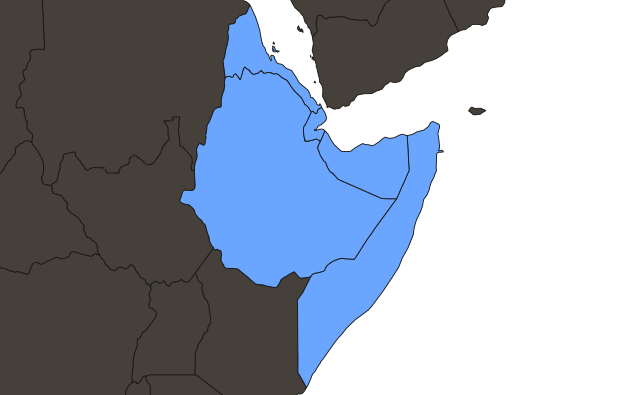 Horn of AfricaFour countries around the Red Sea and the Gulf of Aden, home to foreign bases, wars and a fight over portsFighting