Region · The top of the world
The Arctic
Militarizing fast, no shots firedUpdated November 13, 2026
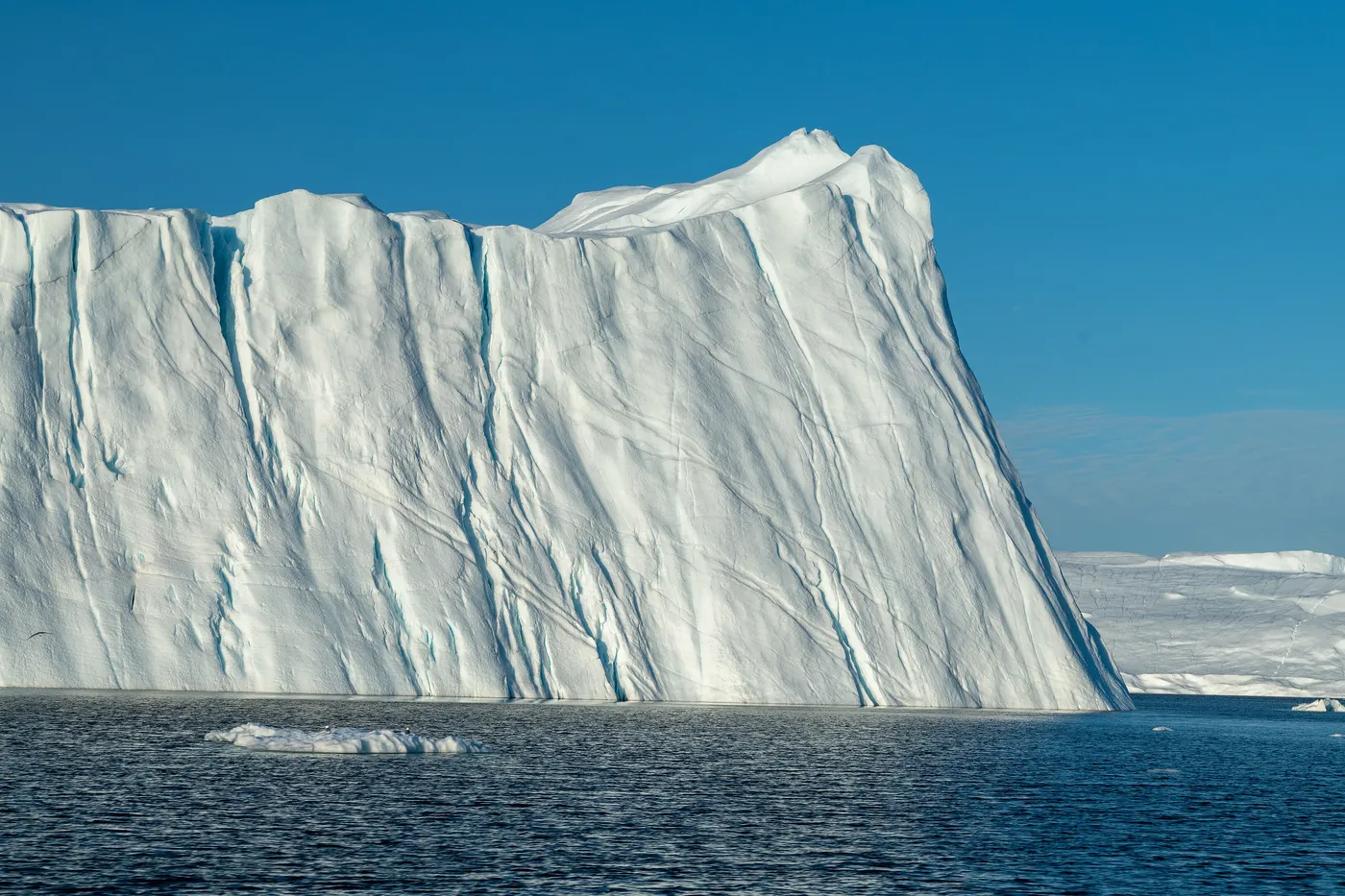
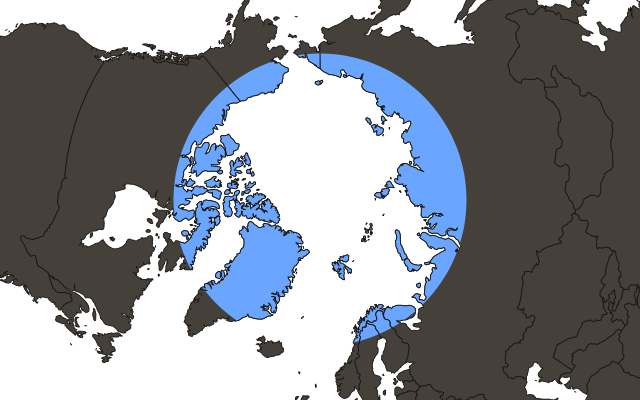
The Arctic is the region around the North Pole. Eight states border or sit inside the Arctic Circle: Russia, Canada, the United States, Denmark (through Greenland), Norway, Iceland, Sweden and Finland. Seven of the eight are now in NATO. The region holds about 13% of the world's undiscovered oil and 30% of its undiscovered gas. Its melting ice is opening new shipping routes and raising competition over resources, military bases and seabed claims.
- Countries
- 8


- People
- 559.7 million
- UN, 2025
- Economy
- $37.79tn
- United States is 82% of it
- Undiscovered oil
- 90 bn bbl
- about 13% of the world's undiscovered oil (USGS 2008)
- Warming rate
- Nearly 4x faster
- than the global average, 1979-2021
Map of the Arctic
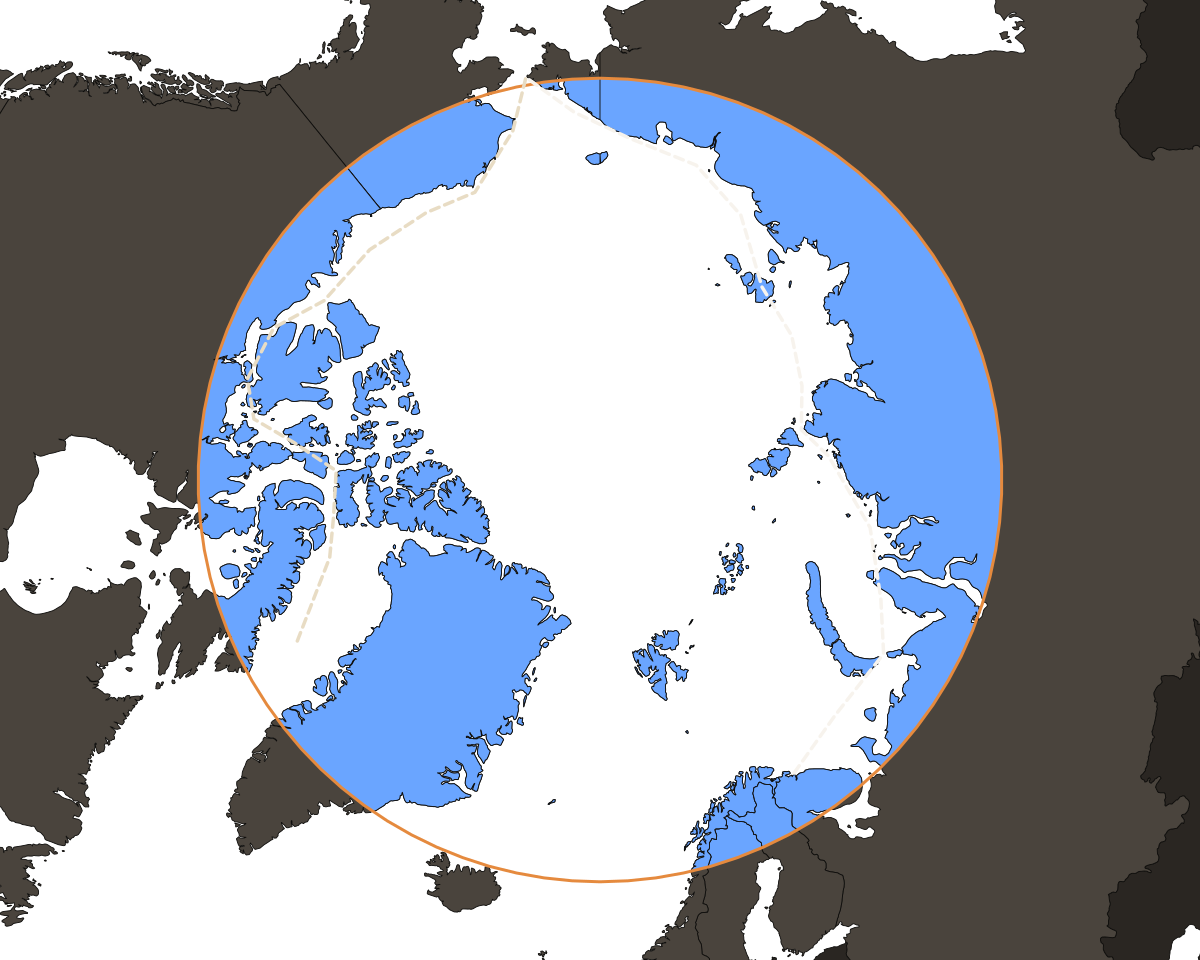
The Arctic Ocean sits between Russia, Canada, Greenland and Alaska. Two shipping routes skirt its edges: the Northern Sea Route along Siberia and the Northwest Passage through Canada's islands.
 Russia
Canada
Greenland
Alaska
Norway
Sweden
Finland
Iceland
Arctic Ocean
Barents Sea
Beaufort Sea
1
2
3
4
5
6
7
8
9
- 1North Pole and the Lomonosov Ridge Russia, Denmark and Canada each claim the seabed here through the undersea ridge
- 2Pituffik Space Base The only US base in Greenland: missile warning radar, to be expanded under the 2026 pact
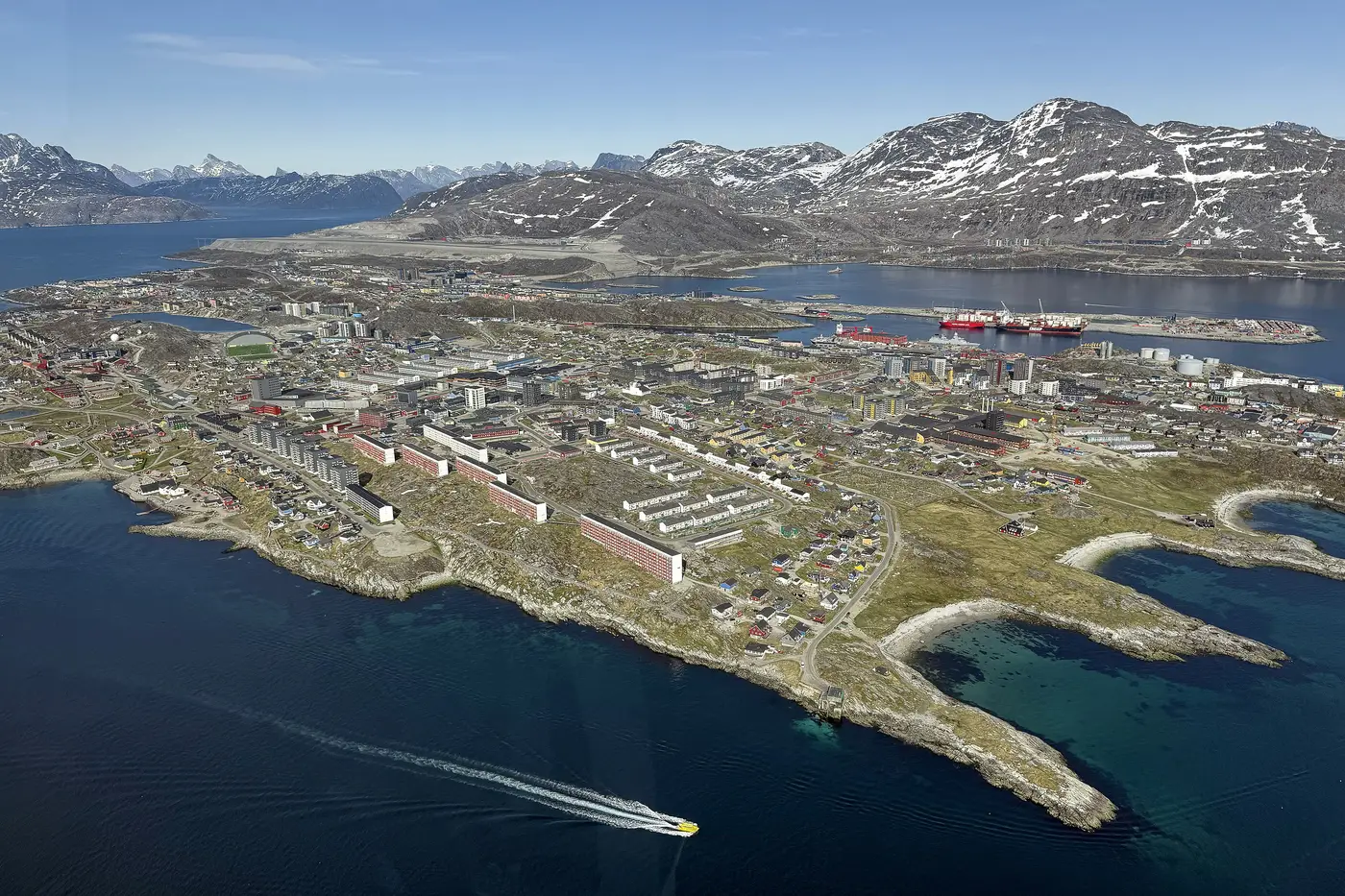
- 3Nuuk Greenland's capital. Site of a planned new Danish Arctic Command HQ. France and Canada opened consulates here in 2026, and the US opened a larger one
- 4Severomorsk and the Kola Peninsula Russia's Northern Fleet HQ, with about two-thirds of its sea-based nuclear deterrent
- 5Nagurskoye Russia's northernmost military base, a reopened Soviet site on Franz Josef Land
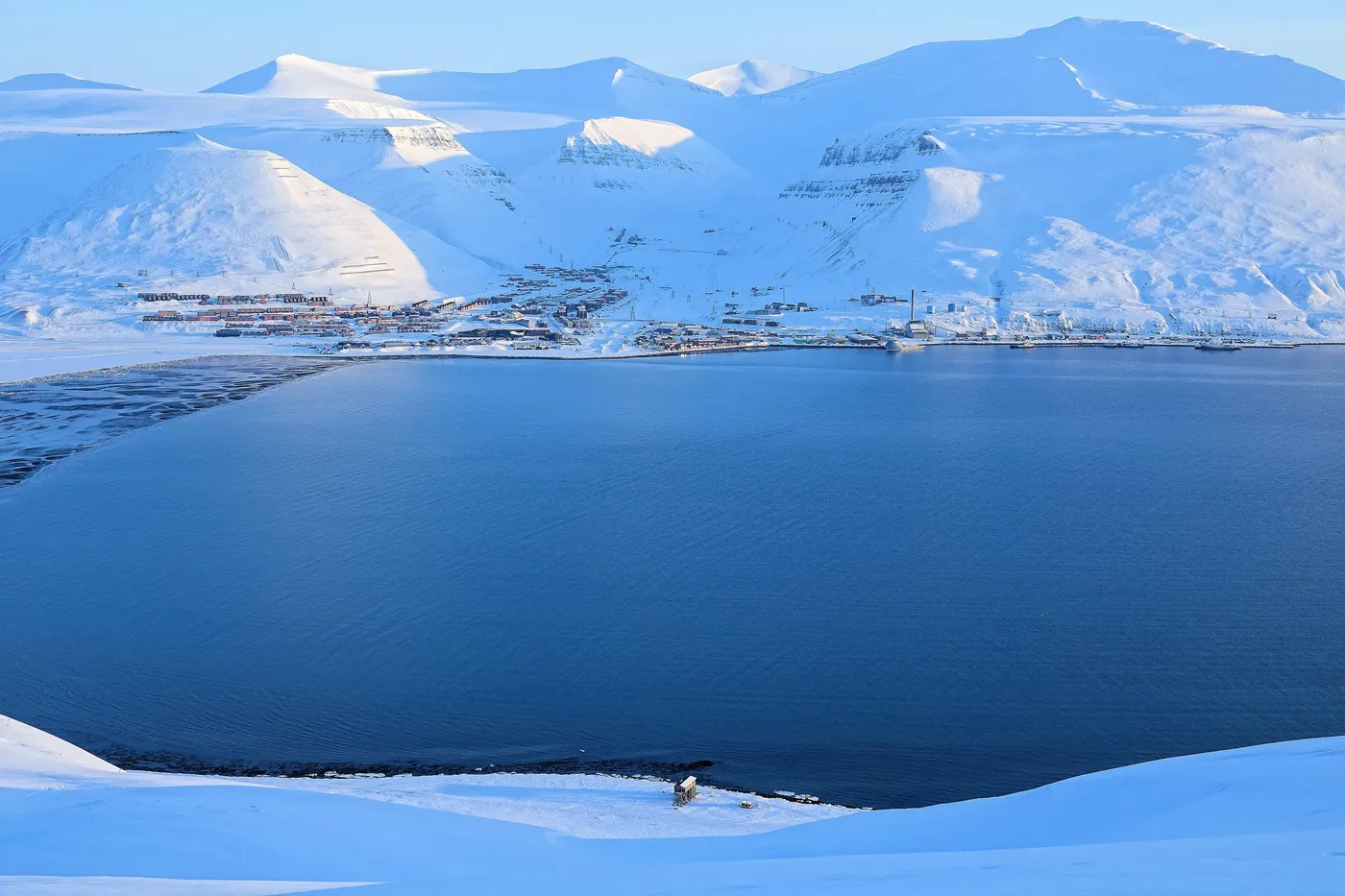
- 6Svalbard Norwegian territory. A 1920 treaty gives all its signatories equal economic rights
- 7Sabetta Export port for Yamal LNG, which shipped about 18.3 Mt in 2025
- 8Bering Strait About 82 km wide, the only Pacific gateway to the Arctic Ocean
- 9Keflavík NATO Air Policing hub on the GIUK gap, Iceland's link to Atlantic defense
Why does the Arctic matter?
~4x
Warming faster than the globe
The Arctic warmed nearly four times faster than the global average from 1979 to 2021, according to Rantanen et al. (2022). The melting ice is opening shipping routes and access to resources.
13%
Of the world's undiscovered oil
A 2008 USGS study estimated 90 billion barrels of undiscovered oil and 30% of undiscovered gas are in the Arctic, mostly offshore.
7 of 8
Arctic states now in NATO
Finland joined NATO in April 2023 and Sweden in March 2024. Russia is the only Arctic state outside the alliance.
Who has power in the Arctic?
Russia has the longest Arctic coastline, the most icebreakers and keeps most of its nuclear missile submarines on the Kola Peninsula. The United States projects power through Alaska and Greenland. Since March 2024 every other Arctic state has been in NATO.
RussiaMixed
Russia has 42 icebreakers, including 8 nuclear-powered, and has reopened dozens of Soviet-era Arctic bases. Finland and Sweden have joined NATO. Northern Sea Route cargo reached only about 38 Mt in 2024, against an 80 Mt target, and slipped to about 37 Mt in 2025.
United StatesGaining
The US signed a security pact with Denmark and Greenland on September 22, 2026, which would give it two new defense areas and expanded access at Pituffik once ratified. It ordered 6 new icebreakers in December 2025, with the first due in 2028.

ChinaMixed
China calls itself a "near-Arctic state." In August 2026 a Chinese shipping firm launched a seasonal container service from Ningbo to Felixstowe via the Northern Sea Route, about 20 days against about 40 via Suez. Five Chinese research ships operated off Alaska in August 2025. But the 2026 Greenland pact bars non-NATO military presence there.
CanadaGaining
In March 2026 Prime Minister Mark Carney announced about C$32 billion for military forward operating locations in the North. Canada's military spending rose 23% in 2025, according to SIPRI.
DenmarkGaining
Denmark committed about DKK 42 billion across two Arctic packages in 2025 and raised military spending 46% in 2025, to 3.3% of GDP. It deployed troops to Greenland in January 2026 and is building a new Arctic Command headquarters in Nuuk.
NorwayGaining
Norway raised military spending 49% in real terms in 2025, among the fastest increases in NATO. It supplied 30.9% of EU gas imports in 2025. In July 2025 it sanctioned two Russian fishing firms on espionage grounds.
Who owns the North Pole?
Nobody owns it. The water and ice at the North Pole are high seas under international law.
The seabed is a different question. Under the UN Convention on the Law of the Sea (UNCLOS), a country can claim seabed beyond its 200-nautical-mile zone if the continental shelf extends that far. Russia, Denmark (through Greenland) and Canada each say the Lomonosov Ridge, an undersea mountain chain running past the Pole, connects it to their shelf. The UN Commission on the Limits of the Continental Shelf largely endorsed Russia's claim of about 2.1 million square kilometers in February 2023. Its recommendations do not settle where the claims overlap.
Denmark filed its claim in 2014. The Commission is not expected to review it before about 2032. Canada filed in 2019. The United States declared its own extended shelf in December 2023, but Russia rejects it because the US has not ratified UNCLOS. The overlaps must be settled by negotiation.
Will the Northern Sea Route replace the Suez Canal?
Not any time soon. The gap in scale is enormous.
In 2025 the Northern Sea Route carried about 37 Mt of cargo in total, of which about 3.2 Mt was transit traffic in 103 voyages. The Suez Canal carried 464.4 Mt in 12,758 ships that same year. The Northern Sea Route is open only from roughly July to November, and ships not built for ice are shut out from mid-October. Russia controls the route through Rosatom, and Western sanctions add insurance and legal risk.
The route is growing as a niche alternative. Transit voyages hit a record 104 by September 30, 2026. After the disruption at the Strait of Hormuz in 2026, a Chinese firm launched a seasonal container service from Ningbo to Felixstowe in about 20 days, against about 40 via Suez. Dylan Loh of Nanyang Technological University called it "a hedge, not a complete pivot."
Northern Sea Route transit voyages
The countries of the Arctic
All countries →- RussiaPresident Vladimir Putin144Mpeople$2.57tneconomy
- CanadaPrime Minister Mark Carney40Mpeople$2.32tneconomy
- United StatesPresident Donald Trump347Mpeople$30.86tneconomy
- DenmarkPrime Minister Mette Frederiksen6.0Mpeople$471bneconomy
- NorwayPrime Minister Jonas Gahr Støre5.6Mpeople$530bneconomy
- IcelandPrime Minister Kristrún Frostadóttir398kpeople$38bneconomy
- SwedenPrime Minister (caretaker) Ulf Kristersson11Mpeople$677bneconomy
- FinlandPresident Alexander Stubb5.6Mpeople$318bneconomy
Who belongs to what?
All eight Arctic states sit on the Arctic Council, but work with Russia has been paused since March 2022. Seven of the eight are in NATO. Only Denmark, Sweden and Finland are in the EU. Russia is the only one of the eight in BRICS, the CSTO and the Shanghai Cooperation Organisation.
Wars and disputed land in the Arctic
All conflicts → Iran warWarFighting
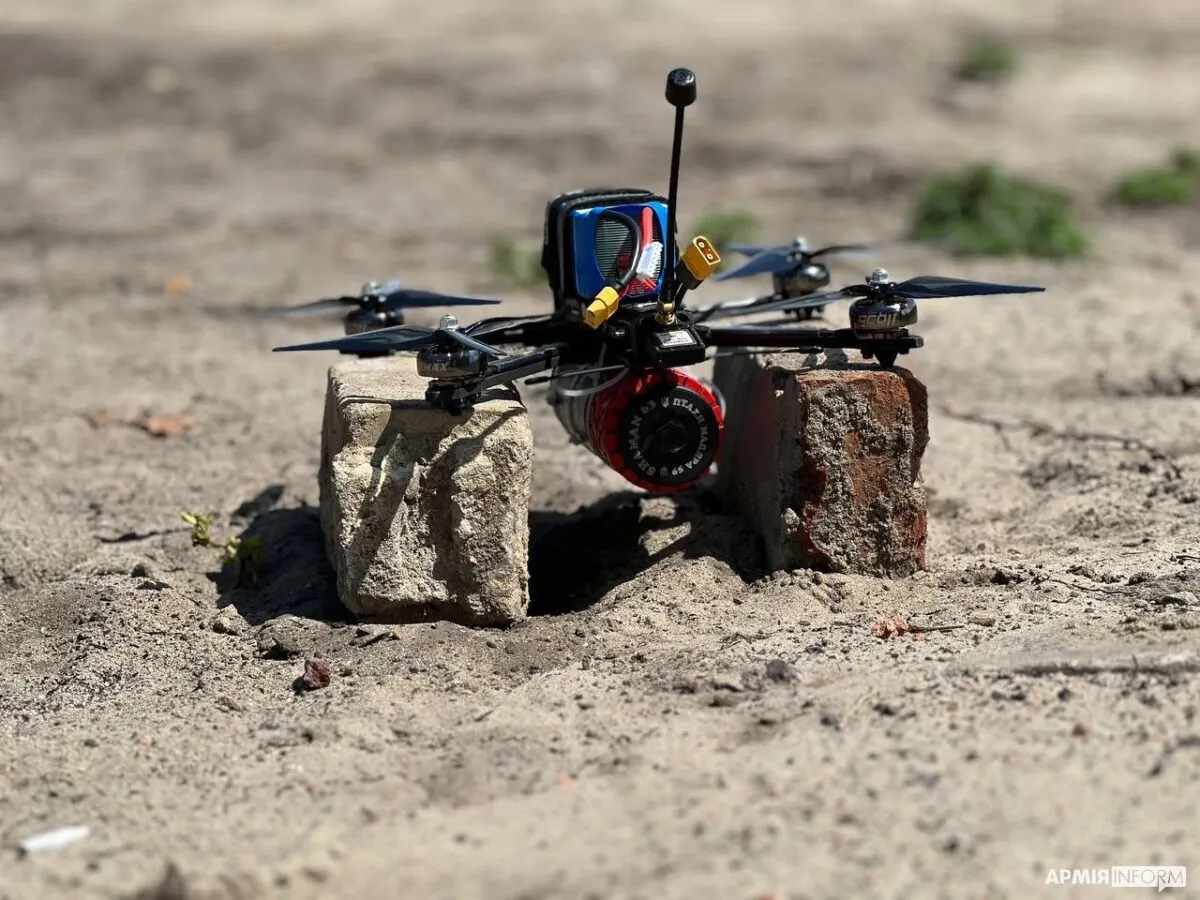 Russia-Ukraine warWarFighting
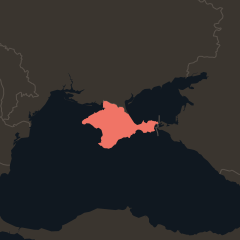 CrimeaUnder Ukrainian drone and missile strikesFighting
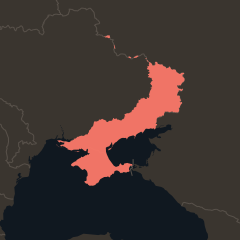 Russian-occupied UkraineThe front line still moves in DonetskFighting
 Russia-NATOFlashpointTense
 US-VenezuelaFlashpointTense
 United States vs ChinaRivalryTruce
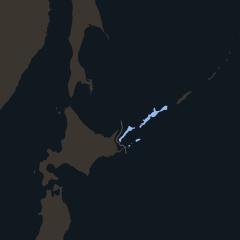 Kuril IslandsNo peace treaty, and Putin visited in 2026Frozen
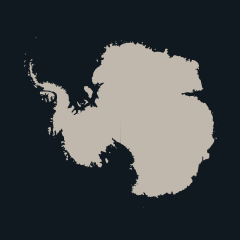 AntarcticaAll claims on hold under a 1959 treatyQuiet
 Hans IslandSplit between Canada and Denmark in 2022Settled
Is the Arctic a new front between Russia and NATO?
Partly. Both sides are building up forces, but no shots have been fired.
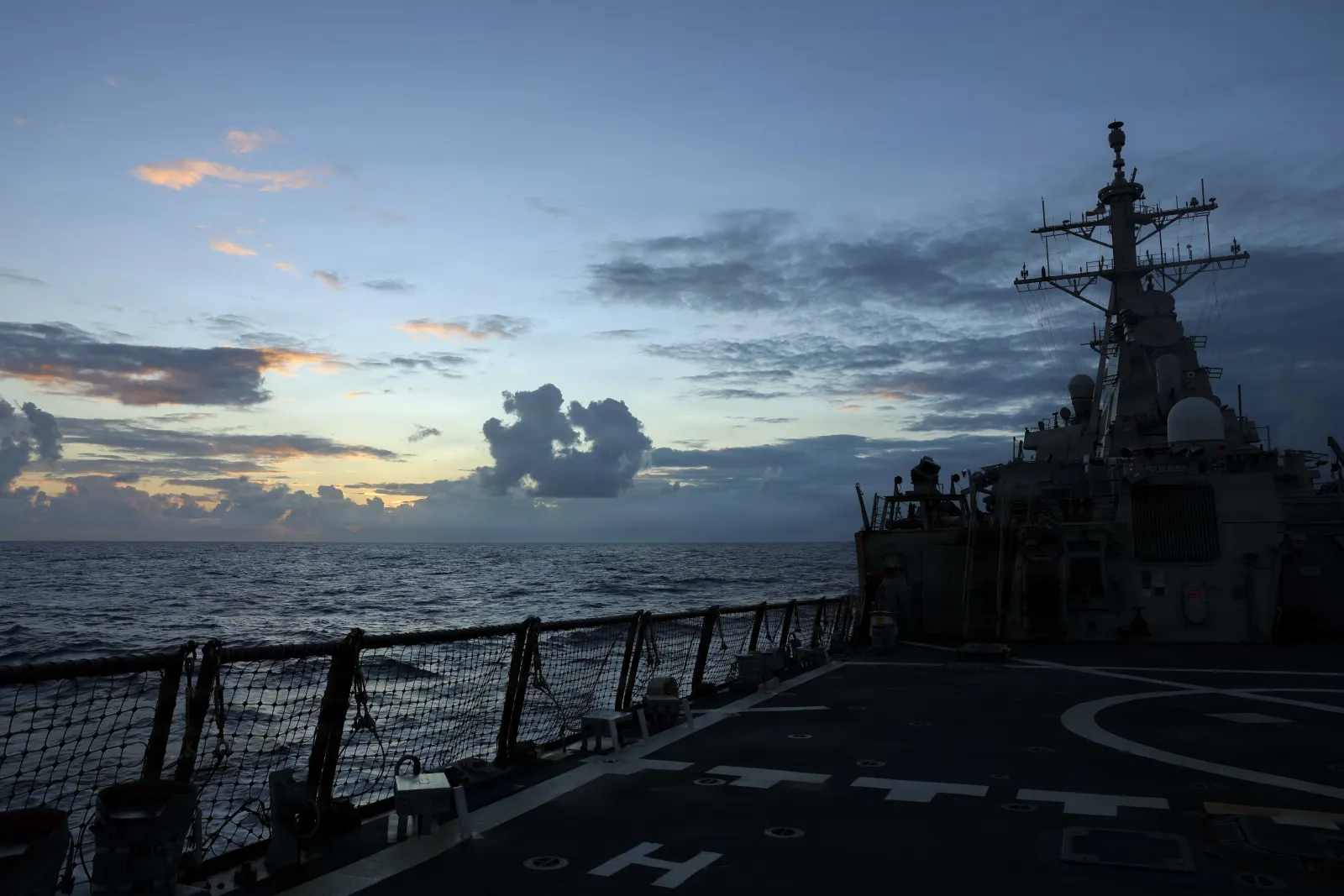
Seven of the eight Arctic states are now in NATO. The alliance launched Arctic Sentry in February 2026, an umbrella for exercises across the high north. NATO stood up Forward Land Forces in Finnish Lapland in June 2026. Denmark deployed troops to Greenland in January 2026, and the United Kingdom pledged to double its forces in Norway to 2,000.
Russia reactivated the Leningrad Military District in 2024. Finland's Army commander estimated in June 2026 that Russian ground forces near the Finnish border could grow from about 20,000 to as many as 80,000 after the war in Ukraine. Russia has reopened dozens of Soviet-era posts across its Arctic. The Kola Peninsula holds about two-thirds of Russia's sea-based nuclear deterrent.
There are signs of restraint. Norway and Russia still signed a cod quota deal for 2026. The Arctic Council survives in reduced form. The London-based Bloomsbury Intelligence and Security Institute judges a near-term Russian attack in the Arctic "highly unlikely" while Russia's focus is Ukraine.
What does China want in the Arctic?
China wants shipping routes that bypass chokepoints, access to energy and minerals, and a voice in Arctic governance.
China called itself a "near-Arctic state" in a white paper published on January 26, 2018, and launched the "Polar Silk Road" shipping vision. It has no territory above the Arctic Circle. China holds observer status at the Arctic Council, and its Yellow River research station has operated on Svalbard since the early 2000s. CNPC and CNOOC each hold 10% of Russia's sanctioned Arctic LNG 2 project.
China's Arctic presence is growing at sea. In July 2024 Chinese and Russian bombers flew a joint patrol near Alaska, staying in international airspace. In October 2024 the China Coast Guard entered the Arctic Ocean for the first time, alongside Russia. In August 2025 five Chinese research ships operated over the seabed that the US claims as its extended continental shelf off Alaska. The 2026 Greenland security pact bars non-NATO military presence in Greenland and screens non-allied investors. That limits China's options there.
How did the Arctic get here?
- 1867The US buys Alaska from Russia
- 1920Svalbard Treaty gives Norway sovereignty
- 1951US-Denmark defense pact; Thule base built
- 1996The Arctic Council is created
- 2007Russia plants a flag at the North Pole seabed
- 2008Ilulissat Declaration on the law of the sea
- 2012Record-low Arctic sea ice, still unbroken
- 2022Arctic Council pauses after Russia invades Ukraine
- 2023-24Finland and Sweden join NATO
- Sep 2026US-Denmark-Greenland security pact signed
What to watch
November 19, 2026
Danish vote on Greenland pact
The Danish parliament is due to vote on the US-Denmark-Greenland security pact. Greenland's parliament approved it 16-0 on November 3.
2027
Arctic Council handover
Denmark is expected to hand the Arctic Council chair to Sweden in 2027. Whether the Council can hold a full ministerial meeting with Russia remains unclear.
2028
First US icebreakers due
The first of 6 new Arctic Security Cutters ordered in December 2025 is expected in 2028. Russia currently has 42 icebreakers against a handful for the US.
Questions about the Arctic
Which countries are in the Arctic?
Eight. The Arctic states are Russia, Canada, the United States (through Alaska), Denmark (through Greenland and the Faroe Islands), Norway, Iceland, Sweden and Finland. Five of them border the Arctic Ocean: Russia, Canada, the US, Denmark and Norway. Iceland, Sweden and Finland have land on or north of the Arctic Circle but no Arctic Ocean coast.
Is Greenland a country?
Not an independent one. Greenland is a self-governing part of the Kingdom of Denmark with its own parliament, premier and flag. Denmark handles its foreign policy and defense. The 2009 Self-Government Act gives Greenland the right to declare independence by referendum. A January 2025 poll by Verian found 56% of Greenlanders would vote for independence.
Does anyone live in the Arctic?
Yes. About 4 million people live in the Arctic in total. They include Indigenous peoples such as the Inuit and the Sami, as well as residents of cities like Murmansk, Tromso and Nuuk. Russia has by far the largest Arctic population.
Why does the US want Greenland?
The US wants Greenland mainly for defense. Its military uses Pituffik Space Base in northwest Greenland for missile warning and space surveillance. Greenland also sits on the GIUK gap, a choke line for tracking Russian submarines, and holds rare-earth deposits. President Donald Trump first raised buying Greenland in August 2019. In 2025 and 2026 his administration pressured Denmark. The result was a security pact signed on September 22, 2026, which would expand US military access once Denmark ratifies it. It transfers no sovereignty. A January 2025 poll found 85% of Greenlanders opposed joining the US.
What is the Northern Sea Route?
A shipping route along Russia's Siberian coast, from the Kara Gate near Novaya Zemlya to the Bering Strait. It is shorter than the Suez Canal route for ships traveling between East Asia and northern Europe. Russia's state nuclear agency Rosatom manages it and issues permits. In 2025 it carried about 37 Mt of cargo in total, mostly Russian domestic and export cargo. It is open only from roughly July to November.
What is the Arctic Council?
A forum of the eight Arctic states, created in 1996, that works on environmental protection and cooperation. Every decision requires all eight members to agree. Six groups representing Indigenous peoples are permanent participants. Thirteen non-Arctic states, including China, are observers. The Council paused work with Russia in March 2022 after the invasion of Ukraine. Denmark took the chair in May 2025 for two years. Greenland's Vivian Motzfeldt chaired the Council until she left office in March 2026.