
Region · The eastern Mediterranean
The Levant
Strikes go on under Gaza and Lebanon trucesUpdated November 13, 2026
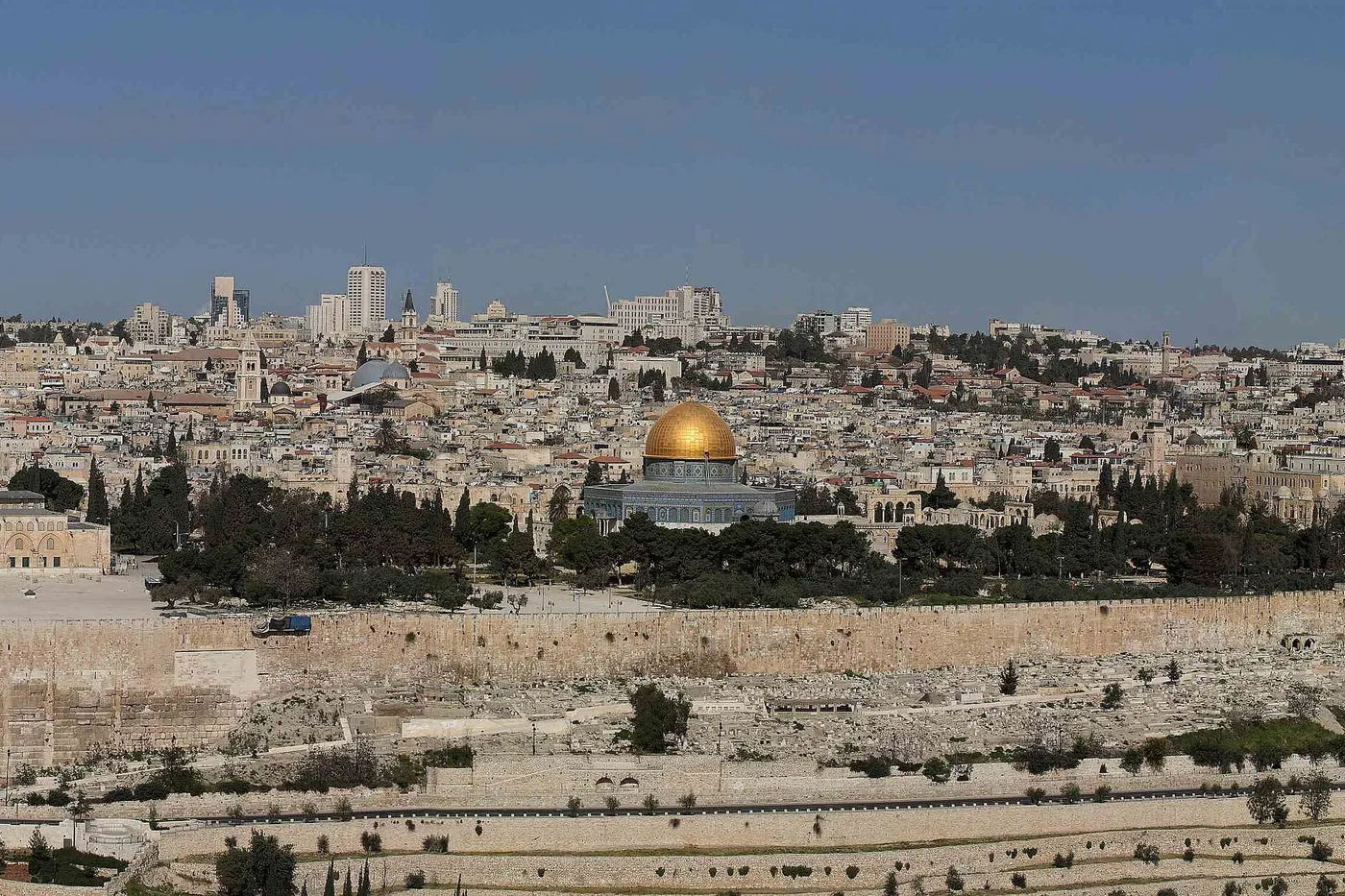
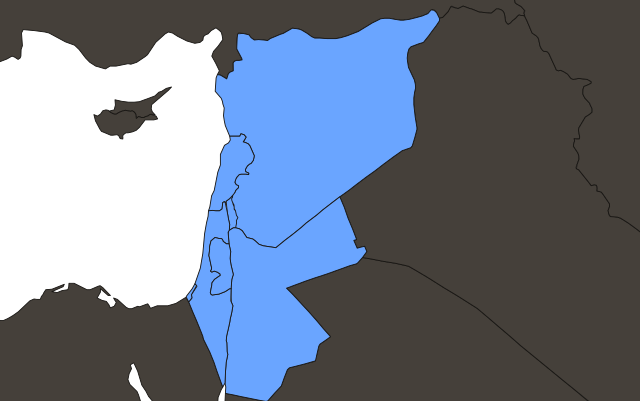
The Levant is the eastern shore of the Mediterranean: Syria, Lebanon, Israel, Palestine (the West Bank and Gaza) and Jordan. The Arabic name is Bilad al-Sham. Gaza and Lebanon are under truces, but Israeli strikes continue in both. A new government is rebuilding Syria after Assad. Israeli forces hold territory in Gaza, south Lebanon and southern Syria. The United States, Turkey and the Gulf states are the main outside powers shaping what comes next.
- Countries
- 5


- People
- 58.1 million
- UN, 2025
- Economy
- $730bn
- Israel is 84% of it, without Syria
- Syria reconstruction estimate
- $216 bn
- World Bank, October 2025
- Gaza ceasefire deaths
- ~1,613
- killed since the October 2025 ceasefire, per the Gaza Health Ministry, as of November 10, 2026
Map of the Levant
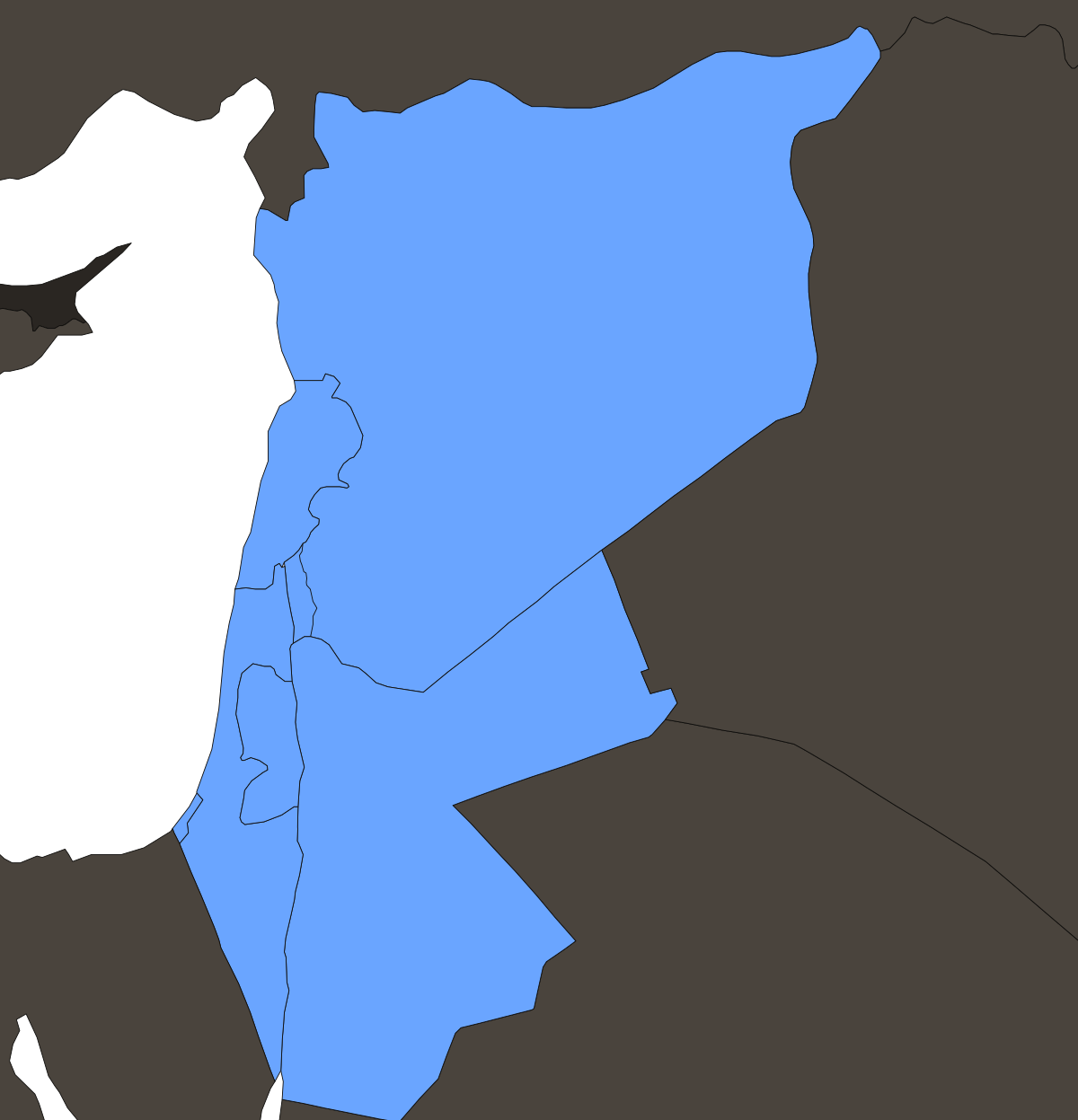
The Levant runs along the eastern Mediterranean from Turkey to the Gulf of Aqaba. Two mountain chains run on either side of Lebanon's Bekaa Valley. The Great Rift runs south through the Jordan River valley to the Dead Sea, the lowest point on land.
 Syria
Jordan
Lebanon
Israel
West Bank
Turkey
Iraq
Egypt
Saudi Arabia
Mediterranean Sea
Damascus
Beirut
Amman
1
2
3
4
5
6
7
- 1Gaza Site of a fragile ceasefire since October 2025. Israel holds about 60% of the strip.
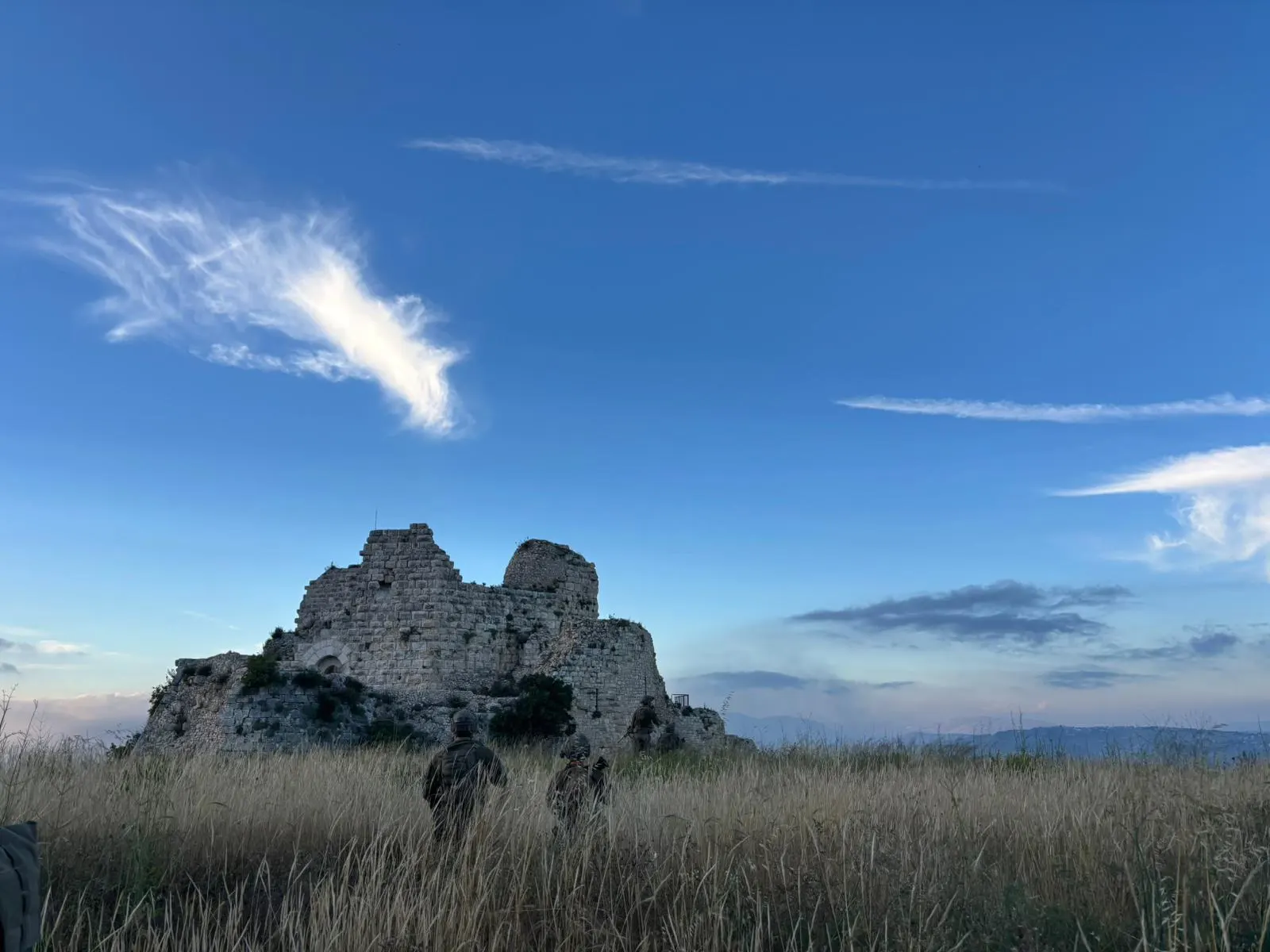
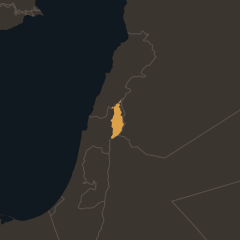
- 2South Lebanon Israel occupies a strip up to about 10 km deep under its 2026 "Yellow Line."
- 3Quneitra buffer zone Israel has held the UN buffer zone and the Syrian side of Mount Hermon since December 2024.
- 4Sweida Druze self-administration zone. Death tolls for the July 2025 clashes range from 426 to about 2,000, depending on the monitor.
- 5Hmeimim Russian air base being converted to a joint training center under an August 2026 deal.
- 6Tartus Russia's only Mediterranean naval facility. The commercial port is run by the UAE's DP World.
- 7Al-Omar oil field Syria's largest oil field, retaken by the government from the SDF in January 2026.
Why is the Levant fought over?
3
Israeli buffer zones in neighbors
Israel holds territory in Gaza, south Lebanon and southern Syria. Each zone is disputed and none has a settled end date.
$35 bn
Levant Basin gas exports
Israel approved a $35 bn gas deal with Egypt in December 2025. Israel's fields produced about 27.4 bcm in 2024, mostly from Leviathan and Tamar.
98%
Jordan River flow lost
Parts of the lower Jordan have lost up to 98% of their historic flow, according to EcoPeace. Water rights drive disputes across the region.
Who has power in the Levant?
The United States brokers ceasefires and arms Israel but pulled its troops out of Syria in April 2026. Turkey is Syria's closest military partner, with more than 20,000 personnel in the northwest. Gulf states are funding Syria's reconstruction. Iran has lost its land route through Syria. Its main armed ally, Hezbollah, is badly weakened.

United StatesGaining
It brokered the Gaza ceasefire and the June 2026 Israel-Lebanon framework agreement. It has fought alongside Israel against Iran since February 28, 2026. It handed its last bases in Syria to the Syrian army in April 2026, ending a decade-long troop presence.

TurkeyGaining
More than 20,000 military and security personnel in northwest Syria. Azerbaijani gas reaches Syria through Turkey via the Kilis-Aleppo pipeline, which delivered 735 mcm in the first half of 2026.

IranLosing ground
Lost its ally Bashar al-Assad when he fell in December 2024. Its ally Hezbollah was badly hit in 2024 and again in 2026. A US-Israeli war on Iran that began in February 2026 killed Supreme Leader Ali Khamenei. Iran's military spending fell to $7.4 bn in 2025, its second straight decline.

Saudi ArabiaGaining
Signed a defense cooperation agreement with Syria on November 4, 2026, plus more than $400 m in loans. Part of more than $10 bn in total Gulf pledges for Syria's reconstruction.

RussiaLosing ground
Lost primacy in Syria. An August 2026 deal converts Hmeimim and Tartus into joint training centers, and Syria gave its main commercial ports to UAE and French companies.
IsraelMixed
Holds buffer zones in Gaza, south Lebanon and southern Syria. Its campaigns since 2023 have weakened Hamas and Hezbollah, but neither group has disarmed. A change of government is possible after the October 2026 election, and no security deal with Syria has been signed.
What is happening in Syria now?
Ahmed al-Sharaa, who led the rebel offensive that toppled Bashar al-Assad on December 8, 2024, governs under a five-year transitional constitution. Electoral colleges chose two-thirds of a new parliament in October 2025. Al-Sharaa appointed the rest. Freedom House raised Syria's score from 5 to 10 out of 100, the biggest improvement it recorded anywhere.
Most sanctions have been lifted. The United States repealed the Caesar Act in December 2025, and the EU lifted its economic sanctions in May 2025. Gulf states are funding reconstruction. Qatar's UCC Holding leads a $7 bn deal to build 5,000 MW of power plants. Saudi Arabia signed a defense agreement and more than $400 m in loans on November 4, 2026. The World Bank estimates reconstruction will cost $216 bn.
The SDF, the Kurdish-led force in the northeast, was dissolved as an independent force on August 25, 2026. Sweida's Druze community runs a de facto self-administration. Israel holds the Golan buffer zone and the Syrian side of Mount Hermon. Turkey keeps more than 20,000 personnel in the northwest.
Will Hezbollah disarm?
Not so far. Lebanon's government has committed to disarmament on paper, but it has not enforced it north of the Litani River. The cabinet declared a state arms monopoly on August 5, 2025. The army said it completed phase one south of the Litani River on January 8, 2026. Lebanon banned Hezbollah military activity on March 2, 2026. The June 26, 2026 framework agreement ties Israel's withdrawal to verified Hezbollah disarmament.
Hezbollah has refused so far. Its leader Naim Qassem said in May 2026 that disarmament would mean "annihilation." On October 6, 2026, he said the group was ready to cooperate on a state arms monopoly "without diktats." On October 28, 2026, he said the group keeps its arms while Israel occupies Lebanese land and called the framework "effectively nonexistent." A Hezbollah member of parliament warned that army enforcement could mean "civil war."
The result is partial compliance south of the Litani and no progress north of it. Iran links any deal on the Strait of Hormuz to a halt in fighting "on all regional fronts, including Lebanon."
The countries of the Levant
All countries →Who belongs to what?
Syria, Lebanon, Jordan and Palestine are members of the Arab League and the Non-Aligned Movement. Syria was suspended from the Arab League from 2011 to 2023. Israel is the only OECD member in the group. It is also the only one that has signed the Abraham Accords.
| Country | Arab League | Abraham Accords | OECD | NAM |
|---|---|---|---|---|
| Syria | Member | No | No | Member |
| Lebanon | Member | No | No | Member |
| Israel | No | Member | Member | No |
| Palestine | Member | No | No | Member |
| Jordan | Member | No | No | Member |
Wars and disputed land in the Levant
All conflicts →
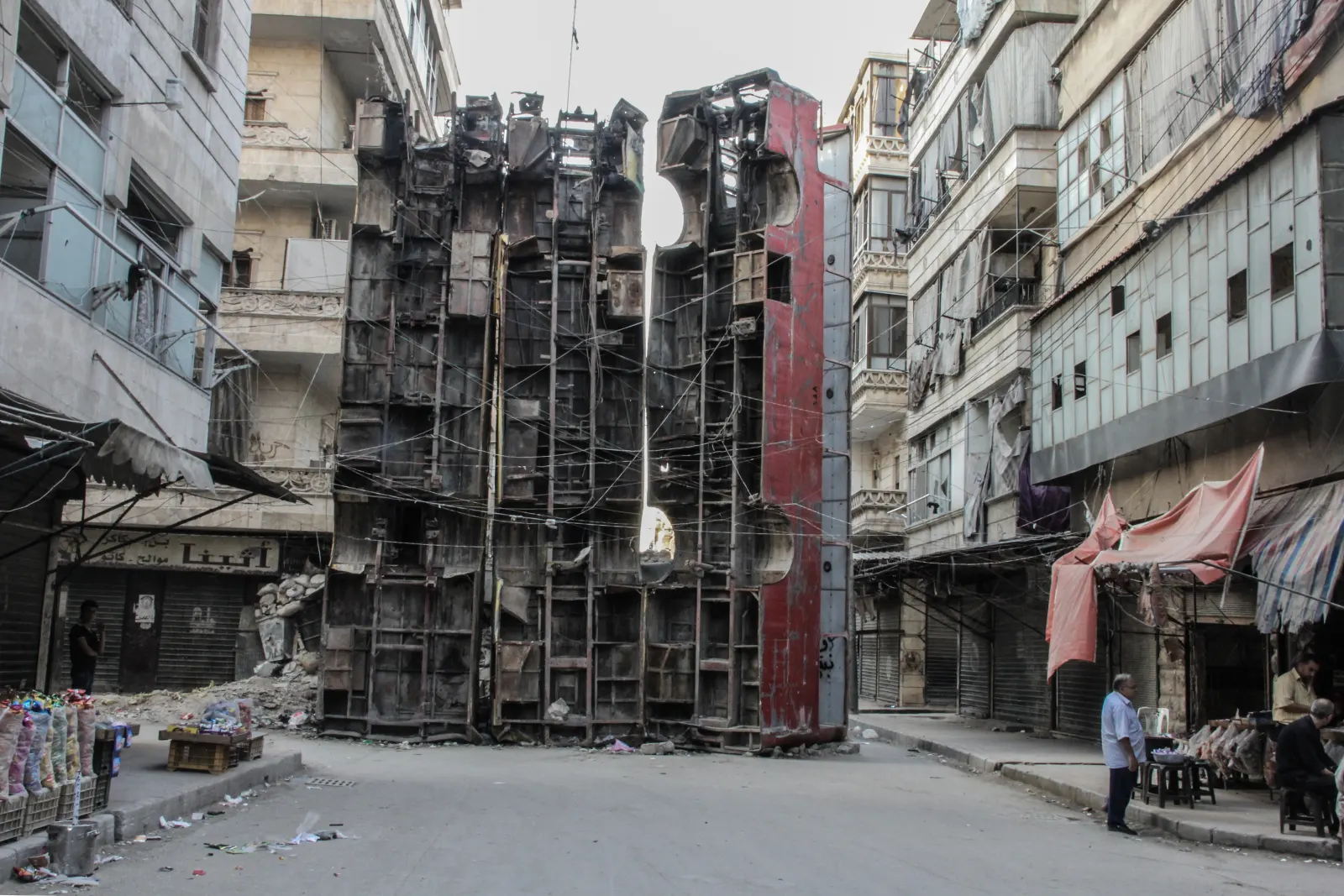
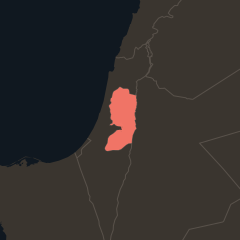
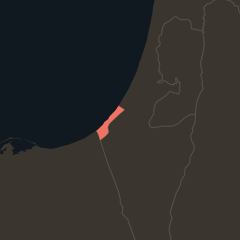
Where does the Gaza ceasefire stand?
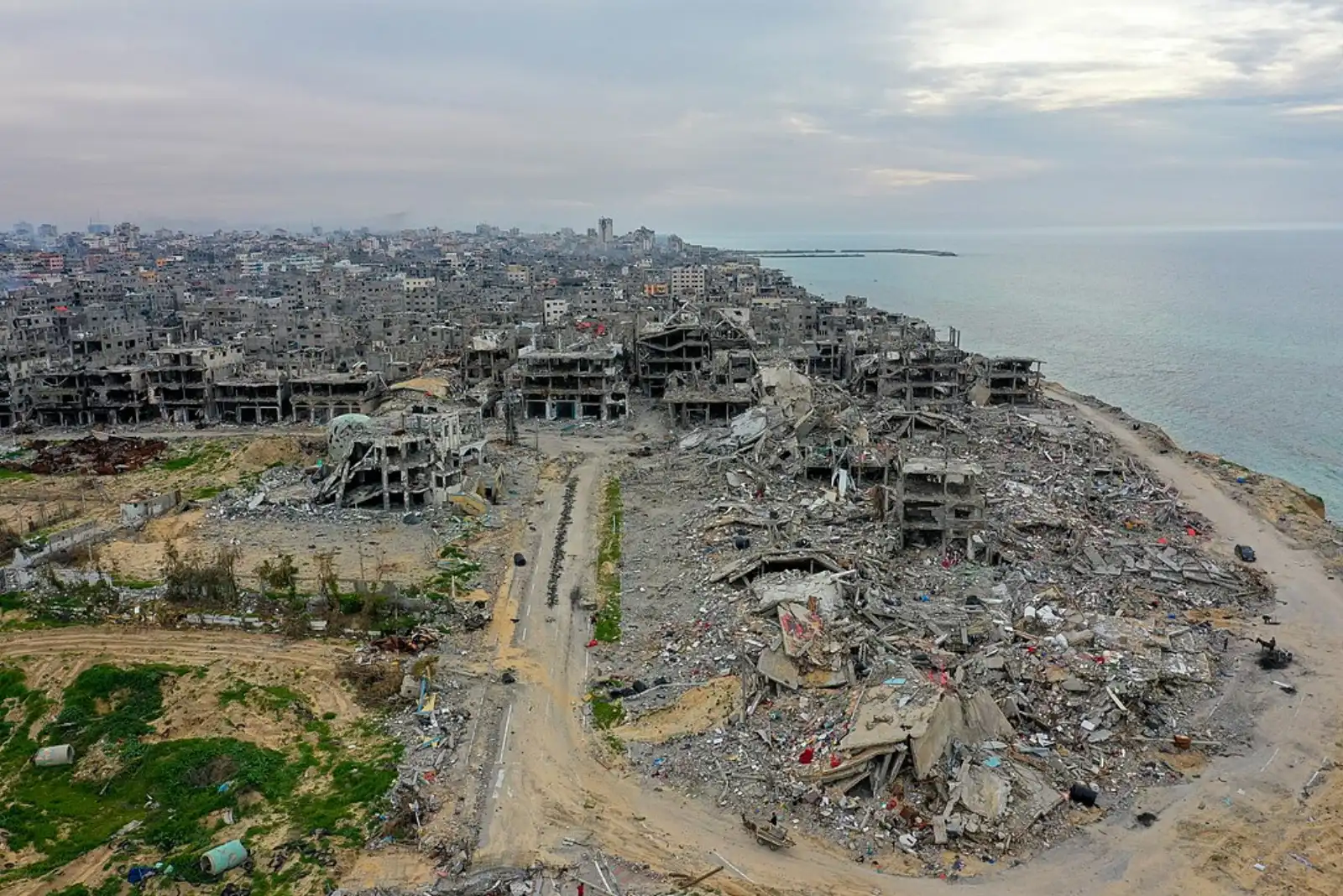
The ceasefire is still in force, but its second phase is stuck. It took effect on October 10, 2025, under the Trump administration's 20-point plan. UN Security Council Resolution 2803 endorsed the plan on November 17, 2025. Phase two began on January 14, 2026. The remains of the last hostage were recovered on January 26, 2026.
As of November 10, 2026, the Gaza Health Ministry counted about 74,643 people killed since October 7, 2023, including about 1,613 since the ceasefire. Israel disputes ministry figures. Hamas accepted a staged disarmament roadmap on July 30, 2026, but Israel's prime minister's office said on November 10, 2026, that Hamas "has not surrendered a single weapon." Israel holds about 60% of the strip, more than the 50% the plan set out.
A planned 20,000-troop stabilization force has not deployed. Aid deliveries average about 227 trucks a day against 600 planned. The IPC confirmed famine in Gaza Governorate on August 22, 2025. Israel disputed the finding.
Gaza ceasefire by the numbers
Who controls the Golan Heights?
Israel has controlled about two-thirds of the Golan Heights since the 1967 war. It annexed the territory on December 14, 1981. UN Security Council Resolution 497 calls the annexation "null and void." The United States recognized Israeli sovereignty over the Golan on March 25, 2019. Most of the world does not.
Since December 8, 2024, Israel has also held the UN-patrolled area of separation and the Syrian side of Mount Hermon. An Al Jazeera satellite analysis in February 2026 counted 9 permanent Israeli positions, about 235 square kilometers, and more than 32 km of fortifications. UNDOF, the UN peacekeeping force on the Golan, has a mandate that runs to December 31, 2026.
Syria claims all of the Golan. US-mediated talks between Syria and Israel resumed in Jordan in August 2026, but no security agreement has been signed. Prime Minister Benjamin Netanyahu has demanded a demilitarized southern Syria.
How did the Levant get here?
- 1916Sykes-Picot divides the Ottoman Levant
- 1948Israel declared; first Arab-Israeli war
- 1967Six-Day War; Israel takes the Golan, West Bank and Gaza
- 1975-90Lebanese civil war; Hezbollah emerges
- 1993Oslo Accords between Israel and the PLO
- 2011Syrian uprising becomes a civil war
- Oct 7, 2023Hamas attacks Israel; Gaza war begins
- Dec 8, 2024Assad falls; rebels take Damascus
- Oct 10, 2025Gaza ceasefire takes effect
- Jun 26, 2026Israel-Lebanon framework agreement signed
What to watch
December 2026
Eisenkot's coalition deadline
Gadi Eisenkot has 28 days from November 8, plus a possible 14-day extension, to form an Israeli government. Failure could mean another candidate or a new election.
Dec 31, 2026
UNIFIL ends, UNDOF renewal vote
UNIFIL's final mandate in Lebanon ends on December 31, 2026. Its uniformed personnel are due to withdraw by mid-2027. UNDOF's mandate on the Golan also runs to December 31, 2026, and the UN Security Council must decide whether to renew it.
Pending
Final deal on Russian bases
An August 2026 memorandum turns Hmeimim and Tartus into joint training centers after a three-month transition. Syrian authorities have since taken over Latakia airport and a commercial berth at Tartus. Syria and Russia were still working on a final agreement in October 2026.
Questions about the Levant
What countries are in the Levant?
Five in the standard definition: Syria, Lebanon, Israel, Palestine (the West Bank and Gaza) and Jordan. The name comes from the French word for "rising," meaning the land where the sun rises as seen from Europe. Some definitions add Cyprus, Turkey's Hatay province or Egypt's Sinai.
Is the Levant the same as the Middle East?
No. The Levant is a smaller area within the Middle East. It covers only the eastern Mediterranean coast and its hinterland. The Middle East also includes Egypt, Turkey, Iraq, Iran and the Arabian Peninsula. Some definitions add the rest of North Africa.
What does ISIL stand for?
The Islamic State of Iraq and the Levant. The "Levant" translates the Arabic word al-Sham, which can also mean Syria. That is why the same group is called ISIS (Islamic State of Iraq and Syria). The two names refer to the same organization.
Does Israel control the Golan Heights?
Israel has controlled about two-thirds of the Golan since 1967 and annexed it in 1981. The United States recognized Israeli sovereignty in 2019, but UN Security Council Resolution 497 calls the annexation "null and void" and most countries do not recognize it. Since December 2024, Israel has also held the UN buffer zone on the Syrian side.
Who runs Syria now?
Ahmed al-Sharaa, a former rebel commander, has been president since January 29, 2025. He leads a transitional government under a five-year constitutional plan. Bashar al-Assad was overthrown on December 8, 2024, and lives in exile in Moscow.
Is Palestine a country?
It depends on who you ask. About 157 of the 193 UN member states recognize Palestine, though the exact count varies by source. Palestine is a non-member observer state at the UN. The United States vetoed its full membership in April 2024. Palestine has a government, a president and a prime minister, but Israel controls much of the West Bank and most crossings into Gaza.
Read more
Nearby regions
All regions →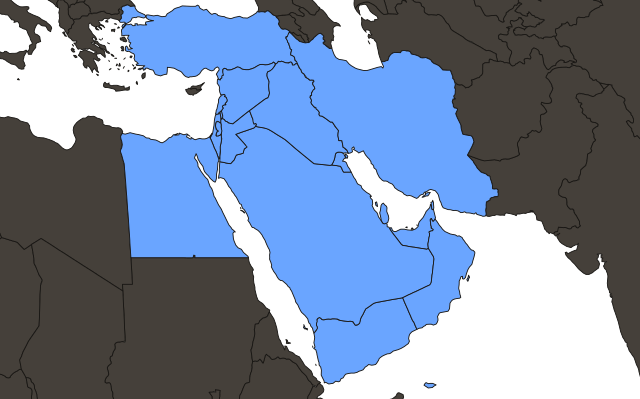 Middle EastThe Iran war, a contested Strait of Hormuz and a fragile Gaza ceasefire define the region in 2026.Fighting
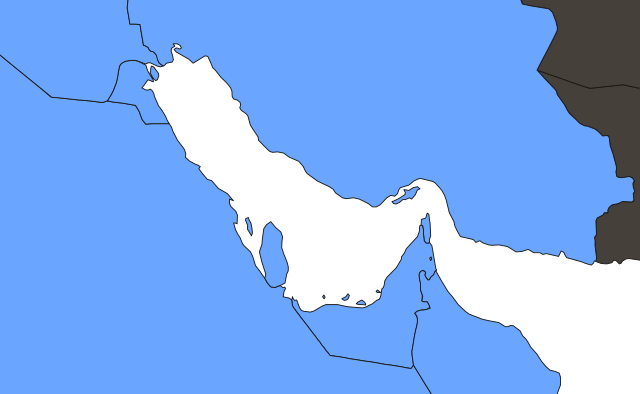 Persian GulfEight countries hold about 55% of world oil reserves. Iran has restricted the Strait of Hormuz since February 2026.Fighting
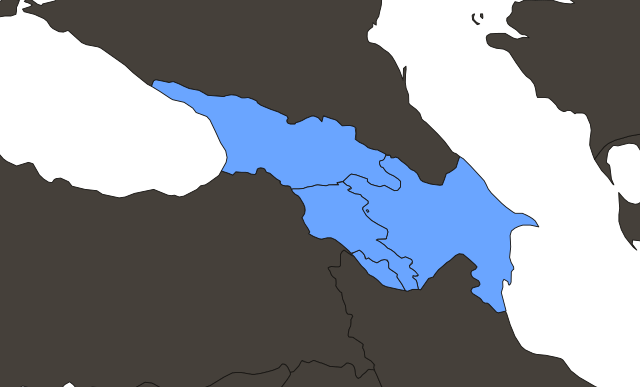 CaucasusThree countries between the Black Sea and the Caspian, where Russia's grip has weakened since 2023.Tense