Relations · East Asia

North Korea-South Korea relations

HostileNo diplomatic relations; no peace treaty since 1953

North Korea and South Korea are enemies. They have no diplomatic relations and have never had any. The two states fought the Korean War from 1950 to 1953, and an armistice, not a peace treaty, ended the fighting. In 2026 North Korea removed all reunification clauses from its constitution, and Kim Jong Un calls South Korea "the most hostile" state. South Korea's President Lee Jae-myung seeks talks and peaceful coexistence, but North Korea has not answered his offers.

Updated November 18, 2026 · Votes from the UN

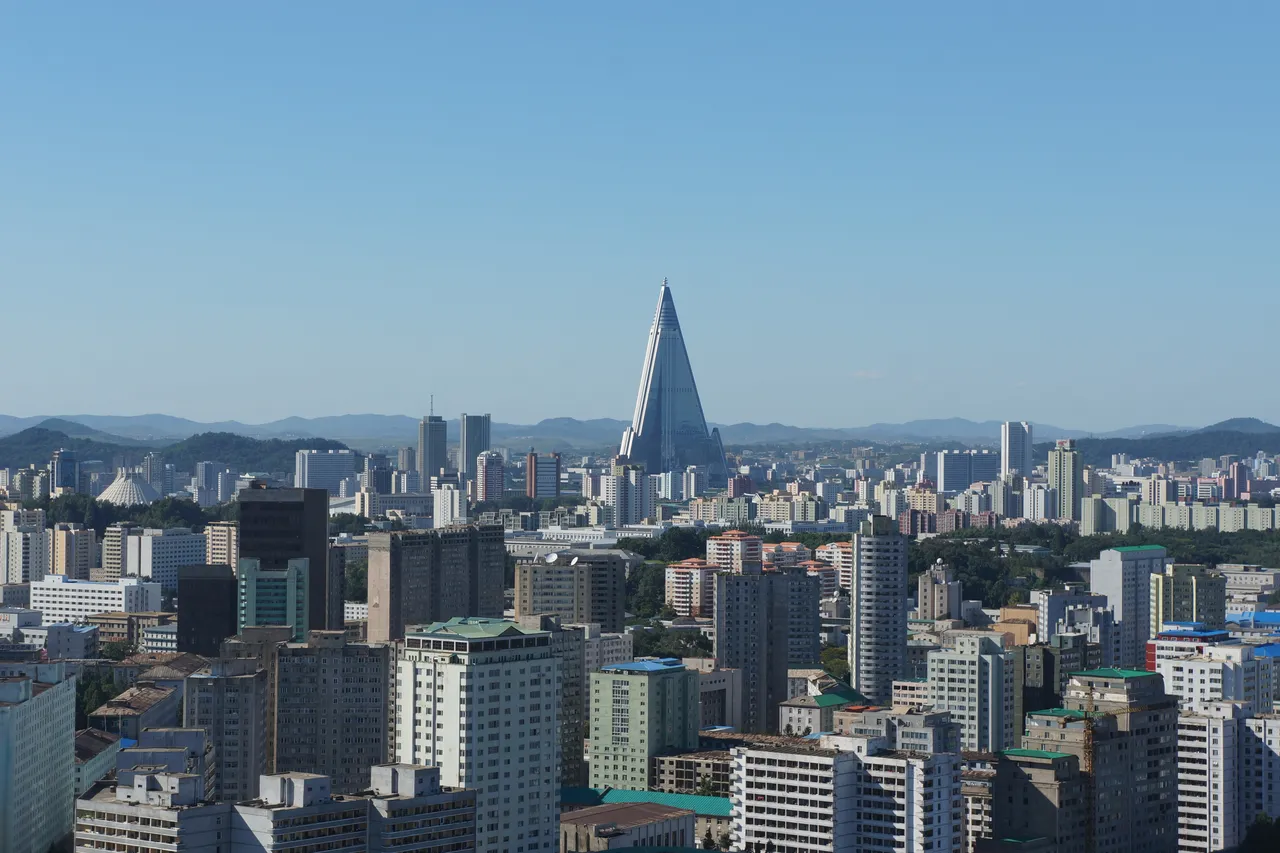
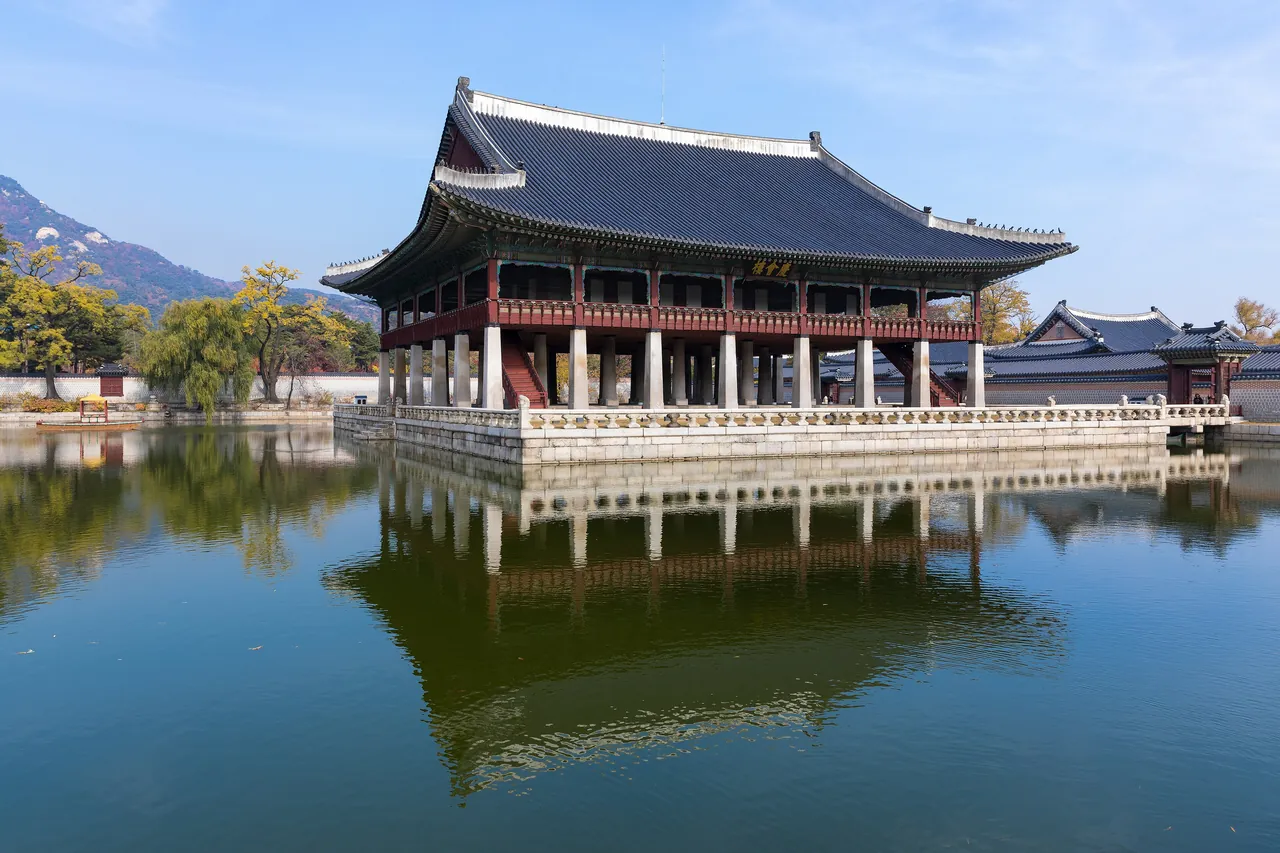
Apartment towers in central Pyongyang under a clear sky, with the pyramid-shaped Ryugyong Hotel rising behind them The Gyeonghoeru pavilion at Gyeongbokgung Palace in Seoul, reflected in its pond, with Bugaksan mountain behind
Pyongyang with the Ryugyong Hotel. Photo: Uri Tours, Wikimedia Commons, CC BY-SA 2.0 · Gyeonghoeru pavilion, Gyeongbokgung Palace, Seoul. Photo: Frank Schulenburg, Wikimedia Commons, CC BY-SA 4.0
  • 1953Armistice signed, no peace treaty since
  • $0Direct trade since 2022
  • 1 warThe Korean War, 1950 to 1953
  • 75%Same UN votes in 2025
  • ~60North Korean nuclear warheads (FAS, 2026)
  • ~34,500North Korean defectors resettled in the South

Where relations stand today

Checked November 18, 2026

North Korea published a constitution on November 11, 2026, that drops reunification and names the Republic of Korea as the country to its south. North Korea has not answered South Korea's October 23 offer of military talks on the border.

Latest

  • North Korea posted its revised constitution on November 11. It defines North Korea's territory as land bordering China and Russia to the north and the Republic of Korea to the south, and removes all reunification provisions.
  • South Korea's Defense Ministry proposed military talks on October 23 to check where the Military Demarcation Line runs and to restore communication lines. North Korea had not replied by November 18.
  • Two mine blasts in the western DMZ injured three South Korean soldiers on September 21, and the UN Command ruled that the armistice had been violated. South Korea's military said North Korean troops had planted the mines, and Kim Yo Jong called its findings a "conspiratorial farce."
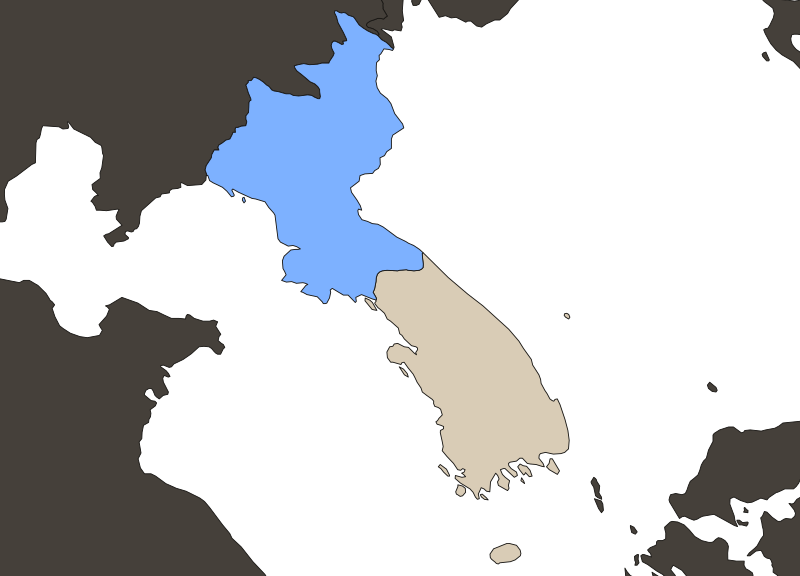
Map of the Korean Peninsula showing North Korea, South Korea, Panmunjom and Yeonpyeong Island North Korea South Korea Panmunjom Yeonpyeong Island

Why are North and South Korea enemies?

What ties them

  • Shared language and history. Koreans in both states speak the same language and share the same history. Both states were formed in 1948 from one country.
  • Separated families. About 134,500 South Koreans registered as separated from relatives in the North, and only about 33,000 to 34,000 were still alive at the end of 2025. The last face-to-face reunions were held in August 2018.
  • Past economic ties. Hyundai founder Chung Ju-yung took 1,001 cattle across the border in 1998, and nearly two million South Koreans then toured Mount Kumgang until 2008. The Kaesong Industrial Complex employed about 54,700 North Korean workers before South Korea closed it in 2016.

What divides them

  • No diplomatic relations. Neither state recognizes the other, and South Korea's constitution claims the whole peninsula. North Korea's 2026 constitution drops reunification and names the Republic of Korea as the country to its south.
  • Nuclear weapons. North Korea has about 60 nuclear warheads, calls its nuclear status irreversible and says US-South Korean drills rehearse an invasion. South Korea and the United States call the drills defensive and seek North Korea's denuclearization.
  • The border. South Korea's military says North Korean troops crossed the Military Demarcation Line more than 20 times in a month from mid-August 2026 and laid the mines that injured three soldiers in September. North Korea says its troops "have never crossed the border."
  • Kim Jong Un's hostile-state doctrine. Kim Jong Un declared a "two hostile states" policy at the end of 2023 and abolished inter-Korean agencies in January 2024. In February 2026 he called South Korea "the most hostile entity," while South Korea's President Lee seeks peaceful coexistence.

How much do North Korea and South Korea trade?

Trade between the two Koreas is not counted as foreign trade, so UN databases show almost nothing. South Korea's Ministry of Unification tracks it separately. Inter-Korean trade peaked at $2.7 billion in 2015, mostly from the Kaesong Industrial Complex, fell to $333 million in 2016 after Kaesong closed and has been zero since 2022.

Have North and South Korea fought a war?

1950-1953

Korean War

Sides
North Korea and China, backed by the Soviet Union, against South Korea and a US-led UN Command with combat troops from 16 nations
Result
Armistice on July 27, 1953; no peace treaty. South Korea did not sign
Deaths
About 3 million, mostly civilians; estimates run from 1.5 to 4.5 million. South Korea's defense ministry counts 137,899 of its soldiers dead, the US counts 36,574 Americans and China's official count is 197,653
Fought over
Control of the Korean Peninsula. North Korea invaded the South on June 25, 1950
Take the quiz →

A short history of North Korea-South Korea relations

WarTreaty or peaceCrisis

Division and war · 1945-1953

  1. 1945Korea divided at the 38th parallelTwo US officers, Dean Rusk and Charles Bonesteel, picked the 38th parallel as the line between American and Soviet occupation zones after Japan's surrender in August 1945.
  2. 1948Two states proclaimedThe Republic of Korea was proclaimed in Seoul on August 15, 1948, and the Democratic People's Republic of Korea in Pyongyang on September 9. Each claimed the whole peninsula.
  3. 1950Korean War beginsNorth Korea invaded the South on June 25, 1950, and the UN Security Council authorized force two days later. US Marines landed at Inchon on September 15, and China sent troops in October.
  4. 1953Armistice at PanmunjomLt. Gen. William Harrison of the UN Command and Gen. Nam Il for North Korea and China signed the armistice on July 27, 1953. South Korea did not sign, and no peace treaty has followed.

Confrontation · 1968-1991

  1. 1968Blue House raidThirty-one North Korean commandos tried to assassinate President Park Chung-hee in Seoul on January 21, 1968. The only one captured alive, Kim Shin-jo, later became a South Korean citizen and a pastor.
  2. 1972July 4 Joint StatementSouth Korea's intelligence chief Lee Hu-rak secretly visited Pyongyang in May 1972. On July 4 the two governments announced a joint statement at 10 a.m. in both capitals, with three principles of reunification.
  3. 1983Rangoon bombingNorth Korean army officers bombed the Martyrs' Mausoleum in Rangoon during a visit by President Chun Doo-hwan on October 9, 1983. The blast killed 17 South Koreans, including four ministers, but Chun survived because his car was late.
  4. 1987Korean Air Flight 858 bombedTwo North Korean agents bombed the plane over the Andaman Sea on November 29, 1987, killing all 115 aboard.
  5. 1991UN membership and Basic AgreementBoth Koreas joined the United Nations together on September 17, 1991. In December they signed the Basic Agreement on reconciliation and non-aggression, calling their ties a "special interim relationship" on the way to reunification.

Engagement and crisis · 2000-2020

  1. 2000First summit in PyongyangKim Dae-jung met Kim Jong Il in Pyongyang on June 13-15, 2000, and won the Nobel Peace Prize that year. A special counsel later found that Hyundai had paid North Korea about $500 million around the summit.
  2. 2010Cheonan sinking and Yeonpyeong shellingA South Korean-led international team found that a North Korean torpedo sank the corvette Cheonan on March 26, killing 46 sailors, which North Korea denies. On November 23 North Korean artillery shelled Yeonpyeong Island, killing two marines and two civilians.
  3. 2018Three summits in one yearMoon Jae-in and Kim Jong Un met at Panmunjom on April 27 and May 26 and in Pyongyang in September. At the first summit Kim brought Pyongyang cold noodles and promised not to "interrupt your early-morning sleep anymore."
  4. 2020Liaison office blown upNorth Korea destroyed the inter-Korean joint liaison office in Kaesong on June 16, 2020, angry over leaflets sent north by activists. Kim Yo Jong had warned its collapse "would soon be seen."

Hostile states · 2023-2026

  1. 2024Two hostile statesAt the end of 2023 and in January 2024, Kim Jong Un declared South Korea a separate, hostile state and abolished three inter-Korean agencies. On October 15, 2024, North Korea blew up the Gyeongui and Donghae road links north of the Military Demarcation Line.
  2. 2026DMZ mine blastsTwo mine blasts in the western DMZ injured three South Korean soldiers on September 21, 2026. South Korea's military said North Korean troops had planted the mines about 10 meters south of the Military Demarcation Line, which North Korea denies.
  3. 2026Revised constitution publishedNorth Korea posted its revised constitution on November 11, 2026. It defines its territory as land bordering China and Russia to the north and "the Republic of Korea" to the south, and drops all reunification clauses.

Treaties between North and South Korea

  • 1953Korean Armistice AgreementStopped the fighting, set the Military Demarcation Line and the DMZ. Signed by the UN Command, North Korea and China. South Korea did not sign.Still governs the border
  • 1972July 4 South-North Joint StatementThree principles of reunification: independently, peacefully, as one nation. Followed secret cross-border visits, including intelligence chief Lee Hu-rak's trip to Pyongyang.Ended in practice
  • 1991Basic AgreementSigned on December 13, 1991 by Prime Minister Chung Won-shik and Premier Yon Hyong-muk. Pledged no use of force, accepted the Military Demarcation Line and called their ties "not a relationship between states."Not annulled, ignored since 2024
  • 1992Joint Declaration on DenuclearizationBoth sides pledged not to test, make or possess nuclear weapons. North Korea tested its first nuclear weapon in 2006.Ended by North Korea's nuclear tests
  • 2018Panmunjom DeclarationMoon Jae-in and Kim Jong Un committed to "complete denuclearization" and to work toward ending the war. It led to the joint liaison office in Kaesong, which North Korea blew up in 2020.Ended in practice
  • 2018Comprehensive Military AgreementHalted drills near the border, created no-fly zones and sea buffer zones. North Korea said in November 2023 it would no longer be bound by it. South Korea suspended it fully on June 4, 2024.Suspended by both sides

Only North Korea

NAM

Only South Korea

G20RCEPOECD

How often do North Korea and South Korea vote the same way at the UN?

In 2025, North Korea and South Korea voted the same way on 75% of the recorded votes in the UN General Assembly. The two Koreas voted the same way on 75% of recorded UN General Assembly votes in 2025, up from 50% in 2024. The rate had been 77% in 1995. Compare their votes →

Abstaining while the other votes yes or no counts as half agreement. Data: UN Digital Library voting data, 1991 to 2025.

How well do you know North Korea and South Korea?

10 questions on their wars, treaties, trade and size. About three minutes, no signup.

North Korea vs South Korea: how they compare

All rankings →

Questions about North Korea and South Korea

Are North and South Korea still at war?

Technically yes. The fighting stopped with an armistice on July 27, 1953, and no peace treaty has been signed, so the armistice line still serves as the border. On August 15, 2026, South Korea's President Lee Jae-myung proposed replacing the armistice with a permanent peace system. North Korea did not respond.

Do North and South Korea recognize each other?

No. South Korea's constitution claims the entire Korean Peninsula. North Korea's revised constitution, published on November 11, 2026, drops all reunification clauses and names the Republic of Korea as the country to its south. Their 1991 Basic Agreement called their ties "not a relationship between states" but a "special interim relationship" on the way to reunification.

Do North and South Korea trade with each other?

Not any more. Inter-Korean trade is not counted as foreign trade, so South Korea's Ministry of Unification tracks it separately. Trade peaked at $2.7 billion in 2015, mostly through the Kaesong Industrial Complex. It fell after South Korea closed Kaesong in February 2016 and has been zero since 2022.

How many North Koreans have defected to South Korea?

About 34,538 had resettled in the South by the end of 2025, according to South Korea's Unification Ministry. Arrivals peaked at 2,914 in 2009 and fell to about 200 a year after the pandemic, with 63 in the first half of 2026. South Korea treats defectors as its own citizens.

Does South Korea want reunification with North Korea?

Fewer South Koreans say so. In a 2026 poll by the Korea Institute for National Unification, 48.2% called unification necessary and 71.6% agreed that North Korea is a separate state. In 2025 "not necessary" (51%) outnumbered "necessary" for the first time since the survey began in 2014. Fewer than 40% of those born in 1991 or later see unification as necessary.

When was the last summit between North and South Korea?

Moon Jae-in and Kim Jong Un met three times in 2018: at Panmunjom on April 27 and May 26, and in Pyongyang in September. At the April summit Kim brought Pyongyang cold noodles to the banquet. There have been no talks since. North Korea has not answered the inter-Korean hotlines since April 7, 2023.

More relations

All relations →
7 days free cancel anytime
Get the app