1592-1598
Imjin War (Hideyoshi's invasions)
- Sides
- Japan under Toyotomi Hideyoshi against Joseon Korea and Ming China
- Result
- Japan withdrew after Hideyoshi died in 1598 and gained nothing
- Deaths
- Hundreds of thousands of Koreans; estimates vary widely
Relations · East Asia
FriendlyClose partners, still split over history and Dokdo
Japan and South Korea are close partners but not formal allies. Both have defense treaties with the United States, but none with each other. They traded $75.49 billion in goods in 2024, and a record 13 million trips were made between them in 2025. President Lee Jae-myung and Prime Minister Sanae Takaichi have held four summits since October 2025. Their disputes come from Japan's colonial rule of Korea from 1910 to 1945, compensation for forced labor and the comfort women, and the islets South Korea holds as Dokdo and Japan claims as Takeshima.
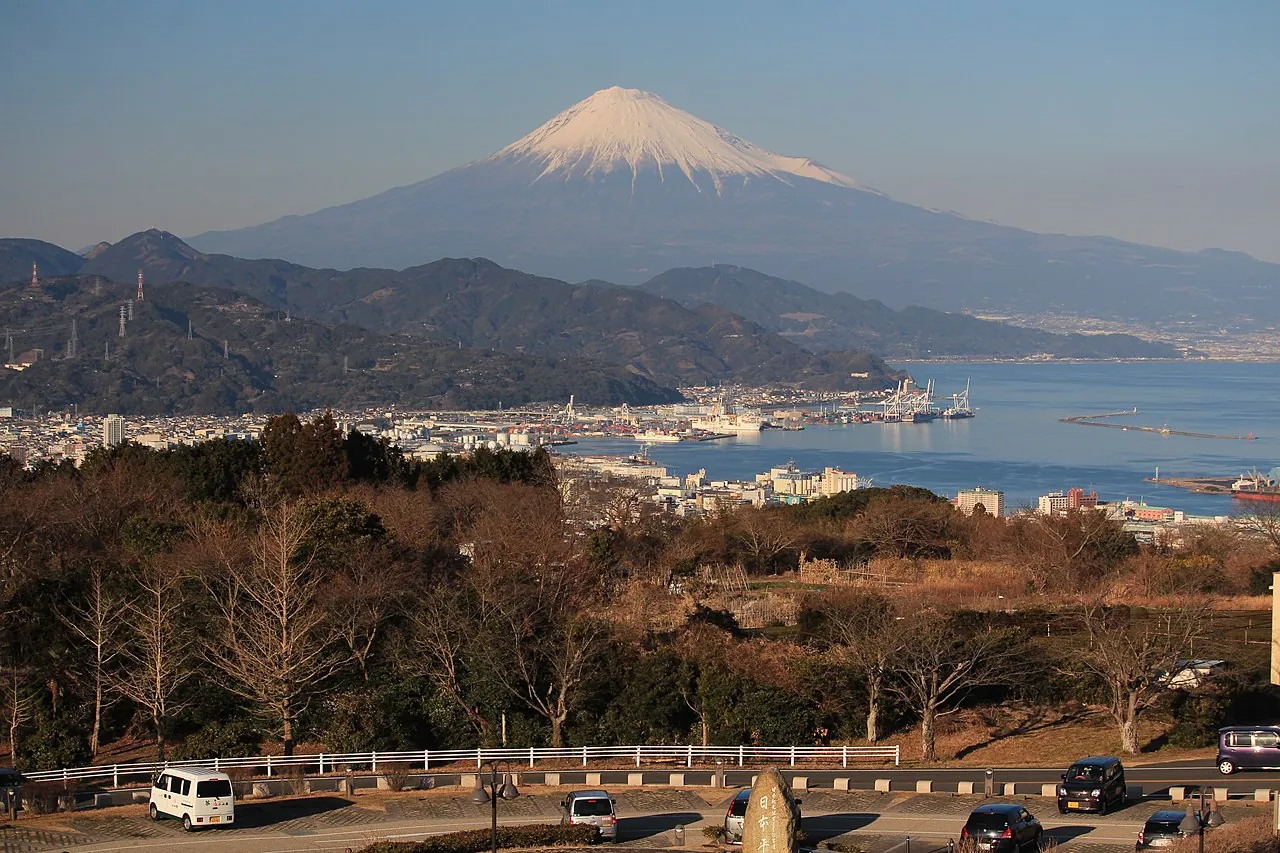
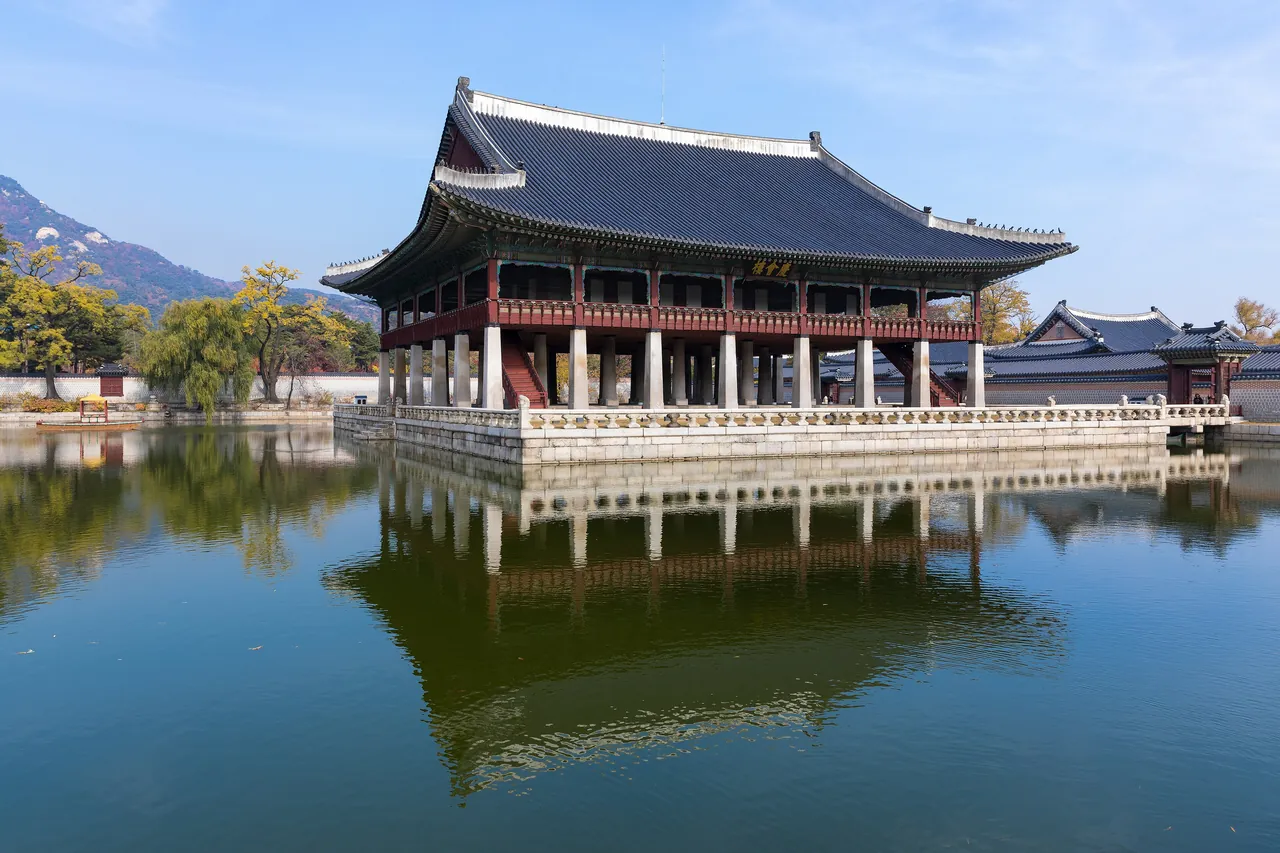
President Lee Jae-myung and Prime Minister Sanae Takaichi held their fourth summit on November 17, 2026, and Lee called public sentiment "at close to an all-time high." Disputes over the Sado mine memorial and Yasukuni Shrine offerings continue.
Recent milestones
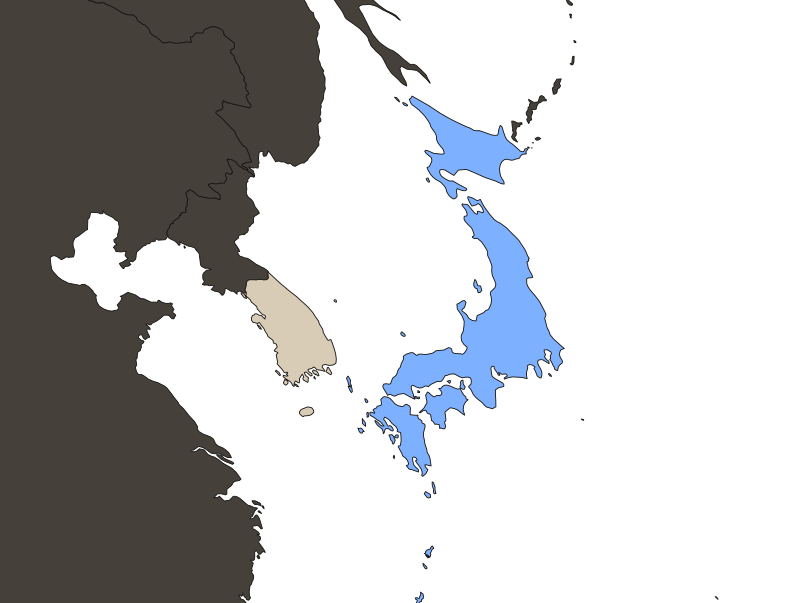 Japan
South Korea
Dokdo / Takeshima
What ties them
What divides them
 Japan sells to South Korea
$46.8bn
 South Korea sells to Japan
$28.7bn
Japan is South Korea's #4 trading partner (5.4% of its goods trade). South Korea is Japan's #3 (5.1%). South Korea has run a goods trade deficit with Japan every year since 1965, including $20.67 billion in 2025. Source: CEPII BACI (version 202601), goods only.
1592-1598
1907-1910
WarTreaty or peaceCrisis
Early contact · 538-1811
Colonization · 1876-1945
Normalization · 1965-2015
Crisis and recovery · 2018-2026
In 2025, Japan and South Korea voted the same way on 96% of the recorded votes in the UN General Assembly. Their agreement rose from 89% in 2024 to 96% in 2025. Compare their votes →
Abstaining while the other votes yes or no counts as half agreement. Data: UN Digital Library voting data, 1991 to 2025.
10 questions on their wars, treaties, trade and size. About three minutes, no signup.
Orbis teaches the history behind the news
Orbis teaches geopolitics, history, and power in bite-sized lessons, 800+ of them, with flashcards that make it stick.
Japan
vs
South Korea
From the Orbis rankings: UN, IMF, SIPRI, Governments, Orbis. Each tile links to its ranking.
Japan
South Korea
South Korea holds Dokdo and has kept a police garrison there since the 1950s. It says the islets are Korean territory historically, geographically and under international law, and that there is no dispute. Japan claims them as Takeshima, calls them indisputably Japanese and calls South Korea's control an illegal occupation. Japan proposed going to the International Court of Justice in 1954, 1962 and 2012, and South Korea refused, saying there is no dispute to settle.
Not formally. Each has a mutual defense treaty with the United States, but they have no defense pact with each other. They share military intelligence under GSOMIA, signed in 2016, and hold Freedom Edge exercises with the United States. At Camp David in August 2023, the three governments pledged to consult on regional threats, but the pledge is political, not legally binding.
Yes, several times. Chief Cabinet Secretary Yohei Kono apologized to the comfort women in 1993, and Prime Minister Keizo Obuchi expressed "deep remorse and heartfelt apology" for colonial rule in 1998. Prime Minister Naoto Kan said in 2010 that colonial rule was imposed "against their will." Many South Koreans say these statements fall short because Japan does not call the 1910 annexation illegal.
Under the 1965 claims agreement, Japan provided $300 million in grants and $200 million in low-interest loans over 10 years. About $300 million in private commercial credits was arranged alongside, for $800 million in all. Japan says the agreement settled all claims completely and finally. South Korea's Supreme Court ruled in 2018 that it did not cover compensation for illegal colonial acts.
About 35 years. Japan made Korea a protectorate in 1905, annexed it in August 1910 and ruled until it announced its surrender on August 15, 1945. South Korea celebrates August 15 as Liberation Day. Under colonial rule, Koreans faced forced labor, name changes and cultural assimilation policies.
Japan and the Republic of Korea, founded in 1948, have never fought each other. Japan fought Korea's Joseon kingdom in the Imjin War of 1592-1598, and Korean guerrillas fought the Japanese army from 1907 until Japan annexed Korea in 1910. The tensest moment since 1948 came in December 2018, when Japan said a South Korean destroyer locked fire-control radar on a Japanese patrol plane. South Korea denied targeting the plane, and no shots were fired.