
Resource · Gemstone
Diamonds
Russia mined the most diamonds in 2025, 31.5 million carats or 31.9% of the world's 98.8 million carats. Botswana, Angola and Canada followed. Russia also led by value at $2.72 billion of the world's $9.23 billion. India cuts and polishes about 90% of the world's diamonds by volume. Lab-grown diamonds now outsell natural ones in US engagement rings by number.
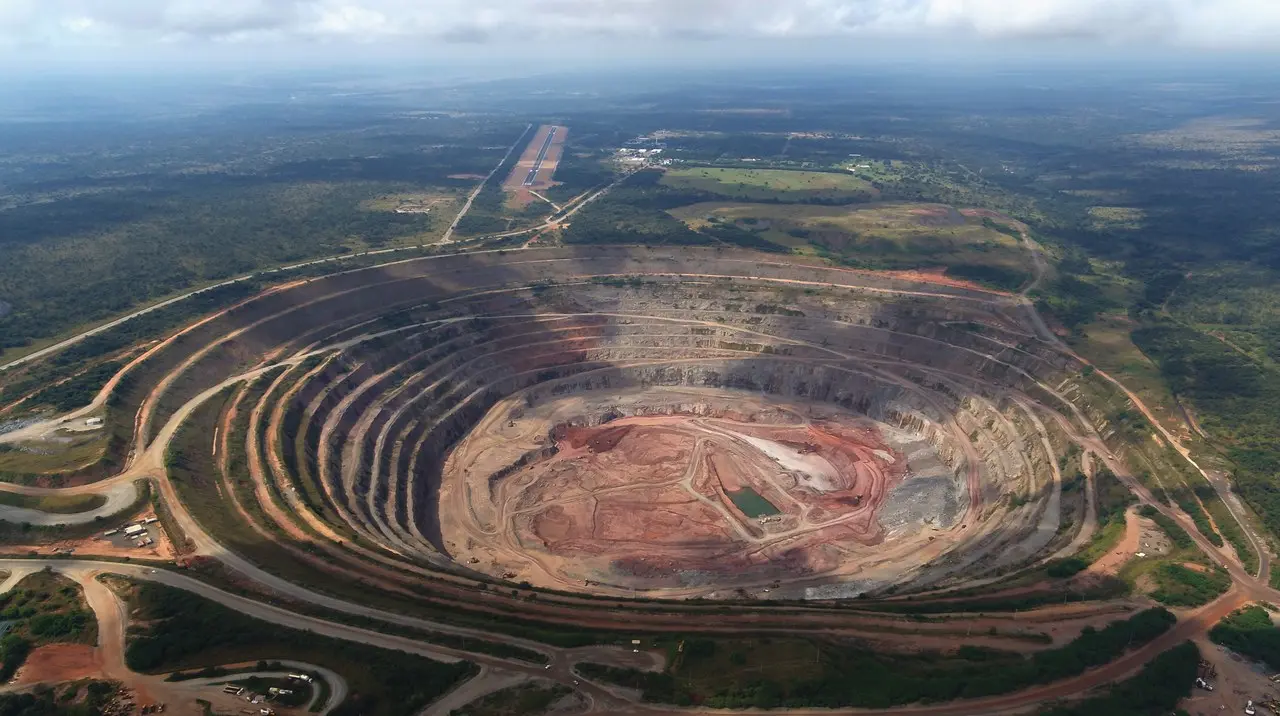
- Mined in 2025
- 98.8 million
- carats of rough diamonds, worth $9.2 billion
- Largest miner
 31.9%
- 31.5 million carats, 2025
- Most valuable per carat
 $344
- Namibia's average, 2025; world $93
- Lab-grown engagement rings
- 53%
- of those sold by US specialty jewelers, 2025
- Cut and polished in India
 ~90%
- of the world's diamonds by volume
Which countries produce the most diamonds?
Russia mined 31.5 million carats of rough diamonds in 2025, 31.9% of the world's 98.8 million carats. Botswana produced 15.5 million carats (15.7%), Angola 15.2 million (15.4%) and Canada 14.1 million (14.3%). The top four countries together mined 77% of the world total.
Seventeen of the 21 countries that mined diamonds in 2025 are in Africa. African countries together mined 53.7% of the world's carats and produced 60.6% of its value. World output has fallen from about 138 million carats in 2019 to 98.8 million in 2025. Angola's output rose from 8.8 million carats in 2022 to 15.2 million in 2025, after the Luele mine opened in November 2023.
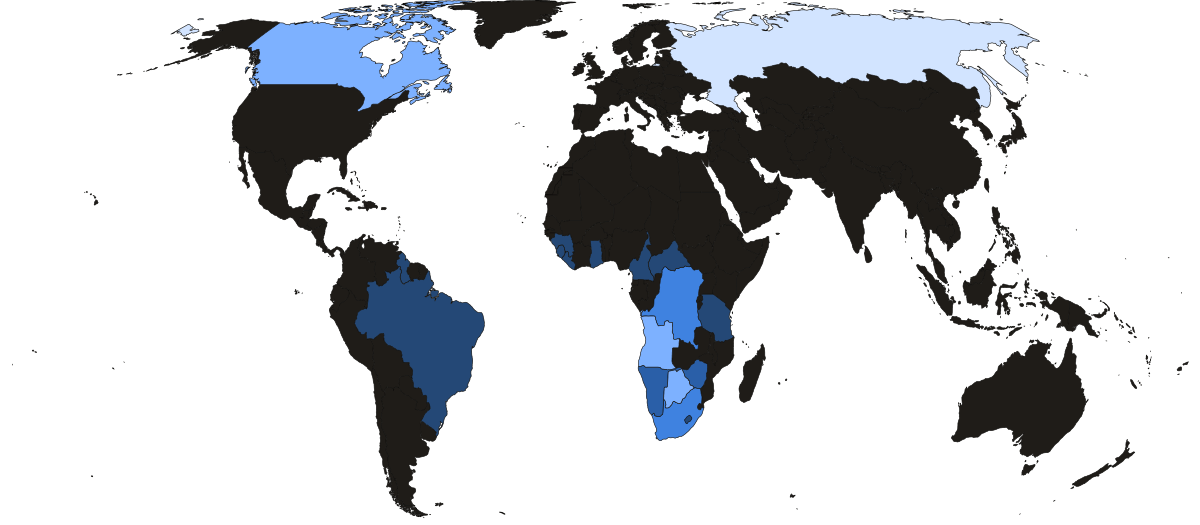
- Under 1%
- 1%–5%
- 5%–10%
- 10%–25%
- Over 25%
- No production
Which country's diamonds are worth the most?
Russia's rough diamond production was worth $2.72 billion in 2025, 29.5% of the world's $9.23 billion. Botswana's was worth $1.98 billion and Angola's $1.81 billion. But the value per carat varies widely. Namibia's diamonds averaged $344 a carat and Lesotho's $331, because both countries produce mainly gem-quality stones. Namibia's diamonds come mostly from the seabed off its coast.
DR Congo mined 9.0% of the world's carats but only 0.48% of its value, at $5 a carat, because most of its output is small or industrial-quality stones. The world average was $93 a carat in 2025, down from $132 in 2022.
Value of diamonds mined, 2025
Rough diamond production, US dollars
- Russia$2.72bn
 Botswana$1.98bn
 Angola$1.81bn
 Canada$0.89bn
- Namibia$0.72bn
 South Africa$0.60bn
 Lesotho$0.23bn
 Zimbabwe$0.10bn
 DR Congo$0.04bn
What did the G7 ban on Russian diamonds change?
The G7 and the EU banned direct imports of Russian diamonds on January 1, 2024. On March 1, 2024, the ban was extended to Russian stones of one carat or more cut in third countries such as India. On September 1, 2024, the limit fell to 0.5 carats. The EU's 20th sanctions package, in force from April 24, 2026, tightened checks on polished imports.
Russia's rough diamond exports fell from $4.03 billion in 2021 to $2.54 billion in 2025. Alrosa, Russia's state-controlled diamond miner, reported a loss in the first half of 2026. It now sells mainly to India, China and the UAE, which still allow Russian diamond imports.
Russia's rough diamond exports
US dollars a year
Are lab-grown diamonds replacing natural ones?
Lab-grown diamonds were 53% of engagement rings sold by US specialty jewelers in 2025, but 27% of sales by value, according to the analyst Edahn Golan. Lab-grown rough sold for about $16 a carat, against about $93 for natural rough. Producers, mainly in India and China, grew a record 69.4 million carats of gem-quality lab-grown diamonds in 2025.
On May 8, 2025, De Beers said it would close Lightbox, its lab-grown jewelry brand, after wholesale lab-grown prices fell 90% since 2018. De Beers' average realized price for rough fell 37% to $97 a carat in January to September 2026. Its price index for comparable stones fell 18%.
Engagement rings sold by US specialty jewelers, 2025
Share of rings sold
- Lab-grown diamond53%
- Natural diamond47%
Prices
- ~$100average wholesale price of a lab-grown carat in mid-2026, down 93% since 2020
- 27%lab-grown share of engagement ring sales by value, against 53% by number
- 69.4 millioncarats of gem-quality lab-grown diamonds made in 2025, mostly in India and China
- $97De Beers' average realized price per carat of natural rough, Jan-Sep 2026, down 37%
What happens to Botswana when diamonds slump?
Diamonds made up 78.8% of Botswana's exports in 2023. They are expected to bring in about 16% of government revenue in the 2026/27 budget. Botswana's economy shrank 2.8% in 2024 and 0.7% in 2025 as diamond sales fell. On September 25, 2026, Moody's cut Botswana's rating to Baa2, two notches above junk.
In July 2026 Botswana's government said Anglo American had picked a consortium led by former De Beers CEO Gareth Penny as preferred bidder for De Beers. On October 13, 2026, Bloomberg reported that Botswana was close to a deal to raise its stake from 15% to about 25%. No agreement had been signed by early November 2026.
Diamonds mined in Botswana
Million carats a year
History
How Kimberley's diamonds paid for Rhodesia
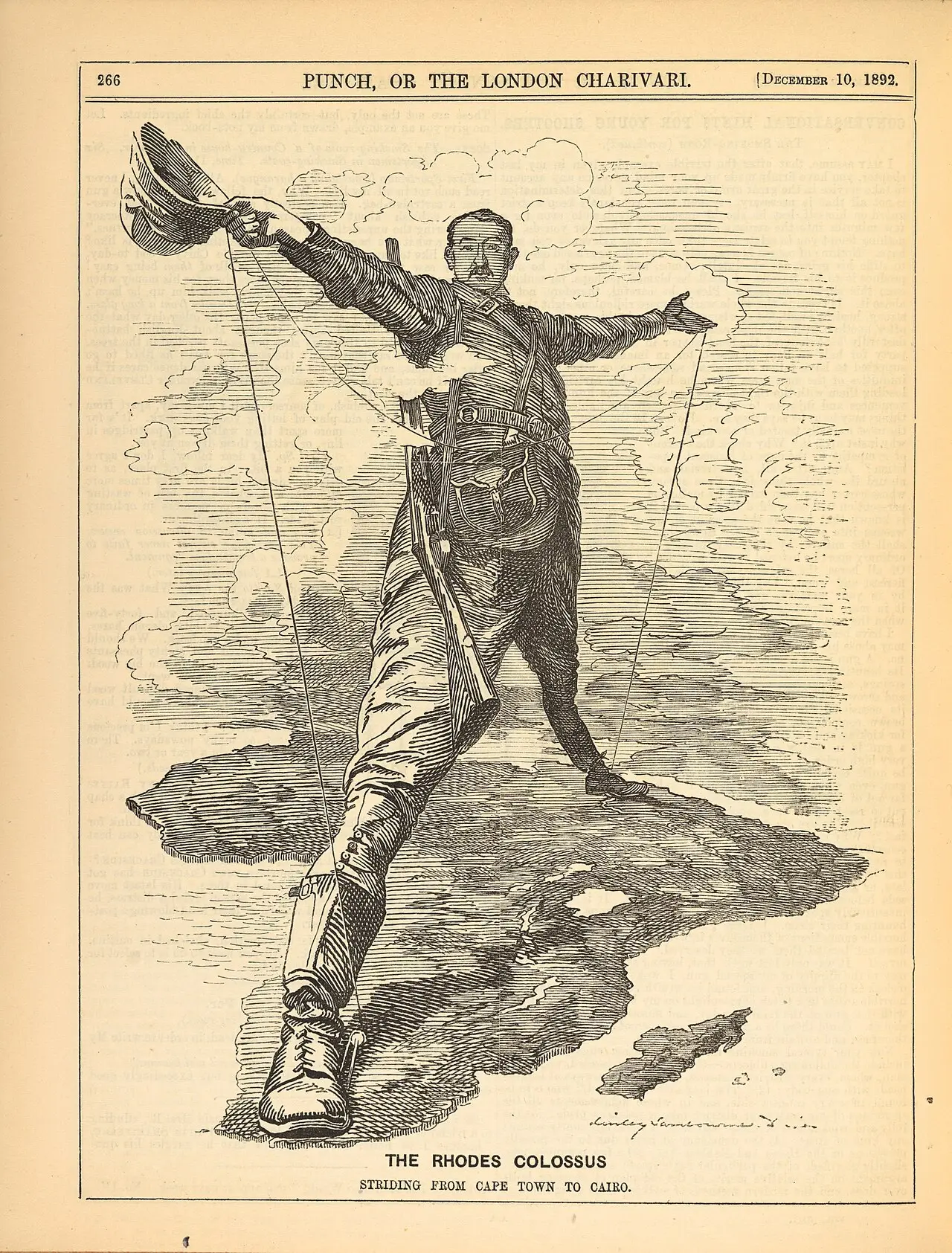
Cecil Rhodes made a fortune from the diamond mines of Kimberley and used it to take the land that became Rhodesia. In July 1871 diggers found diamonds on a hill on the De Beer brothers' farm in what is now South Africa. Britain annexed the diamond fields in October 1871, over the claims of two Boer republics. Rhodes, a vicar's son, reached the fields late that year, aged 18. He founded De Beers Consolidated Mines in 1888. In 1889 it bought out his rival Barney Barnato, a former music-hall performer, for £5.3 million. By Rhodes's death in 1902, De Beers controlled about 90% of the world's diamond production.
In October 1888 the Ndebele king Lobengula granted Rhodes's agents the mineral rights in his kingdom for £100 a month, 1,000 rifles and a boat on the Zambezi. Rhodes's British South Africa Company conquered the Ndebele kingdom in 1893. In 1895 its territory was named Rhodesia. It later became Zambia and Zimbabwe.
History
Which countries mined the most diamonds 100 years ago?
South Africa mined 57% of the world's diamonds by weight in 1925. The Belgian Congo, now DR Congo, mined 21%, and South-West Africa, now Namibia, mined 12%. India had been the world's main source of diamonds until Brazil's discovery in the 1720s. In 1924 India mined 67 carats.
Russia and Botswana, the two largest producers today, mined nothing in 1925. The Soviet geologist Larisa Popugaeva found the first Soviet diamond pipe, in Siberia, on August 21, 1954. From 1959 the Soviet Union sold most of its rough gem diamonds through De Beers, while Moscow publicly boycotted apartheid South Africa. Botswana was one of the world's poorest countries at independence in 1966. De Beers found diamonds there in 1967. From 1965 to 1998 Botswana's income per person grew about 7.7% a year, one of the fastest rates in the world.
Share of world diamond production by carats
19252025- South Africa57%5.6%
- DR Congo21%9%
- Namibia12%2.1%
- Angola2.9%15%
- Russia0%32%
- Botswana0%16%
History
How diamonds paid for the wars in Angola and Sierra Leone
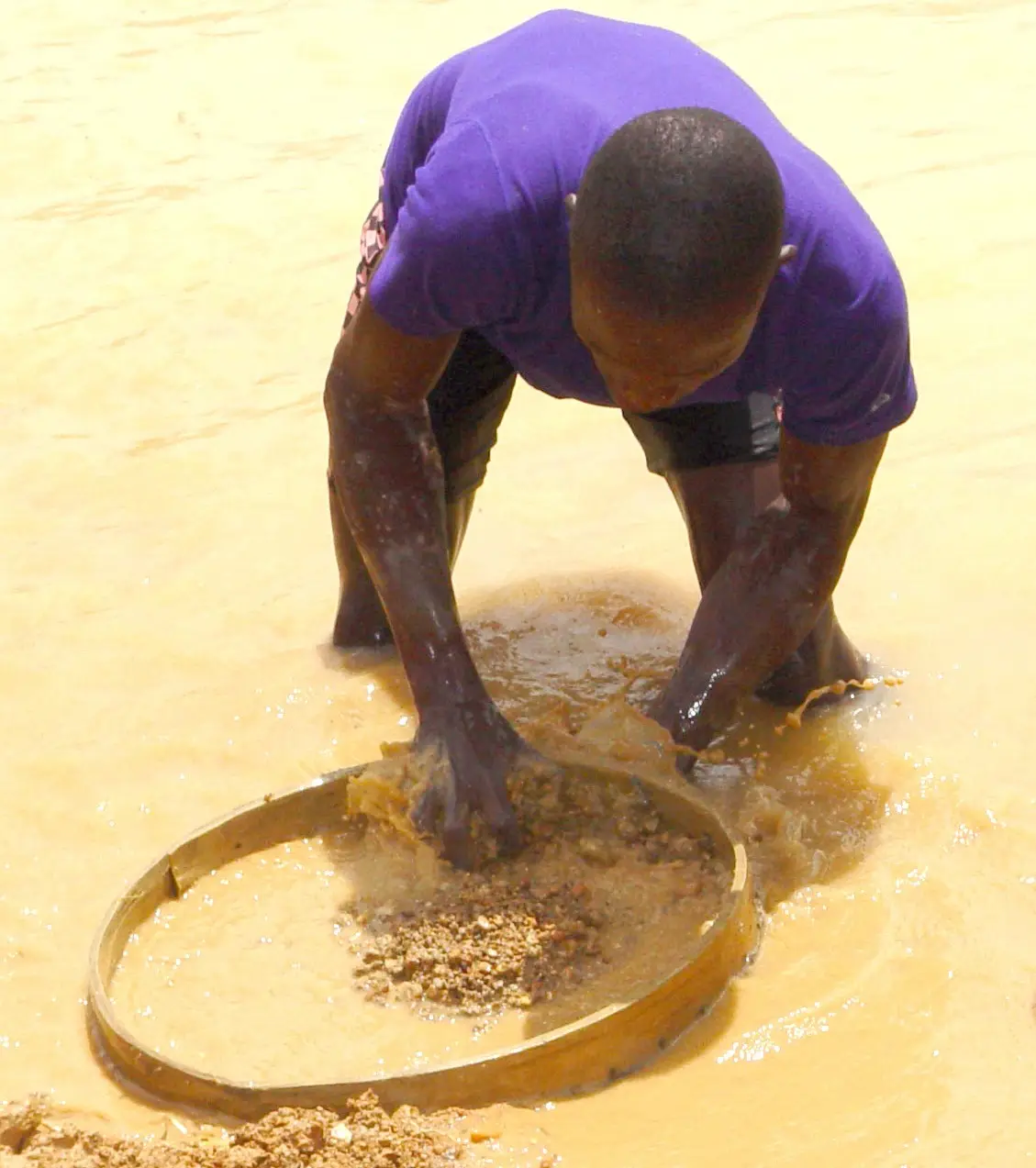
Two rebel movements, UNITA in Angola and the RUF in Sierra Leone, paid for their wars by selling diamonds into the legal trade. UNITA, led by Jonas Savimbi, lost Angola's 1992 election and went back to war. It held the diamond areas of the northeast and earned about $3.7 billion from them between 1992 and 1998, according to Global Witness. Government troops killed Savimbi in February 2002, and the war ended that April.
The Revolutionary United Front invaded Sierra Leone from Liberia in 1991, backed by the Liberian warlord Charles Taylor. The RUF seized the Kono diamond district and traded its diamonds through Liberia for weapons. RUF fighters cut off the hands and arms of civilians. About 50,000 people died before the war ended in 2002. In 2012 a UN-backed court convicted Taylor, Liberia's former president, of aiding the RUF's war crimes. From January 1, 2003, the Kimberley Process has required a government certificate for every shipment of rough diamonds.
Other resources
All 33 resources →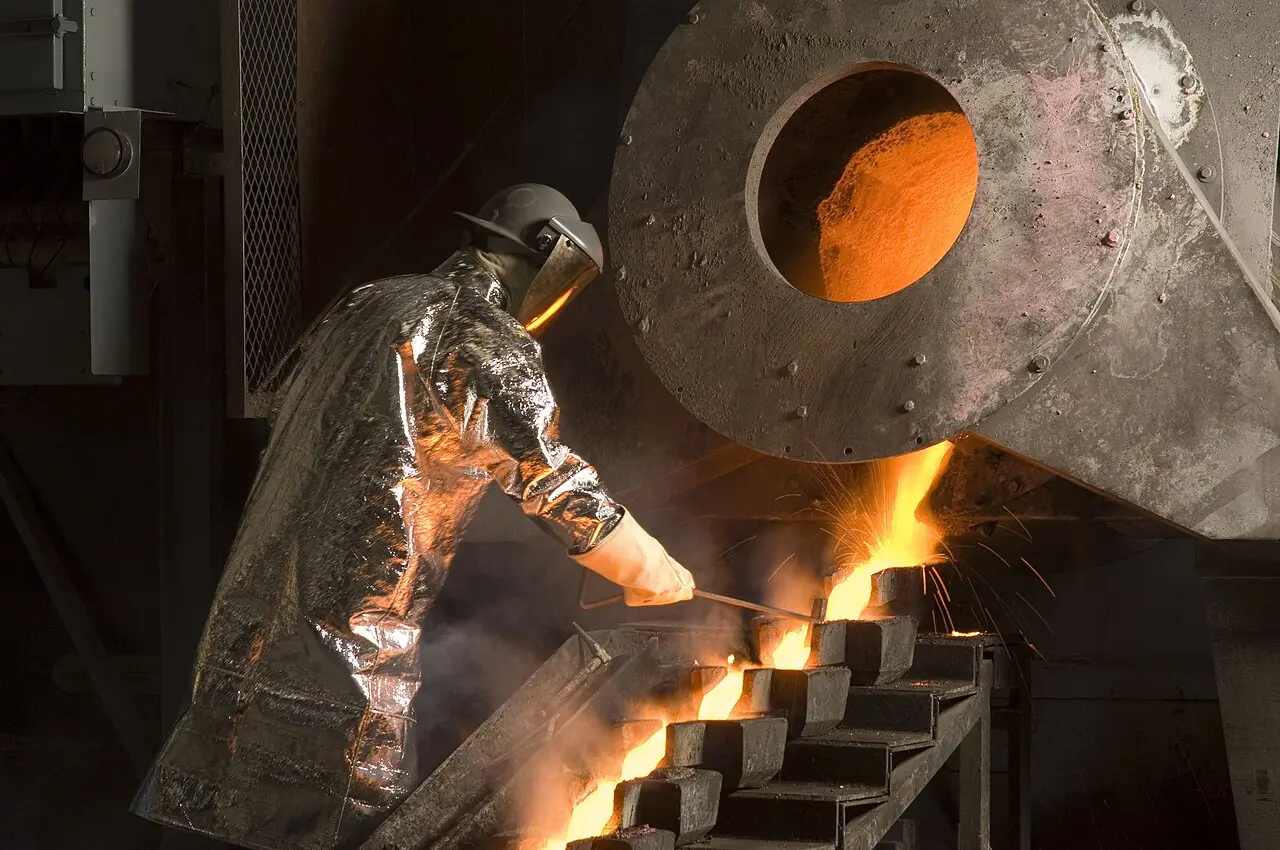
 China 11.5%
Precious metal
Gold
China mines the most gold. Central banks have bought about 1,000 tonnes a year since 2022.
 South Africa 52%
Precious metal
Platinum and palladium
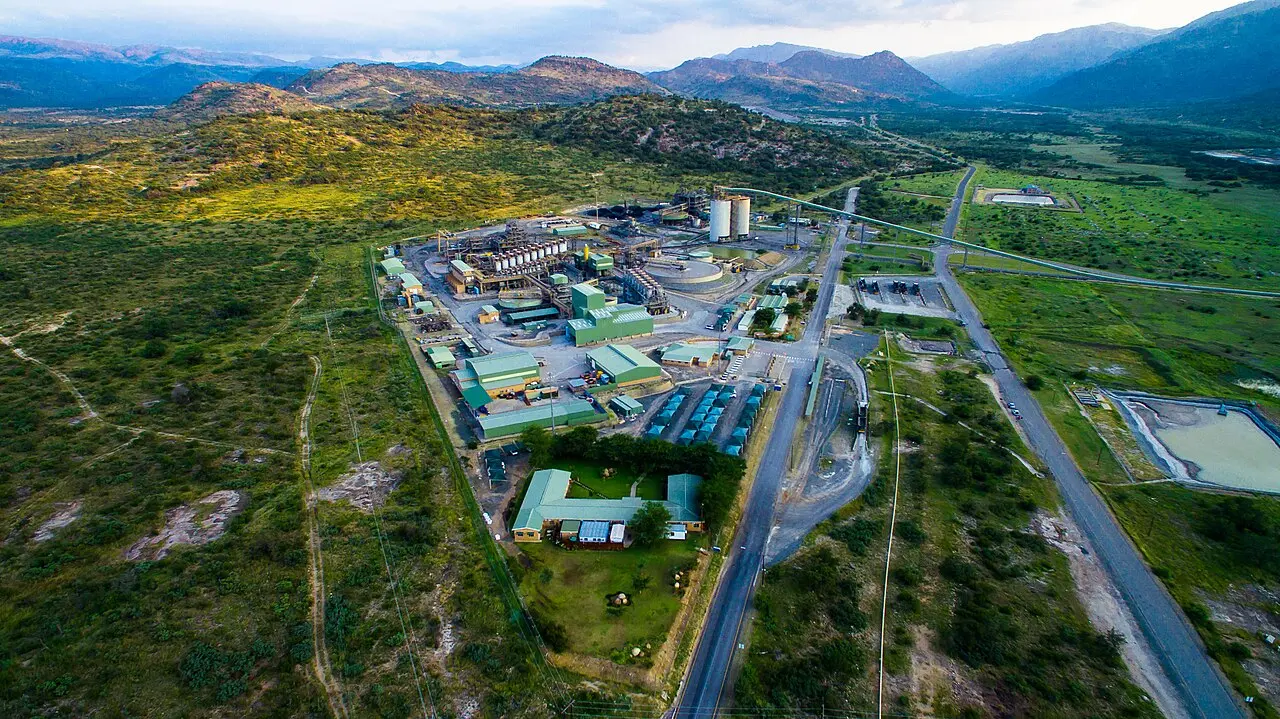
South Africa mines the most platinum. Russia mines the most palladium. Most of both metals go into car catalytic converters.
 Chile 23%
Industrial metal
Copper
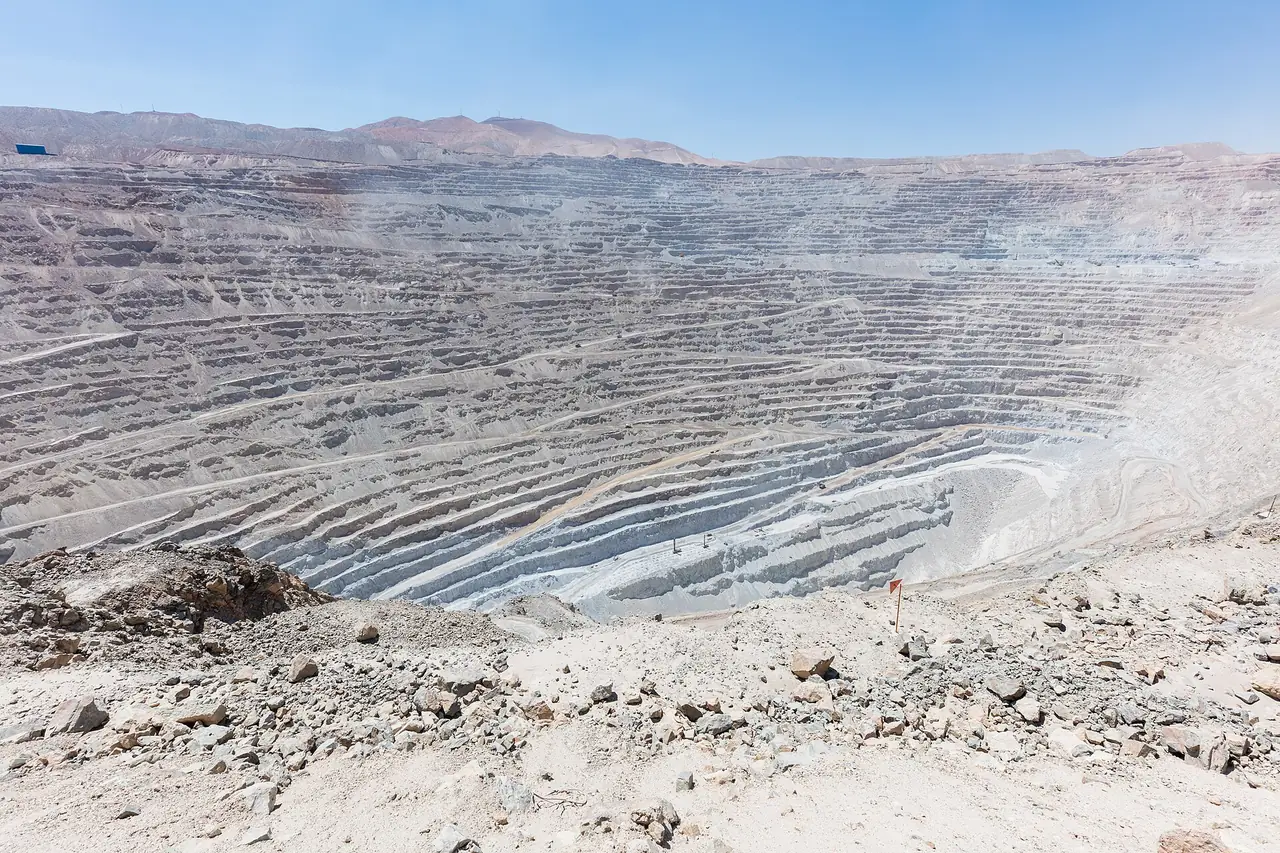
China refines 48% of the world's copper but mines only 8%.