
Resource · Illicit crop
Opium and coca
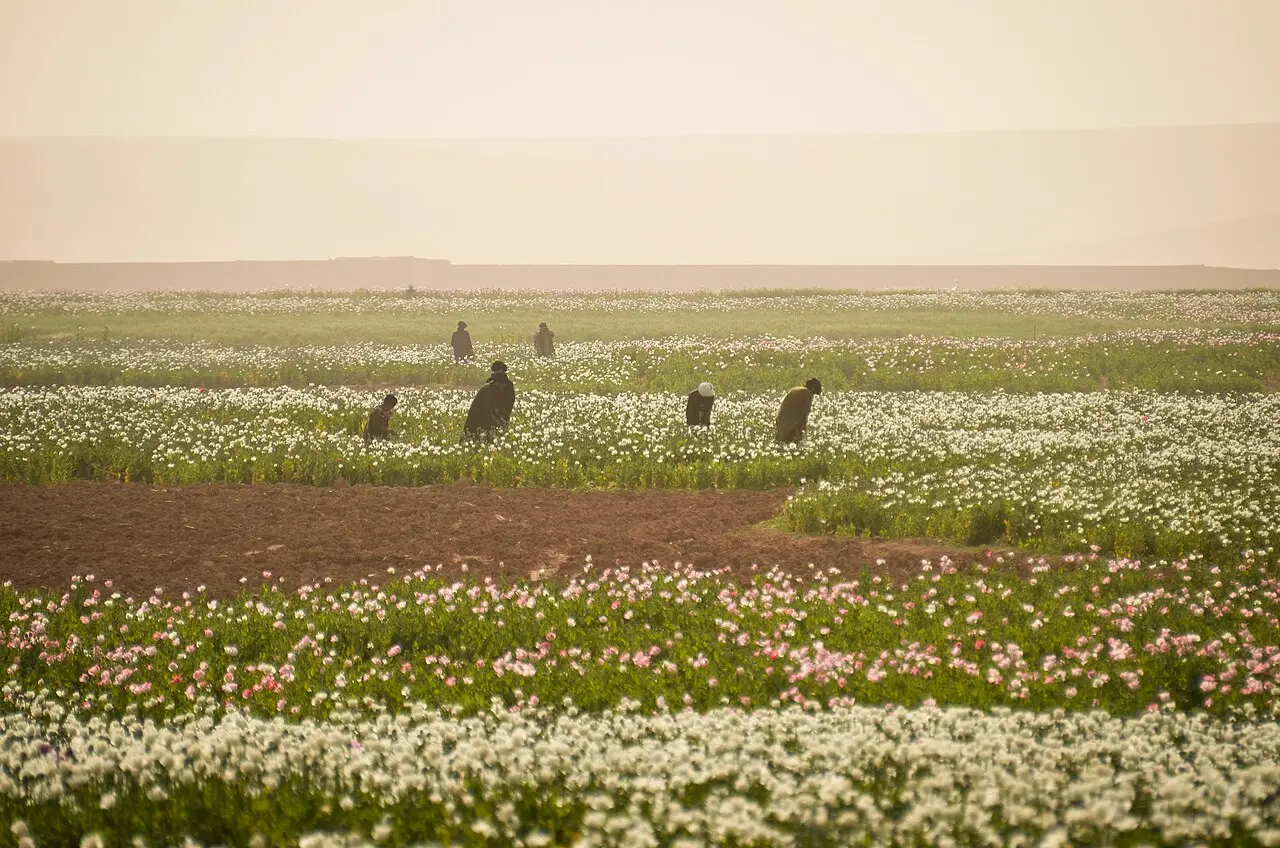
Myanmar grew the most opium poppy in 2025: 53,100 hectares, about 47% of the world total. Afghanistan's fields shrank by 95% after the Taliban's 2022 ban, then quadrupled to 43,300 hectares in 2026. Colombia grows about two thirds of the world's coca, a record 261,000 hectares in 2024. World cocaine production reached a record 4,100 tonnes that year.
- Largest opium grower
 46.7%
- 53,100 hectares in 2025
- Afghan poppy fields
 43,300 ha
- in 2026, up from 10,200 in 2025
- Largest coca grower
 68%
- 261,000 hectares in 2024, a record
- Cocaine made in 2024
- 4,100 t
- a record, more than four times 2014
- Killed in US boat strikes
 243
- at least, Sept 2025 to Oct 27, 2026 (WOLA)
Where is opium grown?
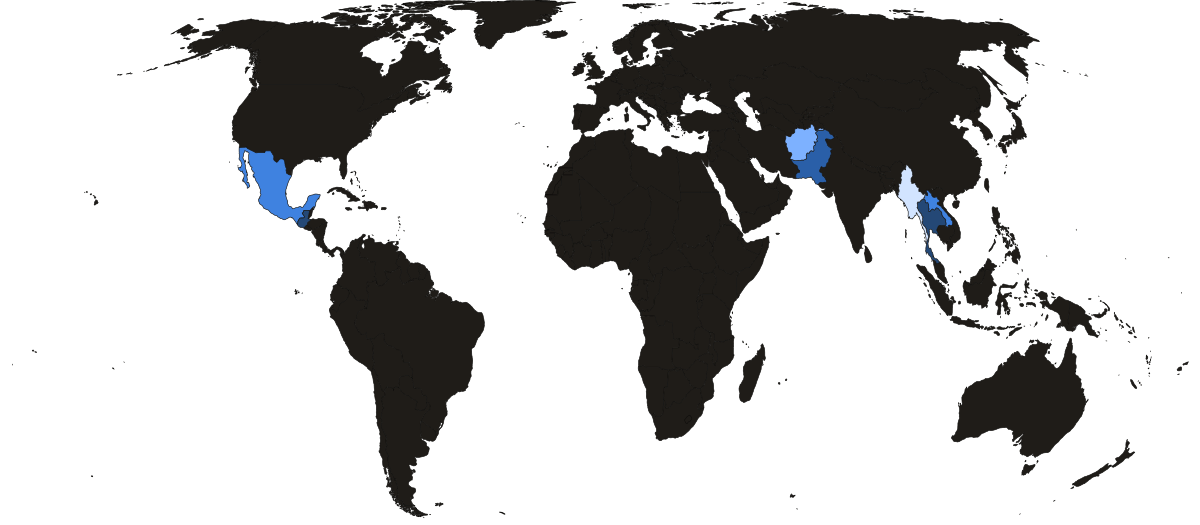
Myanmar grew the most opium poppy in 2025: 53,100 hectares, 46.7% of the world total. About 88% of Myanmar's fields are in Shan State. UNODC names conflict and the lack of legal income as drivers of cultivation there. Afghanistan grew 43,300 hectares in 2026, mostly in Badakhshan in the northeast. Mexico grew 9,790 hectares in 2021-2022, Laos 5,831 hectares in 2024, and Pakistan 1,683 hectares in 2024.
The world had about 113,800 hectares of opium poppy in 2025. That is down from 308,500 hectares in 2022 and a peak of 414,000 in 2017. World opium production fell to about 2,110 tonnes in 2025, more than 70% below 2022.


- Under 1%
- 1%–5%
- 5%–25%
- 25%–40%
- Over 40%
- No production
What happened after the Taliban banned opium?
Afghanistan's poppy fields fell by 95% after the Taliban banned poppy growing on April 3, 2022: from 233,000 hectares in 2022 to 10,800 in 2023. After three years near 10,000 hectares, they rose to 43,300 in 2026. Most new fields are in Badakhshan, in the northeast. Before the ban, most grew in the southwest.
Opium prices rose from under $100 per kilogram before the ban to $780 in 2024, then fell to about $500 in 2026. Opium sales earned traders about $525 million in 2026, equal to 2.7% of Afghanistan's GDP. Myanmar's fields grew from 30,200 hectares in 2021, the year of its military coup, to 53,100 in 2025.
Opium poppy fields in Afghanistan
Hectares, UNODC survey estimates
Which countries grow the most coca?
Colombia grew 261,000 hectares of coca in 2024, a record and about 68% of the world's 385,100 hectares. Peru grew 89,800 hectares and Bolivia 34,000. No other country grows coca on a large scale. World cocaine production reached a record 4,100 tonnes of pure cocaine in 2024, more than four times the 900 tonnes of 2014.
Coca leaf has traditional legal uses in Bolivia and Peru, such as chewing and tea. Bolivia's 2017 General Coca Law allows 22,000 hectares for these uses, but cultivation reached 36,400 hectares in 2025, 65% above the limit. In Peru, coca fields fell for the third year in a row in 2025, to 84,546 hectares.
Who grows the most coca
Hectares of coca bush, 2024


Why are US forces striking drug boats?
The US government says the boats carry drugs for cartels it calls terrorist groups. US forces have struck such boats at least 69 times since September 2, 2025, killing at least 243 people by October 27, 2026, by the Washington Office on Latin America's count. In October 2025, the administration told Congress that the US is in an armed conflict with cartels. Congress has not authorized force.
On September 15, 2025, the US designated Colombia as having "failed demonstrably" in drug control. The Treasury sanctioned President Gustavo Petro in October 2025. His successor, Abelardo de la Espriella, took office on August 7, 2026 and moved to revive aerial spraying of coca.
US strikes on alleged drug boats, September 2025 to October 27, 2026
Attacks
Where do cocaine and heroin go?
North America had the most cocaine users in 2024, 6.49 million, according to UNODC. Western and Central Europe followed with 5.48 million. Worldwide, 25.2 million people used cocaine. EU countries seized 330 tonnes of cocaine in 2024, and authorities in six EU countries dismantled 42 cocaine production sites.
Heroin from Myanmar's Shan State supplies markets in Southeast Asia, East Asia and Oceania. Afghan heroin traditionally reached Europe through Iran and Turkey. In the United States, fentanyl has largely displaced heroin. In 2024, 47,735 overdose deaths involved synthetic opioids, mainly fentanyl, against 2,743 involving heroin. Heroin was involved in about 15,500 deaths in 2017.
Where cocaine users live
Millions of people who used cocaine in the past year
History
Why did Britain go to war with China over opium?
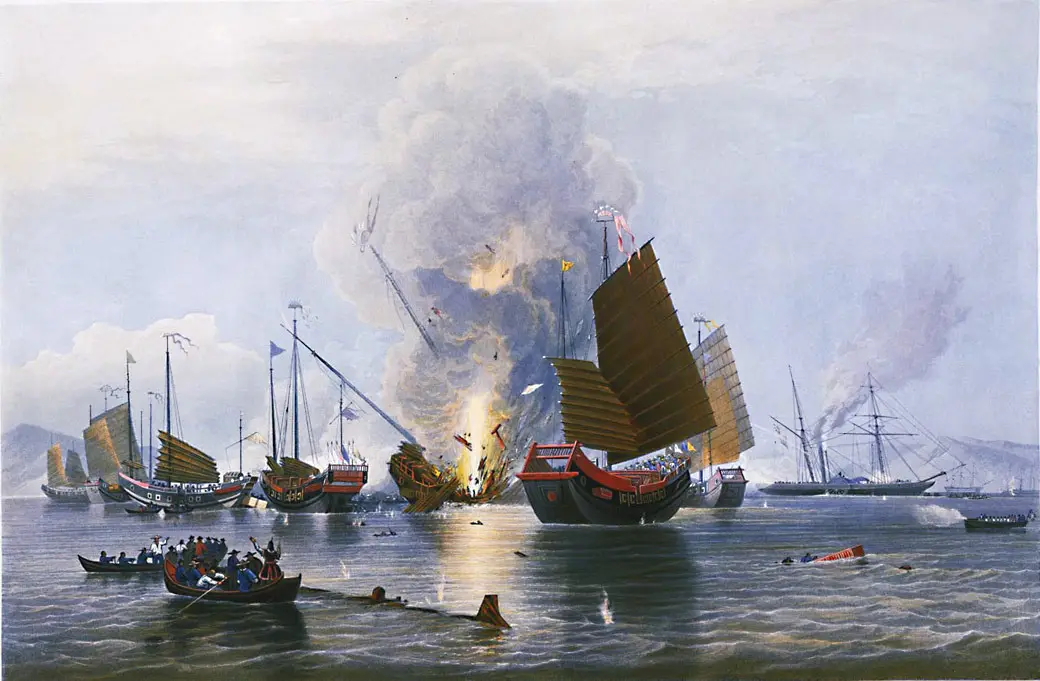
Britain went to war in 1839 after a Chinese commissioner, Lin Zexu, seized and destroyed more than 1,000 tonnes of opium smuggled in by British merchants. From 1773 the East India Company held a monopoly on Bengal opium. Private traders smuggled it to Canton and sold it for silver, which paid for Britain's tea. Imports rose from about 4,500 chests in 1800 to about 40,000 in 1838.
In March 1839 Lin blockaded the foreign merchants in Canton until they surrendered 20,283 chests. His workers mixed the opium with salt and lime and flushed it into the sea at Humen over 23 days. The British superintendent of trade, Charles Elliot, had promised the merchants that the British government would pay for it. The Treaty of Nanking ended the war on August 29, 1842, as the first of the unequal treaties. China paid 21 million silver dollars, ceded Hong Kong Island to Britain and opened five ports.
History
Which country grew the most opium in 1906?
China grew about 35,300 tonnes of opium in 1906, about 85% of the world's roughly 41,600 tonnes. British India was second with more than 5,100 tonnes, about 12%, and exported most of it to China. More than 20 million Chinese used opium, over 5% of the population.
In September 1906 a Qing edict ordered opium smoking and poppy growing ended within ten years. Britain agreed to cut its opium sales to China over the same period, and Indian opium exports to China ended in 1913. In February 1909 the International Opium Commission met in Shanghai, the first international conference on drugs. It led to the International Opium Convention signed at The Hague in January 1912, the first international drug treaty. After 1949 Mao Zedong's government eliminated opium growing in China by 1952. Today Myanmar and Afghanistan grow most of the world's illicit poppy.
Share of world opium
1906/07Latest surveys China85%0%
 India12%0%
 Iran1.4%0%
- Myanmarn/a47%
- Afghanistann/a38%
History
How Pablo Escobar's cartel made Colombia ban extradition
Pablo Escobar's Medellín cartel used murders and bombings to stop Colombia from extraditing traffickers to the United States. In 1991 Colombia banned extradition. In the 1980s most coca grew in Peru and Bolivia. Colombian traffickers refined it into cocaine. The Medellín cartel controlled most of the US cocaine market. Escobar was elected an alternate member of Congress in 1982. The justice minister, Rodrigo Lara Bonilla, exposed his drug ties. Hitmen shot Lara Bonilla dead on April 30, 1984.
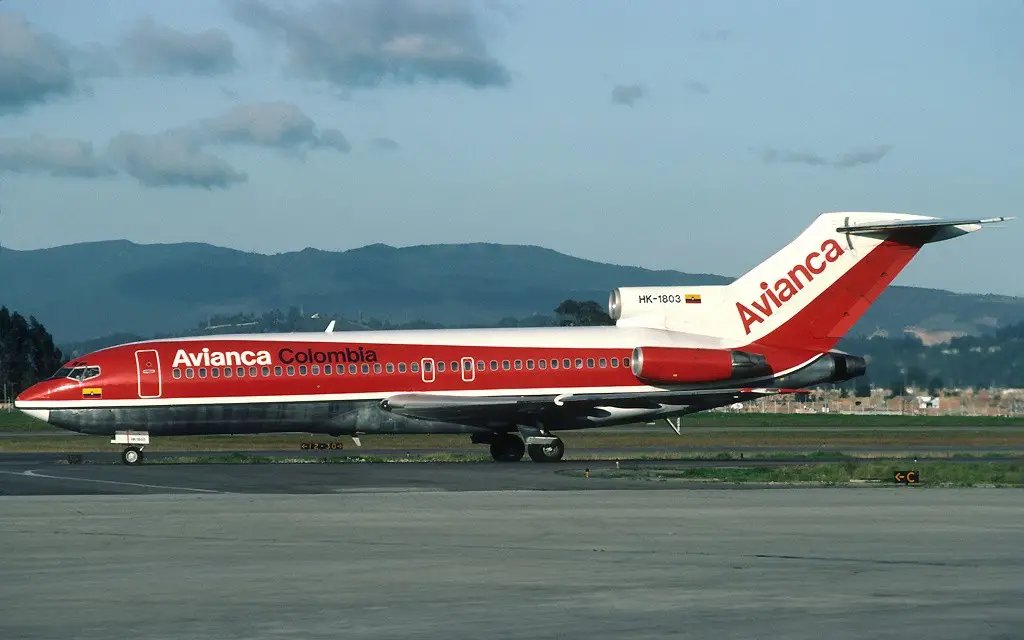
On August 18, 1989, hitmen killed the Liberal presidential frontrunner, Luis Carlos Galán. On November 27, 1989, a bomb destroyed Avianca Flight 203 near Bogotá, killing 110 people. On June 19, 1991, Colombia's Constituent Assembly voted to ban the extradition of Colombians. The same day Escobar surrendered to La Catedral, a prison he had built. He escaped in 1992 and was shot dead on a Medellín rooftop on December 2, 1993, a day after his 44th birthday. Colombia restored extradition in 1997.
Other resources
All 33 resources →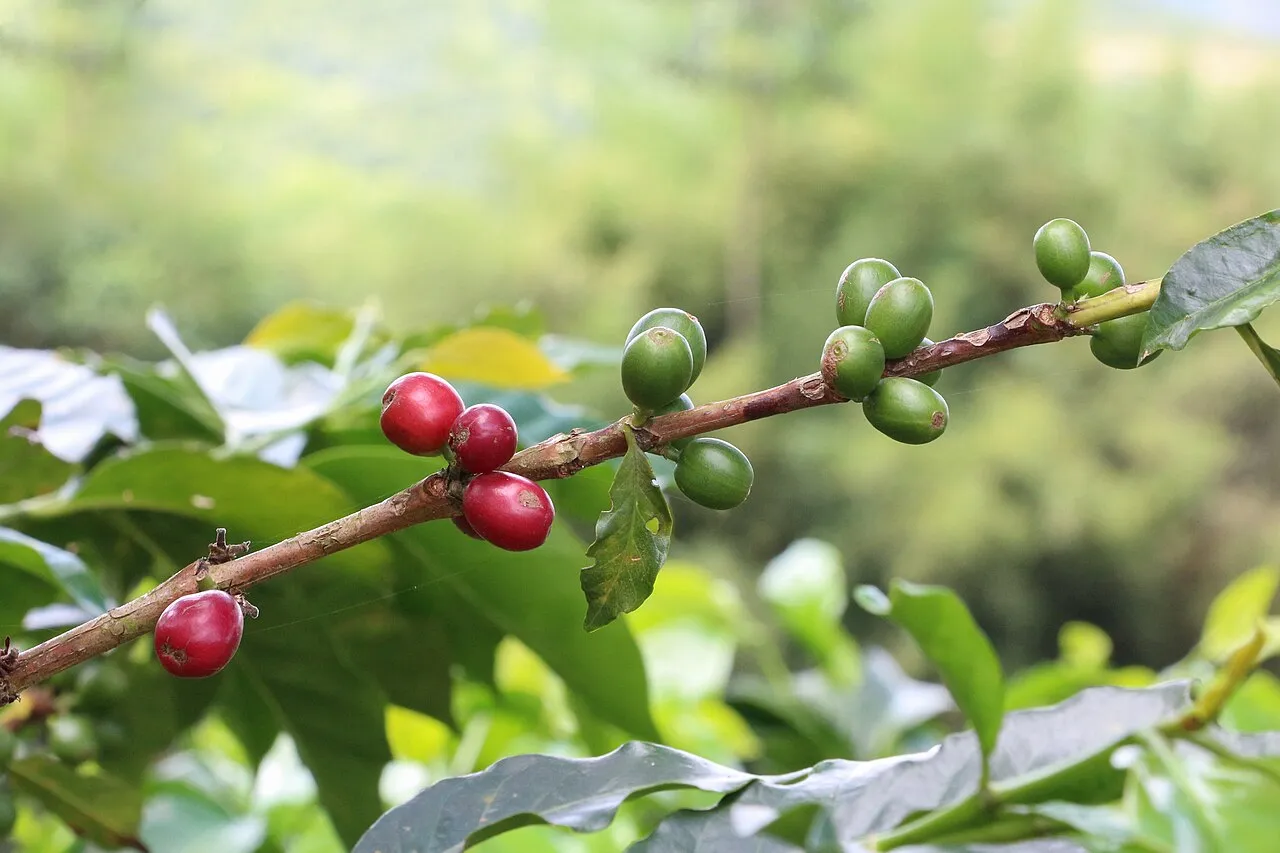
 Brazil 35%
Food and farming
Coffee
Brazil grows 35% of the world's coffee. The EU drinks the most, 24% of the total.
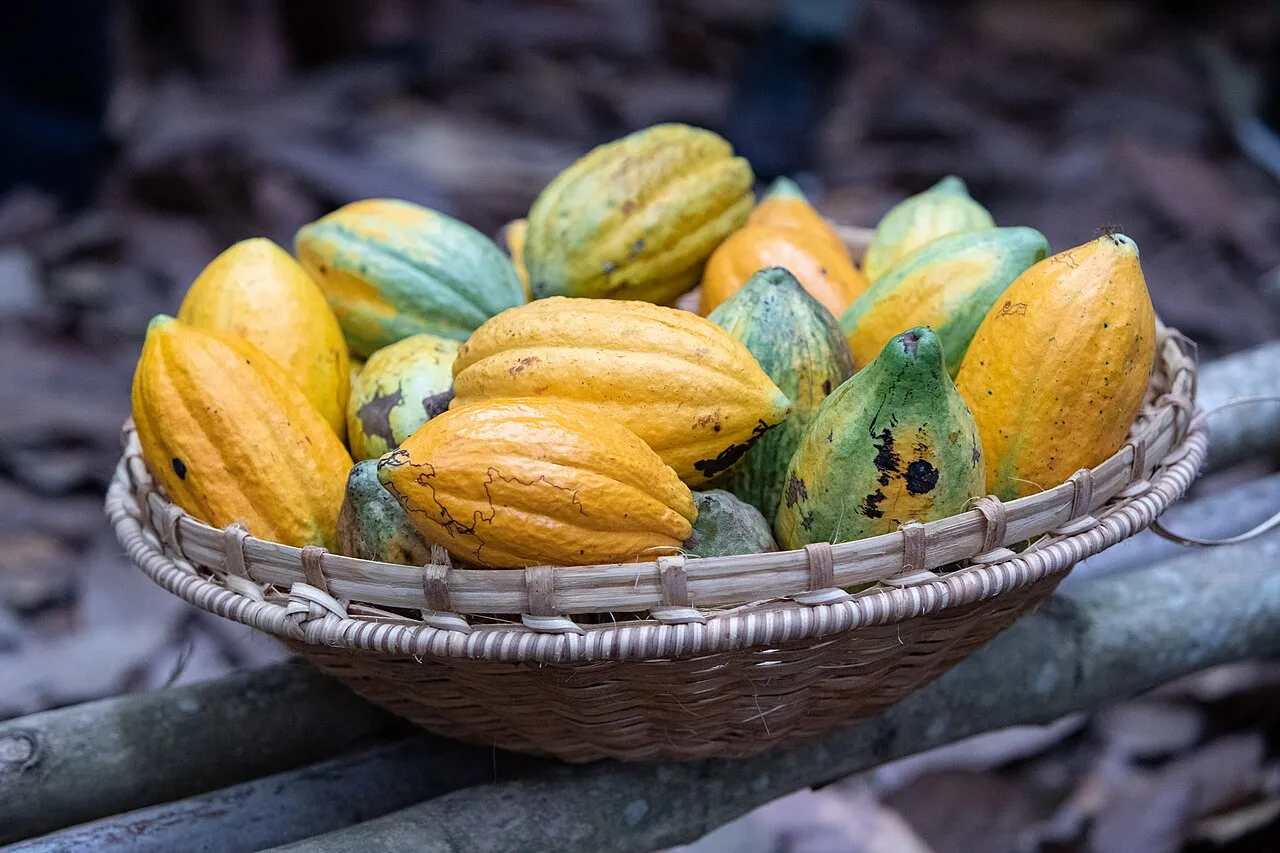
 Côte d'Ivoire 36%
Food and farming
Cocoa
Côte d'Ivoire grows 36% of the world's cocoa. Ghana and Ecuador follow.
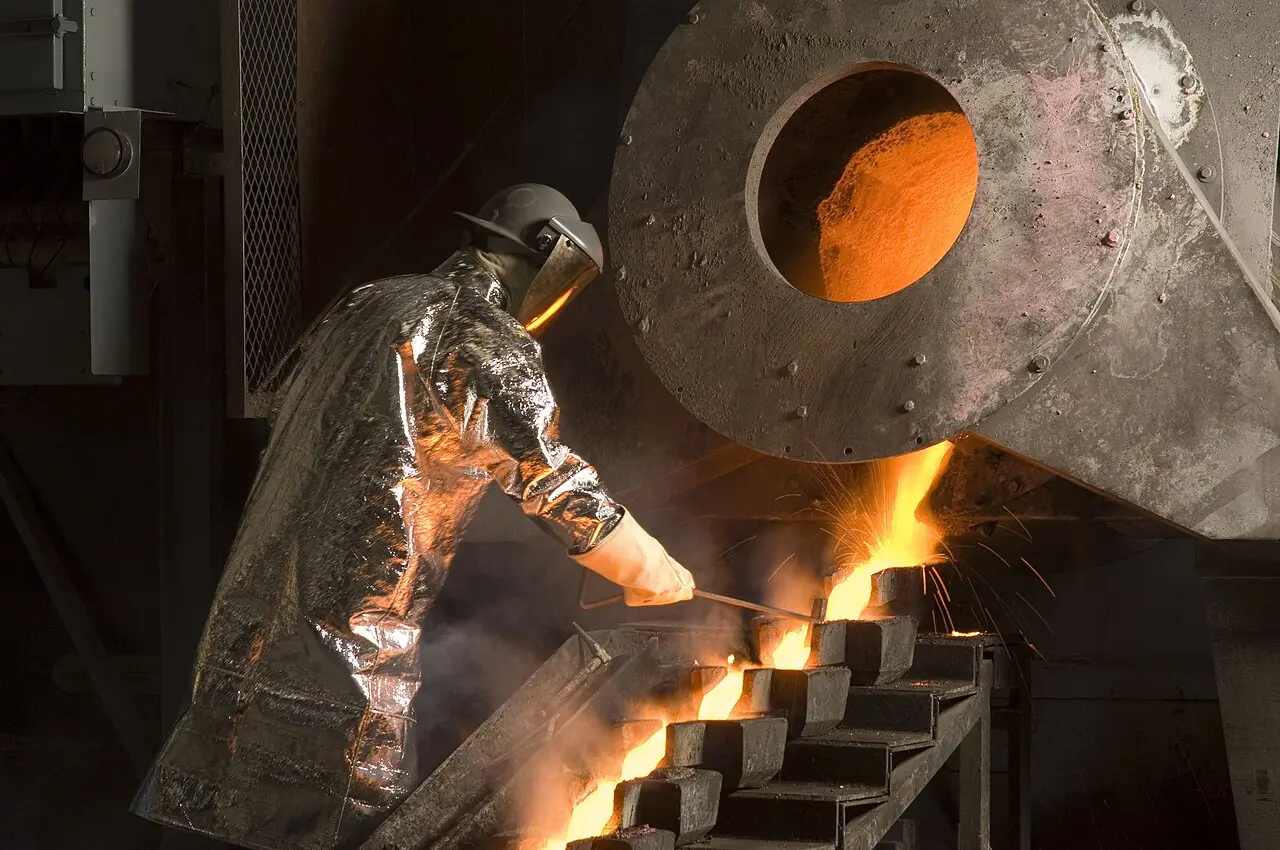 China 11.5%
Precious metal
Gold
China mines the most gold. Central banks have bought about 1,000 tonnes a year since 2022.